Original: $154.95
-65%$154.95
$54.23The Story
Brighten your garden with fragrant beauty
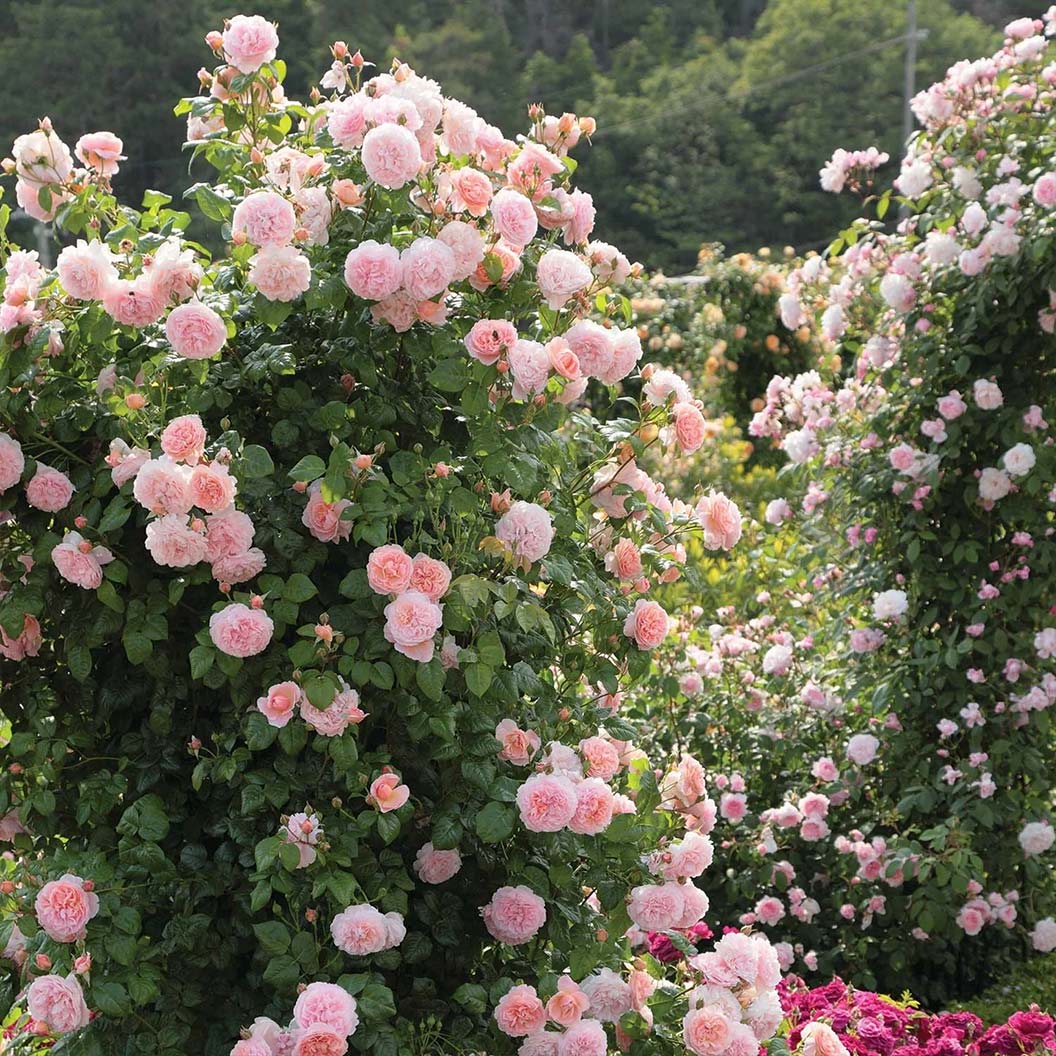
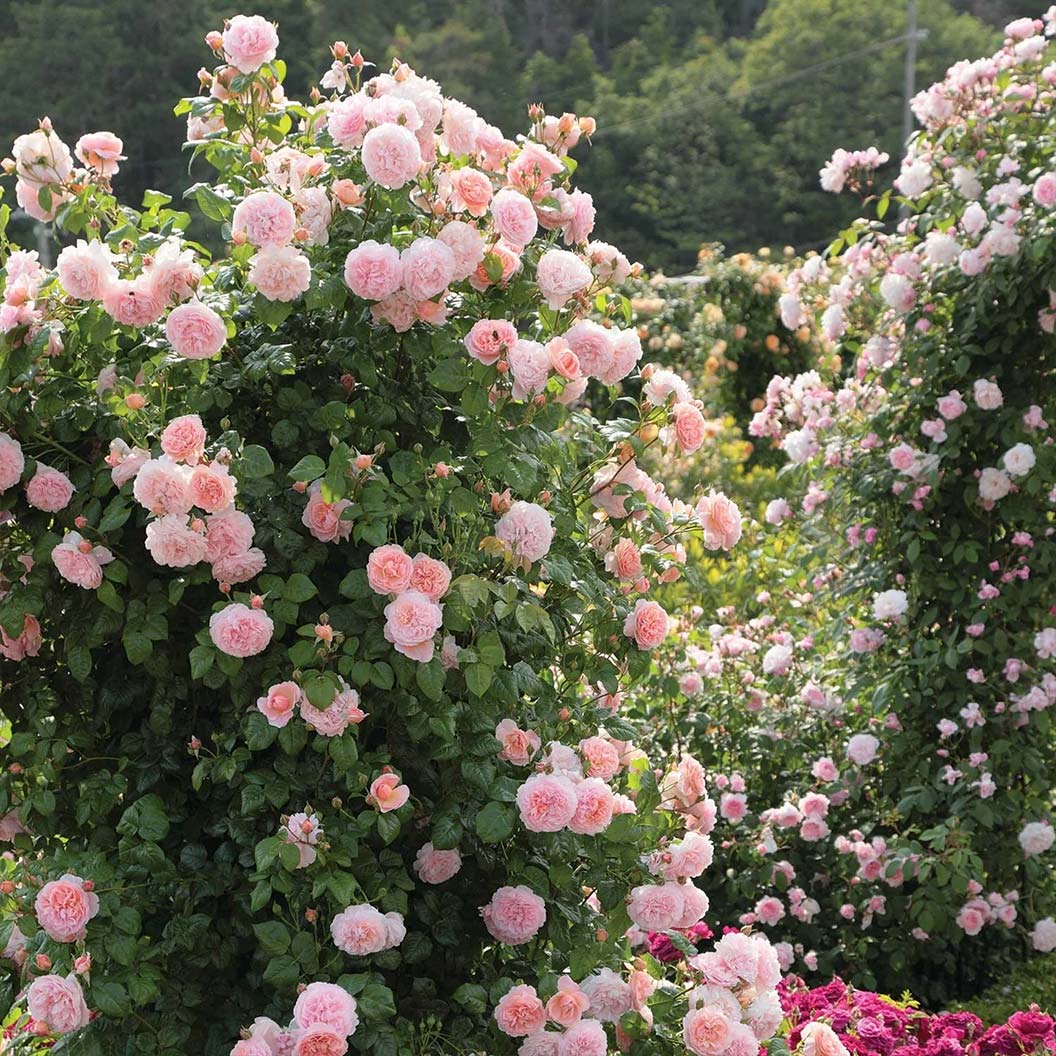
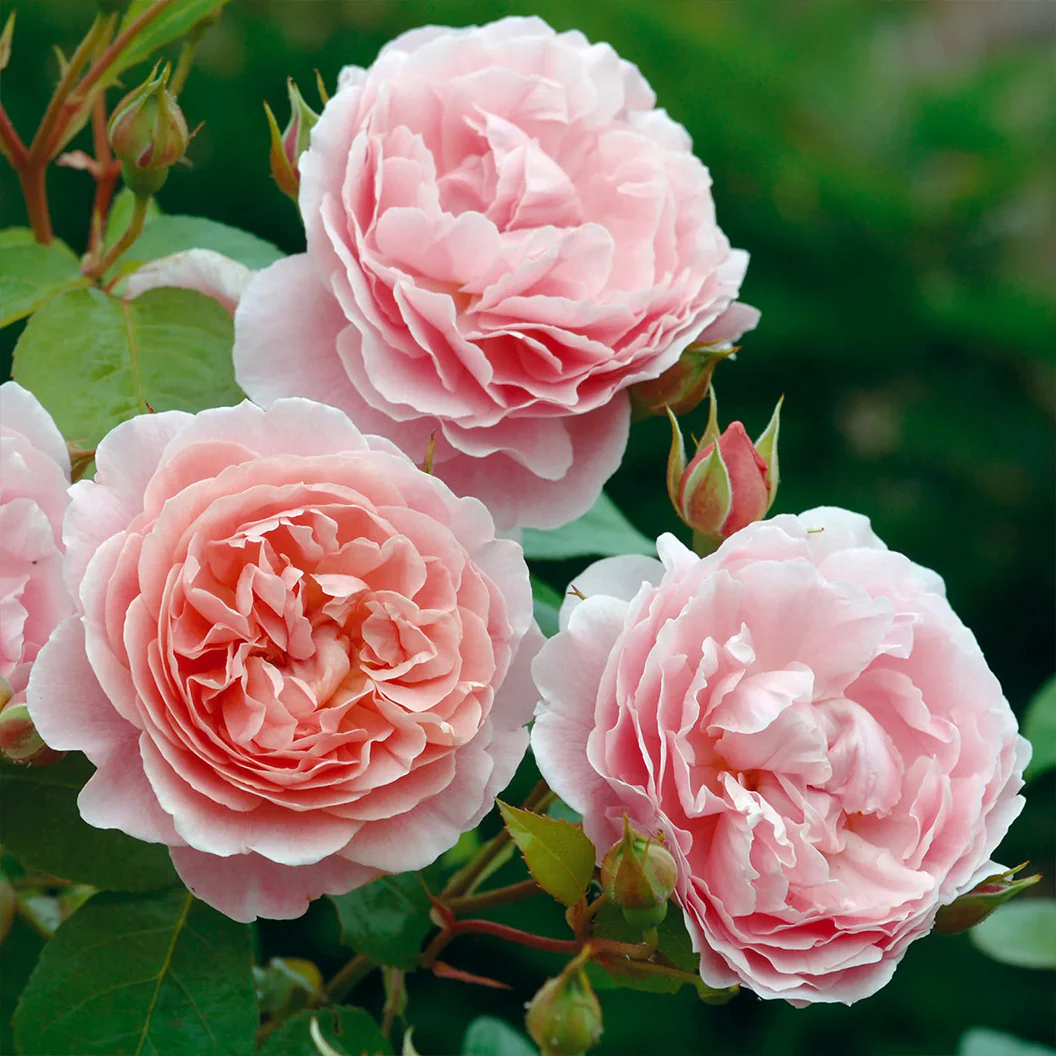
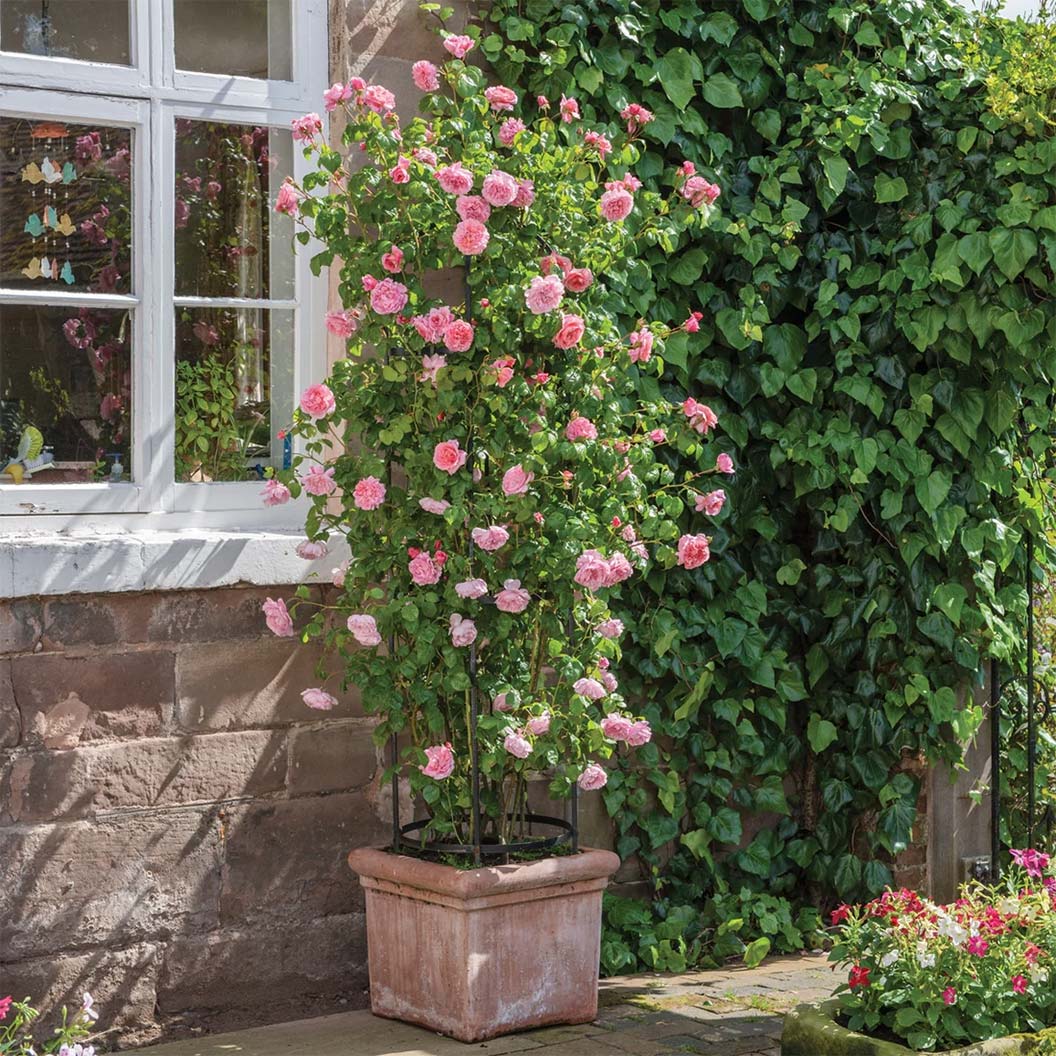
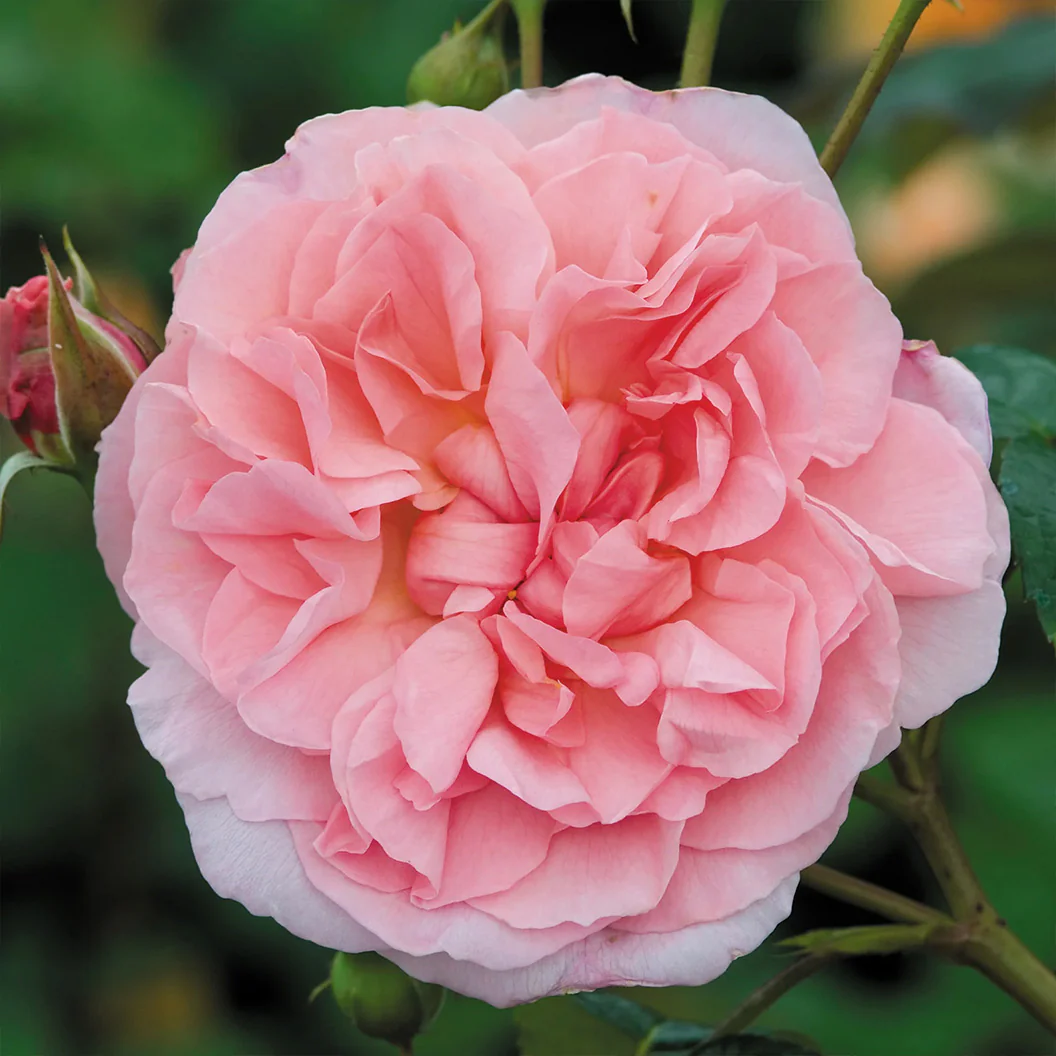
This stunning shrub enchants throughout the growing season with its small clusters of large, mid-pink cupped rosettes. Each bloom releases a delightful fragrance of myrrh and heather honey, creating a sensory experience as you wander through your garden. Another standout feature is its glossy, dark foliage which not only provides a beautiful backdrop for the roses but also adds texture and depth to your landscape.
Named after the gothic revival house in Twickenham, London, this shrub pays homage to its roots while thriving in a variety of garden settings. Its arching branches lend a graceful, cascading effect that makes it a perfect choice for borders, foundation plantings, or even as a stand-alone focal point. Whether you’re looking to attract pollinators or enhance your outdoor space with color and scent, this shrub is an excellent addition.
Planting & Care
1. Planting: Plant or repot within 4 weeks of arrival. Choose a sunny spot with well-draining soil, ensuring it has space to spread. Dig a hole twice as wide as the root ball and place the shrub in the center, so that it is equal with the soil line. Backfill with a mix of compost and native soil. Spread a 3 feet layer of mulch around the shrub to conserve moisture, insulate roots, and suppress weeds. Water deeply after planting.
2. Watering: Keep the soil consistently moist, especially during the first growing season. Water deeply to encourage strong root development while avoiding waterlogged conditions.
3. Pruning: Pruning should be done in late winter when roses are dormant. For the first two years, climbing roses are establishing their roots and main framework. Prune lightly during this time, aiming to remove dead or diseased wood. Tie longer canes to your support structure like a fence or trellis and shorten any stems that don’t yet reach the structure. In years three and beyond, continue to tie any long stems to the main framework and prune short stems back by half. Remove older stems at the base, which will encourage new canes that are more productive.
4. Fertilizing: Use a balanced fertilizer in early spring to support growth and flowering. Avoid excessive fertilization, which can lead to lush foliage at the expense of blooms.
Details & Craftsmanship
Every detail has been carefully considered to bring you the perfect product.
Details & Craftsmanship
Every detail has been carefully considered to bring you the perfect product.
Details & Craftsmanship
Every detail has been carefully considered to bring you the perfect product.
Details & Craftsmanship
Every detail has been carefully considered to bring you the perfect product.

Details & Craftsmanship
Every detail has been carefully considered to bring you the perfect product.
Description
Brighten your garden with fragrant beauty
This stunning shrub enchants throughout the growing season with its small clusters of large, mid-pink cupped rosettes. Each bloom releases a delightful fragrance of myrrh and heather honey, creating a sensory experience as you wander through your garden. Another standout feature is its glossy, dark foliage which not only provides a beautiful backdrop for the roses but also adds texture and depth to your landscape.
Named after the gothic revival house in Twickenham, London, this shrub pays homage to its roots while thriving in a variety of garden settings. Its arching branches lend a graceful, cascading effect that makes it a perfect choice for borders, foundation plantings, or even as a stand-alone focal point. Whether you’re looking to attract pollinators or enhance your outdoor space with color and scent, this shrub is an excellent addition.
Planting & Care
1. Planting: Plant or repot within 4 weeks of arrival. Choose a sunny spot with well-draining soil, ensuring it has space to spread. Dig a hole twice as wide as the root ball and place the shrub in the center, so that it is equal with the soil line. Backfill with a mix of compost and native soil. Spread a 3 feet layer of mulch around the shrub to conserve moisture, insulate roots, and suppress weeds. Water deeply after planting.
2. Watering: Keep the soil consistently moist, especially during the first growing season. Water deeply to encourage strong root development while avoiding waterlogged conditions.
3. Pruning: Pruning should be done in late winter when roses are dormant. For the first two years, climbing roses are establishing their roots and main framework. Prune lightly during this time, aiming to remove dead or diseased wood. Tie longer canes to your support structure like a fence or trellis and shorten any stems that don’t yet reach the structure. In years three and beyond, continue to tie any long stems to the main framework and prune short stems back by half. Remove older stems at the base, which will encourage new canes that are more productive.
4. Fertilizing: Use a balanced fertilizer in early spring to support growth and flowering. Avoid excessive fertilization, which can lead to lush foliage at the expense of blooms.