The Story
Remarkable Variety Produces Delicious Avocados
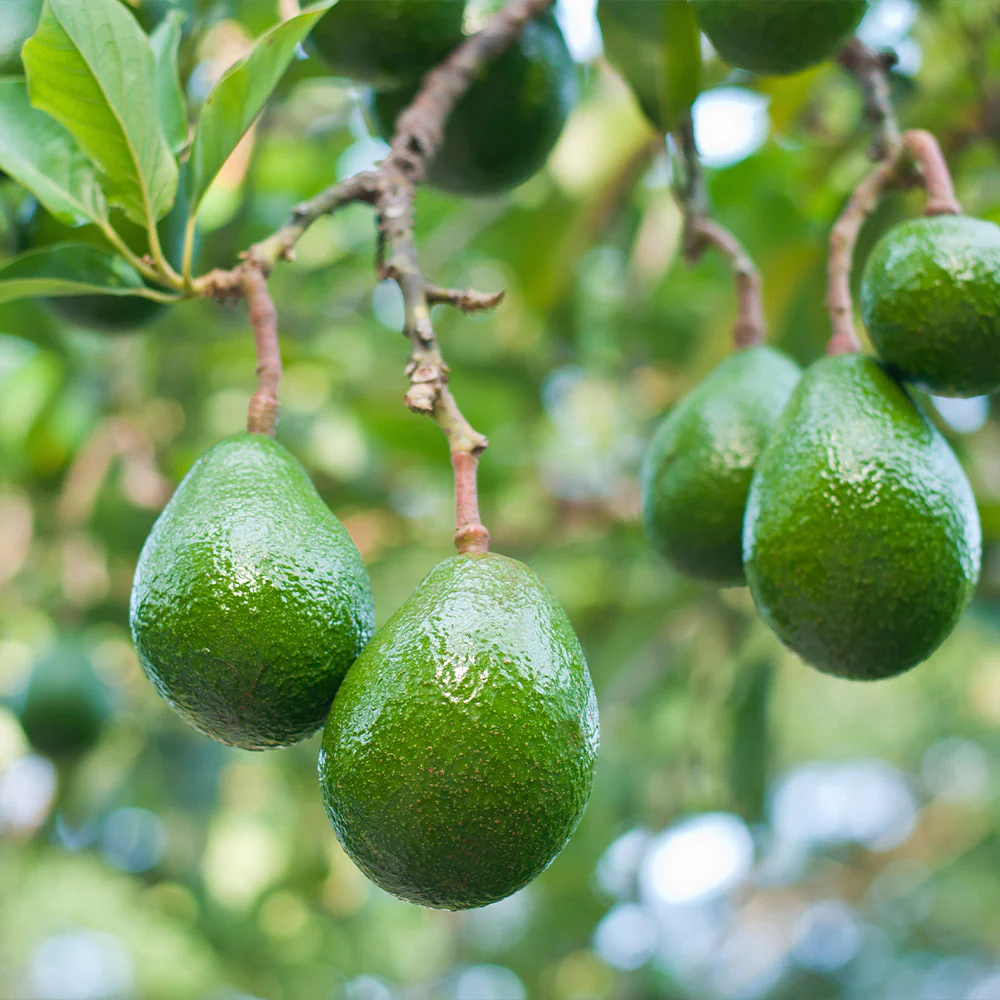
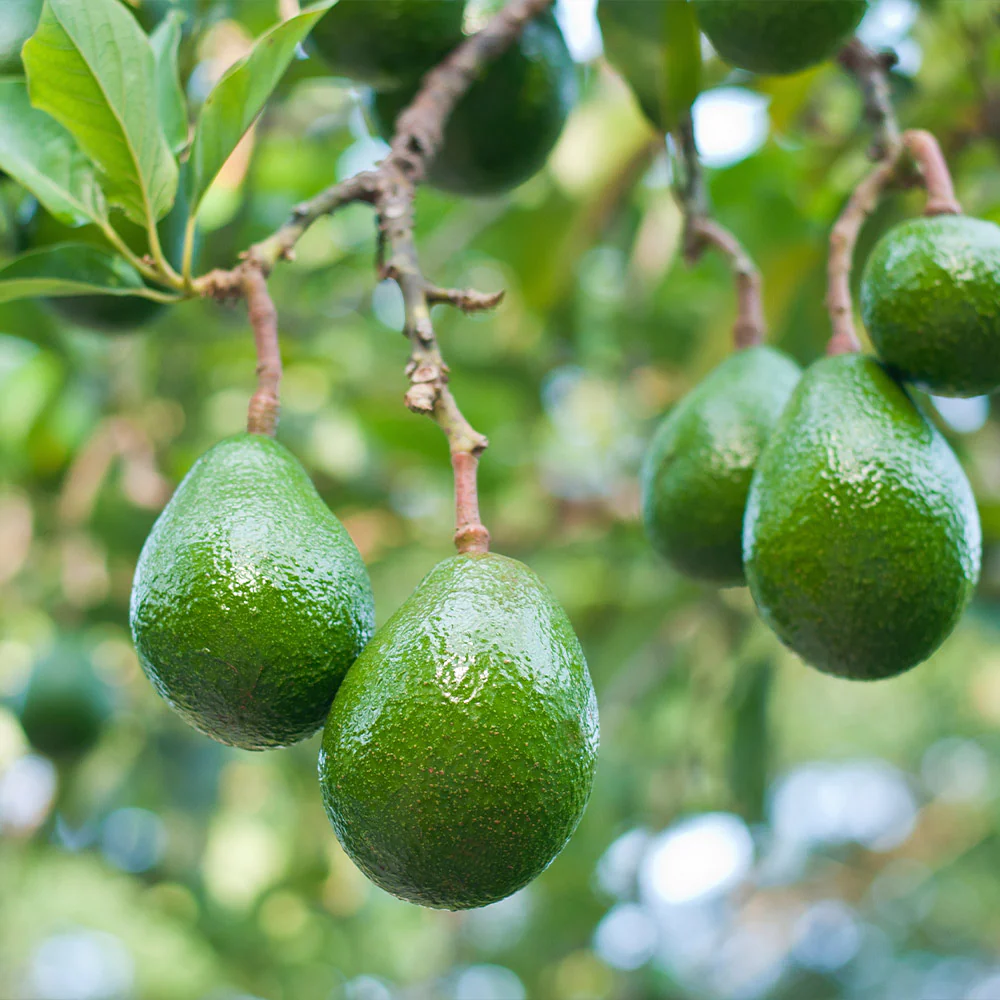
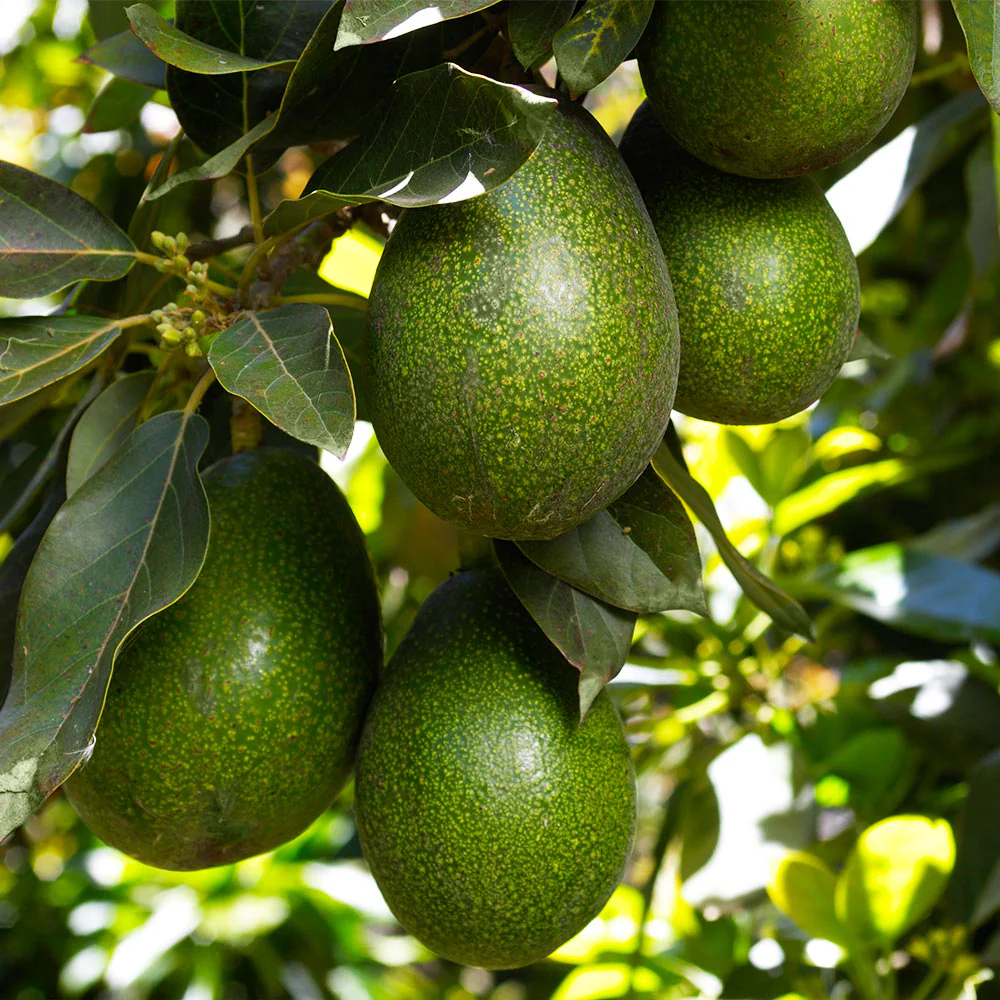
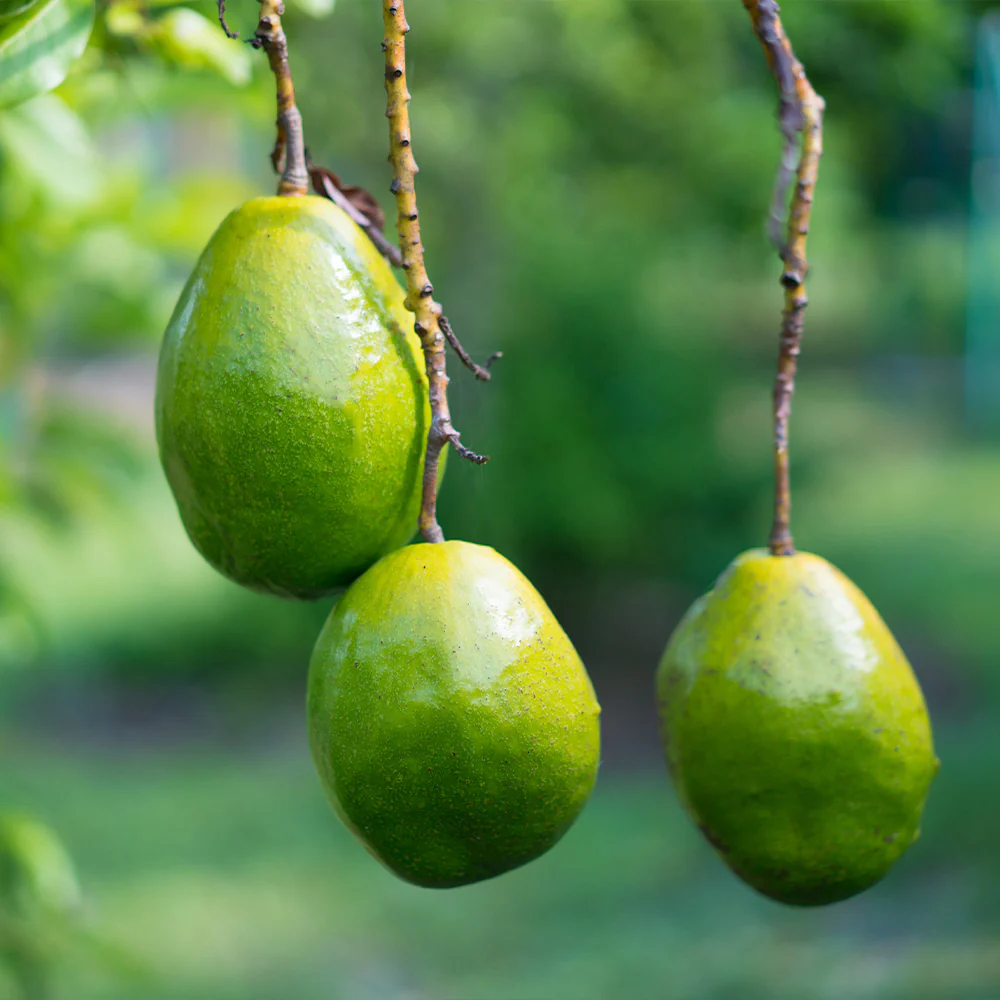
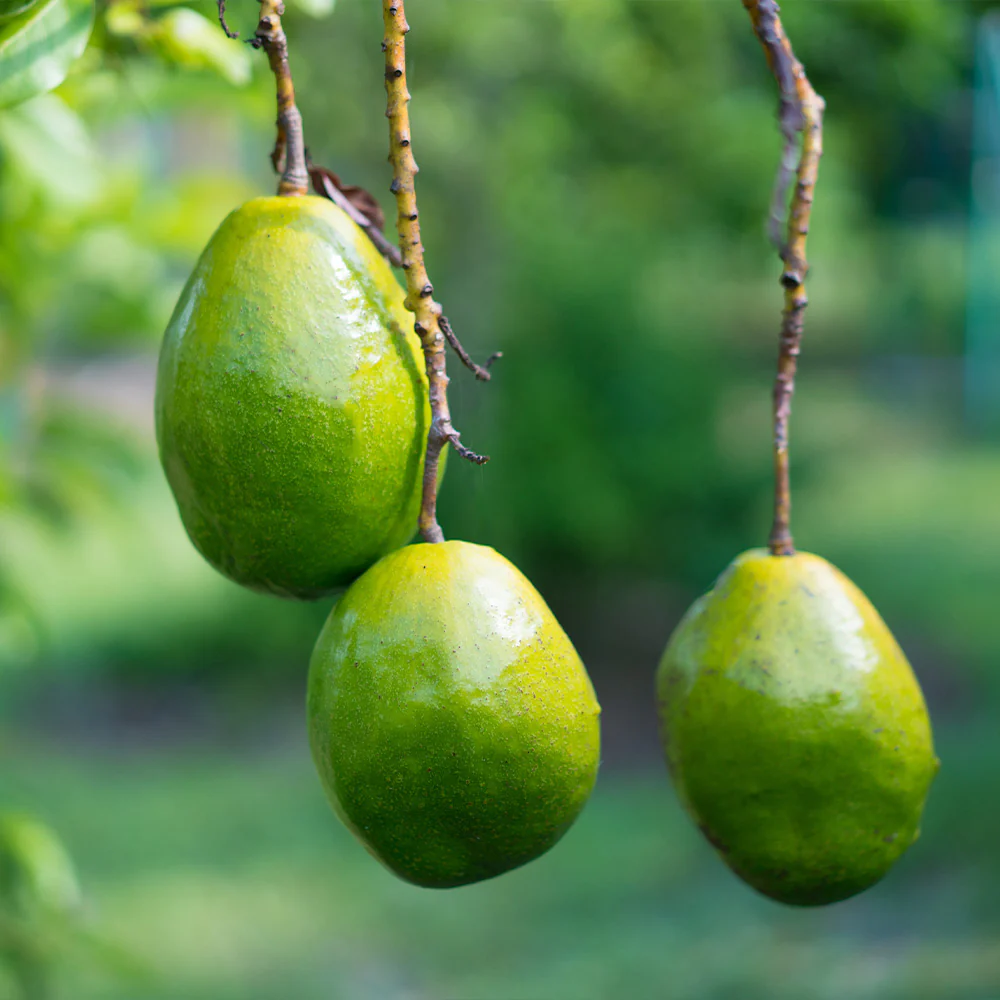
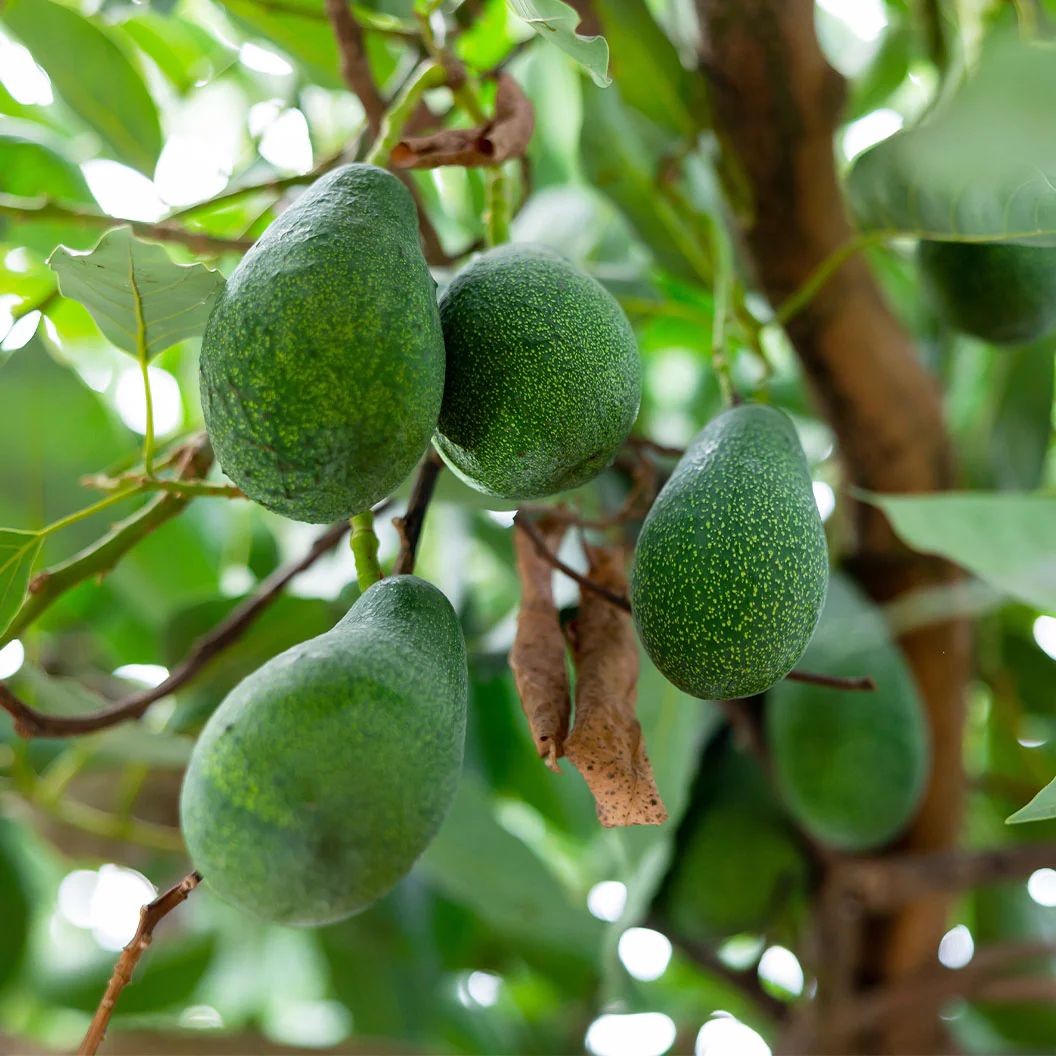
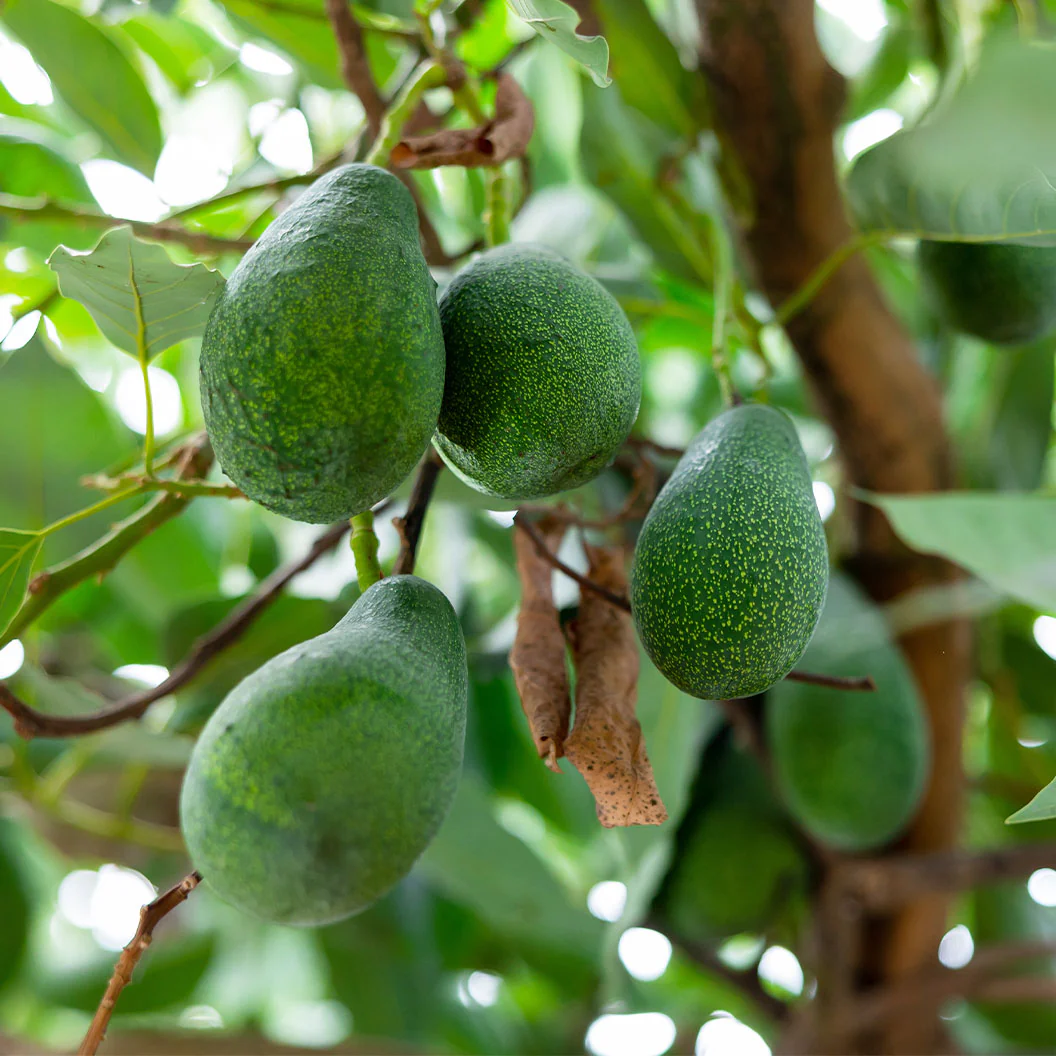
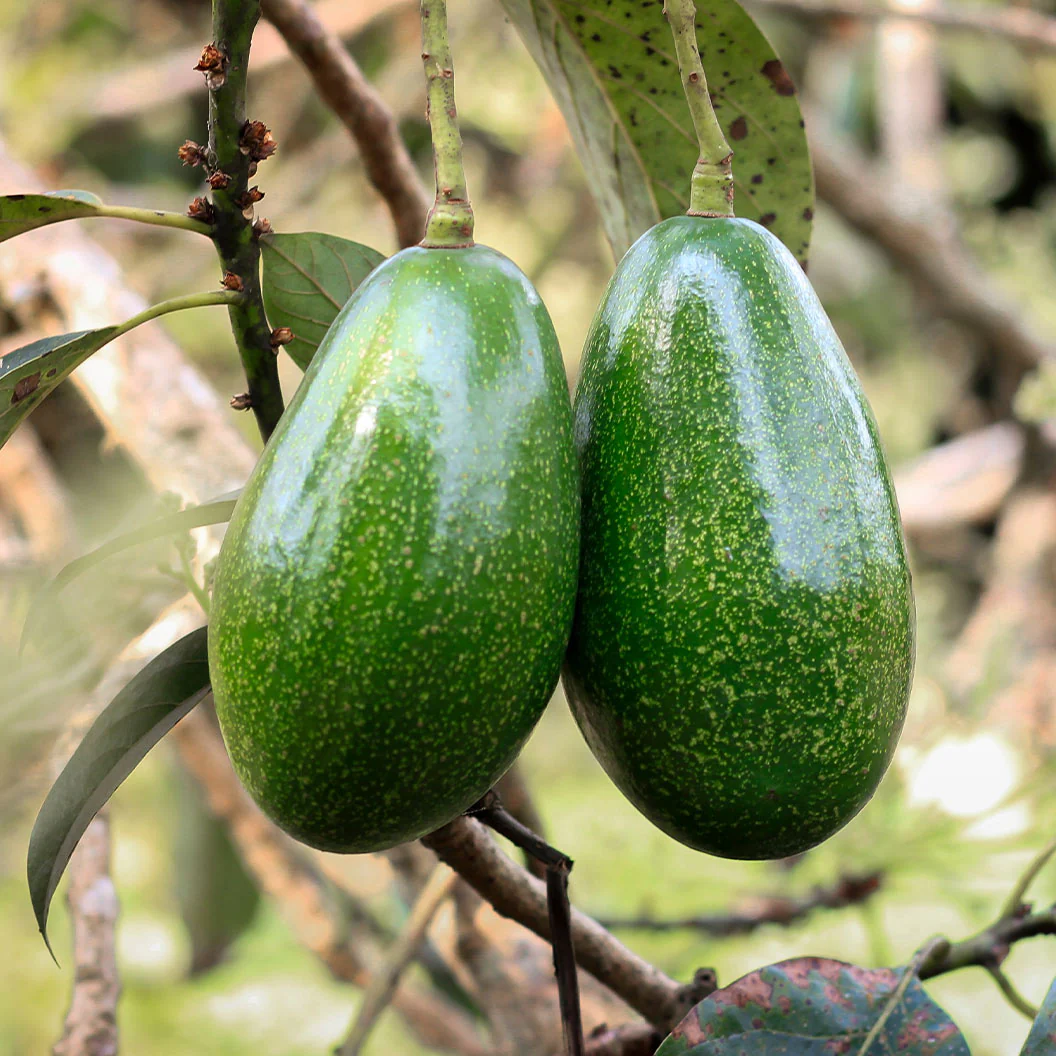
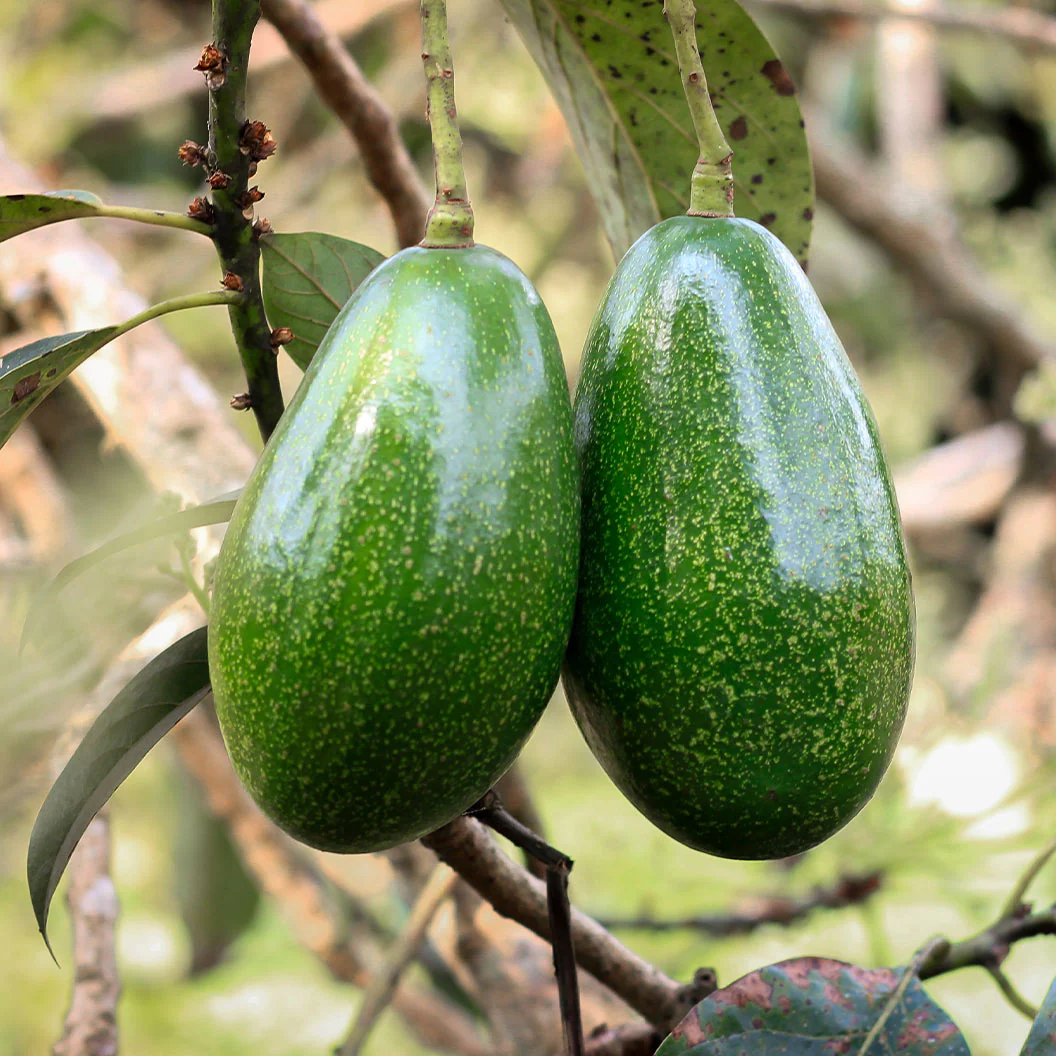
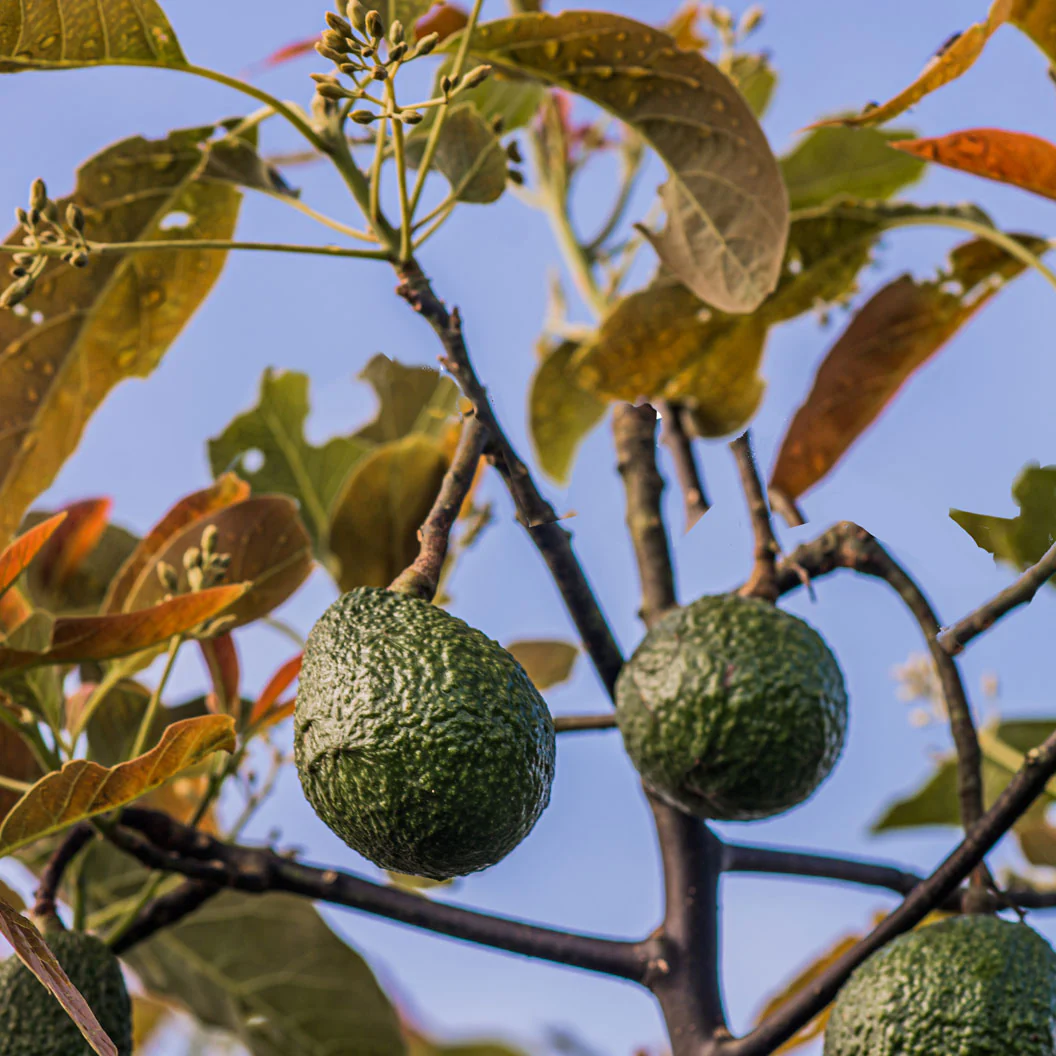
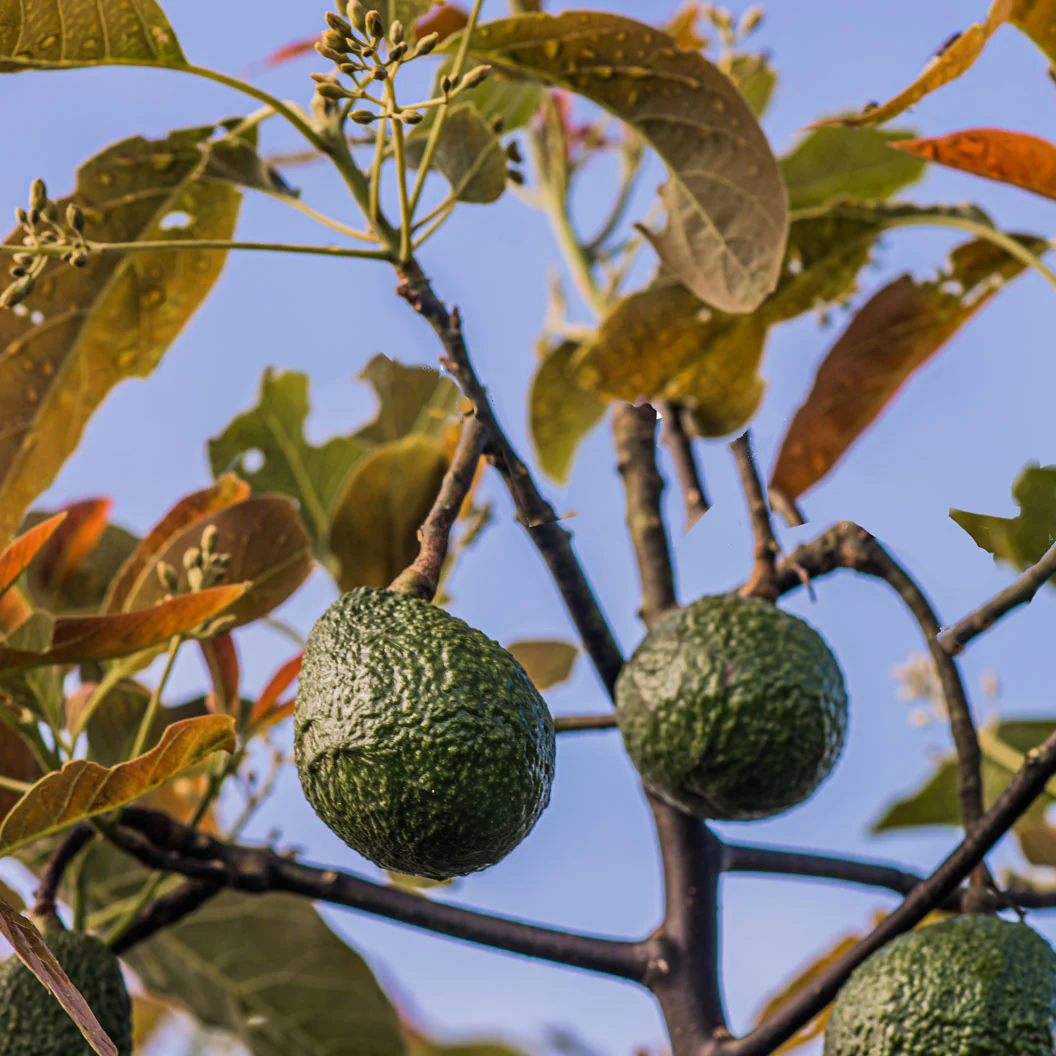
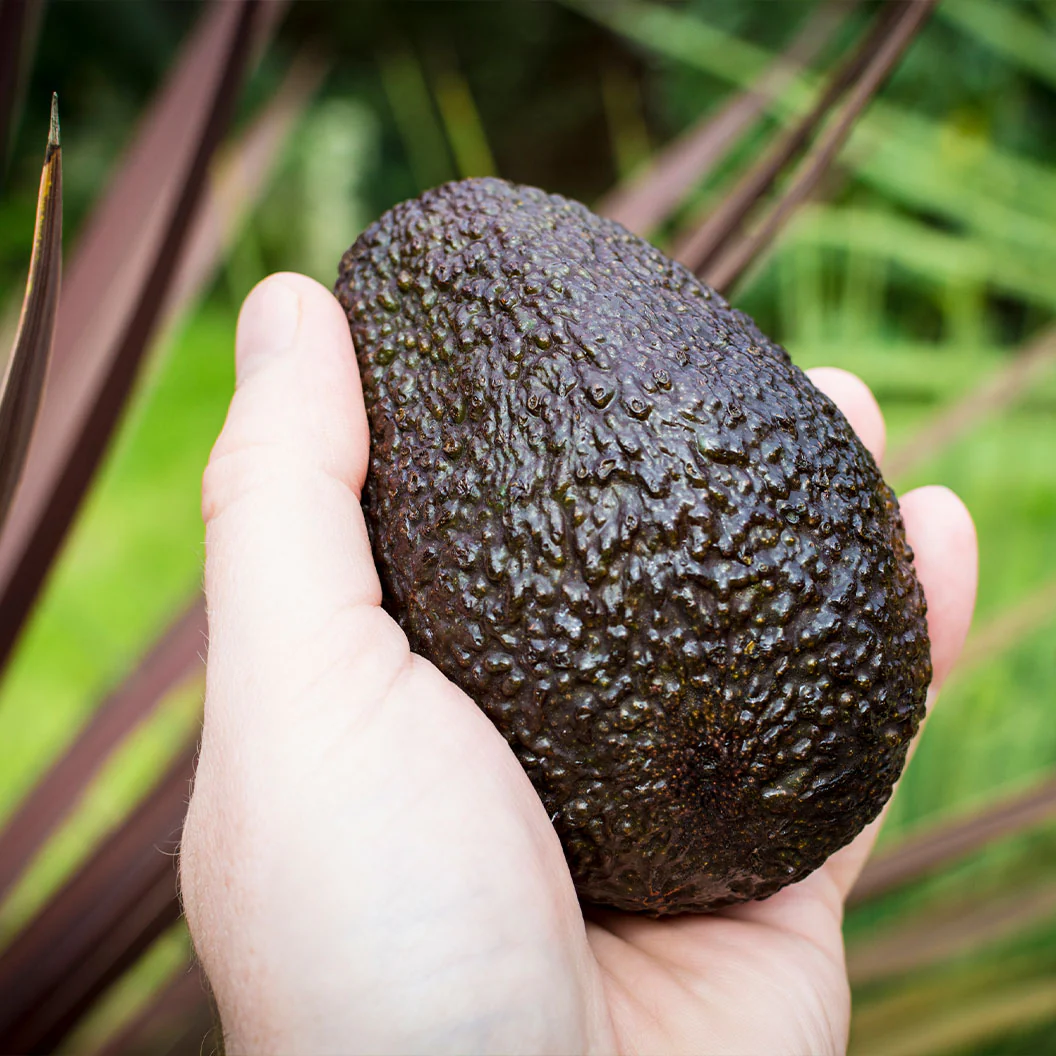
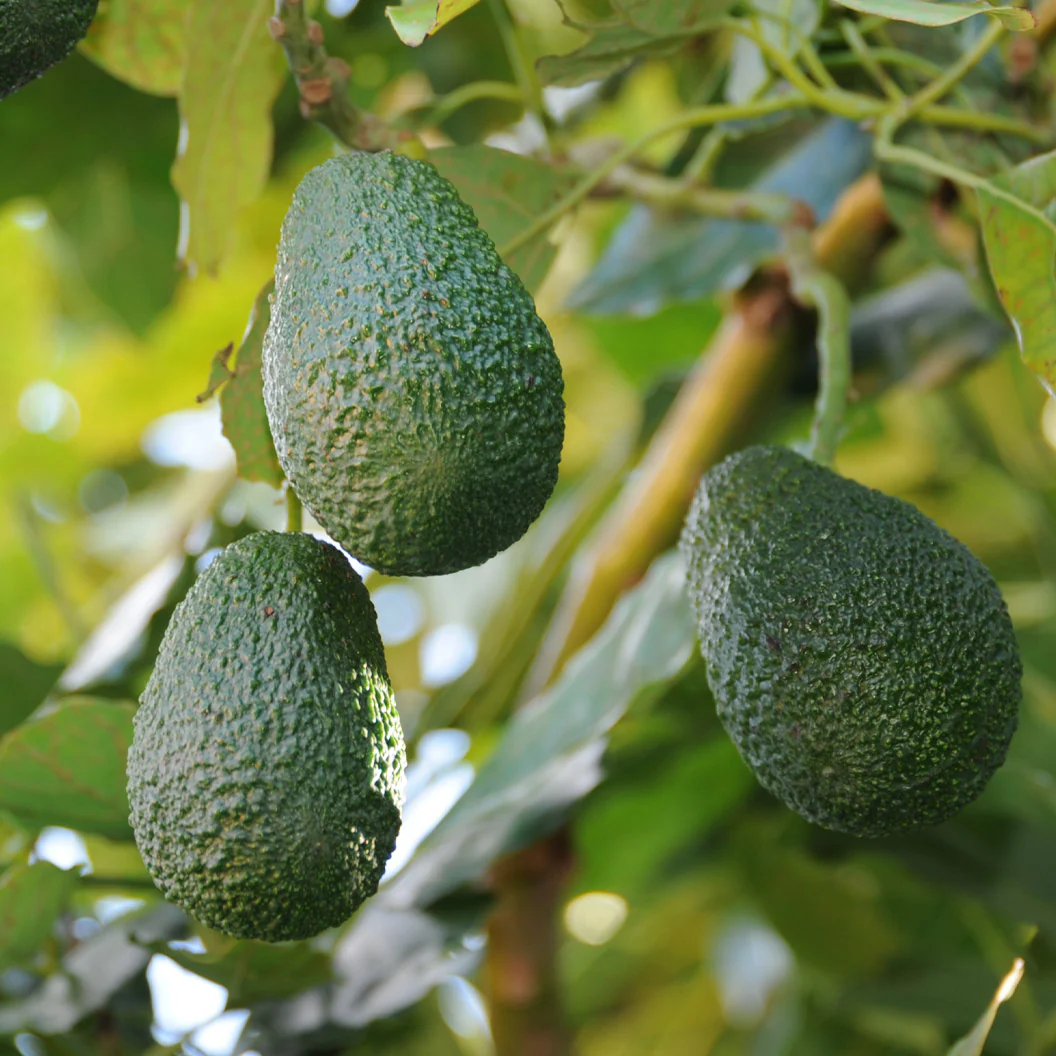
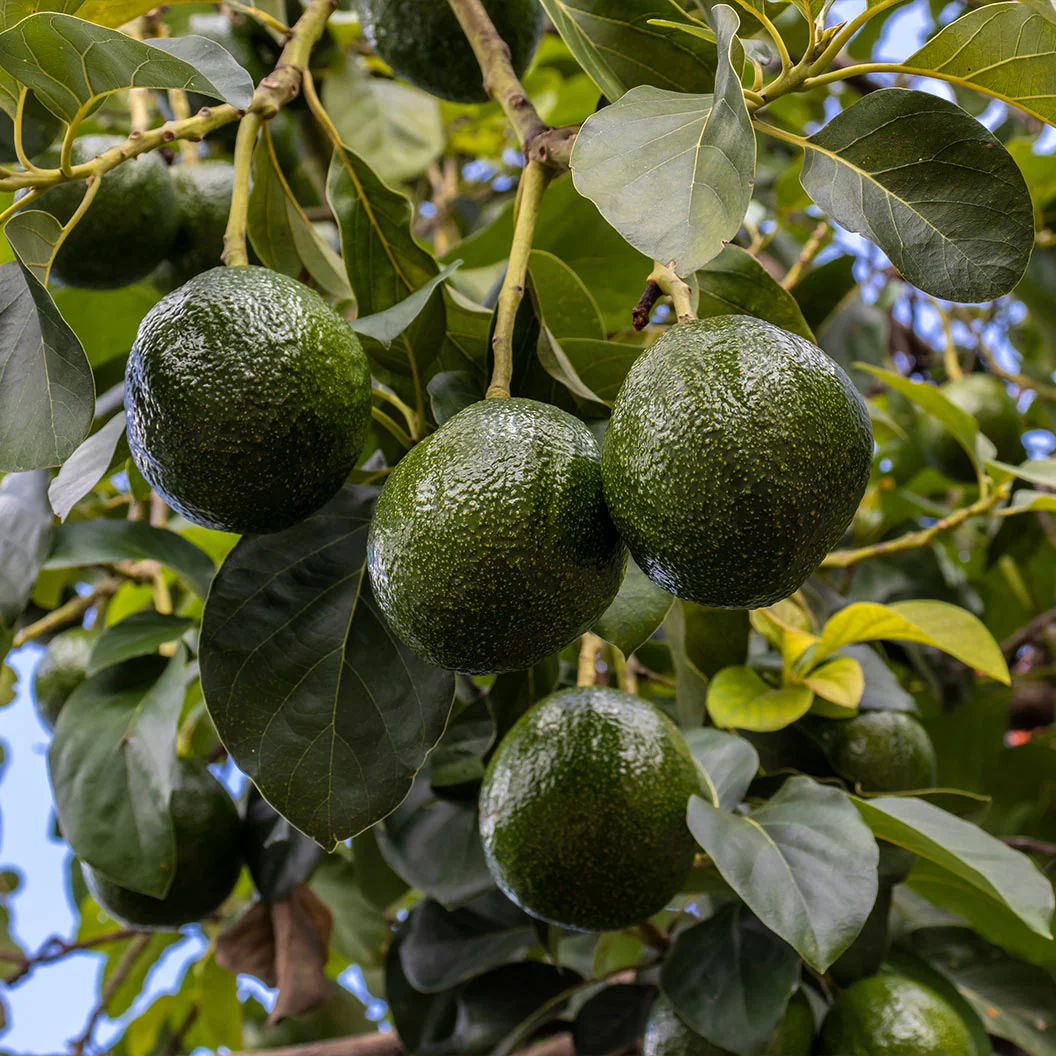
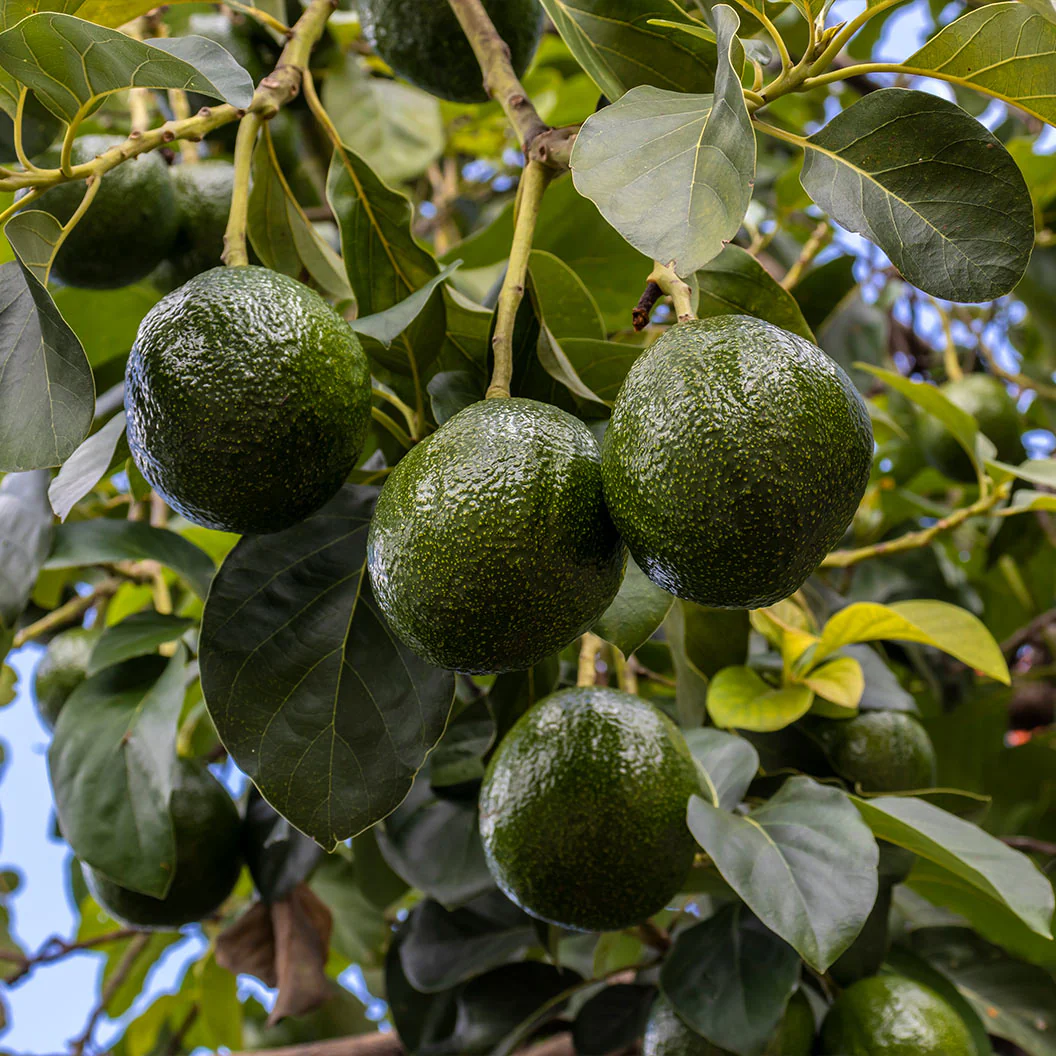
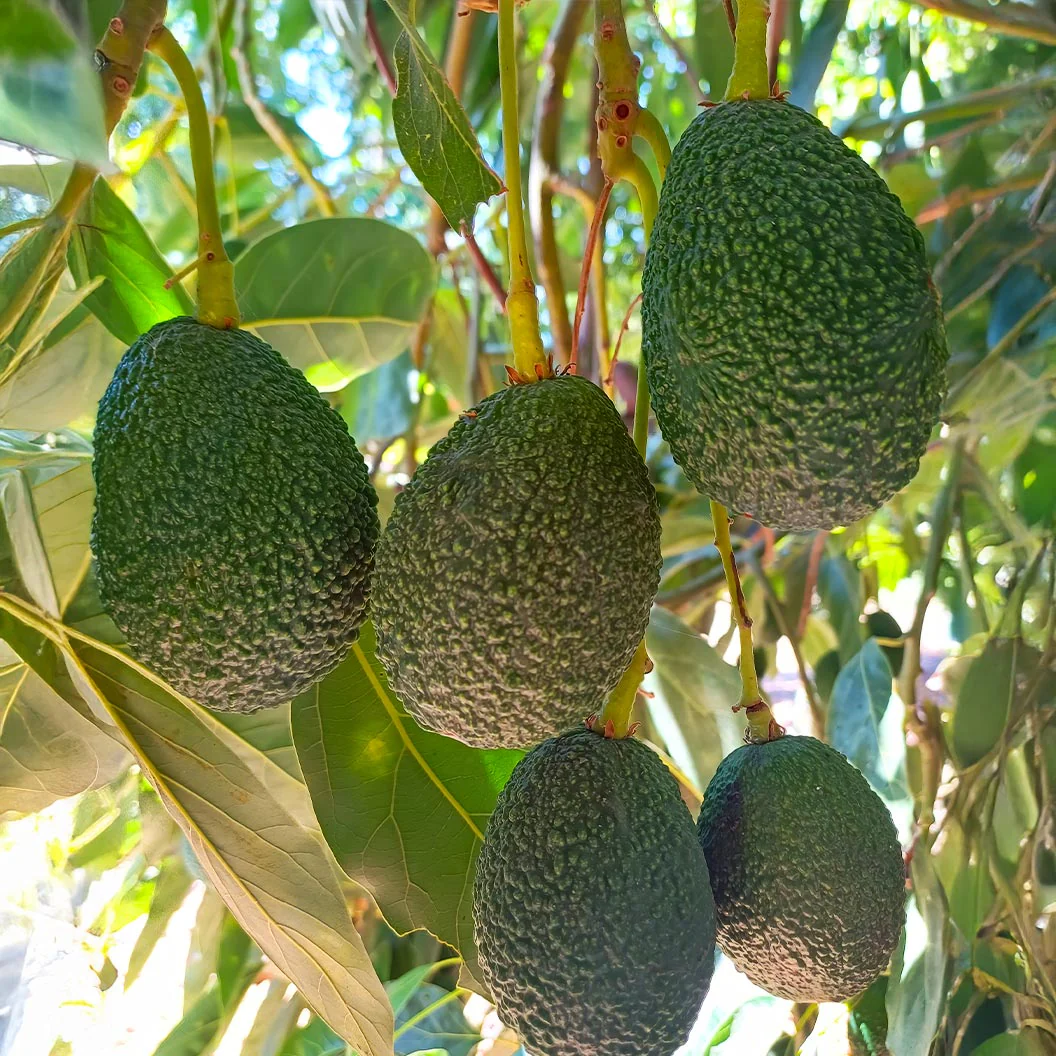
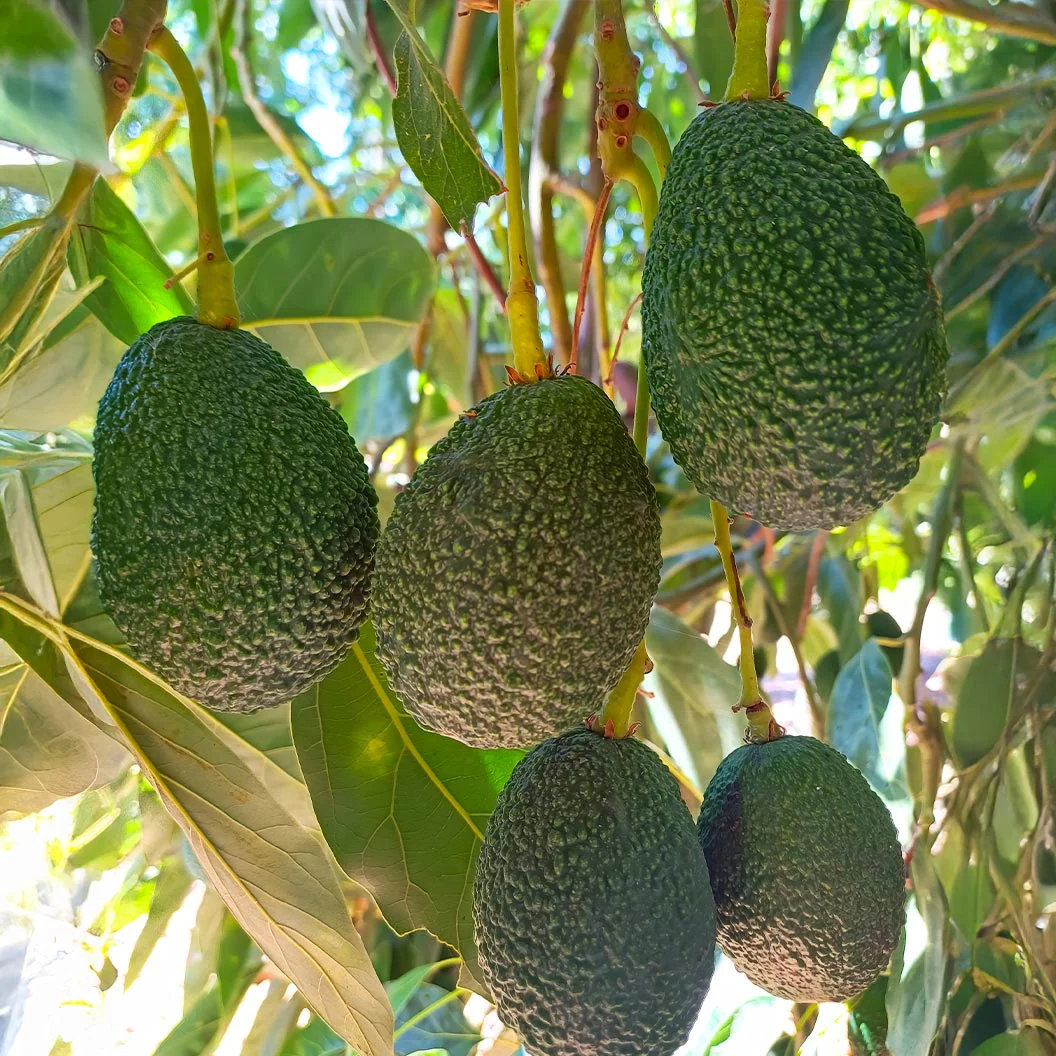
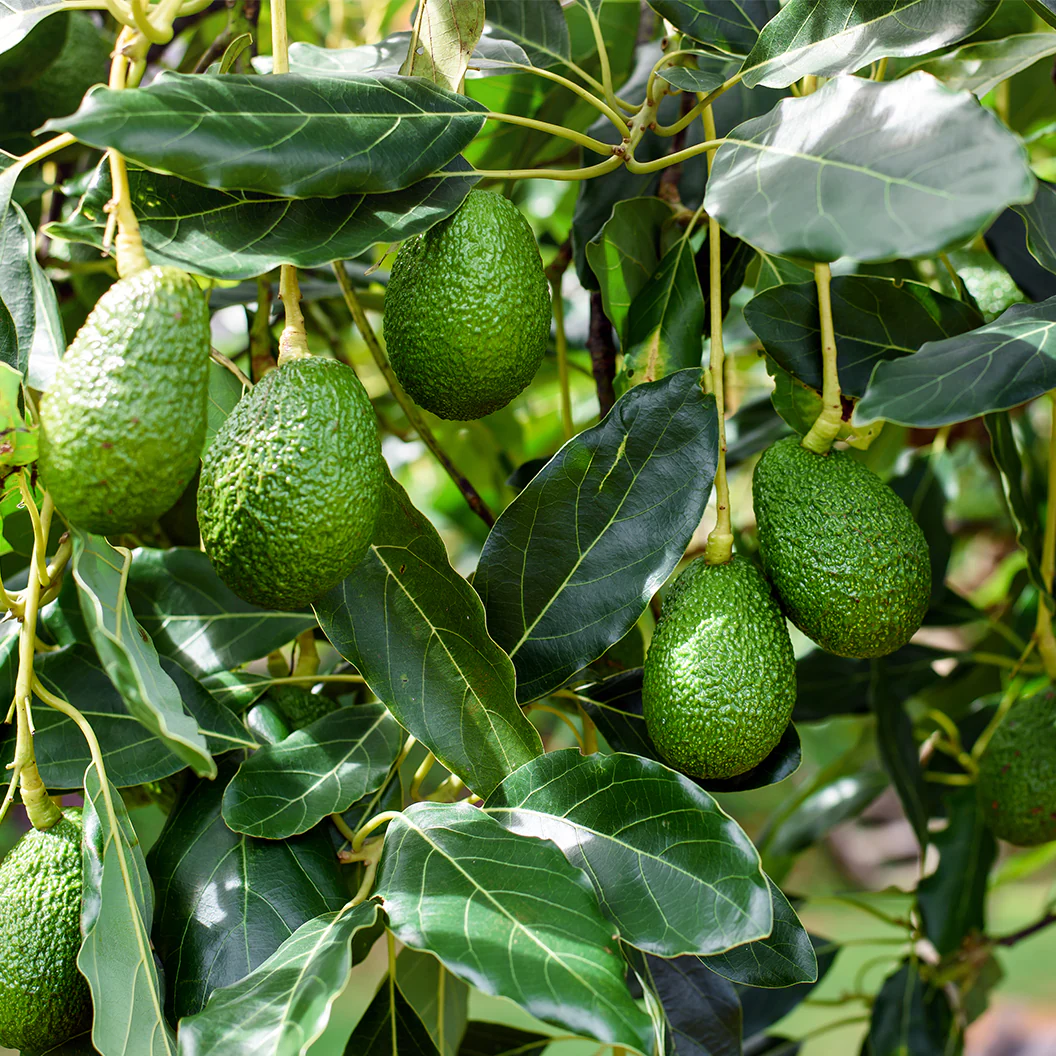
Ready to enjoy avocados anytime? Grow your own Little Cado tree! This dwarf avocado tree has been bred specifically for smaller spaces, so it is perfect for planting outside or in a large container. Growing just 8 to 10 feet tall, Little Cado will fit in anywhere!
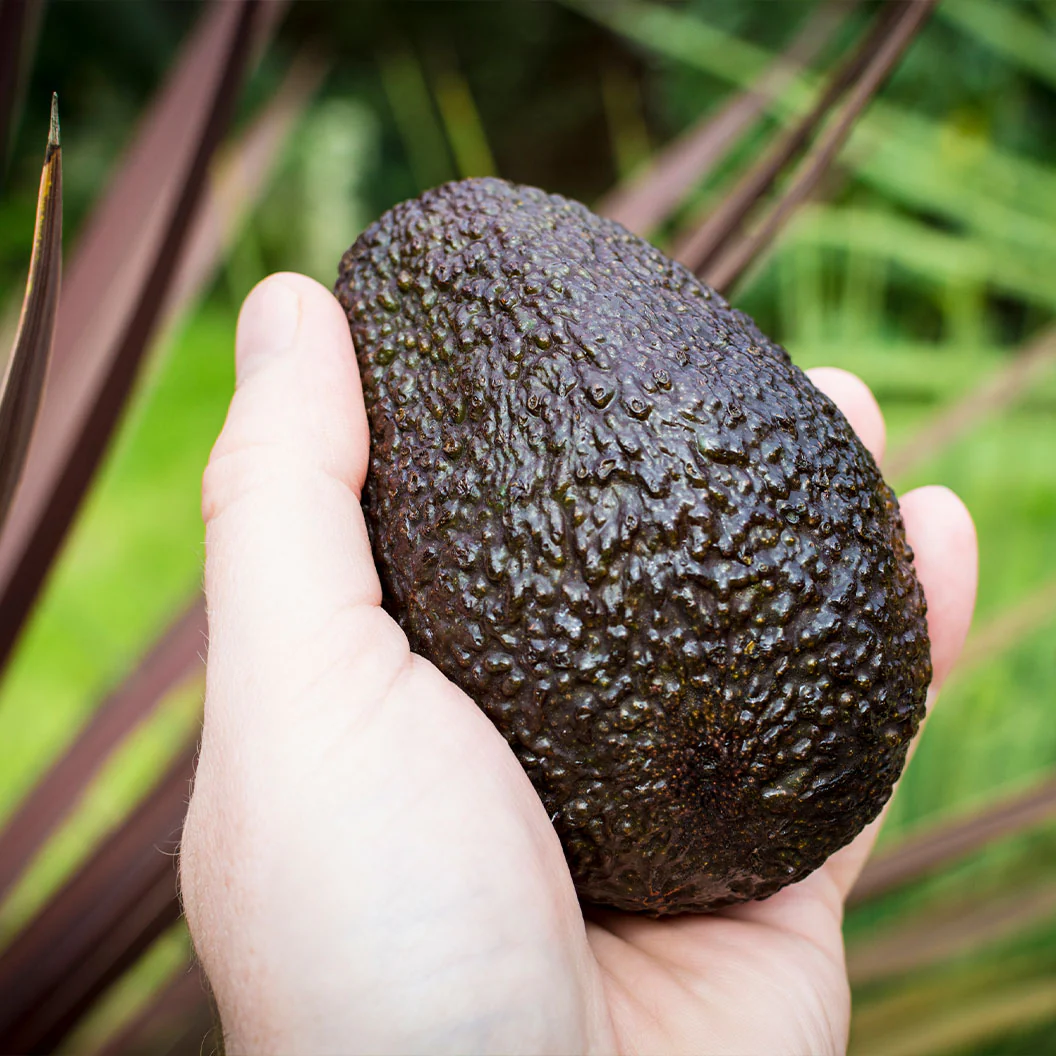
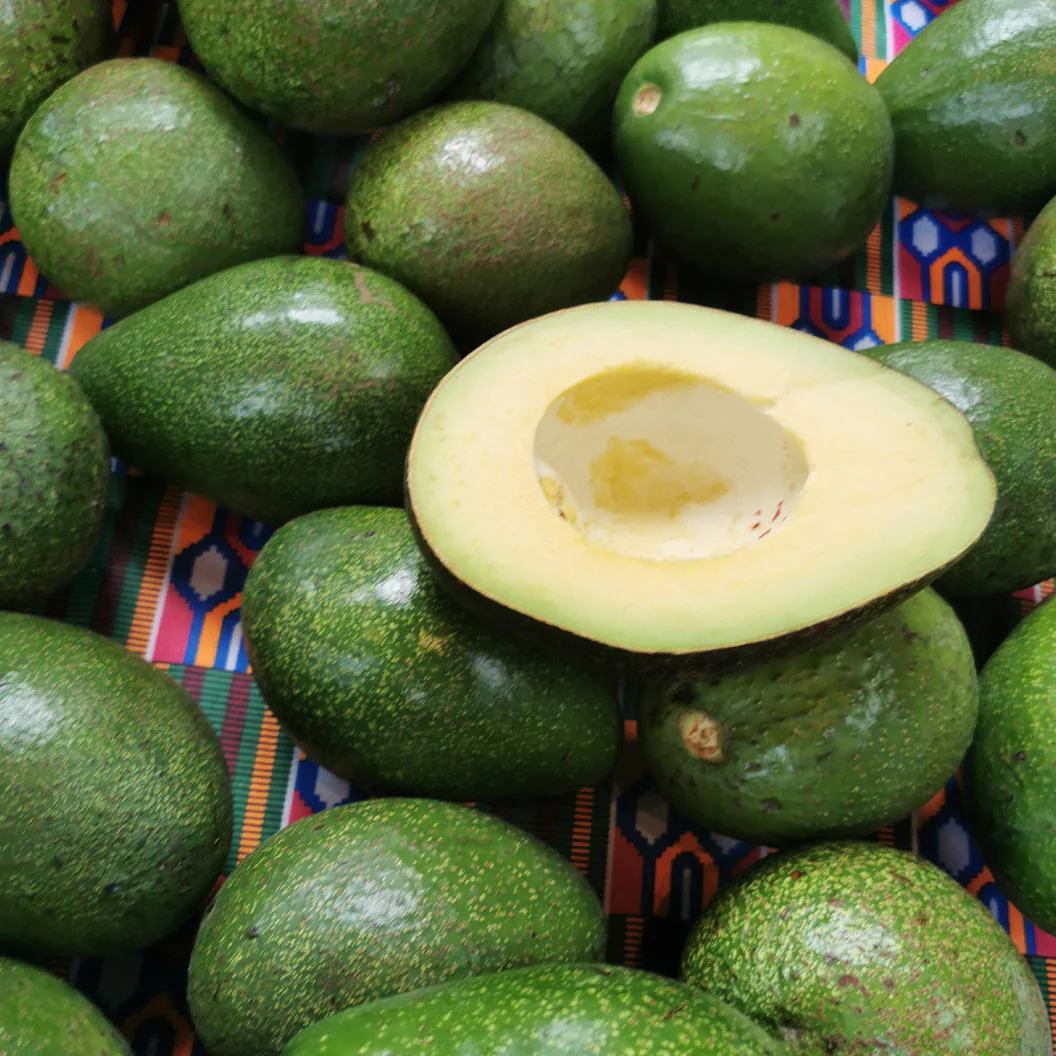
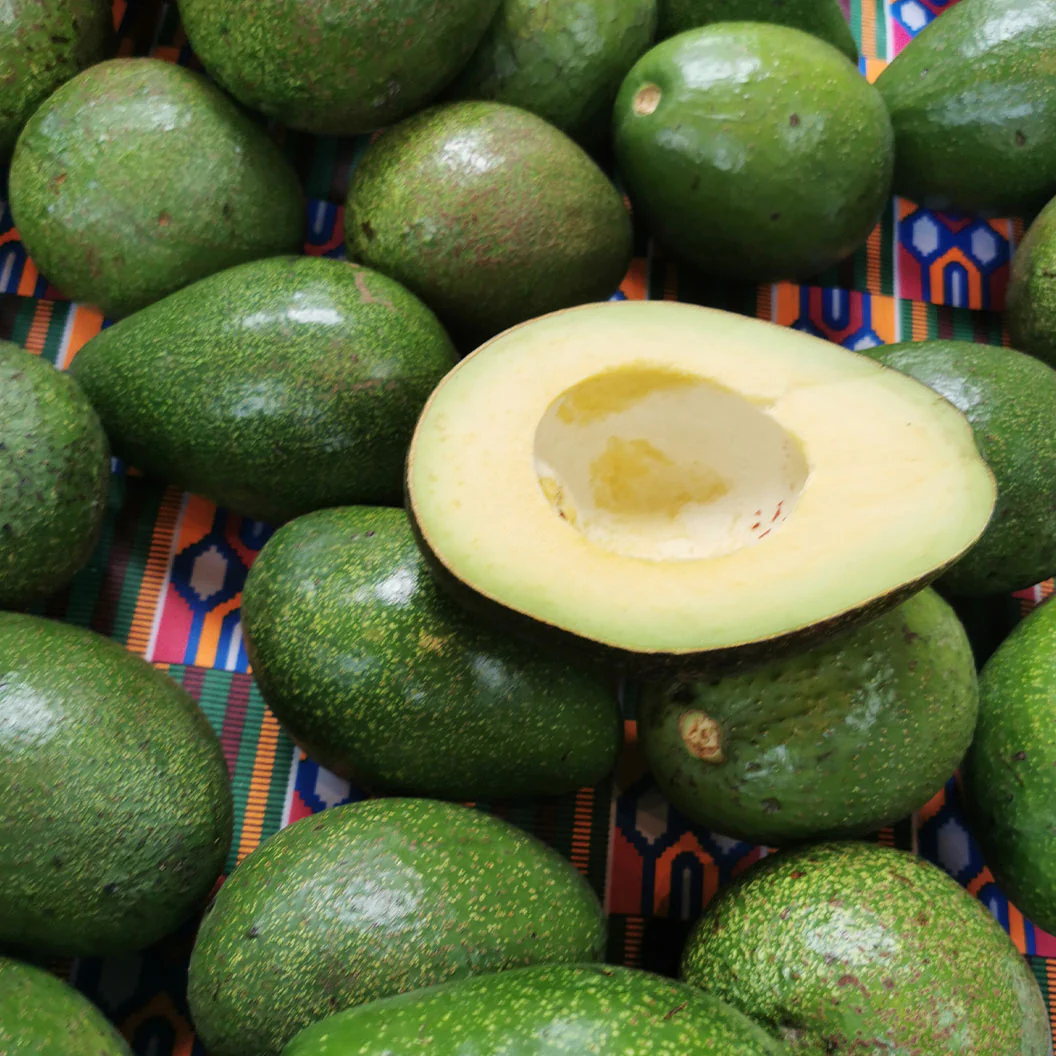
Rich, buttery avocados make delicious guacamole, avocado toast, or toppings for soups and salads. The possibilities with this nutrient-dense fruit are endless! Your avocados will ripen and be ready to enjoy from May through September, depending on your climate.
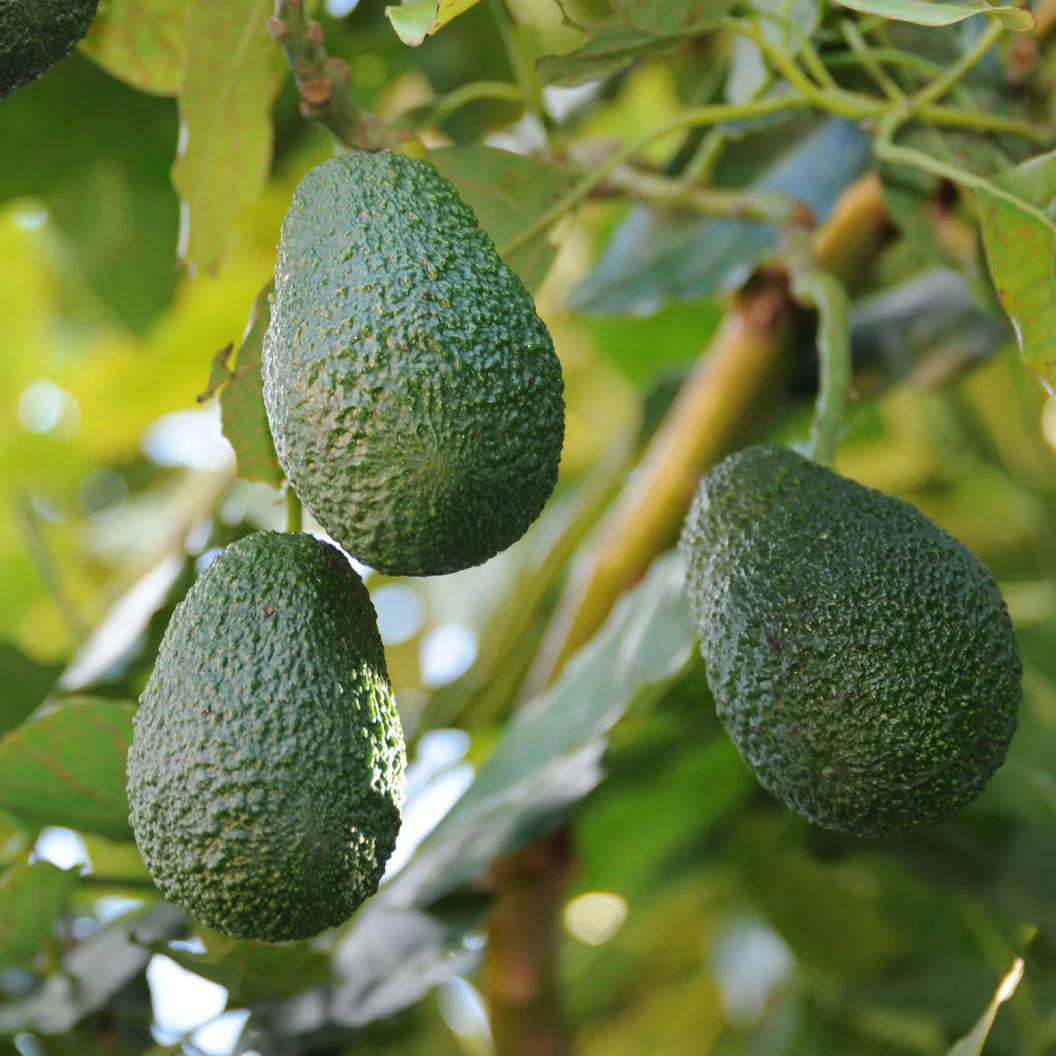
An excellent backyard tree, Little Cado is ideal for home gardeners and avocado enthusiasts! Plant near another avocado tree or other pollinator-attracting specimen to help increase production. Order your Little Cado and begin enjoying the most decadent avocados grown right in your yard!
Planting & Care
1. Planting: Select a spot for your Little Cado that receives at least 6 to 8 hours of sunlight daily. Avocado trees thrive in warm and sunny conditions. Avocado trees prefer well-draining soil with a slightly acidic to neutral pH level. Dig a hole twice as large as the tree's root system, carefully plant the tree, and cover the roots. Tamp the soil down around the tree's root system to remove all air pockets.
Ensure good drainage to prevent waterlogging, as avocados are susceptible to root rot.
If growing the Little Cado in a pot, choose a large container with drainage holes. Use a high-quality potting mix rich in organic matter, and provide sufficient space for root development.
2. Watering: Avocado trees require regular watering, especially during the growing season. Keep the soil consistently moist but not soggy. Allow the top few inches of soil to dry out between watering sessions.
3. Pruning: Lamb Hass avocado trees should be pruned to shape and control their size, and to promote healthy growth. When pruning, remove low-hanging branches, cut above the nodes and cut the branches on the south side of the tree first.
4. Fertilizing: Fertilize the Little Cado in the spring, summer, fall and winter, after the tree has been planted for one year using a well-balanced fertilizer.
5. Pollination: Little Cado is considered to be both A and B type, and planting near another avocado or other pollinator attracting plants will help increase production.
Details & Craftsmanship
Every detail has been carefully considered to bring you the perfect product.
Description
Remarkable Variety Produces Delicious Avocados
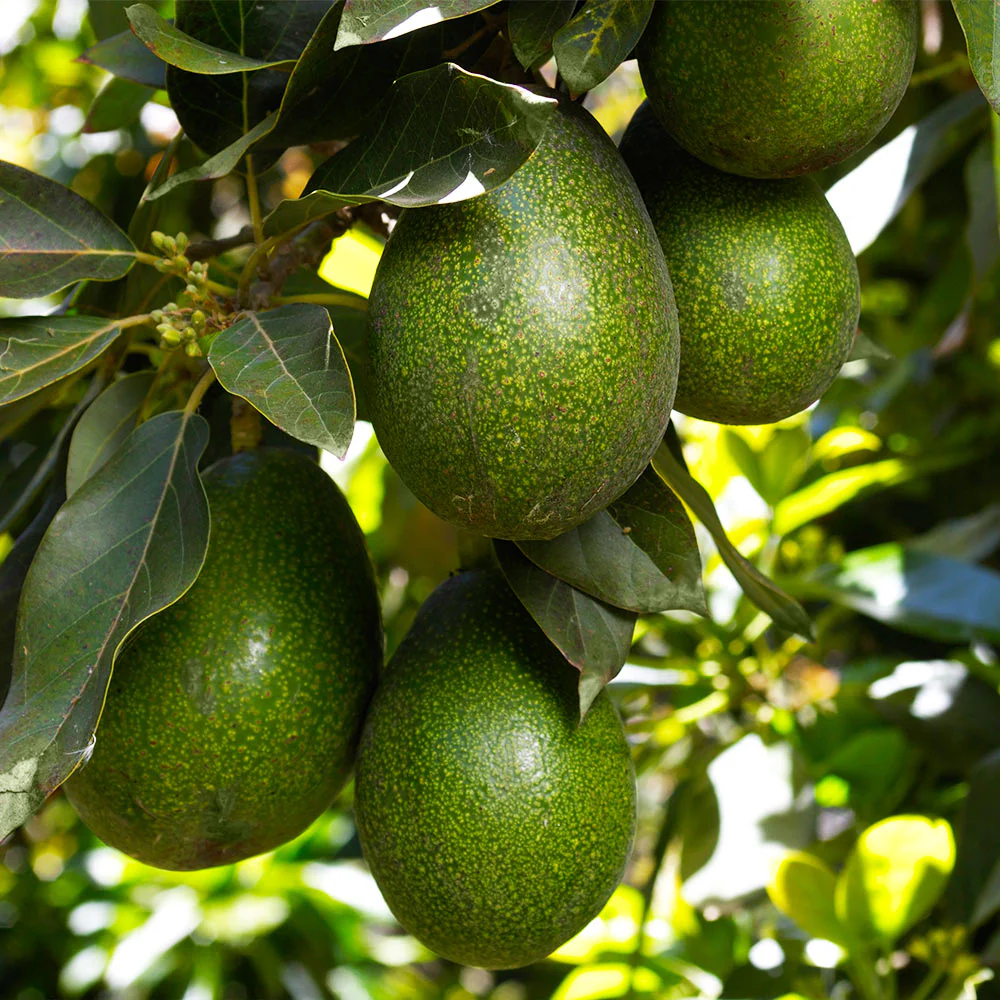
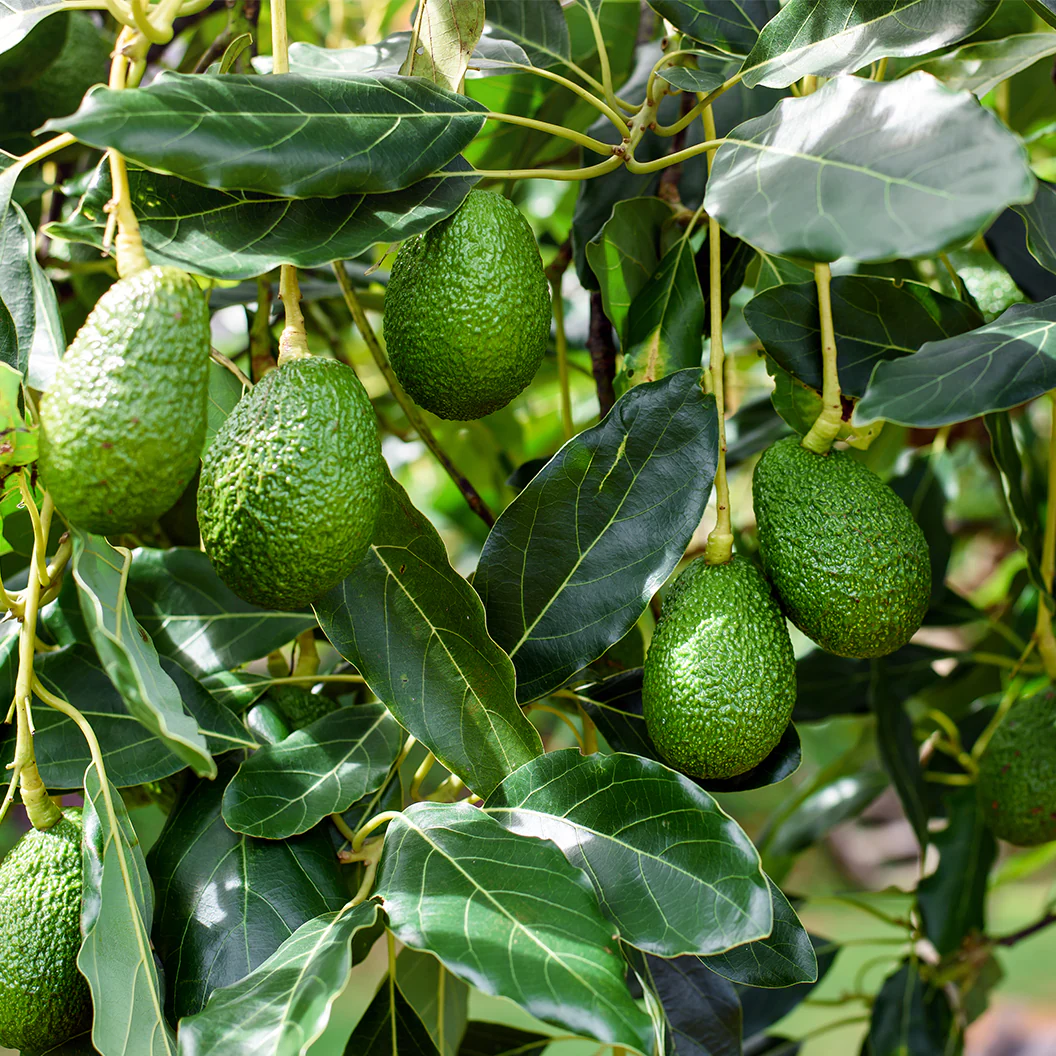
Ready to enjoy avocados anytime? Grow your own Little Cado tree! This dwarf avocado tree has been bred specifically for smaller spaces, so it is perfect for planting outside or in a large container. Growing just 8 to 10 feet tall, Little Cado will fit in anywhere!
Rich, buttery avocados make delicious guacamole, avocado toast, or toppings for soups and salads. The possibilities with this nutrient-dense fruit are endless! Your avocados will ripen and be ready to enjoy from May through September, depending on your climate.
An excellent backyard tree, Little Cado is ideal for home gardeners and avocado enthusiasts! Plant near another avocado tree or other pollinator-attracting specimen to help increase production. Order your Little Cado and begin enjoying the most decadent avocados grown right in your yard!
Planting & Care
1. Planting: Select a spot for your Little Cado that receives at least 6 to 8 hours of sunlight daily. Avocado trees thrive in warm and sunny conditions. Avocado trees prefer well-draining soil with a slightly acidic to neutral pH level. Dig a hole twice as large as the tree's root system, carefully plant the tree, and cover the roots. Tamp the soil down around the tree's root system to remove all air pockets.
Ensure good drainage to prevent waterlogging, as avocados are susceptible to root rot.
If growing the Little Cado in a pot, choose a large container with drainage holes. Use a high-quality potting mix rich in organic matter, and provide sufficient space for root development.
2. Watering: Avocado trees require regular watering, especially during the growing season. Keep the soil consistently moist but not soggy. Allow the top few inches of soil to dry out between watering sessions.
3. Pruning: Lamb Hass avocado trees should be pruned to shape and control their size, and to promote healthy growth. When pruning, remove low-hanging branches, cut above the nodes and cut the branches on the south side of the tree first.
4. Fertilizing: Fertilize the Little Cado in the spring, summer, fall and winter, after the tree has been planted for one year using a well-balanced fertilizer.
5. Pollination: Little Cado is considered to be both A and B type, and planting near another avocado or other pollinator attracting plants will help increase production.