Original: $147.95
-65%$147.95
$51.78The Story
A versatile tree that thrives in varied conditions
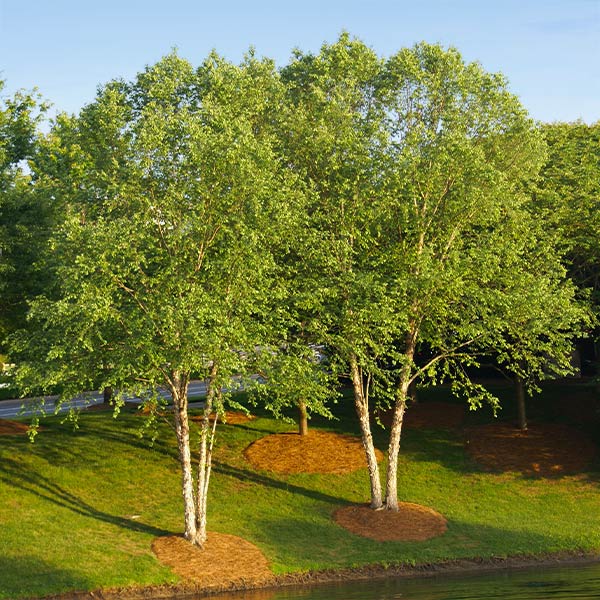
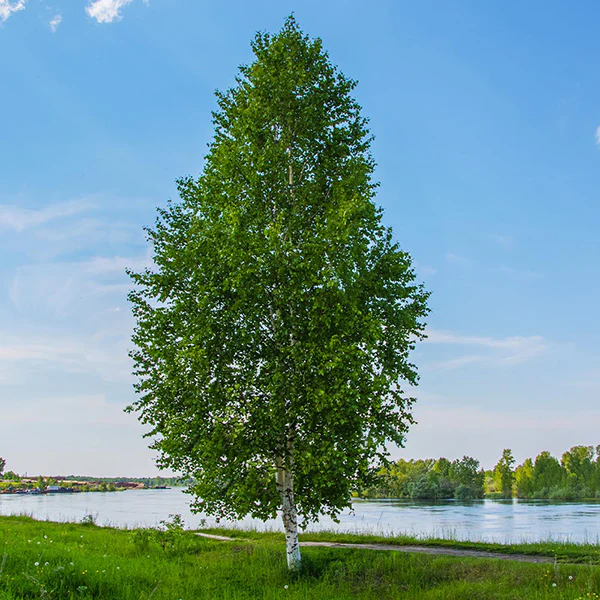
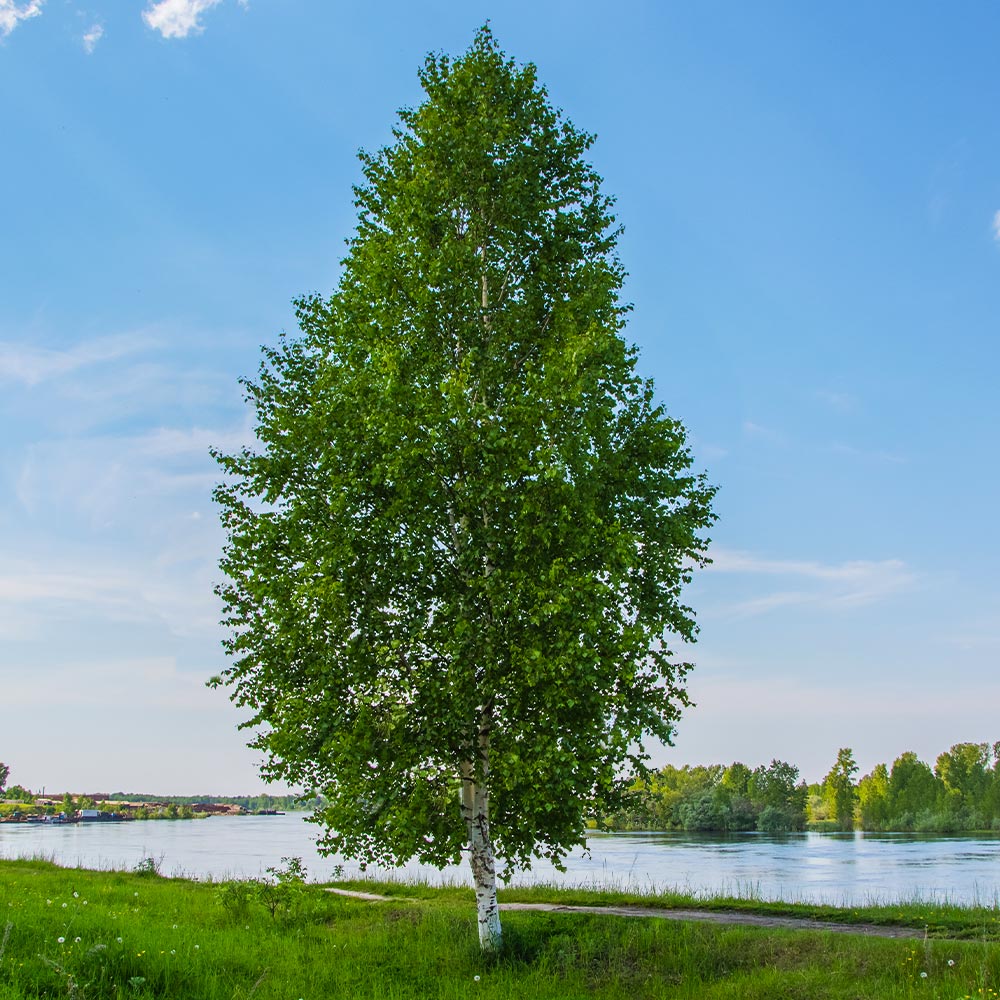
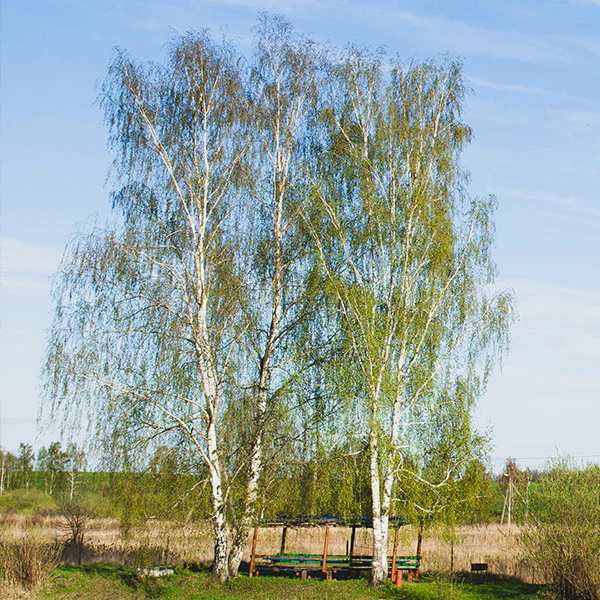
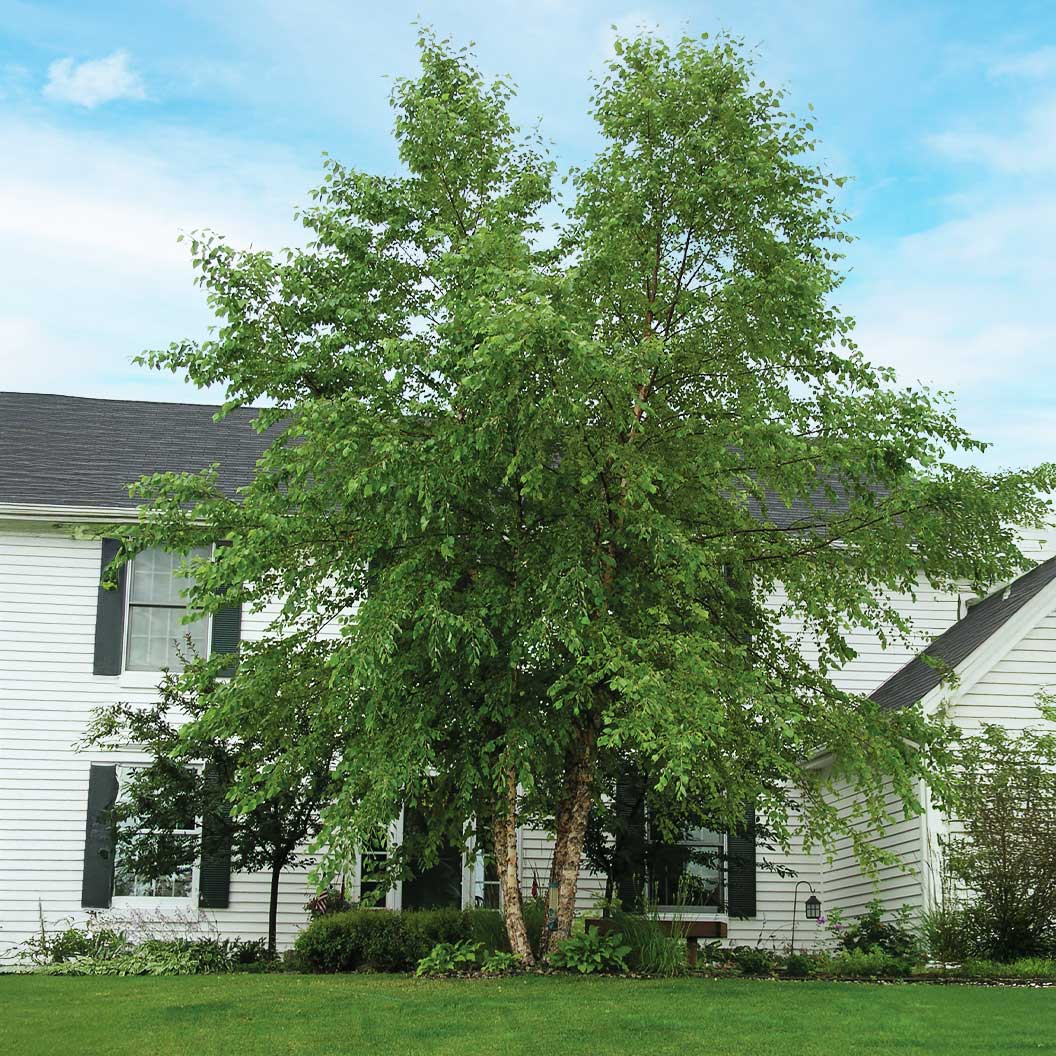
The City Slicker® River Birch Tree stands out with its attractive, peeling bark and pyramidal branch structure, making it a stunning addition to any landscape. Its beautiful foliage changes color with the seasons and offers a charming texture that brightens up your yard. In addition to its aesthetic appeal, this tree is remarkably resilient, thriving in a range of soil conditions, including acid, moist, well-drained, and even wet soils. It can handle clay soil and is tolerant of road salt, making it an ideal choice for urban settings.
Planting the City Slicker® River Birch can enhance your outdoor space by providing shade, attracting birds, and offering a touch of nature amidst hardscapes. Its adaptability to wet sites allows it to flourish in areas that might pose challenges for other trees. By incorporating this beautiful tree into your landscape, you not only bolster its visual appeal but also contribute to a more sustainable and diverse ecosystem.
Planting & Care
1. Planting: Select a site with plenty of sunlight and ample space for the tree’s canopy. Dig a hole that is twice as wide as the root ball and at the same depth. Mix the native soil with compost to improve drainage and nutrients. Place the tree in the center of the hole, ensuring the top of the root ball is level with the ground, then fill in with soil and water well.
2. Watering: During the first two years after planting, ensure consistent moisture by watering deeply once a week, or more frequently during prolonged dry spells. Once established, the City Slicker® River Birch is quite tolerant of wet soils and can handle more moisture than many other trees.
3. Pruning: Thin out the canopy to allow light to penetrate and shape the tree during its early growth stages. Prune in late winter or early spring, removing any dead or damaged branches. Avoid heavy pruning as it can affect the tree’s overall health and aesthetic.
4. Fertilizing: In early spring, apply a balanced, slow-release fertilizer to encourage healthy growth. If the leaves show signs of nutrient deficiencies, consider performing a soil test to address specific issues.
Details & Craftsmanship
Every detail has been carefully considered to bring you the perfect product.

Details & Craftsmanship
Every detail has been carefully considered to bring you the perfect product.

Details & Craftsmanship
Every detail has been carefully considered to bring you the perfect product.
Description
A versatile tree that thrives in varied conditions
The City Slicker® River Birch Tree stands out with its attractive, peeling bark and pyramidal branch structure, making it a stunning addition to any landscape. Its beautiful foliage changes color with the seasons and offers a charming texture that brightens up your yard. In addition to its aesthetic appeal, this tree is remarkably resilient, thriving in a range of soil conditions, including acid, moist, well-drained, and even wet soils. It can handle clay soil and is tolerant of road salt, making it an ideal choice for urban settings.
Planting the City Slicker® River Birch can enhance your outdoor space by providing shade, attracting birds, and offering a touch of nature amidst hardscapes. Its adaptability to wet sites allows it to flourish in areas that might pose challenges for other trees. By incorporating this beautiful tree into your landscape, you not only bolster its visual appeal but also contribute to a more sustainable and diverse ecosystem.
Planting & Care
1. Planting: Select a site with plenty of sunlight and ample space for the tree’s canopy. Dig a hole that is twice as wide as the root ball and at the same depth. Mix the native soil with compost to improve drainage and nutrients. Place the tree in the center of the hole, ensuring the top of the root ball is level with the ground, then fill in with soil and water well.
2. Watering: During the first two years after planting, ensure consistent moisture by watering deeply once a week, or more frequently during prolonged dry spells. Once established, the City Slicker® River Birch is quite tolerant of wet soils and can handle more moisture than many other trees.
3. Pruning: Thin out the canopy to allow light to penetrate and shape the tree during its early growth stages. Prune in late winter or early spring, removing any dead or damaged branches. Avoid heavy pruning as it can affect the tree’s overall health and aesthetic.
4. Fertilizing: In early spring, apply a balanced, slow-release fertilizer to encourage healthy growth. If the leaves show signs of nutrient deficiencies, consider performing a soil test to address specific issues.