The Story
A colorful attraction for summer gardens
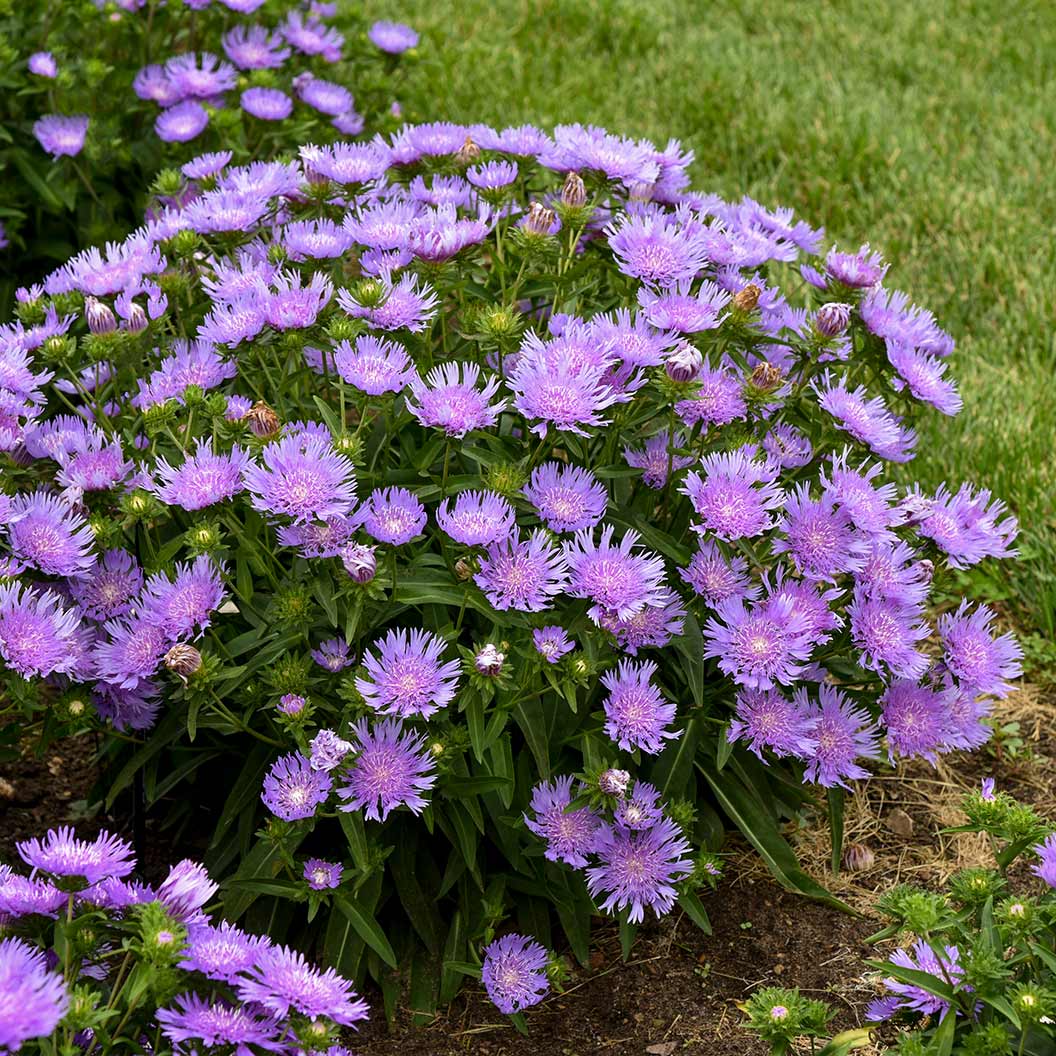
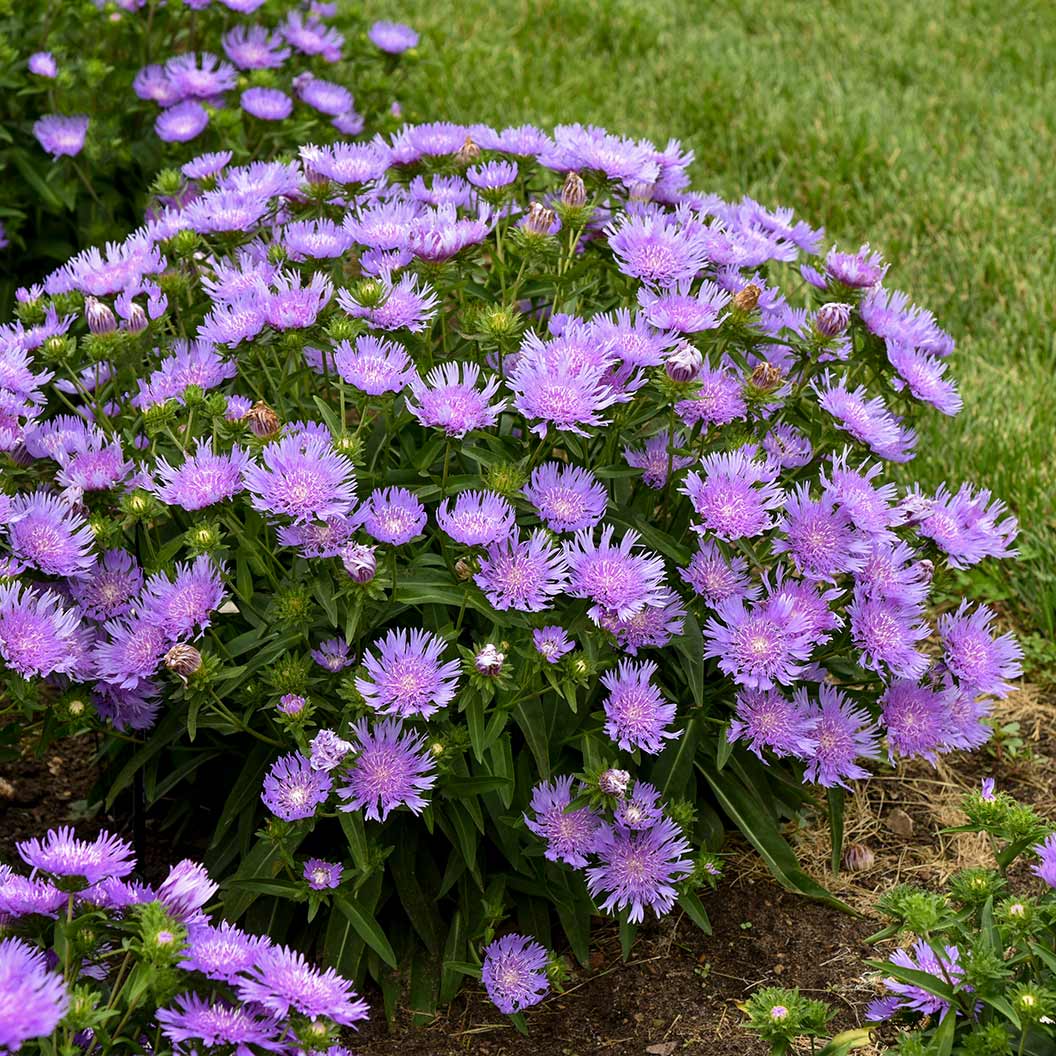
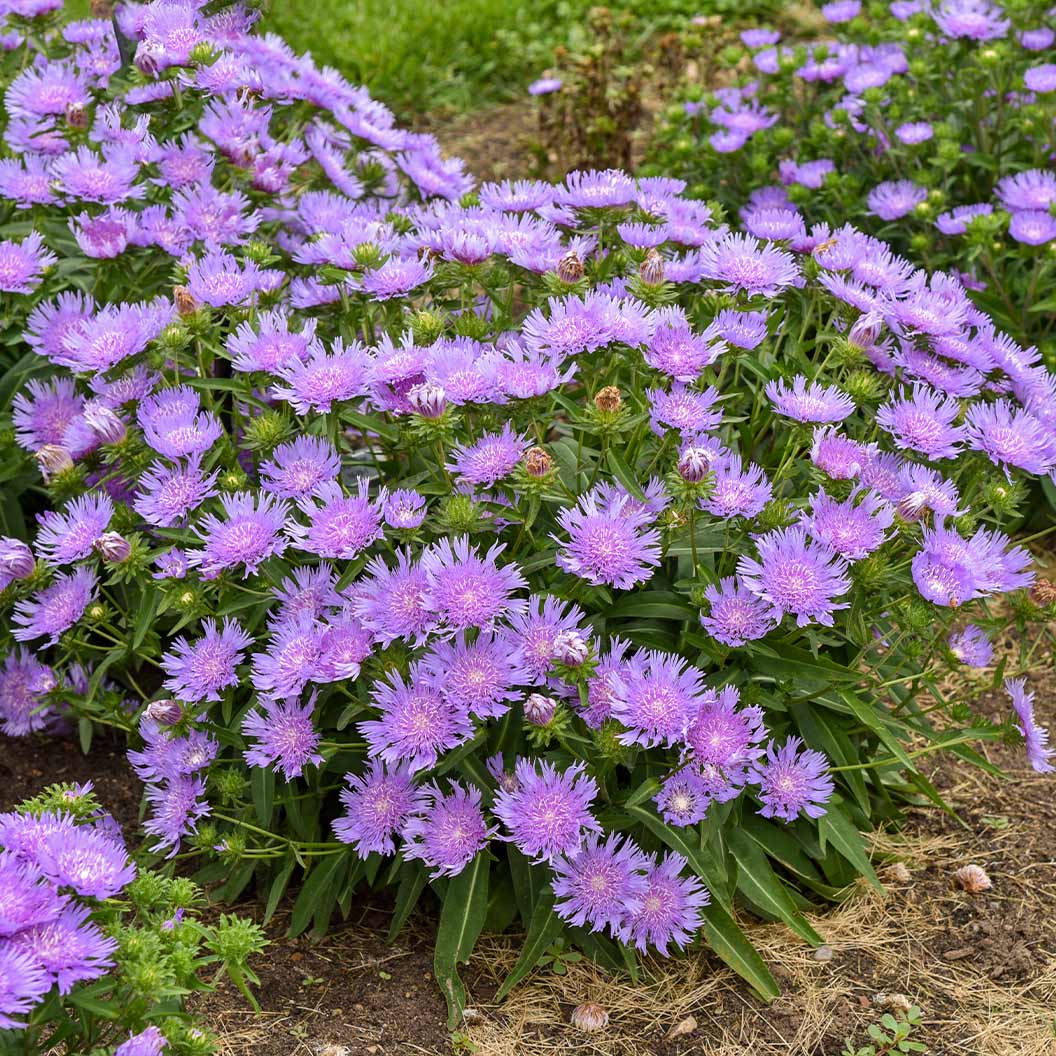
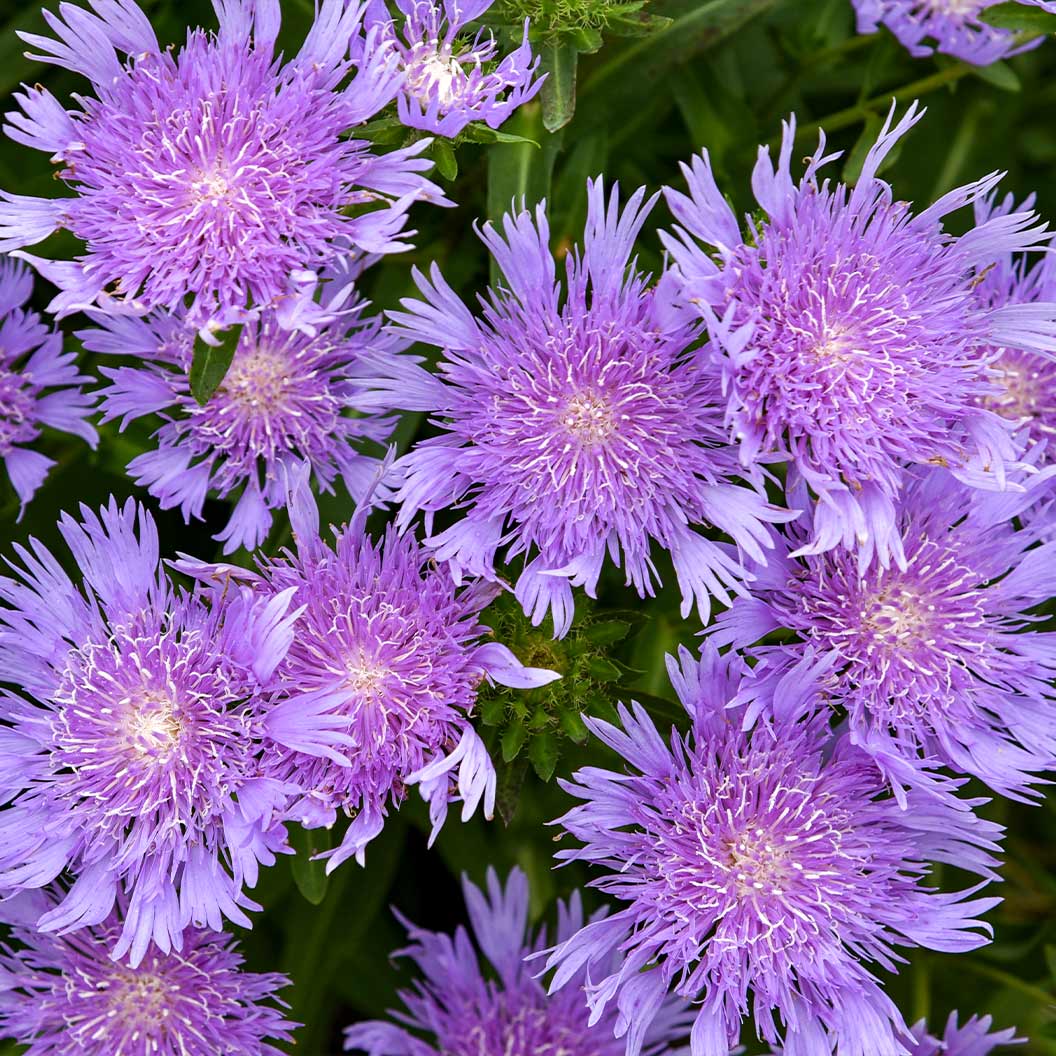
Embrace the beauty of large, frilly lavender-blue flowers that rise above a lush base of low foliage. This native hybrid thrives in summer gardens, delivering vibrant color that persists through heat and humidity while attracting beneficial pollinators like bees and butterflies. Its resilience and long bloom season make it an excellent choice for the front to middle of garden borders, where it adds both visual interest and ecological value.
Easy to grow and naturally adapted to warm conditions, this standout perennial performs reliably even in the height of summer when many other plants fade. By adding it to your landscape, you’ll not only enjoy a striking seasonal display but also help support pollinators and create a healthier, more balanced garden ecosystem.
Planting & Care
1. Planting: Plant or repot within 4 weeks of arrival. Choose a sunny location with well-drained soil. Dig a hole that’s twice the size of the root ball, place the plant in the center, and backfill with soil. Gently press down to eliminate air pockets.
2. Watering: Water the plant regularly, especially during dry spells. Ensure the soil stays moist but not soggy. Once established, this plant is relatively drought-tolerant.
3. Pruning: To encourage bushier growth and more blooms, deadhead spent flowers throughout the season. In late fall or early spring, trim back the foliage to ground level.
4. Fertilizing: Fertilize in early spring with a balanced, slow-release fertilizer to promote healthy growth and vibrant blooms through the summer months.
Details & Craftsmanship
Every detail has been carefully considered to bring you the perfect product.
Details & Craftsmanship
Every detail has been carefully considered to bring you the perfect product.
Details & Craftsmanship
Every detail has been carefully considered to bring you the perfect product.
Description
A colorful attraction for summer gardens
Embrace the beauty of large, frilly lavender-blue flowers that rise above a lush base of low foliage. This native hybrid thrives in summer gardens, delivering vibrant color that persists through heat and humidity while attracting beneficial pollinators like bees and butterflies. Its resilience and long bloom season make it an excellent choice for the front to middle of garden borders, where it adds both visual interest and ecological value.
Easy to grow and naturally adapted to warm conditions, this standout perennial performs reliably even in the height of summer when many other plants fade. By adding it to your landscape, you’ll not only enjoy a striking seasonal display but also help support pollinators and create a healthier, more balanced garden ecosystem.
Planting & Care
1. Planting: Plant or repot within 4 weeks of arrival. Choose a sunny location with well-drained soil. Dig a hole that’s twice the size of the root ball, place the plant in the center, and backfill with soil. Gently press down to eliminate air pockets.
2. Watering: Water the plant regularly, especially during dry spells. Ensure the soil stays moist but not soggy. Once established, this plant is relatively drought-tolerant.
3. Pruning: To encourage bushier growth and more blooms, deadhead spent flowers throughout the season. In late fall or early spring, trim back the foliage to ground level.
4. Fertilizing: Fertilize in early spring with a balanced, slow-release fertilizer to promote healthy growth and vibrant blooms through the summer months.