The Story
Classic Red Roses That Bloom All Summer Long
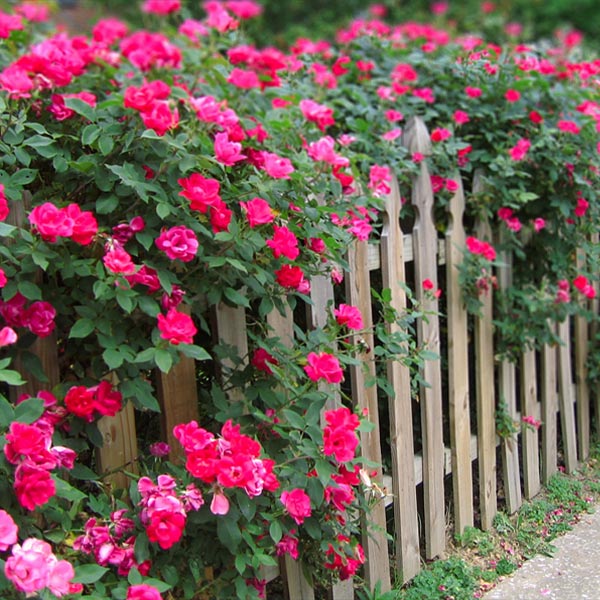
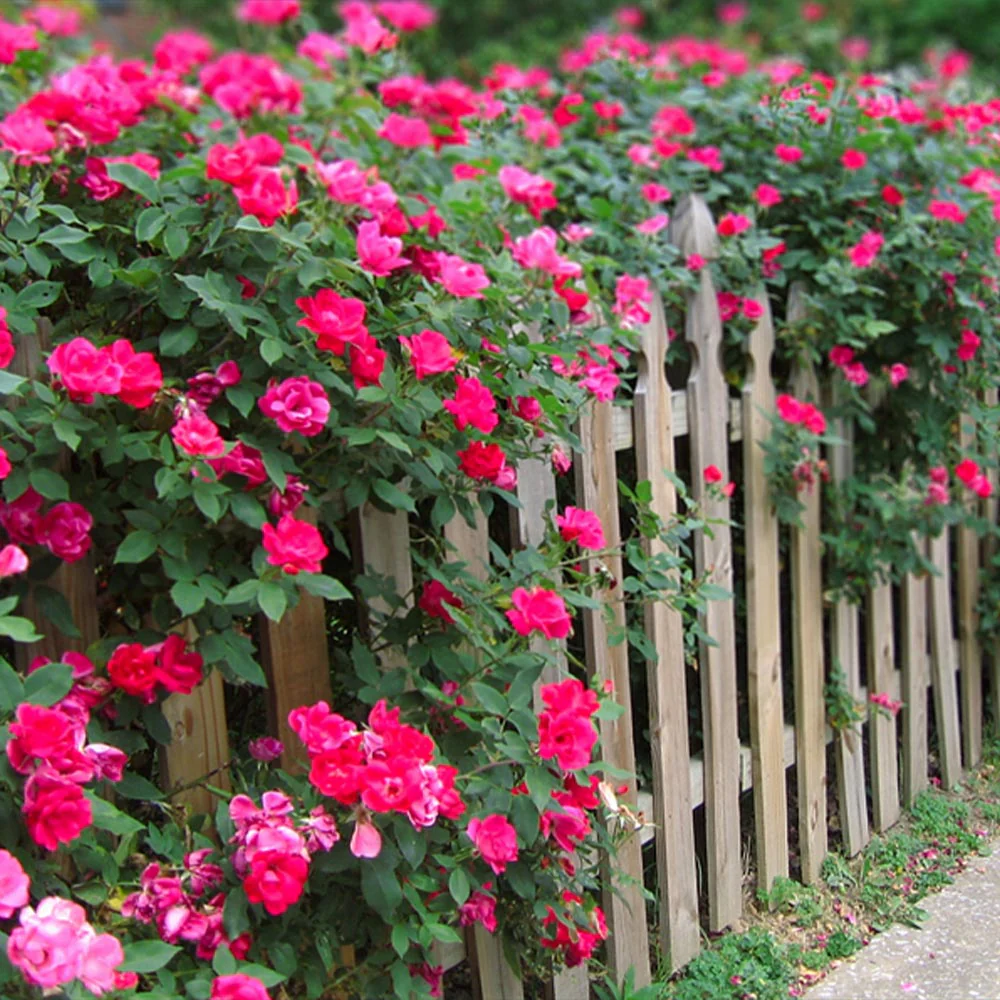
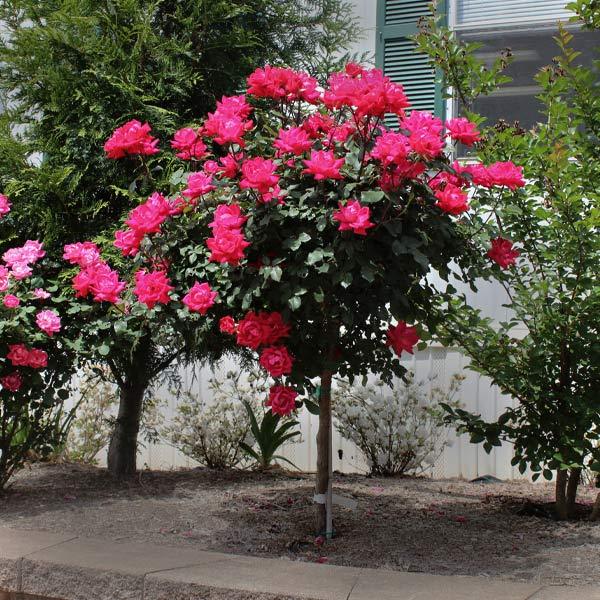
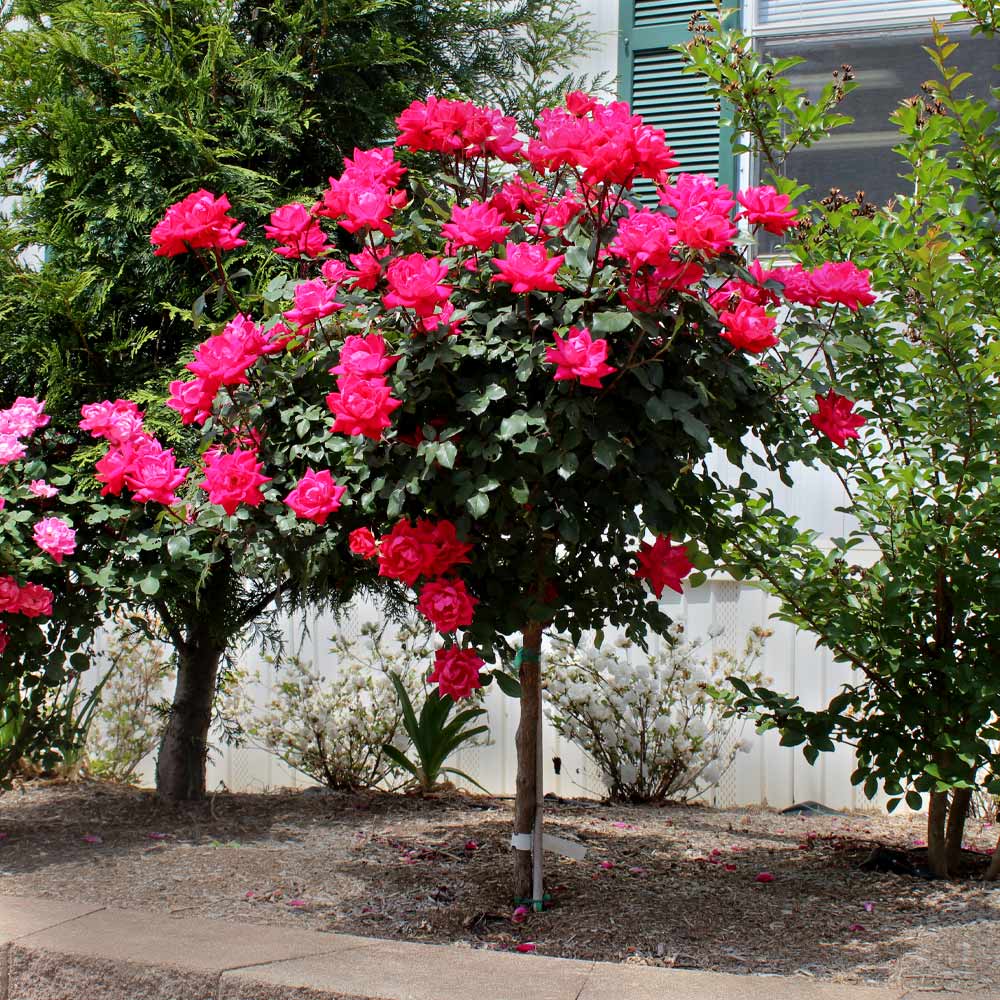
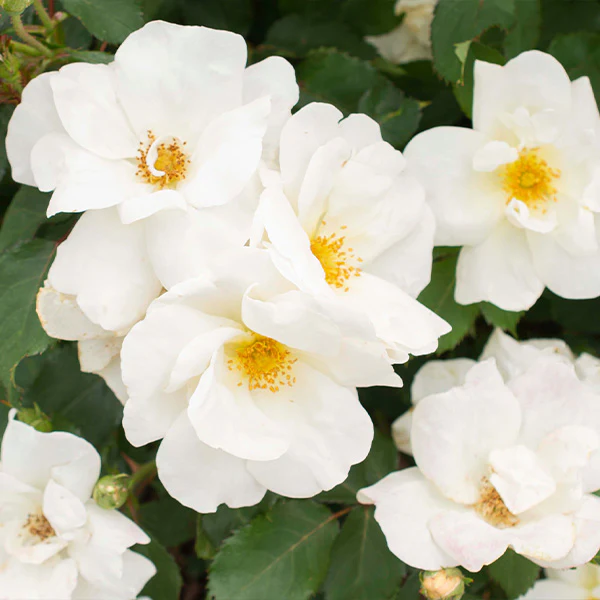
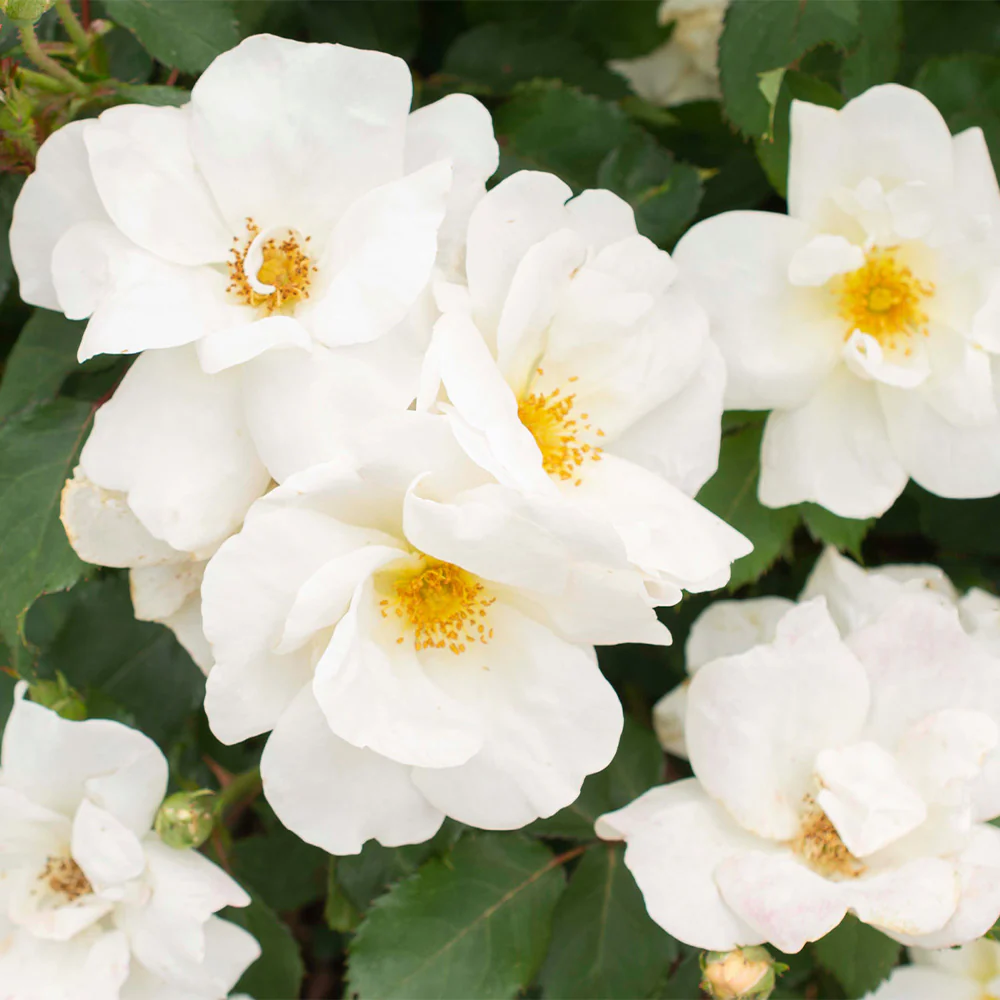
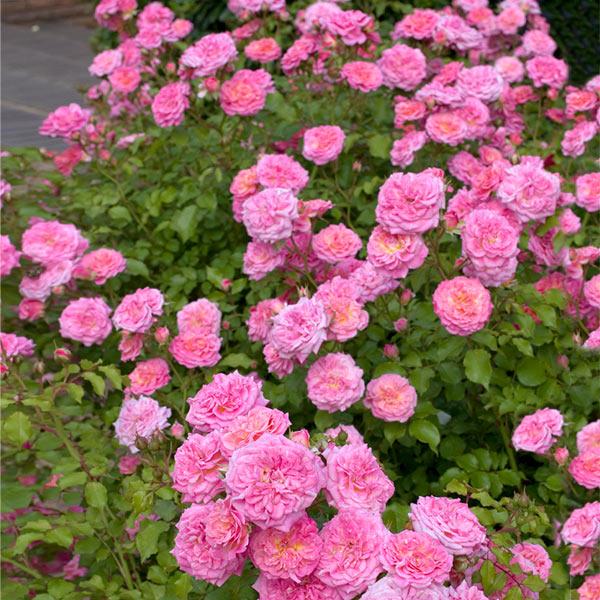
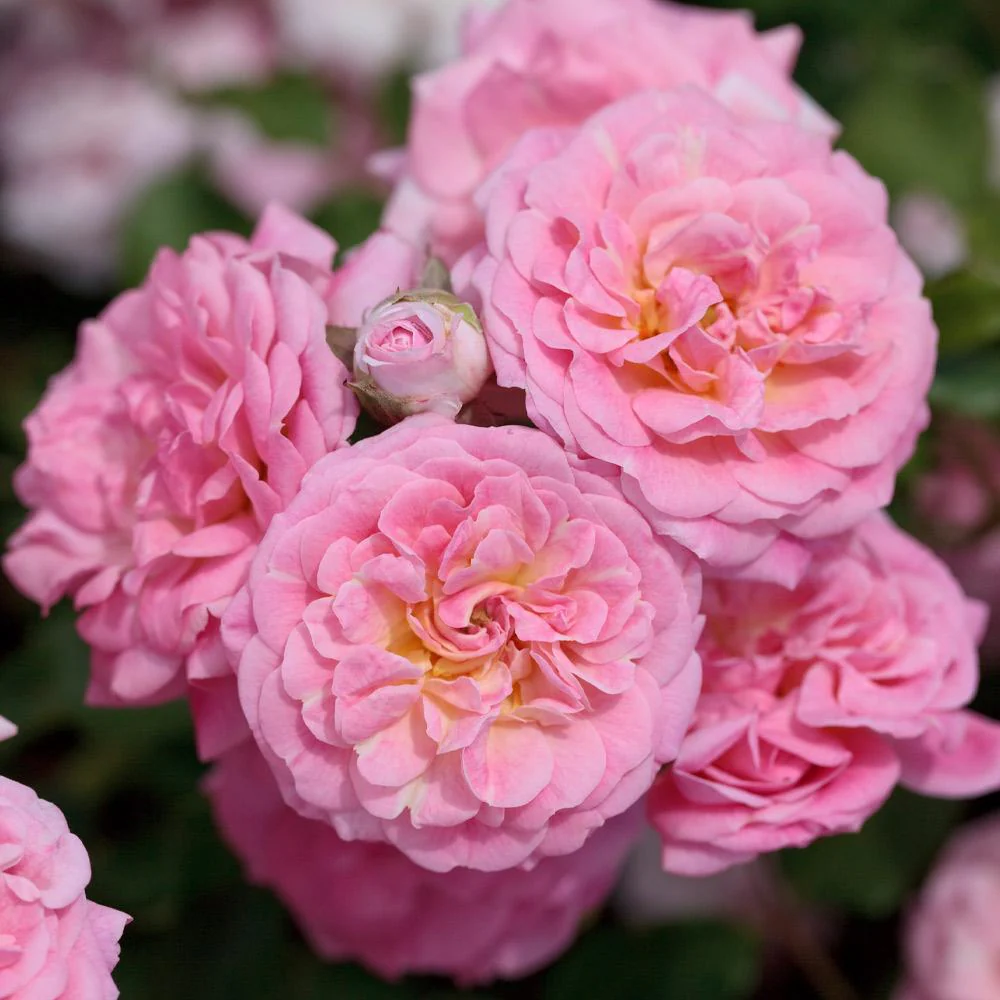
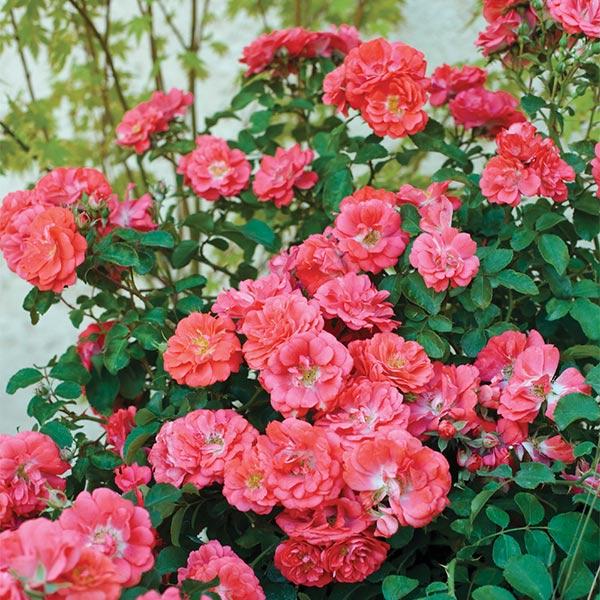
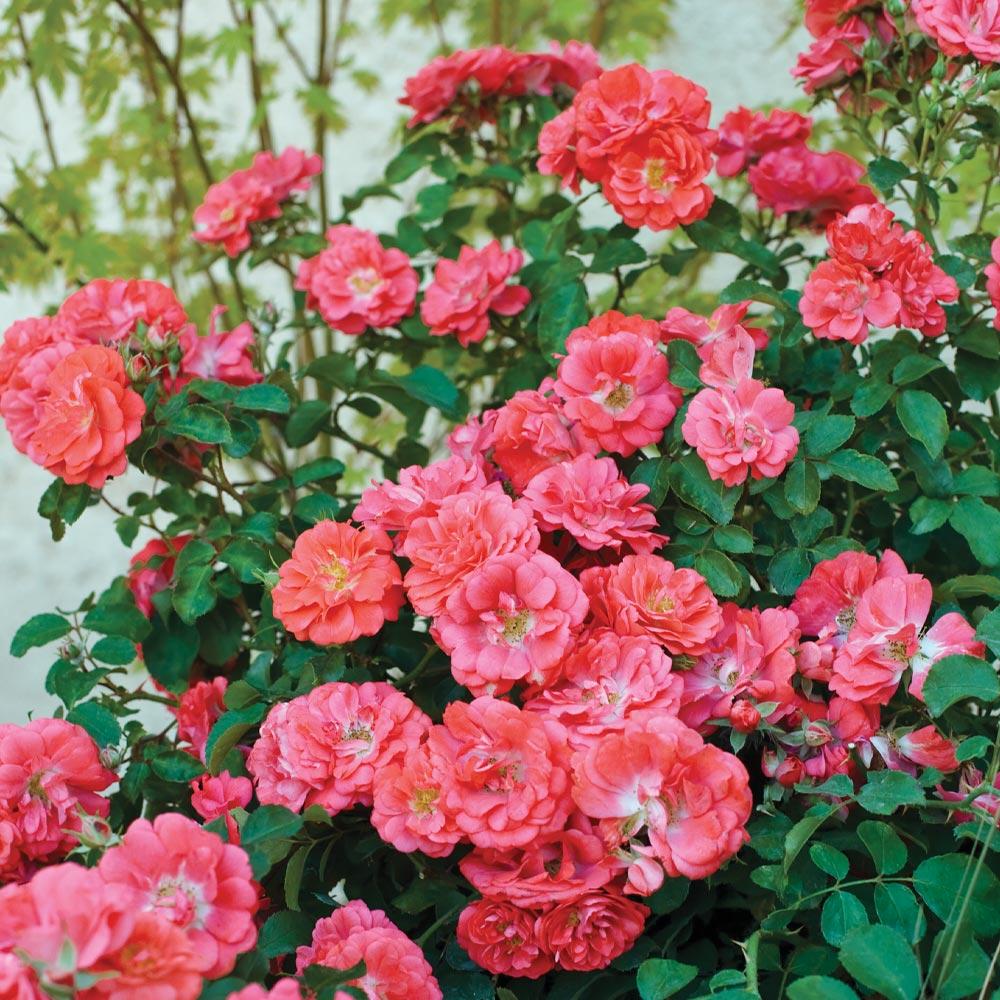
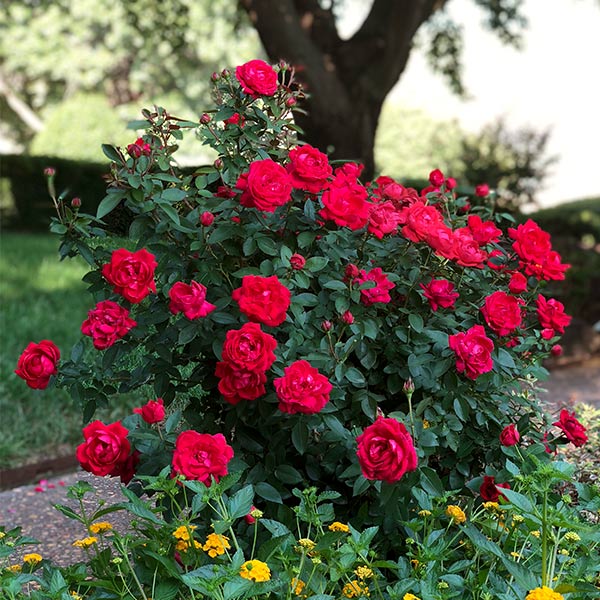
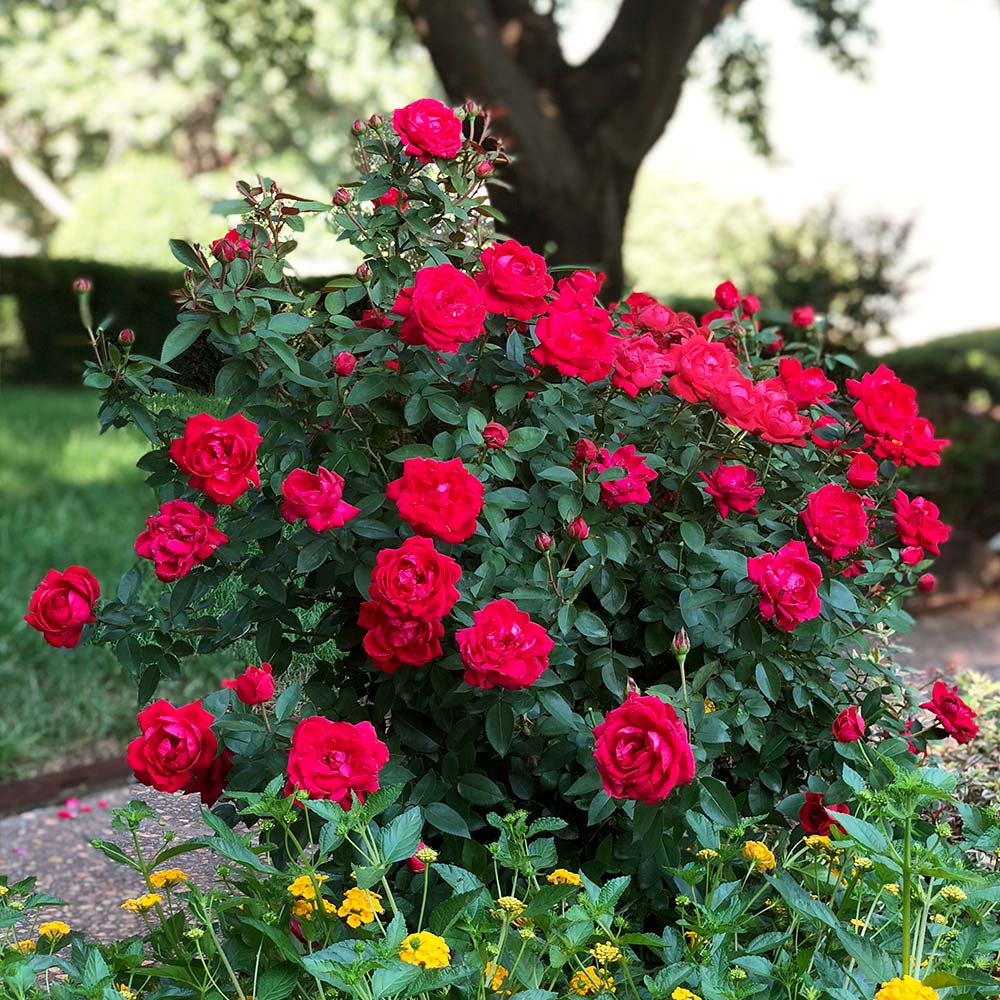
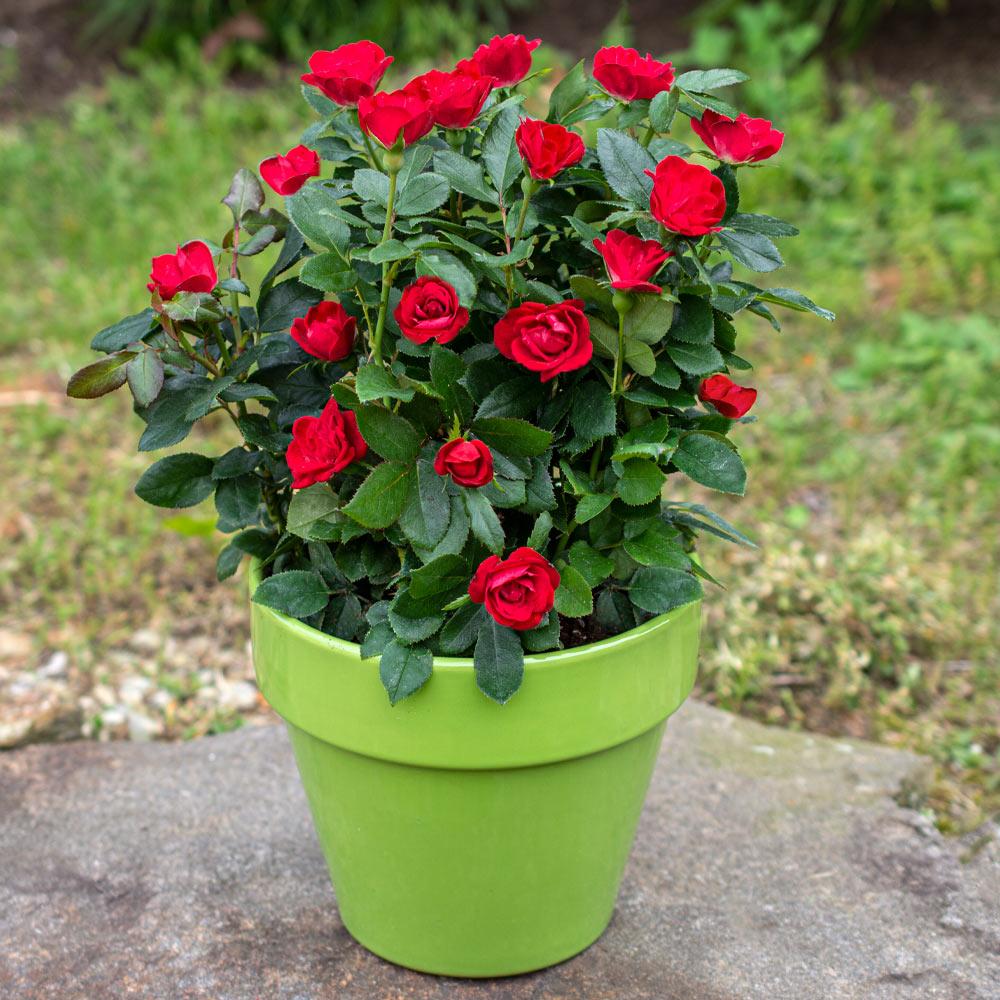
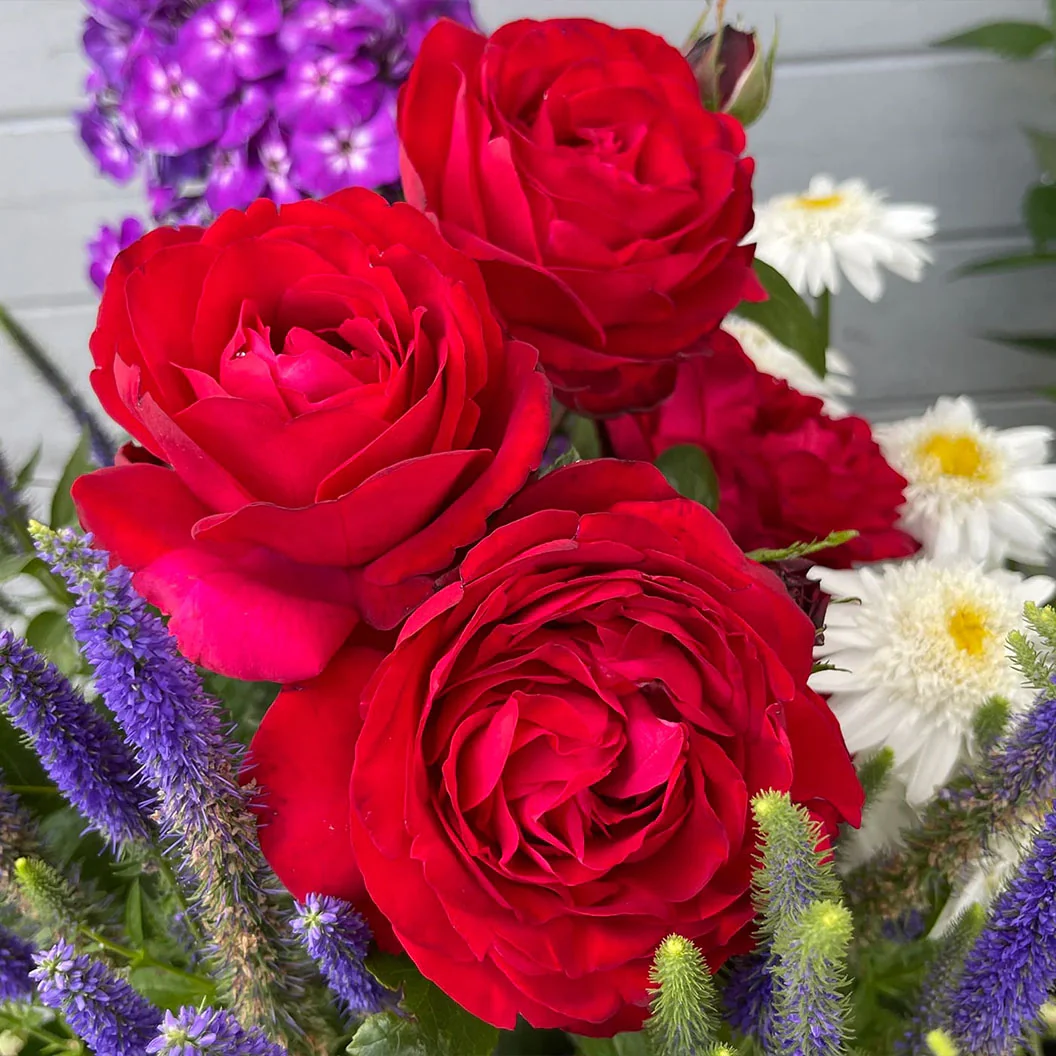
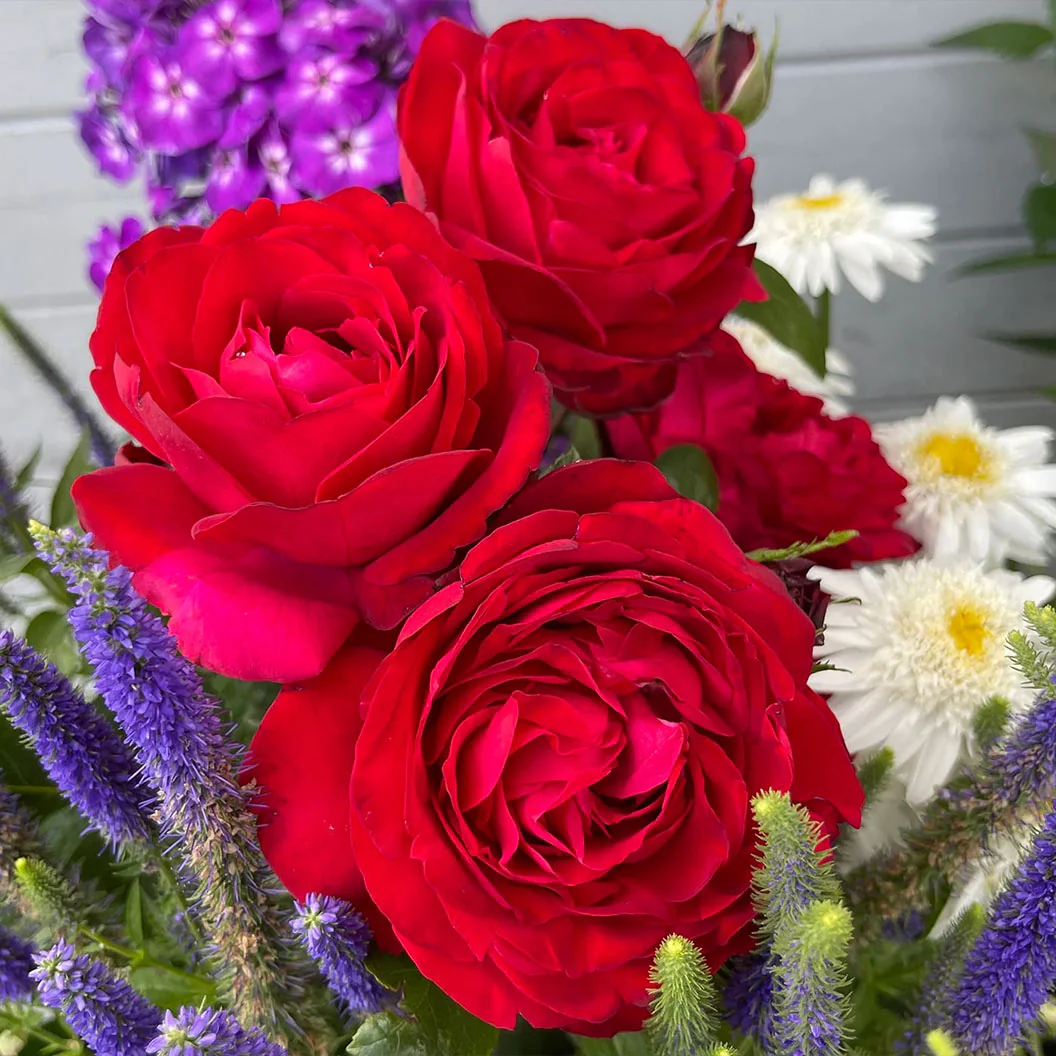
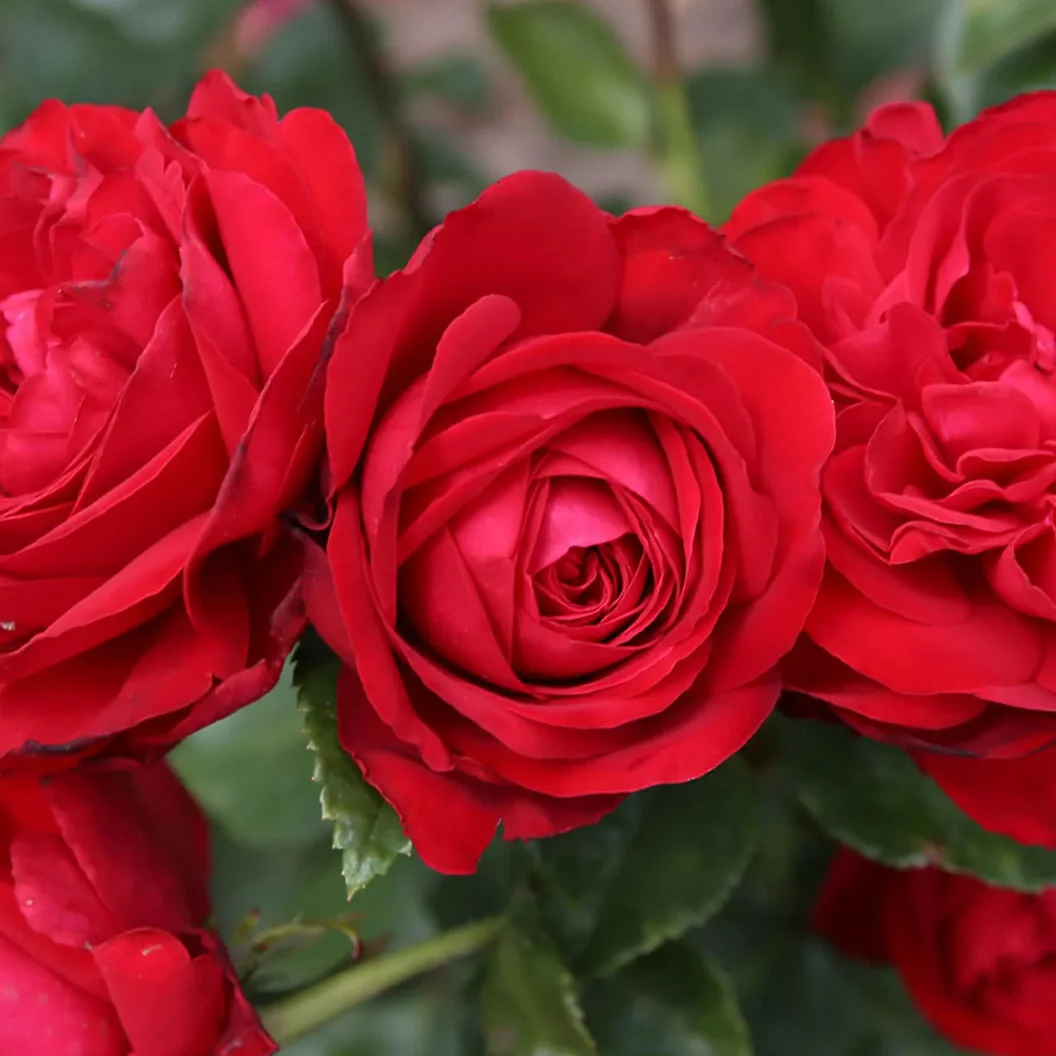
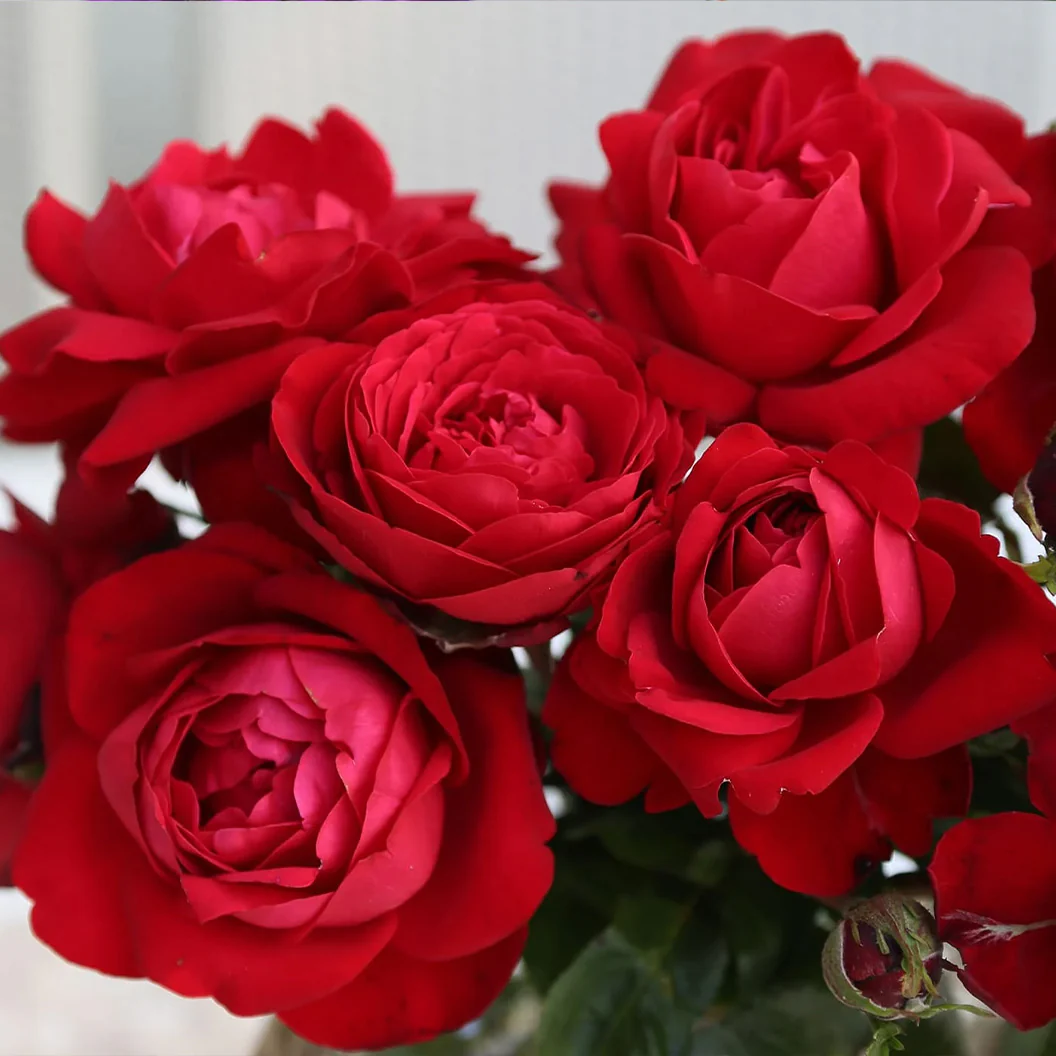
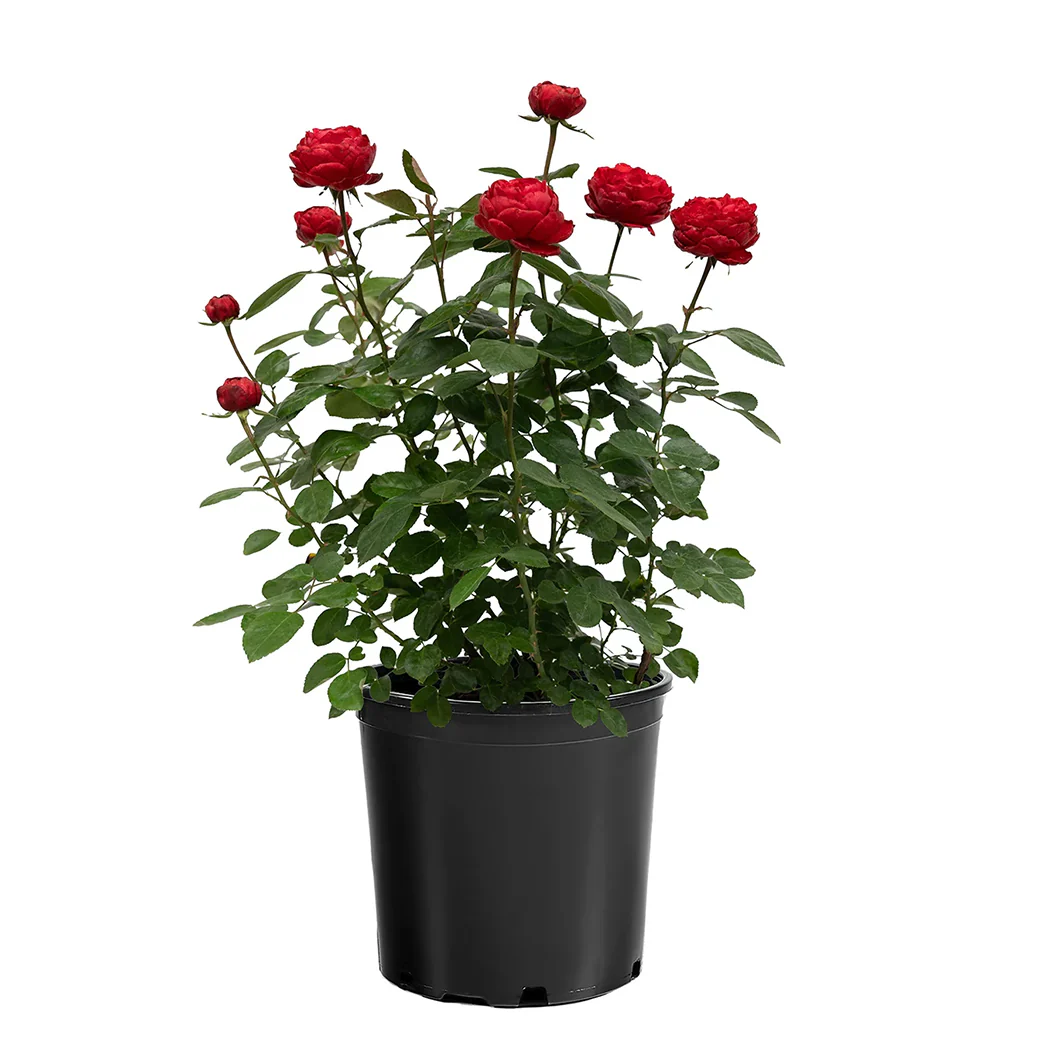
The Tiamo™ Rose is sure to wow thanks to its wonderful repeat blooms that flower from spring to the first frost. The blooms are deep red, double, and cupped, blooming in large clusters rather than single stems.
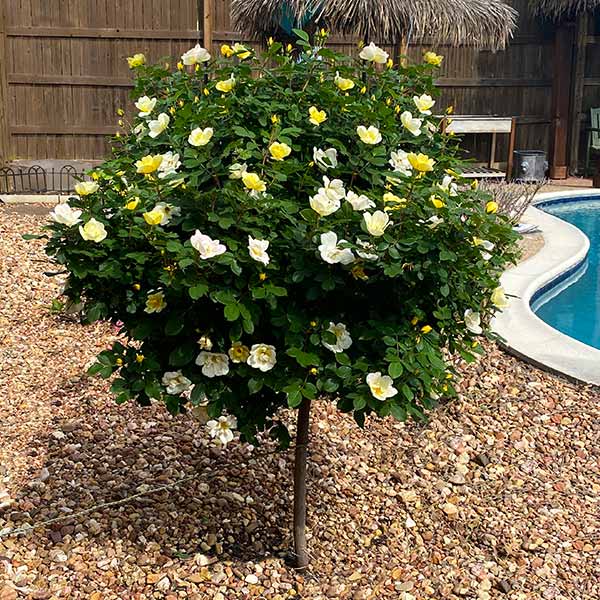
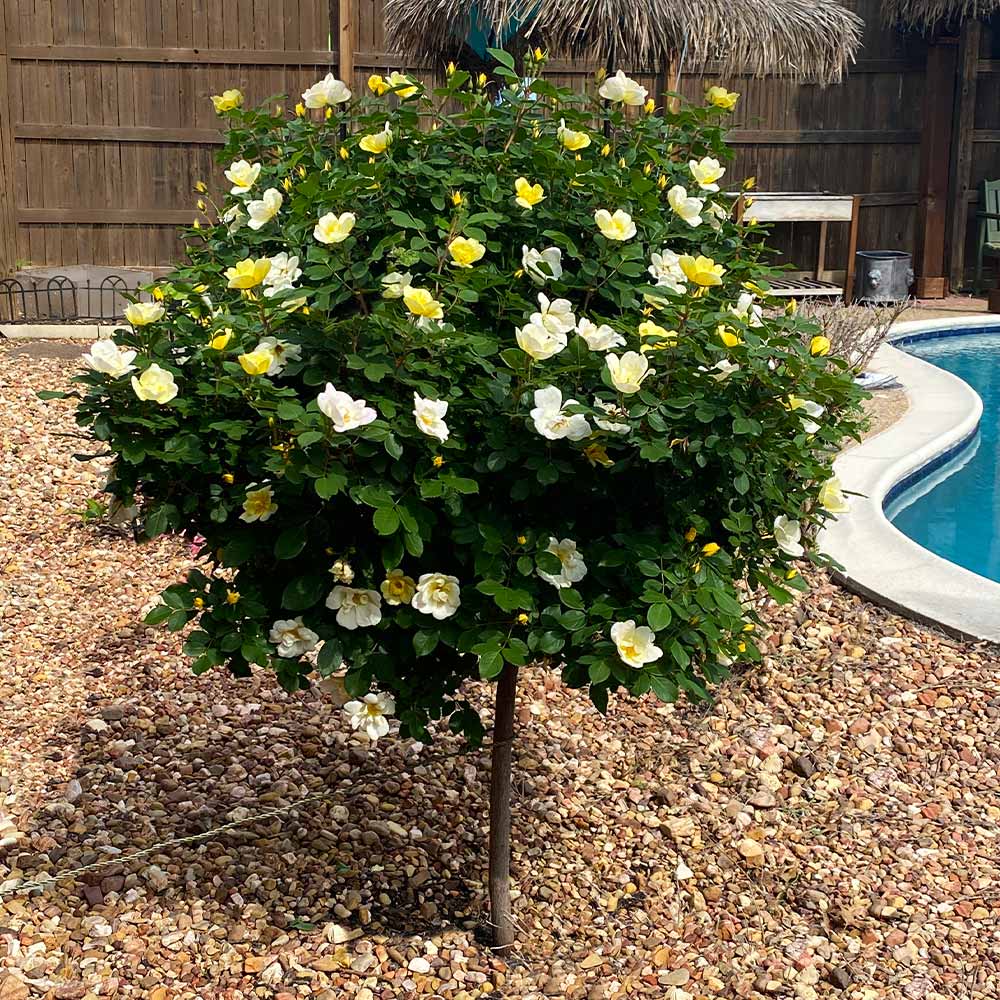
The Tiamo™ has a slight fragrance, and the petals won’t burn or fade even in high heat. It has an upright, bushy growth habit with glossy, dark green leaves that make it ideal as a specimen or background plant in an ornamental bed.
A grandiflora rose, the Tiamo™ has been bred for resilience against pests and diseases. Grandiflora roses are also the most common rose used in flower arrangements. Cut stems from your Tiamo™ rose and arrange them in a vase indoors for even more beauty.
The Tiamo™ Rose is a sure stunner and one of the most vigorous, reliable bloomers available. Add this classic beauty to your garden today!
Planting & Care
1. Planting: Plant roses anytime after the last frost and six weeks before the first frost. Choose a location that receives full sun and has well-draining soil. Roses dislike crowding, so ensure there is enough room for the rose bush when it reaches its mature size.
Wear gloves when planting to protect yourself from the thorns. Dig a hole twice the size of the root ball, mixing in compost before planting. Add a layer of mulch after planting to help retain water and suppress weeds.
2. Watering: Water new roses frequently until well established. Heavy, deep waterings are better than frequent shallow waterings. Water at the base of the plant to avoid wetting the leaves.
3. Fertilizing: Apply a high-nitrogen fertilizer in the spring when leaves begin to appear on your rose plant to encourage green growth. Afterward, apply a balanced slow-release fertilizer once a month during the active growth season. Stop fertilizing eight weeks before your first expected frost.
4. Pruning: Roses take extremely well to pruning. Do your heaviest pruning in the spring when the plant is just starting to leaf out. You can also prune lightly in the summer if needed, though avoid pruning in the fall. Remove any spent flowers to encourage more blooming.
5. Pollination: This shrub is pollinated by bees and butterflies, so no other rose variety is required.
Details & Craftsmanship
Every detail has been carefully considered to bring you the perfect product.
Details & Craftsmanship
Every detail has been carefully considered to bring you the perfect product.
Details & Craftsmanship
Every detail has been carefully considered to bring you the perfect product.
Details & Craftsmanship
Every detail has been carefully considered to bring you the perfect product.
Description
Classic Red Roses That Bloom All Summer Long
The Tiamo™ Rose is sure to wow thanks to its wonderful repeat blooms that flower from spring to the first frost. The blooms are deep red, double, and cupped, blooming in large clusters rather than single stems.
The Tiamo™ has a slight fragrance, and the petals won’t burn or fade even in high heat. It has an upright, bushy growth habit with glossy, dark green leaves that make it ideal as a specimen or background plant in an ornamental bed.
A grandiflora rose, the Tiamo™ has been bred for resilience against pests and diseases. Grandiflora roses are also the most common rose used in flower arrangements. Cut stems from your Tiamo™ rose and arrange them in a vase indoors for even more beauty.
The Tiamo™ Rose is a sure stunner and one of the most vigorous, reliable bloomers available. Add this classic beauty to your garden today!
Planting & Care
1. Planting: Plant roses anytime after the last frost and six weeks before the first frost. Choose a location that receives full sun and has well-draining soil. Roses dislike crowding, so ensure there is enough room for the rose bush when it reaches its mature size.
Wear gloves when planting to protect yourself from the thorns. Dig a hole twice the size of the root ball, mixing in compost before planting. Add a layer of mulch after planting to help retain water and suppress weeds.
2. Watering: Water new roses frequently until well established. Heavy, deep waterings are better than frequent shallow waterings. Water at the base of the plant to avoid wetting the leaves.
3. Fertilizing: Apply a high-nitrogen fertilizer in the spring when leaves begin to appear on your rose plant to encourage green growth. Afterward, apply a balanced slow-release fertilizer once a month during the active growth season. Stop fertilizing eight weeks before your first expected frost.
4. Pruning: Roses take extremely well to pruning. Do your heaviest pruning in the spring when the plant is just starting to leaf out. You can also prune lightly in the summer if needed, though avoid pruning in the fall. Remove any spent flowers to encourage more blooming.
5. Pollination: This shrub is pollinated by bees and butterflies, so no other rose variety is required.