Original: $104.95
-65%$104.95
$36.73The Story
Enjoy delicious blackberries without the thorns
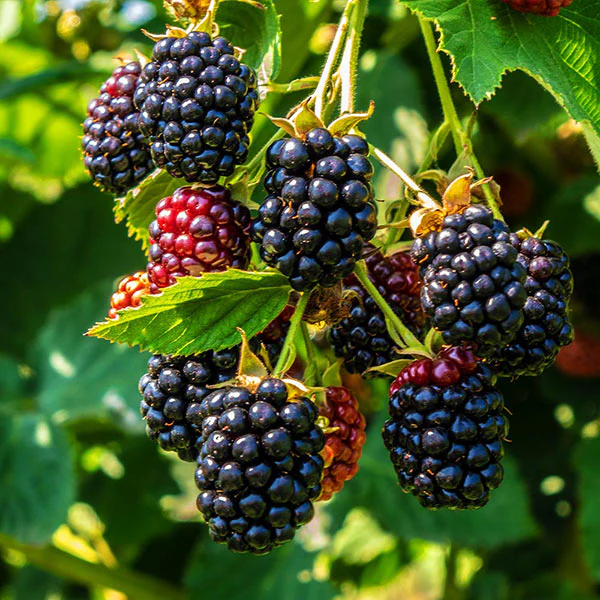
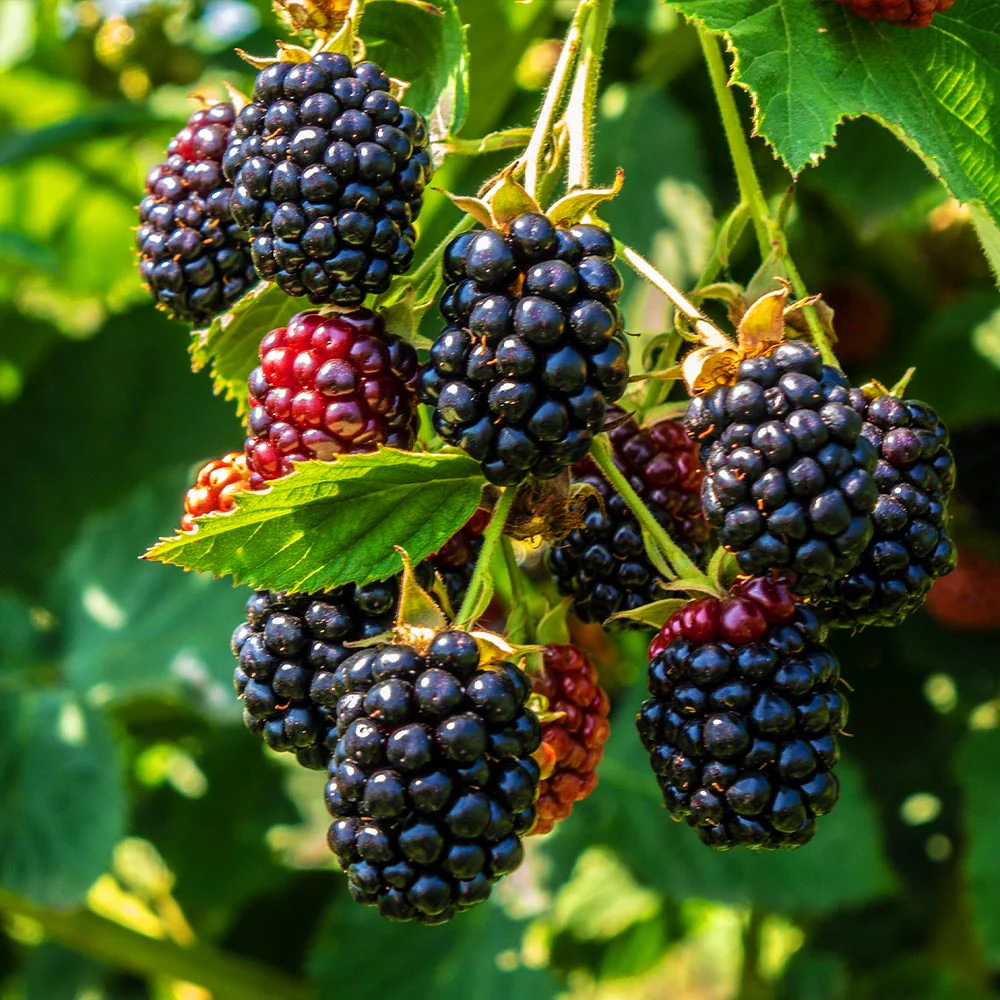
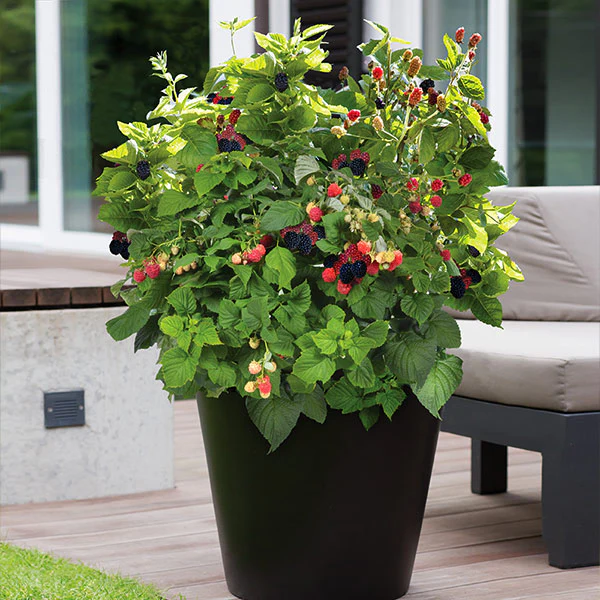
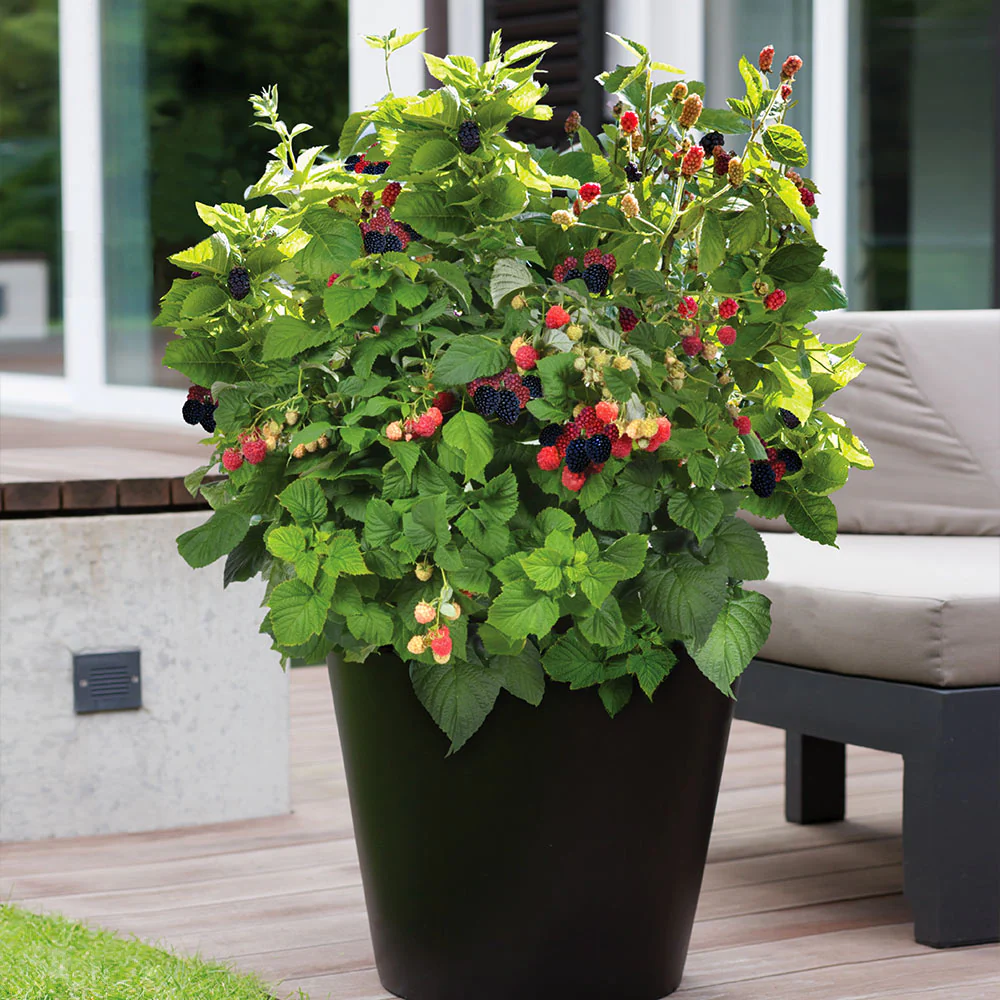
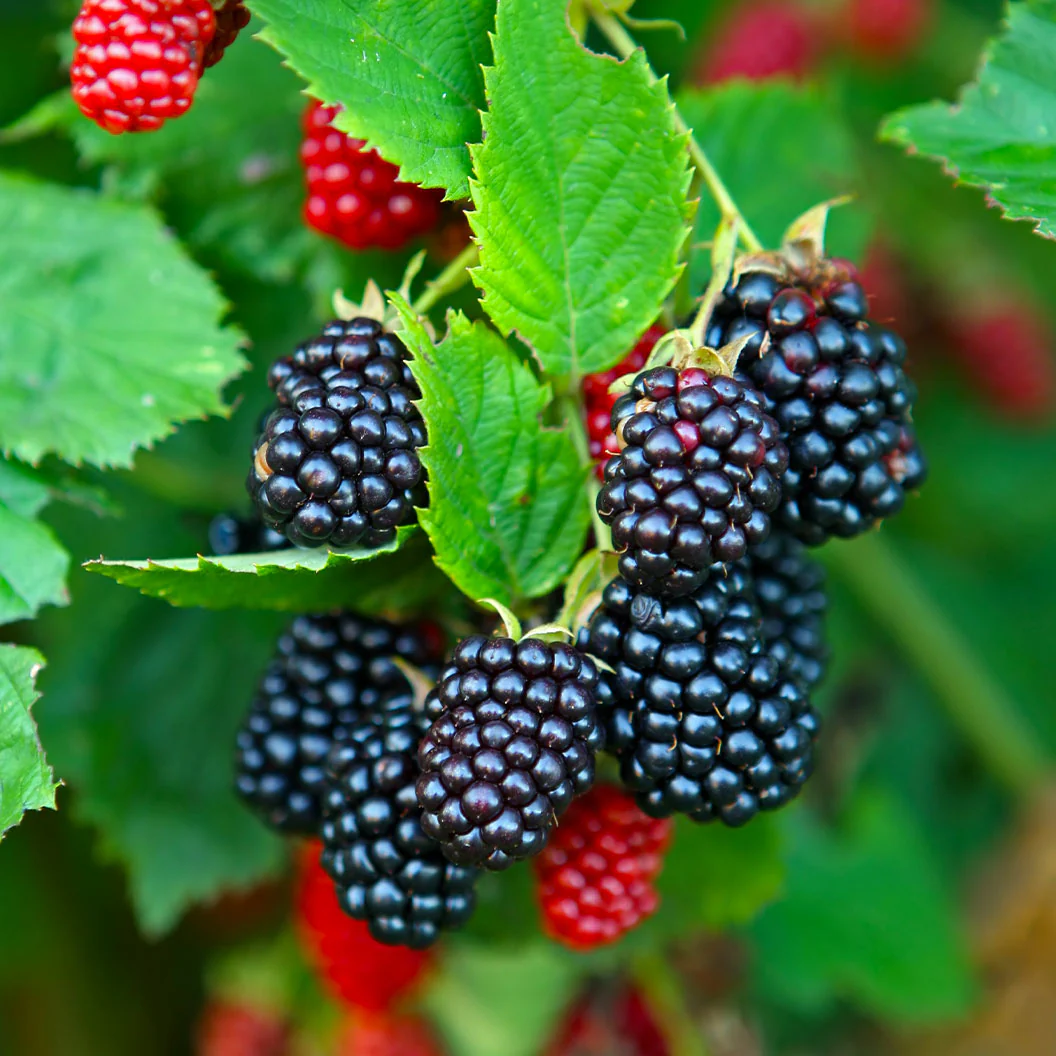
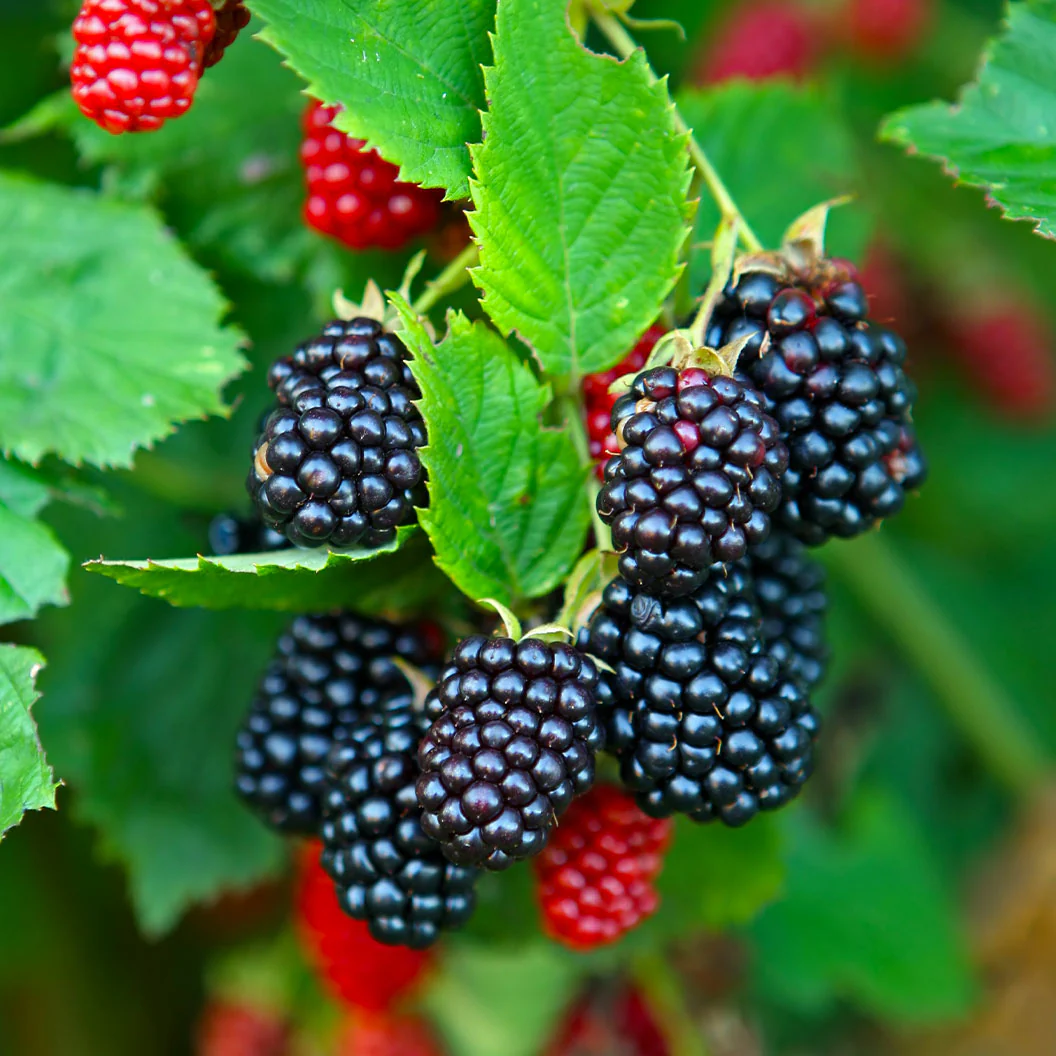
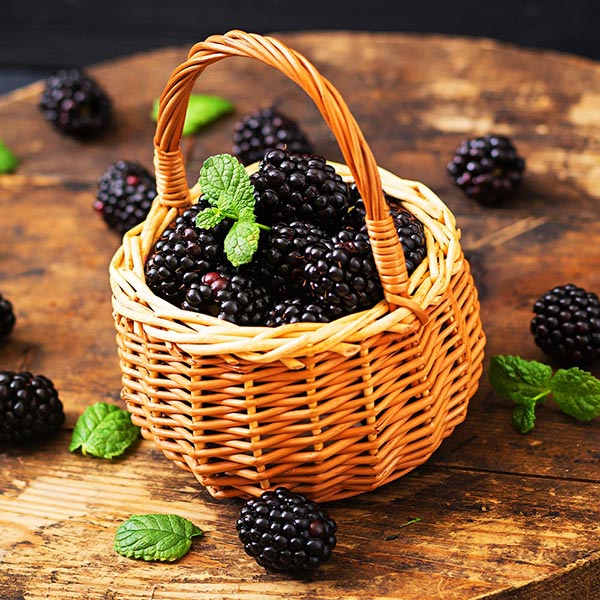
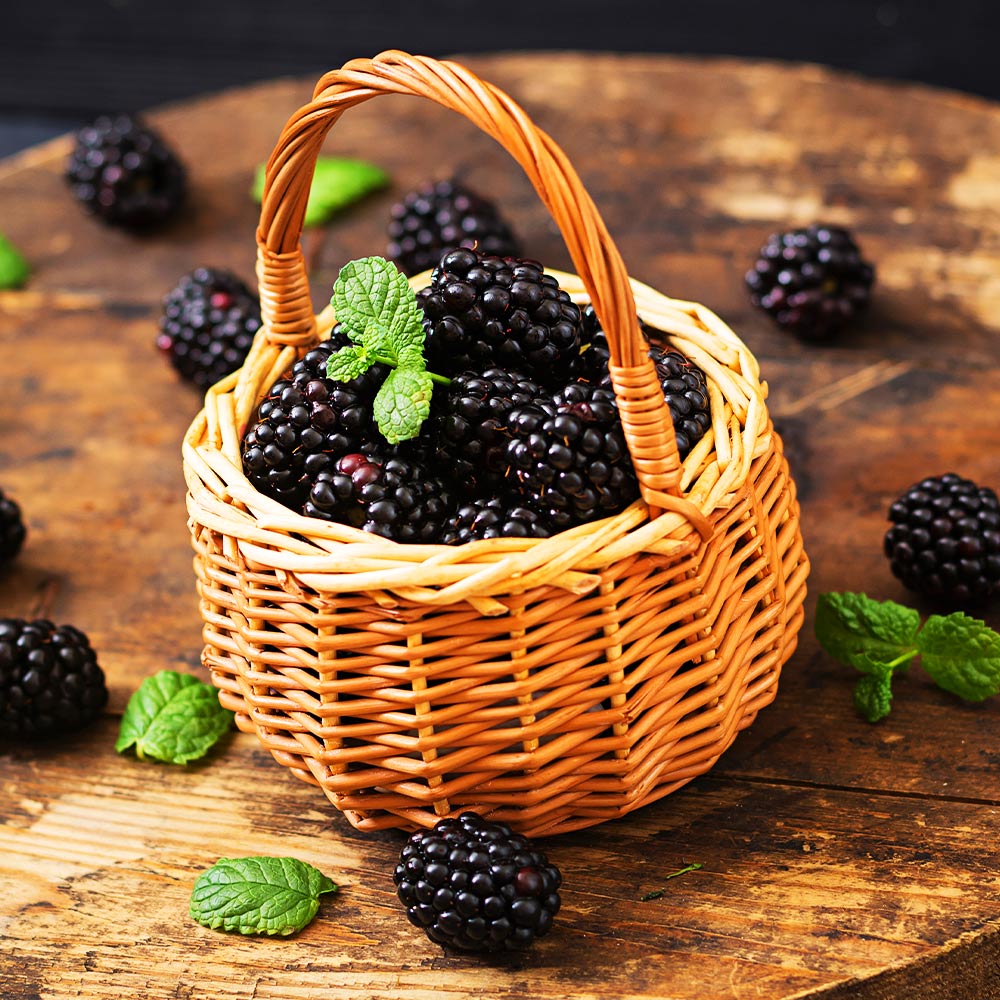
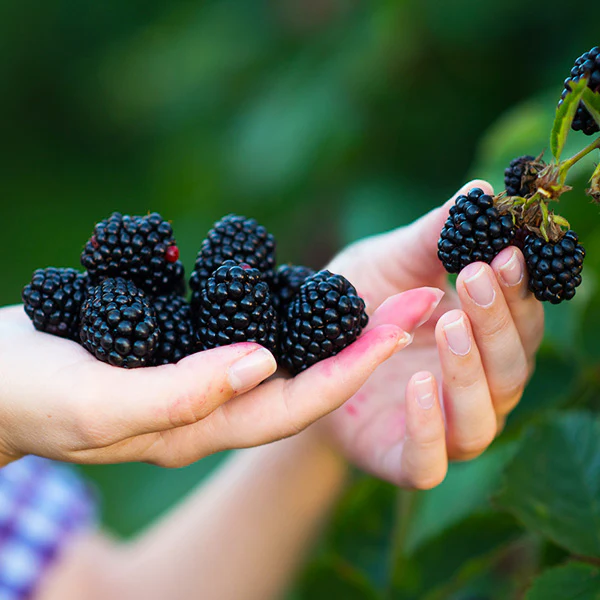
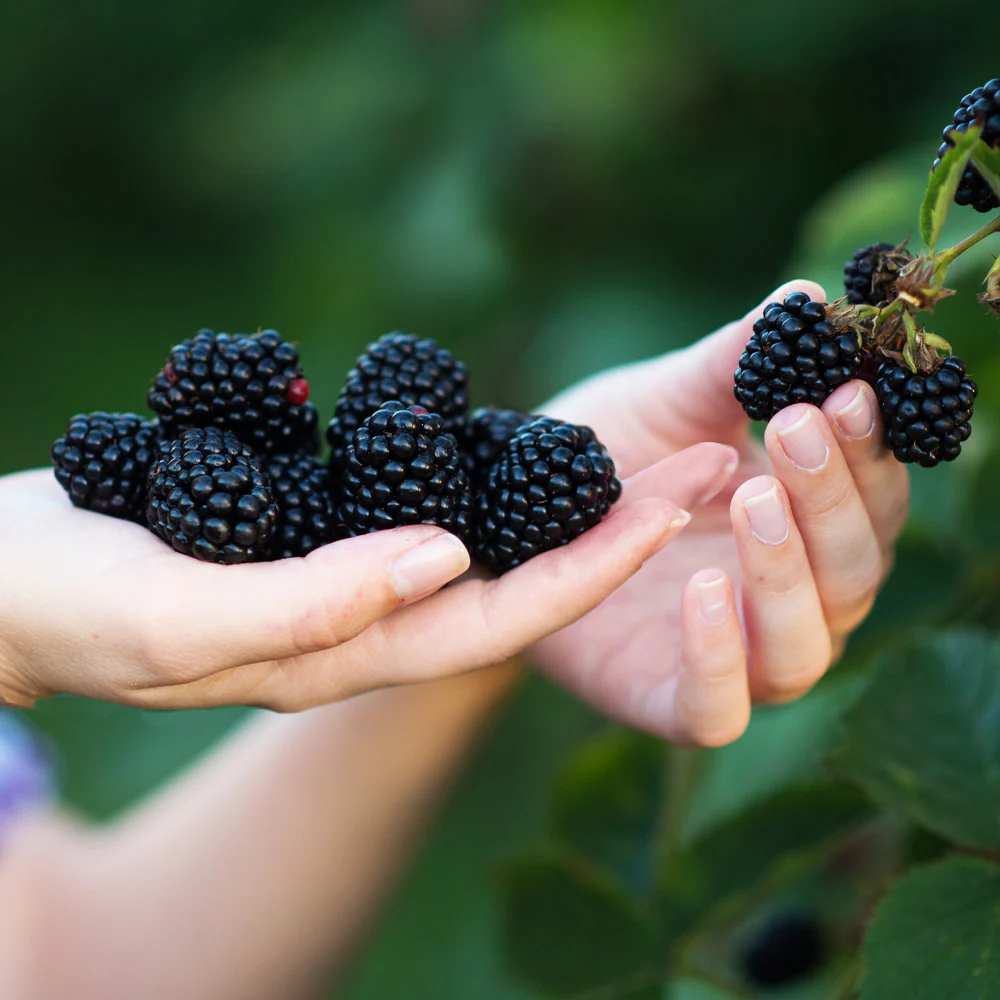
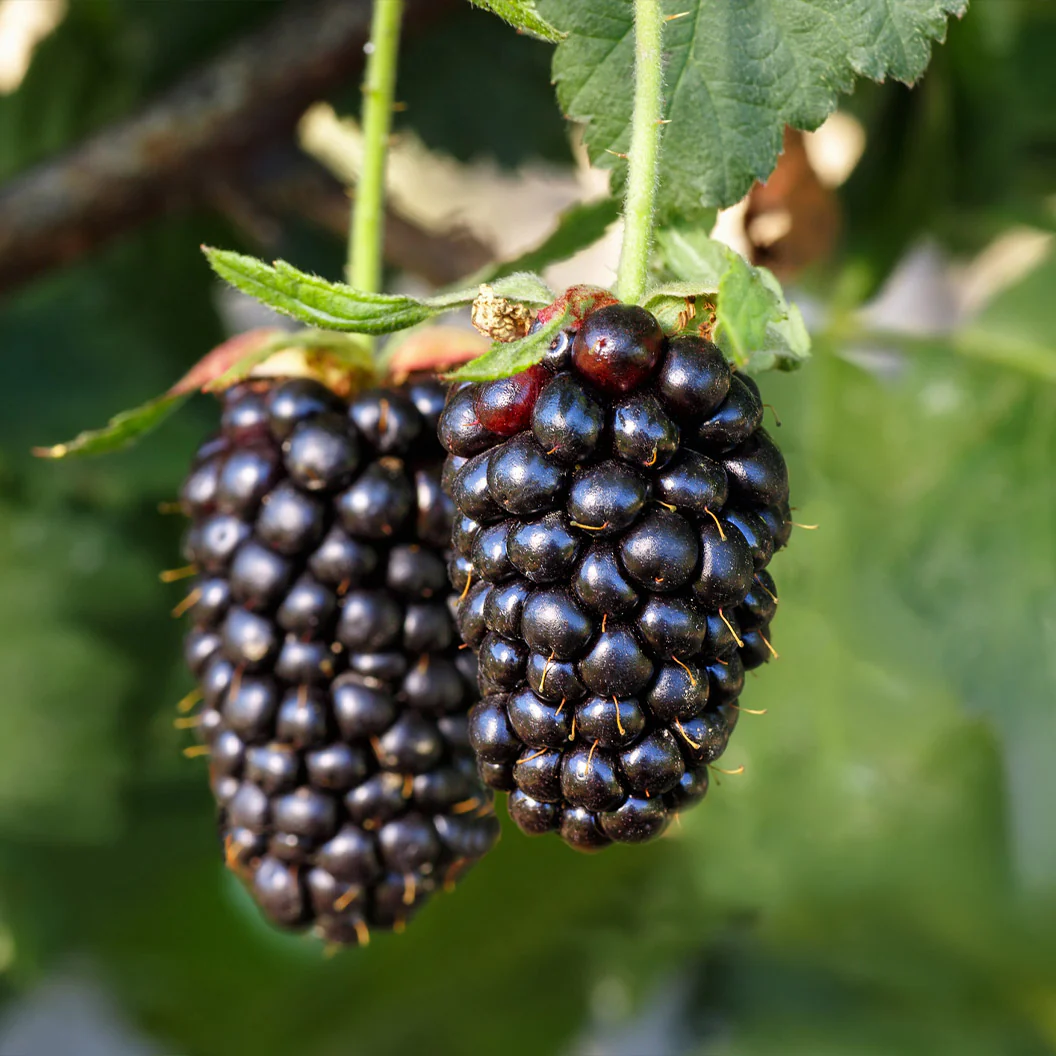
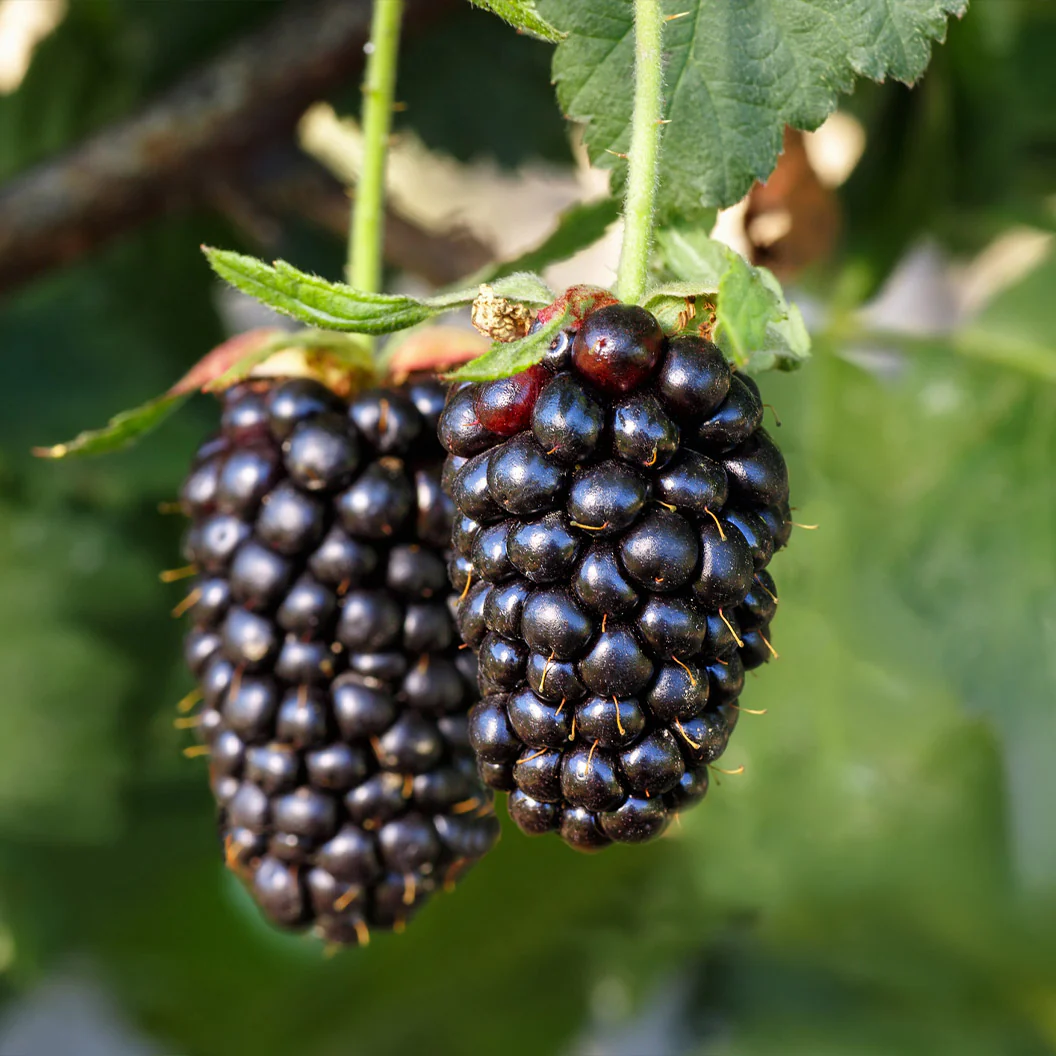
The Sweetie Pie Thornless Blackberry Bush brings a delightful touch to your garden with its juicy berries, all without the hassle of thorny vines. This variety is renowned for its low-maintenance nature, making it a perfect addition for anyone, whether you're a seasoned gardener or just starting. It's incredibly easy to grow and flourishes beautifully in patio containers, allowing you to enjoy fresh fruit right from your balcony or backyard.
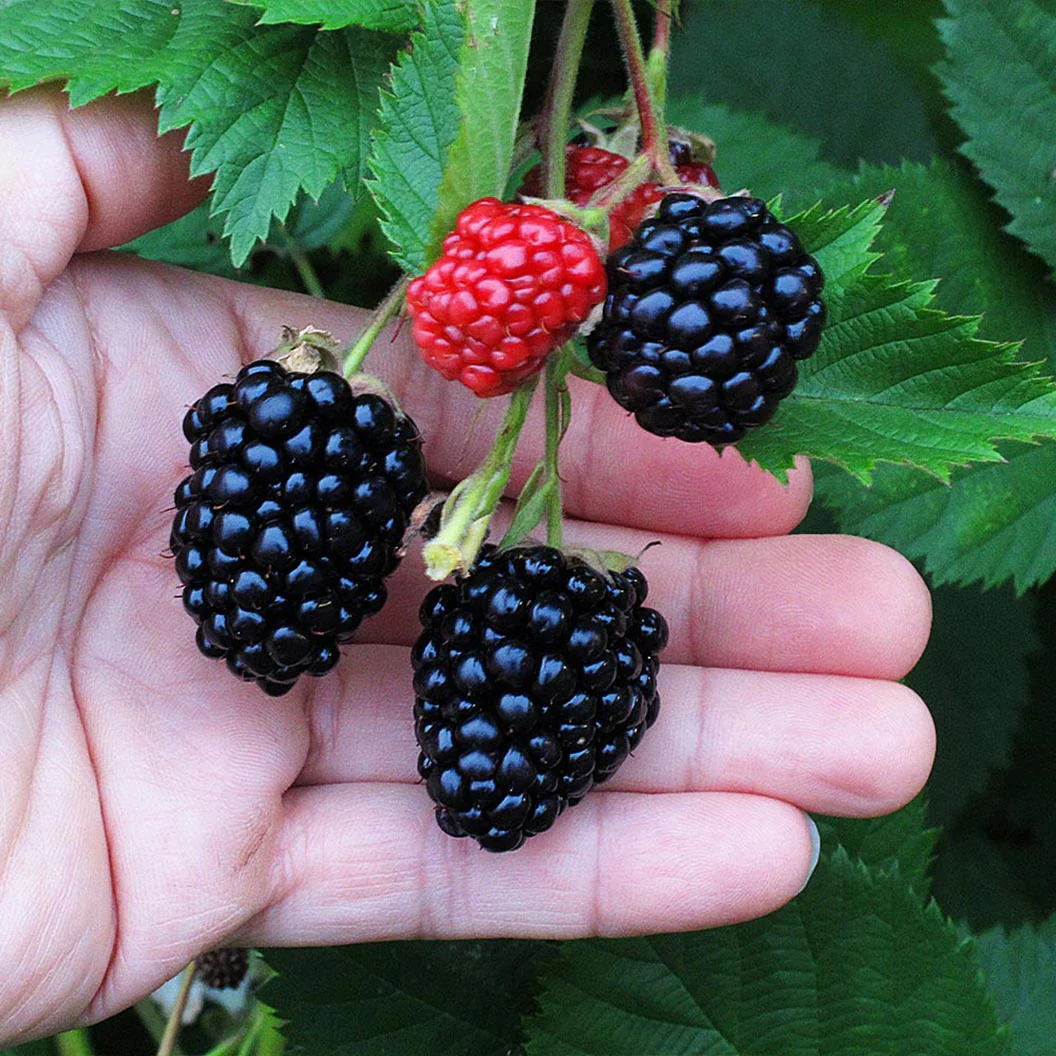
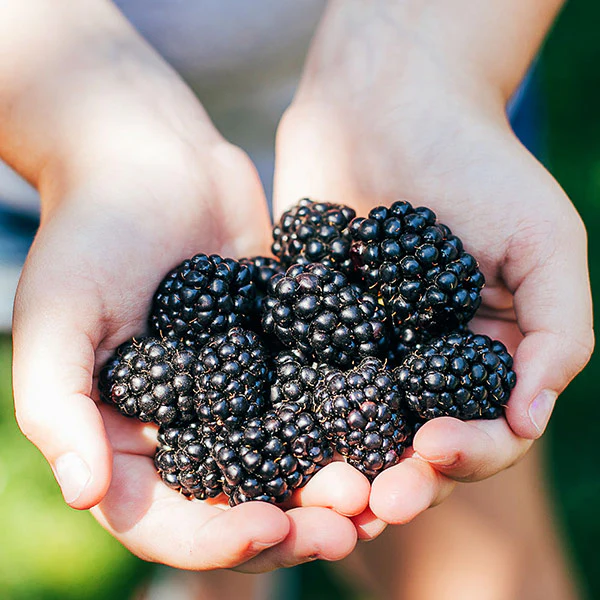
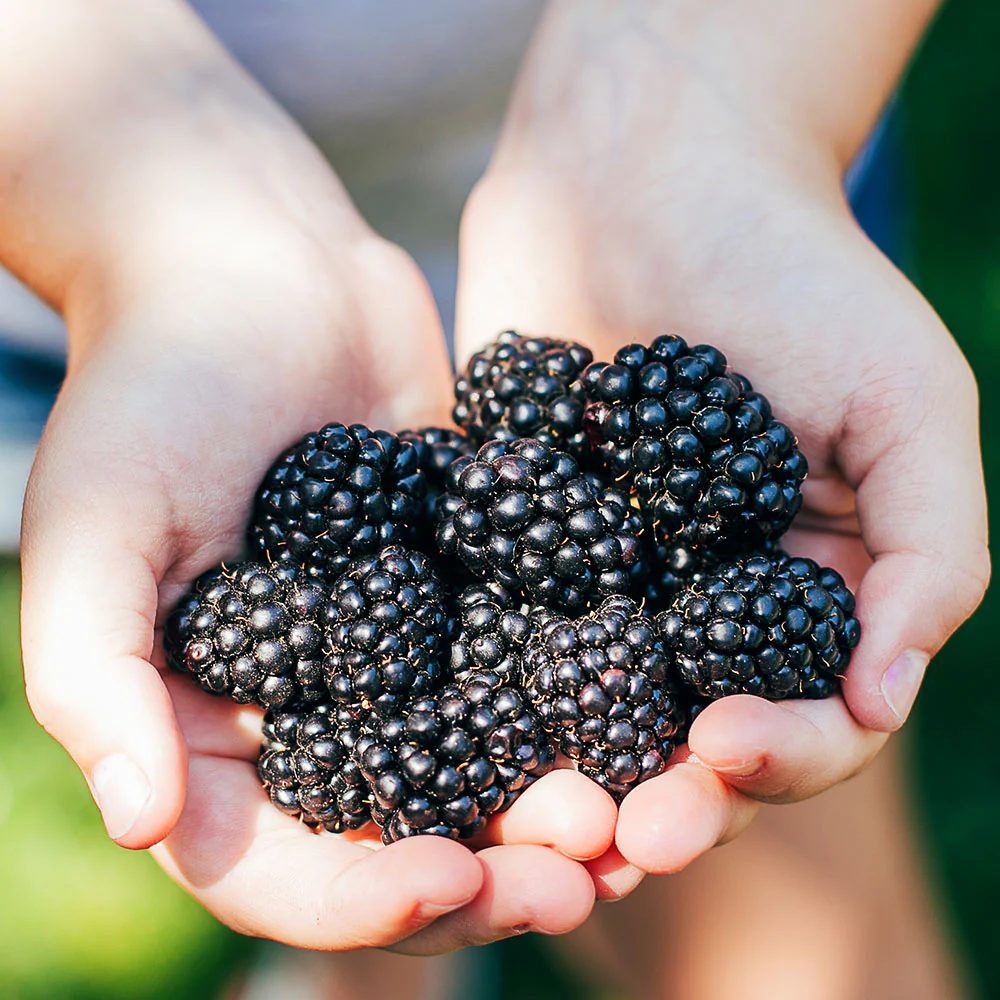
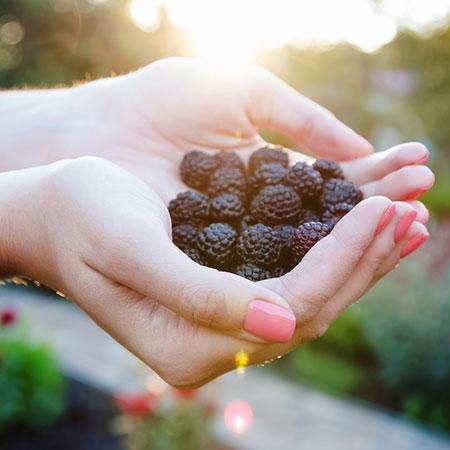
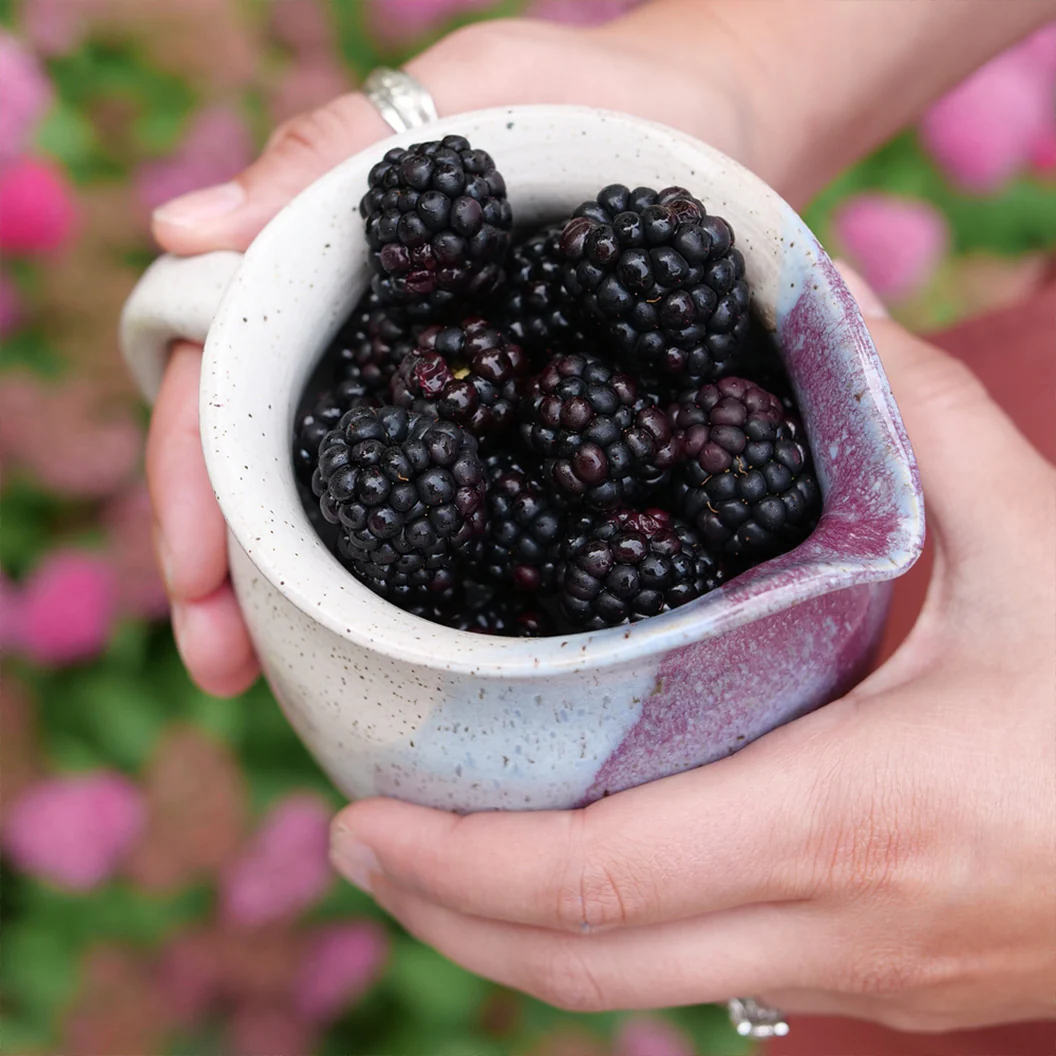
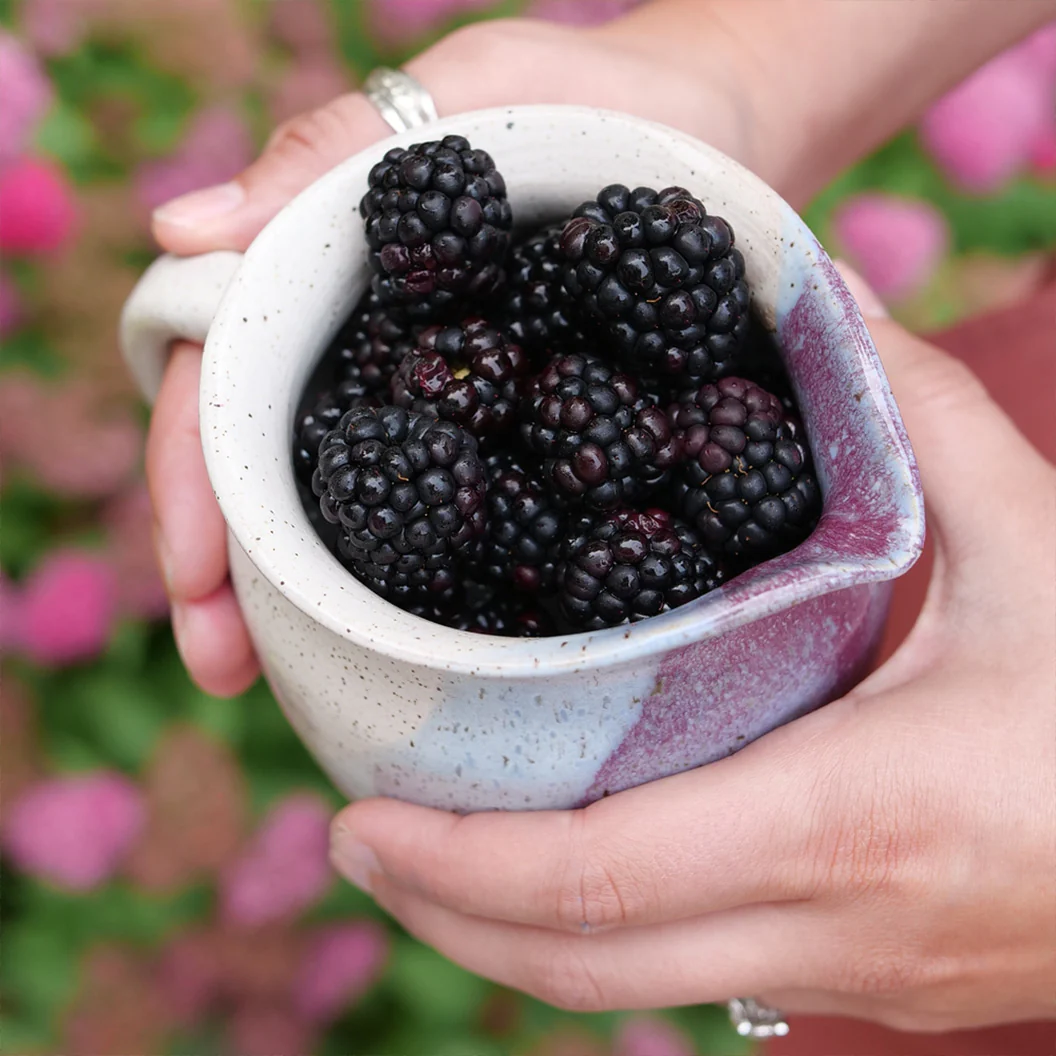
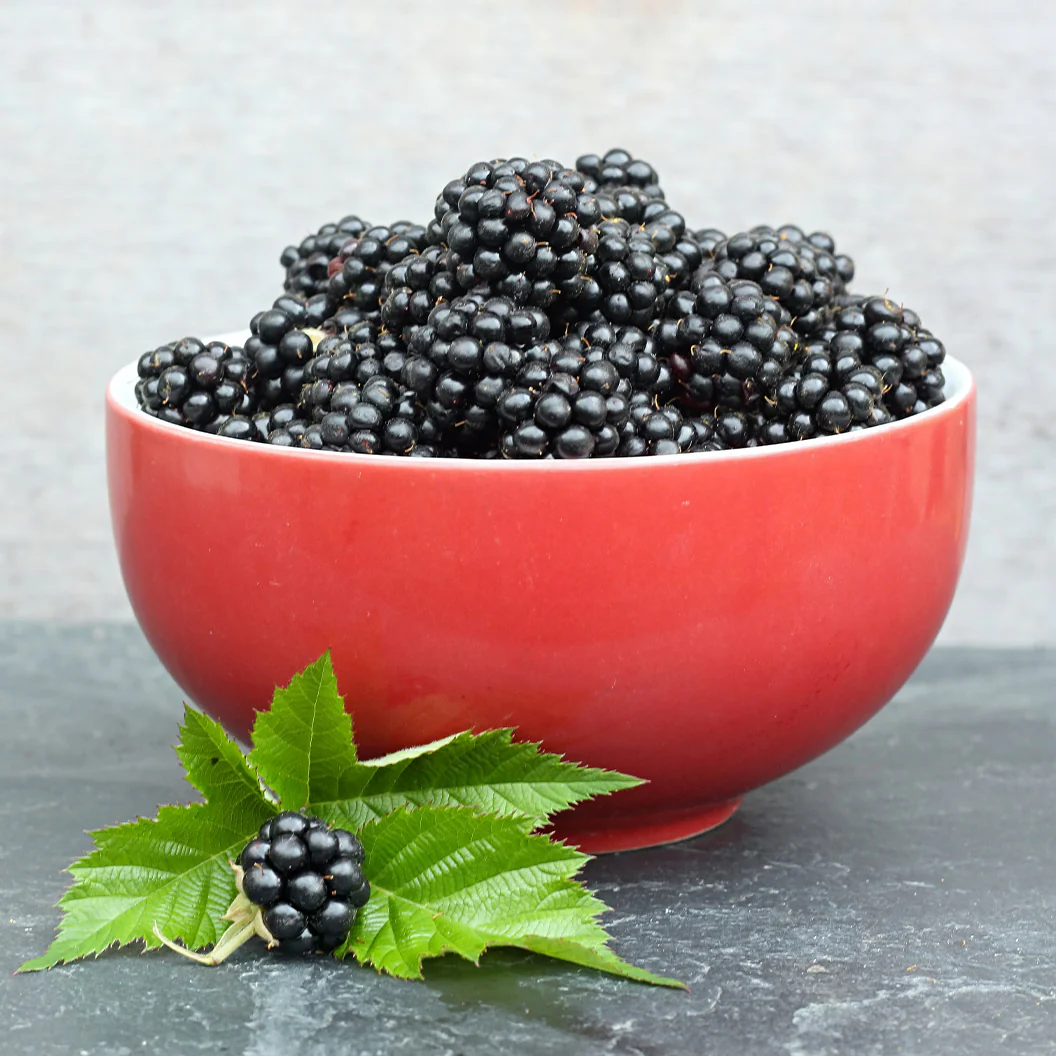
This blackberry bush not only adds visual appeal to your landscape with its lush foliage, but it also provides an abundance of sweet, plump berries that are great for snacking, baking, or turning into delicious jams. Imagine enjoying a fresh blackberry cobbler made from fruits you’ve grown yourself – it’s an experience that adds joy to your gardening journey. With its resilience and compact size, the Sweetie Pie Thornless Blackberry Bush is a charming and practical choice for any space.
Planting & Care
1. Planting: Choose a sunny location with well-draining soil for optimal growth. Space your blackberry bushes about 3 feet apart if planting multiple. Dig a hole twice the size of the root ball and gently place the bush in, ensuring the crown is level with the soil surface. Fill in with soil and water thoroughly.
2. Watering: Keep the soil consistently moist, especially during the first year while the plant establishes its roots. Water deeply once or twice a week, depending on rainfall and temperature. Avoid soggy soil, as this can lead to root rot.
3. Pruning: Prune in late winter to early spring by cutting side branches back by about 12 inches and thinning out any weak or congested canes so the strongest, healthiest canes are evenly spaced roughly 12 inches apart. As spring progresses, when primocanes reach 3–4 feet tall, remove about 6 inches from the tips to encourage horizontal branching. In mid to late summer, after the plant has finished fruiting, cut the floricanes all the way down to the ground to redirect the plant’s energy into the primocanes, which will produce fruit the following year.
4. Fertilizing: Apply a 10-10-10 fertilizer in the early spring once the ground thaws. Repeat application in mid-summer. Follow package rates and soil test every 3 years to determine best fertilizer rates.
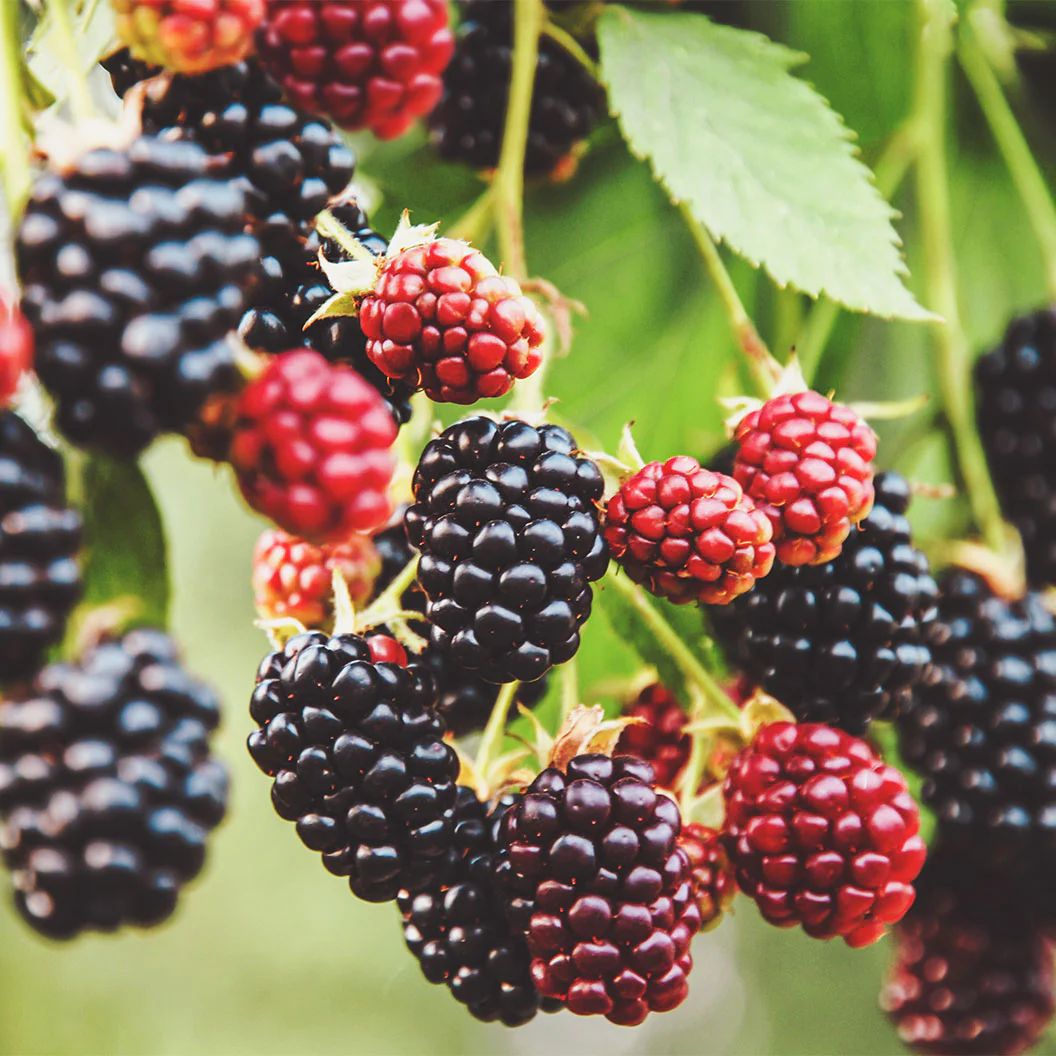
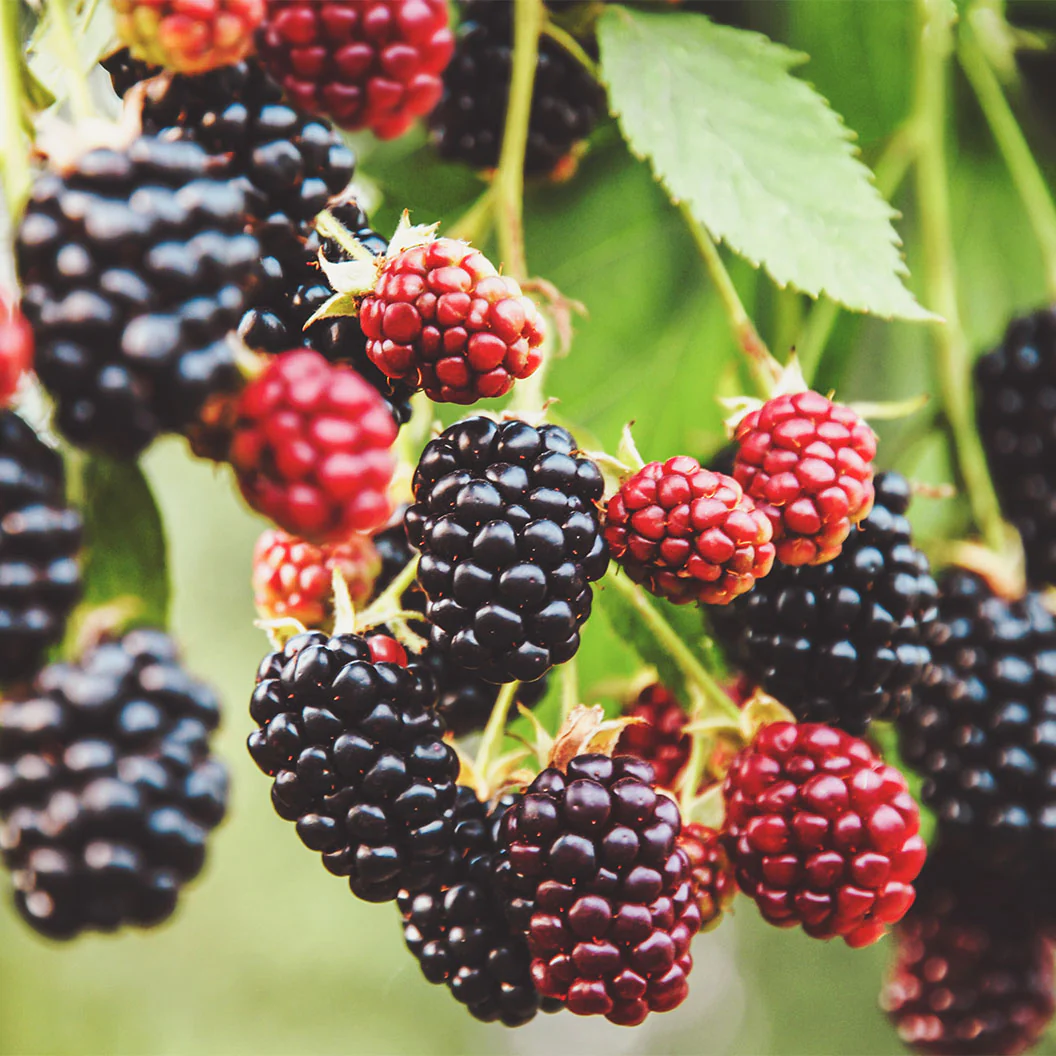
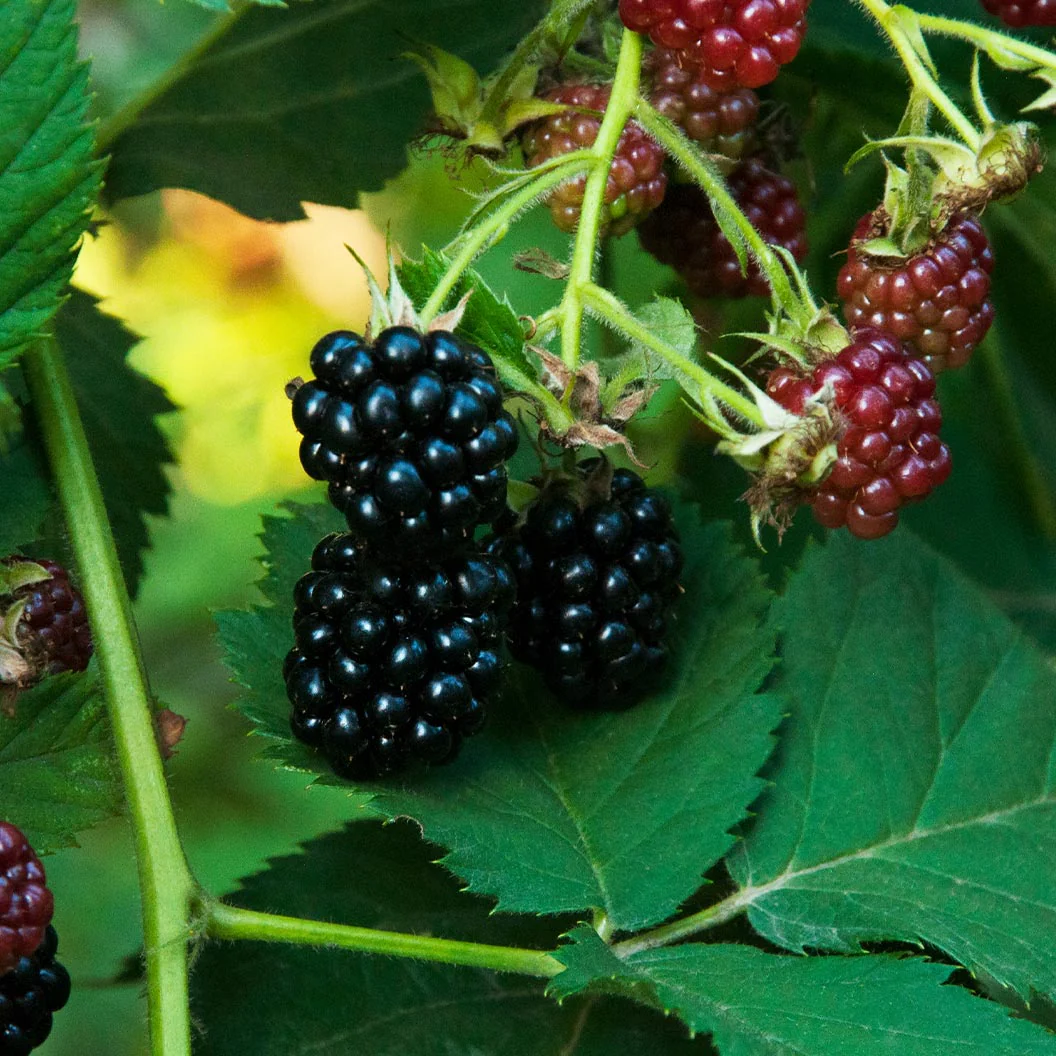
5. Harvesting: Fruits are ripe when they deepen in color and easily pull off the receptacle when picked.
Details & Craftsmanship
Every detail has been carefully considered to bring you the perfect product.
Details & Craftsmanship
Every detail has been carefully considered to bring you the perfect product.
Details & Craftsmanship
Every detail has been carefully considered to bring you the perfect product.
Description
Enjoy delicious blackberries without the thorns
The Sweetie Pie Thornless Blackberry Bush brings a delightful touch to your garden with its juicy berries, all without the hassle of thorny vines. This variety is renowned for its low-maintenance nature, making it a perfect addition for anyone, whether you're a seasoned gardener or just starting. It's incredibly easy to grow and flourishes beautifully in patio containers, allowing you to enjoy fresh fruit right from your balcony or backyard.
This blackberry bush not only adds visual appeal to your landscape with its lush foliage, but it also provides an abundance of sweet, plump berries that are great for snacking, baking, or turning into delicious jams. Imagine enjoying a fresh blackberry cobbler made from fruits you’ve grown yourself – it’s an experience that adds joy to your gardening journey. With its resilience and compact size, the Sweetie Pie Thornless Blackberry Bush is a charming and practical choice for any space.
Planting & Care
1. Planting: Choose a sunny location with well-draining soil for optimal growth. Space your blackberry bushes about 3 feet apart if planting multiple. Dig a hole twice the size of the root ball and gently place the bush in, ensuring the crown is level with the soil surface. Fill in with soil and water thoroughly.
2. Watering: Keep the soil consistently moist, especially during the first year while the plant establishes its roots. Water deeply once or twice a week, depending on rainfall and temperature. Avoid soggy soil, as this can lead to root rot.
3. Pruning: Prune in late winter to early spring by cutting side branches back by about 12 inches and thinning out any weak or congested canes so the strongest, healthiest canes are evenly spaced roughly 12 inches apart. As spring progresses, when primocanes reach 3–4 feet tall, remove about 6 inches from the tips to encourage horizontal branching. In mid to late summer, after the plant has finished fruiting, cut the floricanes all the way down to the ground to redirect the plant’s energy into the primocanes, which will produce fruit the following year.
4. Fertilizing: Apply a 10-10-10 fertilizer in the early spring once the ground thaws. Repeat application in mid-summer. Follow package rates and soil test every 3 years to determine best fertilizer rates.
5. Harvesting: Fruits are ripe when they deepen in color and easily pull off the receptacle when picked.