Original: $183.95
-65%$183.95
$64.38The Story
A versatile oak with stunning seasonal colors
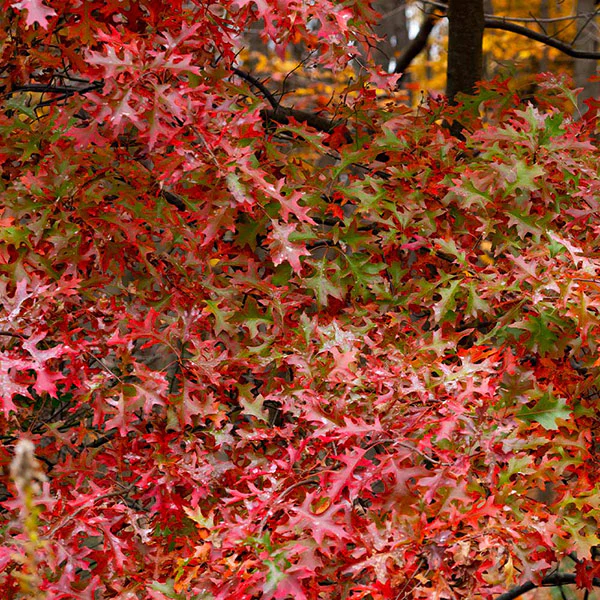
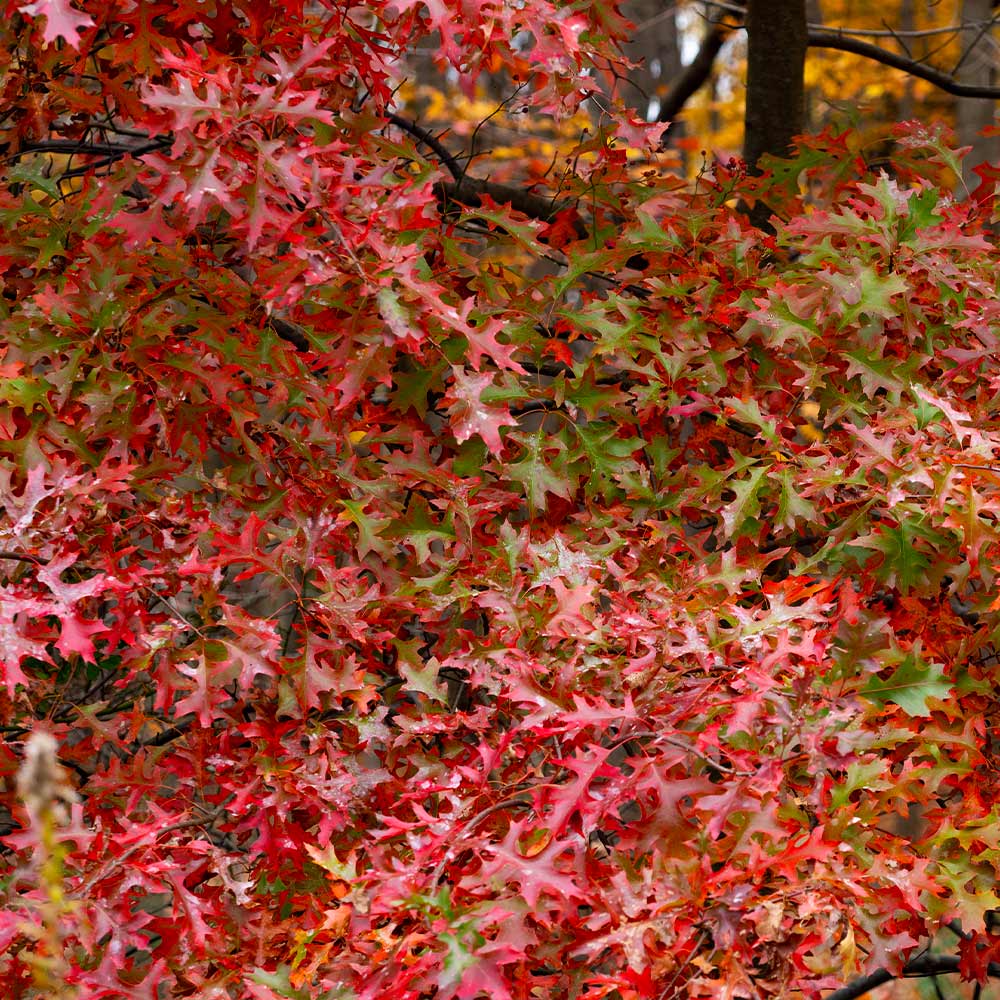
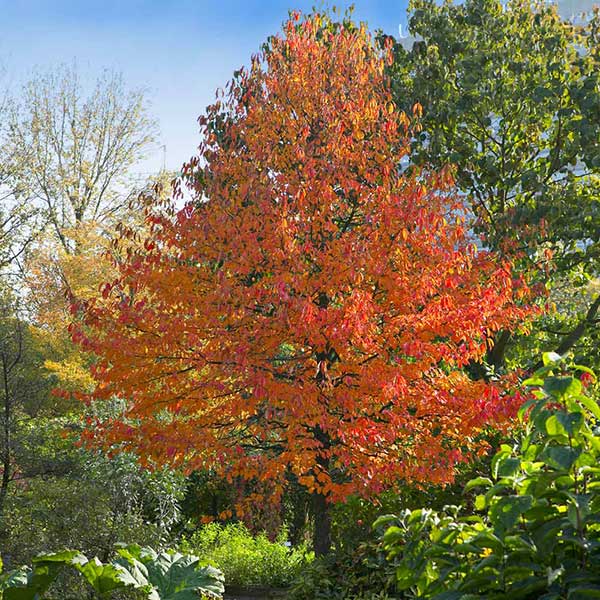
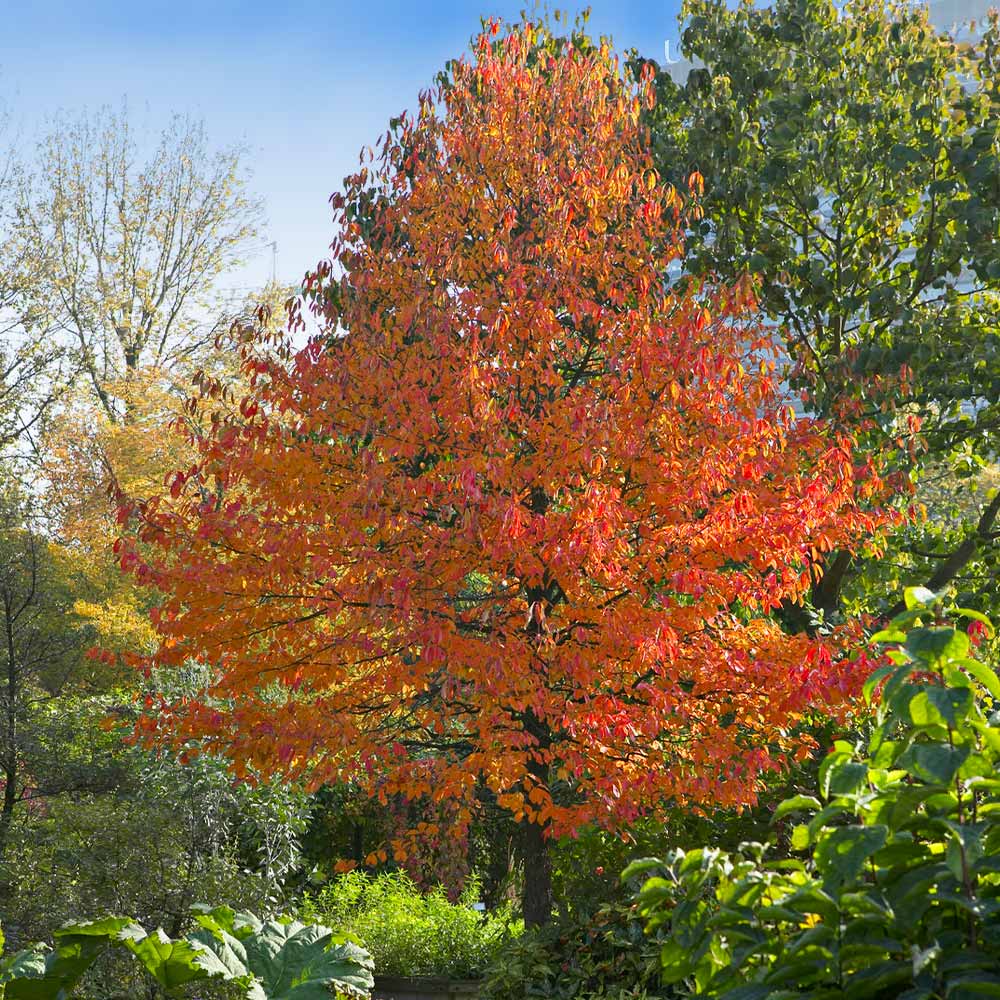
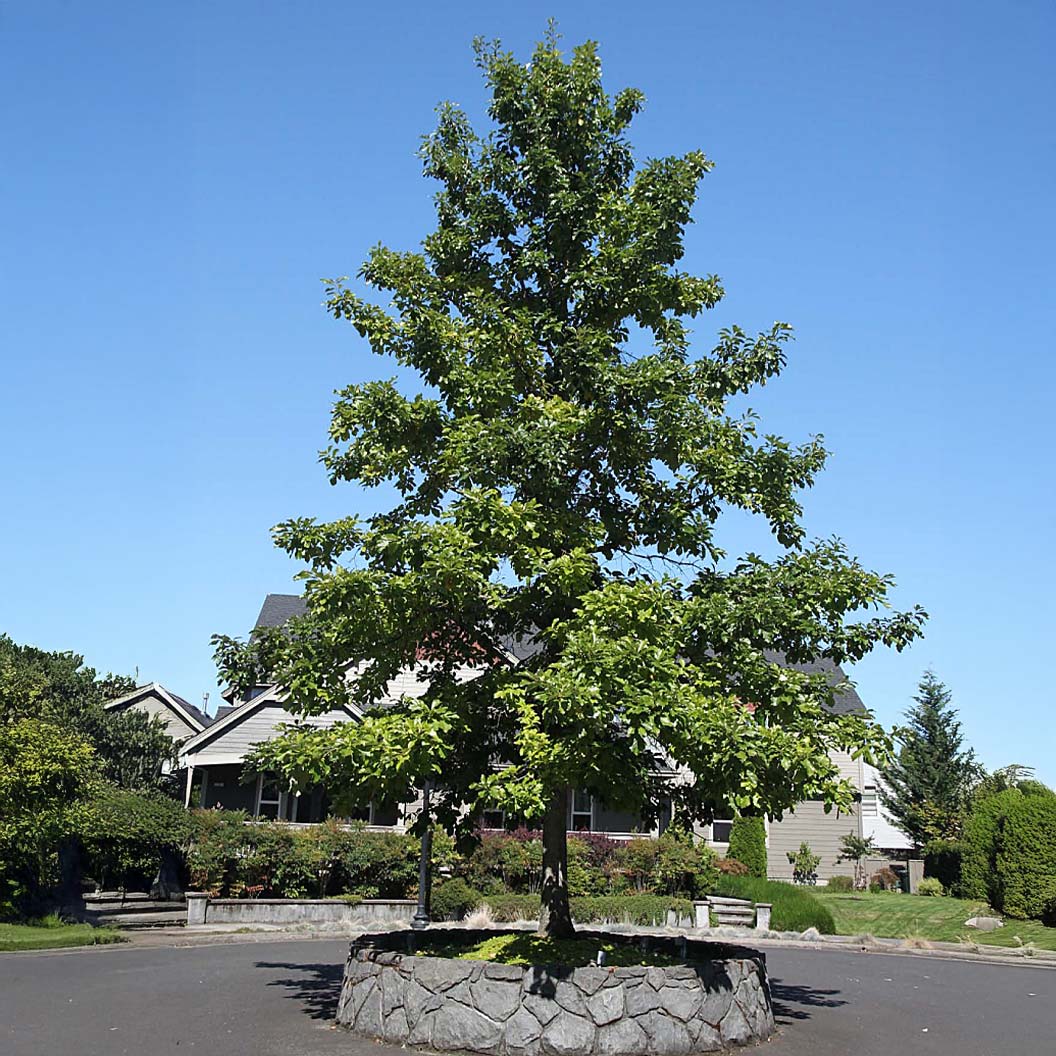
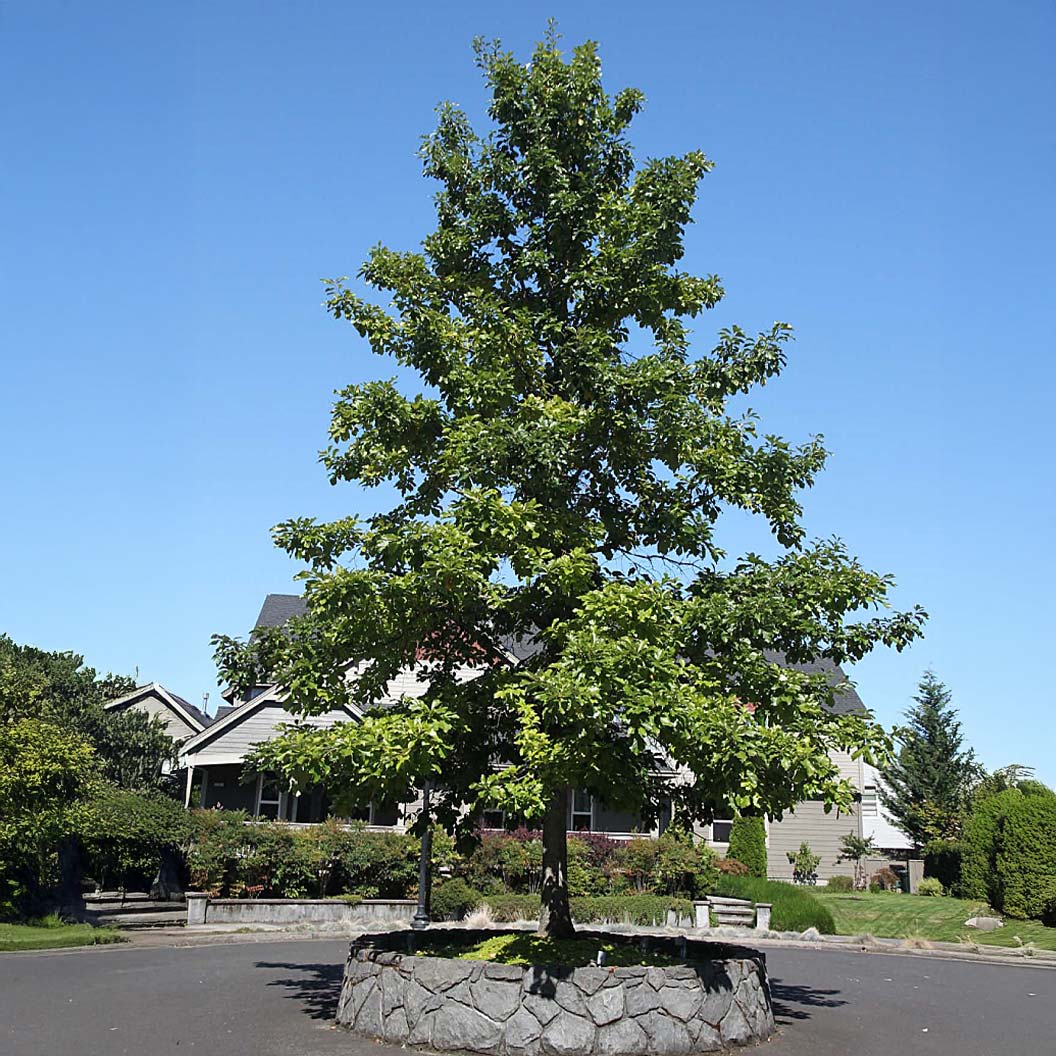
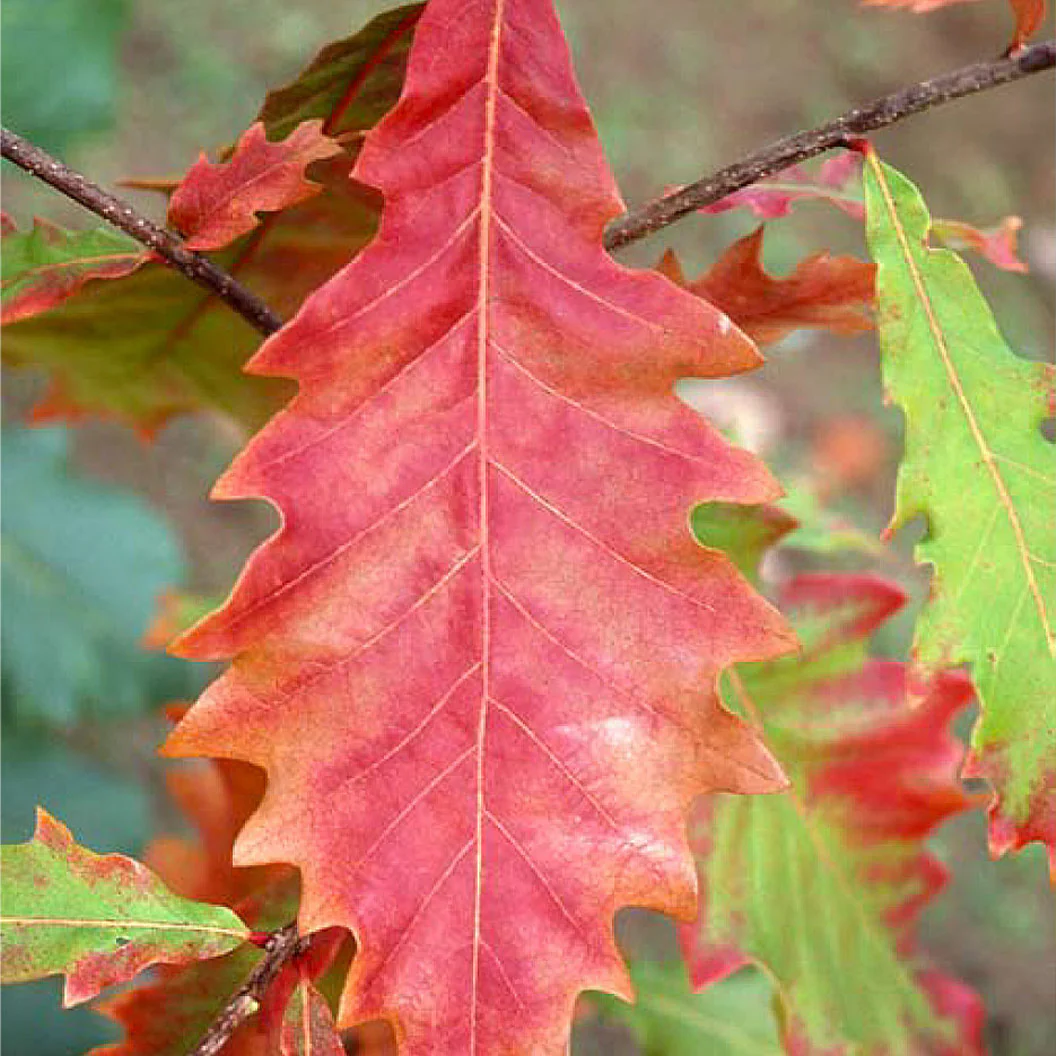
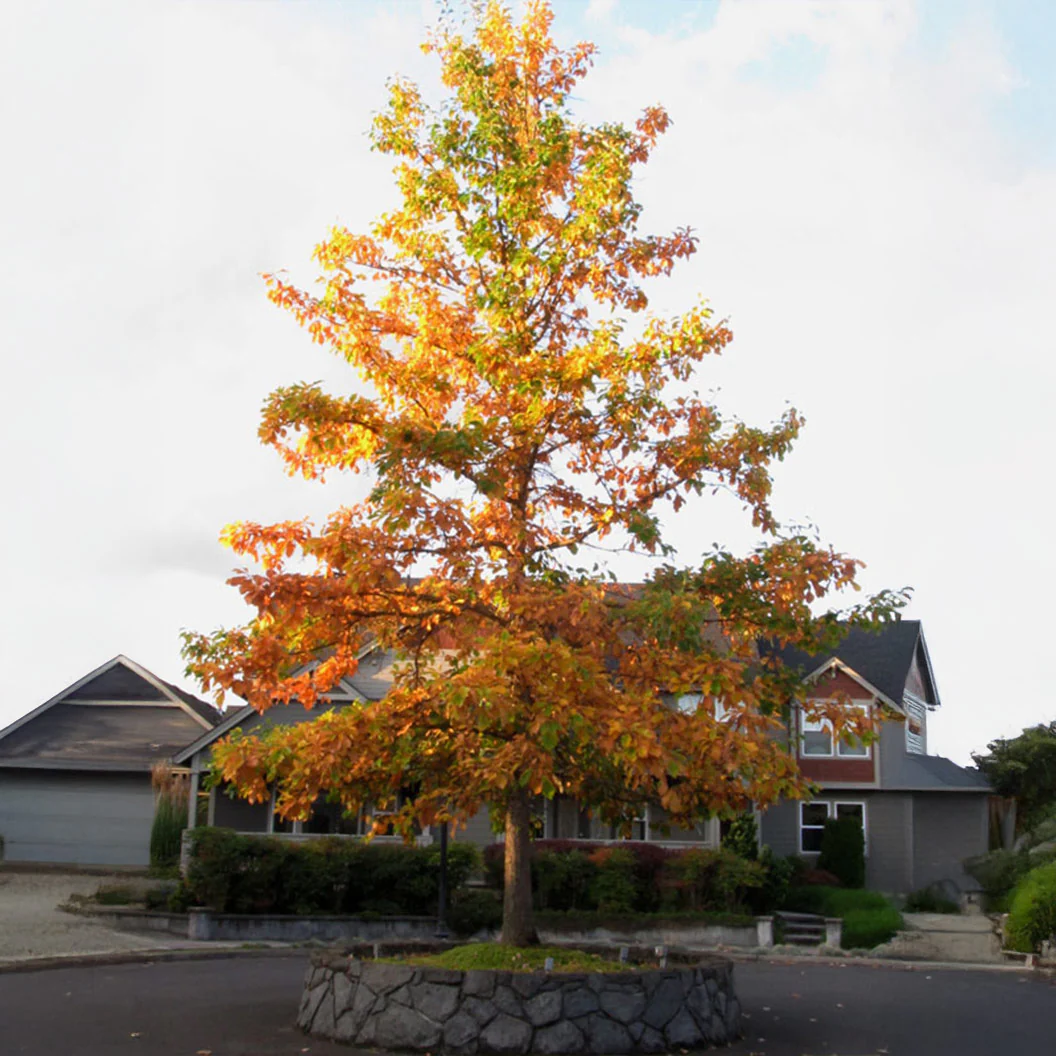
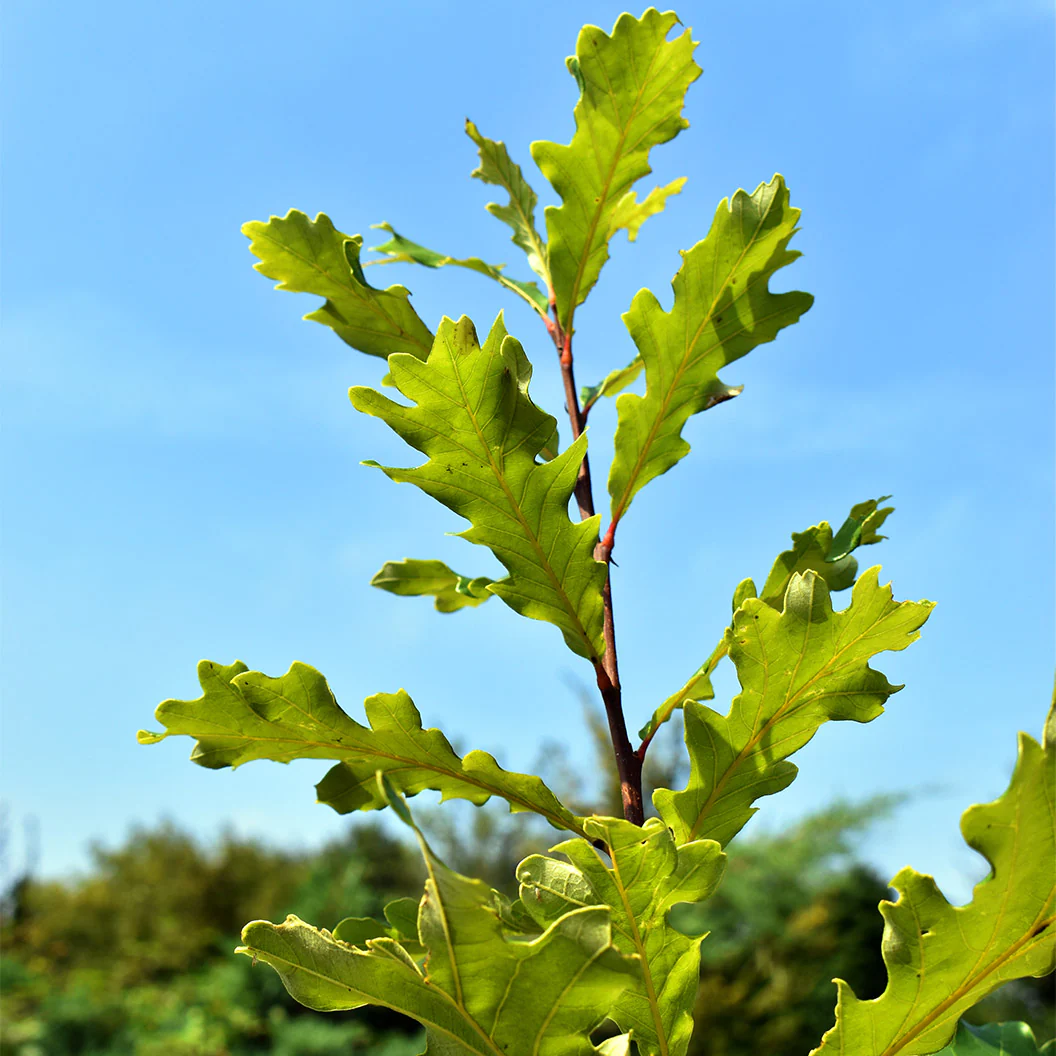
The Swamp White Oak Tree is a remarkable choice for your landscape, offering a broad rounded habit that fills spaces beautifully. This adaptable oak thrives in a variety of soil conditions, whether wet or dry, making it a resilient addition to your yard. Its lush green foliage transitions into brilliant yellow in the fall, often accented with striking red-purple tones—a sight that can add a splash of color as the seasons change. Ideal for both urban and suburban settings, it can serve as a shade tree, a focal point, or part of a naturalistic planting scheme.
Beyond its aesthetic appeal, this tree boasts a strong fibrous root system that enhances soil stability and decreases erosion. It's easy to care for, making it a perfect choice for seasoned gardeners and beginners alike. With its commanding presence and adaptability, the Swamp White Oak is not only a beautiful addition but also a practical choice for promoting biodiversity in your landscape.
Planting & Care
1. Planting: Choose a location where the tree can receive full sun to partial shade. Dig a hole that is twice the width of the root ball and about as deep as the ball itself. Place the tree into the hole, ensuring that the root crown is level with the soil surface. Backfill with soil and water generously to remove any air pockets.
2. Watering: Once established, the Swamp White Oak is quite drought-tolerant, but regular watering during dry spells is beneficial, especially in the first few years. Aim for deep watering to encourage deep root growth.
3. Pruning: Light pruning is best done in late winter to early spring, removing any dead or damaged branches. This promotes a healthy shape and encourages growth while minimizing stress on the tree.
4. Fertilizing: A slow-release fertilizer can be applied in early spring if your soil is deficient in nutrients. Follow the product instructions for application rates and amounts to best support the tree’s growth.
Details & Craftsmanship
Every detail has been carefully considered to bring you the perfect product.
Details & Craftsmanship
Every detail has been carefully considered to bring you the perfect product.
Details & Craftsmanship
Every detail has been carefully considered to bring you the perfect product.
Details & Craftsmanship
Every detail has been carefully considered to bring you the perfect product.
Description
A versatile oak with stunning seasonal colors
The Swamp White Oak Tree is a remarkable choice for your landscape, offering a broad rounded habit that fills spaces beautifully. This adaptable oak thrives in a variety of soil conditions, whether wet or dry, making it a resilient addition to your yard. Its lush green foliage transitions into brilliant yellow in the fall, often accented with striking red-purple tones—a sight that can add a splash of color as the seasons change. Ideal for both urban and suburban settings, it can serve as a shade tree, a focal point, or part of a naturalistic planting scheme.
Beyond its aesthetic appeal, this tree boasts a strong fibrous root system that enhances soil stability and decreases erosion. It's easy to care for, making it a perfect choice for seasoned gardeners and beginners alike. With its commanding presence and adaptability, the Swamp White Oak is not only a beautiful addition but also a practical choice for promoting biodiversity in your landscape.
Planting & Care
1. Planting: Choose a location where the tree can receive full sun to partial shade. Dig a hole that is twice the width of the root ball and about as deep as the ball itself. Place the tree into the hole, ensuring that the root crown is level with the soil surface. Backfill with soil and water generously to remove any air pockets.
2. Watering: Once established, the Swamp White Oak is quite drought-tolerant, but regular watering during dry spells is beneficial, especially in the first few years. Aim for deep watering to encourage deep root growth.
3. Pruning: Light pruning is best done in late winter to early spring, removing any dead or damaged branches. This promotes a healthy shape and encourages growth while minimizing stress on the tree.
4. Fertilizing: A slow-release fertilizer can be applied in early spring if your soil is deficient in nutrients. Follow the product instructions for application rates and amounts to best support the tree’s growth.