Original: $51.95
-65%$51.95
$18.18The Story
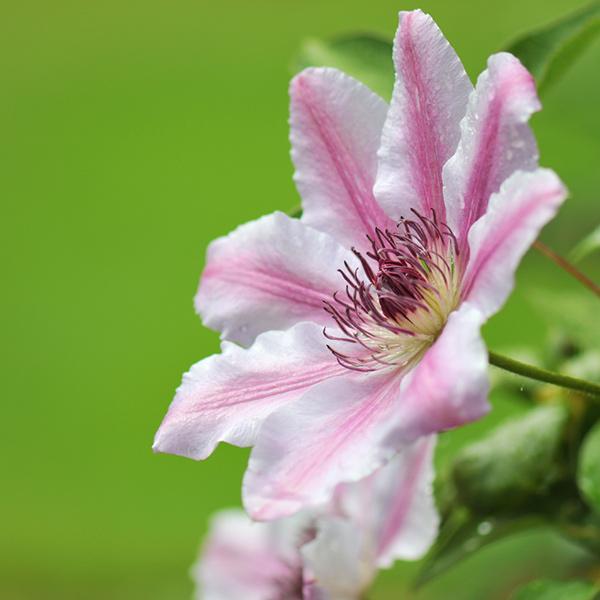
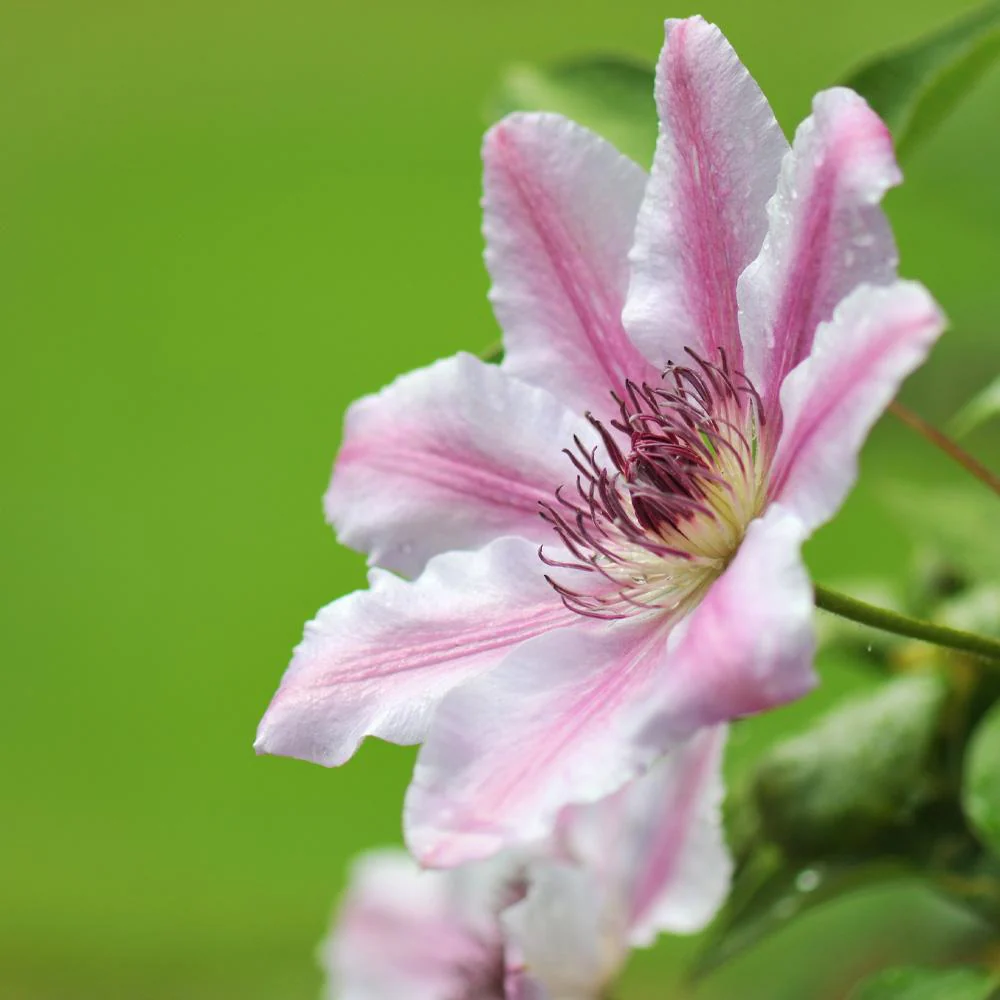
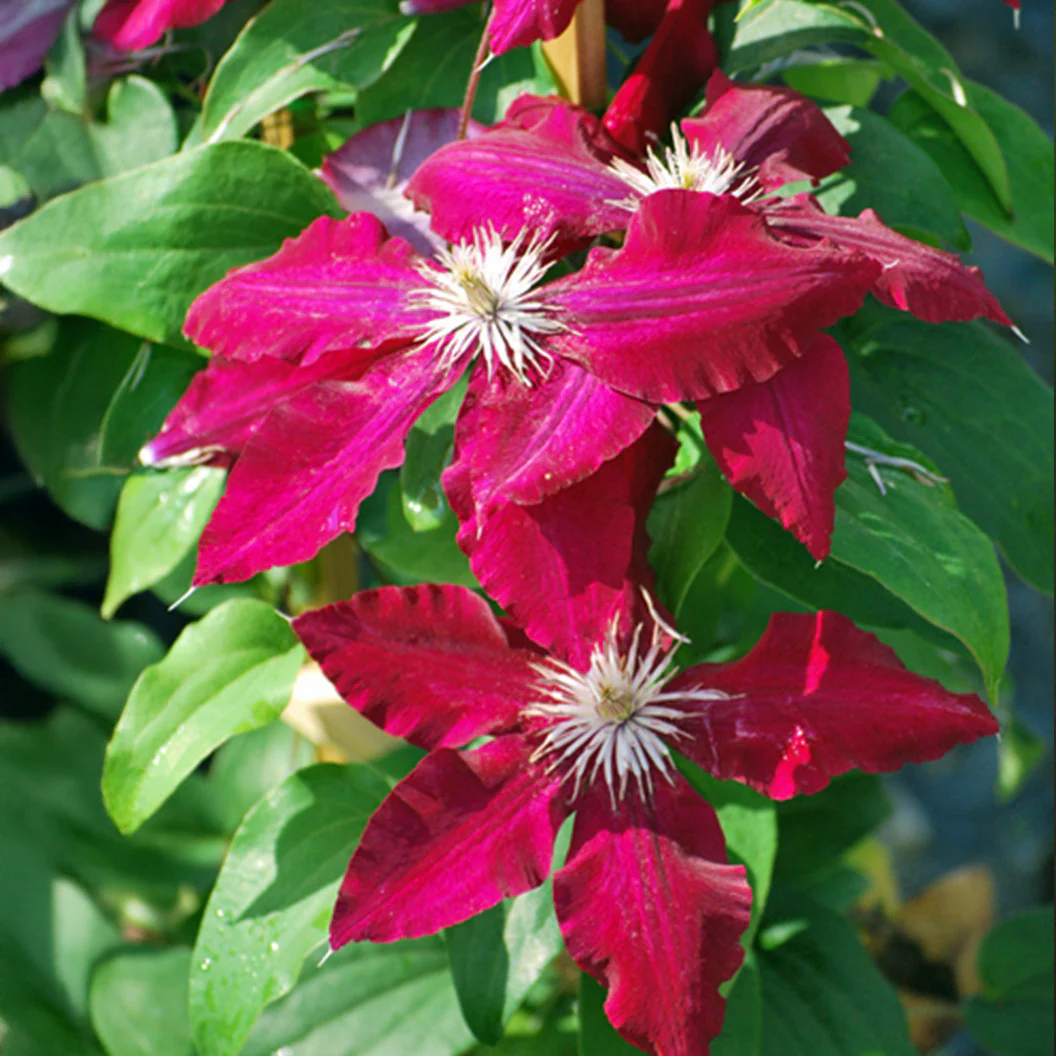
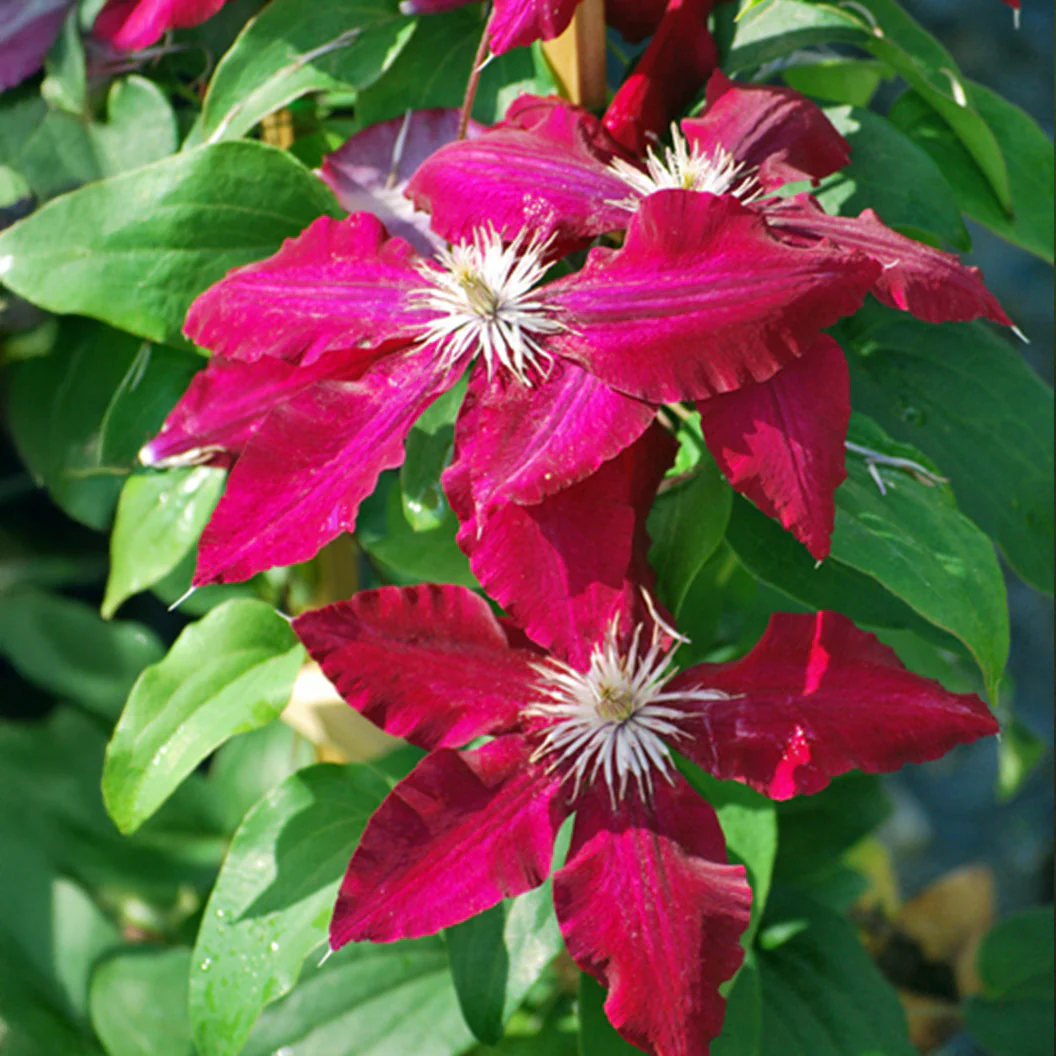
Large, Velvety Red Flowers Bloom From Spring Through Summer
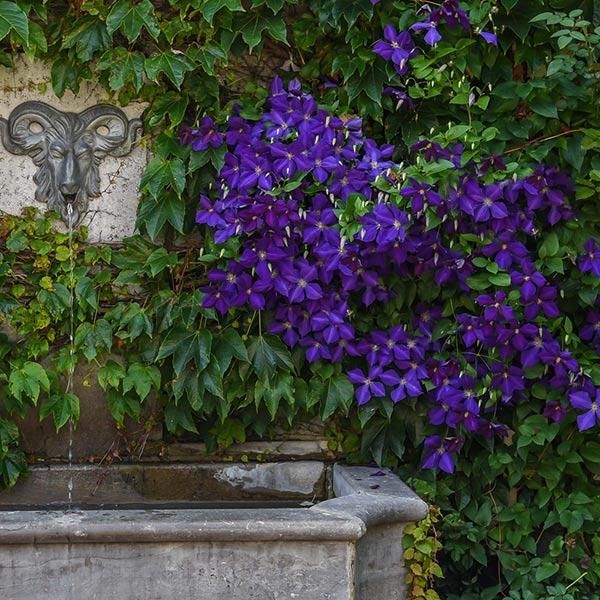
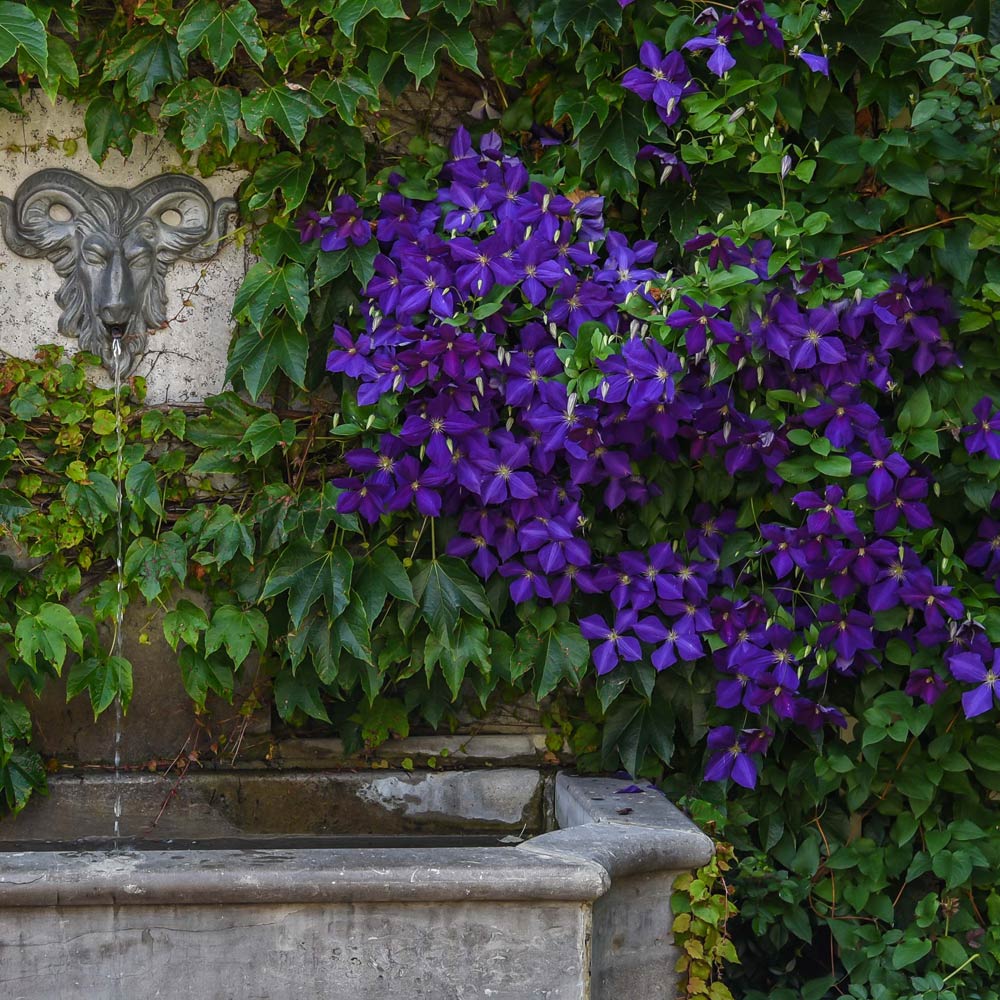
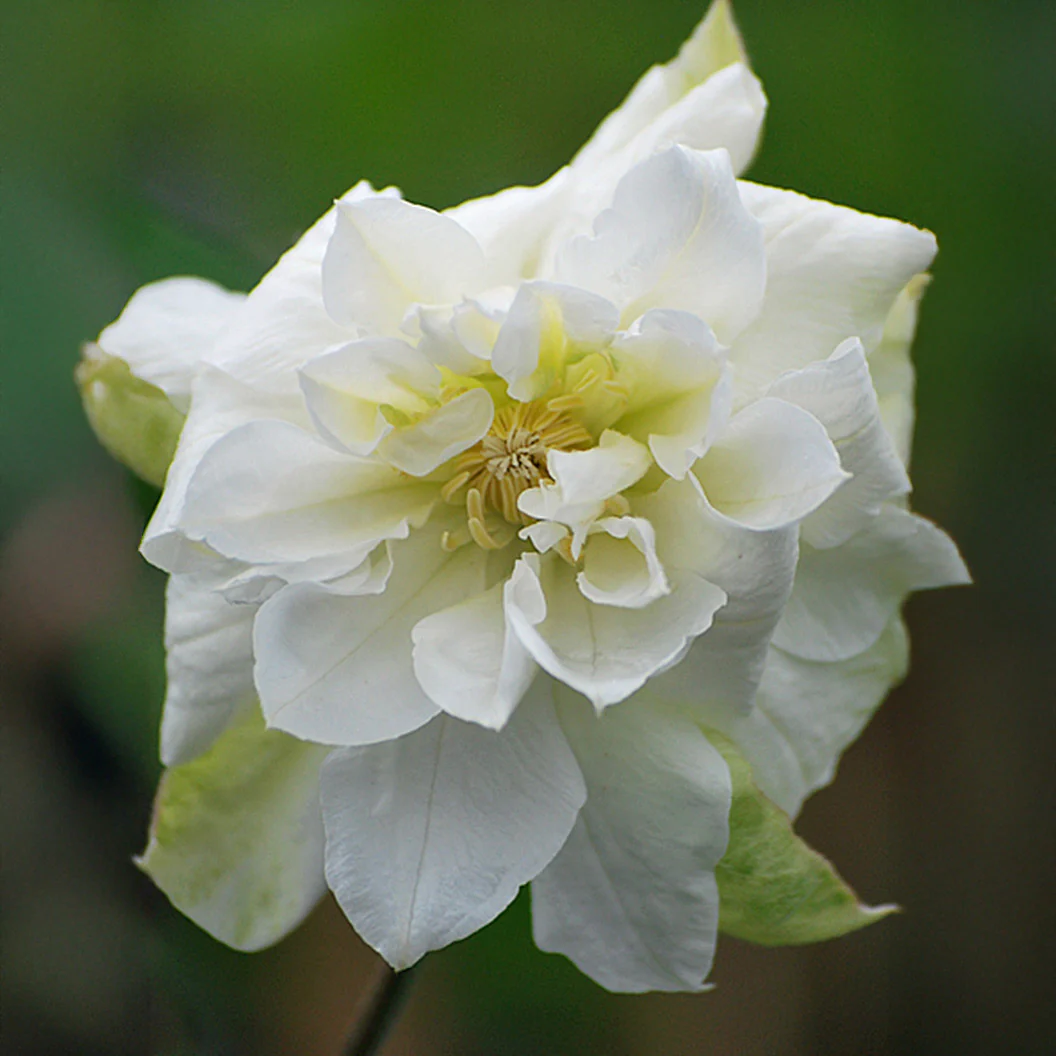
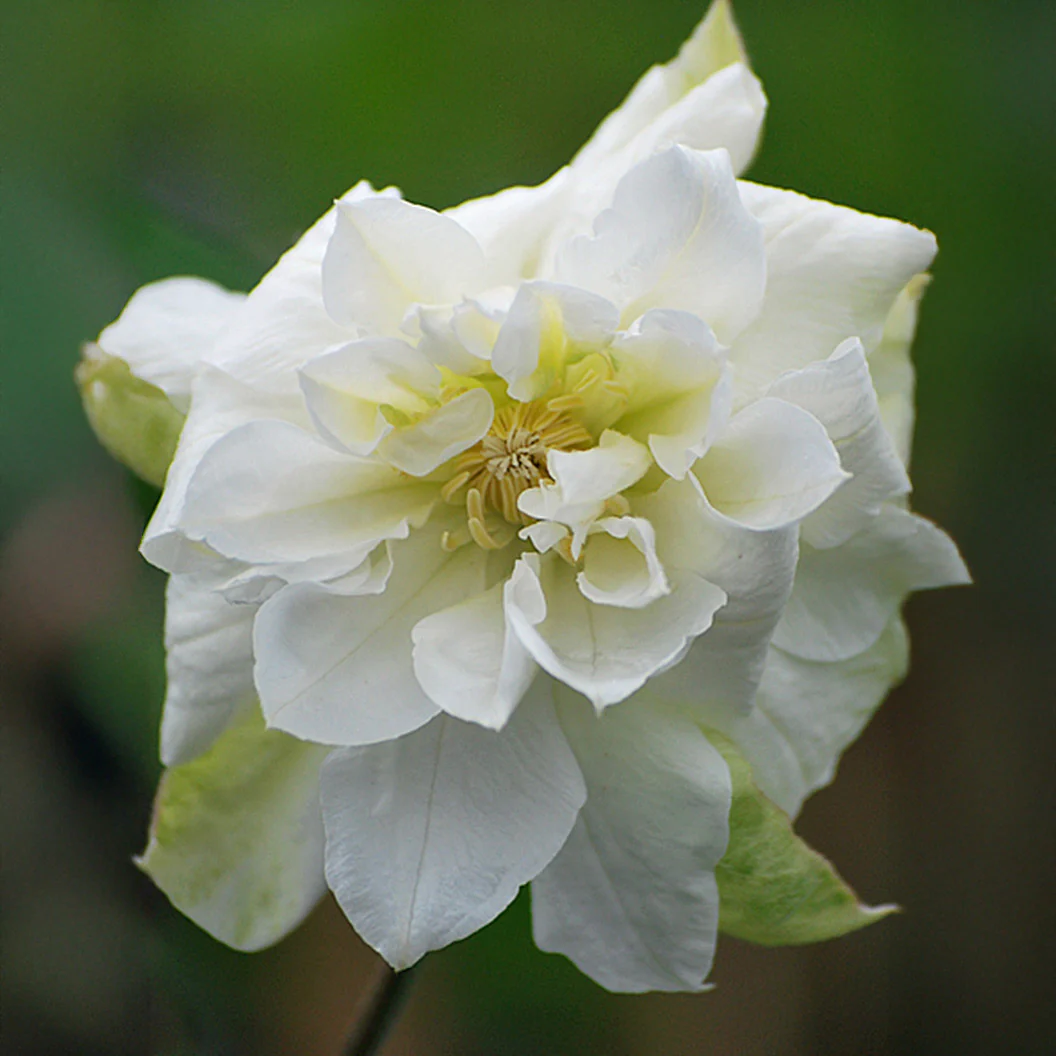
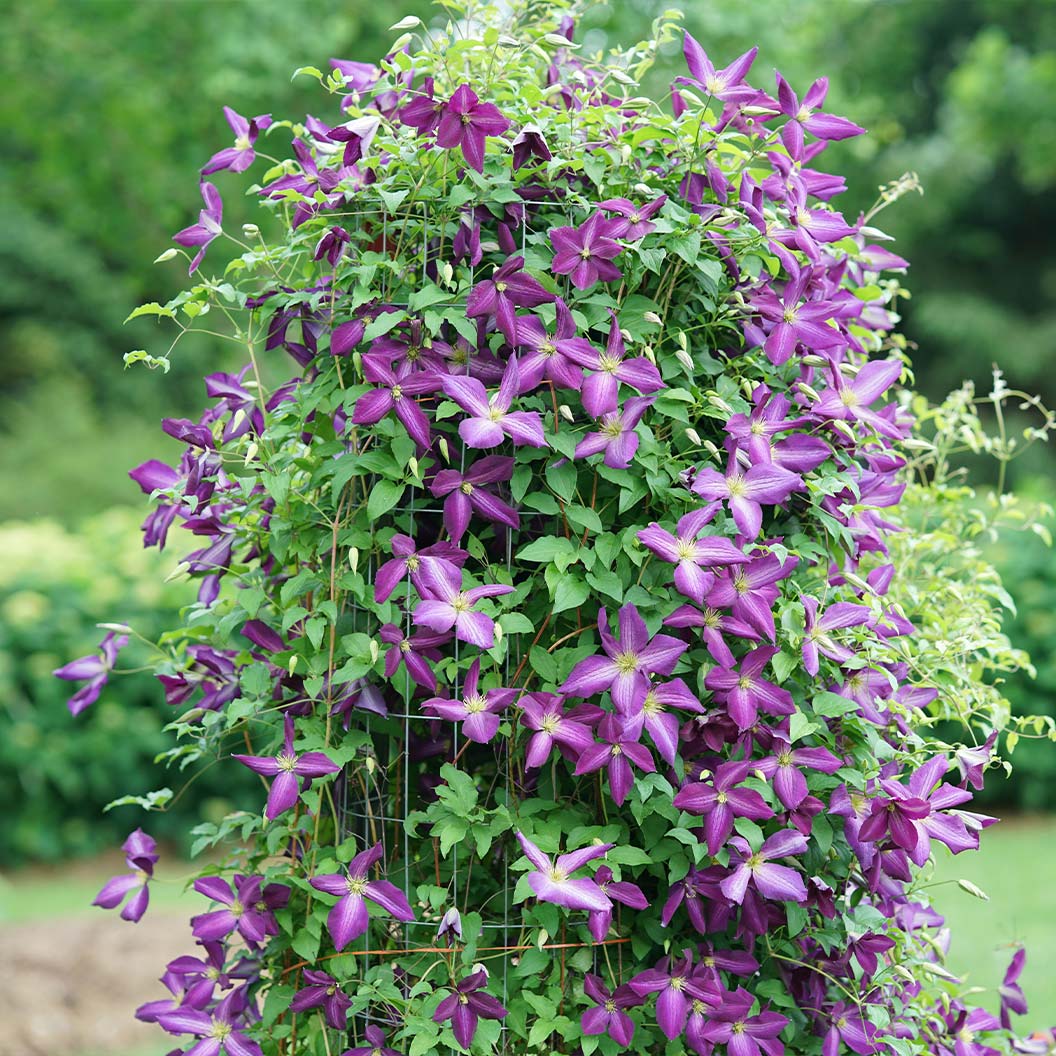
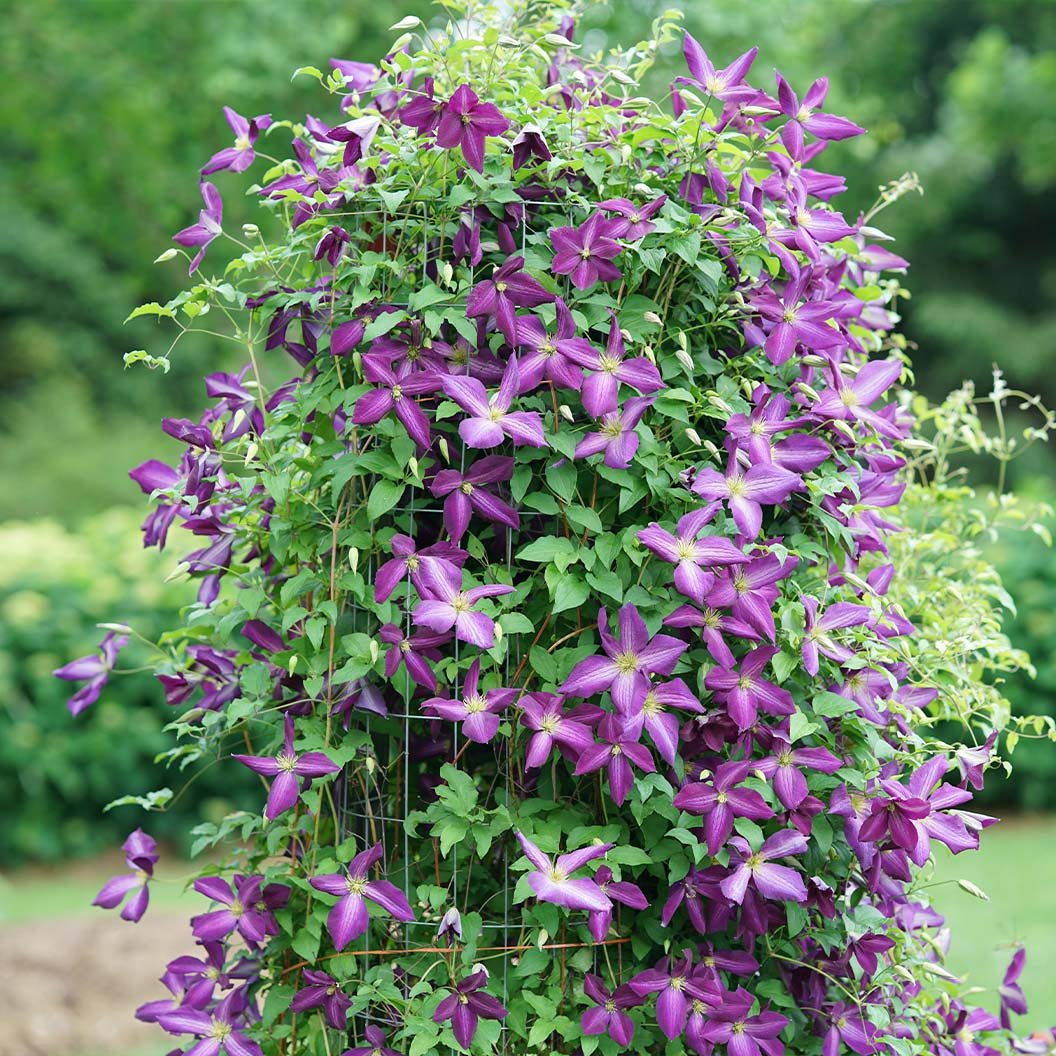
Plant the Rebecca Clematis in your yard for a climbing variety that's full of lovely colors. You'll want to display this perennial proudly with other Clematises, against trellises, or over garden archways.
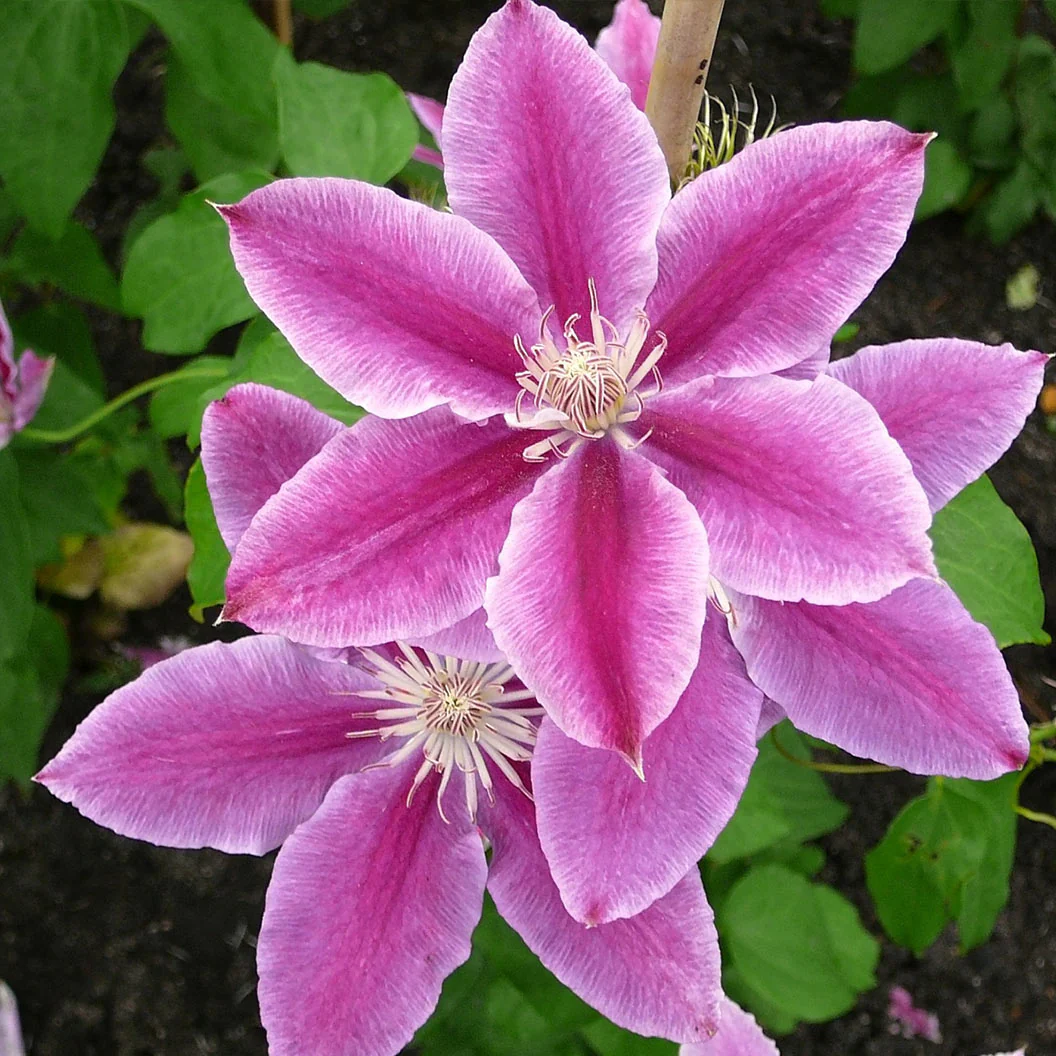
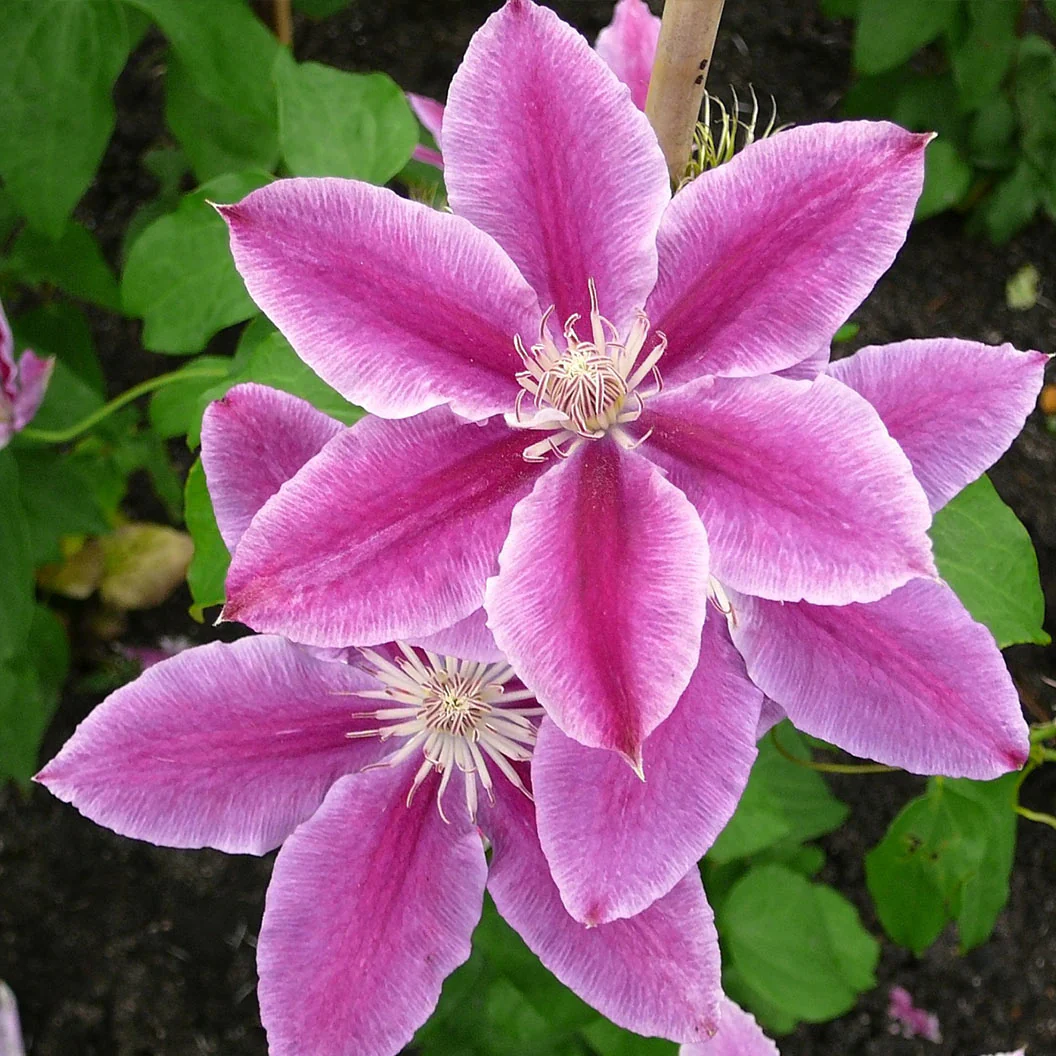
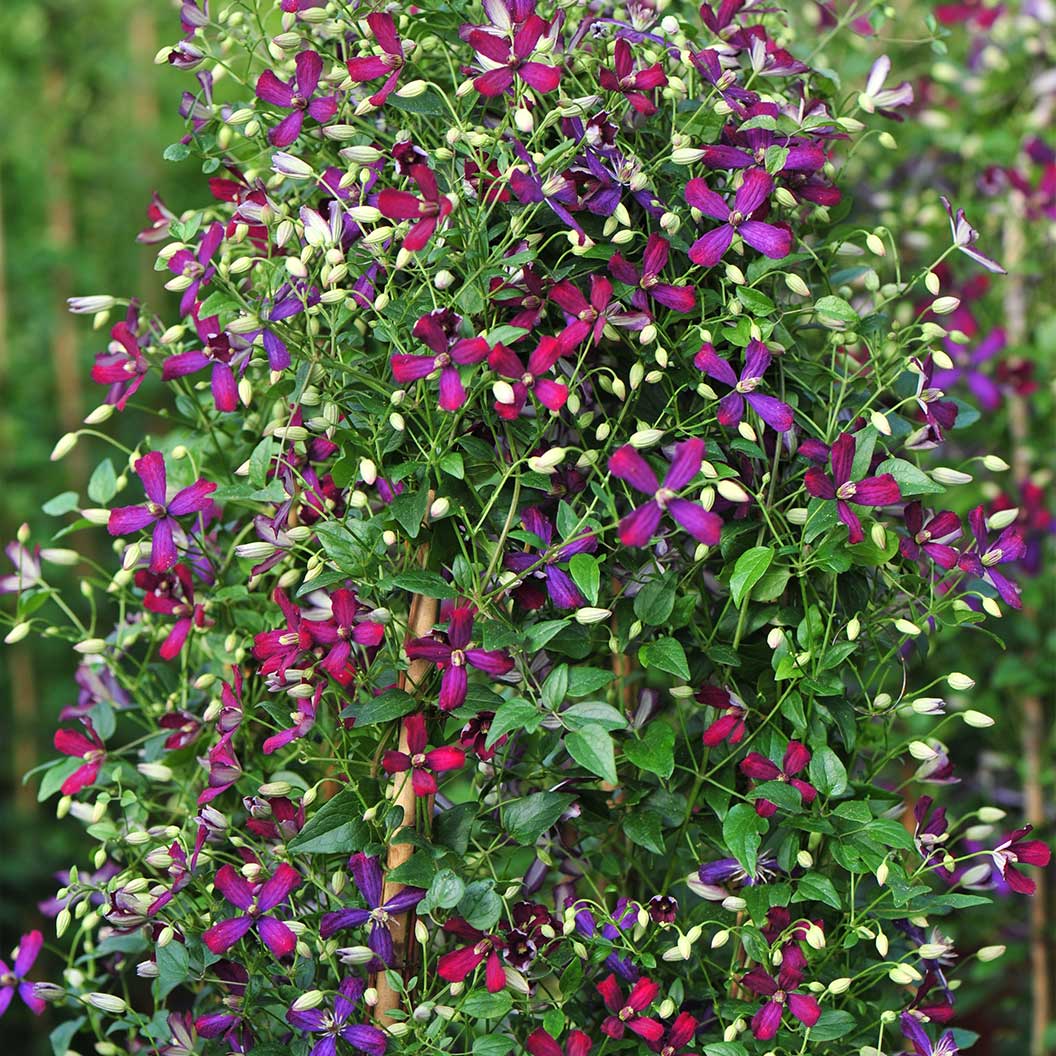
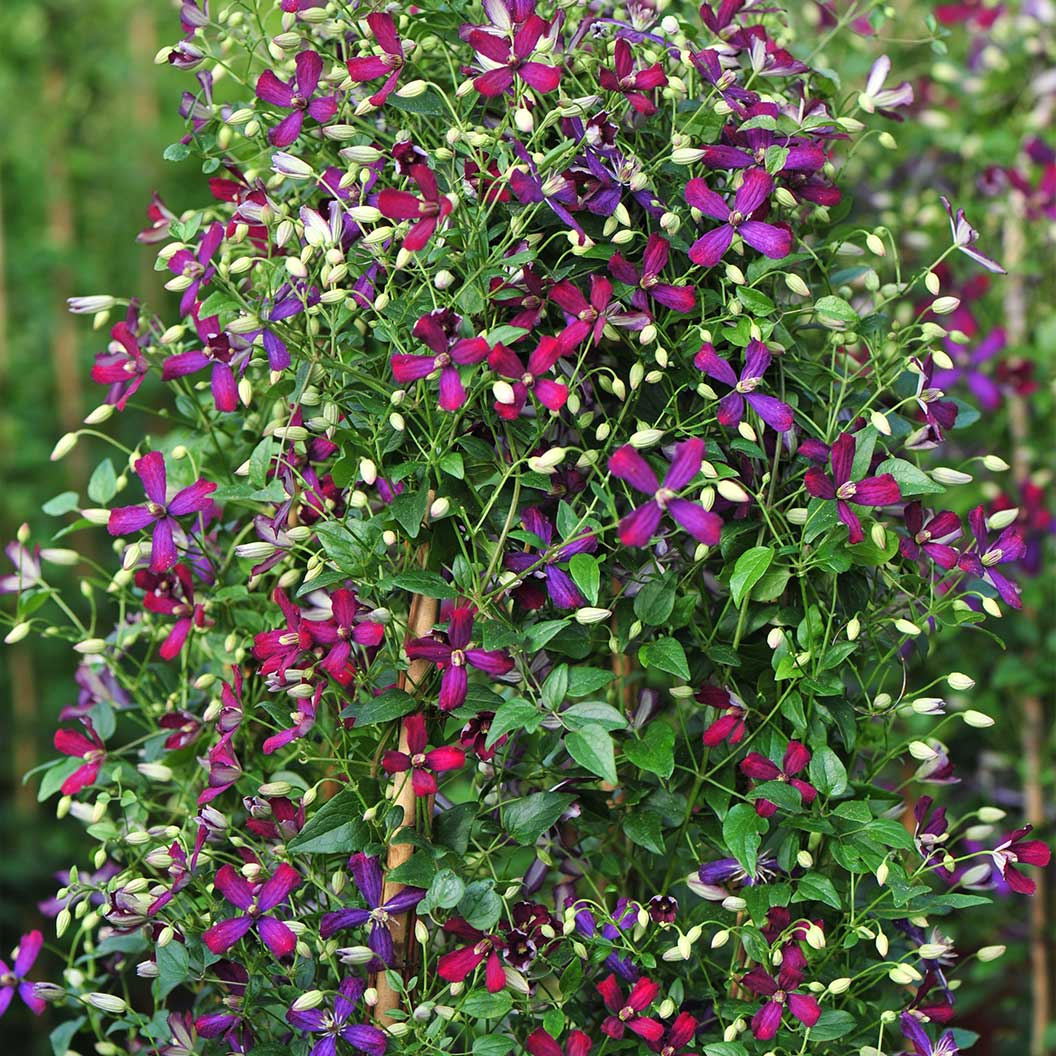
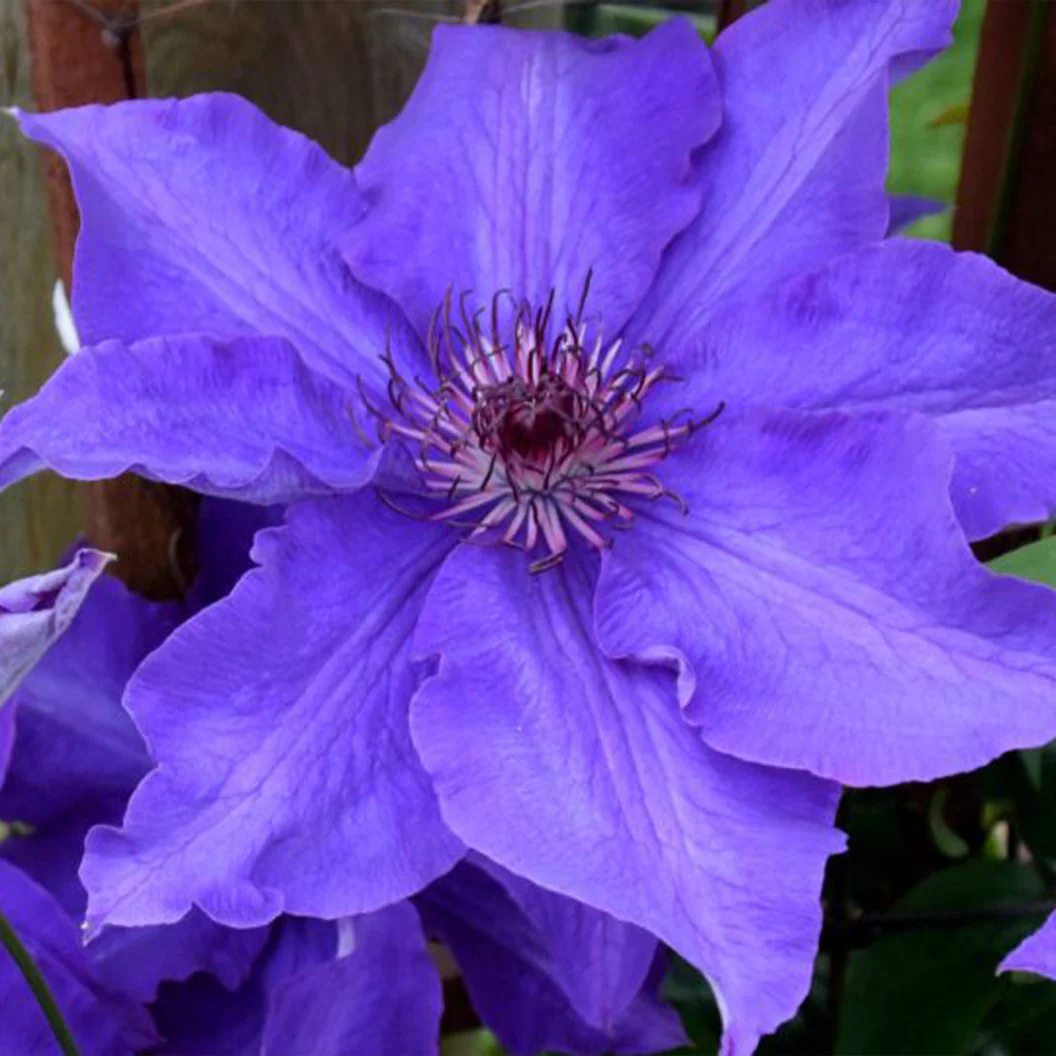
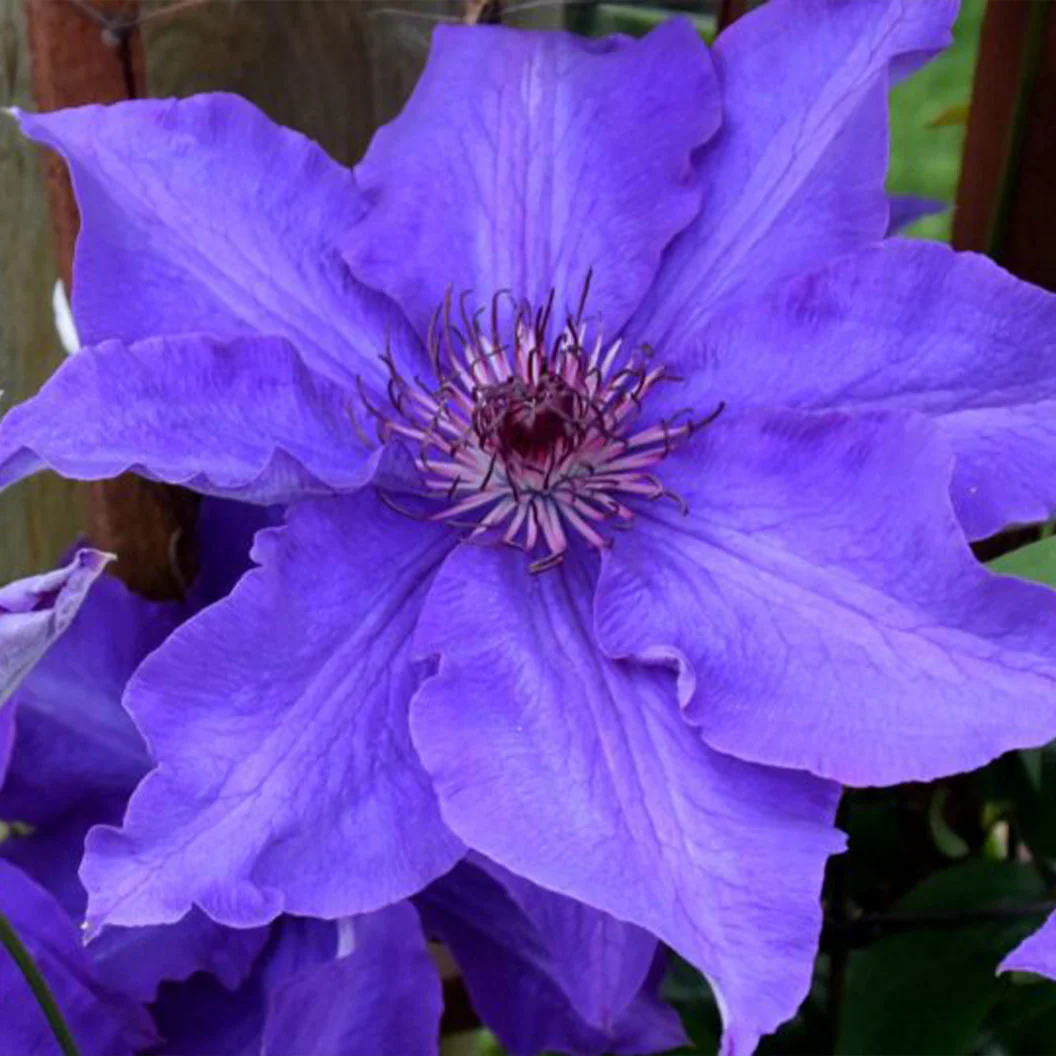
This stunning plant is a hardy choice, withstanding deer, diseases, cold, and pests, so you can enjoy it for many long seasons. Plus, it blooms from spring through summer, offering you large blossoms in a jaw-dropping red.
Watch as butterflies and other pollinators flock to this velvety red flower! With its creamy, yellow centers and lush green leaves, this vibrant plant is sure to wow. It even grows while the plant is still establishing.
With the Rebecca Clematis, you'll have a mix of beautiful colors and dazzling height that you can easily trim to suit your space. Buy yours today!
Planting & Care
1. Planting: Clematis prefers to be planted deeper than other vines. Choose a full sun location and set up your trellis first. Dig an 8 to 10-inch deep hole and add compost at the bottom. Place the pot in the hole, ensuring the first leaf nodes are below ground, and remove any leaves that will be buried. Fill the hole halfway, tie the top growth to the trellis (keeping the shipping stick), and water. Finish filling with soil and water well. It's beneficial to have a low-growing plant nearby to shade its roots. Space them 4 feet apart.
2. Watering: The water requirements for this plant are moderate, indicating that it needs a balanced amount of water (not too much or too little) to thrive. The soil type is classified as normal, meaning it has a standard composition suitable for supporting plant growth, allowing for proper drainage and nutrient availability.
3. Fertilizing: For your Rebecca Clematis, apply a balanced fertilizer, such as a 10-10-10 or 5-10-5 formula, in early spring when you notice new growth. You can also choose an organic fertilizer that is high in phosphorus to encourage blooming. For optimal results, reapply every 4 to 6 weeks during the growing season.
4. Pruning: Flowering begins on old stems and later occurs on new growth. In early spring, look for swelling leaf buds and remove any dead material above them. Re-tie the stems as needed. For intertwining Clematis, select varieties with the same pruning requirements to simplify maintenance.
Details & Craftsmanship
Every detail has been carefully considered to bring you the perfect product.
Description
Large, Velvety Red Flowers Bloom From Spring Through Summer
Plant the Rebecca Clematis in your yard for a climbing variety that's full of lovely colors. You'll want to display this perennial proudly with other Clematises, against trellises, or over garden archways.
This stunning plant is a hardy choice, withstanding deer, diseases, cold, and pests, so you can enjoy it for many long seasons. Plus, it blooms from spring through summer, offering you large blossoms in a jaw-dropping red.
Watch as butterflies and other pollinators flock to this velvety red flower! With its creamy, yellow centers and lush green leaves, this vibrant plant is sure to wow. It even grows while the plant is still establishing.
With the Rebecca Clematis, you'll have a mix of beautiful colors and dazzling height that you can easily trim to suit your space. Buy yours today!
Planting & Care
1. Planting: Clematis prefers to be planted deeper than other vines. Choose a full sun location and set up your trellis first. Dig an 8 to 10-inch deep hole and add compost at the bottom. Place the pot in the hole, ensuring the first leaf nodes are below ground, and remove any leaves that will be buried. Fill the hole halfway, tie the top growth to the trellis (keeping the shipping stick), and water. Finish filling with soil and water well. It's beneficial to have a low-growing plant nearby to shade its roots. Space them 4 feet apart.
2. Watering: The water requirements for this plant are moderate, indicating that it needs a balanced amount of water (not too much or too little) to thrive. The soil type is classified as normal, meaning it has a standard composition suitable for supporting plant growth, allowing for proper drainage and nutrient availability.
3. Fertilizing: For your Rebecca Clematis, apply a balanced fertilizer, such as a 10-10-10 or 5-10-5 formula, in early spring when you notice new growth. You can also choose an organic fertilizer that is high in phosphorus to encourage blooming. For optimal results, reapply every 4 to 6 weeks during the growing season.
4. Pruning: Flowering begins on old stems and later occurs on new growth. In early spring, look for swelling leaf buds and remove any dead material above them. Re-tie the stems as needed. For intertwining Clematis, select varieties with the same pruning requirements to simplify maintenance.