Original: $45.95
-65%$45.95
$16.08The Story
Sweet Berries and Year-Round Interest
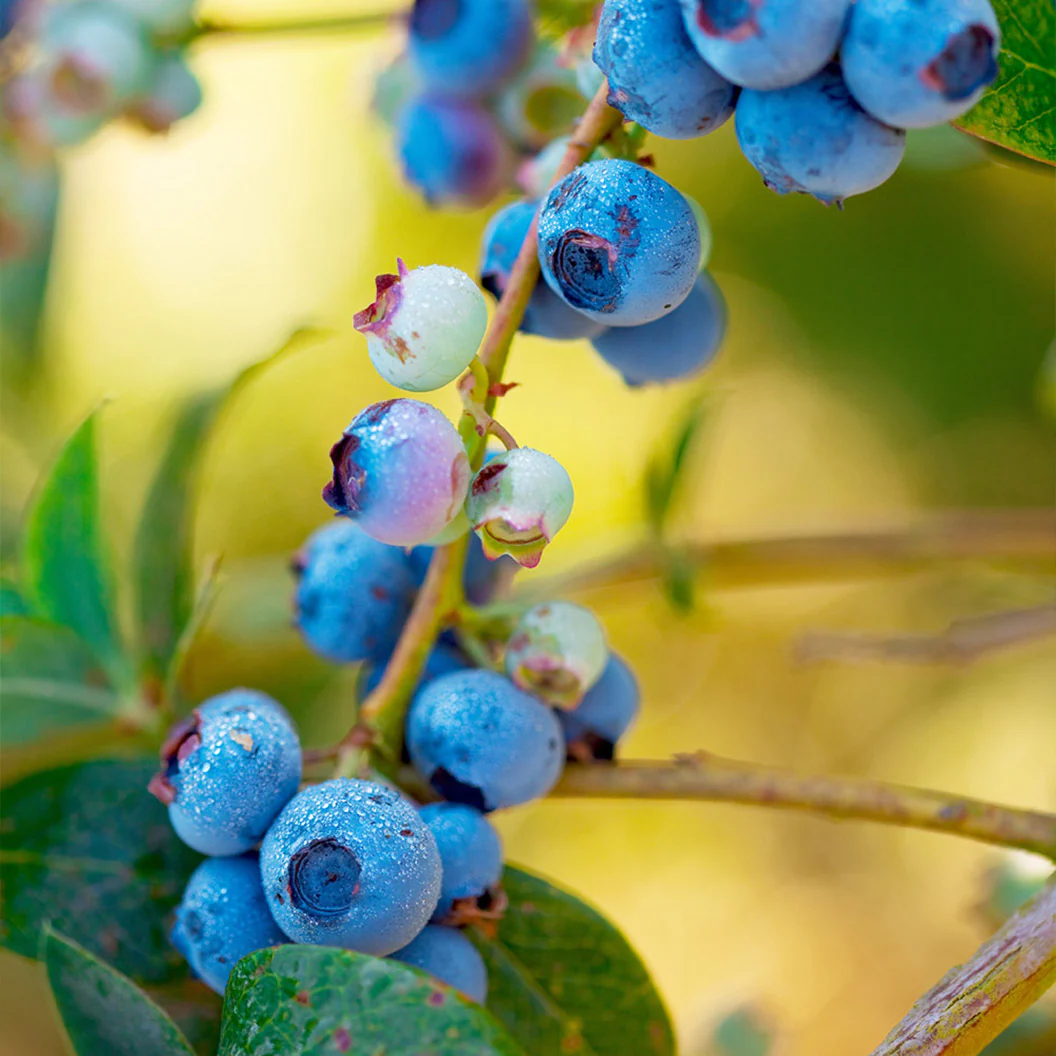
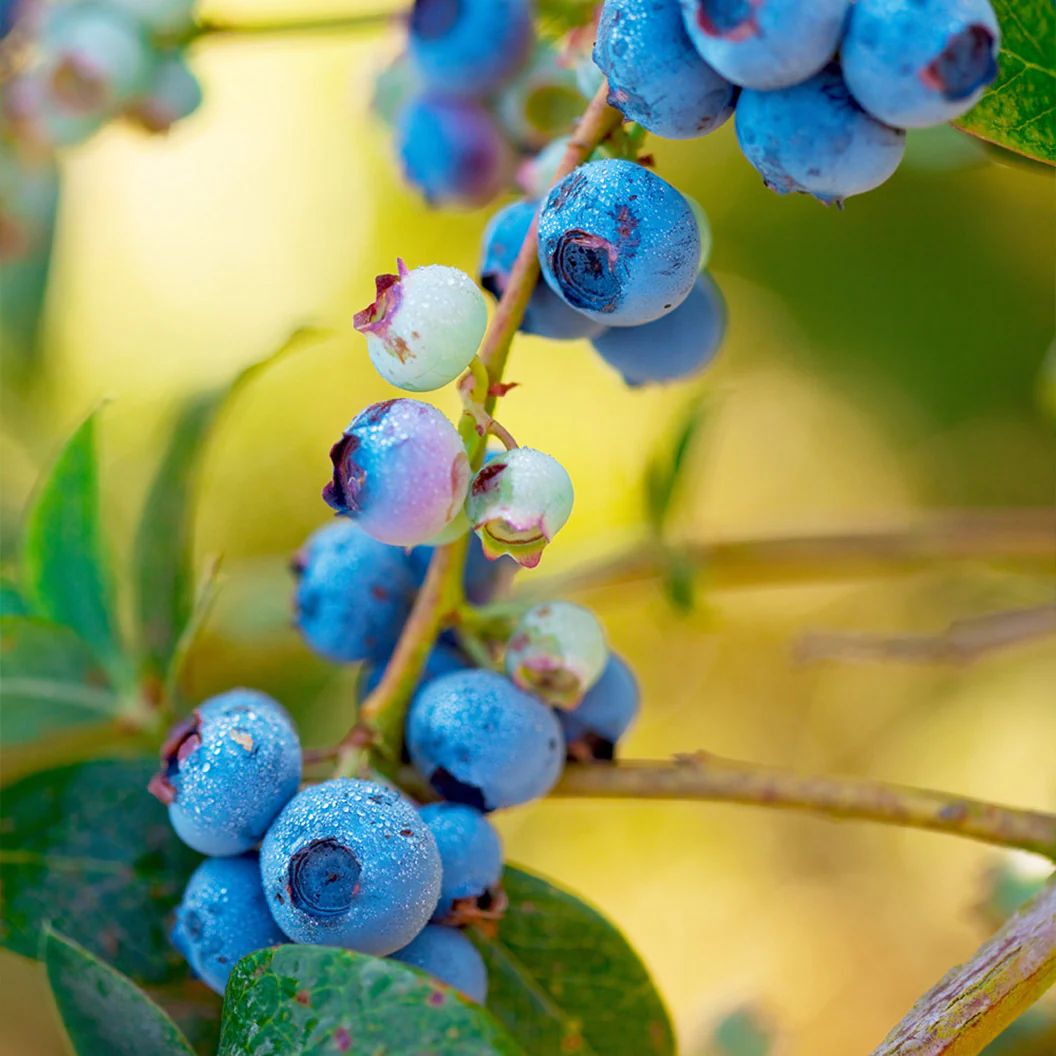
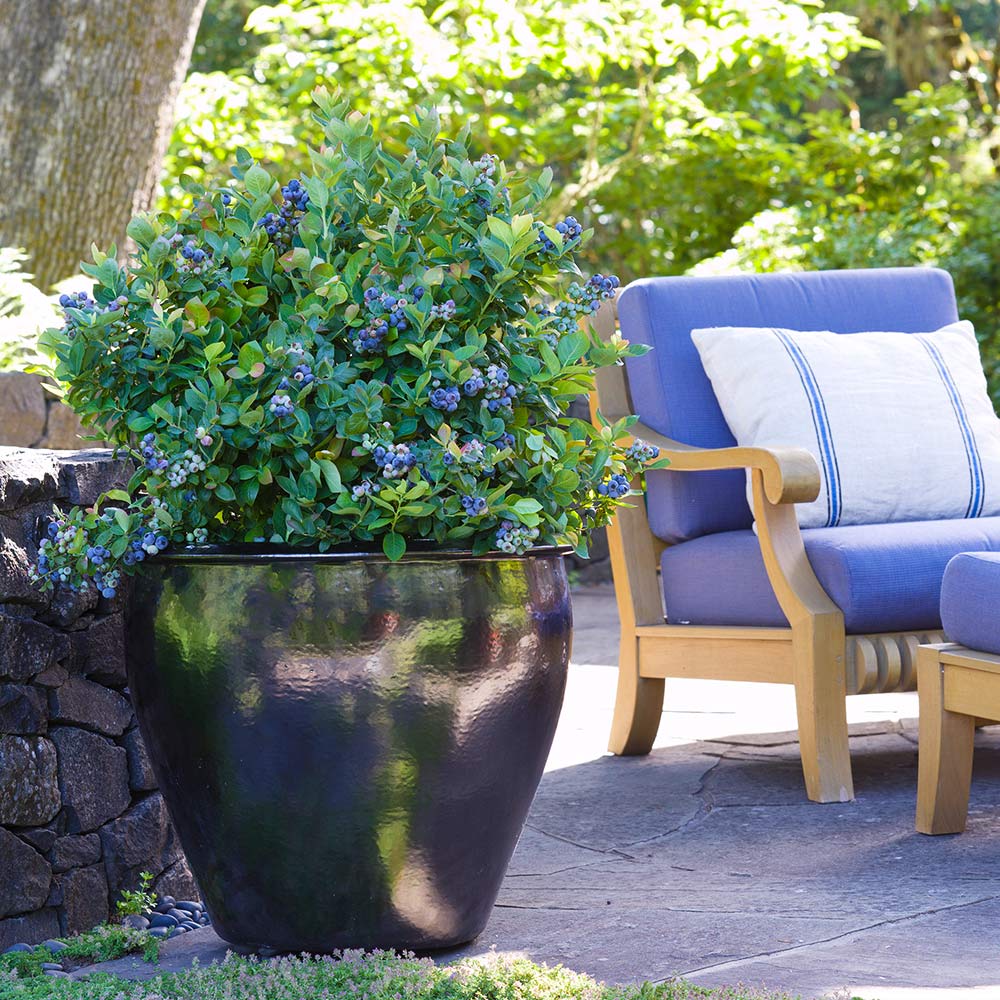
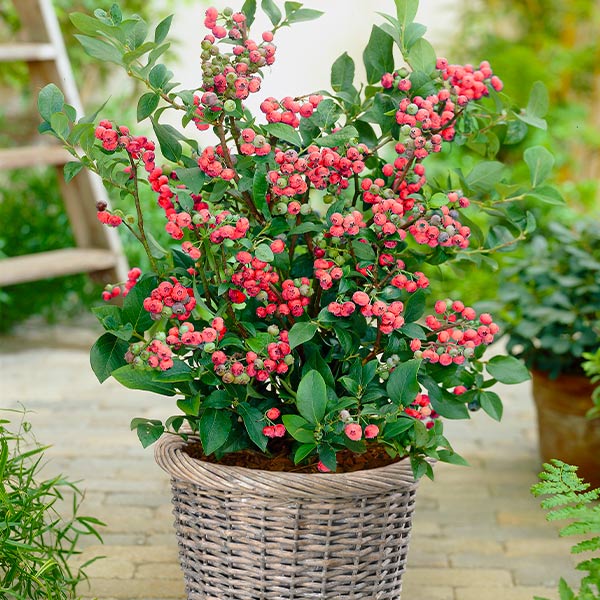
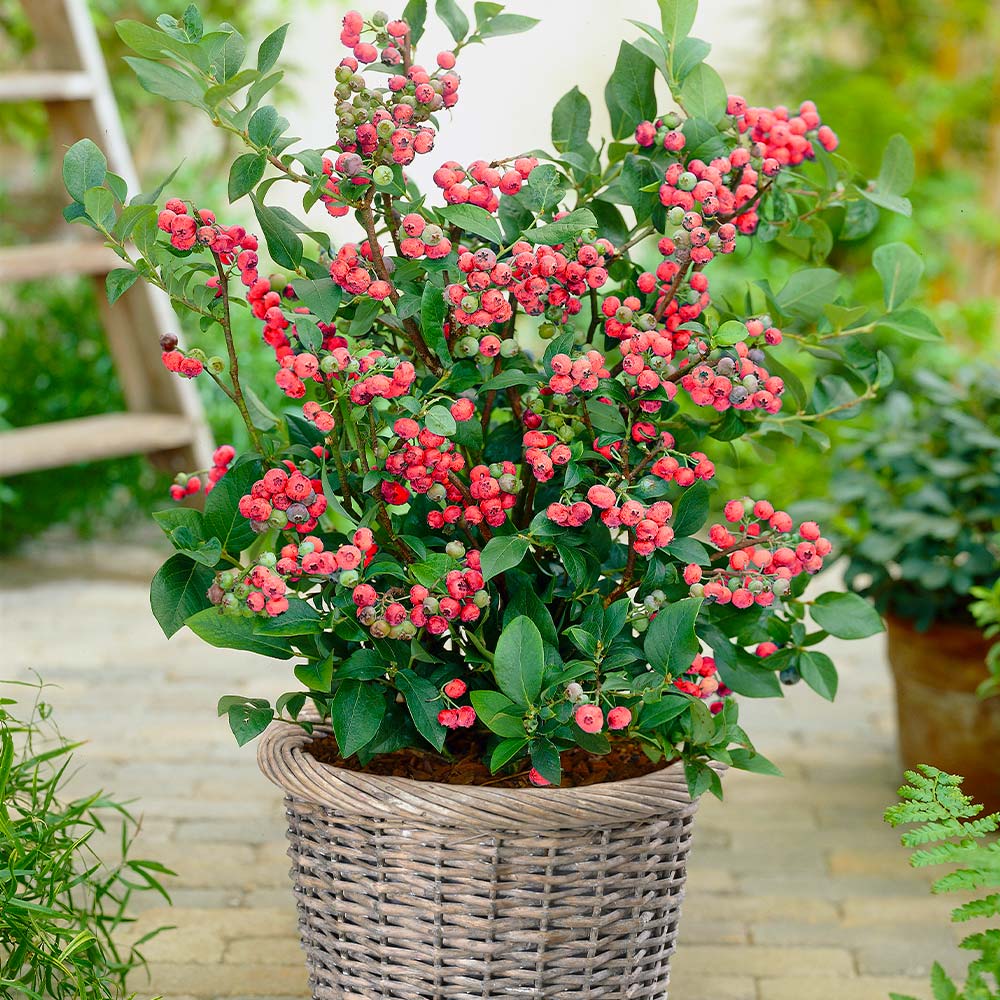
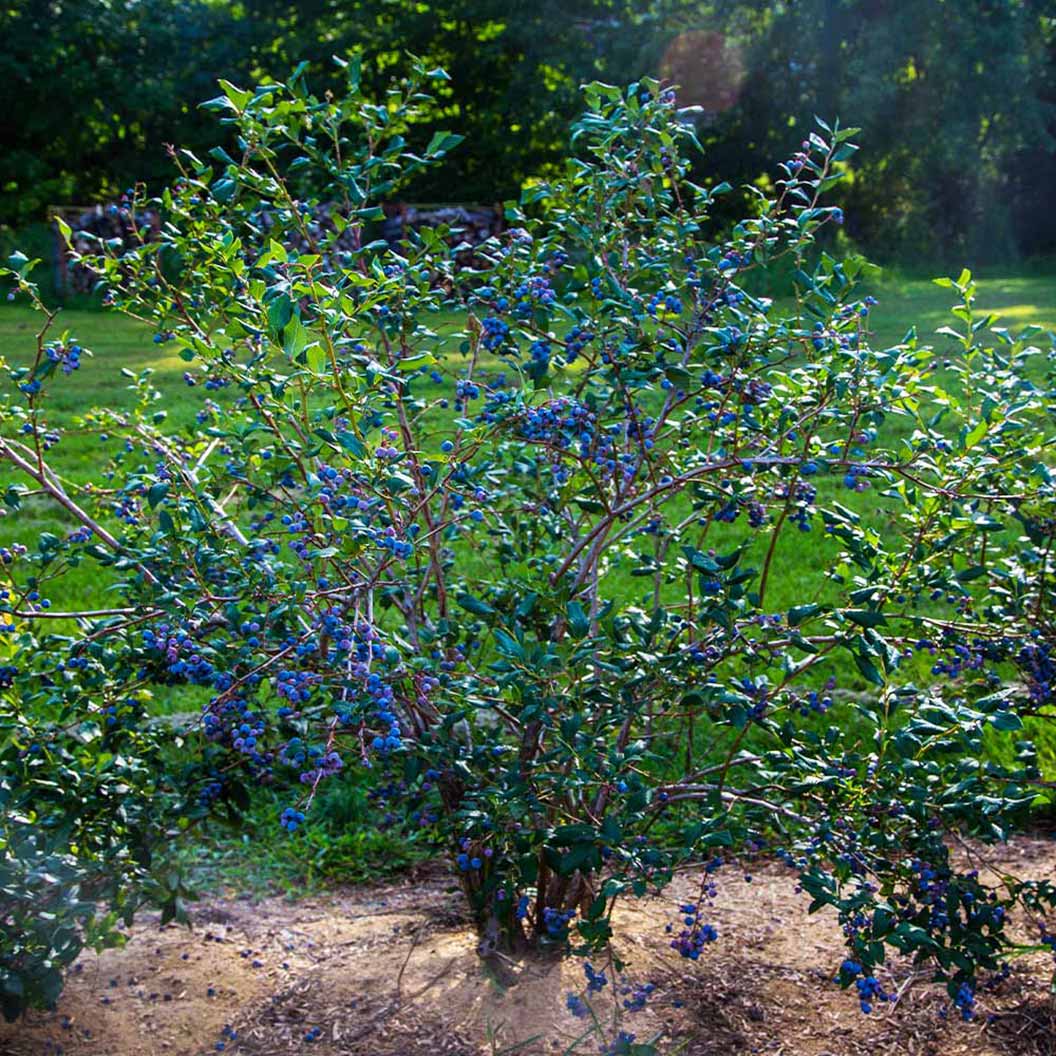
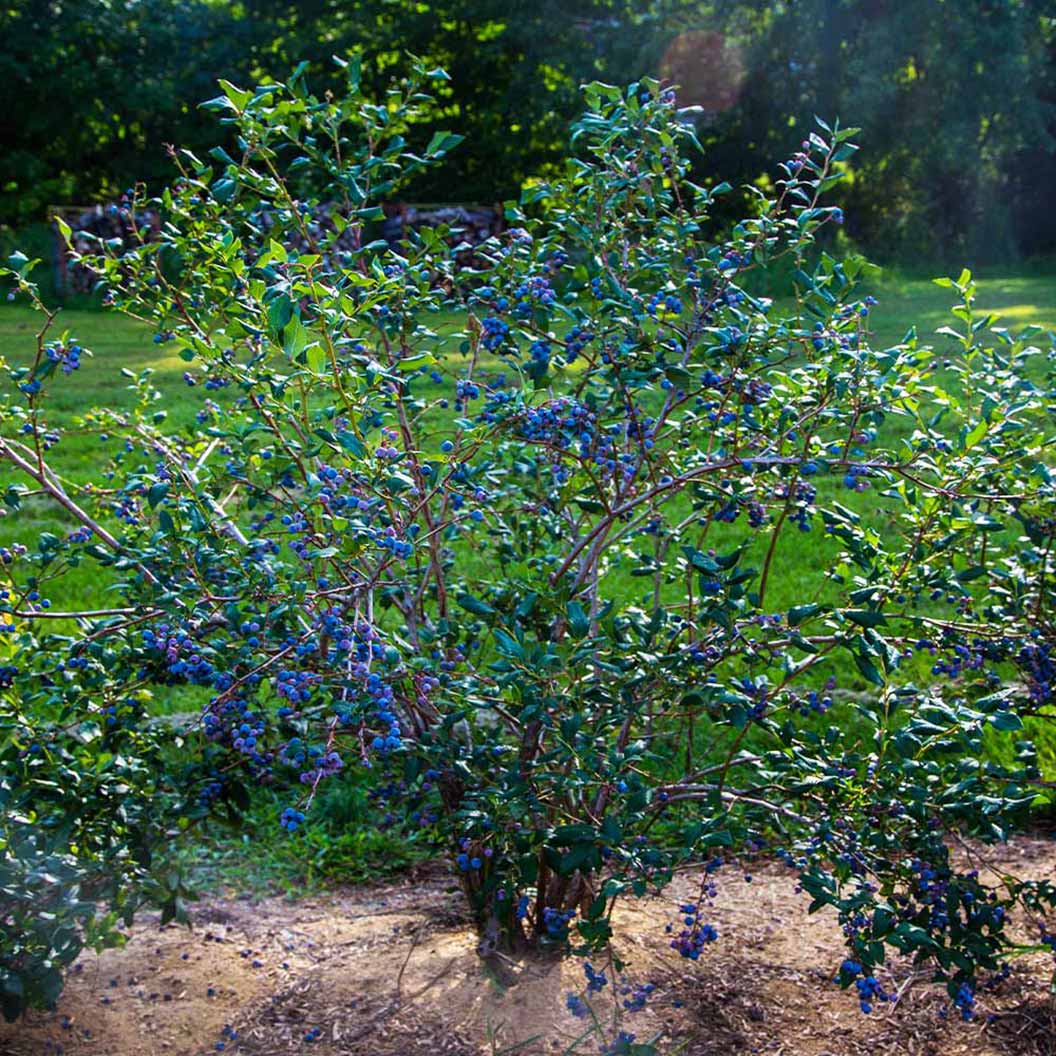
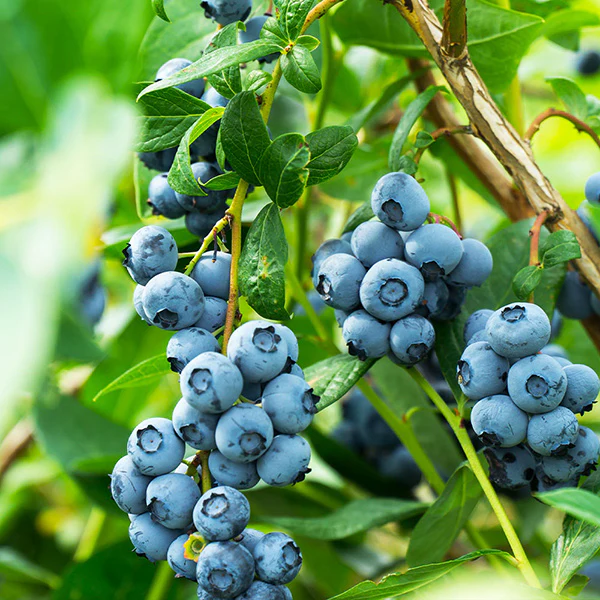
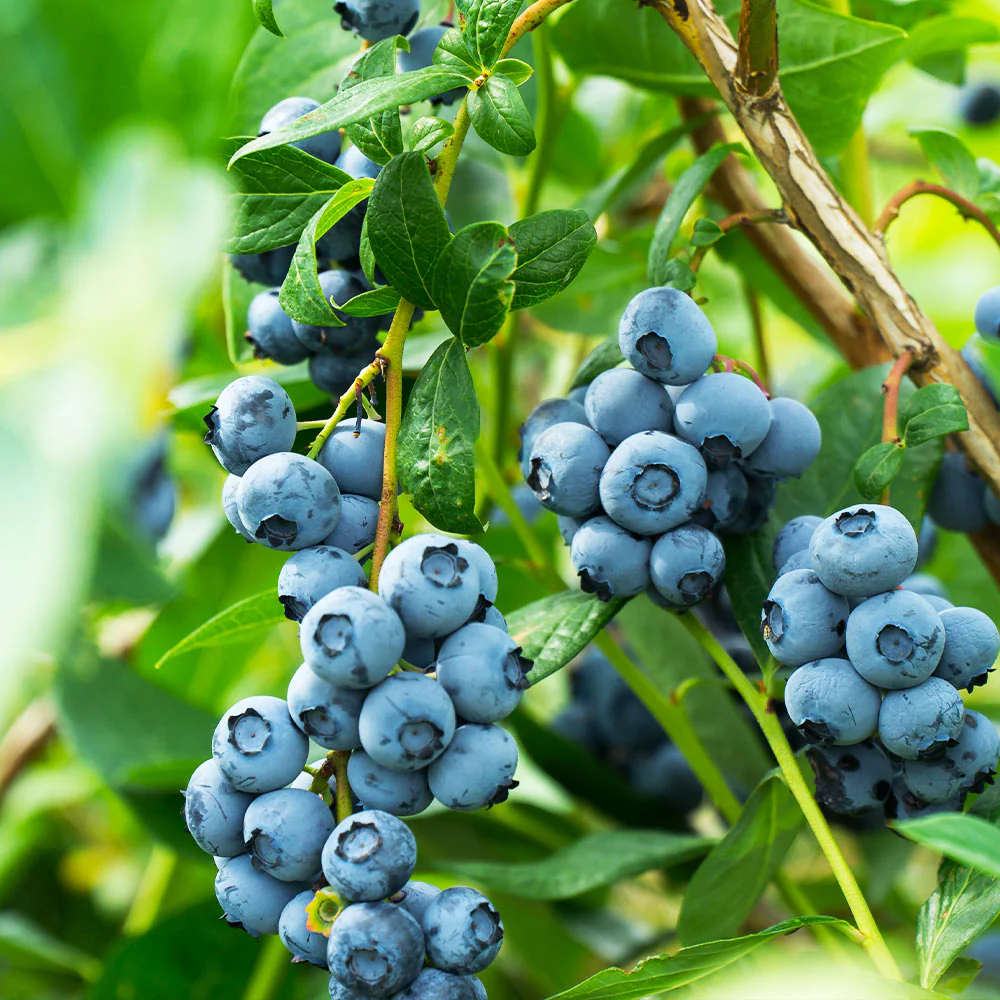
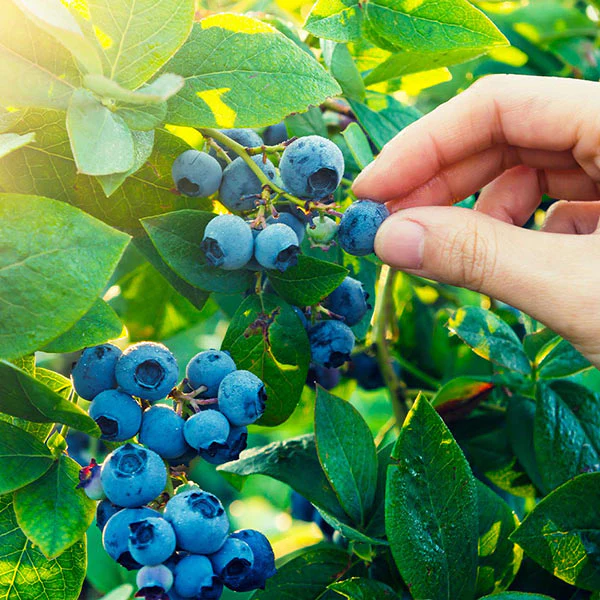
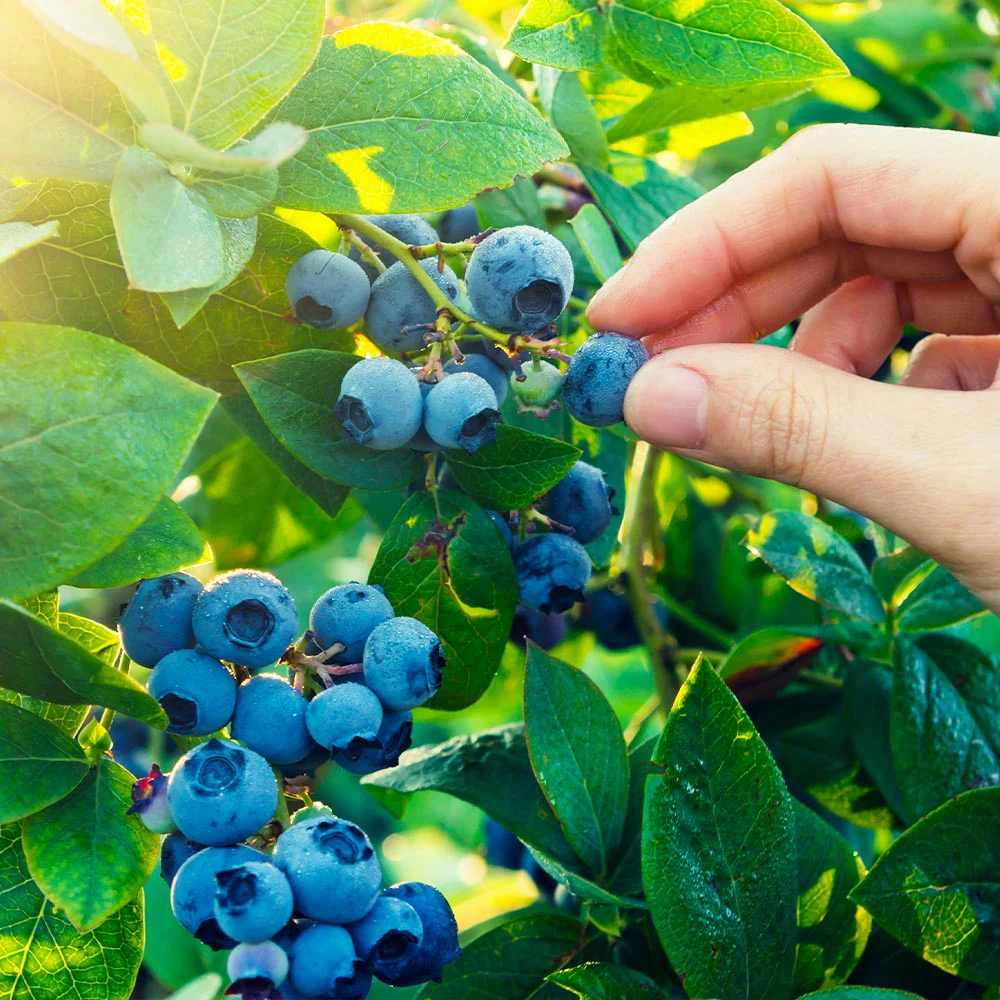
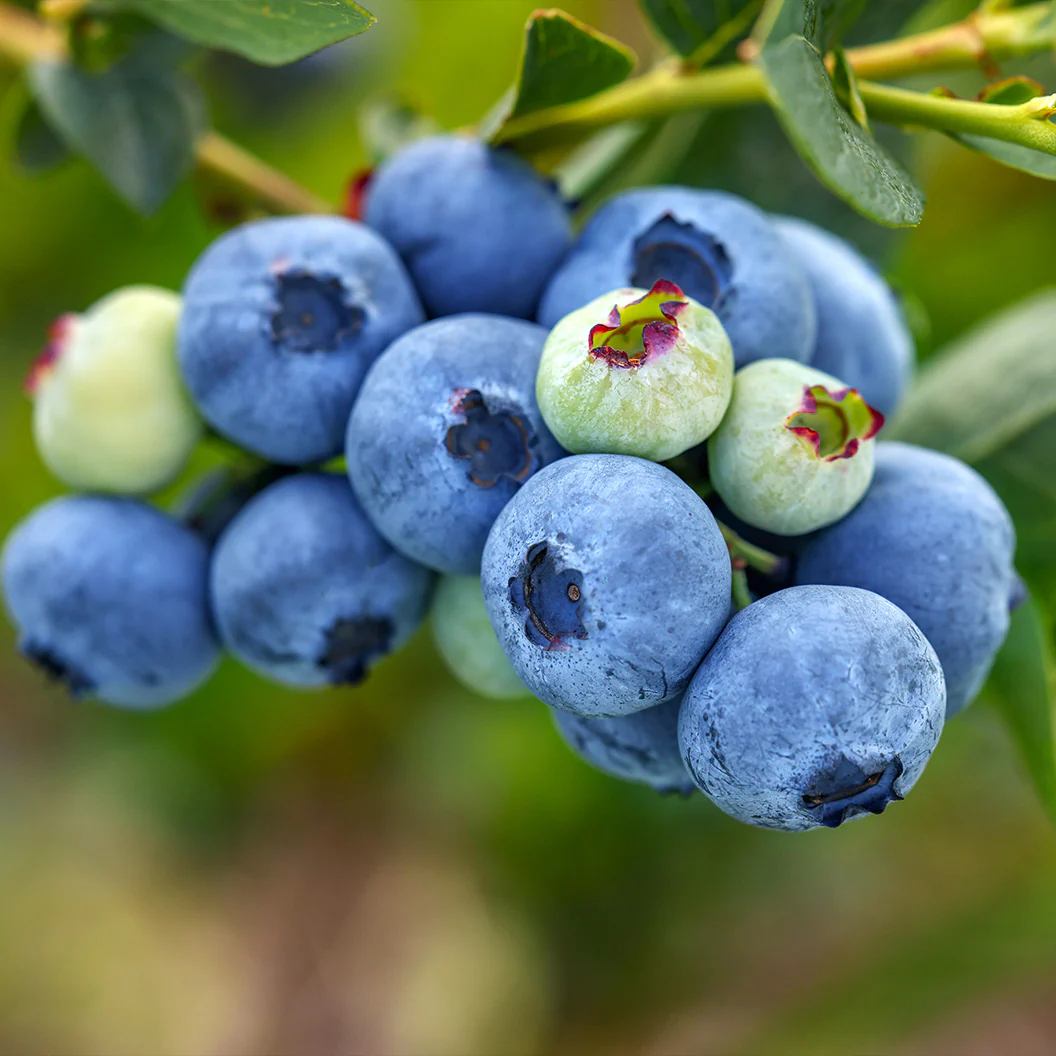
The Polaris Blueberry offers the best of both worlds with its compact size and heavy fruit production. Small but mighty, the Polaris blooms delicate white flowers in May and ends with rich red foliage in the Fall. In between its showy displays, the Polaris bears sweet, medium-sized blueberries ready for harvest in summer and perfect for baking in your favorite treats or eating fresh from the bush.
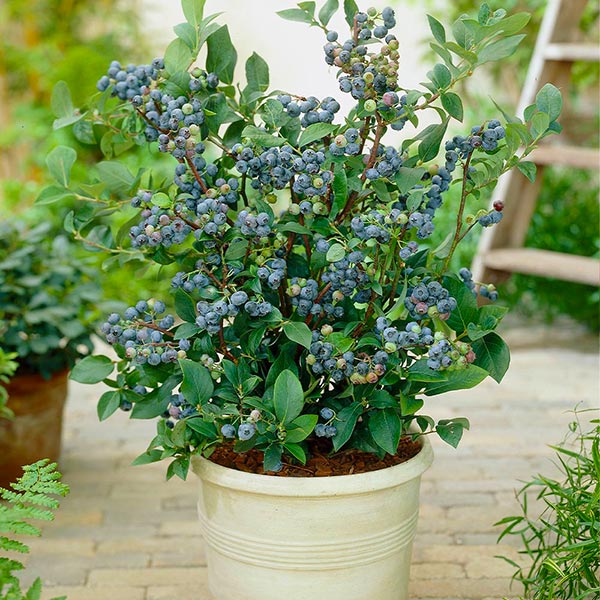
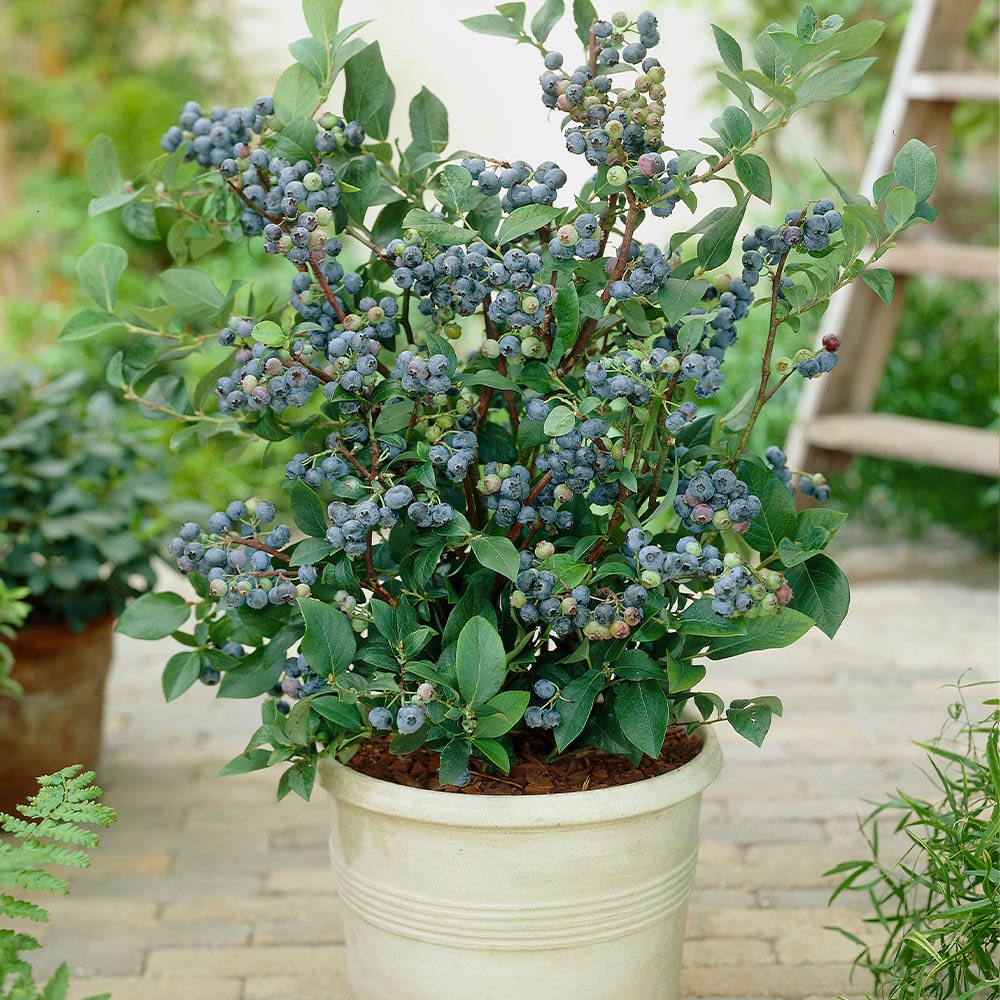
This compact blueberry bush is a great choice for an array of landscapes, including in borders, containers, and wildlife gardens, attracting birds and butterflies. It is cold-hardy and low-maintenance in zones 3-7 as well as drought and pest-resistant. The Polaris fruits in summer, and is best planted in the spring or fall, but when first planted moisture is the most important. Therefore, it's best planted in the Spring or Fall, outside of hot summer stretches.
The Polaris Blueberry bush is is the perfect addition to your garden or landscape. Order yours today!
Planting & Care
Location: When selecting a site to plant your Blueberry bush, make sure the site has full sun to partial shade and drains well. The plant grows best in moist soil, not in soggy soil. Blueberry plants require acidic, well-draining soil. When planted in soils with a pH higher than 5.5, blueberry plants do not absorb nutrients adequately and become more susceptible to disease. Blueberry plants contract moisture-related diseases when exposed to humid conditions or standing water.
It's best to plant the Polaris Blueberry in the Spring or Fall, when the climate isn't so hot and dry. Getting adequate moisture is the most important when this shrub is first planted.
In addition to landscape planting, the Polaris Blueberry is also suitable for containers. Make sure to plant it in an area that receives full sun (6 to 8 hours of direct sunlight per day) and in a container big enough for the shrub to grow and bear fruit.
Planting instructions: Dig a hole with the shovel that is about twice the size of the root ball of the bush. Make sure the hole is the same depth as the container it comes in. When planting more than one blueberry bush, dig holes that are at least five feet apart in rows that are 10 feet apart. Amend the soil from the hole with peat moss. Make sure to thoroughly mix the peat moss with the soil from the hole. Place the Blueberry bush in the hole. Cover the roots with soil-peat moss mix.
Watering: If planted within a container, this shrub will need to be watered more often than if planted directly within a landscape. Otherwise, an average amount of water is sufficient to ensure that soil is moist and well drained.
The soil surrounding your plant should be moist, but never saturated. Light green leaves can be a sign of over watering, while drooping leaves can be a sign of both over or under watering.
Fertilization: Apply an organic fertilizer once a year.
Weed Control: Hand-pull weeds near the blueberry shrubs. You can damage the shallow root system with garden tools.
Pruning: Prune in late winter after the first frost.
Pollination: This shrub is not self-fertile and requires a Duke Blueberry or Top Hat Blueberry to produce fruit.
Details & Craftsmanship
Every detail has been carefully considered to bring you the perfect product.
Description
Sweet Berries and Year-Round Interest
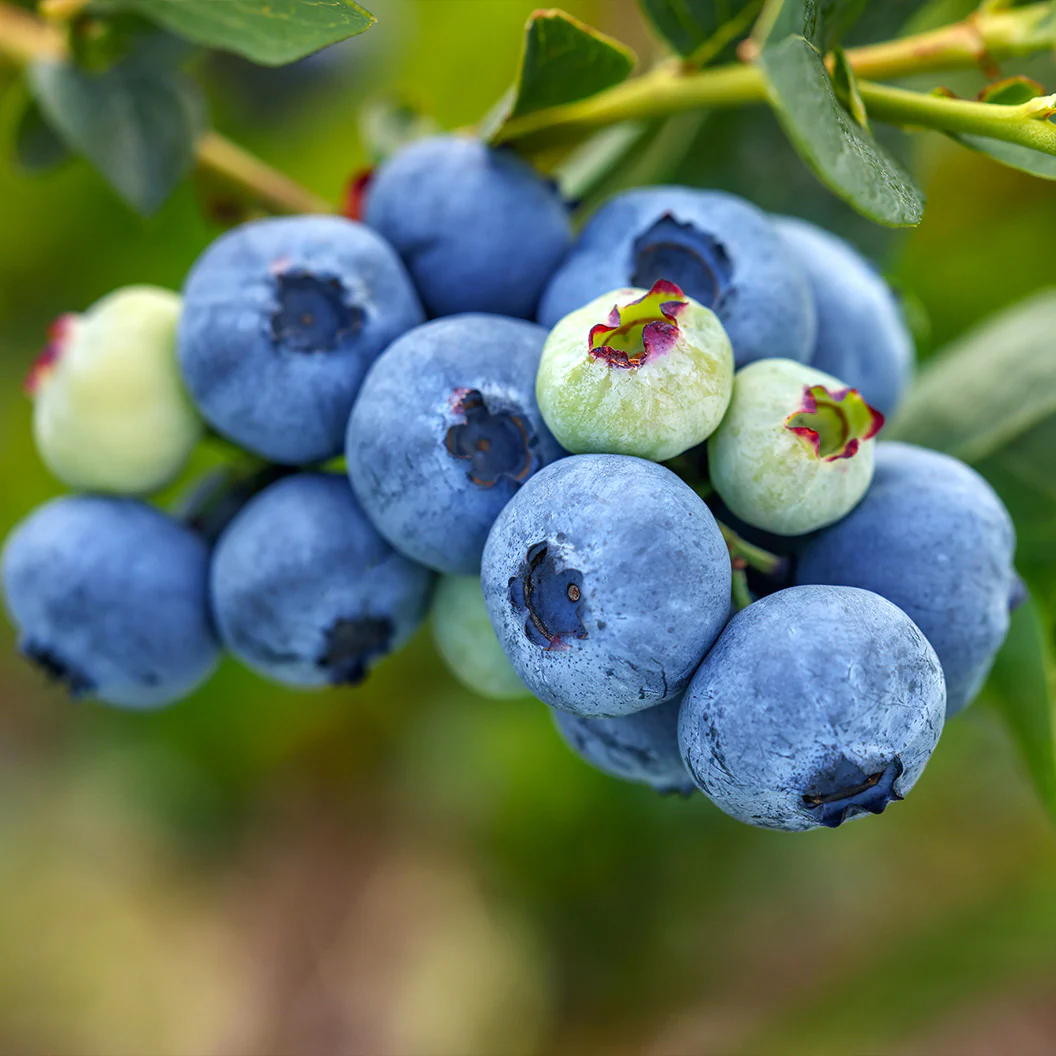
The Polaris Blueberry offers the best of both worlds with its compact size and heavy fruit production. Small but mighty, the Polaris blooms delicate white flowers in May and ends with rich red foliage in the Fall. In between its showy displays, the Polaris bears sweet, medium-sized blueberries ready for harvest in summer and perfect for baking in your favorite treats or eating fresh from the bush.
This compact blueberry bush is a great choice for an array of landscapes, including in borders, containers, and wildlife gardens, attracting birds and butterflies. It is cold-hardy and low-maintenance in zones 3-7 as well as drought and pest-resistant. The Polaris fruits in summer, and is best planted in the spring or fall, but when first planted moisture is the most important. Therefore, it's best planted in the Spring or Fall, outside of hot summer stretches.
The Polaris Blueberry bush is is the perfect addition to your garden or landscape. Order yours today!
Planting & Care
Location: When selecting a site to plant your Blueberry bush, make sure the site has full sun to partial shade and drains well. The plant grows best in moist soil, not in soggy soil. Blueberry plants require acidic, well-draining soil. When planted in soils with a pH higher than 5.5, blueberry plants do not absorb nutrients adequately and become more susceptible to disease. Blueberry plants contract moisture-related diseases when exposed to humid conditions or standing water.
It's best to plant the Polaris Blueberry in the Spring or Fall, when the climate isn't so hot and dry. Getting adequate moisture is the most important when this shrub is first planted.
In addition to landscape planting, the Polaris Blueberry is also suitable for containers. Make sure to plant it in an area that receives full sun (6 to 8 hours of direct sunlight per day) and in a container big enough for the shrub to grow and bear fruit.
Planting instructions: Dig a hole with the shovel that is about twice the size of the root ball of the bush. Make sure the hole is the same depth as the container it comes in. When planting more than one blueberry bush, dig holes that are at least five feet apart in rows that are 10 feet apart. Amend the soil from the hole with peat moss. Make sure to thoroughly mix the peat moss with the soil from the hole. Place the Blueberry bush in the hole. Cover the roots with soil-peat moss mix.
Watering: If planted within a container, this shrub will need to be watered more often than if planted directly within a landscape. Otherwise, an average amount of water is sufficient to ensure that soil is moist and well drained.
The soil surrounding your plant should be moist, but never saturated. Light green leaves can be a sign of over watering, while drooping leaves can be a sign of both over or under watering.
Fertilization: Apply an organic fertilizer once a year.
Weed Control: Hand-pull weeds near the blueberry shrubs. You can damage the shallow root system with garden tools.
Pruning: Prune in late winter after the first frost.
Pollination: This shrub is not self-fertile and requires a Duke Blueberry or Top Hat Blueberry to produce fruit.