Original: $51.95
-65%$51.95
$18.18The Story
Eye-catching blooms that brighten any landscape
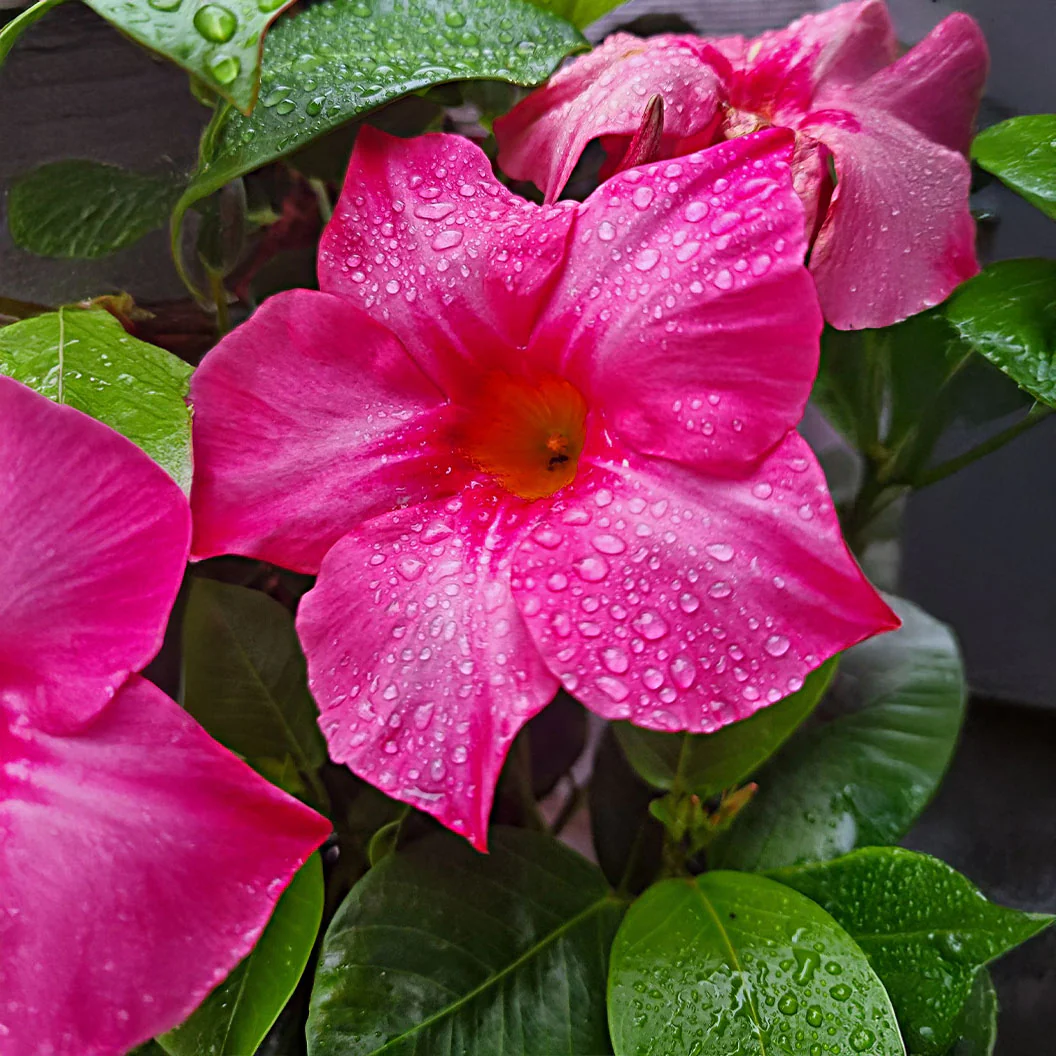
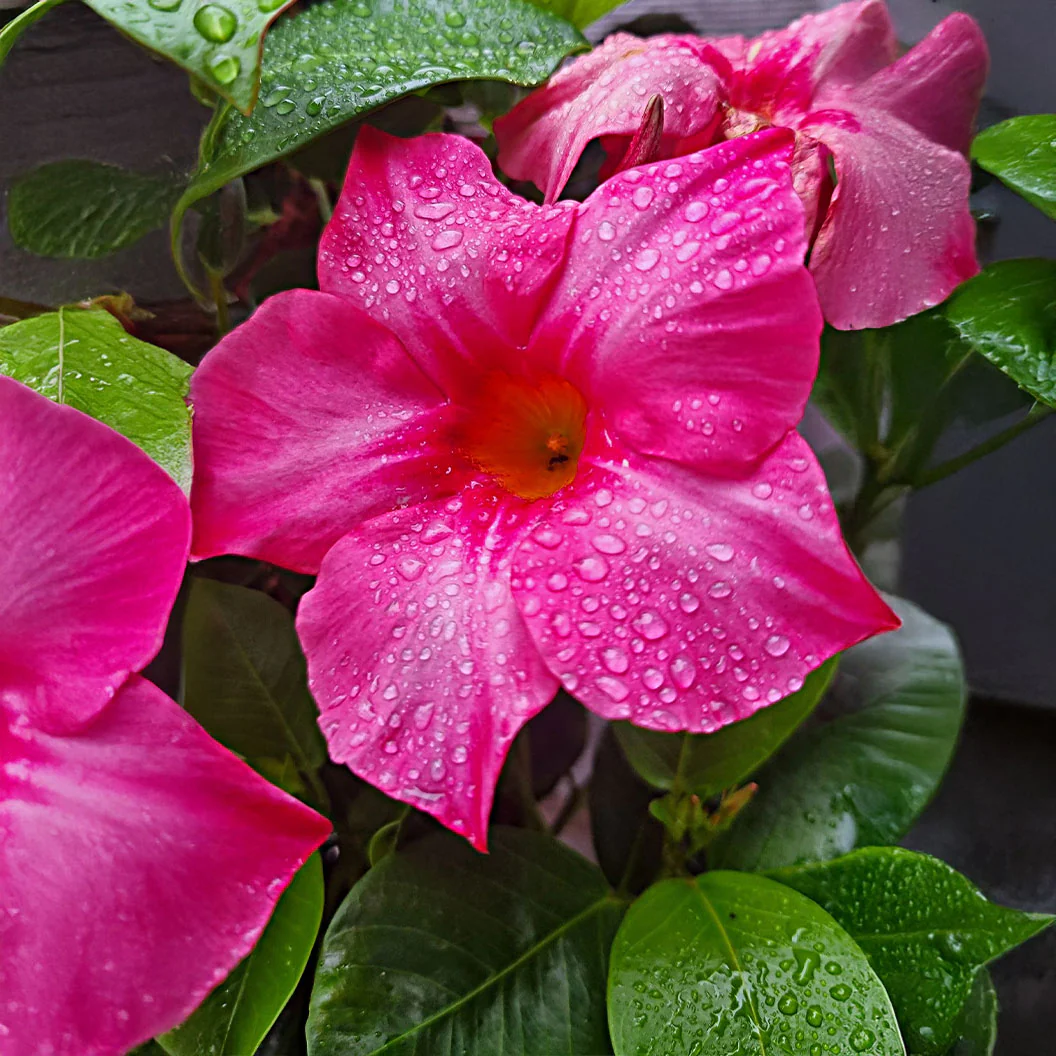
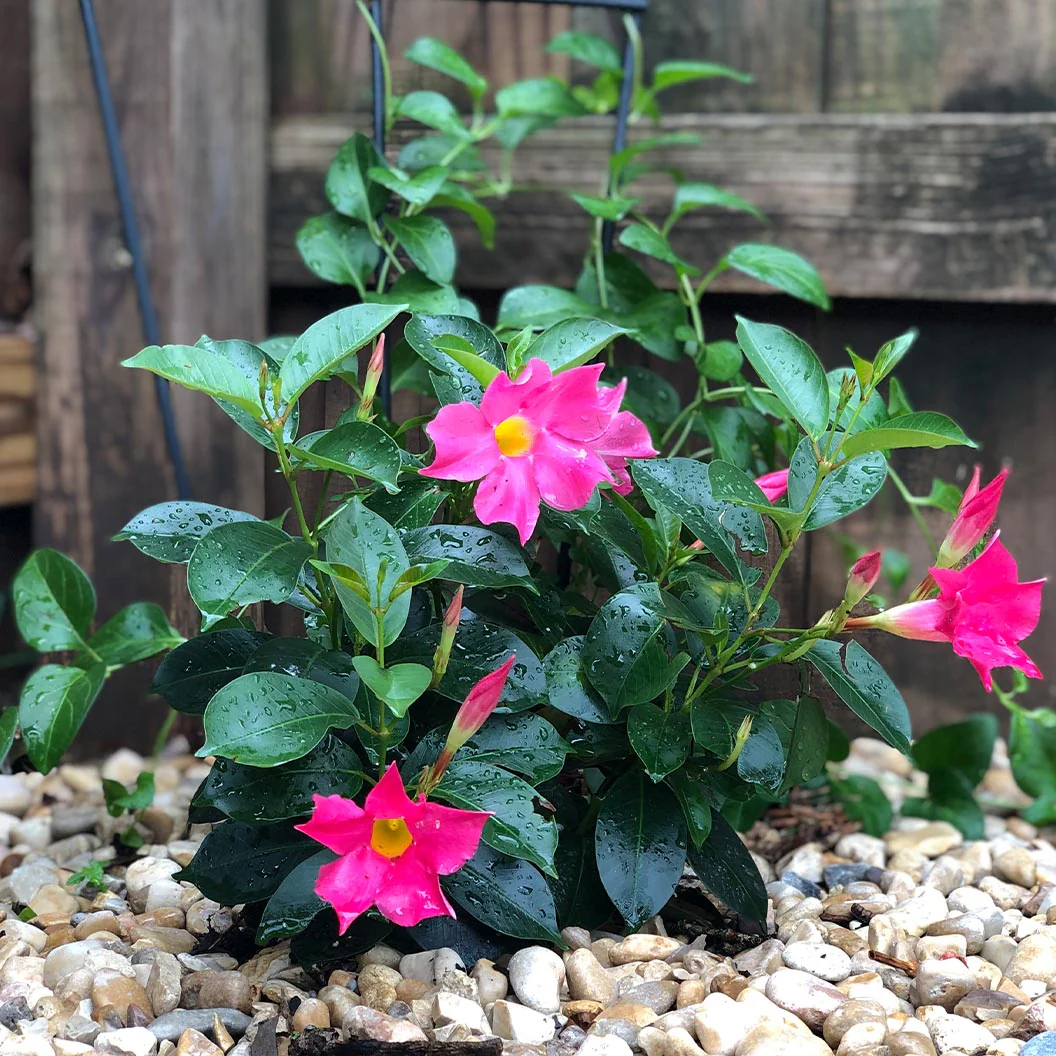
The Pink Diplodenia Bush is a stunning addition to any garden, known for its vibrant pink flowers that bloom throughout the warm months. Unlike the related mandevilla, which is a climbing vine, the Diplodenia stands proudly as a bush, making it an excellent choice for adding height and structure to your landscape. Its glossy, dark green leaves provide a lovely backdrop that enhances the beauty of its abundant blossoms, creating a cheerful focal point in your yard.
What truly sets the Pink Diplodenia Bush apart is its unwavering resilience to heat, drought, and pests. This low-maintenance plant thrives in sunny conditions, often attracting butterflies and hummingbirds, which brings more life to your outdoor space. With its stunning color and robust nature, this bush not only enriches the aesthetic appeal of your garden but also provides a habitat for local wildlife, making it an excellent choice for eco-conscious gardeners.
Planting & Care
1. Planting: Choose a sunny location that receives at least 6 hours of direct sunlight each day. Ensure the soil is well-draining. Dig a hole that is slightly larger than the root ball, place the plant in the hole, and backfill with soil, gently tamping it down to eliminate air pockets. Water thoroughly after planting.
2. Watering: Water the Pink Diplodenia Bush sparingly, allowing the top 2 inches of soil to dry out between waterings. Overwatering can lead to root rot, as this plant prefers slightly dryer conditions. In the heat of summer, increase watering frequency slightly, but always ensure good drainage.
3. Pruning: To maintain a bushy shape and promote new growth, prune lightly in late spring. Remove any dead or damaged branches to encourage healthy blooms. Avoid heavy pruning, as this plant flowers on new growth, and excessive cutting may delay blooming.
4. Fertilizing: Feed the Pink Diplodenia approximatelly once a month during the growing season with a balanced, slow-release fertilizer. This will support vibrant blooms and healthy foliage. During the fall and winter months, there's no need to fertilize, as the plant enters a period of dormancy.
Details & Craftsmanship
Every detail has been carefully considered to bring you the perfect product.
Details & Craftsmanship
Every detail has been carefully considered to bring you the perfect product.
Description
Eye-catching blooms that brighten any landscape
The Pink Diplodenia Bush is a stunning addition to any garden, known for its vibrant pink flowers that bloom throughout the warm months. Unlike the related mandevilla, which is a climbing vine, the Diplodenia stands proudly as a bush, making it an excellent choice for adding height and structure to your landscape. Its glossy, dark green leaves provide a lovely backdrop that enhances the beauty of its abundant blossoms, creating a cheerful focal point in your yard.
What truly sets the Pink Diplodenia Bush apart is its unwavering resilience to heat, drought, and pests. This low-maintenance plant thrives in sunny conditions, often attracting butterflies and hummingbirds, which brings more life to your outdoor space. With its stunning color and robust nature, this bush not only enriches the aesthetic appeal of your garden but also provides a habitat for local wildlife, making it an excellent choice for eco-conscious gardeners.
Planting & Care
1. Planting: Choose a sunny location that receives at least 6 hours of direct sunlight each day. Ensure the soil is well-draining. Dig a hole that is slightly larger than the root ball, place the plant in the hole, and backfill with soil, gently tamping it down to eliminate air pockets. Water thoroughly after planting.
2. Watering: Water the Pink Diplodenia Bush sparingly, allowing the top 2 inches of soil to dry out between waterings. Overwatering can lead to root rot, as this plant prefers slightly dryer conditions. In the heat of summer, increase watering frequency slightly, but always ensure good drainage.
3. Pruning: To maintain a bushy shape and promote new growth, prune lightly in late spring. Remove any dead or damaged branches to encourage healthy blooms. Avoid heavy pruning, as this plant flowers on new growth, and excessive cutting may delay blooming.
4. Fertilizing: Feed the Pink Diplodenia approximatelly once a month during the growing season with a balanced, slow-release fertilizer. This will support vibrant blooms and healthy foliage. During the fall and winter months, there's no need to fertilize, as the plant enters a period of dormancy.