Original: $99.95
-65%$99.95
$34.98The Story
Sweet, Edible Flowers on a Hardy, Pest-Resistant Plant
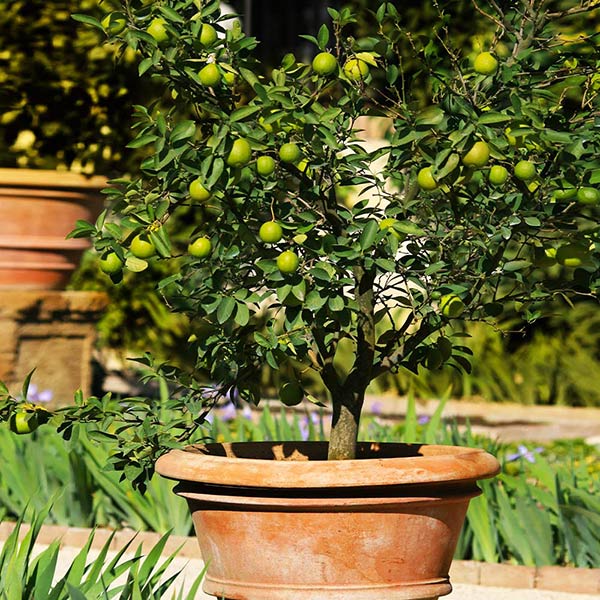
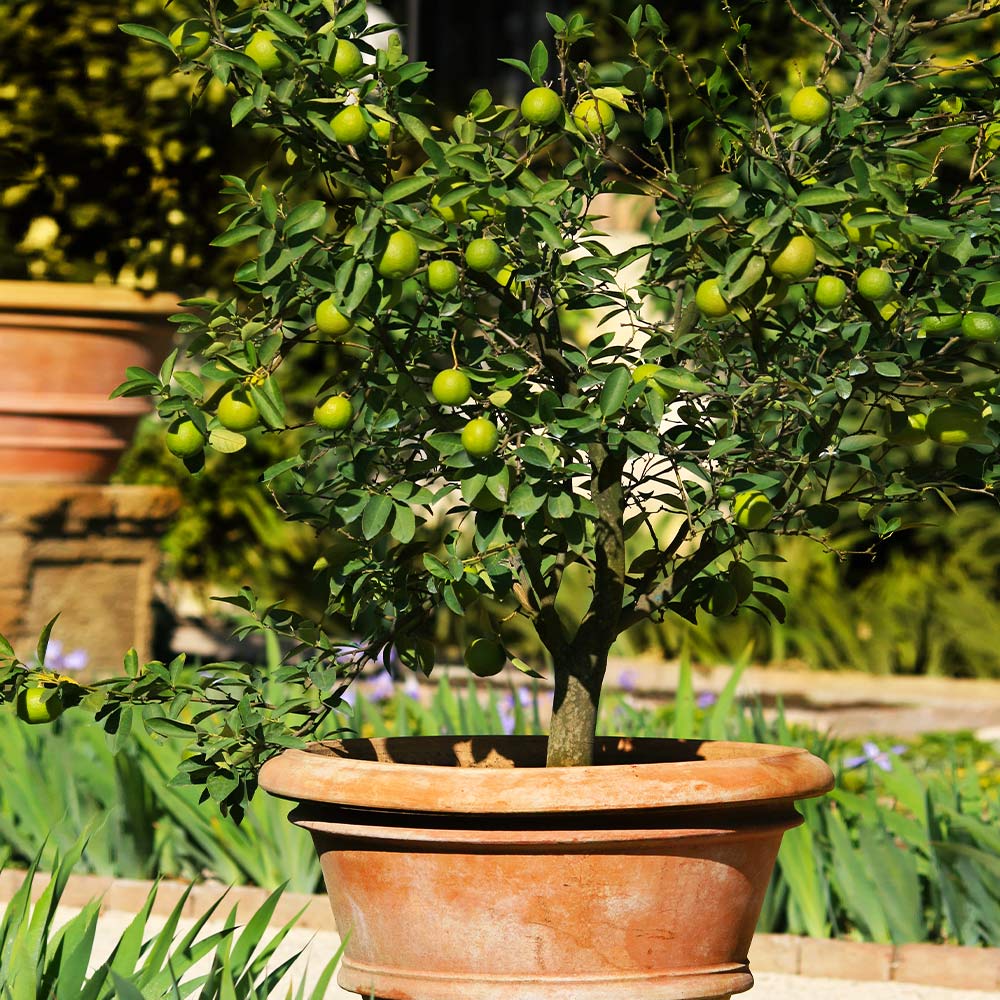
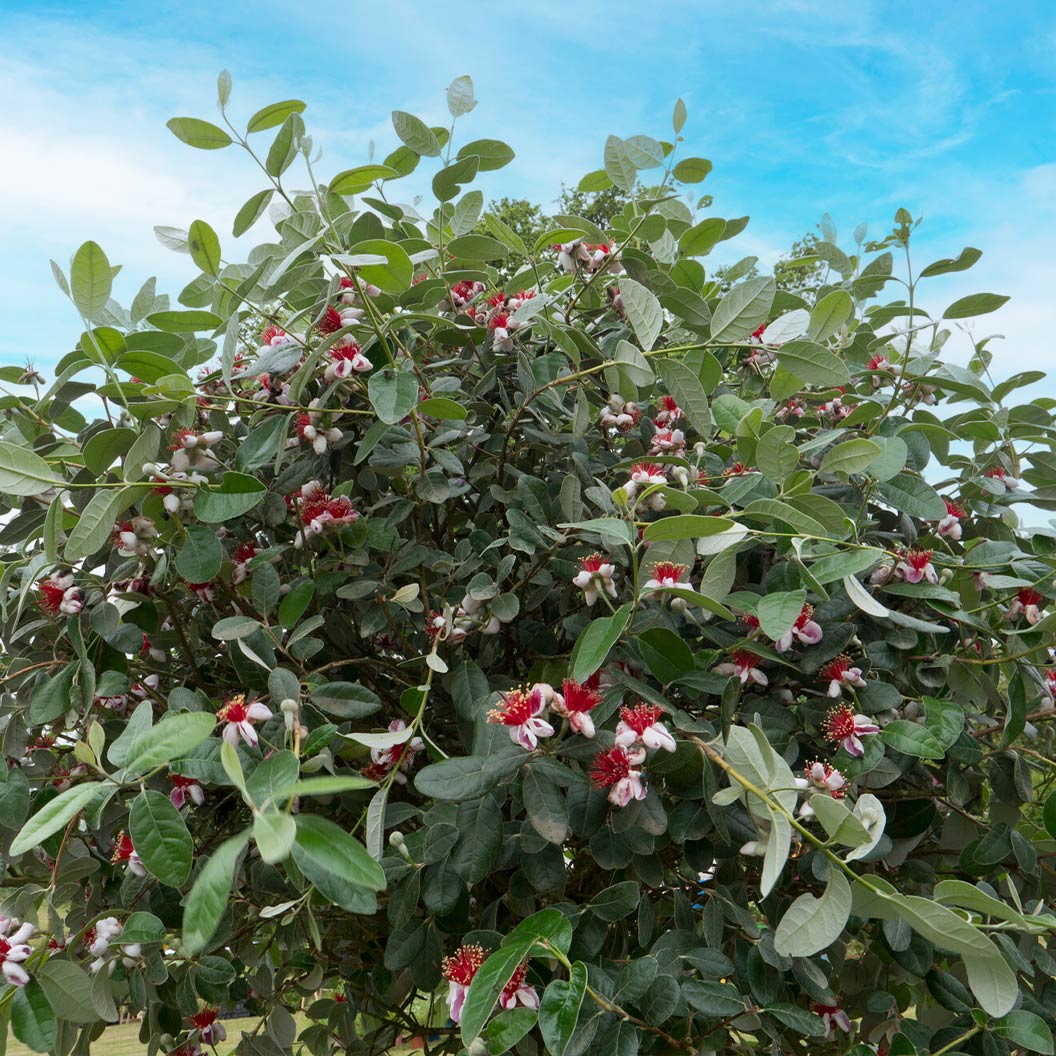
Add something unique to your yard with the Pineapple Guava Tree. This native Brazilian plant has edible flowers that bloom in summer for a fall harvest.
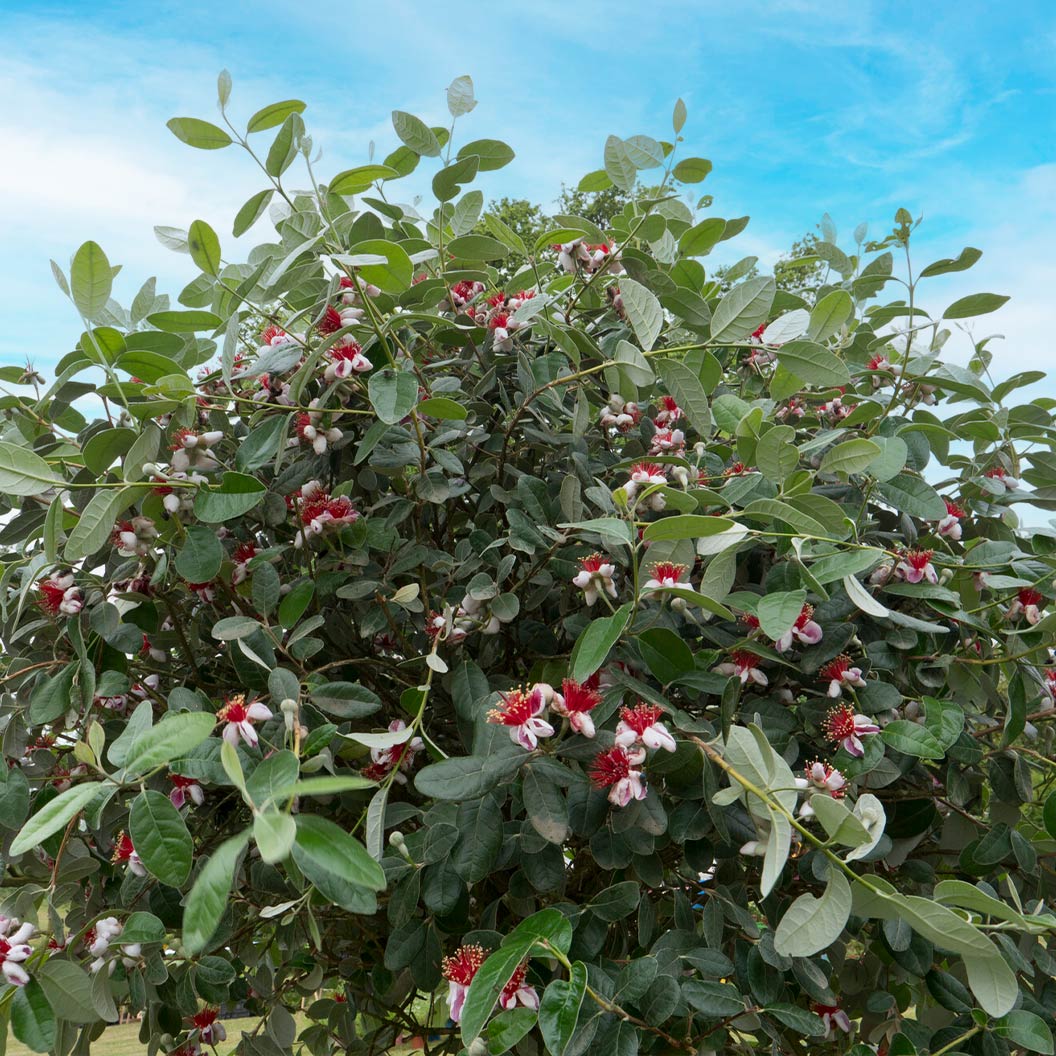
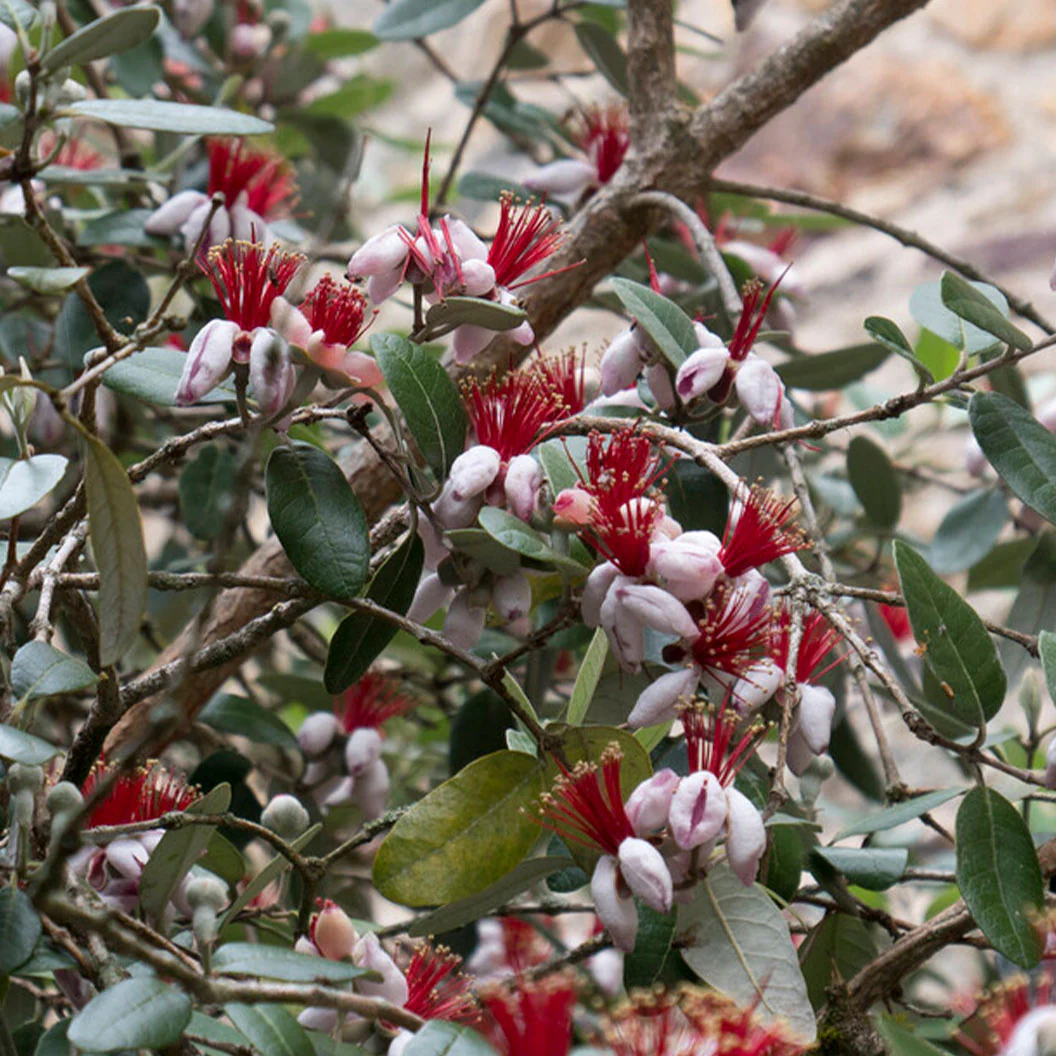
This plant is resistant to diseases and pests, while being tolerant to drought, cold, and salt, making it perfect for beachside locations, patio containers, and more. And with its lovely pink-red flowers on glossy green foliage, it makes a statement in any landscape or hedge!
Additionally, this plant has sweet, edible flowers with a distinct flavor you'll want to try for yourself. Indulge in a delicious treat from your backyard with this compact, low-maintenance tree.
Watch as the striking flowers grow throughout the year on the pollinator-friendly Pineapple Guava Tree. Buy yours now!
Planting & Care
1. Planting: Guava trees are ideal for both in-ground and container planting. They prefer warm climates with full sun, requiring at least 8 to 10 hours of sunlight and well-draining soil.
When planting in the ground, dig a hole twice the size of the root ball and create a cone-shaped hole in the center. Backfill with a mix of native soil, potting soil, perlite, and fine bark mulch to enhance drainage. If you have heavy clay soil, create a 12-inch mound with a better-draining mix of compost and mulch, then plant the tree in a cone-shaped hole at the center.
For containers, select one about twice the size of the root ball and use a premium soil mix with good drainage.
2. Watering: Watering frequency varies based on soil porosity, tree size, and temperature. Guavas, as tropical plants, prefer deep watering but can tolerate saturated soil. Allow the soil to dry slightly between waterings, and adjust based on weather conditions.
3. Fertilizing: Fertilize your guava tree monthly with a balanced fertilizer from spring to fall, following the manufacturer's instructions to avoid over-application. Organic options like worm castings or compost are also effective. Keep fertilizer at least 6 inches away from the trunk to prevent rot.
4. Pruning: Guavas can be pruned and shaped easily, tolerating heavy cuts. They can also be trimmed to form hedges. For best results, remove suckers and water shoots annually. Since they fruit on new growth, pruning won’t affect fruit production.
In colder locations, prune the plant as a shrub instead of a tree shape, and apply a thick layer of mulch to protect the stems from freezing.
Details & Craftsmanship
Every detail has been carefully considered to bring you the perfect product.
Details & Craftsmanship
Every detail has been carefully considered to bring you the perfect product.
Details & Craftsmanship
Every detail has been carefully considered to bring you the perfect product.
Description
Sweet, Edible Flowers on a Hardy, Pest-Resistant Plant
Add something unique to your yard with the Pineapple Guava Tree. This native Brazilian plant has edible flowers that bloom in summer for a fall harvest.
This plant is resistant to diseases and pests, while being tolerant to drought, cold, and salt, making it perfect for beachside locations, patio containers, and more. And with its lovely pink-red flowers on glossy green foliage, it makes a statement in any landscape or hedge!
Additionally, this plant has sweet, edible flowers with a distinct flavor you'll want to try for yourself. Indulge in a delicious treat from your backyard with this compact, low-maintenance tree.
Watch as the striking flowers grow throughout the year on the pollinator-friendly Pineapple Guava Tree. Buy yours now!
Planting & Care
1. Planting: Guava trees are ideal for both in-ground and container planting. They prefer warm climates with full sun, requiring at least 8 to 10 hours of sunlight and well-draining soil.
When planting in the ground, dig a hole twice the size of the root ball and create a cone-shaped hole in the center. Backfill with a mix of native soil, potting soil, perlite, and fine bark mulch to enhance drainage. If you have heavy clay soil, create a 12-inch mound with a better-draining mix of compost and mulch, then plant the tree in a cone-shaped hole at the center.
For containers, select one about twice the size of the root ball and use a premium soil mix with good drainage.
2. Watering: Watering frequency varies based on soil porosity, tree size, and temperature. Guavas, as tropical plants, prefer deep watering but can tolerate saturated soil. Allow the soil to dry slightly between waterings, and adjust based on weather conditions.
3. Fertilizing: Fertilize your guava tree monthly with a balanced fertilizer from spring to fall, following the manufacturer's instructions to avoid over-application. Organic options like worm castings or compost are also effective. Keep fertilizer at least 6 inches away from the trunk to prevent rot.
4. Pruning: Guavas can be pruned and shaped easily, tolerating heavy cuts. They can also be trimmed to form hedges. For best results, remove suckers and water shoots annually. Since they fruit on new growth, pruning won’t affect fruit production.
In colder locations, prune the plant as a shrub instead of a tree shape, and apply a thick layer of mulch to protect the stems from freezing.