Original: $88.95
-65%$88.95
$31.13The Story
A graceful addition with stunning seasonal features
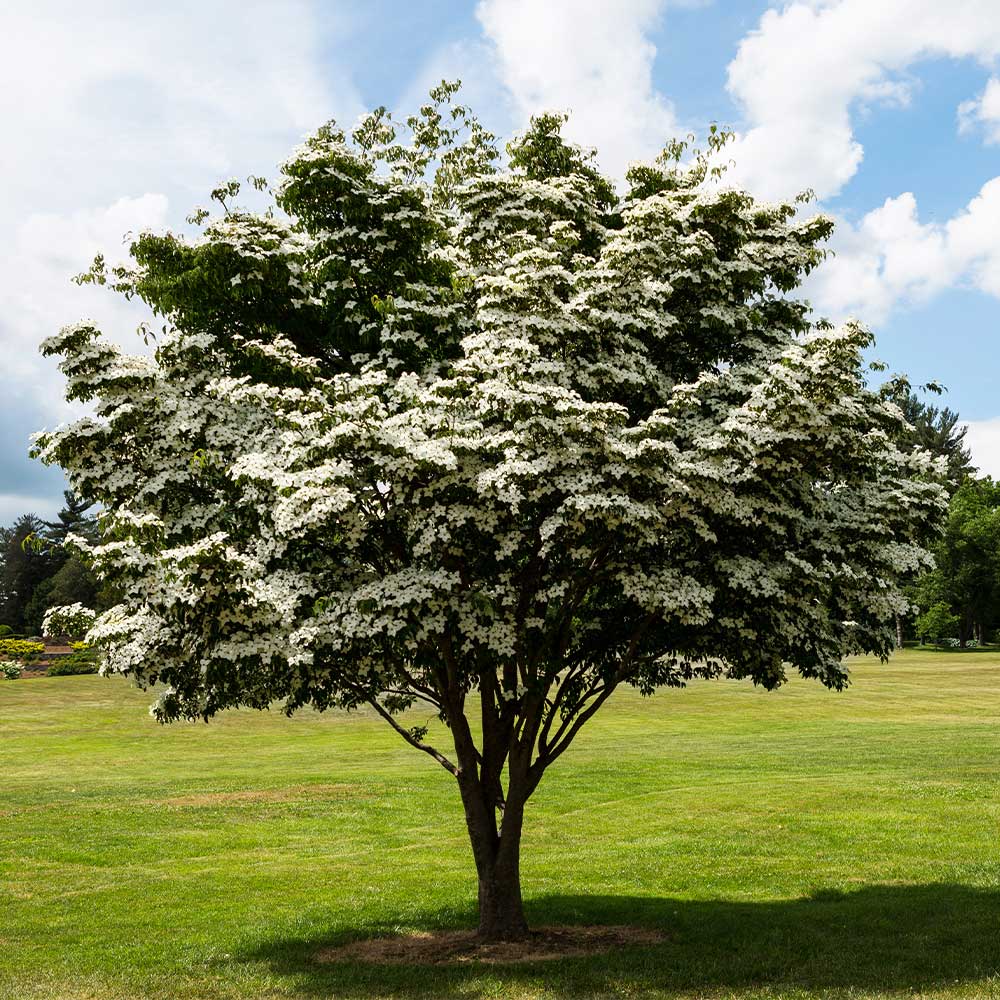
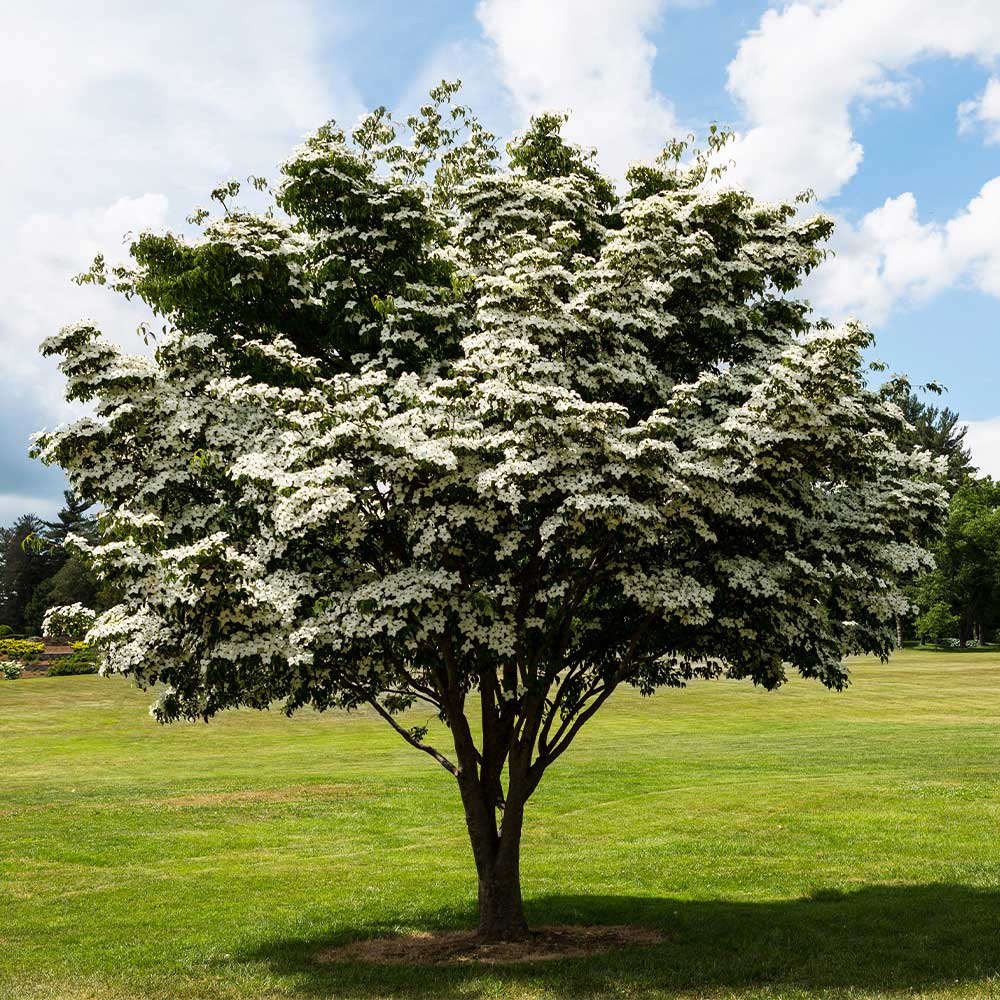
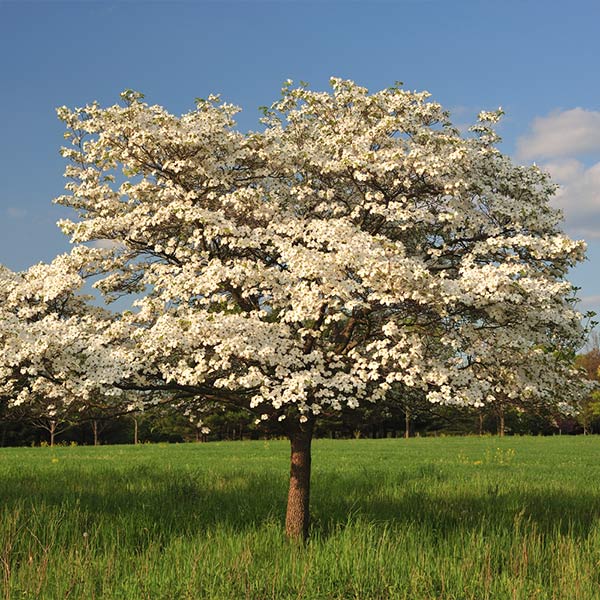
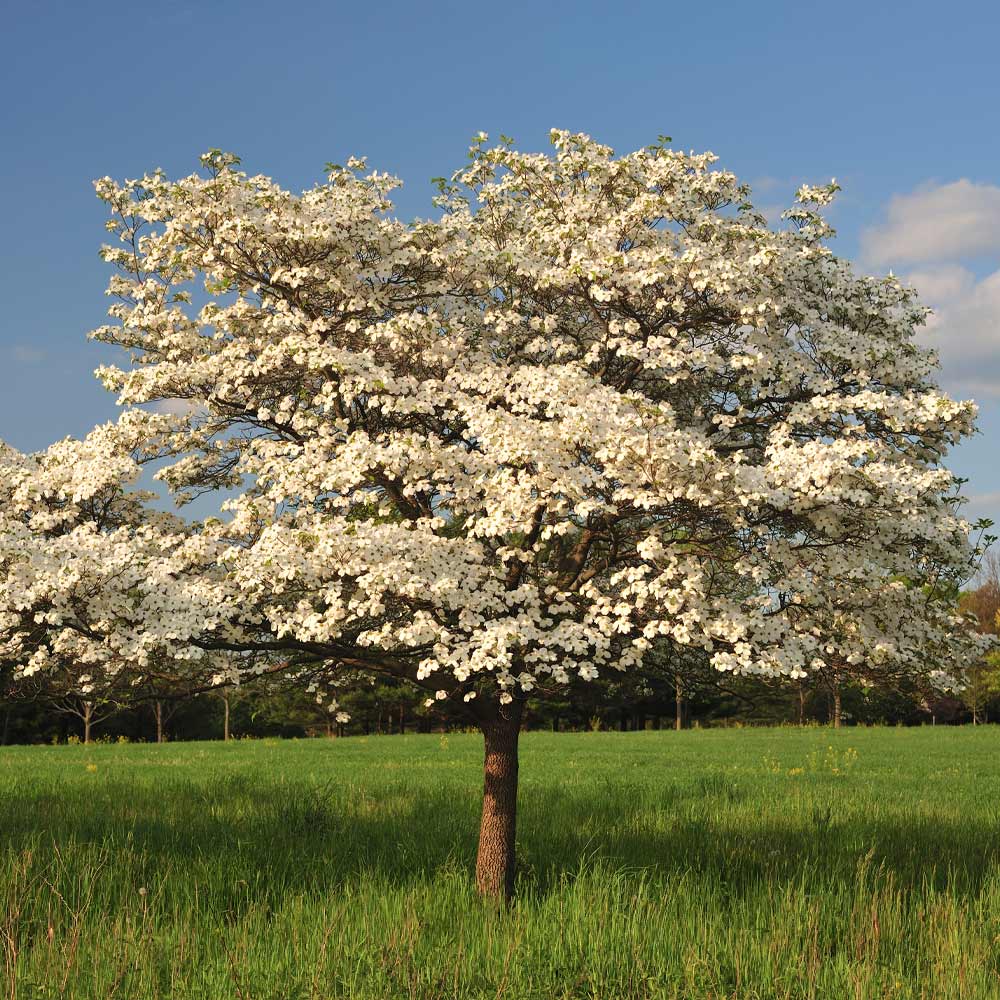
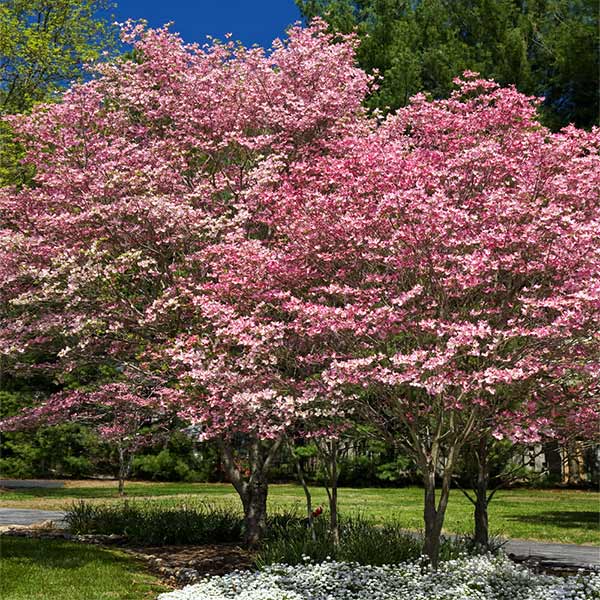
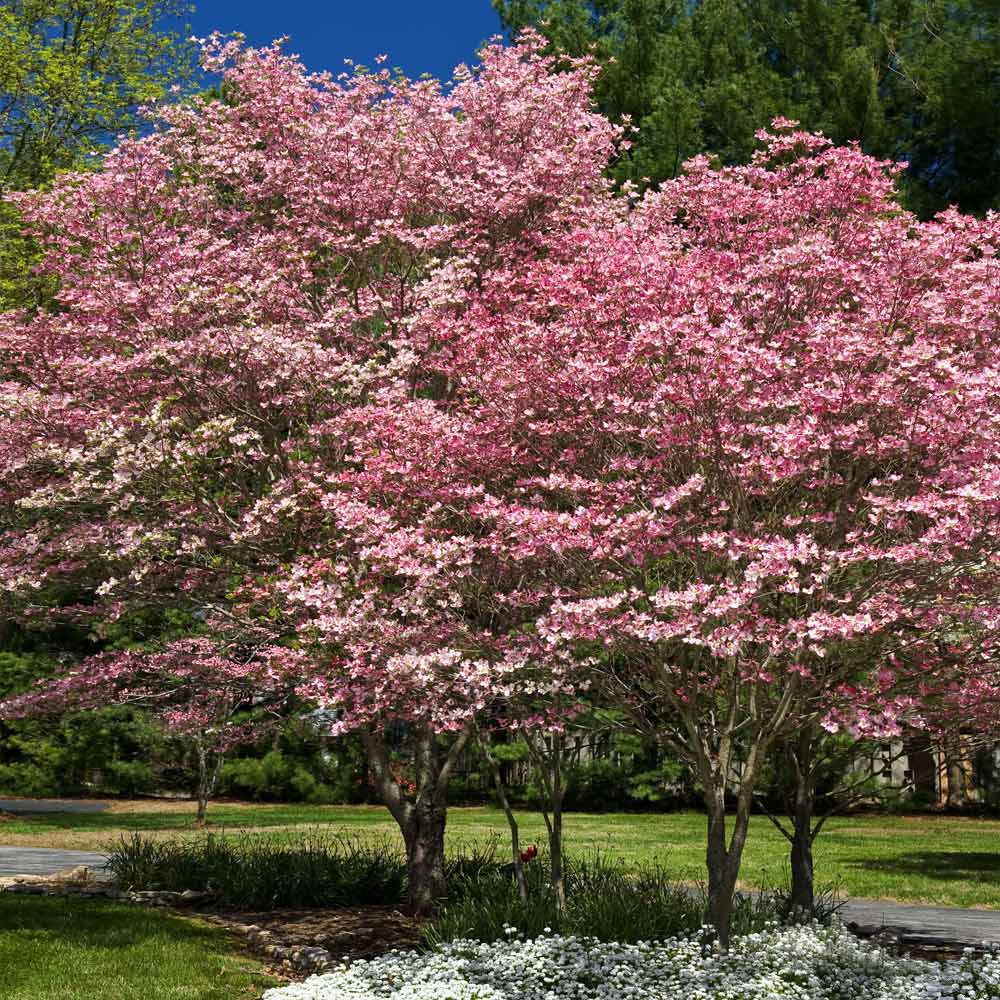
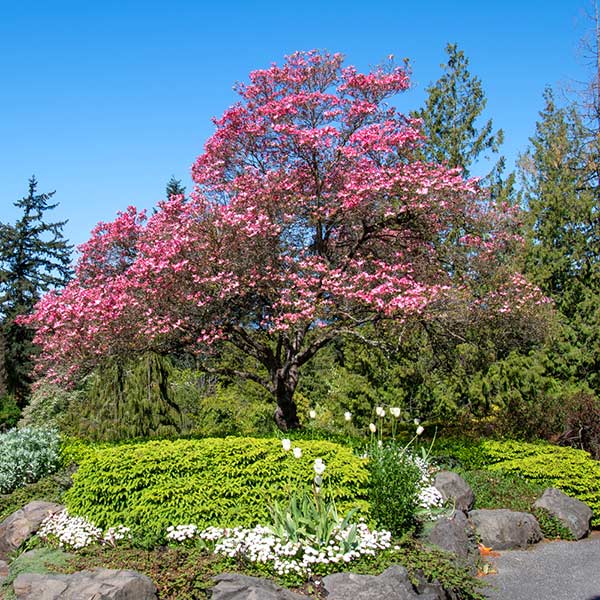
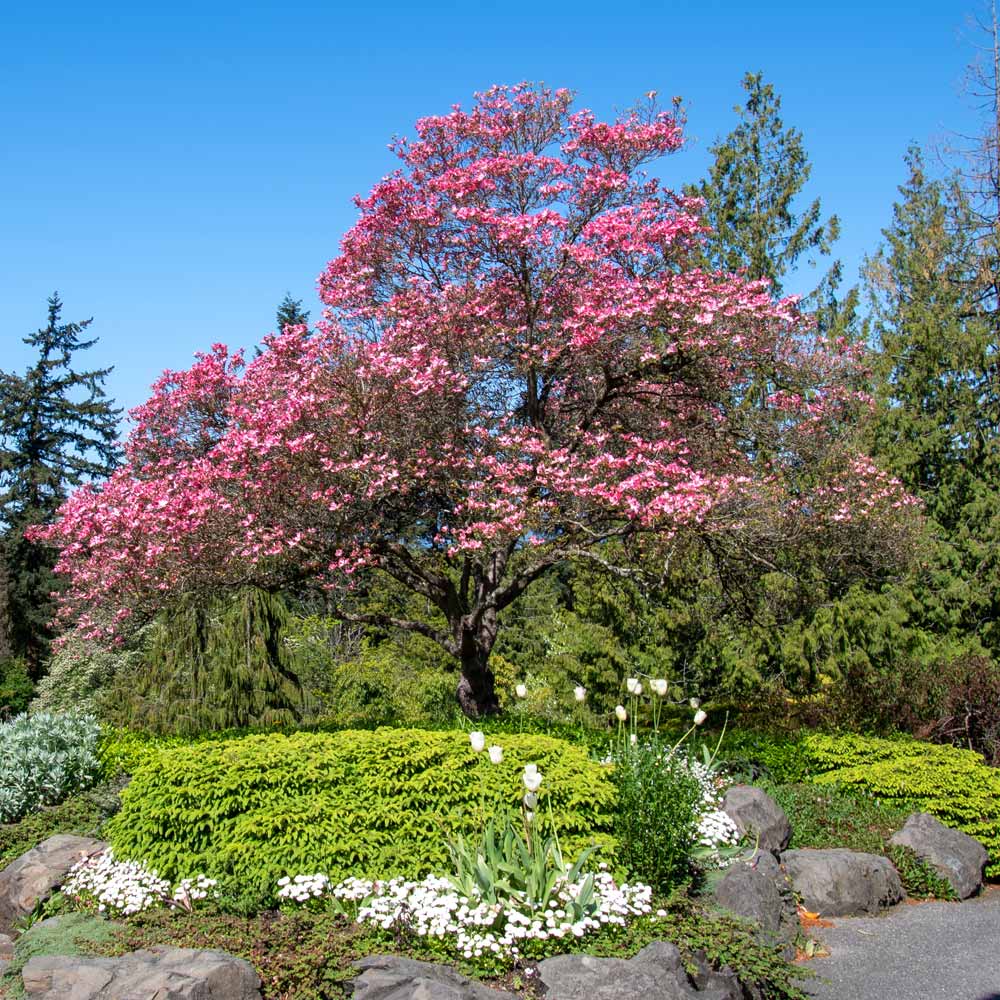
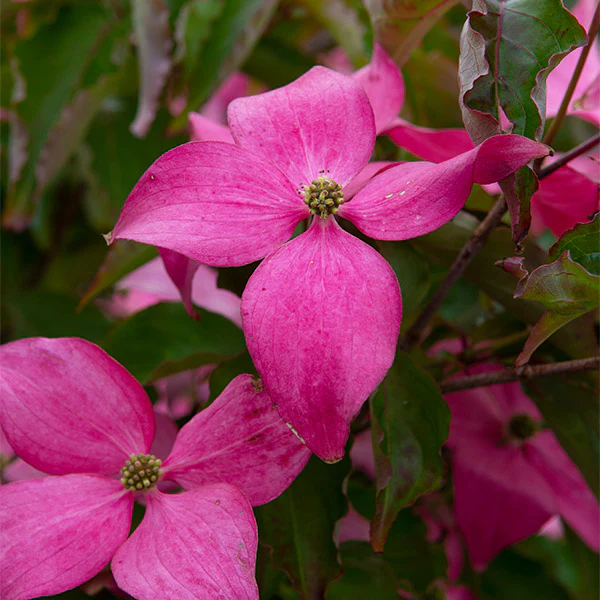
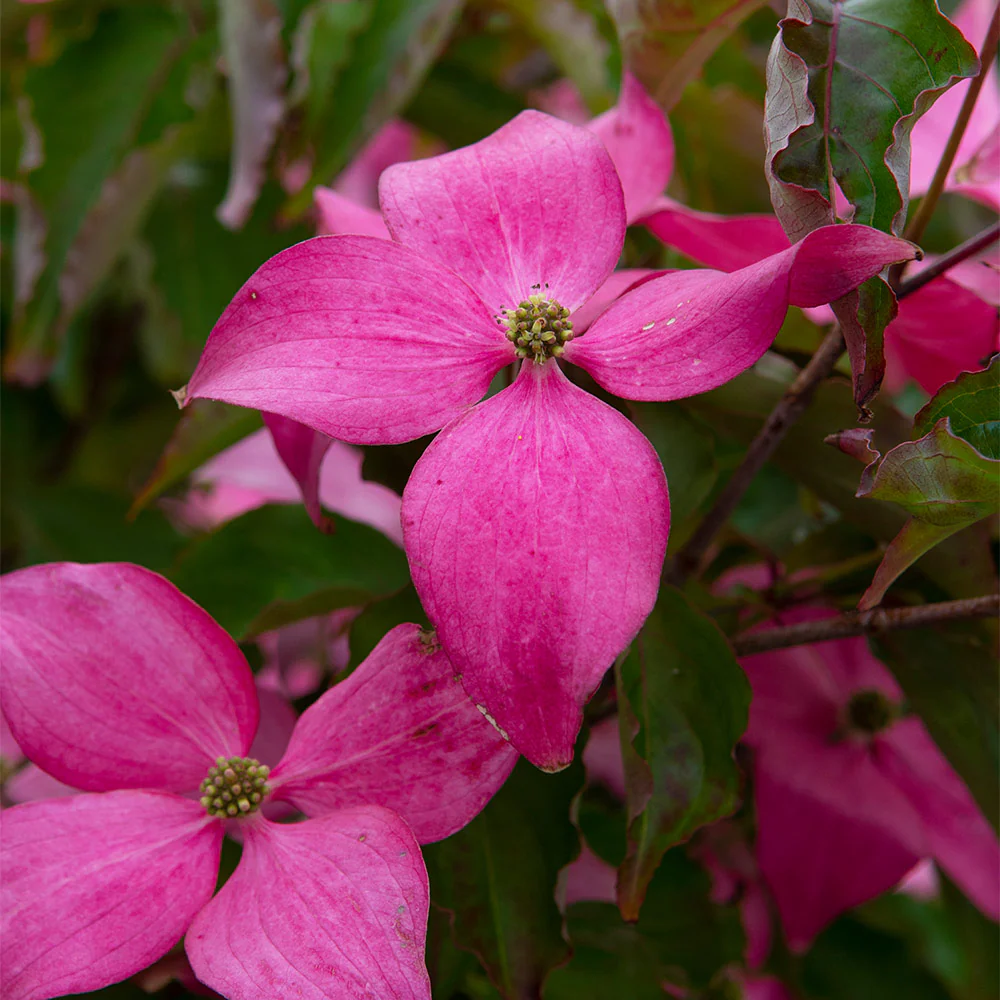
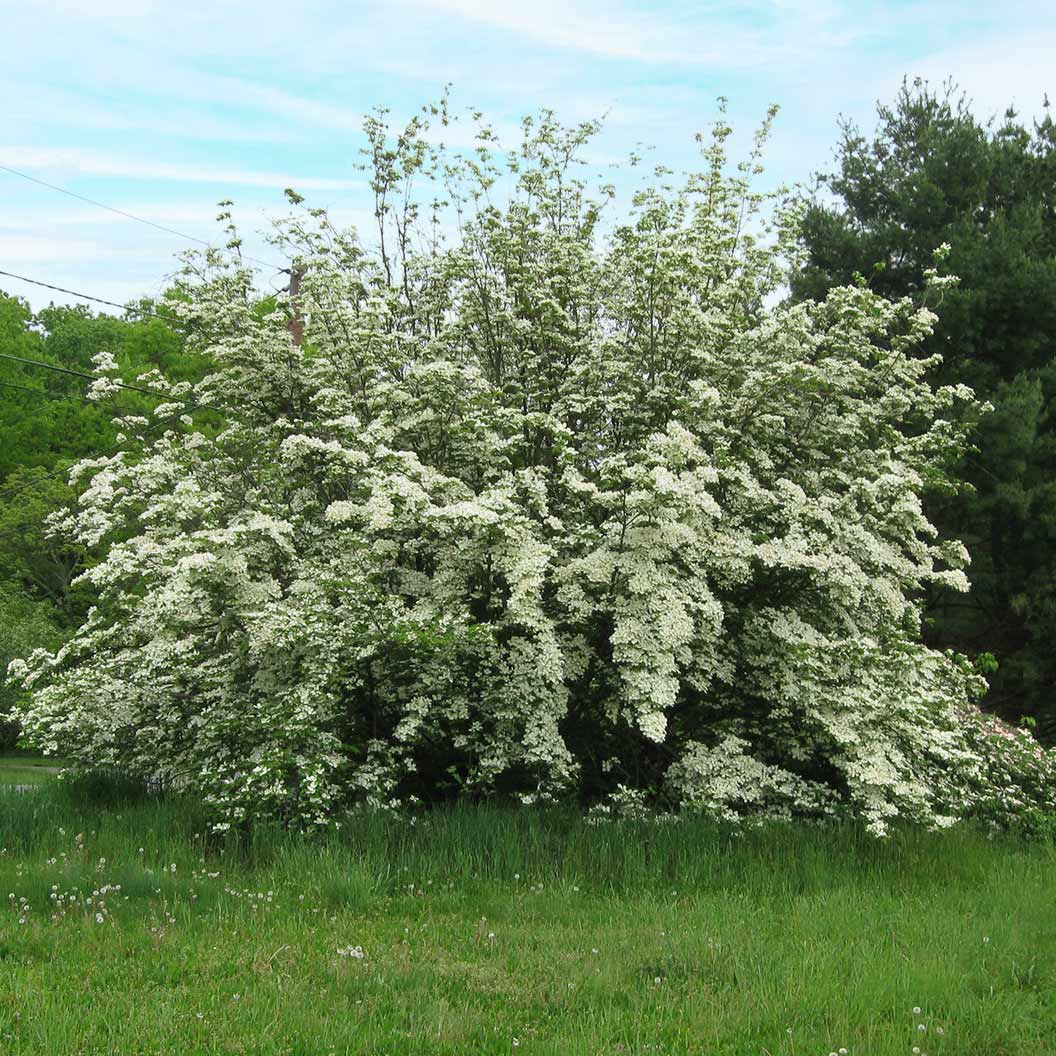
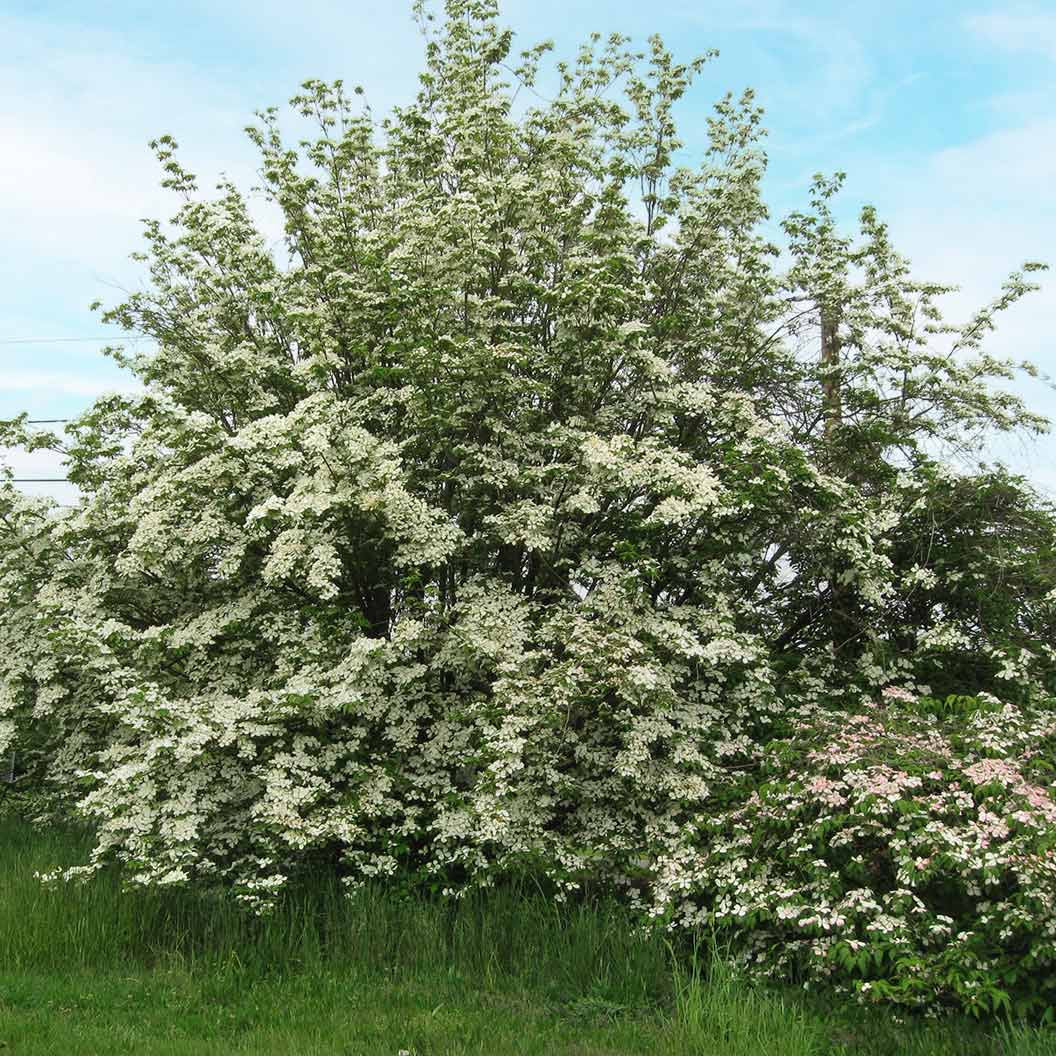
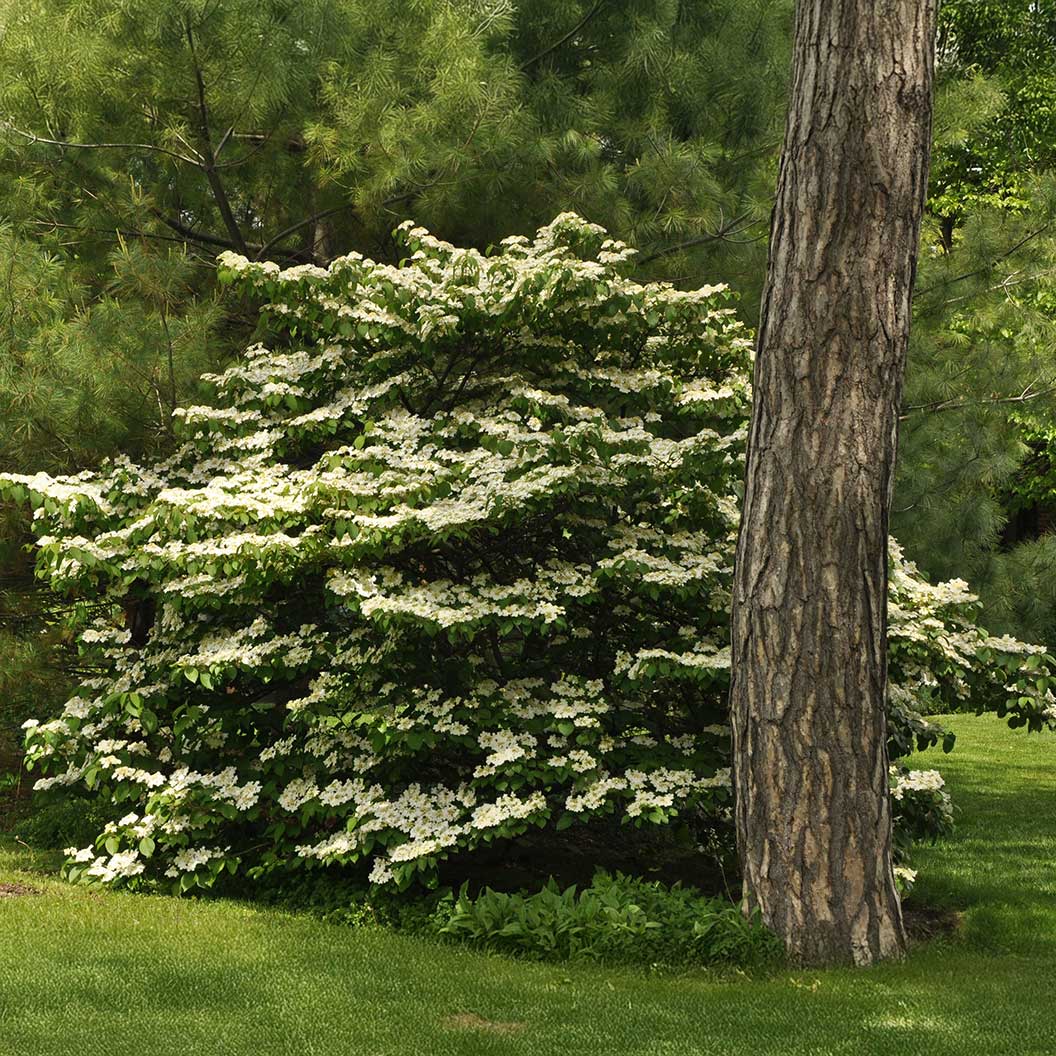
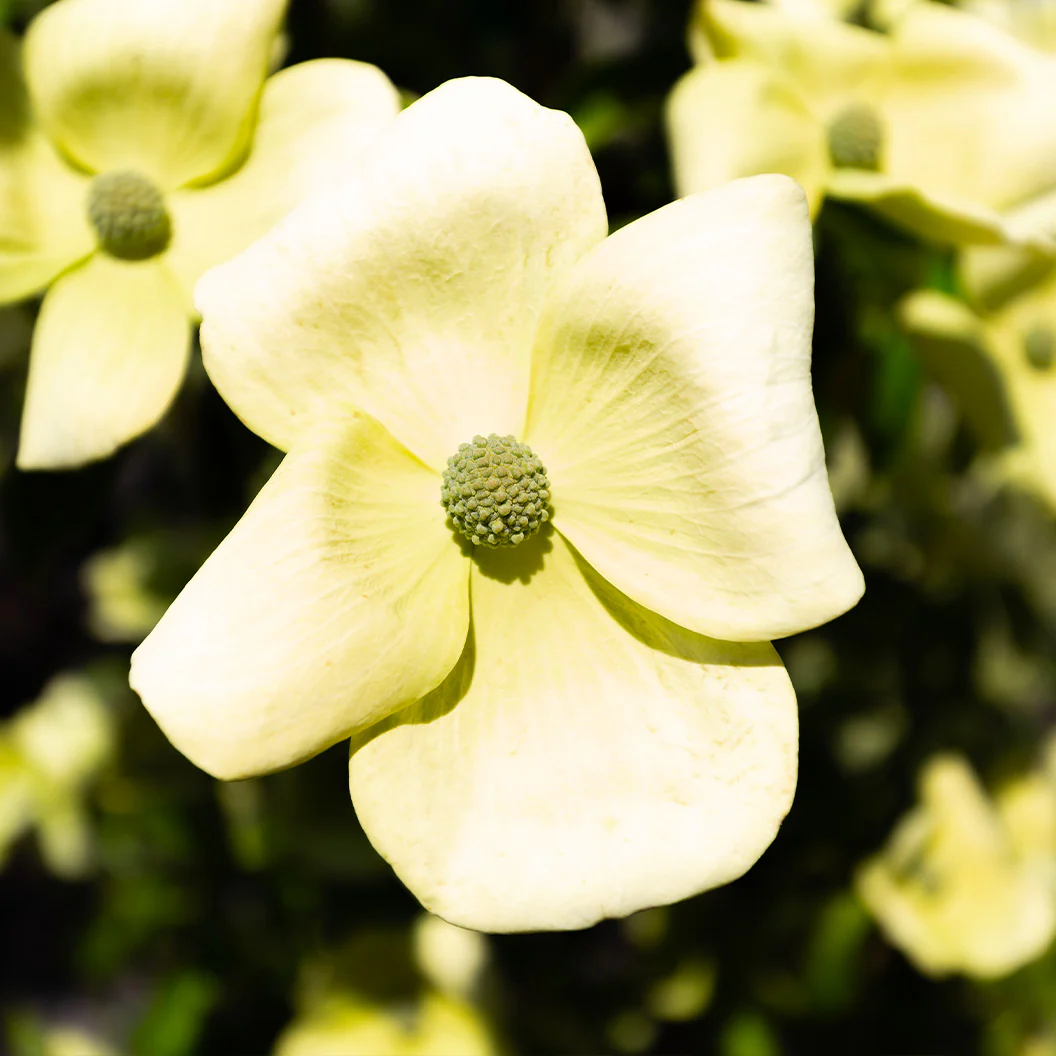
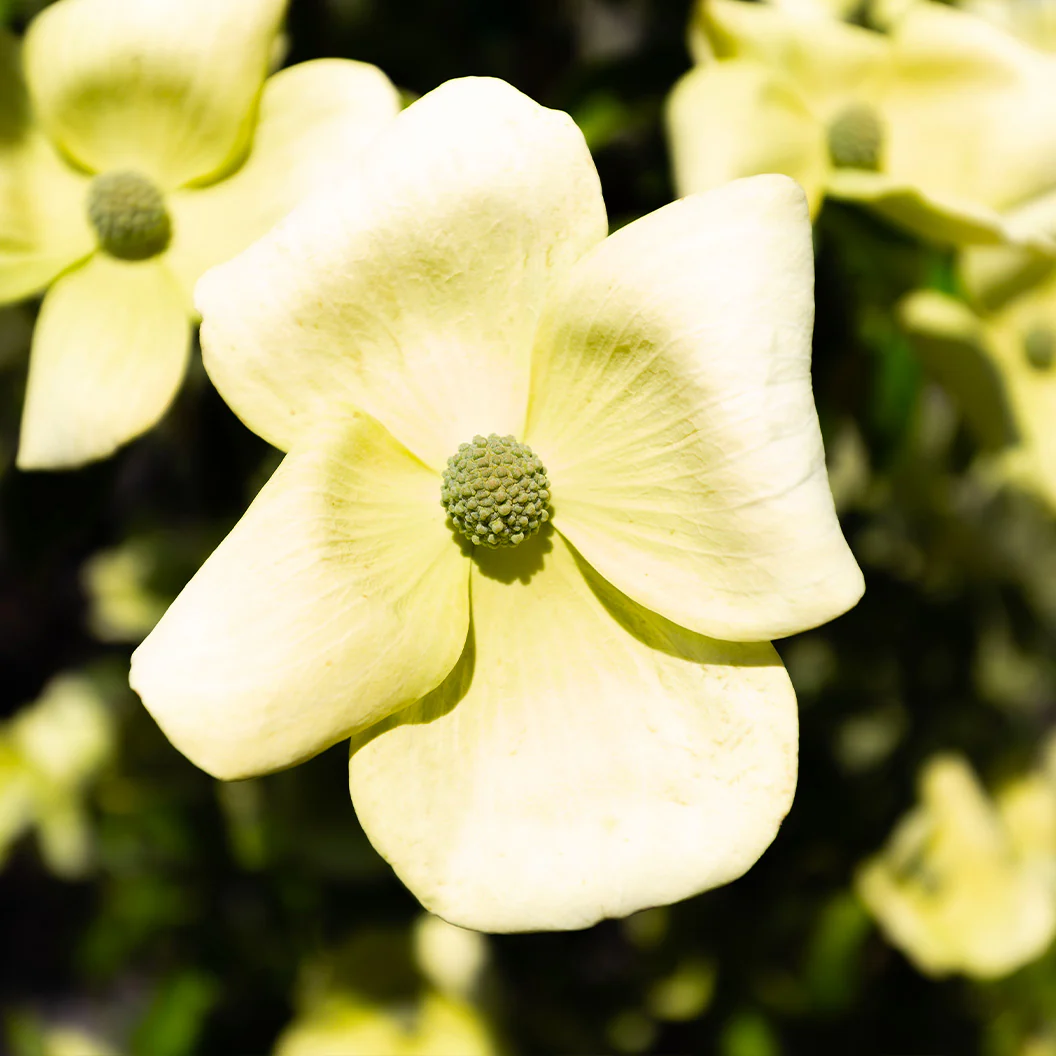
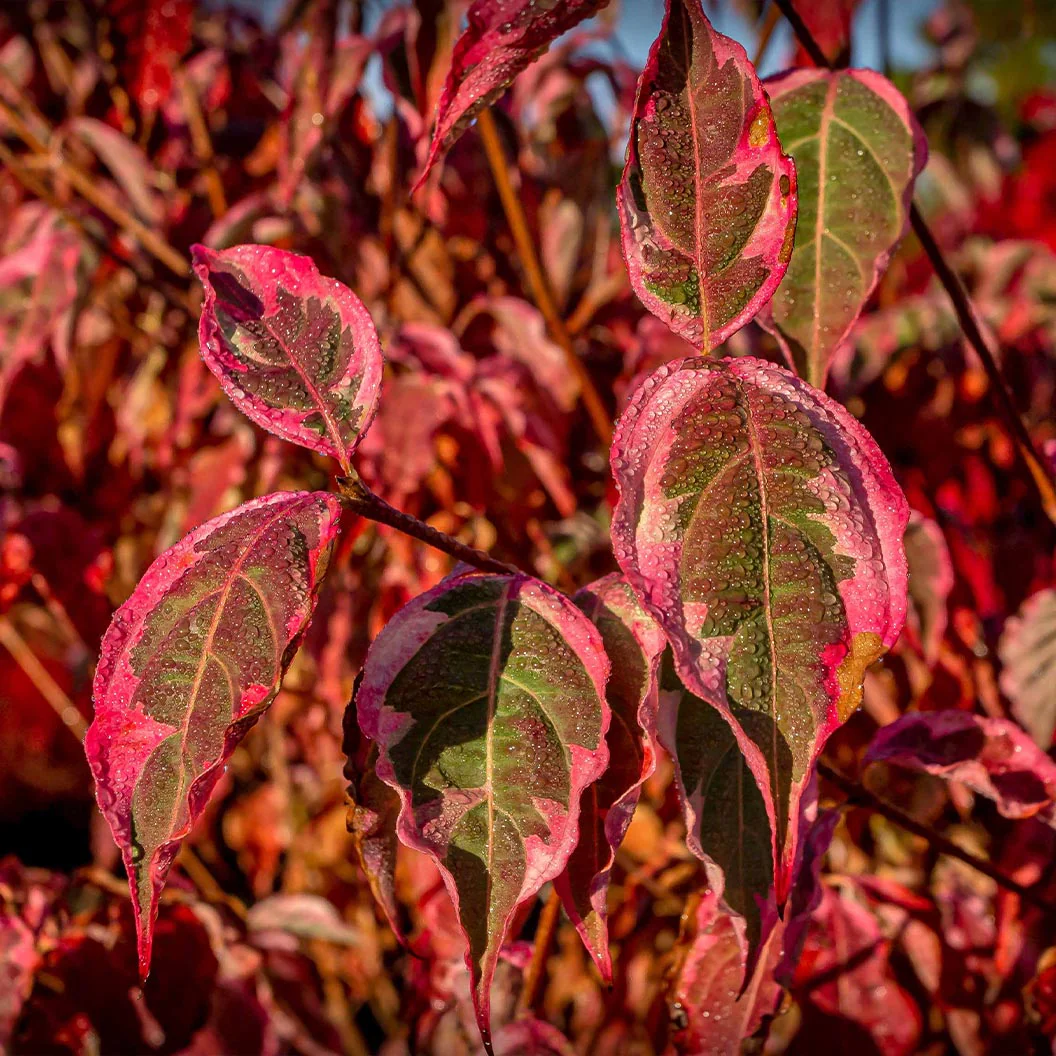
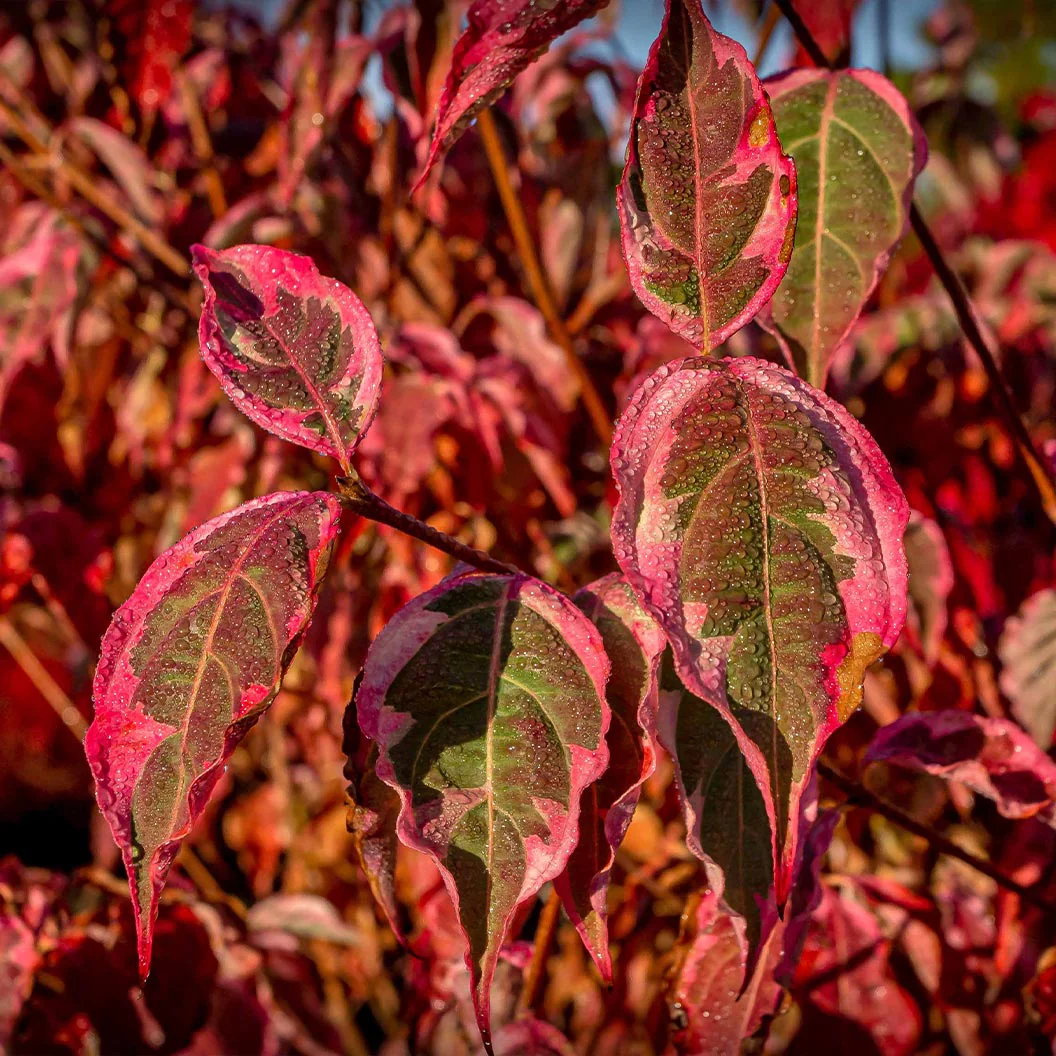
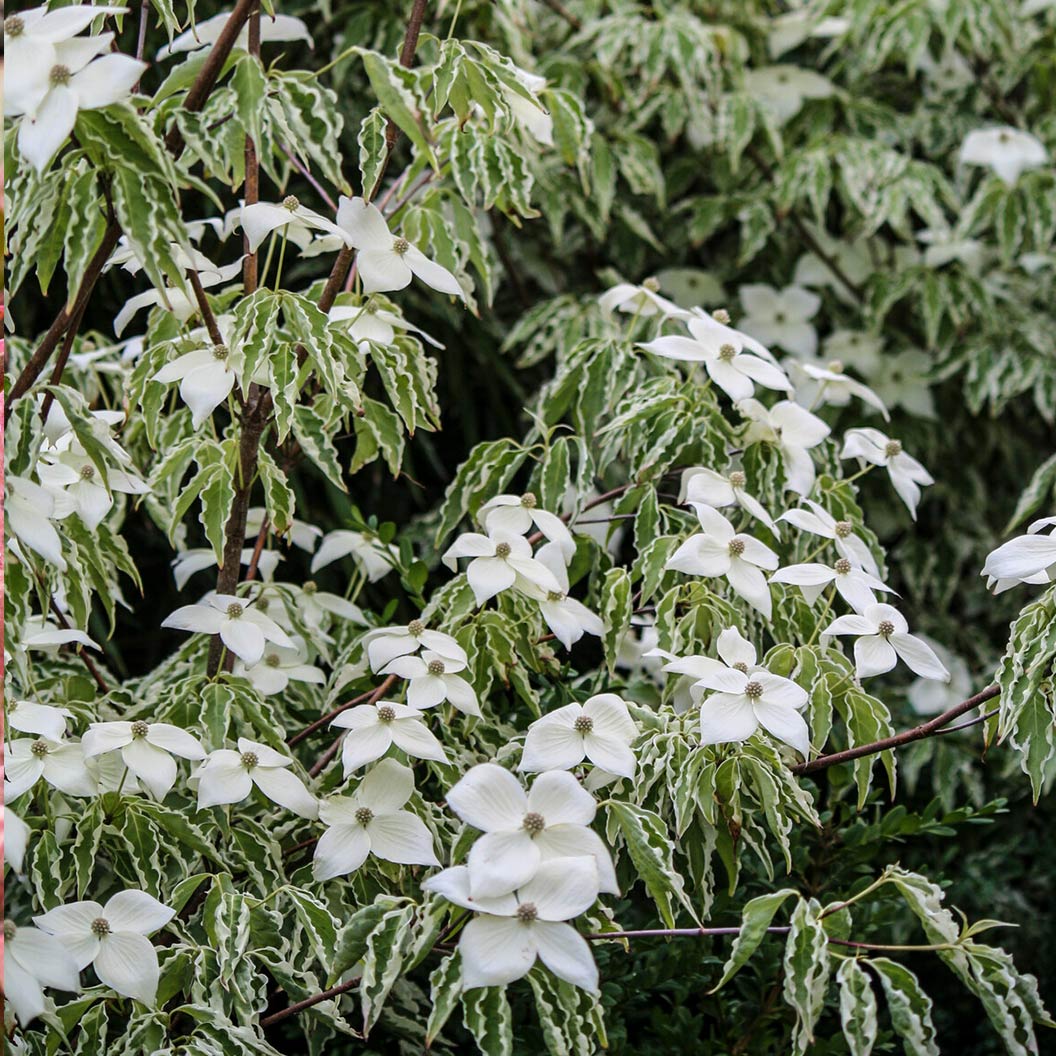
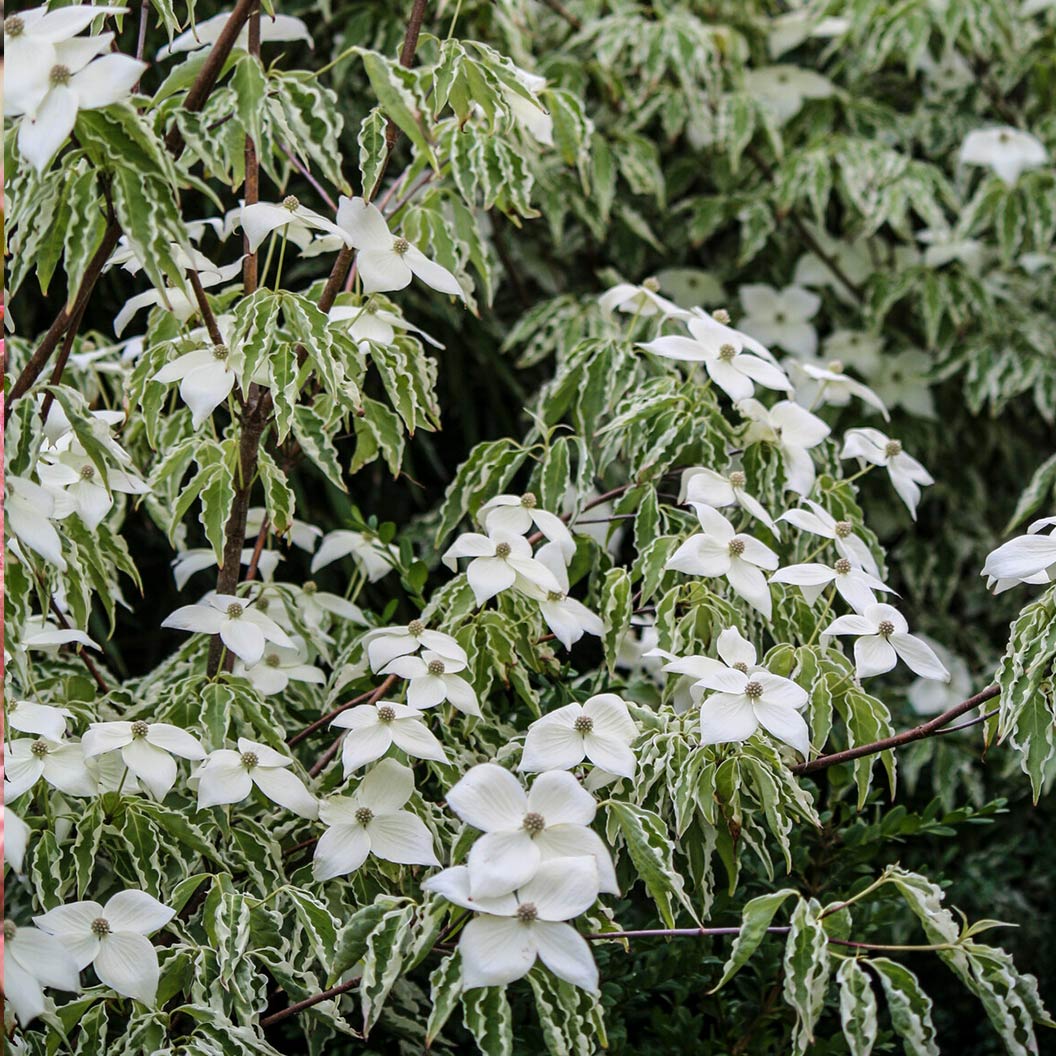
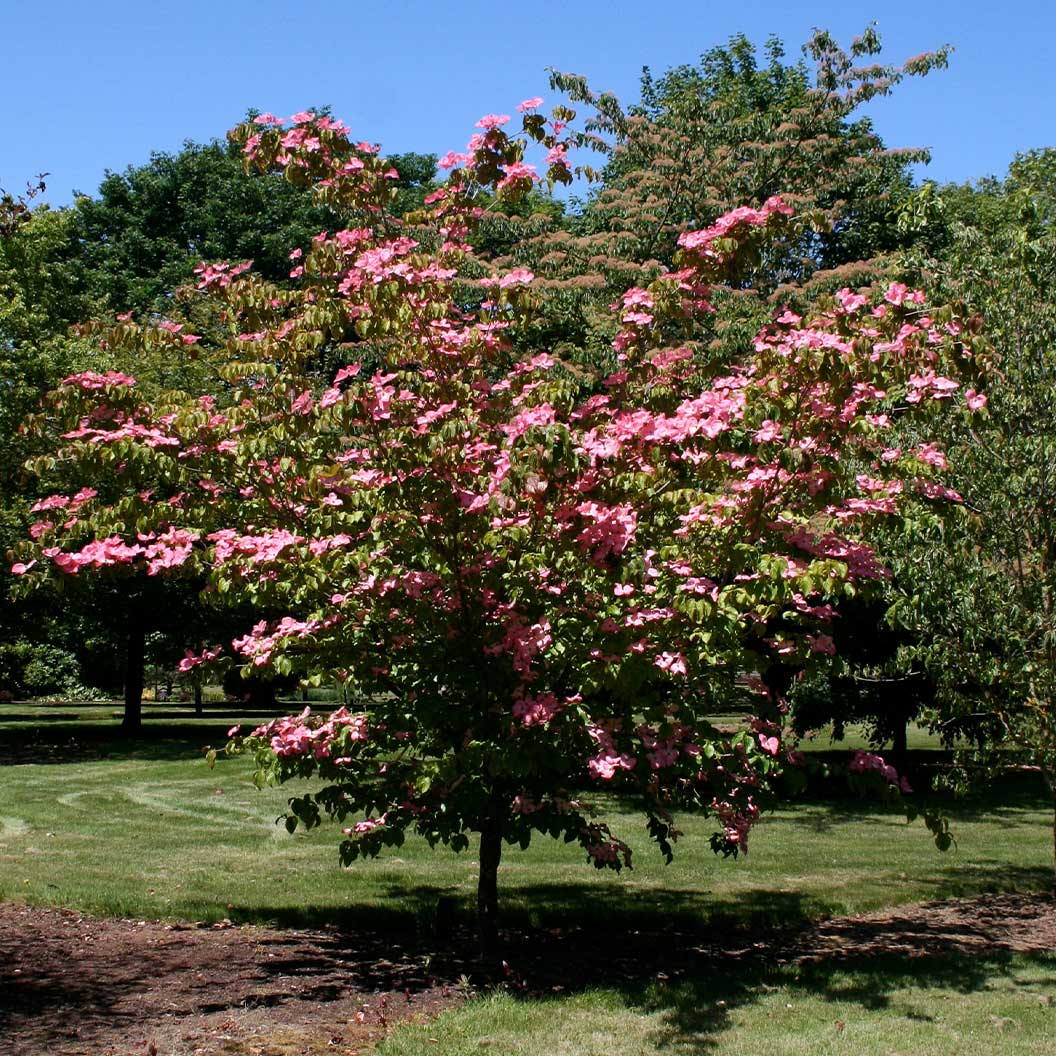
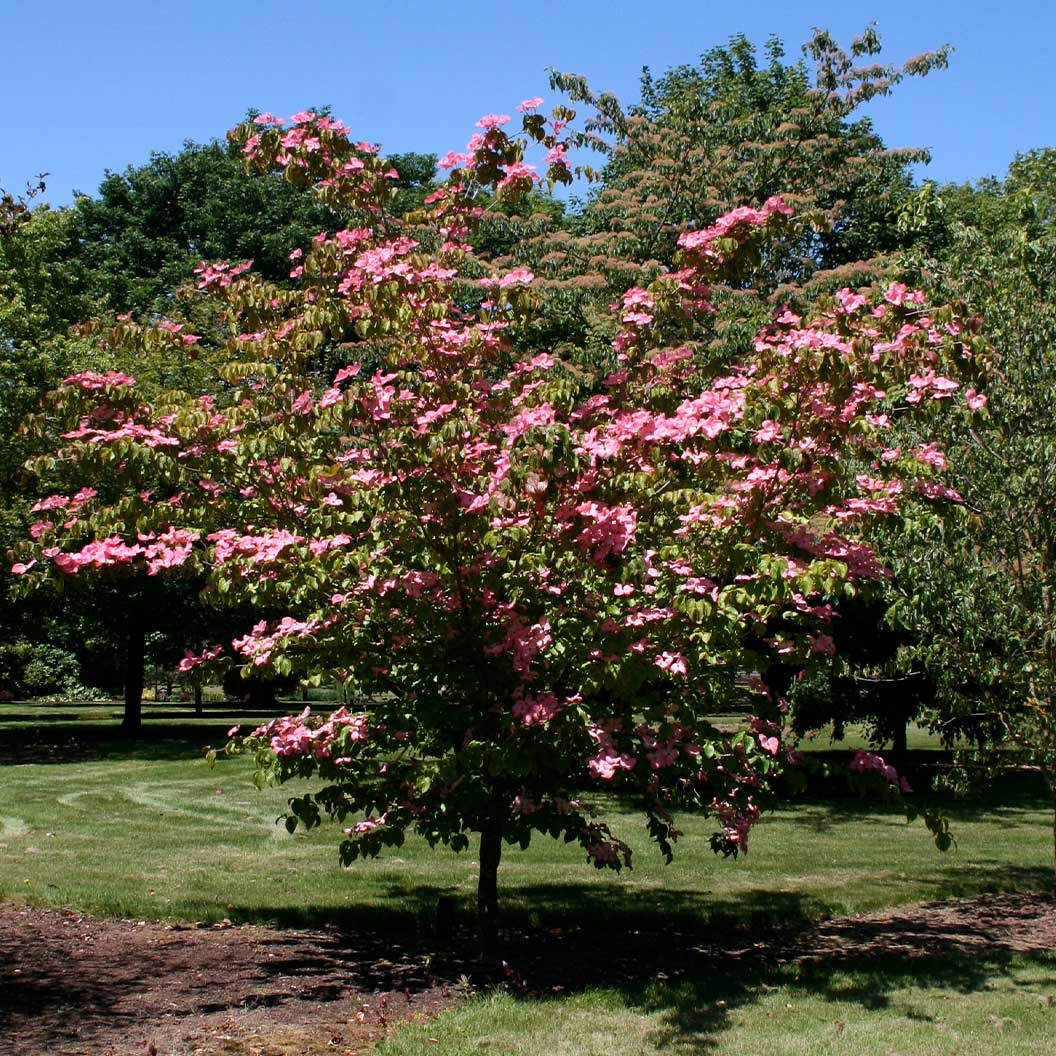
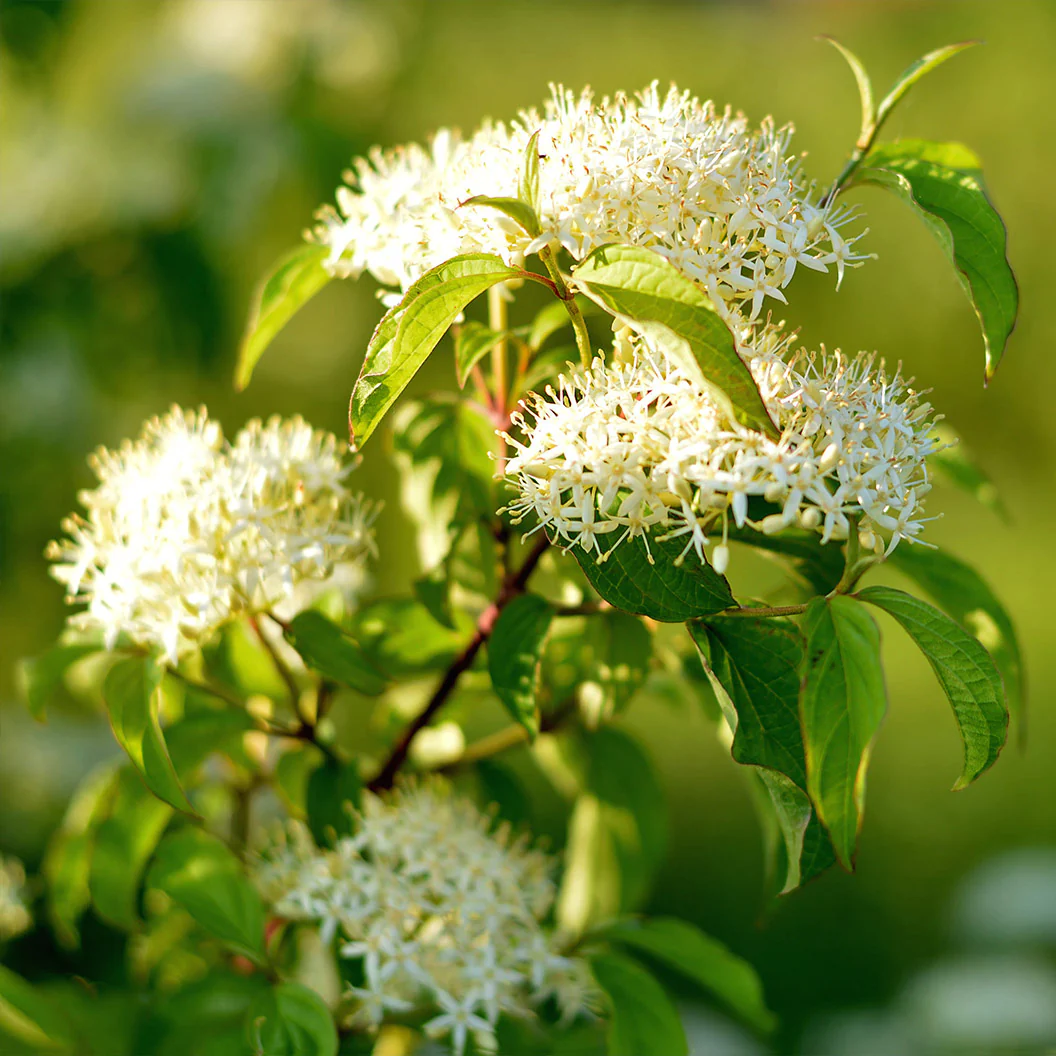
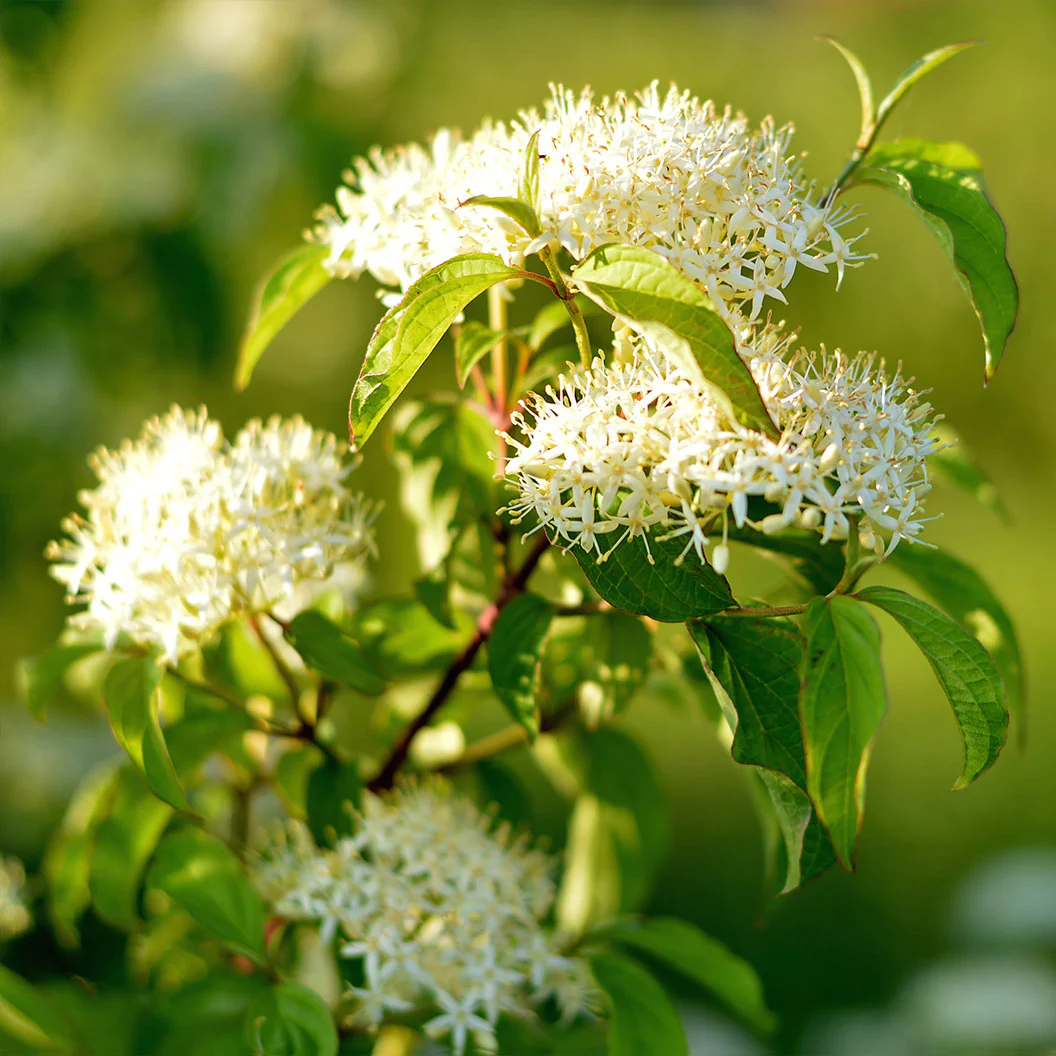
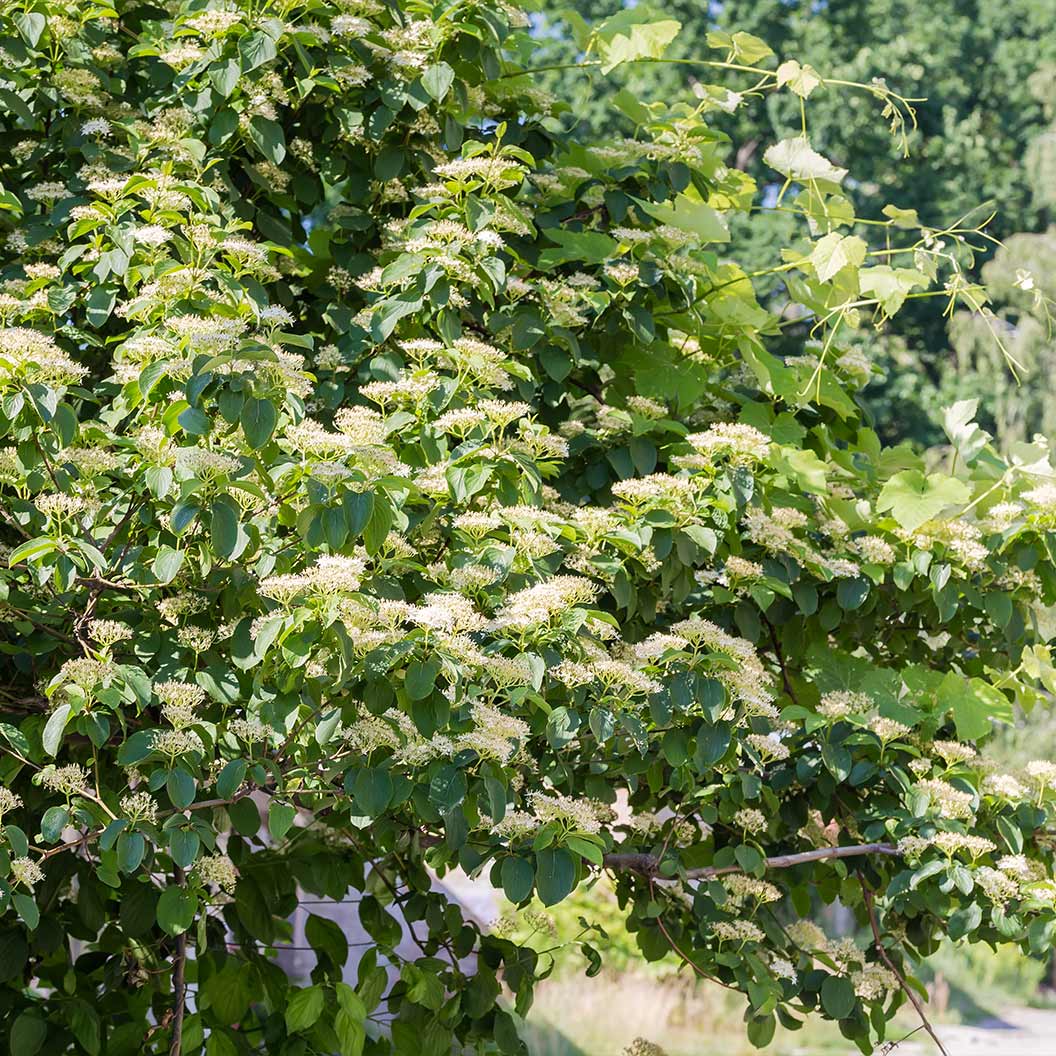
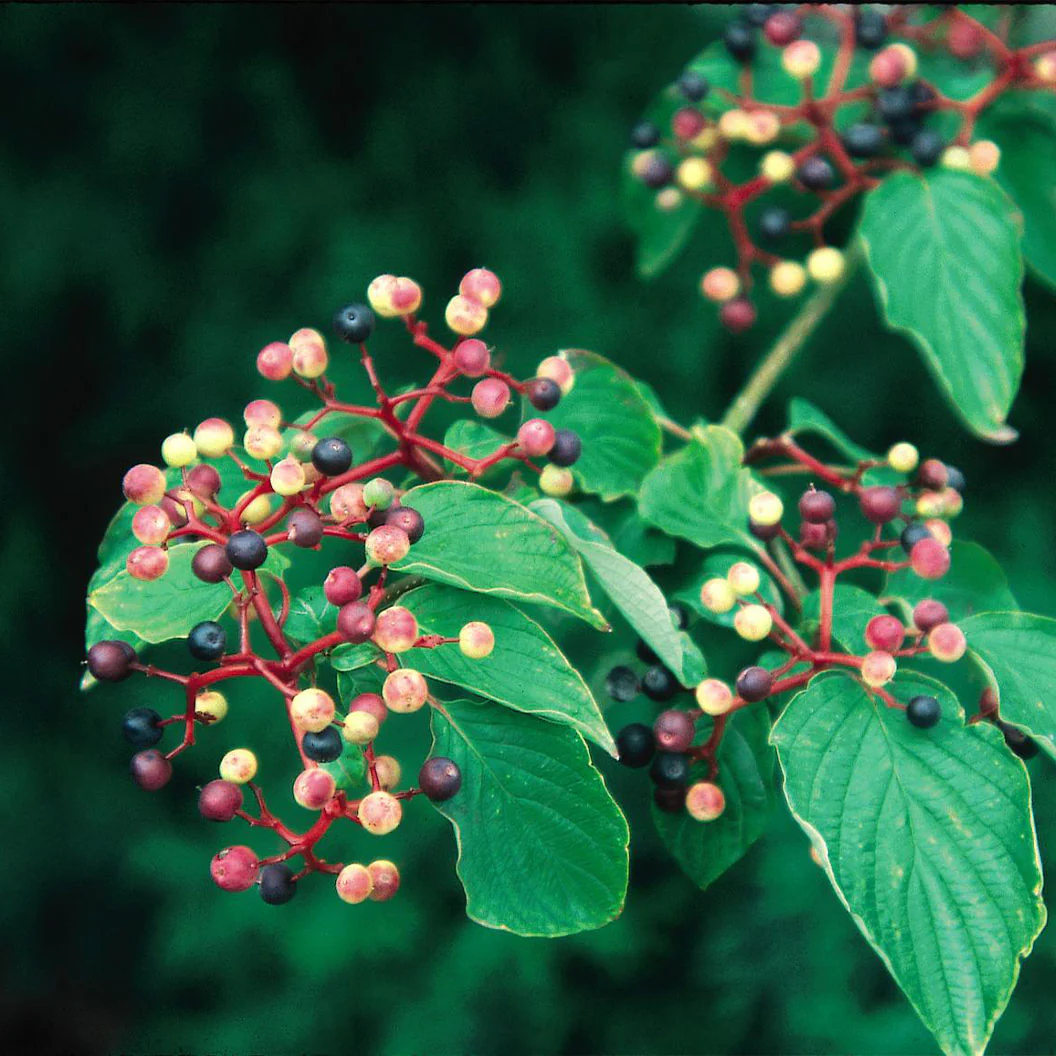
The Pagoda Dogwood is an attractive native tree that brings a unique presence to any landscape. Known for its wide, spreading tiered branches and flat-topped head, this tree creates a charming visual interest in your yard. In late spring, creamy white flowers bloom in clusters, adding a delicate touch to the greenery. These flowers give way to bluish-black fruit, which not only provides food for local wildlife but also adds an extra dimension to the tree’s appeal. As autumn approaches, the leaves transform into vibrant shades of purple and red, making this tree a striking focal point in fall landscapes.
Planting a Pagoda Dogwood is a choice that rewards you with a beautiful specimen year-round. It thrives in a variety of soil types and prefers partial shade to full sun, making it versatile for different garden layouts. The Pagoda grows best in locations with cool summers. Beyond its aesthetic value, it plays a role in supporting local ecosystems by attracting pollinators and birds. Whether you want to enhance your garden, create a cozy nook, or establish a wildlife-friendly space, this tree offers benefits far beyond its stunning appearance.
Planting & Care
1. Planting: Choose a site that offers partial shade to full sun, and ensure the soil drains well. Dig a hole that is twice as wide as the root ball and slightly shallower than the root ball’s height. Backfill with soil, ensuring the top of the root ball is level with the ground surface, then water thoroughly.
2. Watering: Keep the soil consistently moist, especially during the first two years as the tree establishes. Once established, it is relatively drought-tolerant, but occasional deep watering during dry spells will help promote healthy growth.
3. Pruning: Light pruning can help maintain the tree’s shape and remove any dead or damaged branches. Prune in late winter or early spring before new growth starts to ensure a healthy canopy.
4. Fertilizing: A balanced, slow-release fertilizer can be applied in the spring as a boost for young trees. For established trees, fertilizing may not be necessary, but if growth seems slow or leaves appear pale, a light feeding can help revive its vigor.
Details & Craftsmanship
Every detail has been carefully considered to bring you the perfect product.
Details & Craftsmanship
Every detail has been carefully considered to bring you the perfect product.
Details & Craftsmanship
Every detail has been carefully considered to bring you the perfect product.
Description
A graceful addition with stunning seasonal features
The Pagoda Dogwood is an attractive native tree that brings a unique presence to any landscape. Known for its wide, spreading tiered branches and flat-topped head, this tree creates a charming visual interest in your yard. In late spring, creamy white flowers bloom in clusters, adding a delicate touch to the greenery. These flowers give way to bluish-black fruit, which not only provides food for local wildlife but also adds an extra dimension to the tree’s appeal. As autumn approaches, the leaves transform into vibrant shades of purple and red, making this tree a striking focal point in fall landscapes.
Planting a Pagoda Dogwood is a choice that rewards you with a beautiful specimen year-round. It thrives in a variety of soil types and prefers partial shade to full sun, making it versatile for different garden layouts. The Pagoda grows best in locations with cool summers. Beyond its aesthetic value, it plays a role in supporting local ecosystems by attracting pollinators and birds. Whether you want to enhance your garden, create a cozy nook, or establish a wildlife-friendly space, this tree offers benefits far beyond its stunning appearance.
Planting & Care
1. Planting: Choose a site that offers partial shade to full sun, and ensure the soil drains well. Dig a hole that is twice as wide as the root ball and slightly shallower than the root ball’s height. Backfill with soil, ensuring the top of the root ball is level with the ground surface, then water thoroughly.
2. Watering: Keep the soil consistently moist, especially during the first two years as the tree establishes. Once established, it is relatively drought-tolerant, but occasional deep watering during dry spells will help promote healthy growth.
3. Pruning: Light pruning can help maintain the tree’s shape and remove any dead or damaged branches. Prune in late winter or early spring before new growth starts to ensure a healthy canopy.
4. Fertilizing: A balanced, slow-release fertilizer can be applied in the spring as a boost for young trees. For established trees, fertilizing may not be necessary, but if growth seems slow or leaves appear pale, a light feeding can help revive its vigor.