Original: $37.95
-65%$37.95
$13.28The Story
Versatile Ginger Plant with Countless Uses
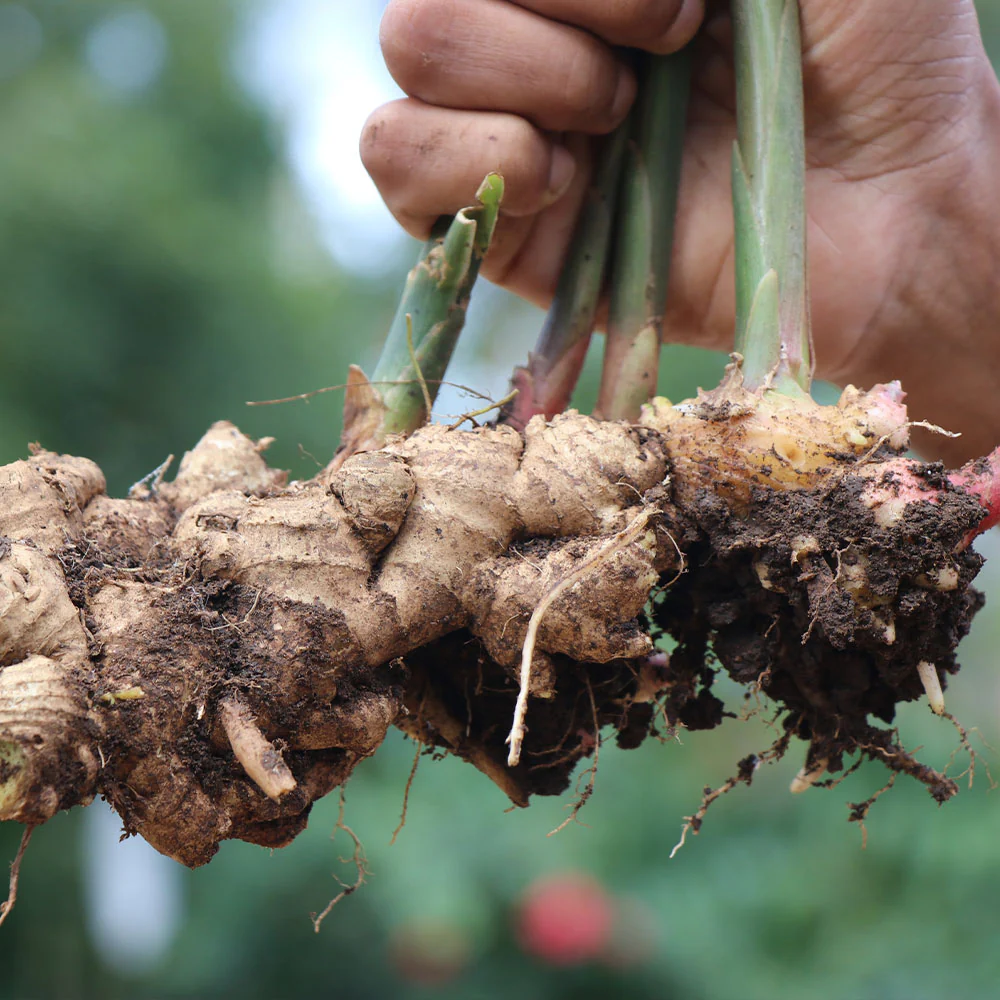
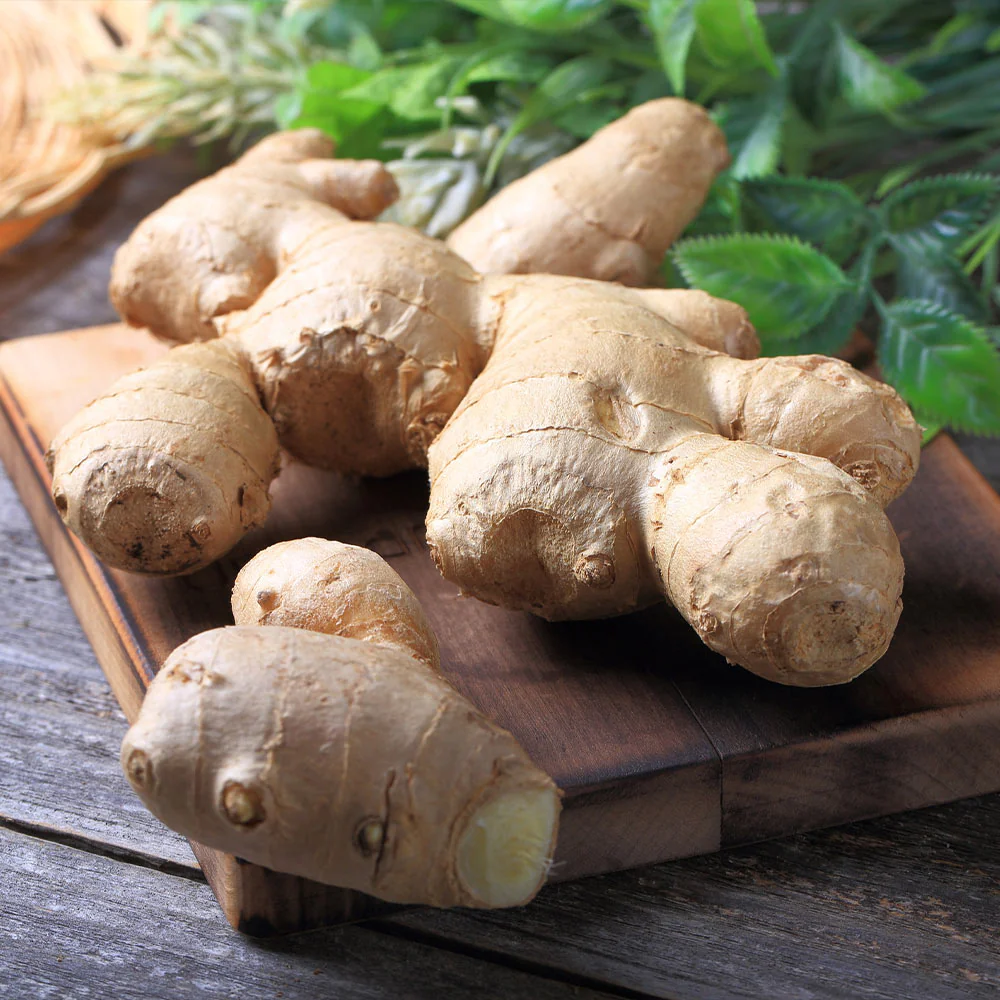
Ginger packs a flavorful punch, with its distinctive taste and scent. Versatile and aromatic, it can be used fresh, fried, preserved, or ground. Fresh ginger's light spiciness, tangy freshness, warmth, and mellow sweetness will compliment a wide range of cuisines and pairs well with many other flavors. Add its distinctive flavor to baked goods, teas, curries, and soups.
While this tropical plant thrives in hot, humid conditions, you can grow ginger in a container or as an annual in cooler climates. This product is Certified Organic by Clemson University. Order yours today!
Planting & Care
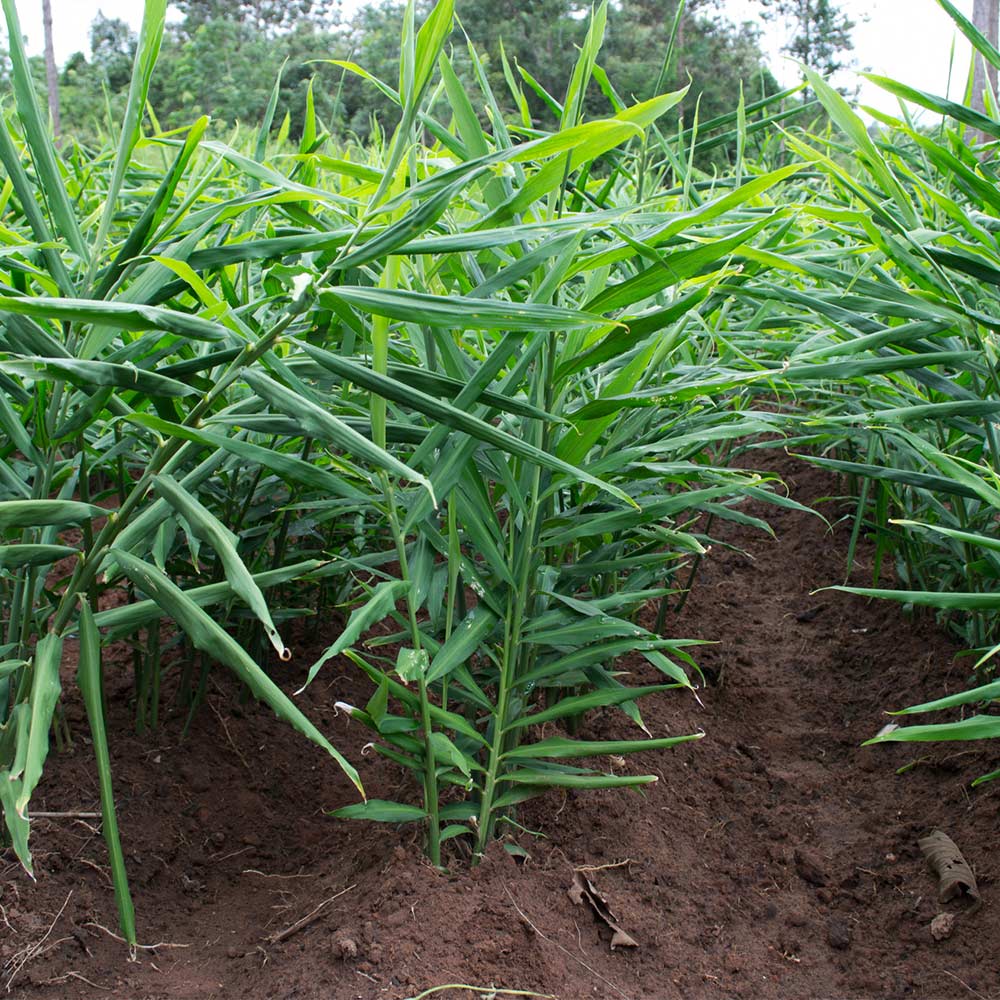
1. Planting: Select a spot where the ginger will receive full or partial shade and little to no direct sun. Mix some garden soil with an equal ratio of well rotted compost for a good high quality growing environment.
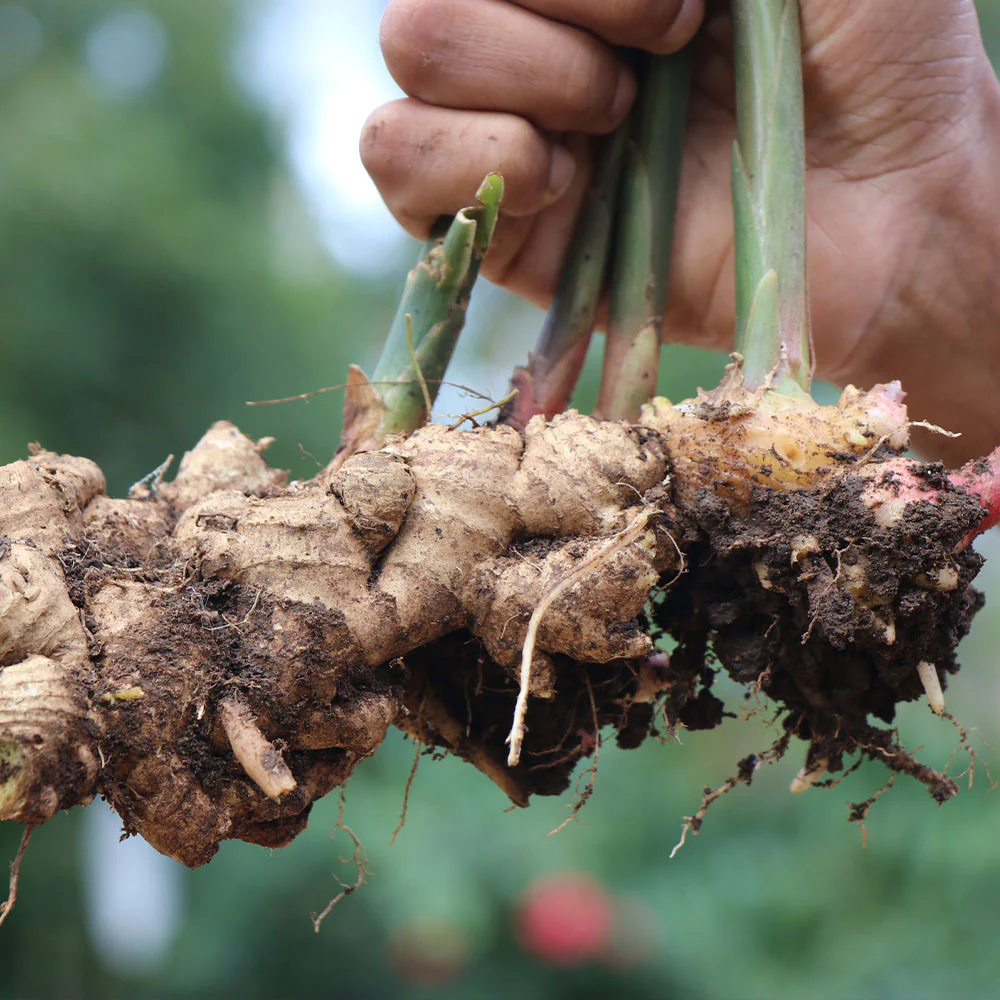
Plant your growing tips with the eye(s) facing upwards and then cover with about one inch of soil. Eyes (or growth buds) are the little horn-like ends to the root. Space your tips in a row and 15 inches apart from one another.
Be sure to mulch it thickly to help keep the ground moist. Mulching will help to feed the ginger as it breaks down and will keep competing weeds away.
Ginger is a tropical plant and cannot tolerate cold or frosts. Be sure to get your ginger planted after the last spring frost. If you live in a more tropical climate, start at the beginning of the wet season. You can also get a jump start on the season by potting the ginger indoors while the weather is still on the cooler side. Ginger has the best success if grown when the temperature is around 77 degrees and a soil pH of 5.5 to 6.5.
Potted ginger is planted the same as in the ground but can be easily moved indoors if the temperatures fluctuate frequently. Be sure your pot is at least 12 inches deep.
2. Watering: Ginger does need a lot of moisture while actively growing but will not survive in standing water. Water sparingly until the top growth develops. Keep the soil damp up to the last 1-2 months and then stop to create a dry season. This combined with the day's length will encourage the proper rhizome formation. Stems of the ginger will turn yellow in late summer or early fall, and this is a good indicator to stop watering.
3. Fertilizing: Providing the ginger is being grown in nutrient-rich soil there should not be a need to fertilize. If your soil is lacking in nutrients or you receive heavy rainfall then you will need to feed it regularly. Work some organic, slow release fertilizer into the soil when you plant, then switch to a fish fertilizer or seaweed extract.
Details & Craftsmanship
Every detail has been carefully considered to bring you the perfect product.
Details & Craftsmanship
Every detail has been carefully considered to bring you the perfect product.
Details & Craftsmanship
Every detail has been carefully considered to bring you the perfect product.
Description
Versatile Ginger Plant with Countless Uses
Ginger packs a flavorful punch, with its distinctive taste and scent. Versatile and aromatic, it can be used fresh, fried, preserved, or ground. Fresh ginger's light spiciness, tangy freshness, warmth, and mellow sweetness will compliment a wide range of cuisines and pairs well with many other flavors. Add its distinctive flavor to baked goods, teas, curries, and soups.
While this tropical plant thrives in hot, humid conditions, you can grow ginger in a container or as an annual in cooler climates. This product is Certified Organic by Clemson University. Order yours today!
Planting & Care
1. Planting: Select a spot where the ginger will receive full or partial shade and little to no direct sun. Mix some garden soil with an equal ratio of well rotted compost for a good high quality growing environment.
Plant your growing tips with the eye(s) facing upwards and then cover with about one inch of soil. Eyes (or growth buds) are the little horn-like ends to the root. Space your tips in a row and 15 inches apart from one another.
Be sure to mulch it thickly to help keep the ground moist. Mulching will help to feed the ginger as it breaks down and will keep competing weeds away.
Ginger is a tropical plant and cannot tolerate cold or frosts. Be sure to get your ginger planted after the last spring frost. If you live in a more tropical climate, start at the beginning of the wet season. You can also get a jump start on the season by potting the ginger indoors while the weather is still on the cooler side. Ginger has the best success if grown when the temperature is around 77 degrees and a soil pH of 5.5 to 6.5.
Potted ginger is planted the same as in the ground but can be easily moved indoors if the temperatures fluctuate frequently. Be sure your pot is at least 12 inches deep.
2. Watering: Ginger does need a lot of moisture while actively growing but will not survive in standing water. Water sparingly until the top growth develops. Keep the soil damp up to the last 1-2 months and then stop to create a dry season. This combined with the day's length will encourage the proper rhizome formation. Stems of the ginger will turn yellow in late summer or early fall, and this is a good indicator to stop watering.
3. Fertilizing: Providing the ginger is being grown in nutrient-rich soil there should not be a need to fertilize. If your soil is lacking in nutrients or you receive heavy rainfall then you will need to feed it regularly. Work some organic, slow release fertilizer into the soil when you plant, then switch to a fish fertilizer or seaweed extract.