Original: $109.95
-65%$109.95
$38.48The Story
A stunning fusion of beauty and resilience
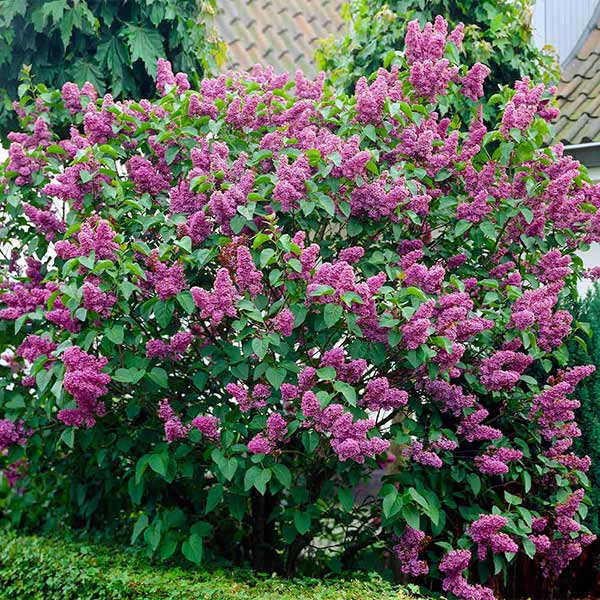
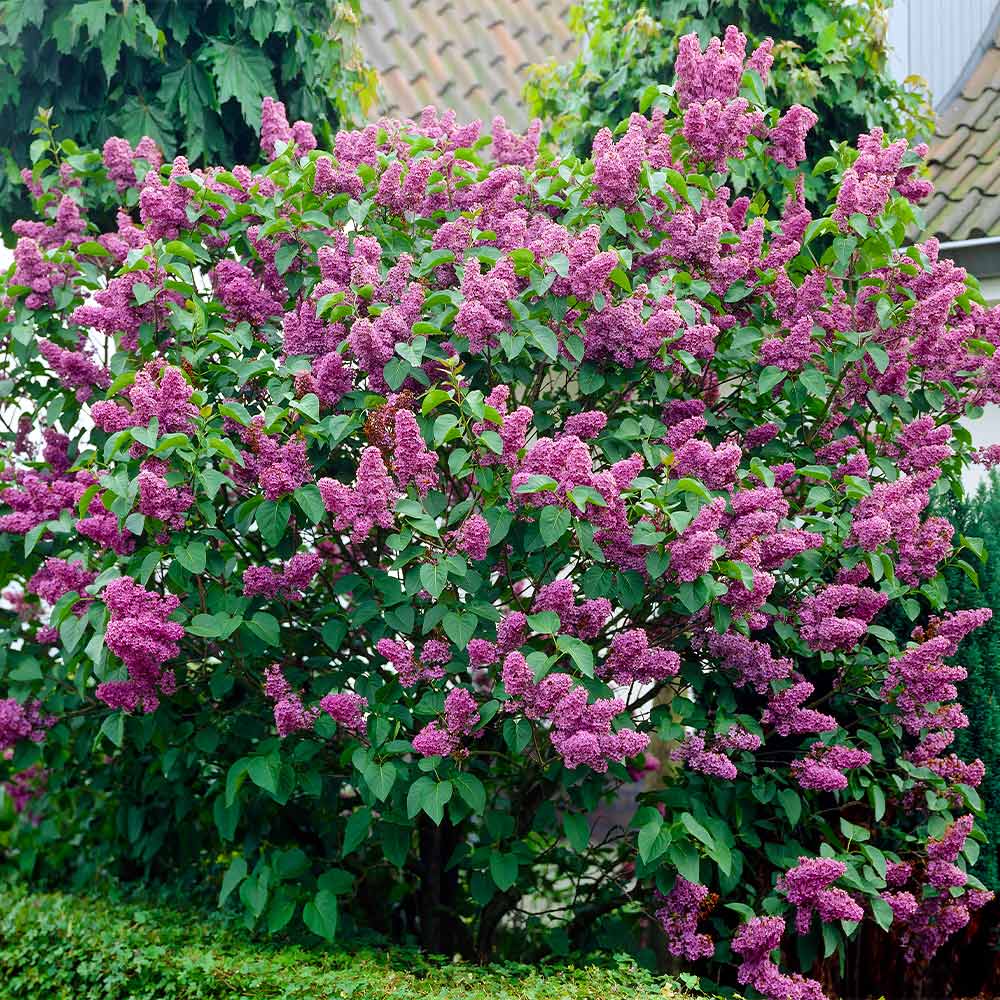
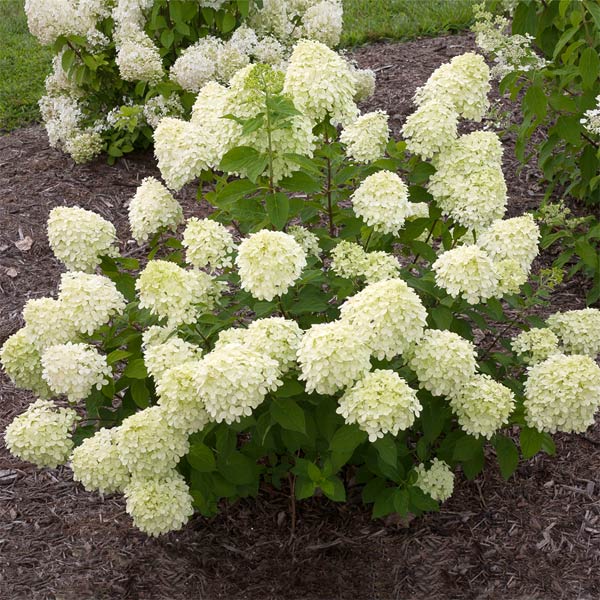
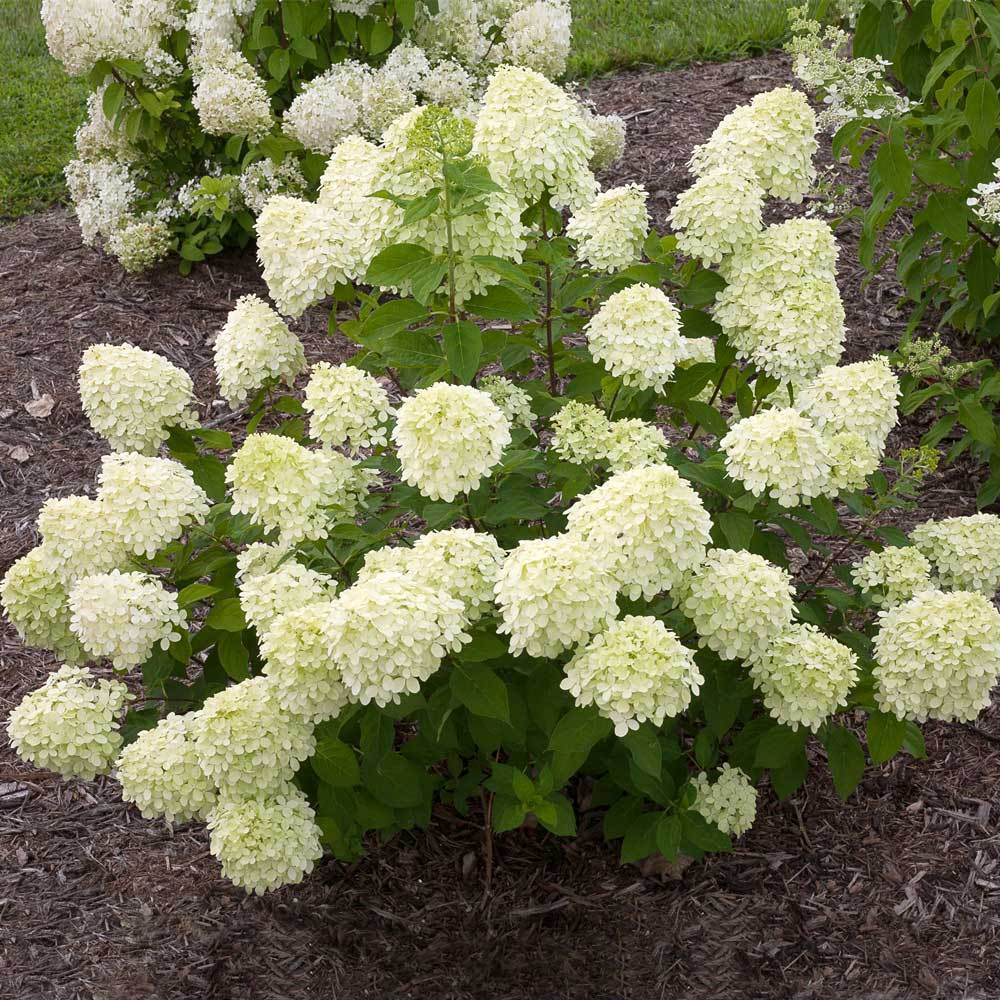
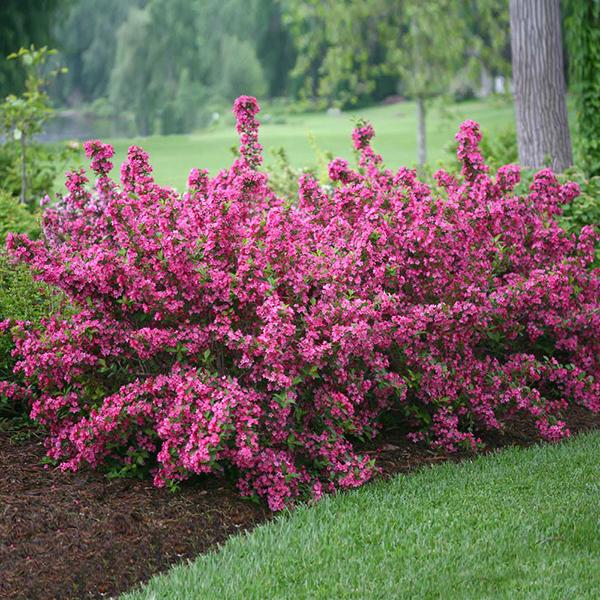
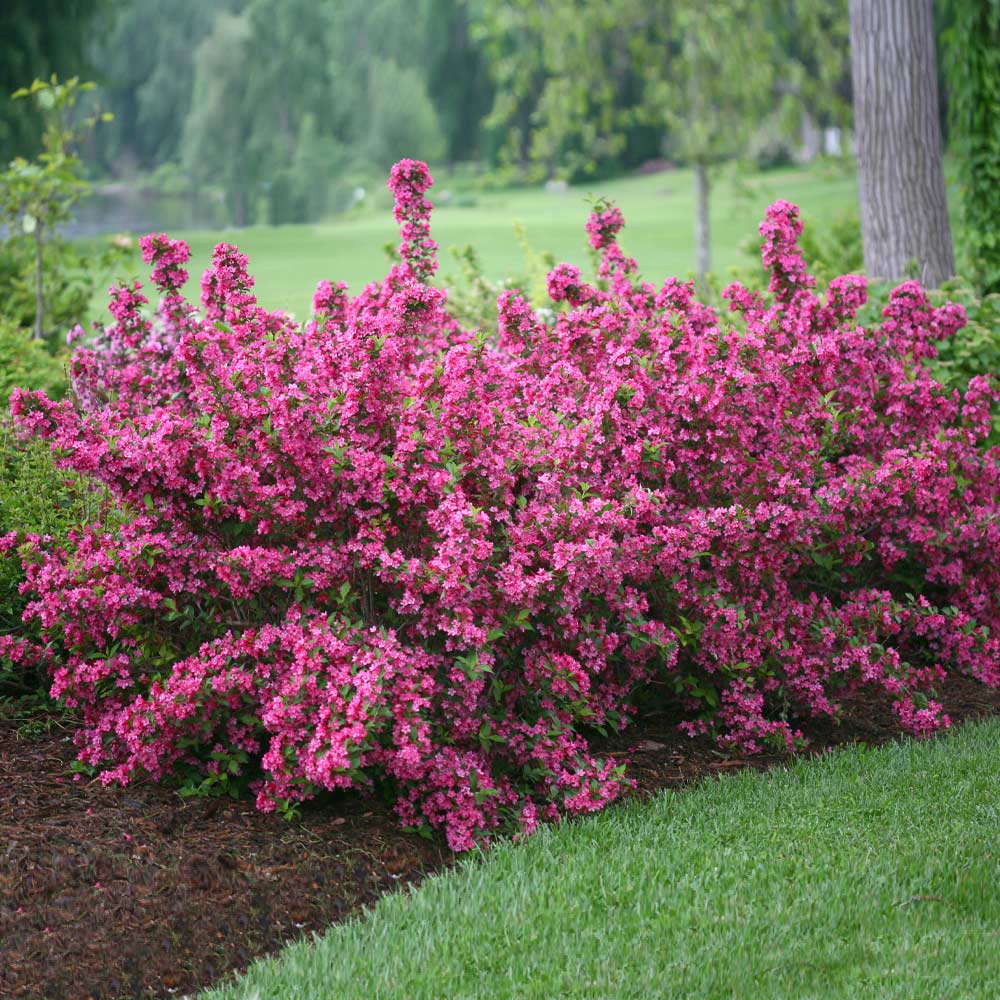
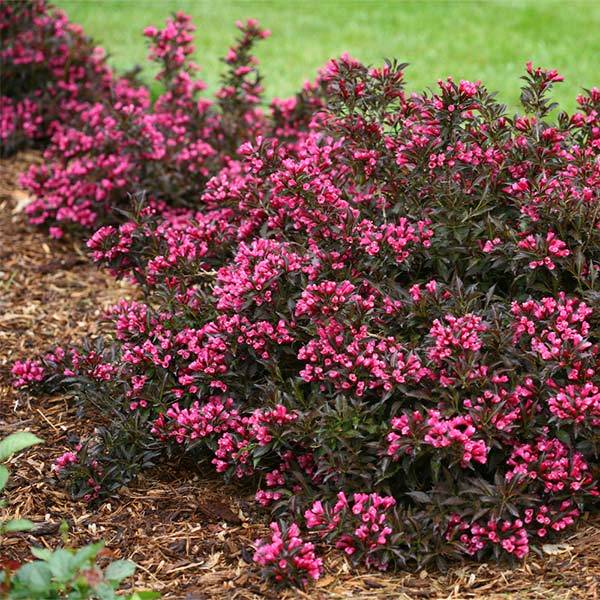
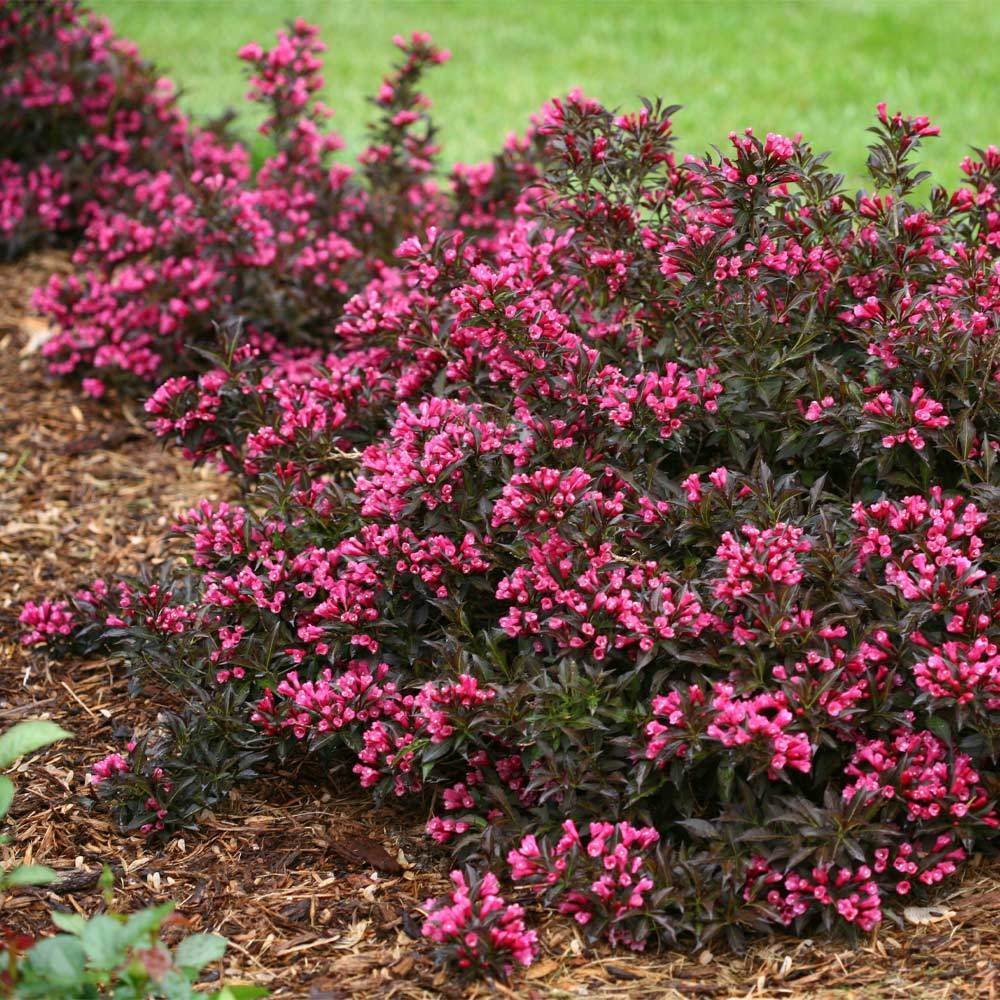
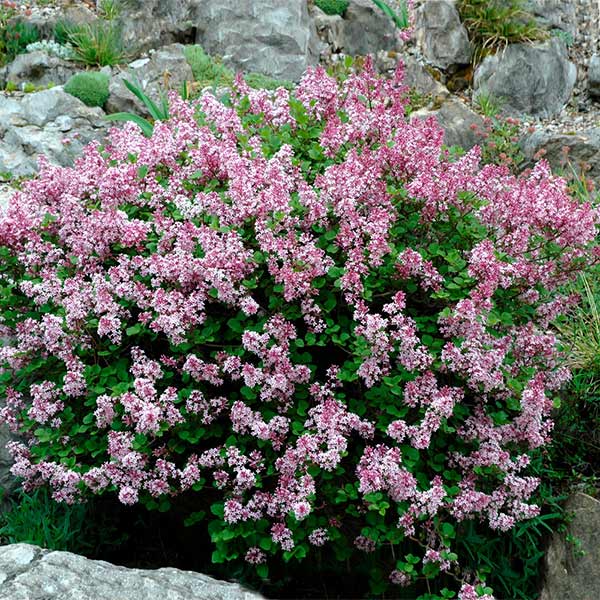
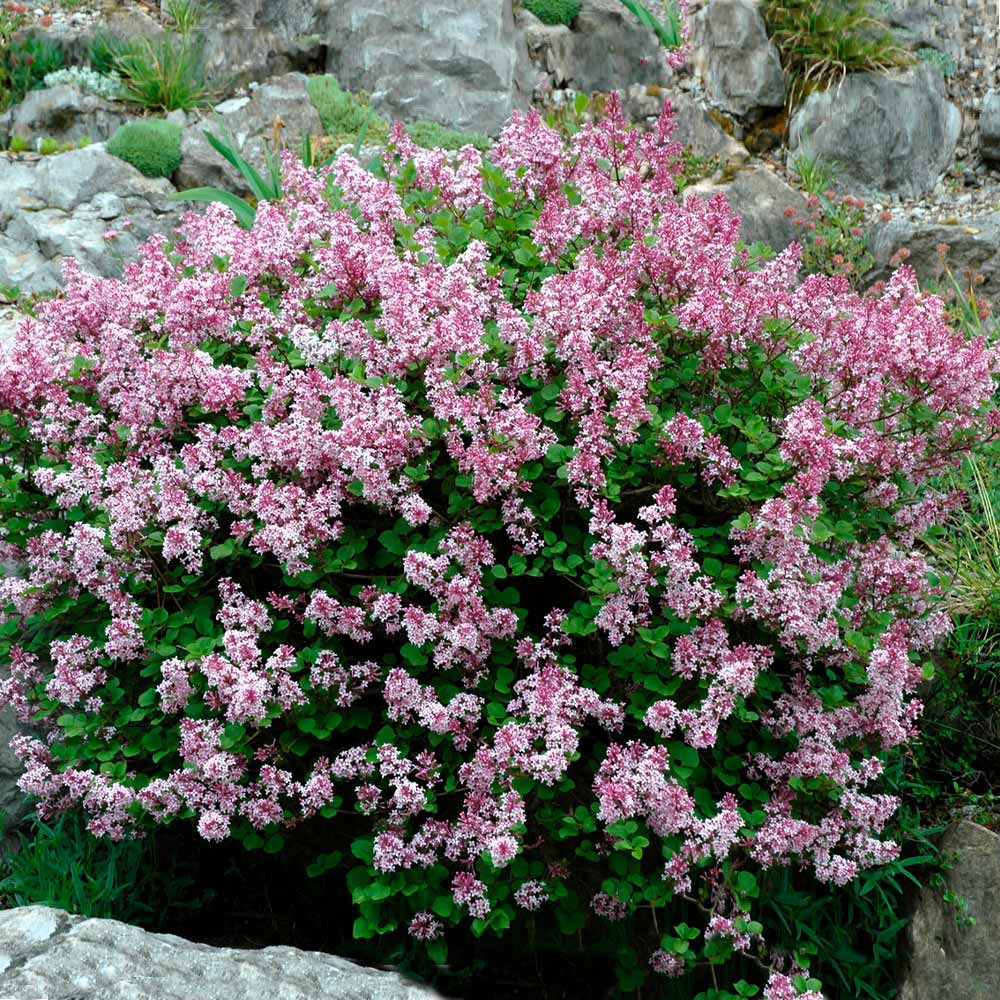
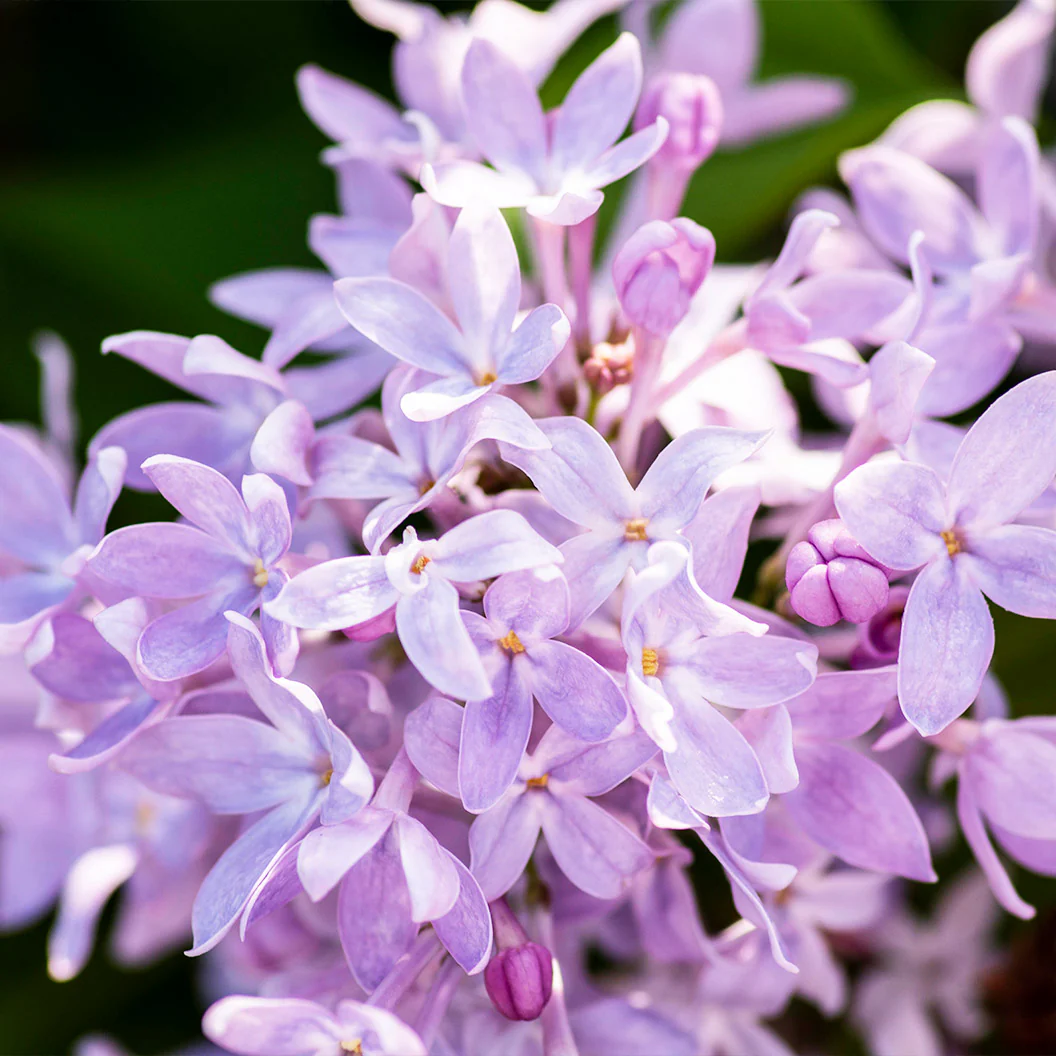
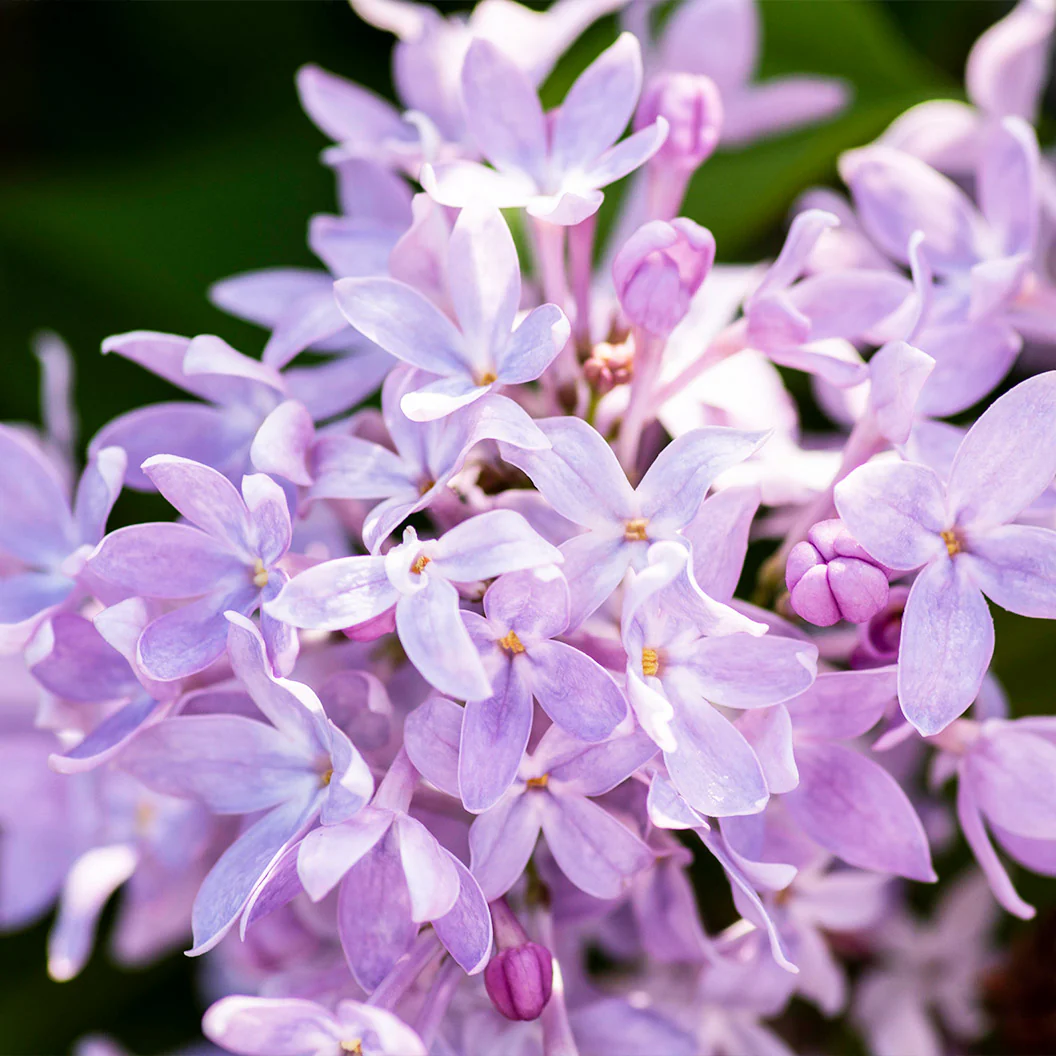
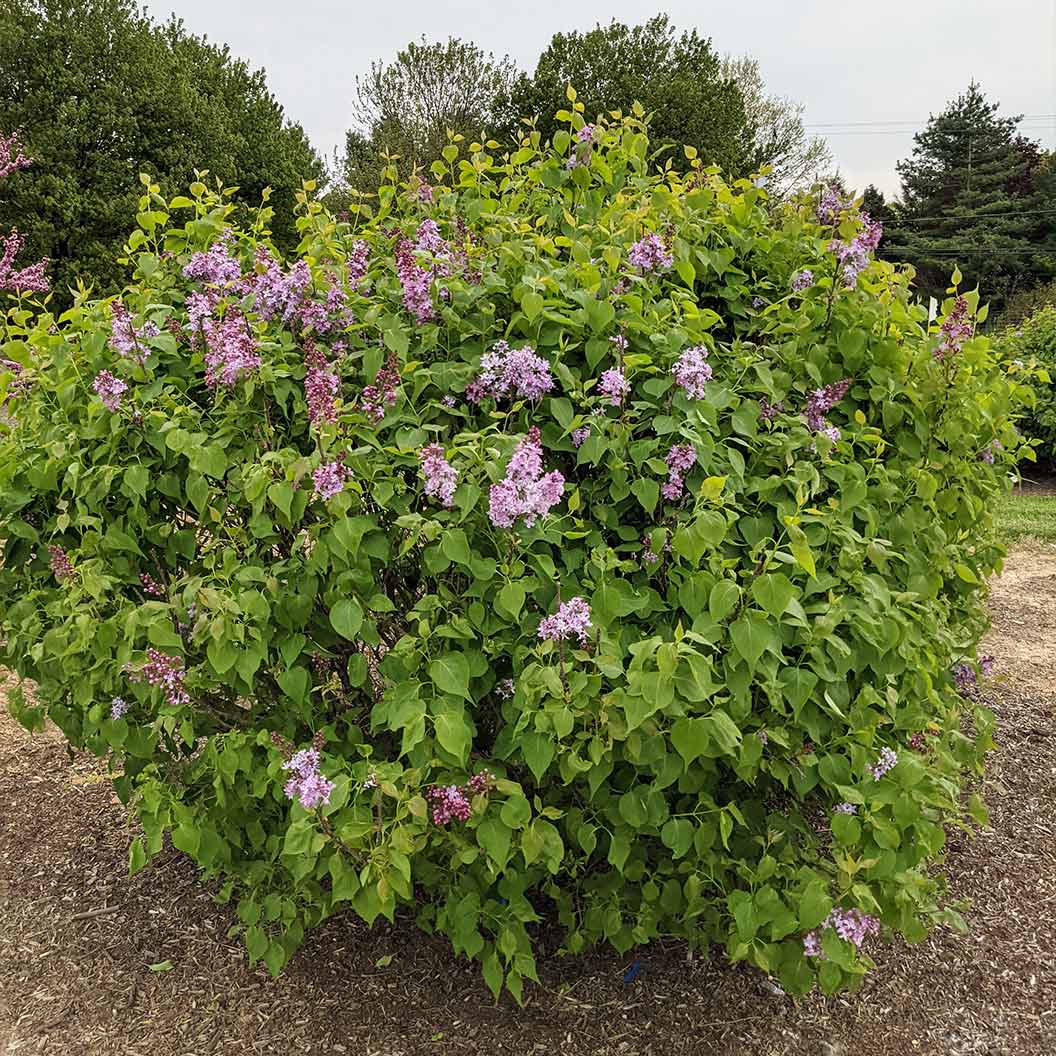
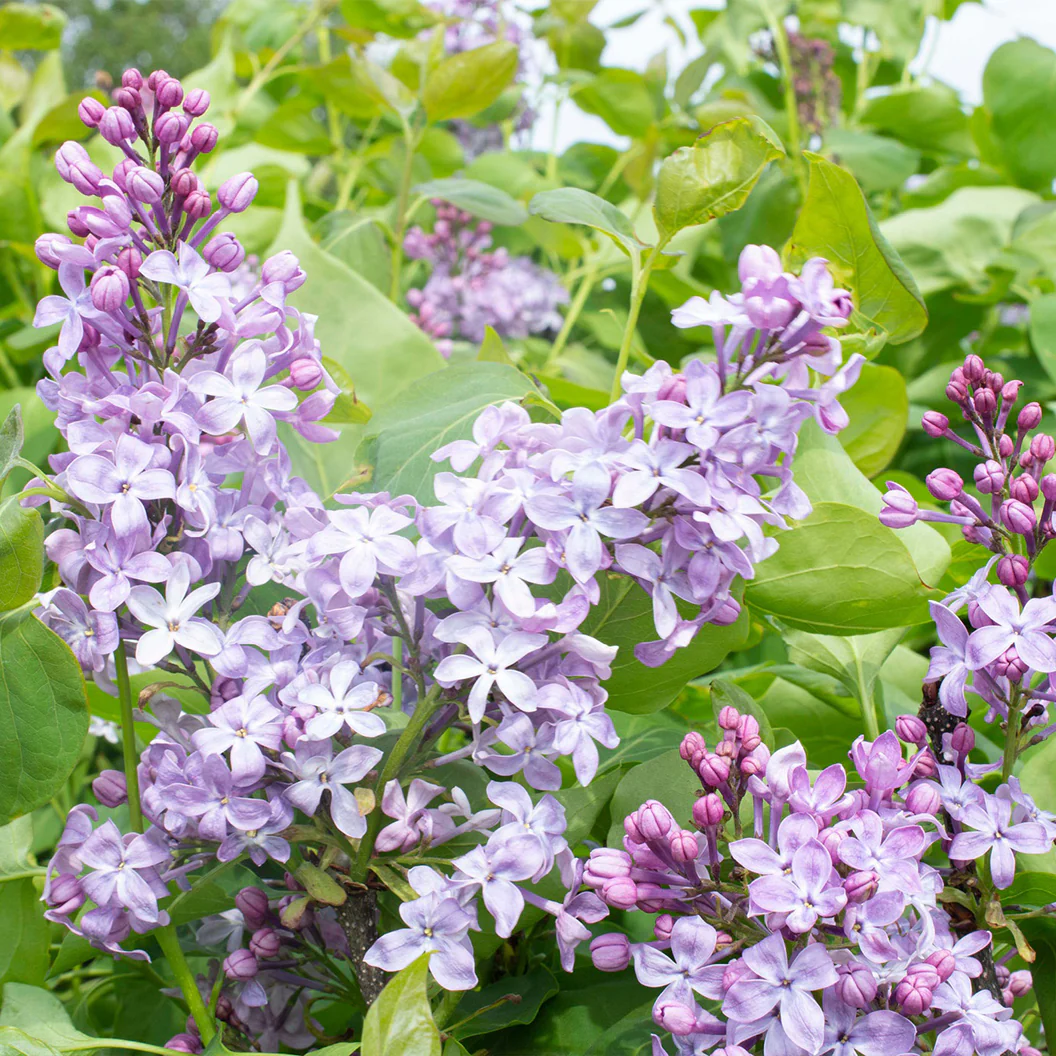
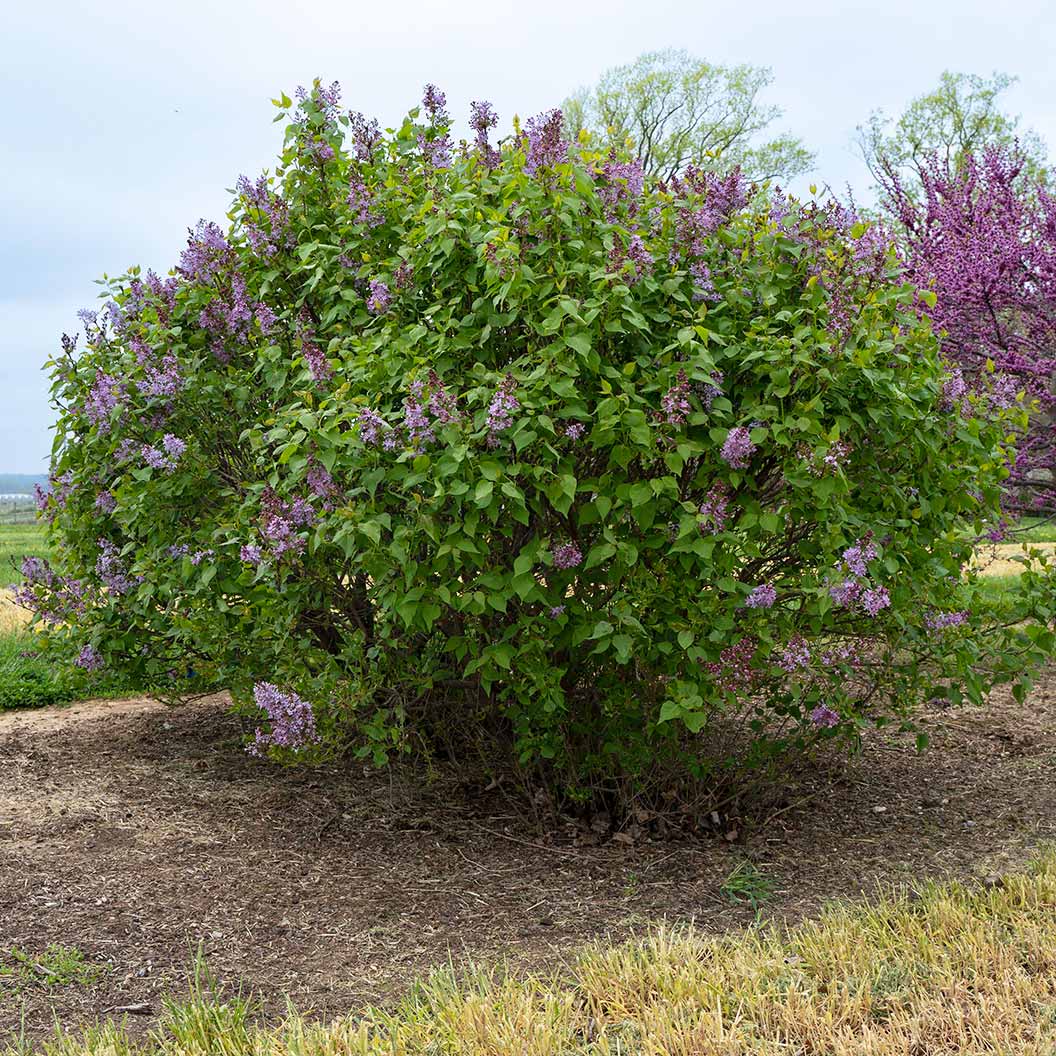
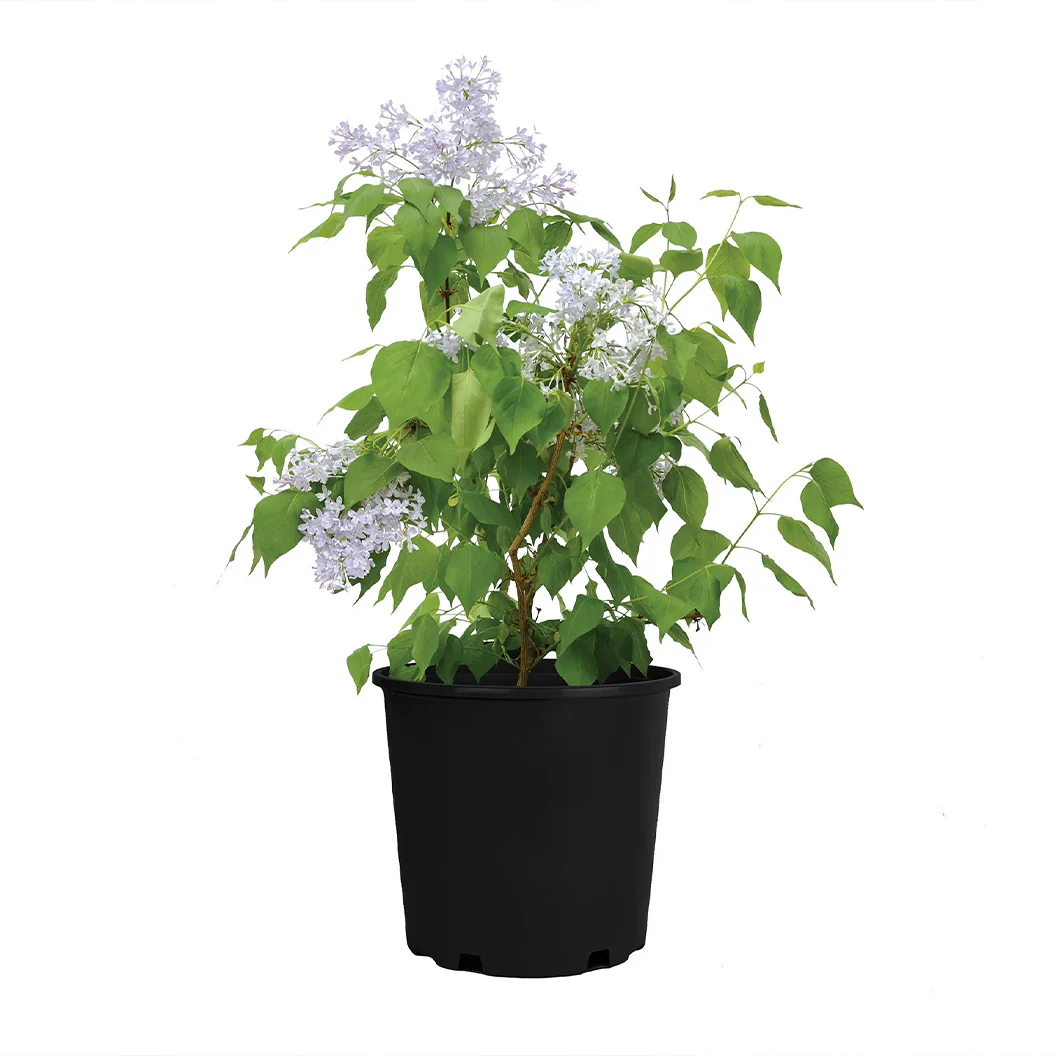
The New Age™ Lavender Syringa Shrub is an enchanting addition to any garden, offering exquisite lavender blooms that not only please the eye but also fill the air with a delightful fragrance. This deciduous shrub is known for its compact growth habit, making it an ideal choice for smaller spaces or as a colorful border in larger landscapes. Its vibrant flowers typically appear in late spring to early summer, providing a burst of color that attracts pollinators like bees and butterflies, enhancing the biodiversity of your yard.
Beyond its beauty, this lavender shrub is well-suited for colder climates and types of soil, making it a low-maintenance option for gardeners. It's drought-tolerant once established, making it a great choice for eco-conscious gardeners looking to minimize water usage while still enjoying a vibrant garden. The combination of its hardy nature and stunning blossoms means the New Age™ Lavender Syringa is not just a plant; it’s an investment in long-term beauty for your landscape.
Planting & Care
1. Planting: Plant or repot within 4 weeks of arrival. Choose a site with well-drained soil and full sun exposure. Dig a hole twice the width of the root ball, place the shrub gently in the hole, and fill it with soil. Spread a 3 feet layer of mulch around the shrub. Water thoroughly to settle the soil.
2. Watering: Water regularly during the first growing season to promote root development. Once established, this shrub is drought-tolerant; provide supplemental water during prolonged dry spells.
3. Pruning: Prune immediately after flowering to shape plant and open up for more air circulation and light penetration. Dead or diseased wood can be pruned down to soil level.
4. Fertilizing: Fertilize with a slow-release, balanced fertilizer in early spring to support healthy growth. Avoid over-fertilizing, as this can lead to excessive foliage at the expense of blooms.
Details & Craftsmanship
Every detail has been carefully considered to bring you the perfect product.
Details & Craftsmanship
Every detail has been carefully considered to bring you the perfect product.
Details & Craftsmanship
Every detail has been carefully considered to bring you the perfect product.
Details & Craftsmanship
Every detail has been carefully considered to bring you the perfect product.
Details & Craftsmanship
Every detail has been carefully considered to bring you the perfect product.
Description
A stunning fusion of beauty and resilience
The New Age™ Lavender Syringa Shrub is an enchanting addition to any garden, offering exquisite lavender blooms that not only please the eye but also fill the air with a delightful fragrance. This deciduous shrub is known for its compact growth habit, making it an ideal choice for smaller spaces or as a colorful border in larger landscapes. Its vibrant flowers typically appear in late spring to early summer, providing a burst of color that attracts pollinators like bees and butterflies, enhancing the biodiversity of your yard.
Beyond its beauty, this lavender shrub is well-suited for colder climates and types of soil, making it a low-maintenance option for gardeners. It's drought-tolerant once established, making it a great choice for eco-conscious gardeners looking to minimize water usage while still enjoying a vibrant garden. The combination of its hardy nature and stunning blossoms means the New Age™ Lavender Syringa is not just a plant; it’s an investment in long-term beauty for your landscape.
Planting & Care
1. Planting: Plant or repot within 4 weeks of arrival. Choose a site with well-drained soil and full sun exposure. Dig a hole twice the width of the root ball, place the shrub gently in the hole, and fill it with soil. Spread a 3 feet layer of mulch around the shrub. Water thoroughly to settle the soil.
2. Watering: Water regularly during the first growing season to promote root development. Once established, this shrub is drought-tolerant; provide supplemental water during prolonged dry spells.
3. Pruning: Prune immediately after flowering to shape plant and open up for more air circulation and light penetration. Dead or diseased wood can be pruned down to soil level.
4. Fertilizing: Fertilize with a slow-release, balanced fertilizer in early spring to support healthy growth. Avoid over-fertilizing, as this can lead to excessive foliage at the expense of blooms.