Original: $72.95
-65%$72.95
$25.53The Story
Compact size, big flavor
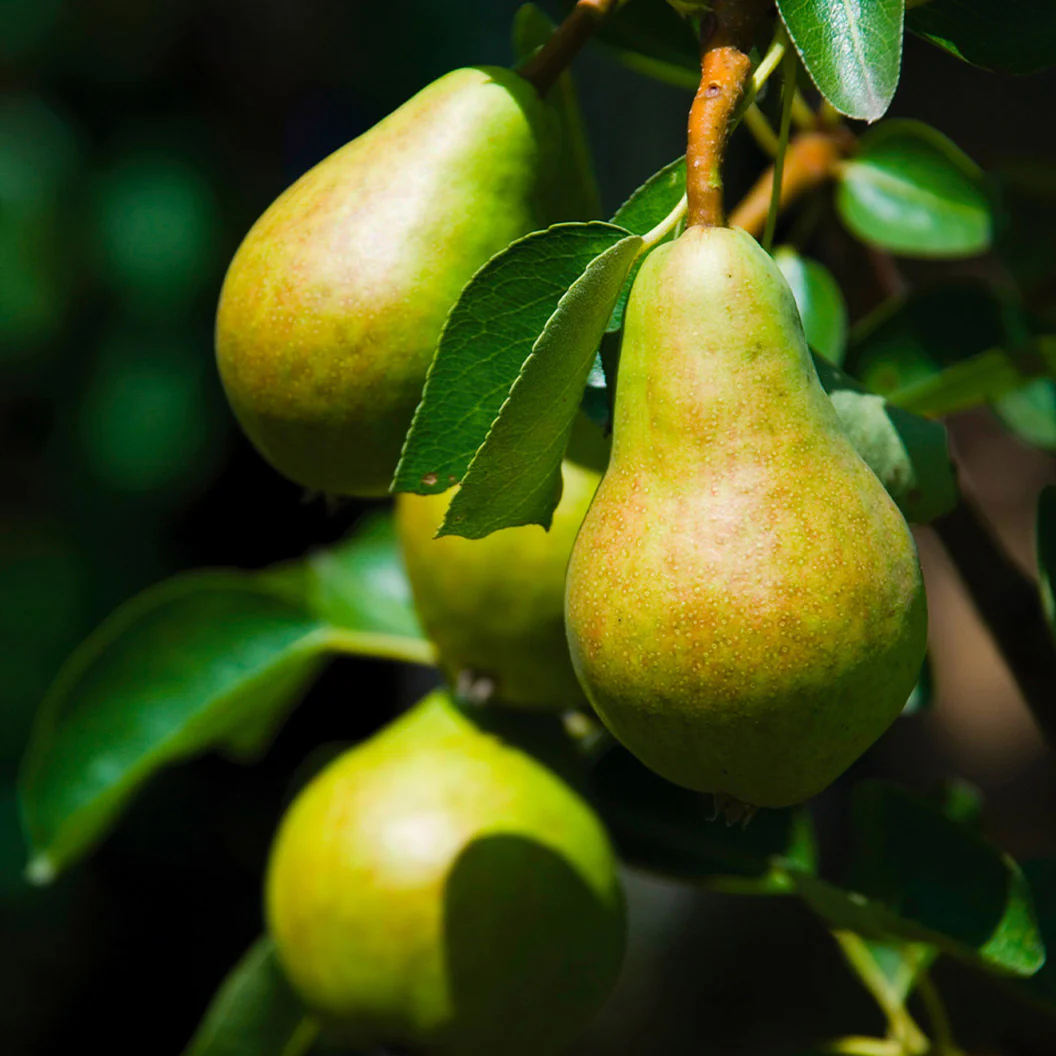
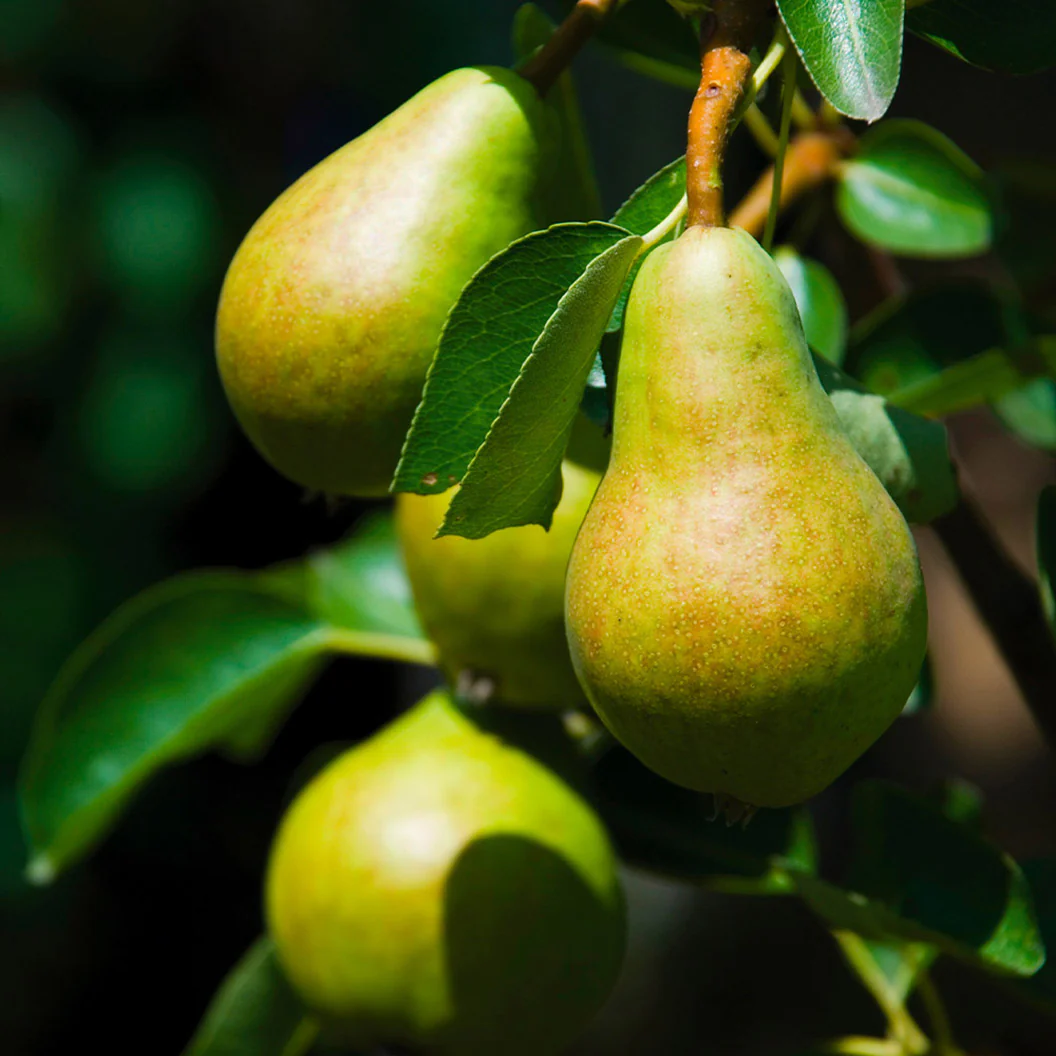
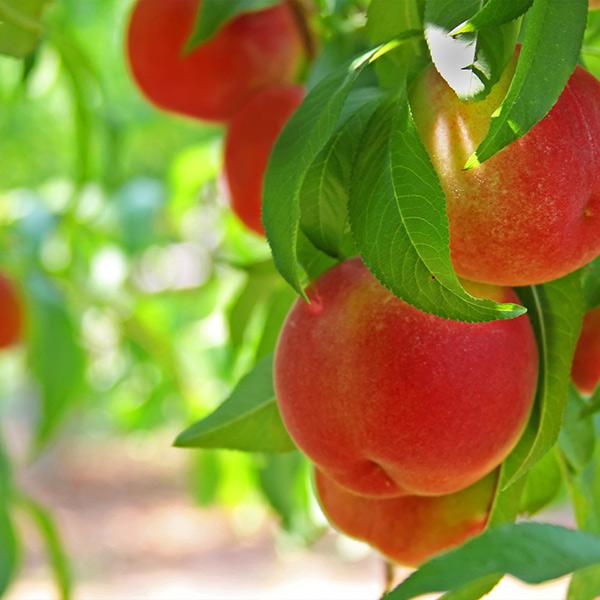
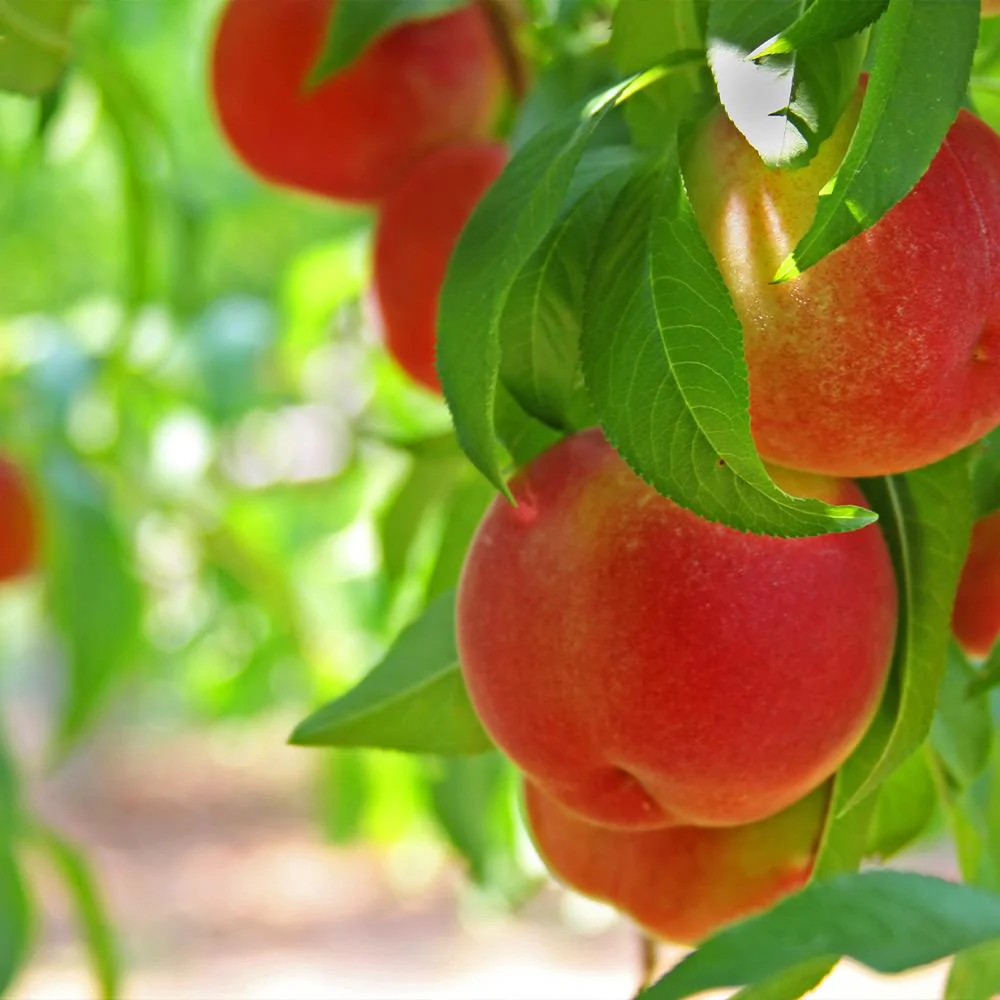
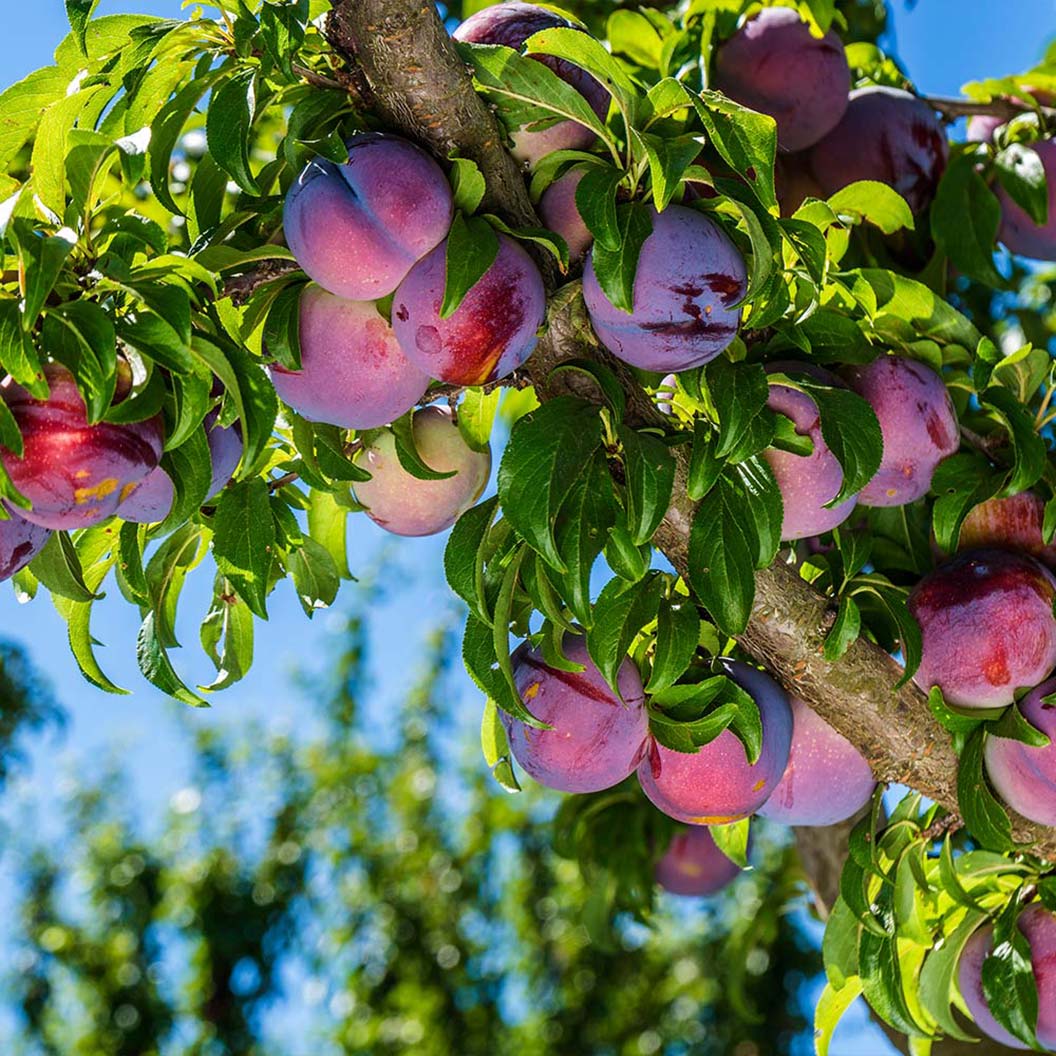
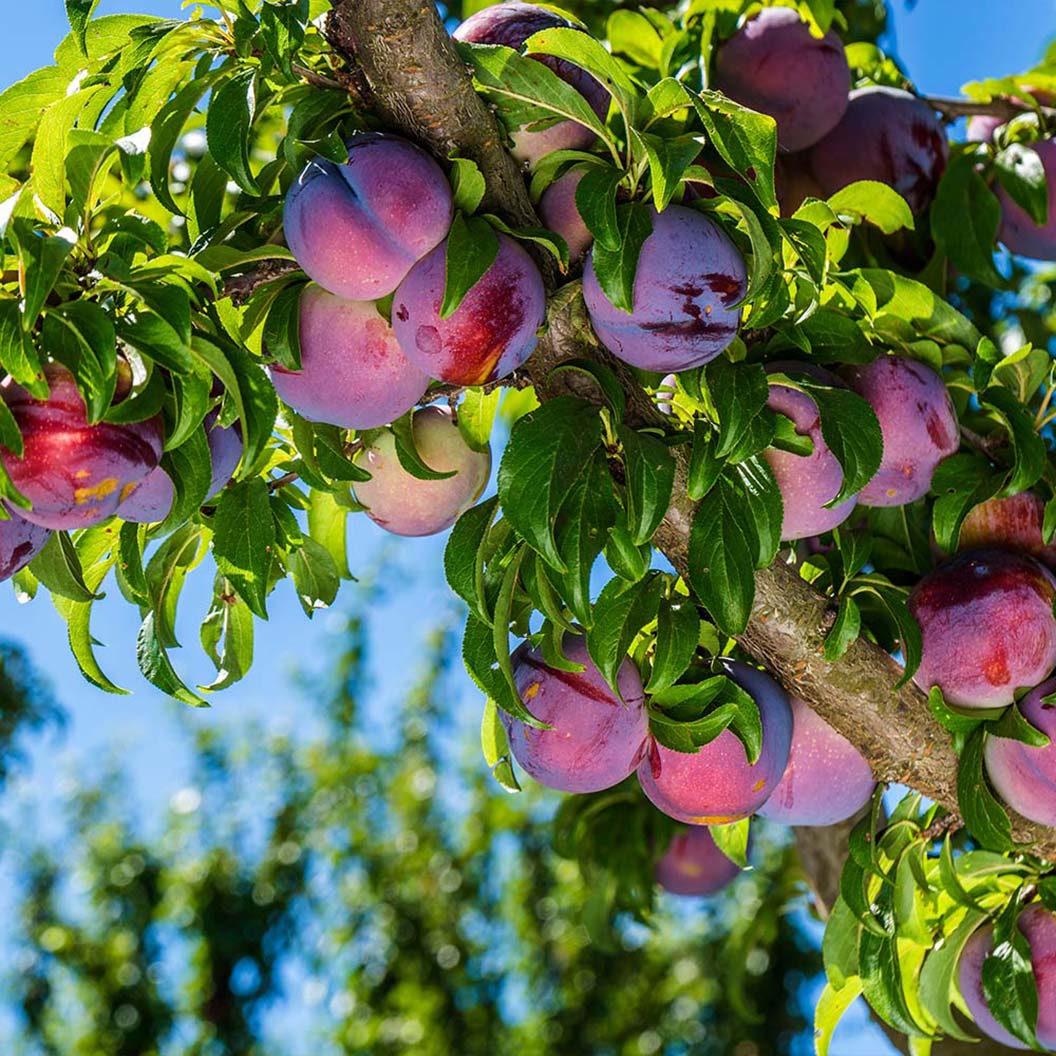
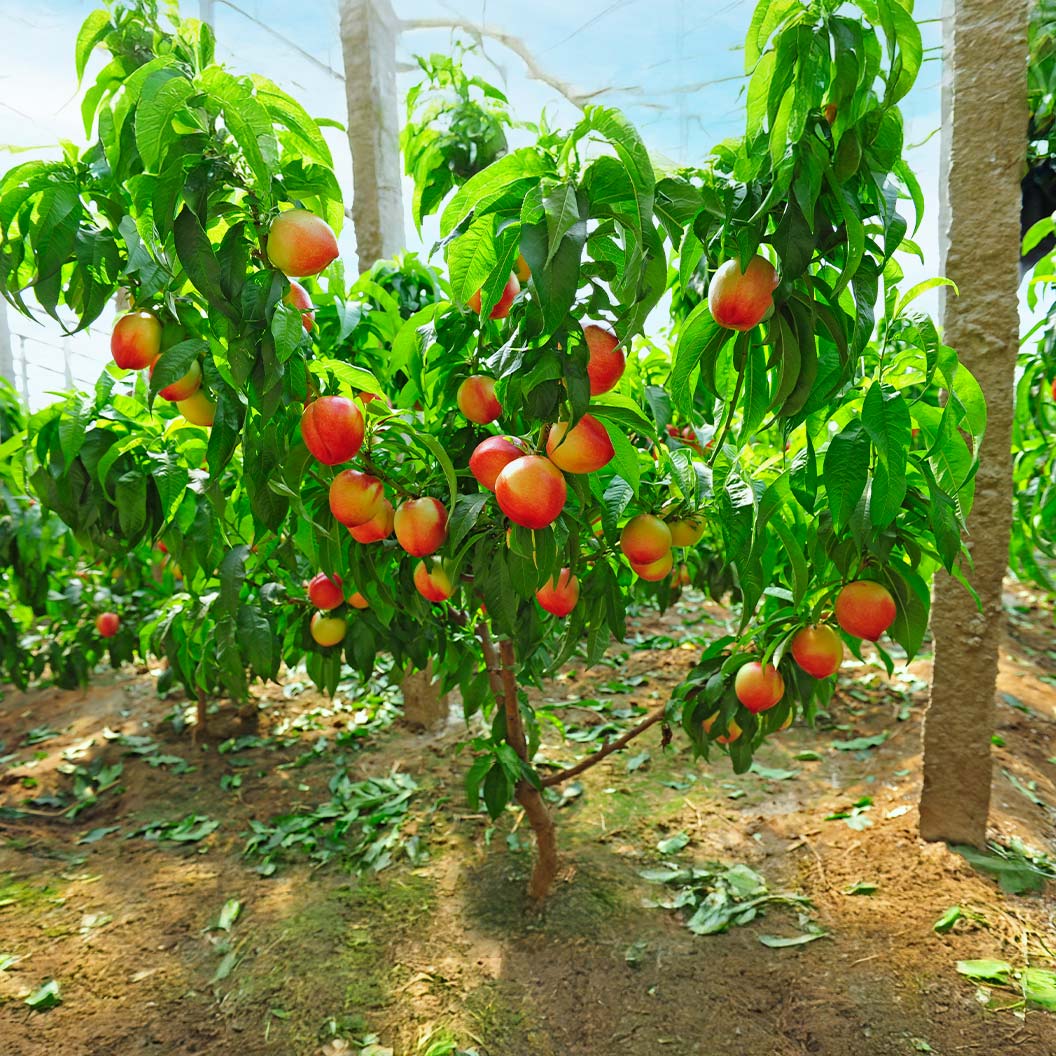
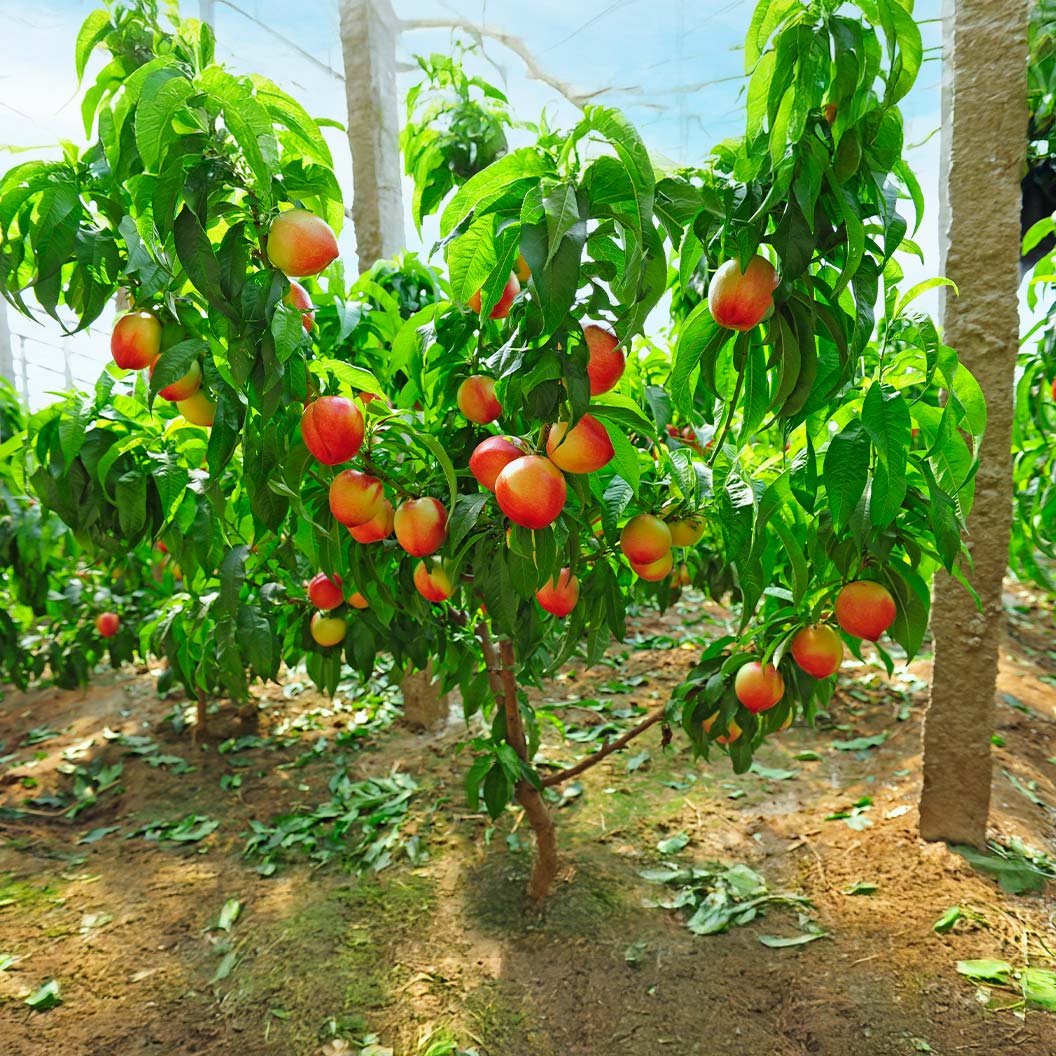
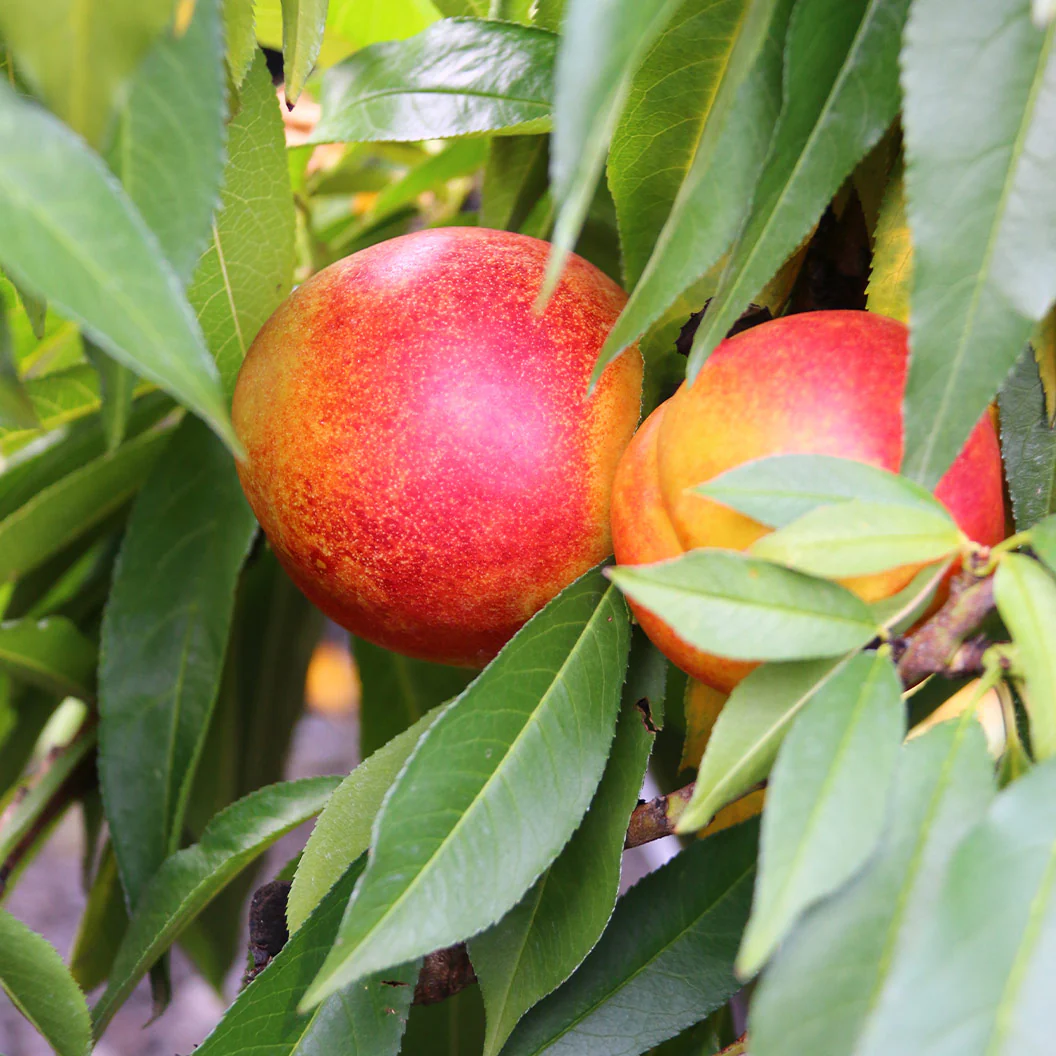
If you’re dreaming of homegrown sweet nectarines without the space for a sprawling orchard, this miniature tree is the perfect solution. Standing as a naturally dwarf variety, it produces full-size, juicy nectarines right from your patio or smaller garden, bringing fresh fruit pangs and delightful scents into your everyday life. As a self-fertile tree, it doesn’t require a partner for pollination, ensuring a bountiful harvest even in tighter spaces.
This tree is impressively cold hardy and only needs 400 chill hours, making it ideal for various climates. Early ripening means you’ll enjoy those delicious fruits sooner in the season, allowing for endless sweet treats, whether fresh, preserved, or incorporated into desserts. Adding this charming tree to your yard or container garden elevates both the aesthetic and the culinary experience of your space.
Planting & Care
1. Planting: Plant or repot within 4 weeks of arrival.
Choose a well-drained garden spot that receives sun for at least 6-8 hours a day. Dig a hole twice as wide as the rootball and as deep. Place the tree in the center of the hole, so that the top of the rootball is level with the soil line. Add high quality compost, then backfill with native soil. Add a layer of mulch 3 feet around the tree to conserve moisture, insulate roots, and suppress weeds.
Container growth: Chose a container 2-3" larger than the nursery pot. Be sure the container has drainage holes and use a standard potting mix. Water until you see water coming from drainage holes. Allow the soil to dry 2" before watering again. For winter, in zones 6-7, move the container into a protected area like a garage or shed. Do not move the container into a heated area, as this prevents the plant from getting chill hours.
2. Watering: Keep the soil consistently moist but not soggy, especially during the growing season. During establishment, water 2-3 times a week, adjusting for rainfall and local conditions.
3. Pruning: Prune your Nectar Babe tree in late winter or early spring before new growth begins. Remove any dead or crossed branches, and shape the tree to encourage an open center that allows light to penetrate through the canopy, promoting healthy fruit production.
4. Fertilizing: Fertilize in early spring with a balanced, slow-release fertilizer specifically formulated for fruit trees. Follow the product instructions for application rates.
Details & Craftsmanship
Every detail has been carefully considered to bring you the perfect product.
Details & Craftsmanship
Every detail has been carefully considered to bring you the perfect product.
Details & Craftsmanship
Every detail has been carefully considered to bring you the perfect product.
Description
Compact size, big flavor
If you’re dreaming of homegrown sweet nectarines without the space for a sprawling orchard, this miniature tree is the perfect solution. Standing as a naturally dwarf variety, it produces full-size, juicy nectarines right from your patio or smaller garden, bringing fresh fruit pangs and delightful scents into your everyday life. As a self-fertile tree, it doesn’t require a partner for pollination, ensuring a bountiful harvest even in tighter spaces.
This tree is impressively cold hardy and only needs 400 chill hours, making it ideal for various climates. Early ripening means you’ll enjoy those delicious fruits sooner in the season, allowing for endless sweet treats, whether fresh, preserved, or incorporated into desserts. Adding this charming tree to your yard or container garden elevates both the aesthetic and the culinary experience of your space.
Planting & Care
1. Planting: Plant or repot within 4 weeks of arrival.
Choose a well-drained garden spot that receives sun for at least 6-8 hours a day. Dig a hole twice as wide as the rootball and as deep. Place the tree in the center of the hole, so that the top of the rootball is level with the soil line. Add high quality compost, then backfill with native soil. Add a layer of mulch 3 feet around the tree to conserve moisture, insulate roots, and suppress weeds.
Container growth: Chose a container 2-3" larger than the nursery pot. Be sure the container has drainage holes and use a standard potting mix. Water until you see water coming from drainage holes. Allow the soil to dry 2" before watering again. For winter, in zones 6-7, move the container into a protected area like a garage or shed. Do not move the container into a heated area, as this prevents the plant from getting chill hours.
2. Watering: Keep the soil consistently moist but not soggy, especially during the growing season. During establishment, water 2-3 times a week, adjusting for rainfall and local conditions.
3. Pruning: Prune your Nectar Babe tree in late winter or early spring before new growth begins. Remove any dead or crossed branches, and shape the tree to encourage an open center that allows light to penetrate through the canopy, promoting healthy fruit production.
4. Fertilizing: Fertilize in early spring with a balanced, slow-release fertilizer specifically formulated for fruit trees. Follow the product instructions for application rates.