The Story
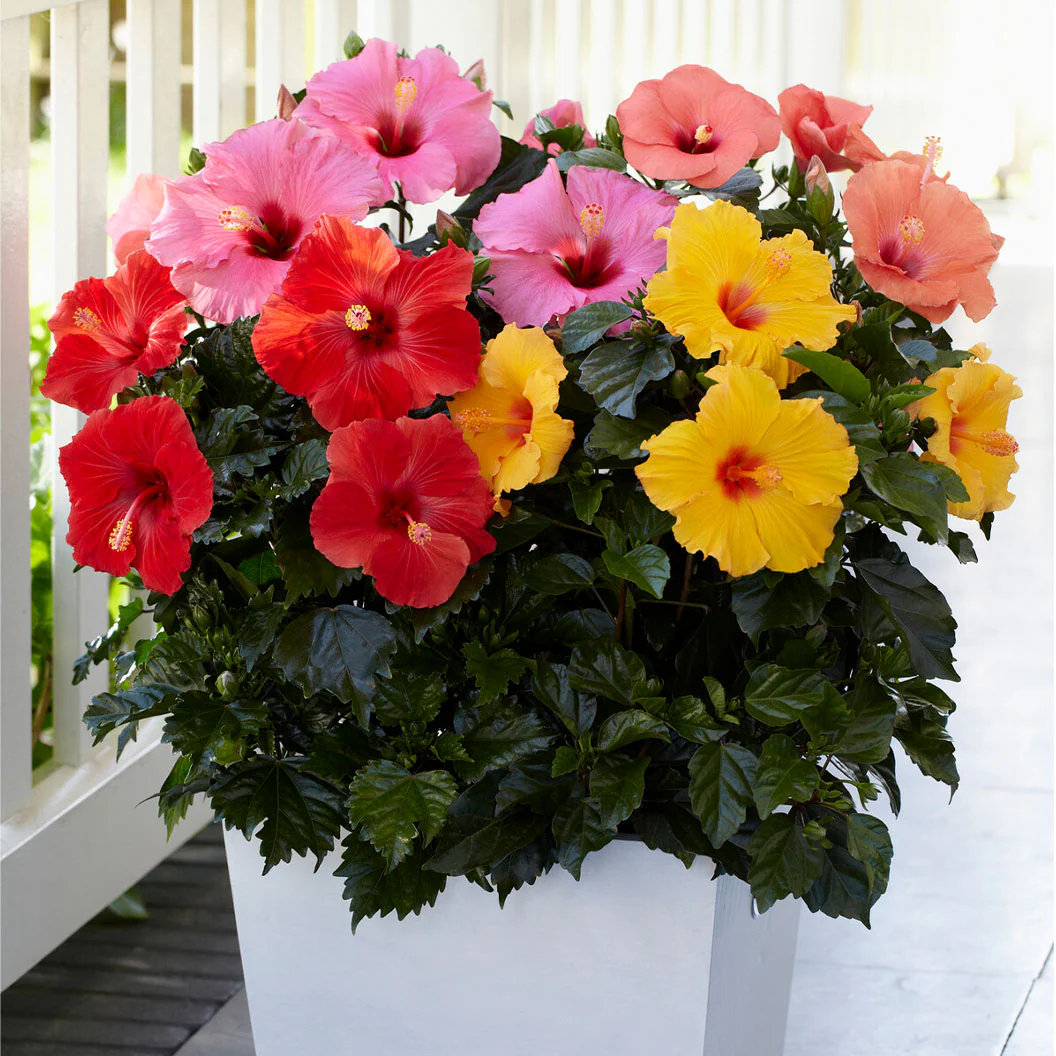
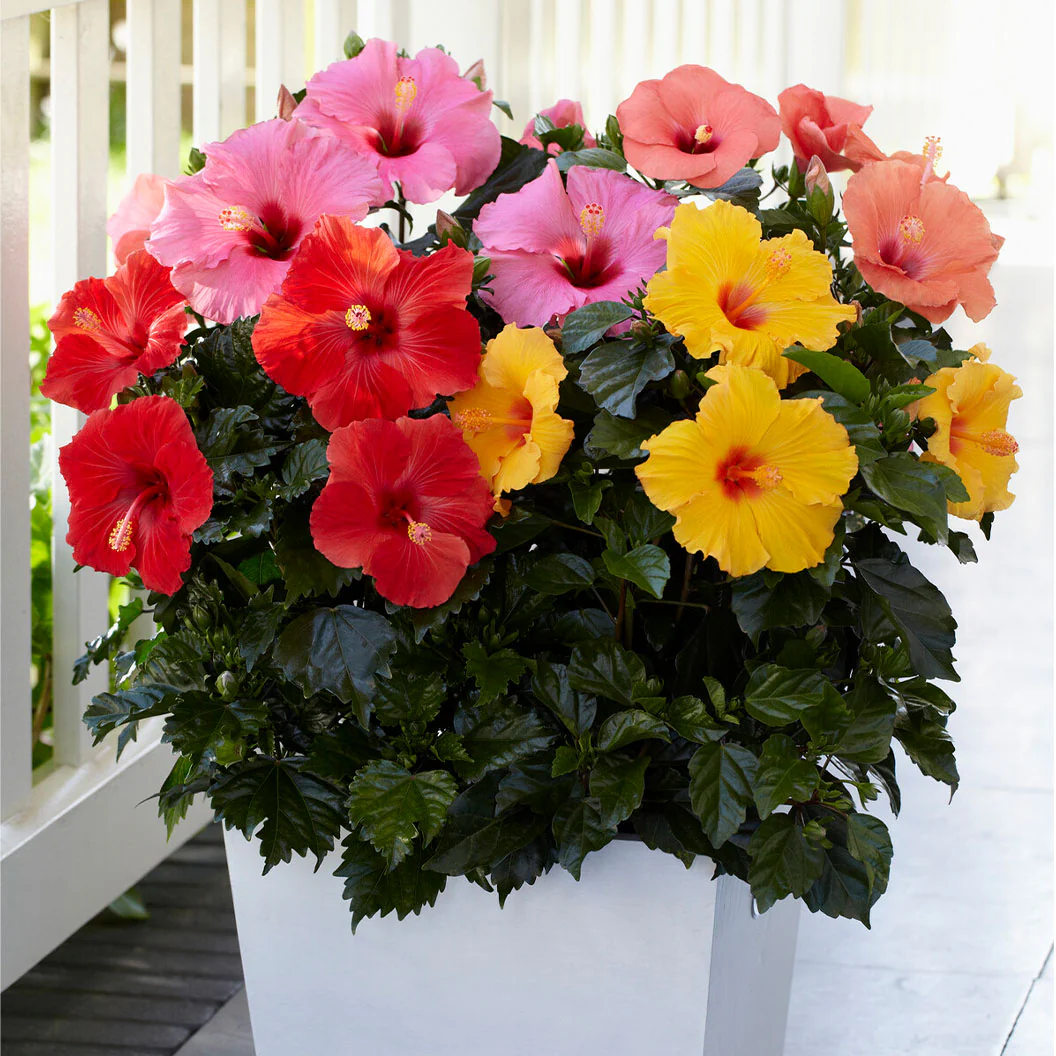
Vibrant blooms in a captivating array of colors
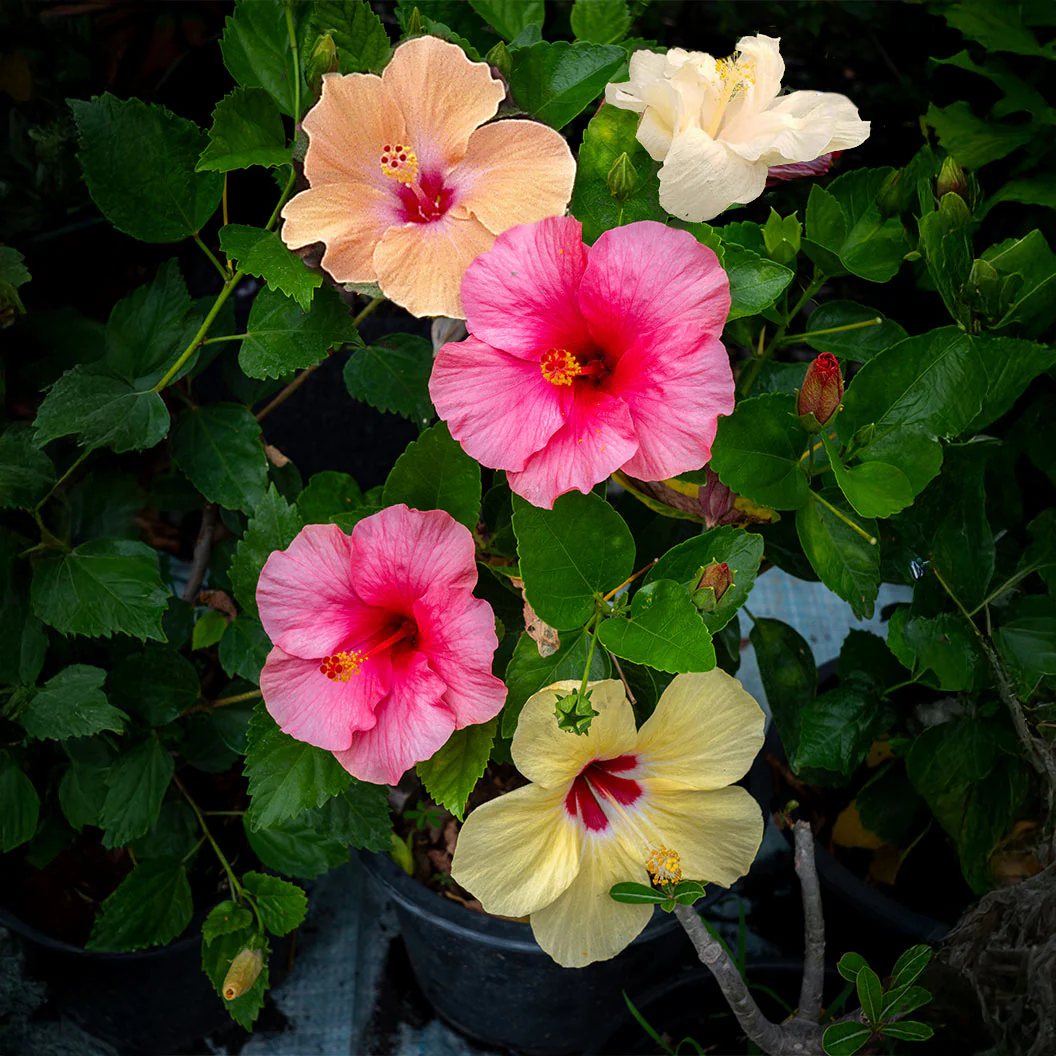
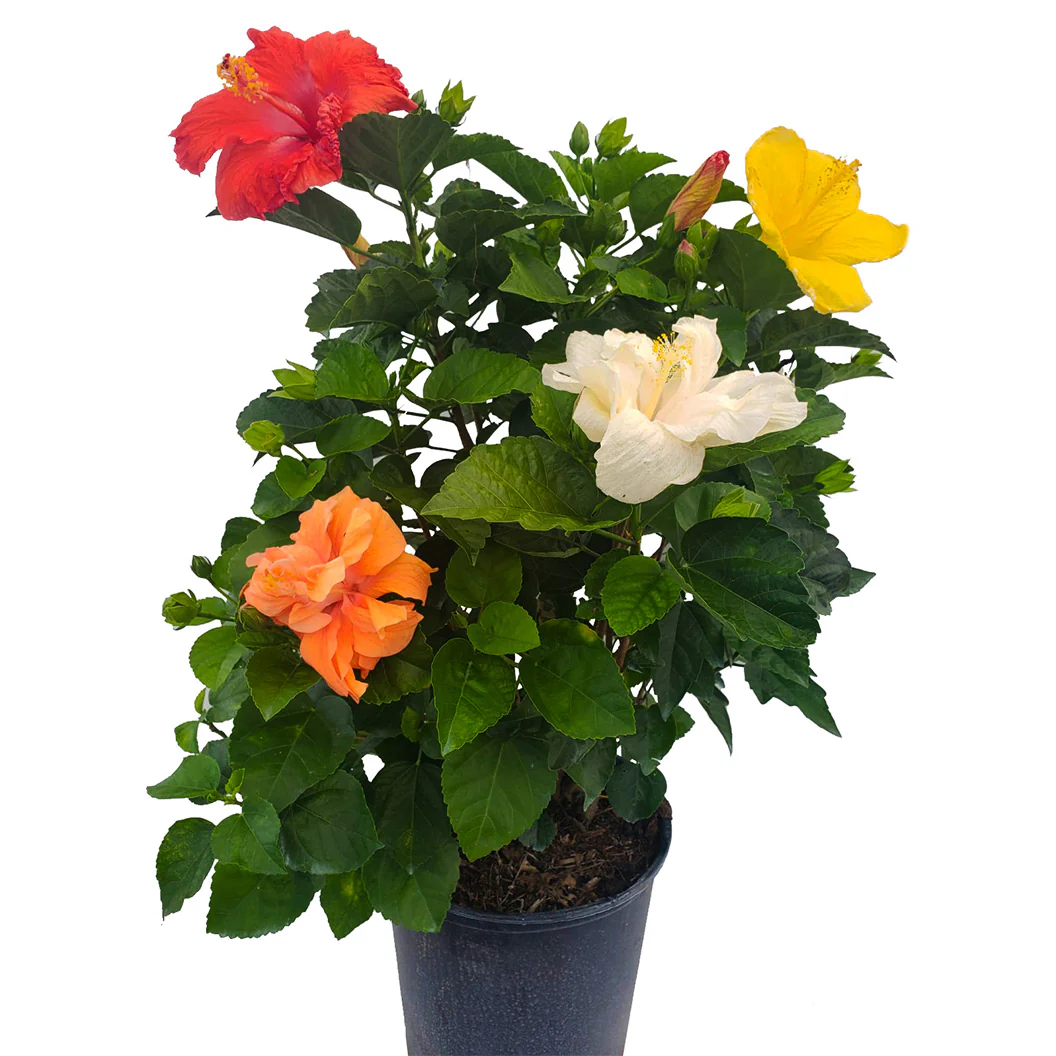
If you’re looking to add a pop of color to your garden or landscape, this hibiscus bush is a fantastic choice. The striking multi-colored flowers bloom throughout the summer months, creating a vibrant tapestry that can brighten up any outdoor space. Each blossom showcases a unique combination of colors, making it a visual delight and an attractive focal point for patios or garden beds. Not only do the blooms boast a stunning appearance, but they also attract butterflies and hummingbirds, adding life and movement to your yard.
In addition to its beauty, this hibiscus bush is relatively low-maintenance and can thrive in a range of soil types. Whether you’re designing a tropical-themed garden or simply want to add some flair to your backyard, this plant will elevate your landscape with its lush foliage and brilliant flowers. It’s an excellent choice for those looking to enhance their outdoor spaces without the need for extensive care. With its ability to flourish in sunny spots, you can easily incorporate it into your existing garden layout.
Planting & Care
1. Planting: Choose a sunny location with well-draining soil to plant your hibiscus bush. Dig a hole that is twice as wide as the root ball but no deeper than the root ball itself. Gently place the bush in the hole and backfill with soil, ensuring the top of the root ball is level with the soil surface. Water thoroughly after planting to settle the soil. Spacing is essential; ensure that there's enough space between plants to allow for their natural growth.
2. Watering: Regular watering is important, especially during dry spells in the growing season. Ideally, the soil should remain consistently moist but not soggy. Water deeply once a week, or more often if the weather is particularly hot or dry. Be sure to adjust based on your local climate and conditions.
3. Pruning: Pruning is best done in early spring before new growth begins. Remove any dead or damaged branches to promote healthy growth and shape the plant to your liking. You may also prune back the bush to maintain its size or enhance its appearance. Regular deadheading of spent flowers can encourage further blooming throughout the season.
4. Fertilizing: To encourage lush growth and vibrant blooms, apply a balanced, slow-release fertilizer in early spring. Follow the manufacturer’s instructions on the amount to use. You can also use a liquid fertilizer every few weeks during the growing season to boost health and flowering.
Details & Craftsmanship
Every detail has been carefully considered to bring you the perfect product.
Details & Craftsmanship
Every detail has been carefully considered to bring you the perfect product.
Details & Craftsmanship
Every detail has been carefully considered to bring you the perfect product.
Description
Vibrant blooms in a captivating array of colors
If you’re looking to add a pop of color to your garden or landscape, this hibiscus bush is a fantastic choice. The striking multi-colored flowers bloom throughout the summer months, creating a vibrant tapestry that can brighten up any outdoor space. Each blossom showcases a unique combination of colors, making it a visual delight and an attractive focal point for patios or garden beds. Not only do the blooms boast a stunning appearance, but they also attract butterflies and hummingbirds, adding life and movement to your yard.
In addition to its beauty, this hibiscus bush is relatively low-maintenance and can thrive in a range of soil types. Whether you’re designing a tropical-themed garden or simply want to add some flair to your backyard, this plant will elevate your landscape with its lush foliage and brilliant flowers. It’s an excellent choice for those looking to enhance their outdoor spaces without the need for extensive care. With its ability to flourish in sunny spots, you can easily incorporate it into your existing garden layout.
Planting & Care
1. Planting: Choose a sunny location with well-draining soil to plant your hibiscus bush. Dig a hole that is twice as wide as the root ball but no deeper than the root ball itself. Gently place the bush in the hole and backfill with soil, ensuring the top of the root ball is level with the soil surface. Water thoroughly after planting to settle the soil. Spacing is essential; ensure that there's enough space between plants to allow for their natural growth.
2. Watering: Regular watering is important, especially during dry spells in the growing season. Ideally, the soil should remain consistently moist but not soggy. Water deeply once a week, or more often if the weather is particularly hot or dry. Be sure to adjust based on your local climate and conditions.
3. Pruning: Pruning is best done in early spring before new growth begins. Remove any dead or damaged branches to promote healthy growth and shape the plant to your liking. You may also prune back the bush to maintain its size or enhance its appearance. Regular deadheading of spent flowers can encourage further blooming throughout the season.
4. Fertilizing: To encourage lush growth and vibrant blooms, apply a balanced, slow-release fertilizer in early spring. Follow the manufacturer’s instructions on the amount to use. You can also use a liquid fertilizer every few weeks during the growing season to boost health and flowering.