Original: $69.95
-65%$69.95
$24.48The Story
Enjoy Sweet, Edible Kumquats Year-Round
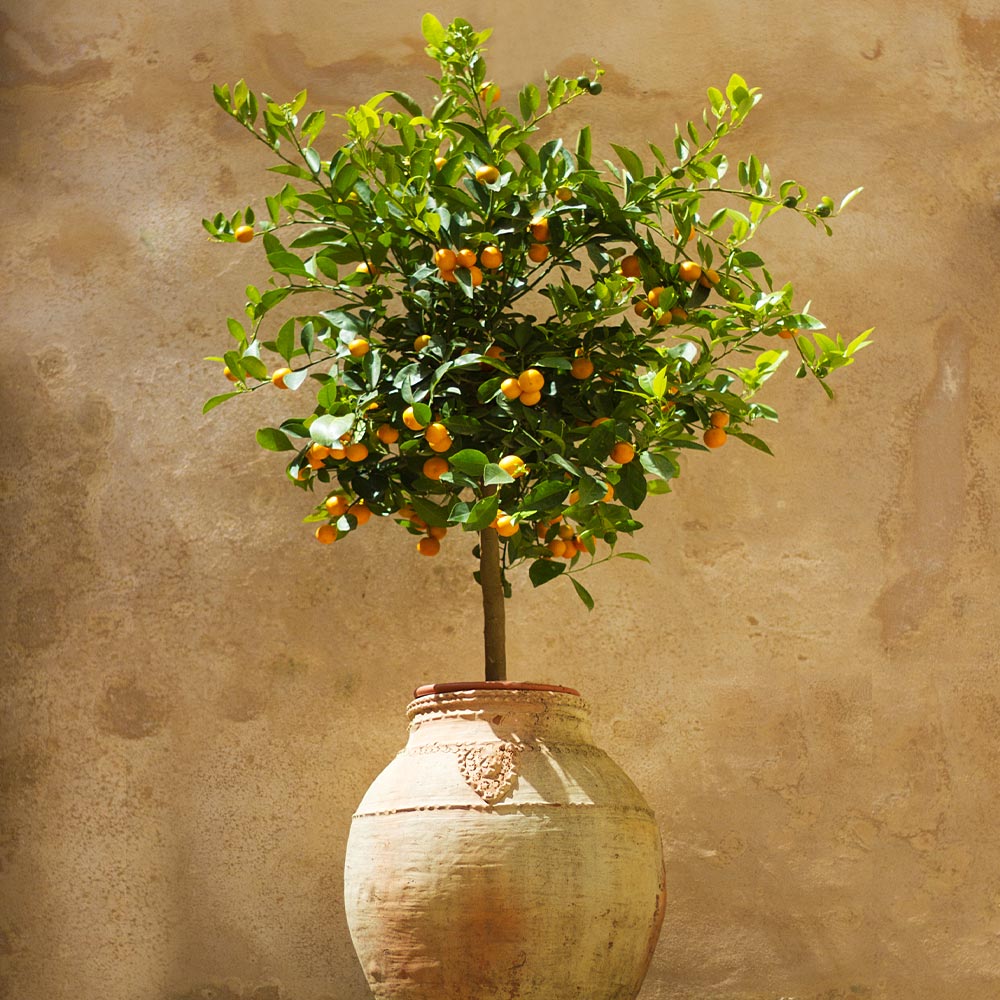
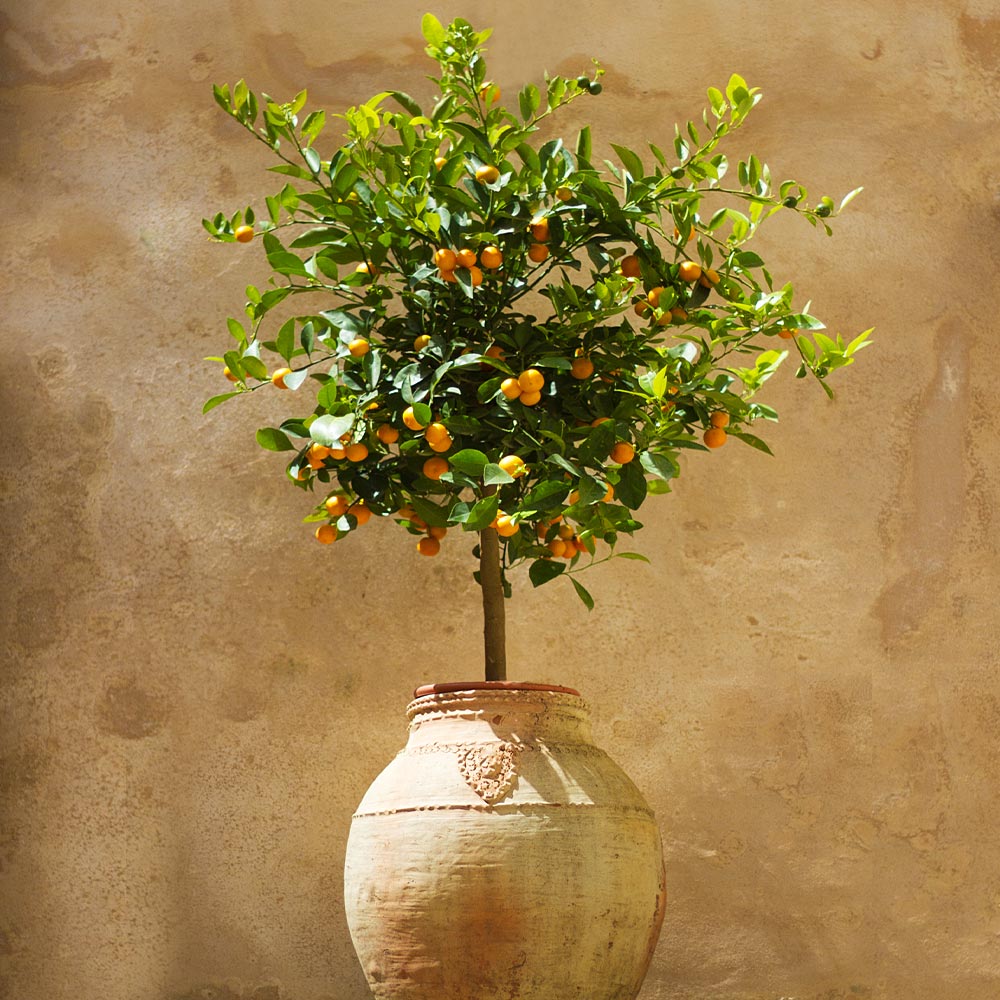
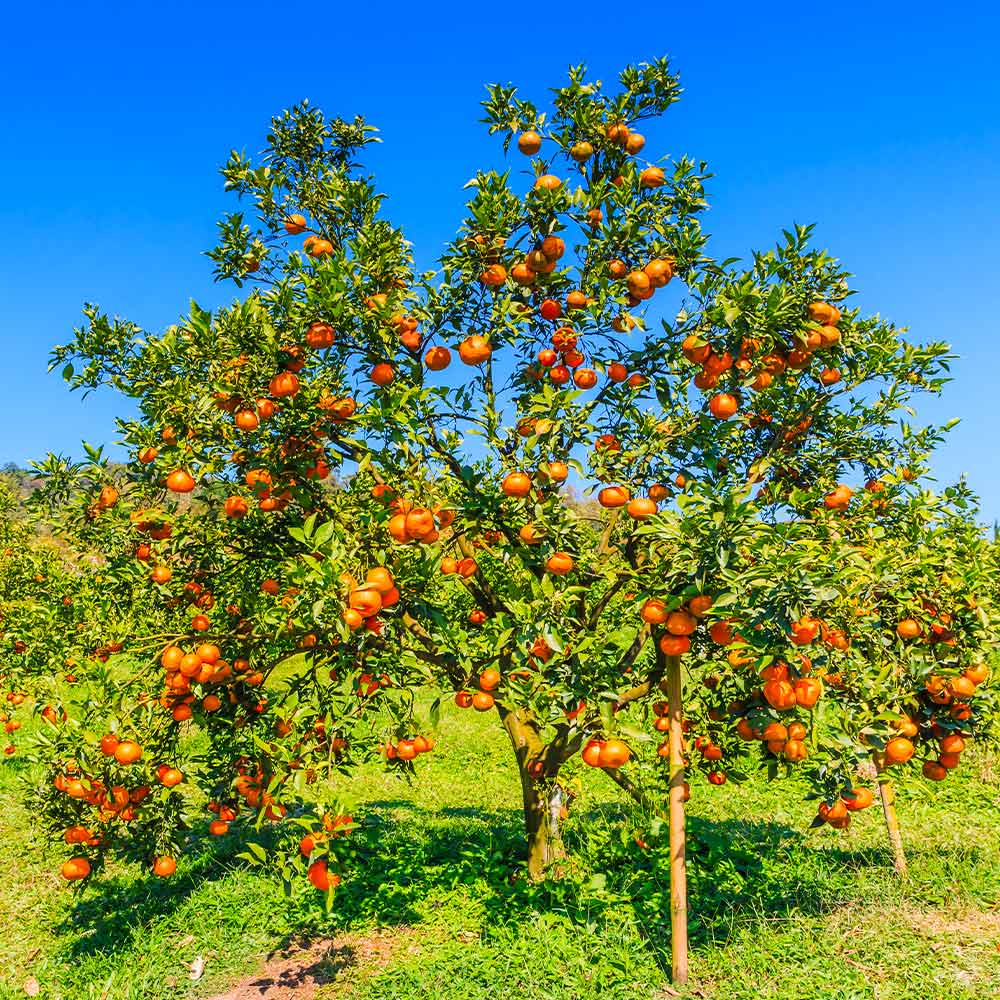
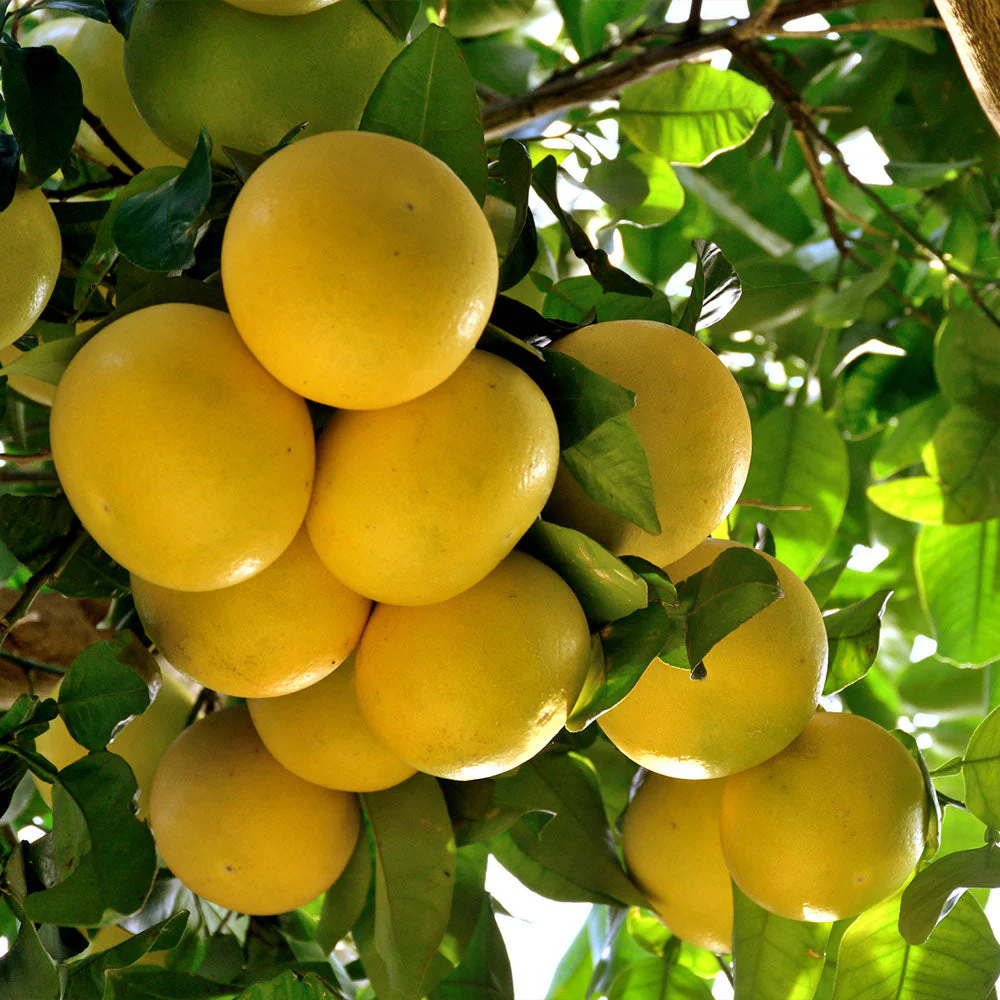
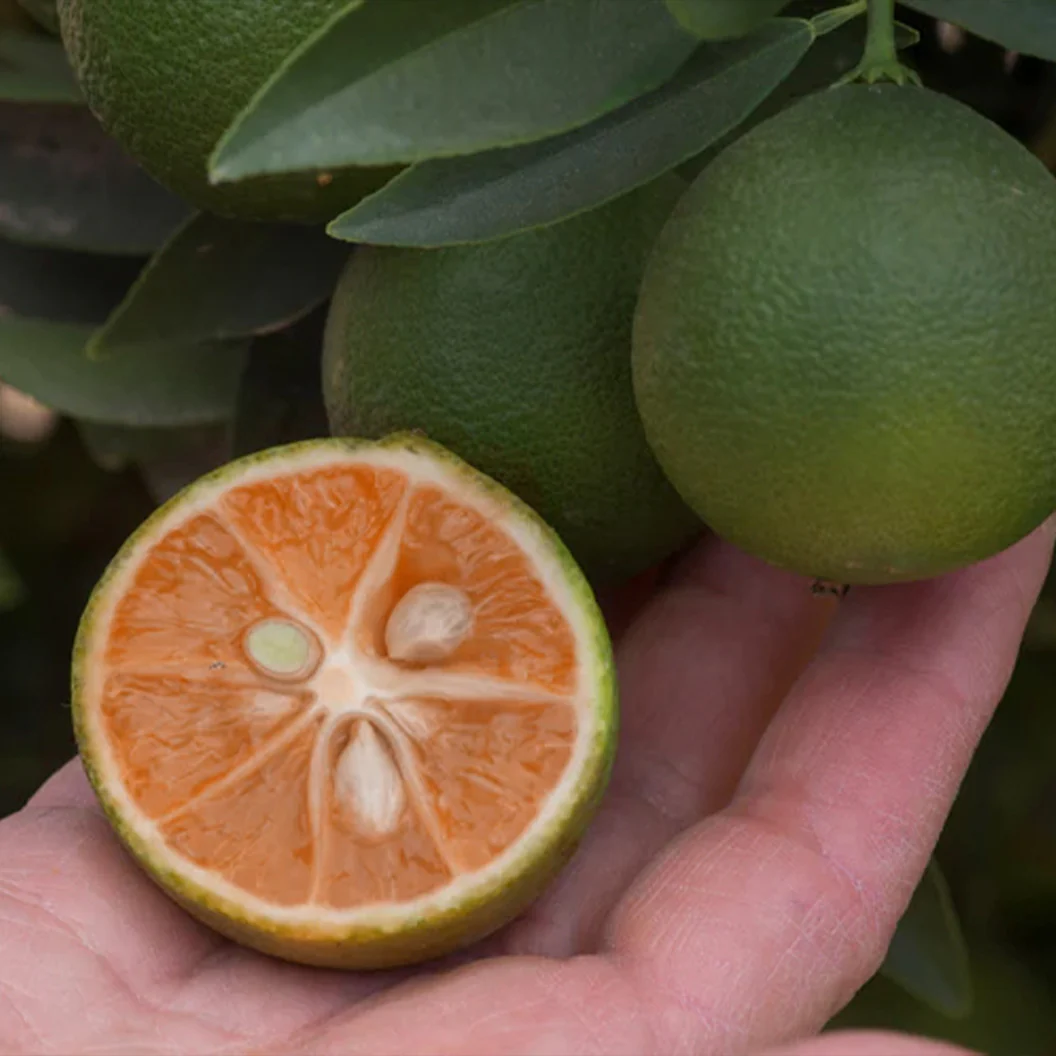
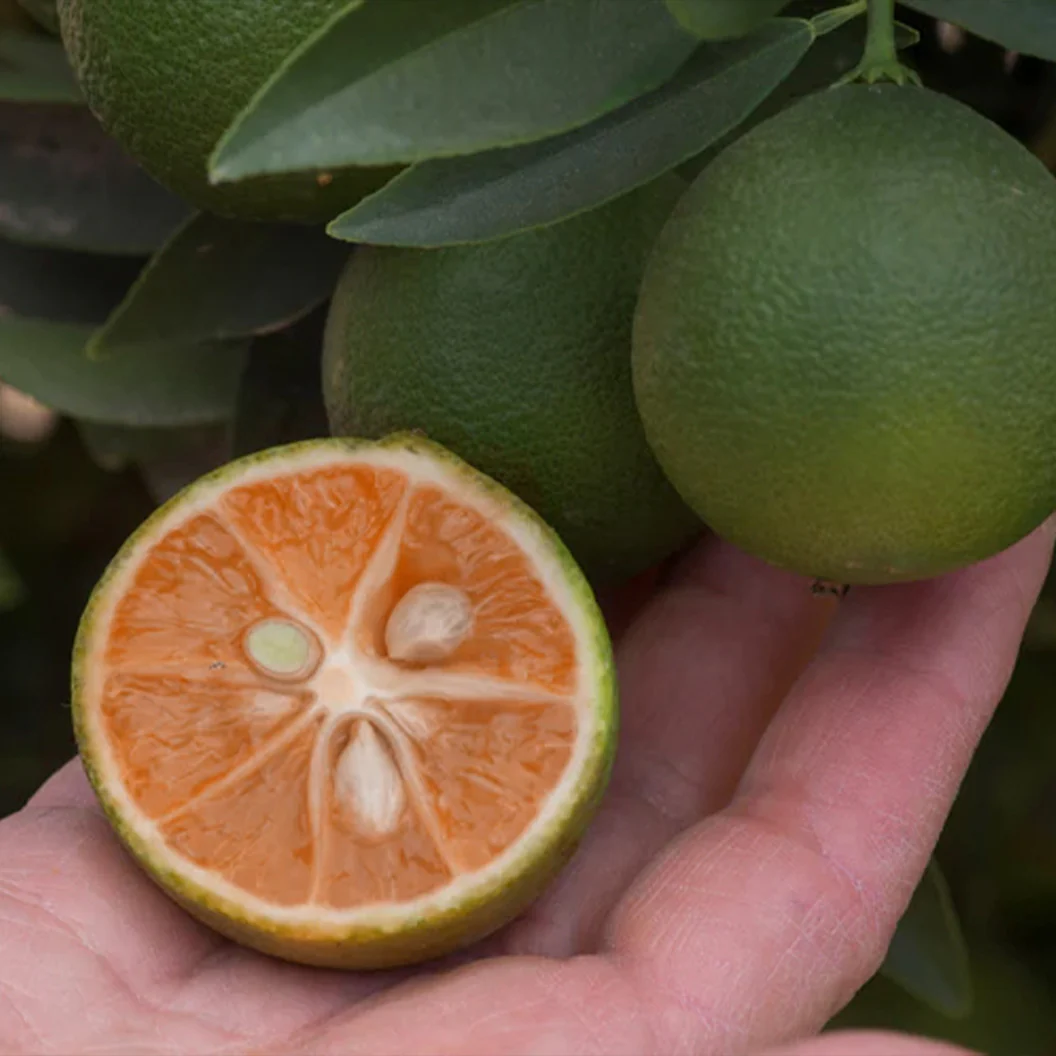
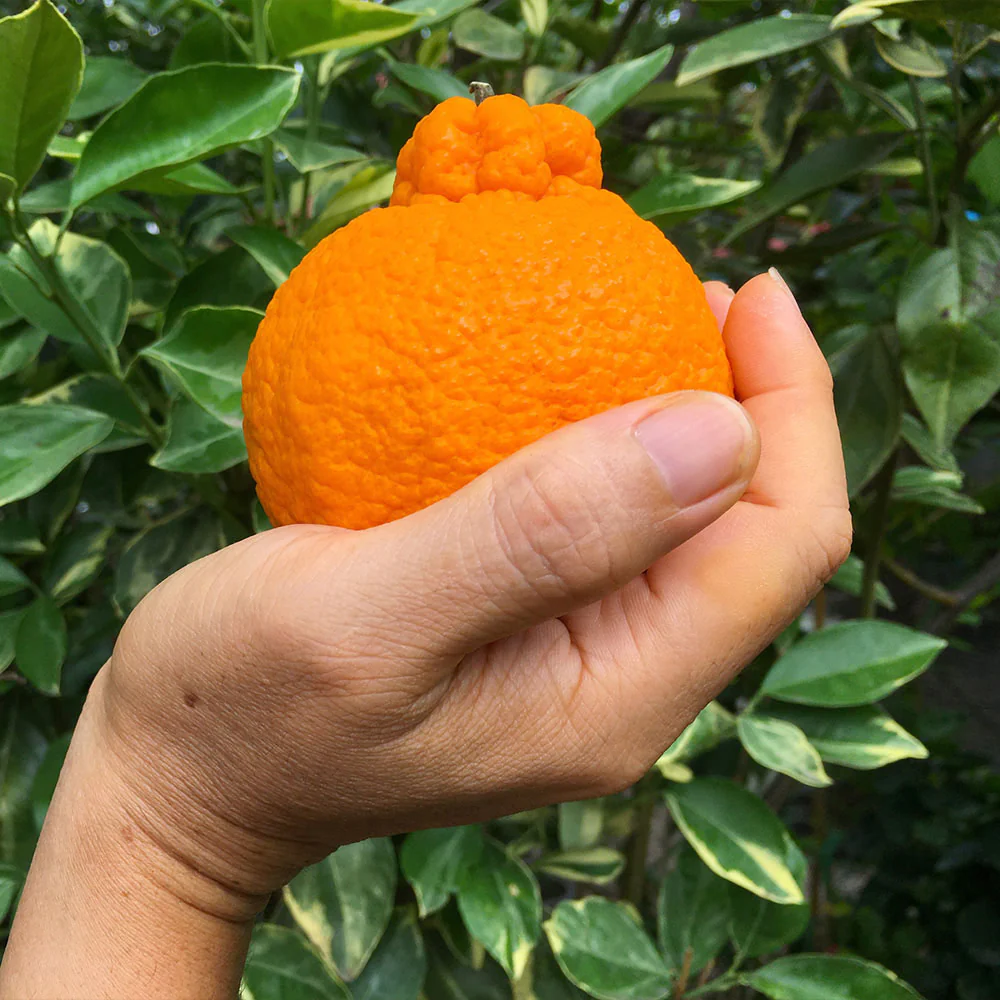
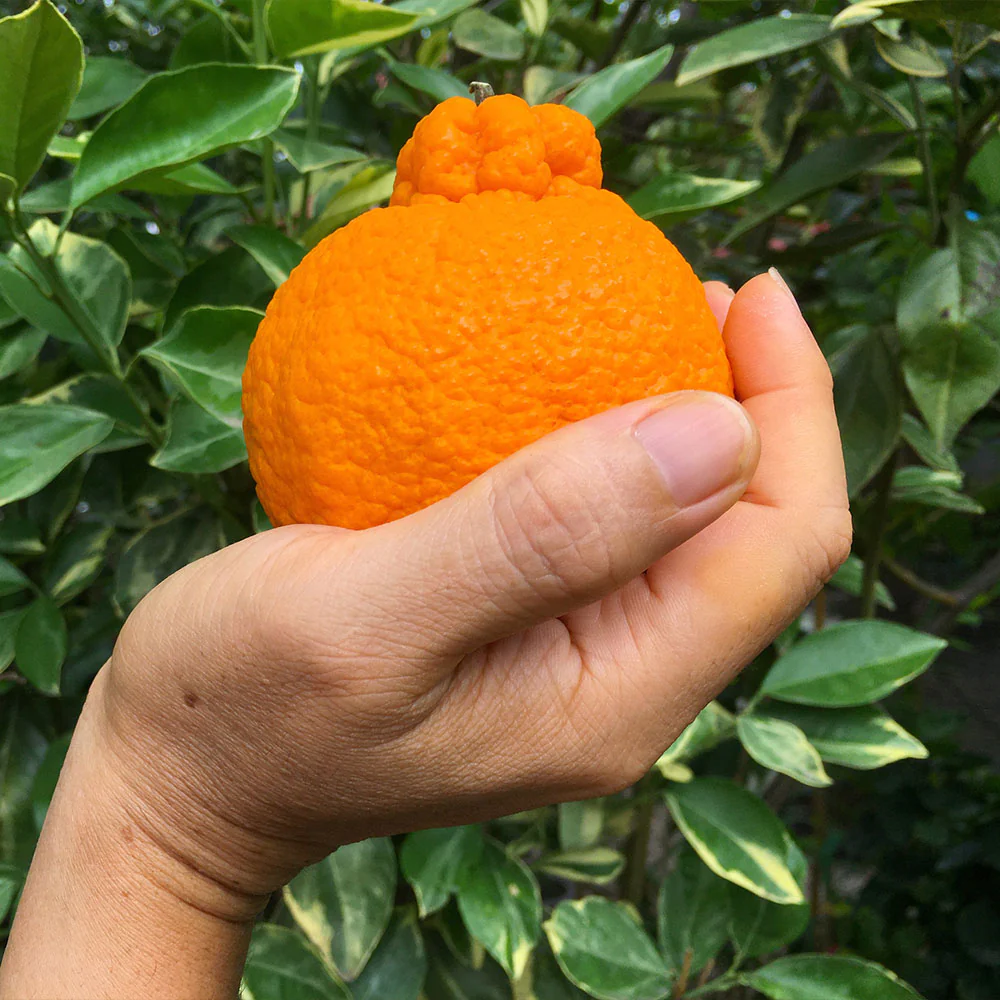
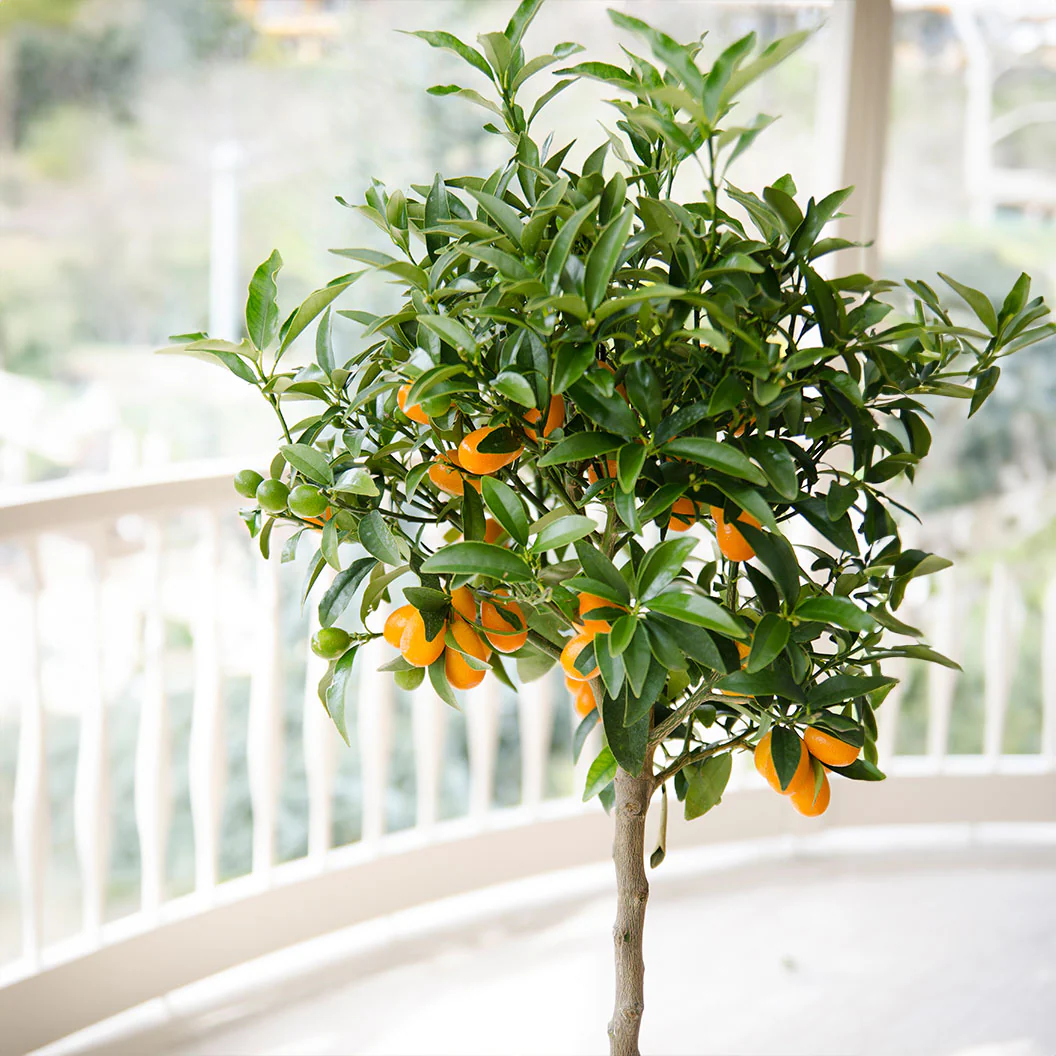
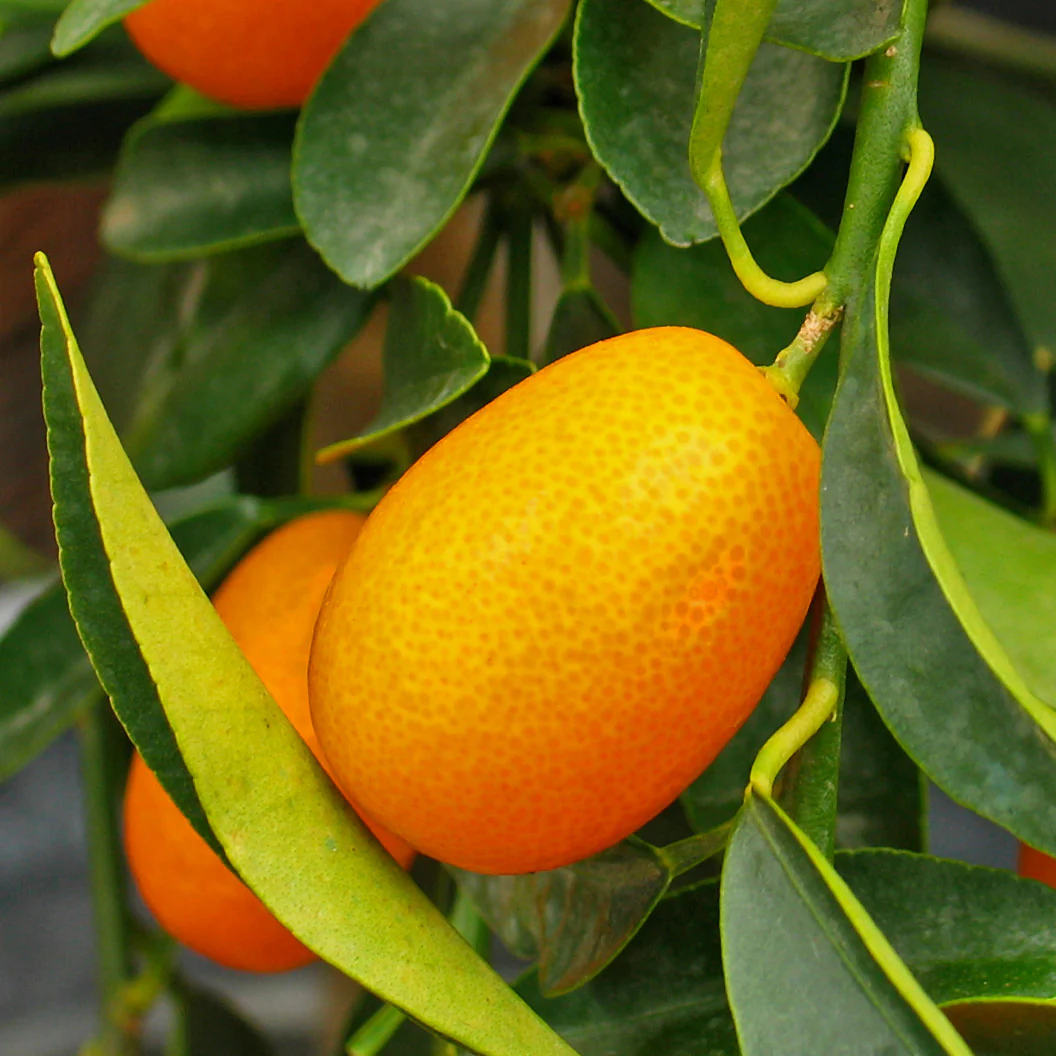
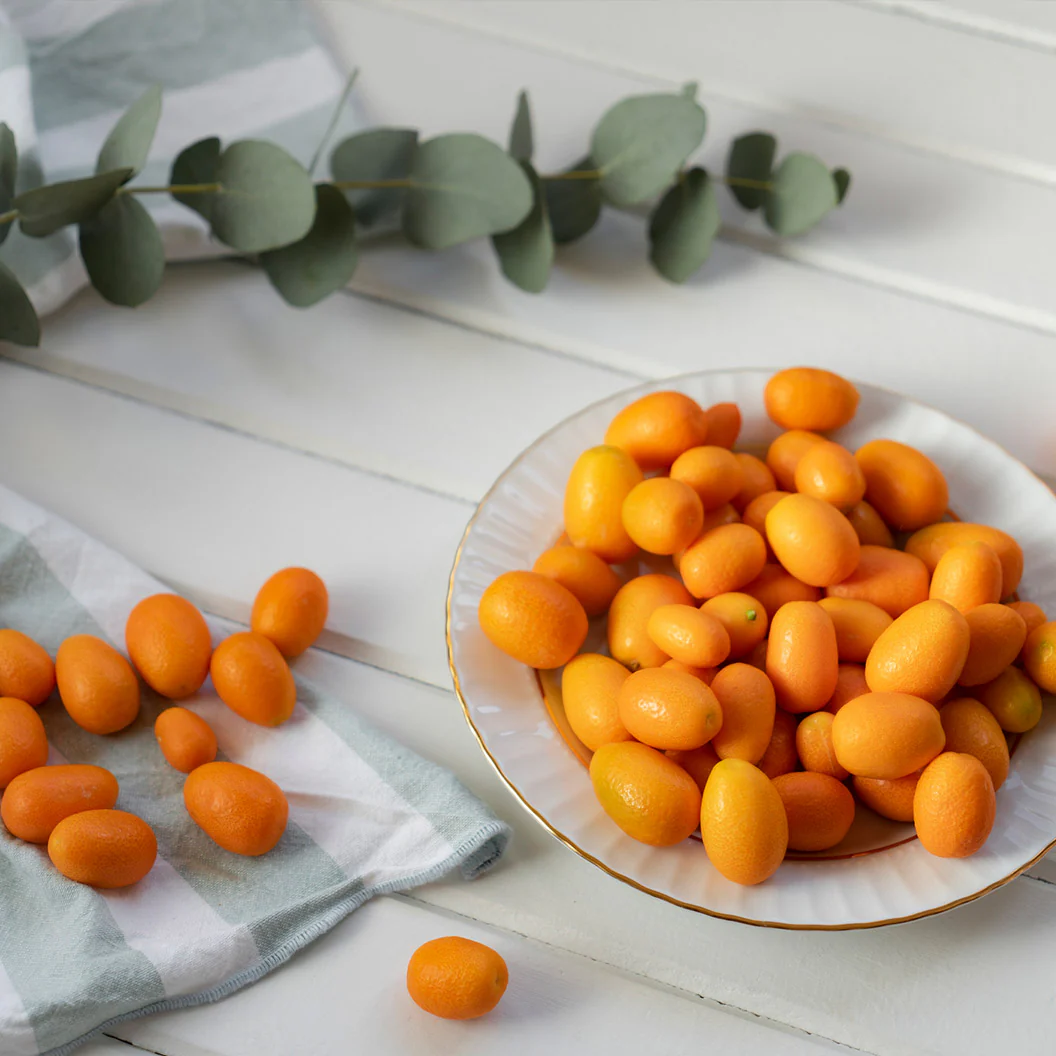
The Meiwa Sweet Kumquat is a must-have for citrus lovers, offering a deliciously sweet alternative to the more common kumquat varieties. Unlike the tangy Nagami Kumquat, Meiwa's golden-orange fruit is larger, with a sweet, edible rind and juicy flesh that provides a burst of flavor.
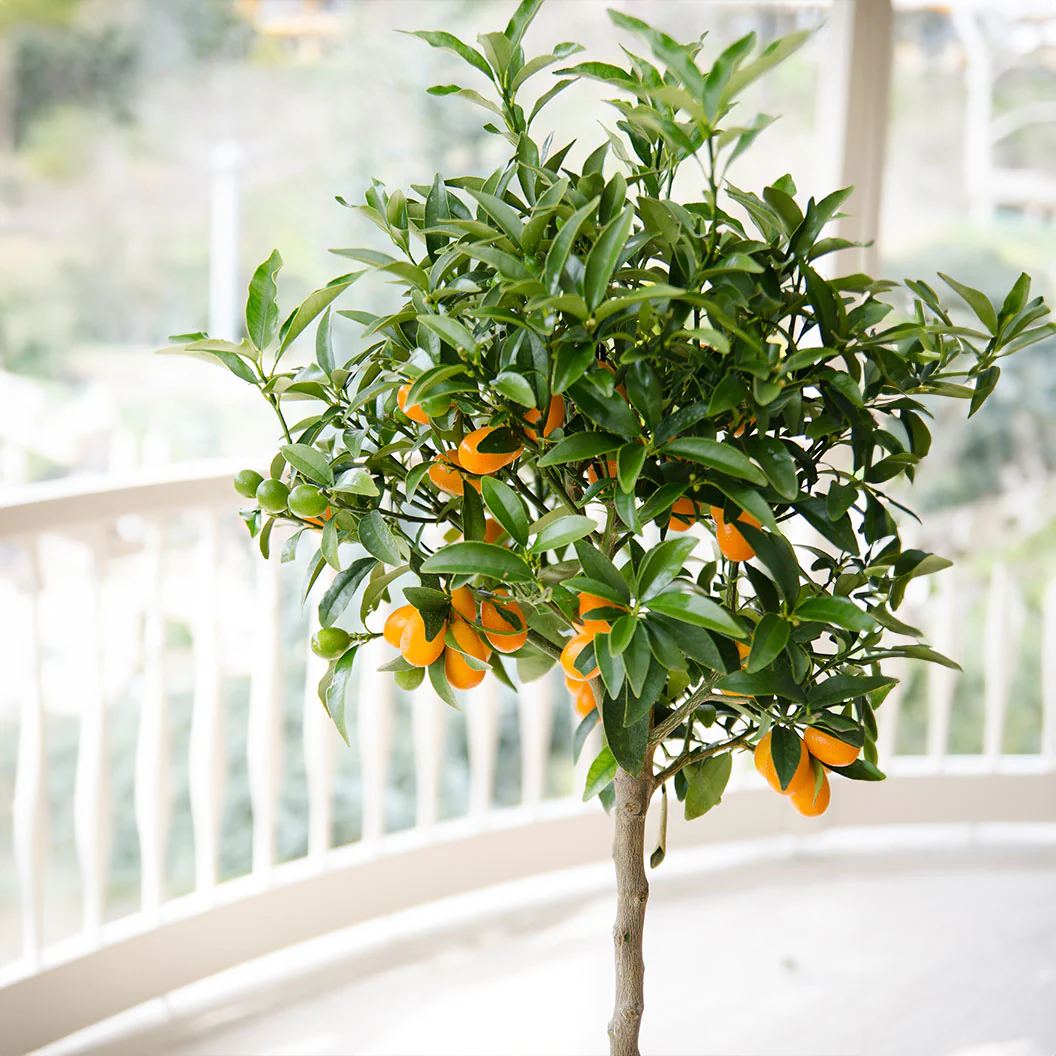
This small, evergreen tree features glossy, dark green foliage and fragrant white blooms that arrive in spring, followed by fruit that ripens from December through April. The Meiwa Sweet Kumquat is a natural hybrid, first cultivated in Japan, and is prized for its minimal seeds and easy growth in a home environment.
The Meiwa Kumquat trees bloom and fruit sooner than seed-grown trees, making them the ideal choice for those seeking a quick and healthy citrus snack or a vitamin C boost in the colder months. Don't miss out on this popular citrus tree. Grow yours today!
Planting & Care
1. Planting: Choose a spot that receives full sun for your Meiwa Sweet Kumquat, either in the ground or in a container. This tree prefers well-drained soil, so avoid areas where water might pool. Dig a hole twice as wide and as deep as the root ball, then place the tree in the hole and backfill with soil, ensuring the tree is upright and stable.
If planting in a container, select one with drainage holes and ensure it’s large enough to accommodate root growth.
2. Watering: After planting, water thoroughly to help establish the roots. For container-grown trees, allow the soil to dry slightly between waterings to prevent root rot. During the growing season, water deeply once or twice a week, adjusting for rainfall and indoor conditions.
3. Fertilizing: Fertilize with citrus mix 3-4 times per year in late winter (Jan-Feb), late spring (May-June), and early fall (Sept-Oct).
4. Pruning: It’s best to prune in late winter or early spring before new growth begins. Remove any dead, damaged, or crossing branches to improve airflow and light penetration.
5. Pollination: This tree is self-pollinating, so you will get fruit with just one tree.
Details & Craftsmanship
Every detail has been carefully considered to bring you the perfect product.
Details & Craftsmanship
Every detail has been carefully considered to bring you the perfect product.
Details & Craftsmanship
Every detail has been carefully considered to bring you the perfect product.
Description
Enjoy Sweet, Edible Kumquats Year-Round
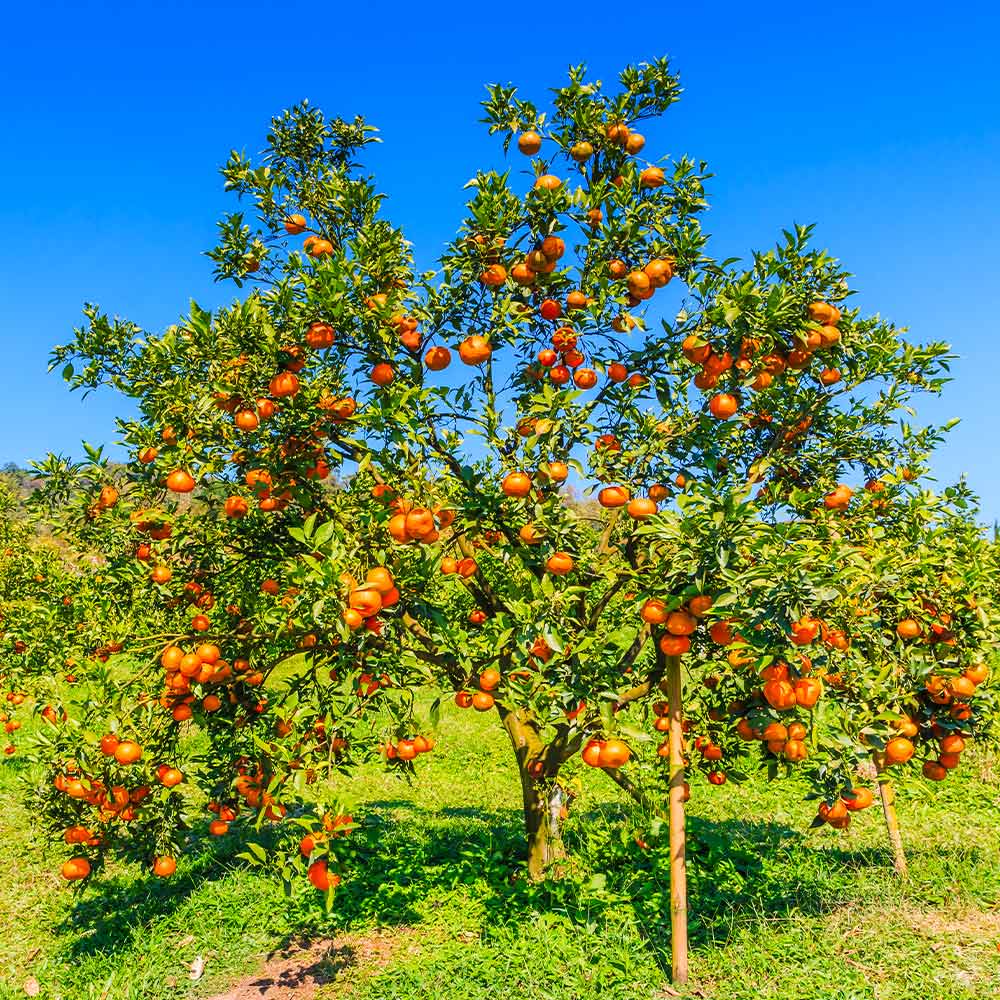
The Meiwa Sweet Kumquat is a must-have for citrus lovers, offering a deliciously sweet alternative to the more common kumquat varieties. Unlike the tangy Nagami Kumquat, Meiwa's golden-orange fruit is larger, with a sweet, edible rind and juicy flesh that provides a burst of flavor.
This small, evergreen tree features glossy, dark green foliage and fragrant white blooms that arrive in spring, followed by fruit that ripens from December through April. The Meiwa Sweet Kumquat is a natural hybrid, first cultivated in Japan, and is prized for its minimal seeds and easy growth in a home environment.
The Meiwa Kumquat trees bloom and fruit sooner than seed-grown trees, making them the ideal choice for those seeking a quick and healthy citrus snack or a vitamin C boost in the colder months. Don't miss out on this popular citrus tree. Grow yours today!
Planting & Care
1. Planting: Choose a spot that receives full sun for your Meiwa Sweet Kumquat, either in the ground or in a container. This tree prefers well-drained soil, so avoid areas where water might pool. Dig a hole twice as wide and as deep as the root ball, then place the tree in the hole and backfill with soil, ensuring the tree is upright and stable.
If planting in a container, select one with drainage holes and ensure it’s large enough to accommodate root growth.
2. Watering: After planting, water thoroughly to help establish the roots. For container-grown trees, allow the soil to dry slightly between waterings to prevent root rot. During the growing season, water deeply once or twice a week, adjusting for rainfall and indoor conditions.
3. Fertilizing: Fertilize with citrus mix 3-4 times per year in late winter (Jan-Feb), late spring (May-June), and early fall (Sept-Oct).
4. Pruning: It’s best to prune in late winter or early spring before new growth begins. Remove any dead, damaged, or crossing branches to improve airflow and light penetration.
5. Pollination: This tree is self-pollinating, so you will get fruit with just one tree.