Original: $24.95
-65%$24.95
$8.73The Story
A vibrant pollinator paradise for your garden
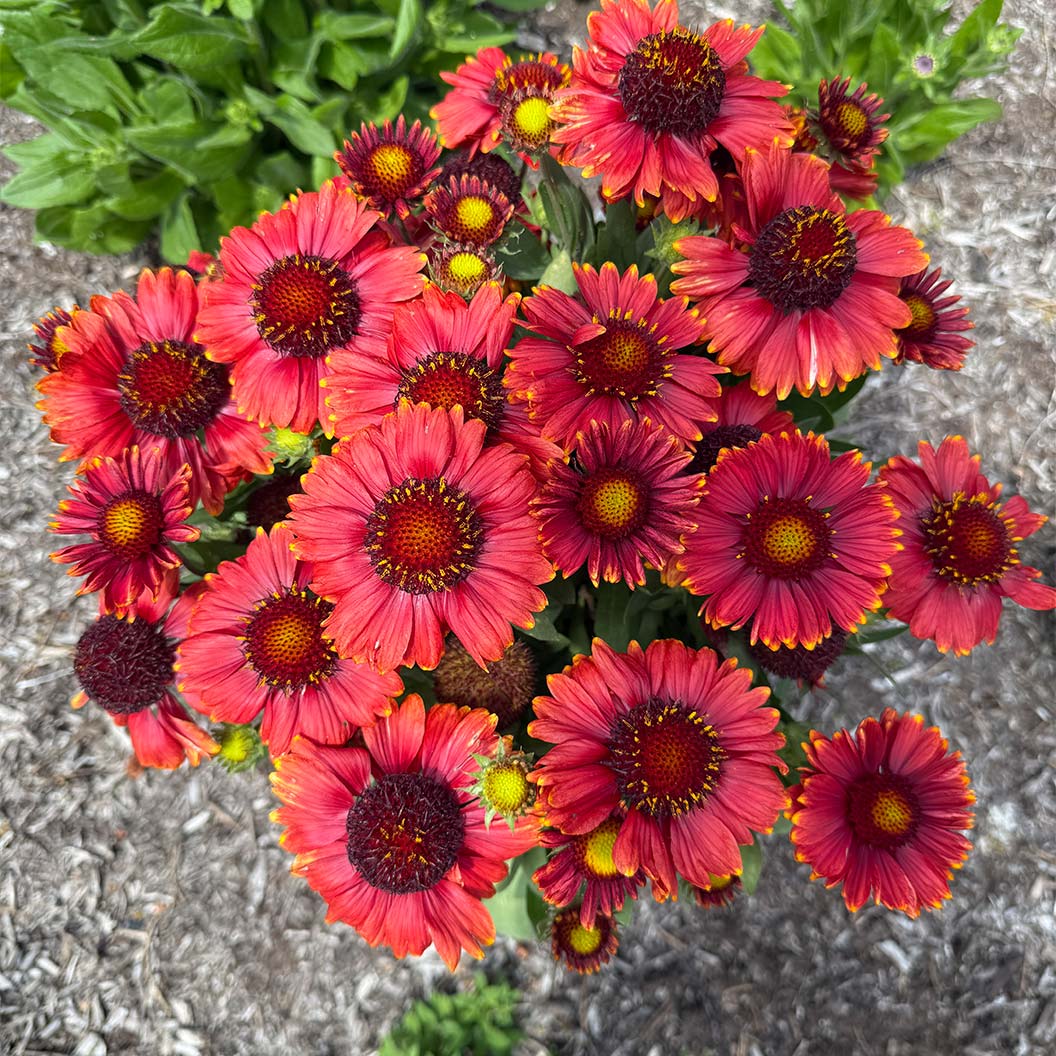
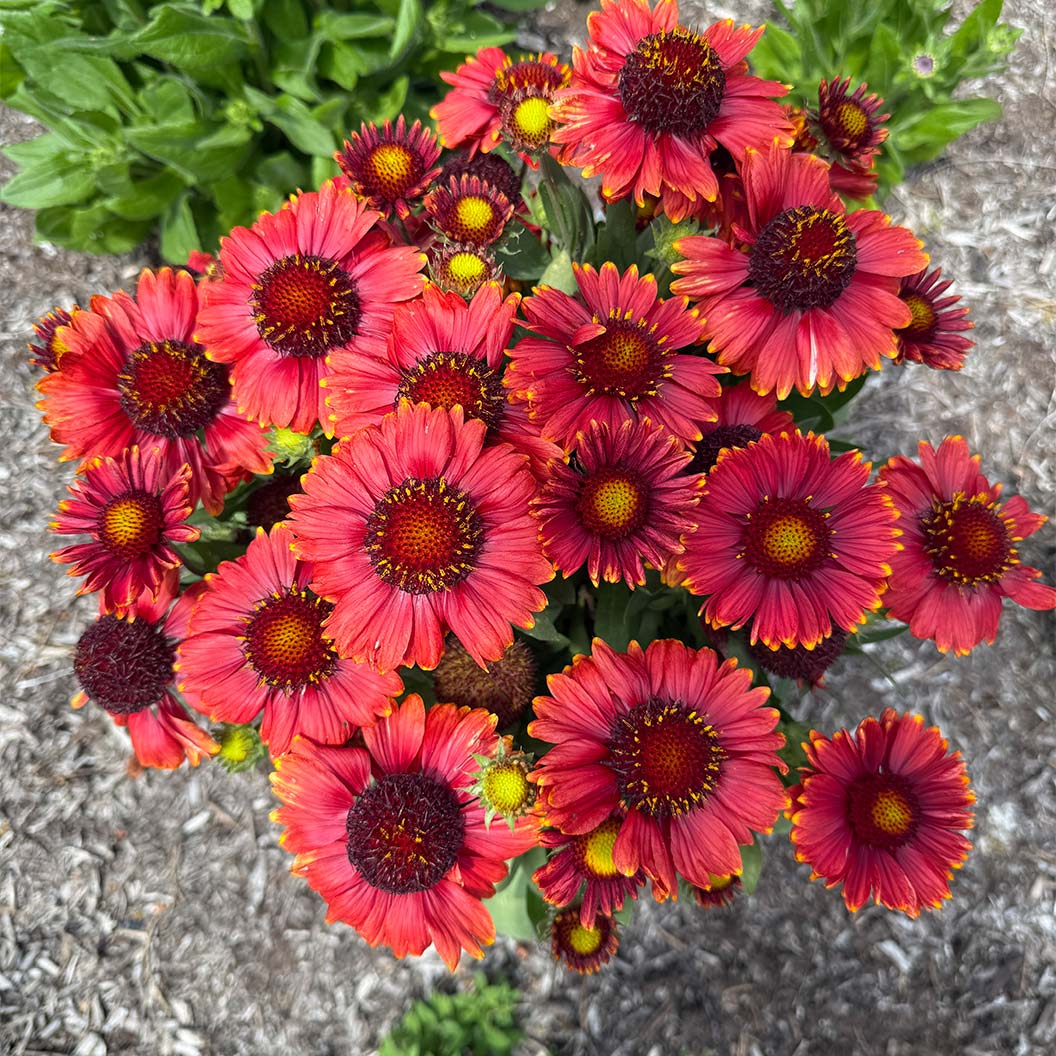
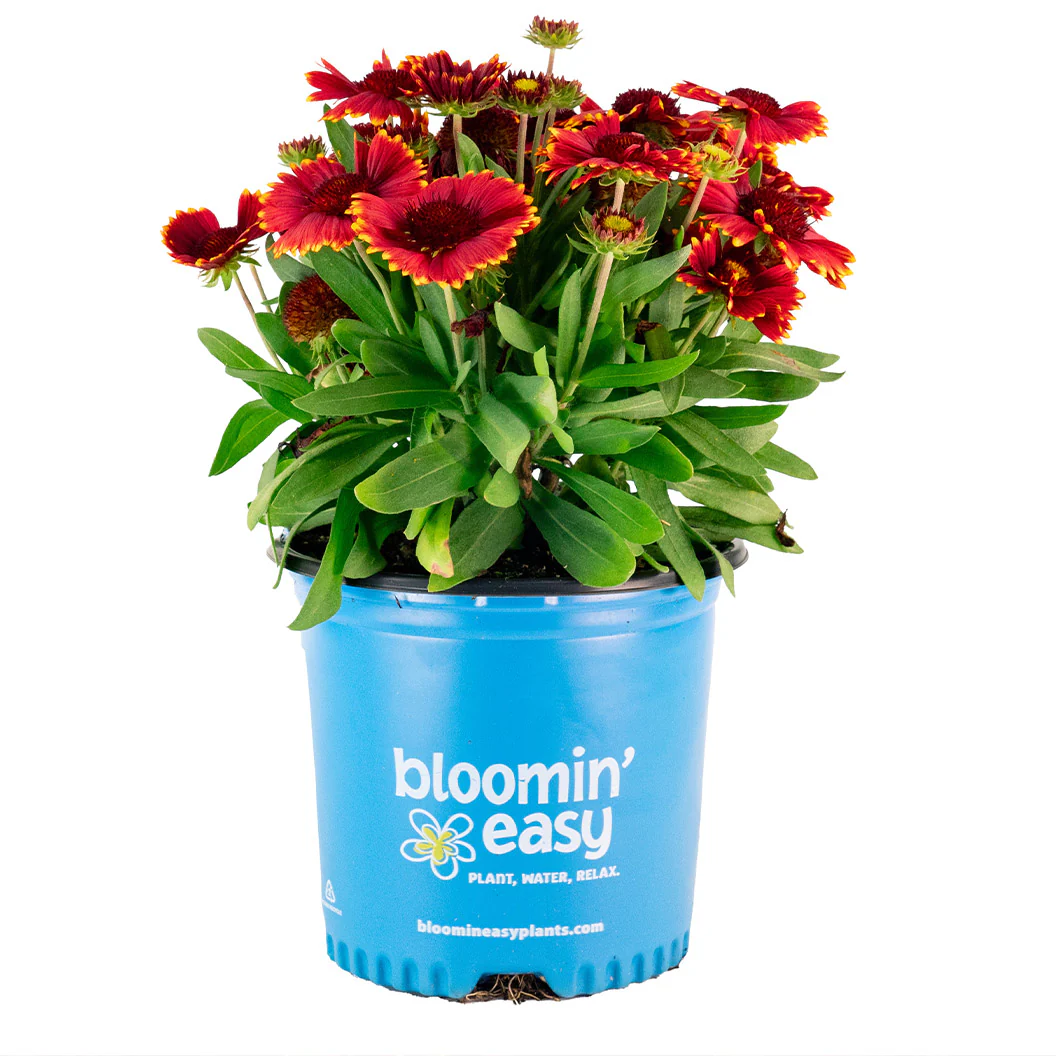
Bright red blooms edged with sunny yellow petals make this plant a true eye-catcher. Low Rider™ Gaillardia presents a charming display that not only enhances the beauty of your garden but also creates a lively habitat for pollinators. Its compact growth habit means it’s perfect for borders or decoratively filling patio pots, adding a pop of color wherever it’s planted. With its continuous blooming cycle, you'll enjoy weeks of cheerful color without the hassle of deadheading.
Being native to North America, this plant is well-adapted to local climates and soil conditions. As a low-maintenance perennial, it thrives through various seasons, offering beauty and resilience. Best of all, it’s pet-friendly, making it a fantastic choice for family gardens. So whether you’re looking to attract bees and butterflies or just brighten up your landscape, this plant delivers on all fronts.
Planting & Care
1. Planting: Plant or repot within 4 weeks of arrival. Choose a sunny location with well-draining soil for your Low Rider™ Gaillardia. Dig a hole twice the width of the root ball, remove the plant carefully from its pot, and place it in the hole. Backfill with compost and native soil and gently pack it down. Space plants about 12-18 inches apart to allow for their compact growth.
2. Watering: Water the plant thoroughly right after planting. After that, allow the soil to dry out between waterings. This plant is drought-tolerant once established, but regular watering during extreme heat will promote better blooms.
3. Pruning: Deadheading is not required but can promote new growth, extend the bloom season, and improve air circulation in humid climates. Leave flowers in place in fall to provide food for birds, then cut back any overwintered foliage to the ground in early spring.
4. Fertilizing: In early spring, work compost into the soil to increase fertility.
Details & Craftsmanship
Every detail has been carefully considered to bring you the perfect product.
Details & Craftsmanship
Every detail has been carefully considered to bring you the perfect product.
Details & Craftsmanship
Every detail has been carefully considered to bring you the perfect product.
Description
A vibrant pollinator paradise for your garden
Bright red blooms edged with sunny yellow petals make this plant a true eye-catcher. Low Rider™ Gaillardia presents a charming display that not only enhances the beauty of your garden but also creates a lively habitat for pollinators. Its compact growth habit means it’s perfect for borders or decoratively filling patio pots, adding a pop of color wherever it’s planted. With its continuous blooming cycle, you'll enjoy weeks of cheerful color without the hassle of deadheading.
Being native to North America, this plant is well-adapted to local climates and soil conditions. As a low-maintenance perennial, it thrives through various seasons, offering beauty and resilience. Best of all, it’s pet-friendly, making it a fantastic choice for family gardens. So whether you’re looking to attract bees and butterflies or just brighten up your landscape, this plant delivers on all fronts.
Planting & Care
1. Planting: Plant or repot within 4 weeks of arrival. Choose a sunny location with well-draining soil for your Low Rider™ Gaillardia. Dig a hole twice the width of the root ball, remove the plant carefully from its pot, and place it in the hole. Backfill with compost and native soil and gently pack it down. Space plants about 12-18 inches apart to allow for their compact growth.
2. Watering: Water the plant thoroughly right after planting. After that, allow the soil to dry out between waterings. This plant is drought-tolerant once established, but regular watering during extreme heat will promote better blooms.
3. Pruning: Deadheading is not required but can promote new growth, extend the bloom season, and improve air circulation in humid climates. Leave flowers in place in fall to provide food for birds, then cut back any overwintered foliage to the ground in early spring.
4. Fertilizing: In early spring, work compost into the soil to increase fertility.