Original: $41.95
-65%$41.95
$14.68The Story
High Producing Dwarf Fig Tree
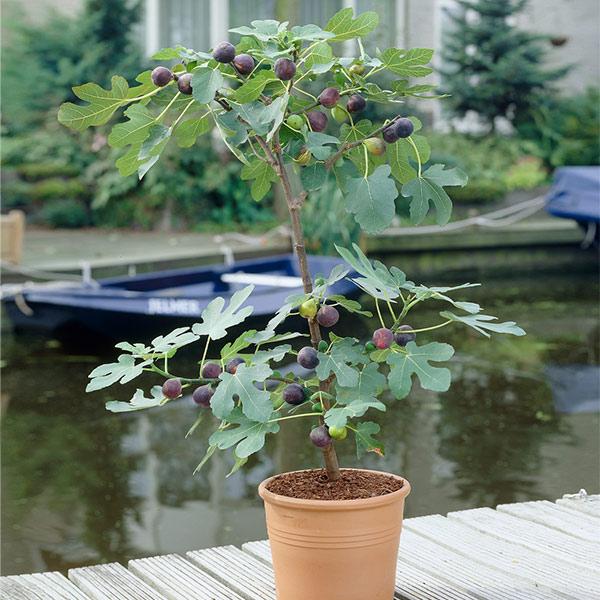
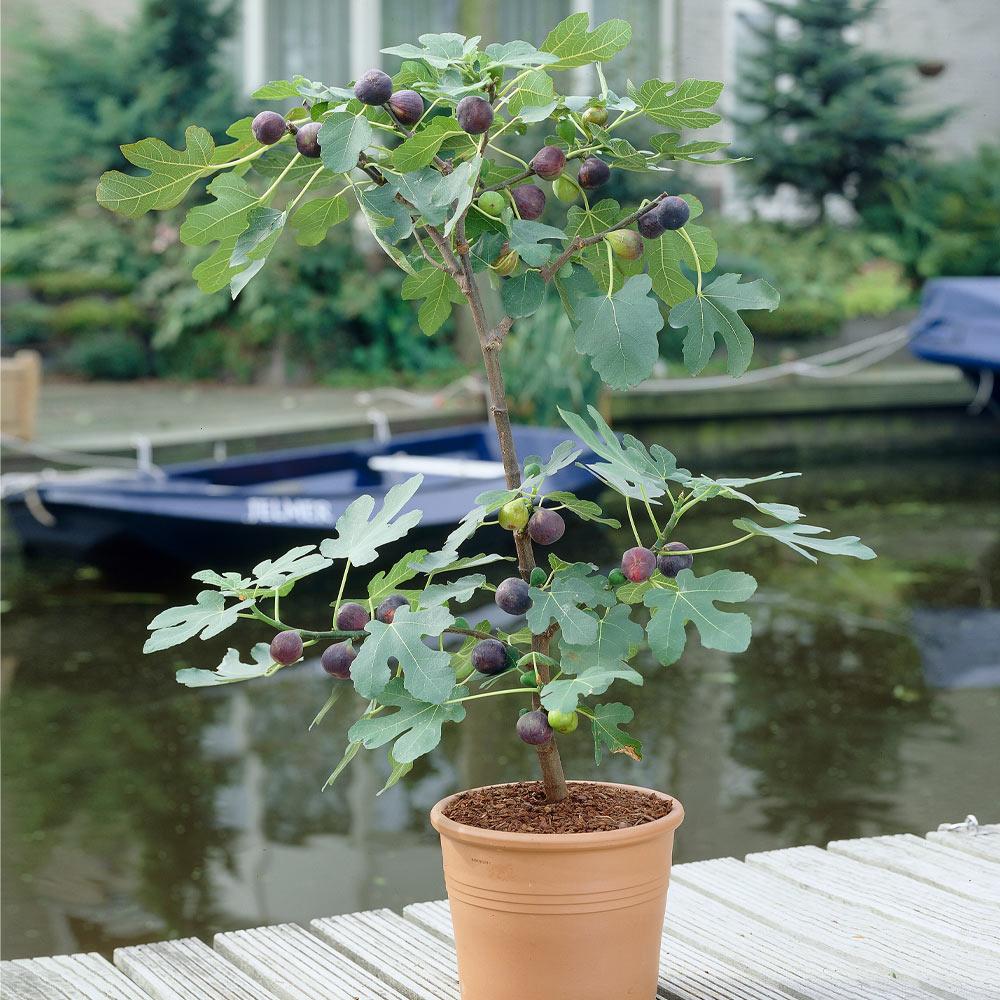
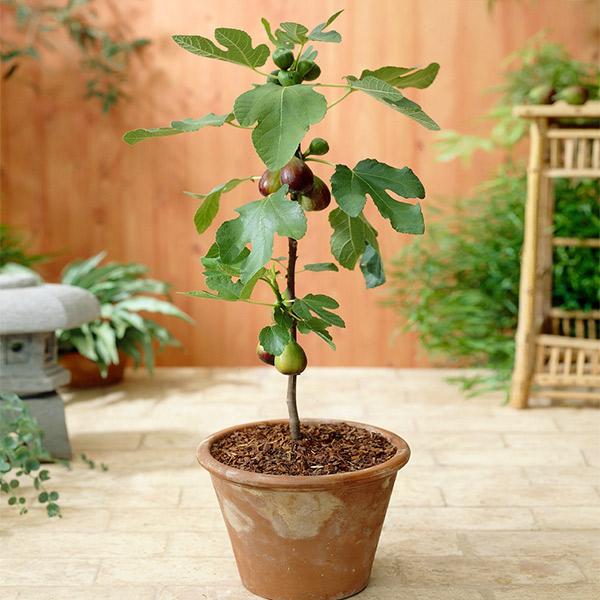
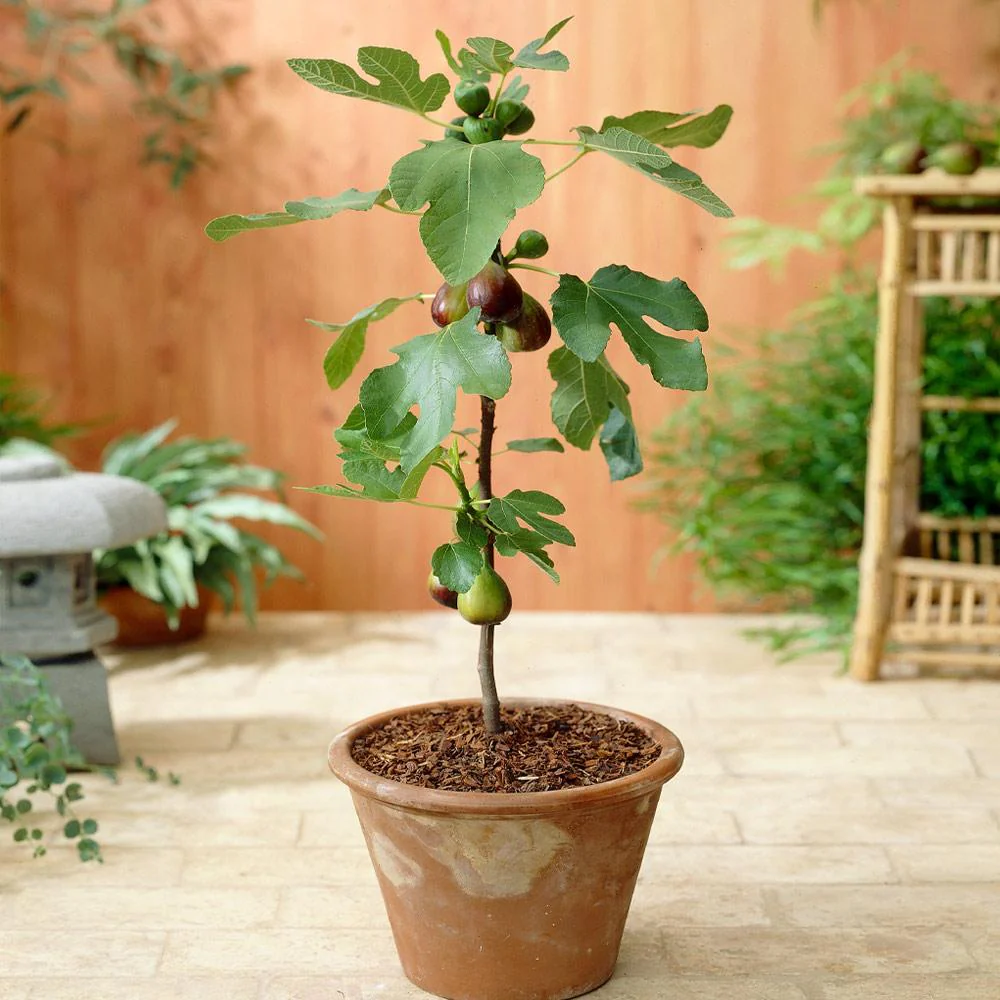
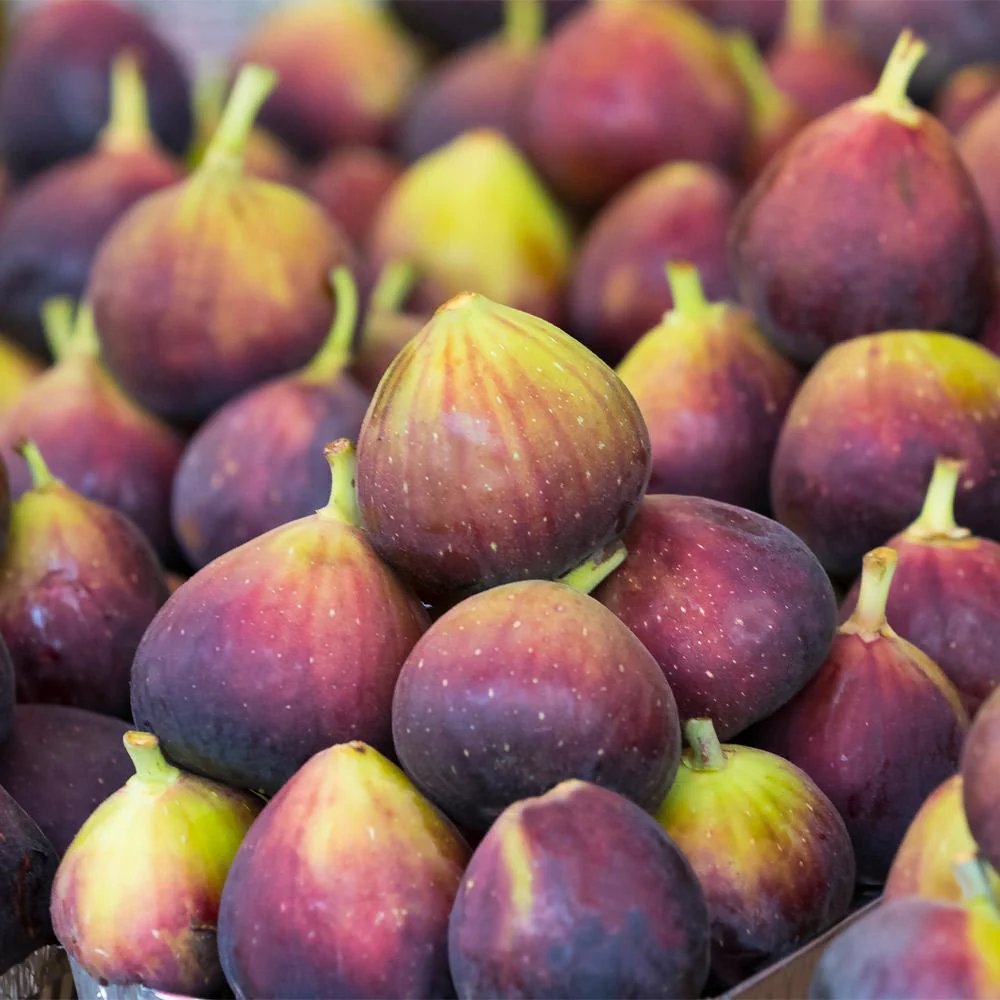
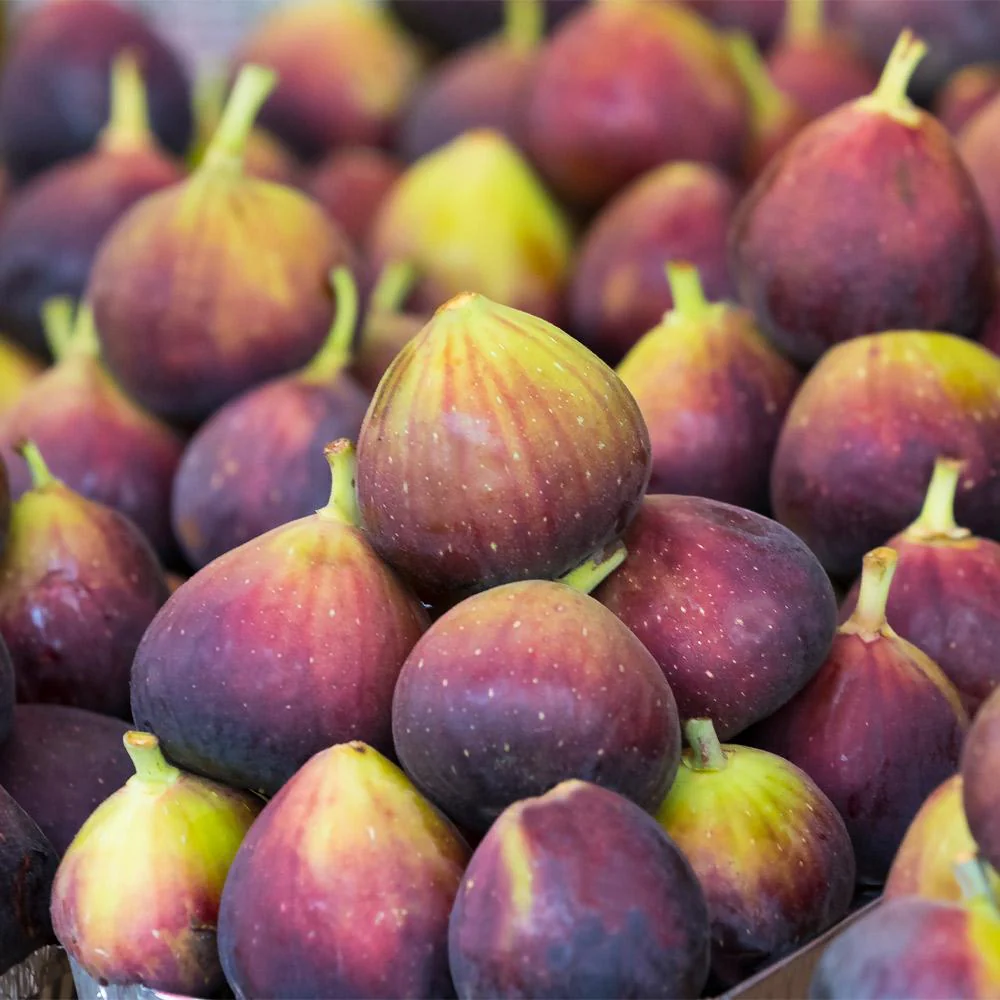
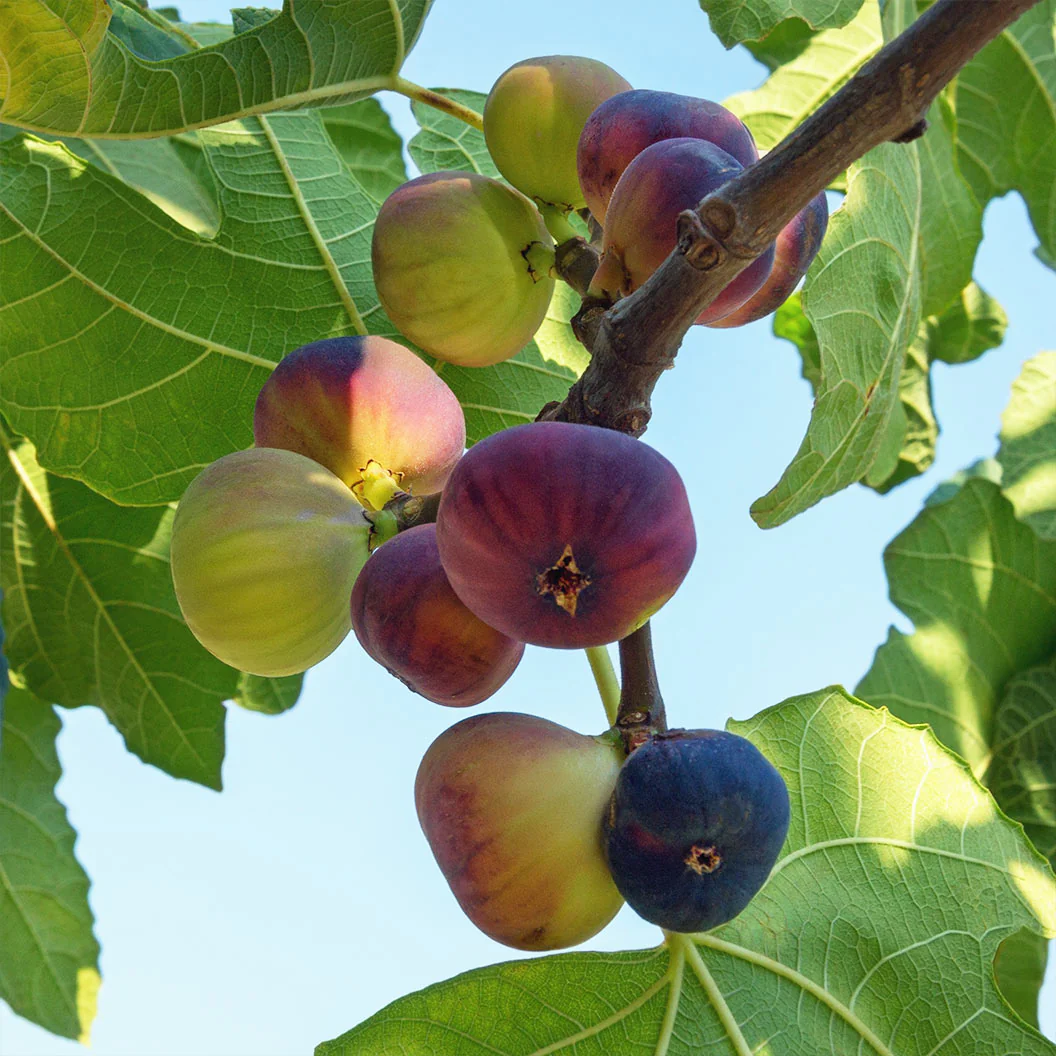
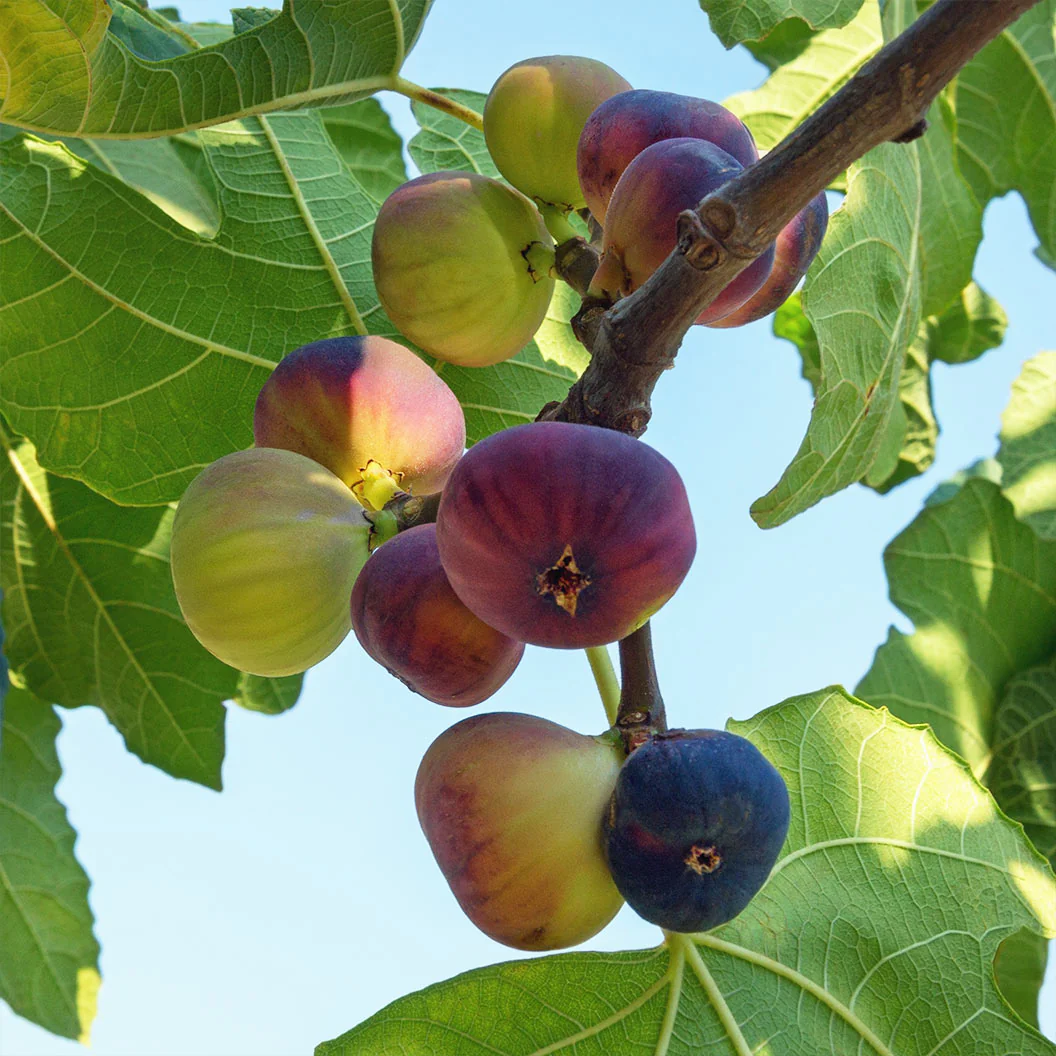
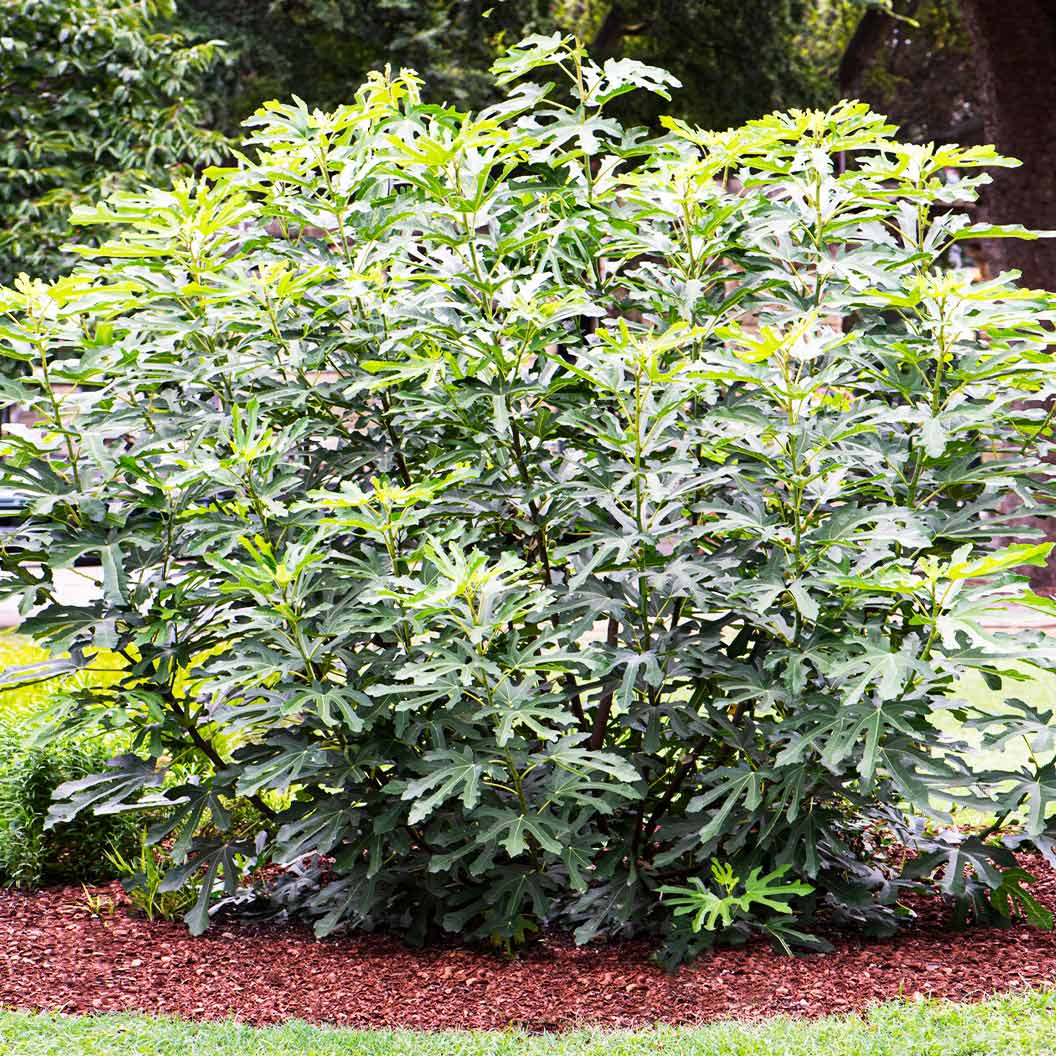
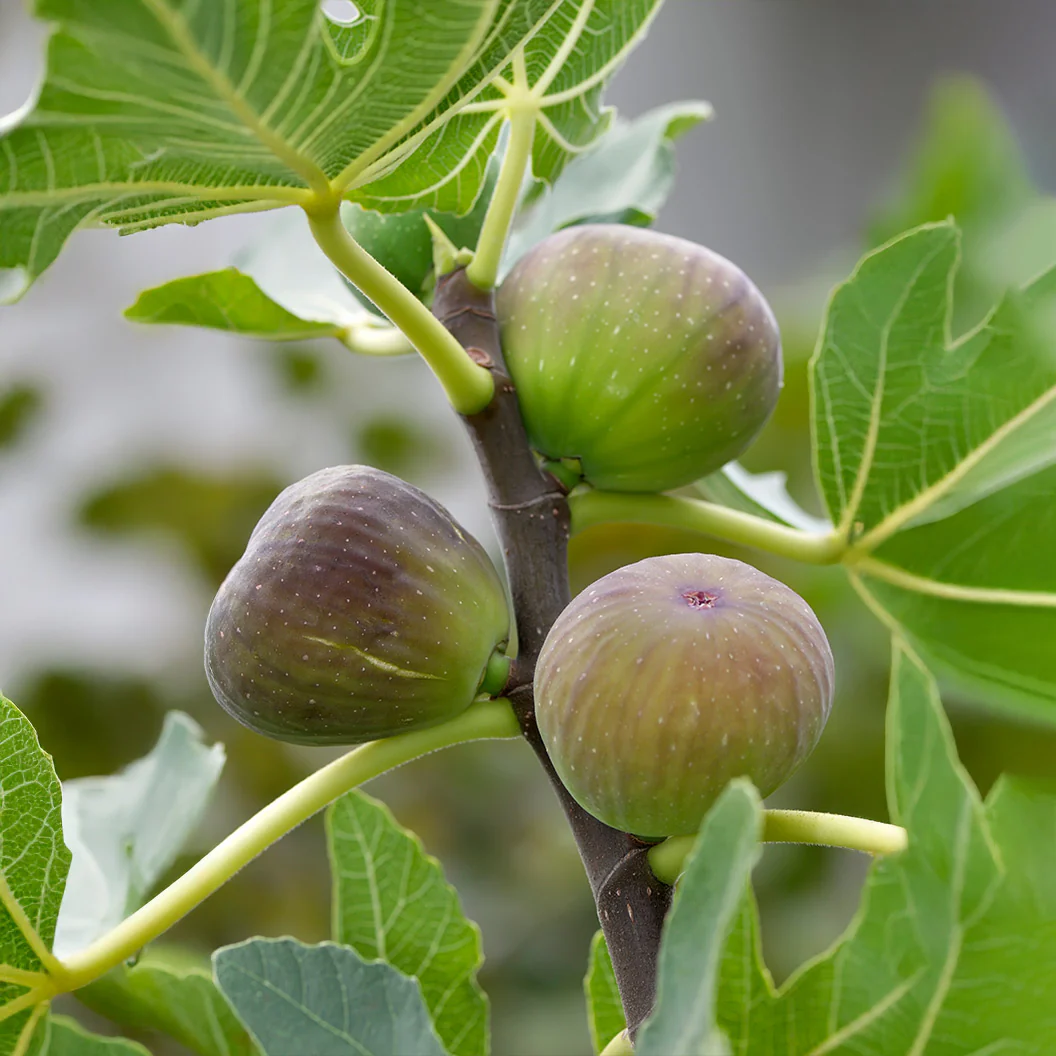
Little Ruby packs big flavor in a small plant! Even with its modest stature, this petite tree produces an abundance of bite-size red figs that are sweet and tasty. The reddish brown fruit of Little Ruby is distinct for its jammy flavor with notes of honey and molasses.
Thanks to their thin skin and a soft texture, Little Ruby figs are melt-in-your-mouth delicious. Versatile and robust, you'll be eating these right off the tree just a year or two after planting. Enjoy them fresh or dried, perfect for adding to dishes and making preserves.
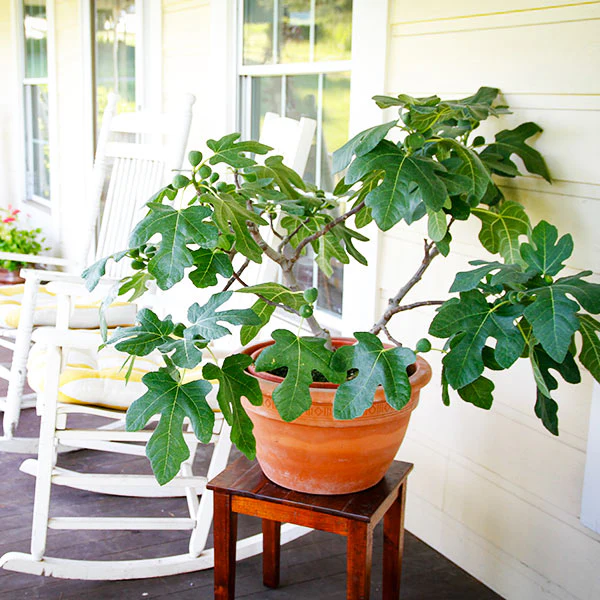
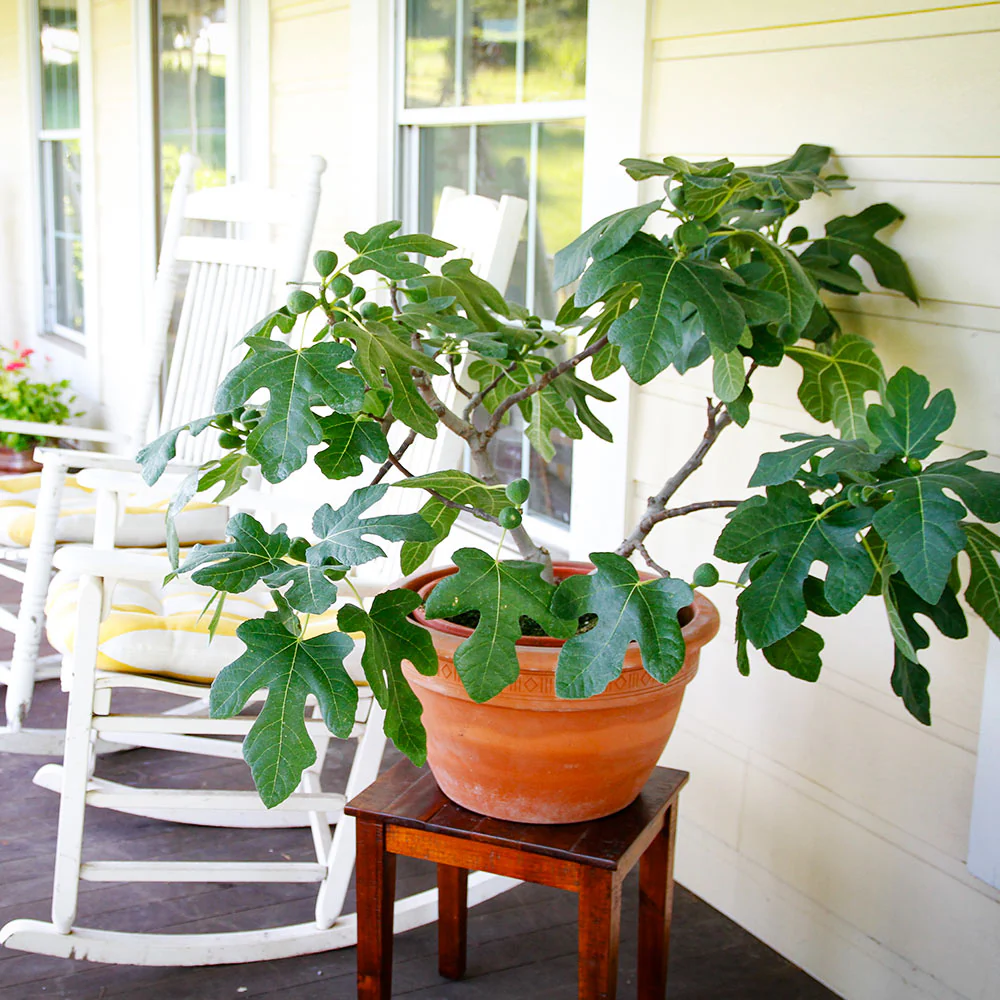
With a compact growing habit, Little Ruby is perfect for container planting. No more than 6 feet tall at mature size, this cold-hardy tree thrives in full sun whether placed outside on a patio or added as an indoor accent. Order yours today!
Planting & Care
1. Planting: Plant your Little Ruby Fig in an area that receives full to partial sunlight (6 to 8 hours of sun daily). While these trees prefer well-drained soil, they are adaptable to a number of different soil types.
Once you’ve selected your area, dig a hole that’s large enough to accommodate your tree’s root ball, place, and backfill the surrounding soil. Water to settle its roots and mulch around the tree to preserve moisture.
If you’re planting in a container, select a pot that’s about twice the width of your plant’s shipped container and ensure the pot has drainage holes. Add a mixture of your natural soil and organic planting mix to the container before you place your tree in it. Place your tree, then water until you see water coming out the bottom of the pot. Place your Fig Tree in front of a sunny window and allow the top 2 inches of the soil to dry before watering again.
2. Watering: Fig Trees have a fair drought tolerance. Once established, they will need a deep watering once every one to two weeks. Feel your soil - if it feels like it’s drying out close to the surface, then it’s time to water your tree. Trees kept in containers will often need more water than those planted in the ground. Water your trees more often during times of extreme heat or prolonged droughts.
3. Pruning: If desired, prune in late winter for shaping and size control.
4. Fertilizing: Fig trees typically don’t require any fertilizing, but if you notice slower growth, fertilize in the spring with a slow-release, well-balanced organic fertilizer, like formula 10-10-10.
Details & Craftsmanship
Every detail has been carefully considered to bring you the perfect product.
Description
High Producing Dwarf Fig Tree
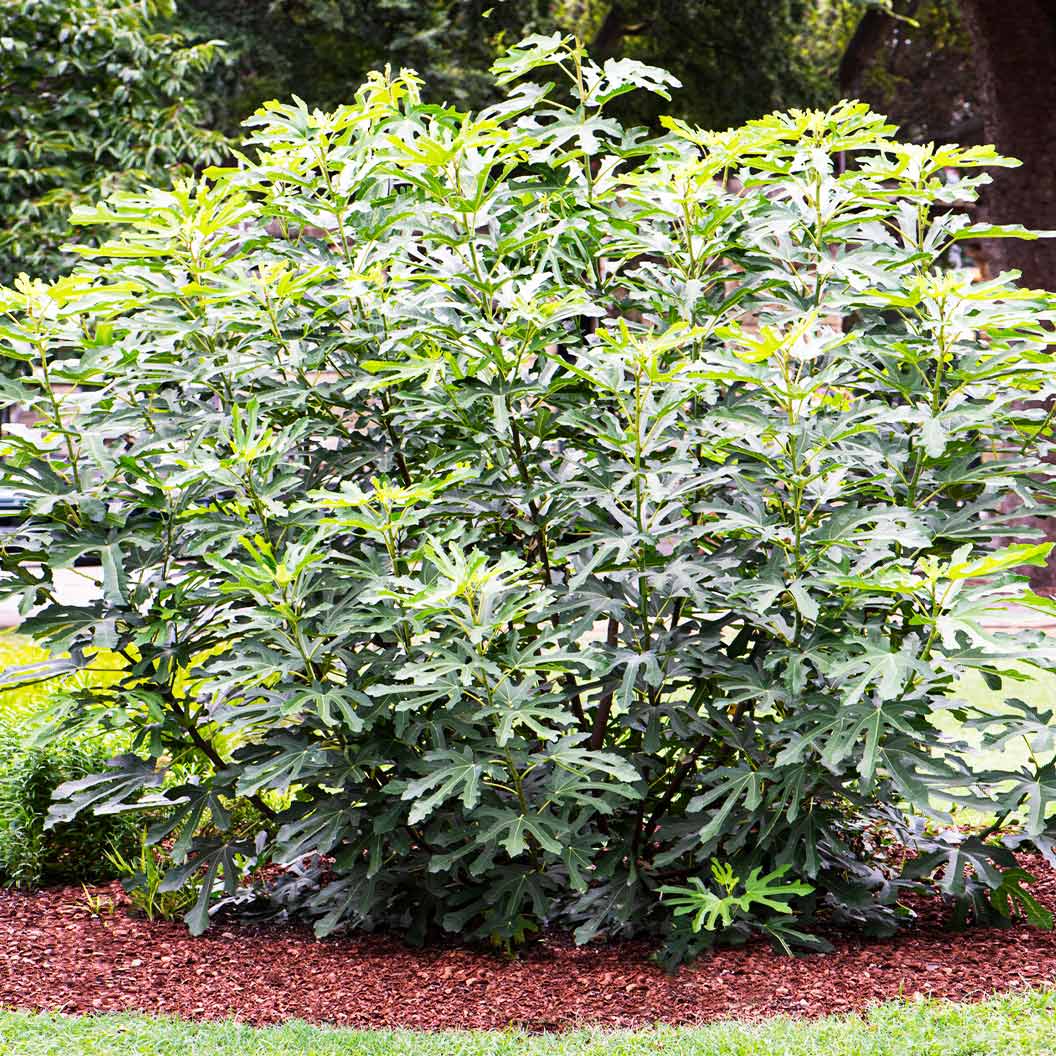
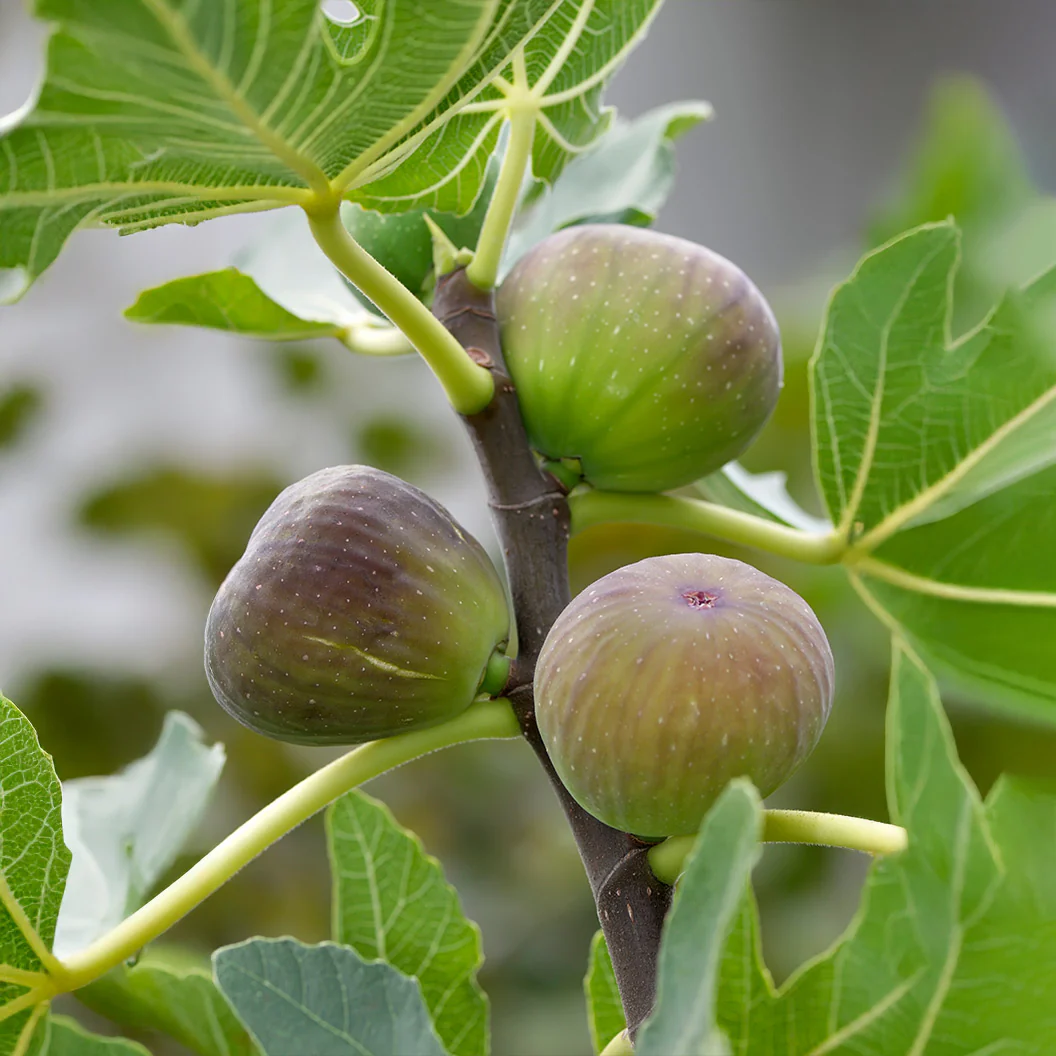
Little Ruby packs big flavor in a small plant! Even with its modest stature, this petite tree produces an abundance of bite-size red figs that are sweet and tasty. The reddish brown fruit of Little Ruby is distinct for its jammy flavor with notes of honey and molasses.
Thanks to their thin skin and a soft texture, Little Ruby figs are melt-in-your-mouth delicious. Versatile and robust, you'll be eating these right off the tree just a year or two after planting. Enjoy them fresh or dried, perfect for adding to dishes and making preserves.
With a compact growing habit, Little Ruby is perfect for container planting. No more than 6 feet tall at mature size, this cold-hardy tree thrives in full sun whether placed outside on a patio or added as an indoor accent. Order yours today!
Planting & Care
1. Planting: Plant your Little Ruby Fig in an area that receives full to partial sunlight (6 to 8 hours of sun daily). While these trees prefer well-drained soil, they are adaptable to a number of different soil types.
Once you’ve selected your area, dig a hole that’s large enough to accommodate your tree’s root ball, place, and backfill the surrounding soil. Water to settle its roots and mulch around the tree to preserve moisture.
If you’re planting in a container, select a pot that’s about twice the width of your plant’s shipped container and ensure the pot has drainage holes. Add a mixture of your natural soil and organic planting mix to the container before you place your tree in it. Place your tree, then water until you see water coming out the bottom of the pot. Place your Fig Tree in front of a sunny window and allow the top 2 inches of the soil to dry before watering again.
2. Watering: Fig Trees have a fair drought tolerance. Once established, they will need a deep watering once every one to two weeks. Feel your soil - if it feels like it’s drying out close to the surface, then it’s time to water your tree. Trees kept in containers will often need more water than those planted in the ground. Water your trees more often during times of extreme heat or prolonged droughts.
3. Pruning: If desired, prune in late winter for shaping and size control.
4. Fertilizing: Fig trees typically don’t require any fertilizing, but if you notice slower growth, fertilize in the spring with a slow-release, well-balanced organic fertilizer, like formula 10-10-10.