The Story
Easy-to-Grow Tree with Fruit As Sweet As Honey
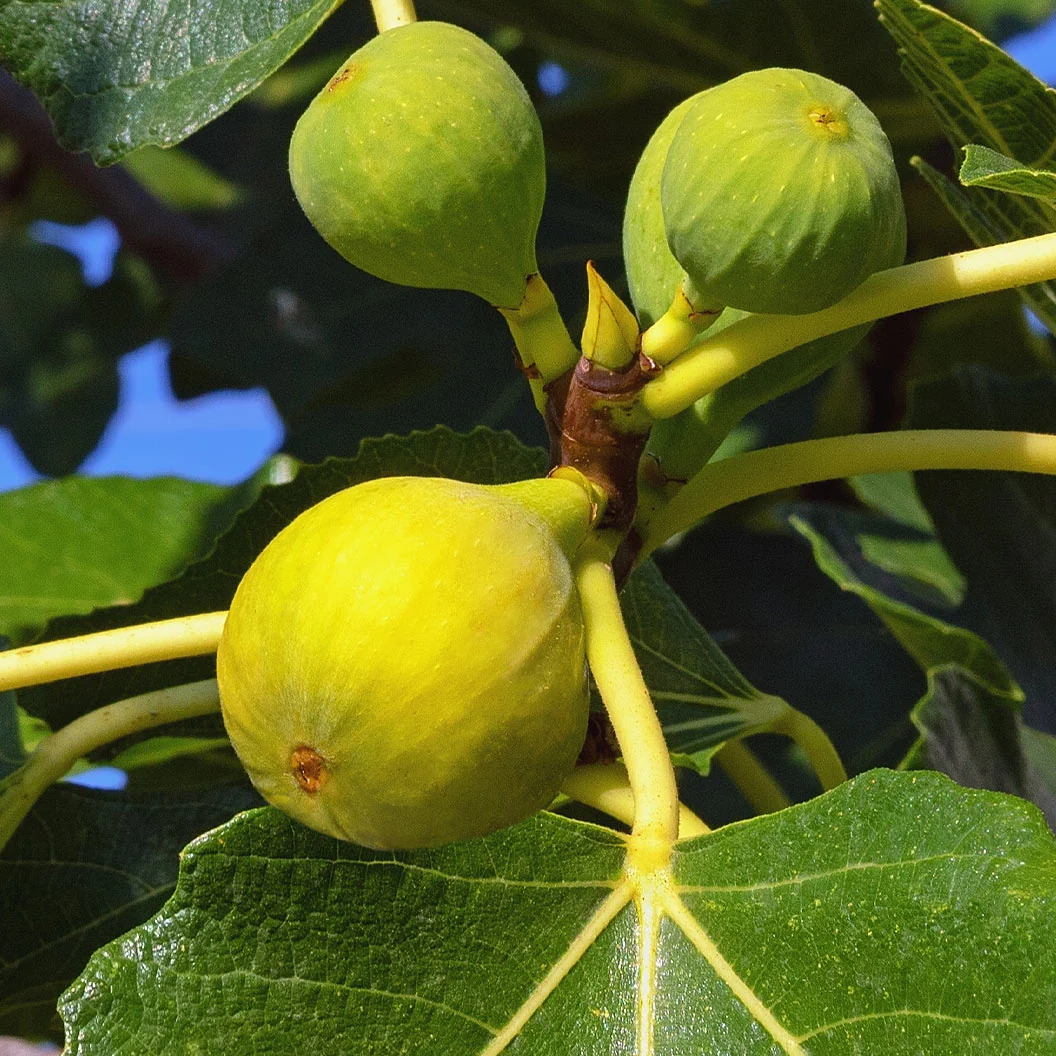
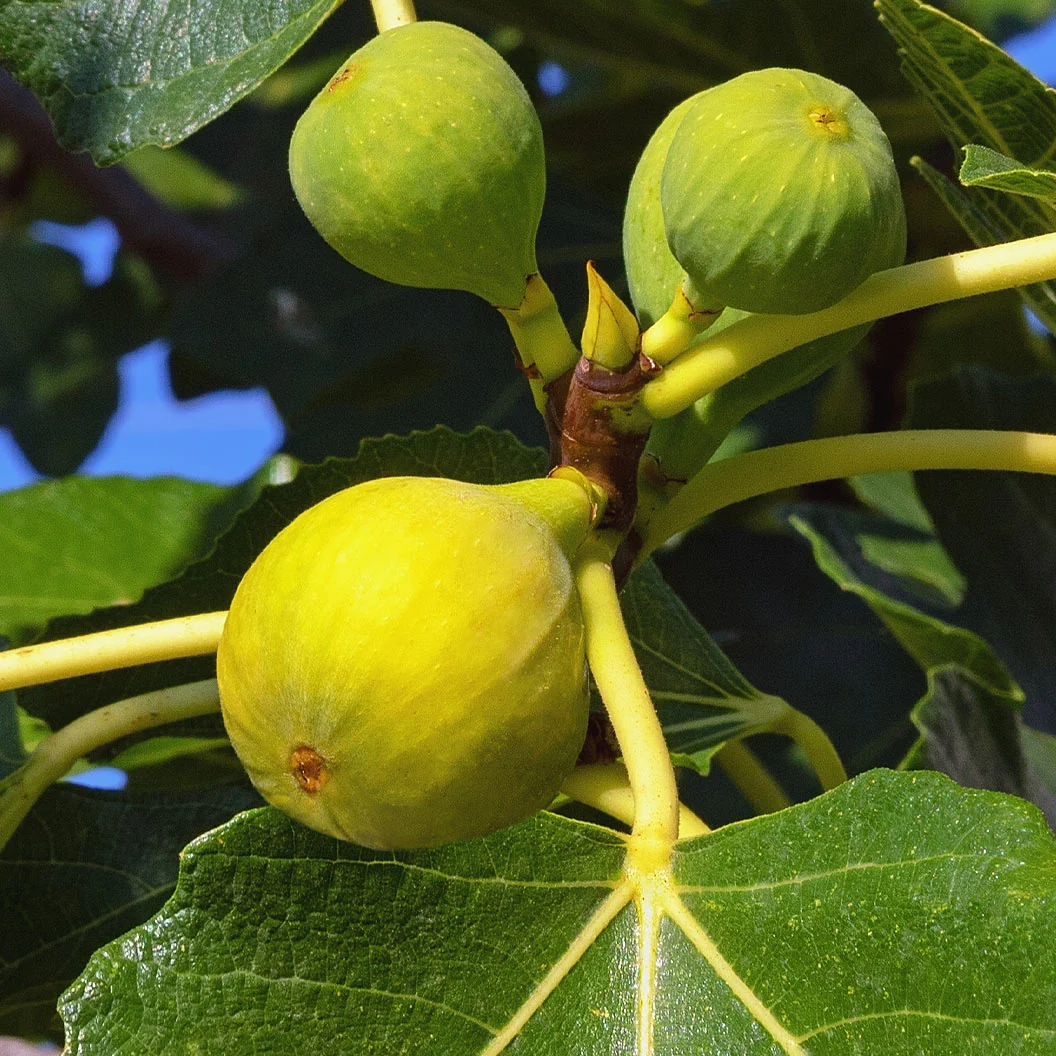
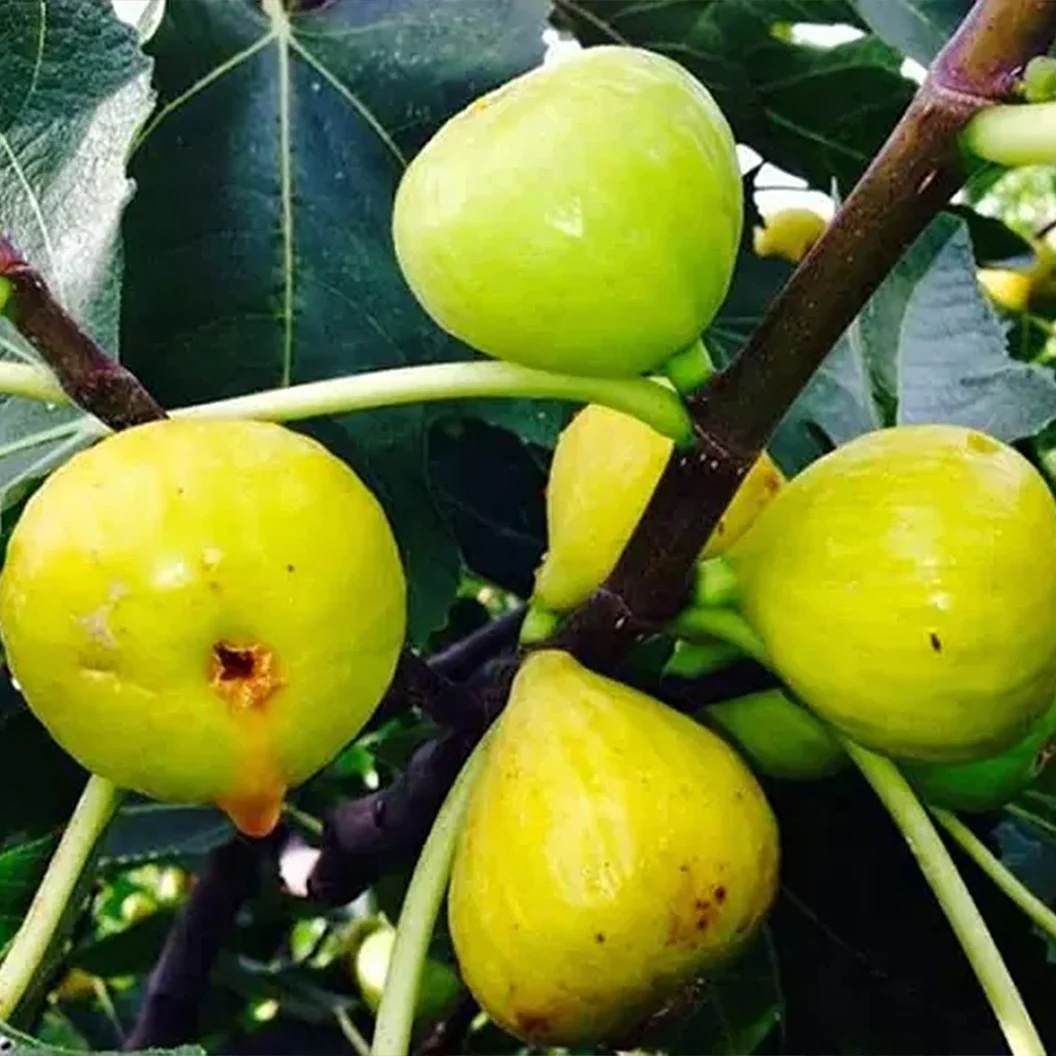
Lattarula, also known as the Italian Honey Fig Tree, is a reliable and hardy fig tree that has been producing delicious figs for many years in the Pacific Northwest. The Lattarula Italian Honey Fig gets its name from its greenish yellow fruit with rich, sweet, amber-colored flesh.
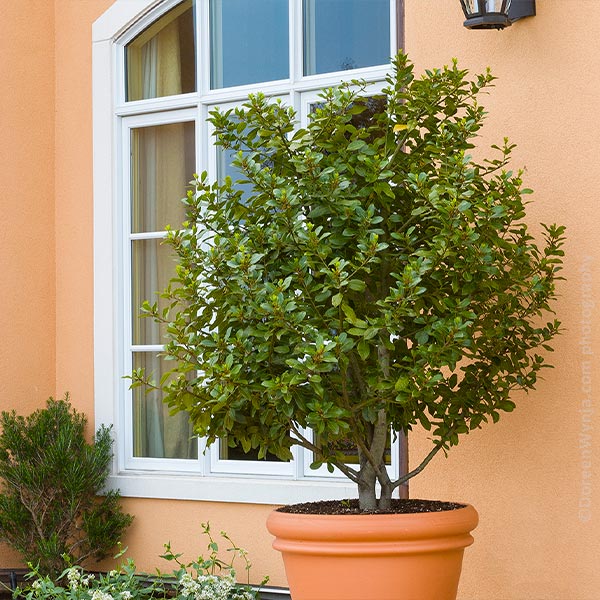
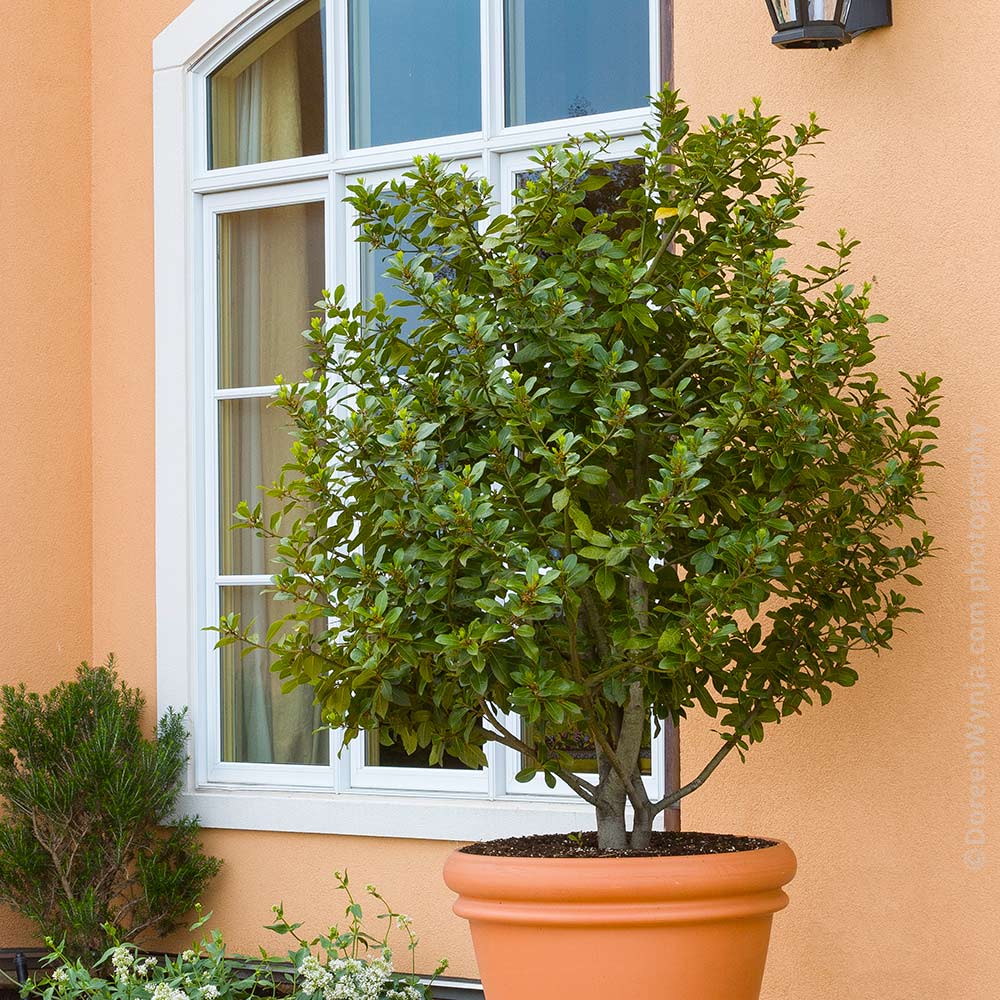
These figs are perfect any way you eat them, whether fresh off the tree, dried, or used in jams and pastries. The Italian Honey Fig is cold hardy and low maintenance, and can be grown in containers, indoors, or in the ground. With its compact size and versatility, the Italian Honey Fig Tree is perfect for patios, urban gardens, small yards, and more. This tree is drought-tolerant and deer-resistant as well as self-pollinating, which means you get fruit with just one plant. The Italian Honey Fig can bear two crops in one season, one ripening in late July and the second in mid-September.
If you're looking for an easy-to-grow crop that produces delicious, honey-sweet fruit, the Italian Honey Fig Tree is your best bet. Order yours today!
Planting & Care
1. Planting: Plant your Italian Honey Fig in an are that receives full sunlight (6 to 8 hours daily) and well-draining soil. You can place a thick mulch around the base of your fig tree to help retain moisture and add organic matter over time.
Figs prefer a slightly acidic pH, ideally between 6.0 and 6.5, but are somewhat tolerant of a range of soil pH so long as it is not overly alkaline.
2. Watering: Water evenly and regularly in the first two years to establish the root system. Once established, fig trees are very drought-tolerant and should only need regular rainfall, but supplemental watering may be needed in exceptionally hot or dry climates.
3. Fertilizing: Potted fig trees usually need regular fertilizing. Use a well-balanced fruit tree fertilizer and apply according to label instructions. Be careful not to over-fertilize because excess nitrogen will encourage growth at the expense of fruit production. This can often cause figs to ripen improperly or not at all. Figs grown in the ground generally don't need fertilizing and can tolerate many soil types, but an organic compost can be added if desired.
4. Pruning: Prune back dead or diseased wood and redundant branches in late autumn after all the fruit has been picked, or late winter before the tree's dormancy ends. Pruning out root suckers is also recommended as they receive little sunlight and typically don’t produce many figs. Summer pruning may work as well if you want to reduce vigor on your plant.
5. Pollination: The Italian Honey Fig Tree is self-pollinating, so you will get fruit from just one plant.
Harvesting: You can tell when a fig is ripe when the neck starts to elongate just a bit and if you tap on the branch next to the fruit you’ll see the neck elongate slightly more. Figs should be almost to the point of falling apart when they are fully ripe. Figs do not ripen much, if at all, off the tree, so picking them at the peak of ripeness is essential to get the best flavor out of them.
Details & Craftsmanship
Every detail has been carefully considered to bring you the perfect product.
Details & Craftsmanship
Every detail has been carefully considered to bring you the perfect product.
Description
Easy-to-Grow Tree with Fruit As Sweet As Honey
Lattarula, also known as the Italian Honey Fig Tree, is a reliable and hardy fig tree that has been producing delicious figs for many years in the Pacific Northwest. The Lattarula Italian Honey Fig gets its name from its greenish yellow fruit with rich, sweet, amber-colored flesh.
These figs are perfect any way you eat them, whether fresh off the tree, dried, or used in jams and pastries. The Italian Honey Fig is cold hardy and low maintenance, and can be grown in containers, indoors, or in the ground. With its compact size and versatility, the Italian Honey Fig Tree is perfect for patios, urban gardens, small yards, and more. This tree is drought-tolerant and deer-resistant as well as self-pollinating, which means you get fruit with just one plant. The Italian Honey Fig can bear two crops in one season, one ripening in late July and the second in mid-September.
If you're looking for an easy-to-grow crop that produces delicious, honey-sweet fruit, the Italian Honey Fig Tree is your best bet. Order yours today!
Planting & Care
1. Planting: Plant your Italian Honey Fig in an are that receives full sunlight (6 to 8 hours daily) and well-draining soil. You can place a thick mulch around the base of your fig tree to help retain moisture and add organic matter over time.
Figs prefer a slightly acidic pH, ideally between 6.0 and 6.5, but are somewhat tolerant of a range of soil pH so long as it is not overly alkaline.
2. Watering: Water evenly and regularly in the first two years to establish the root system. Once established, fig trees are very drought-tolerant and should only need regular rainfall, but supplemental watering may be needed in exceptionally hot or dry climates.
3. Fertilizing: Potted fig trees usually need regular fertilizing. Use a well-balanced fruit tree fertilizer and apply according to label instructions. Be careful not to over-fertilize because excess nitrogen will encourage growth at the expense of fruit production. This can often cause figs to ripen improperly or not at all. Figs grown in the ground generally don't need fertilizing and can tolerate many soil types, but an organic compost can be added if desired.
4. Pruning: Prune back dead or diseased wood and redundant branches in late autumn after all the fruit has been picked, or late winter before the tree's dormancy ends. Pruning out root suckers is also recommended as they receive little sunlight and typically don’t produce many figs. Summer pruning may work as well if you want to reduce vigor on your plant.
5. Pollination: The Italian Honey Fig Tree is self-pollinating, so you will get fruit from just one plant.
Harvesting: You can tell when a fig is ripe when the neck starts to elongate just a bit and if you tap on the branch next to the fruit you’ll see the neck elongate slightly more. Figs should be almost to the point of falling apart when they are fully ripe. Figs do not ripen much, if at all, off the tree, so picking them at the peak of ripeness is essential to get the best flavor out of them.