The Story
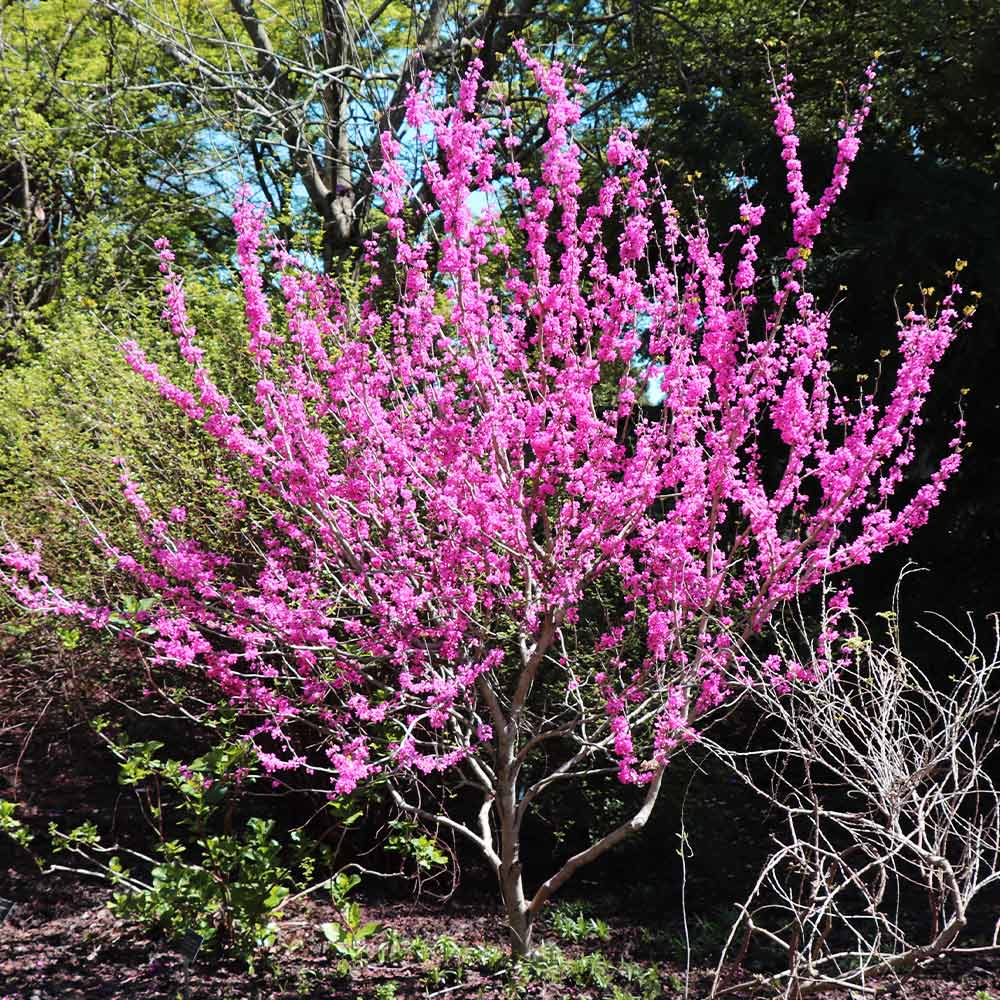
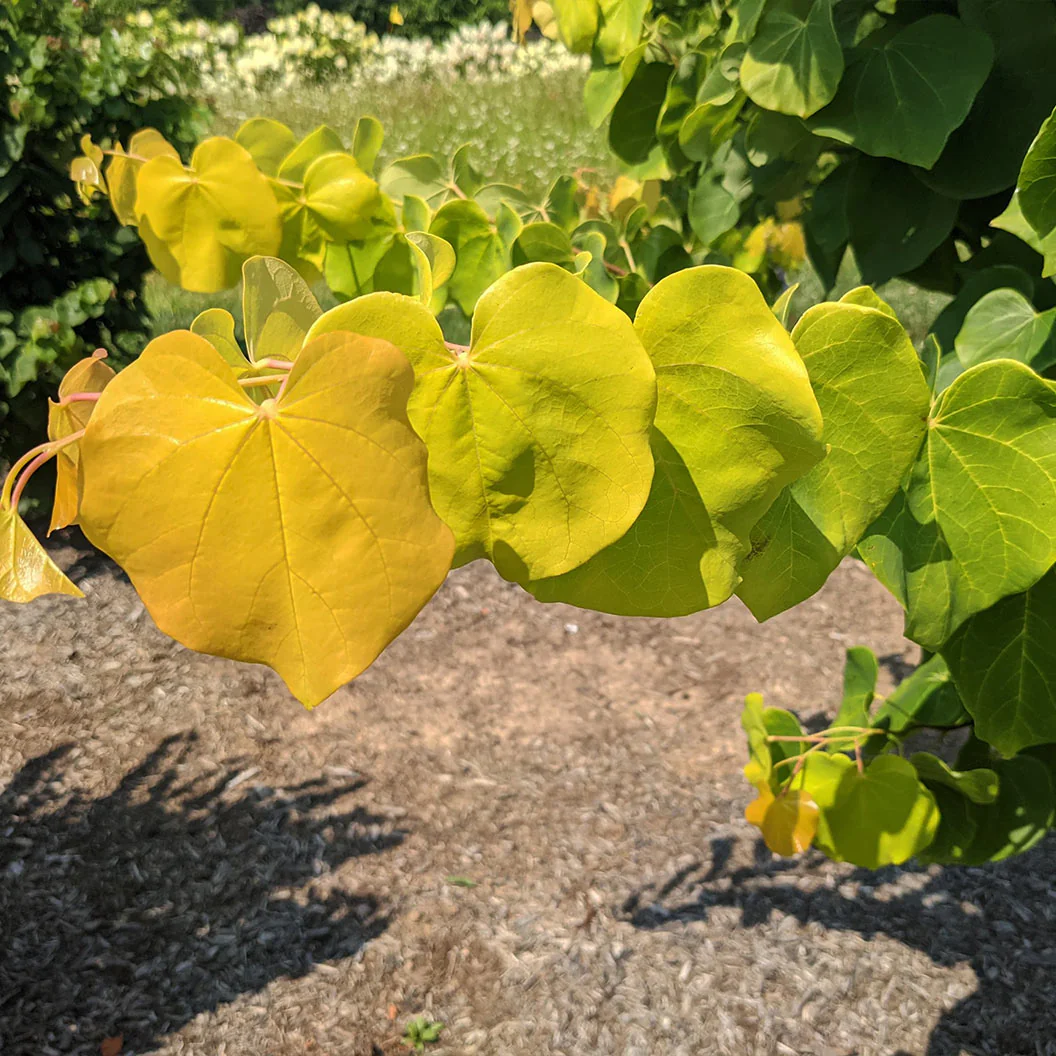
Striking foliage with vibrant spring blooms
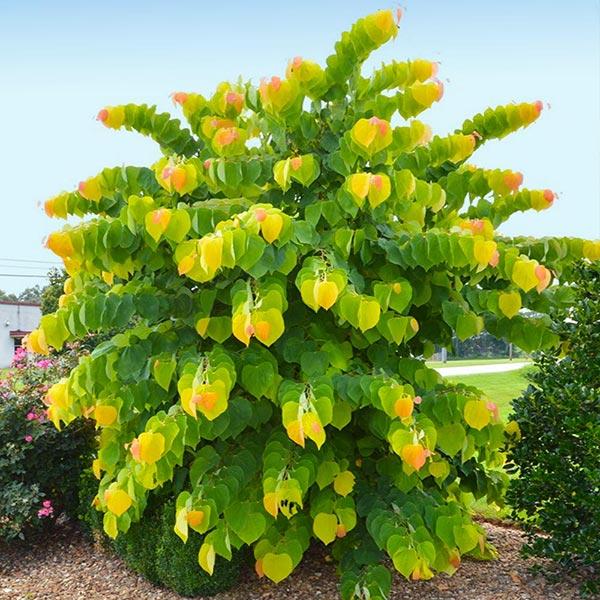
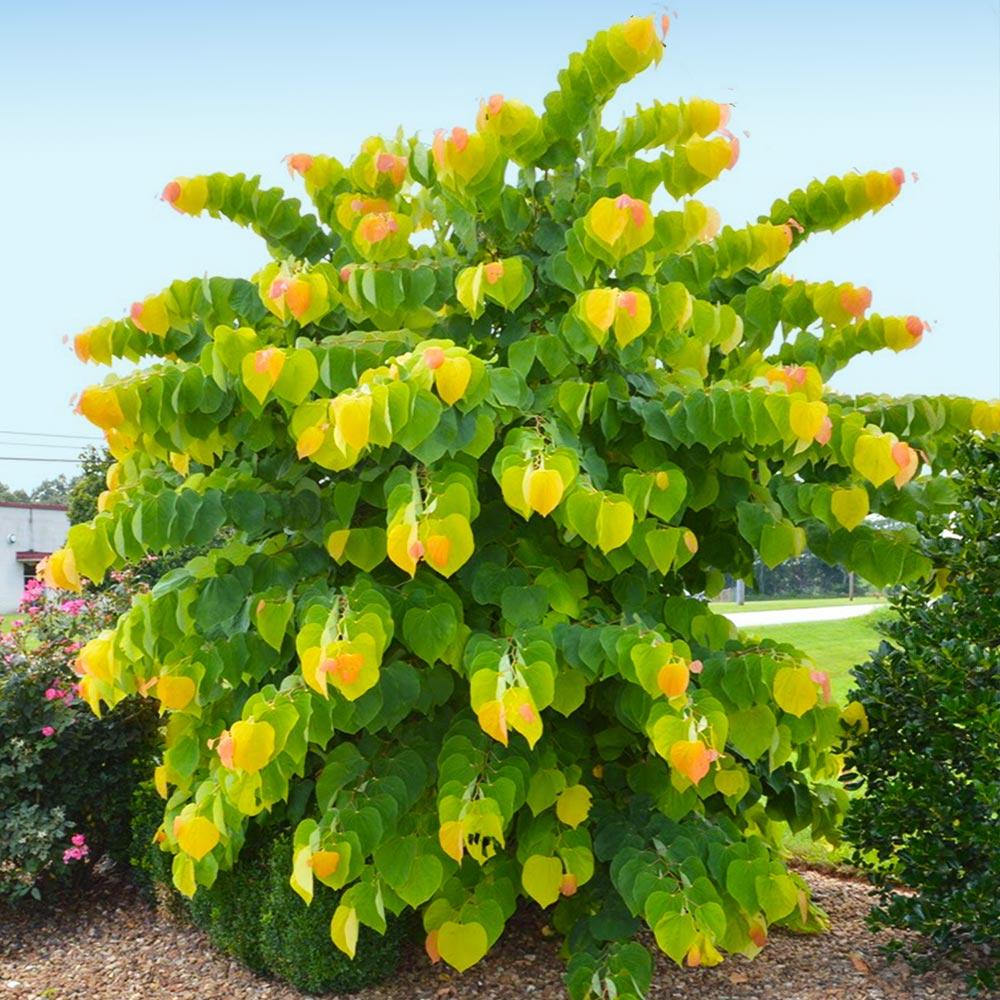
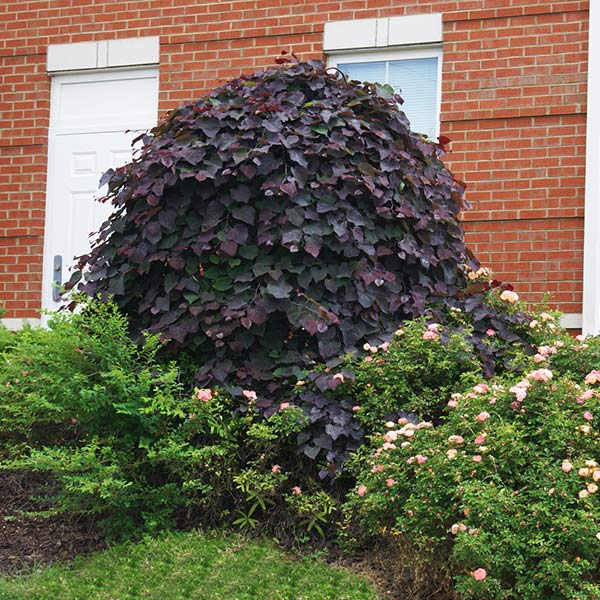
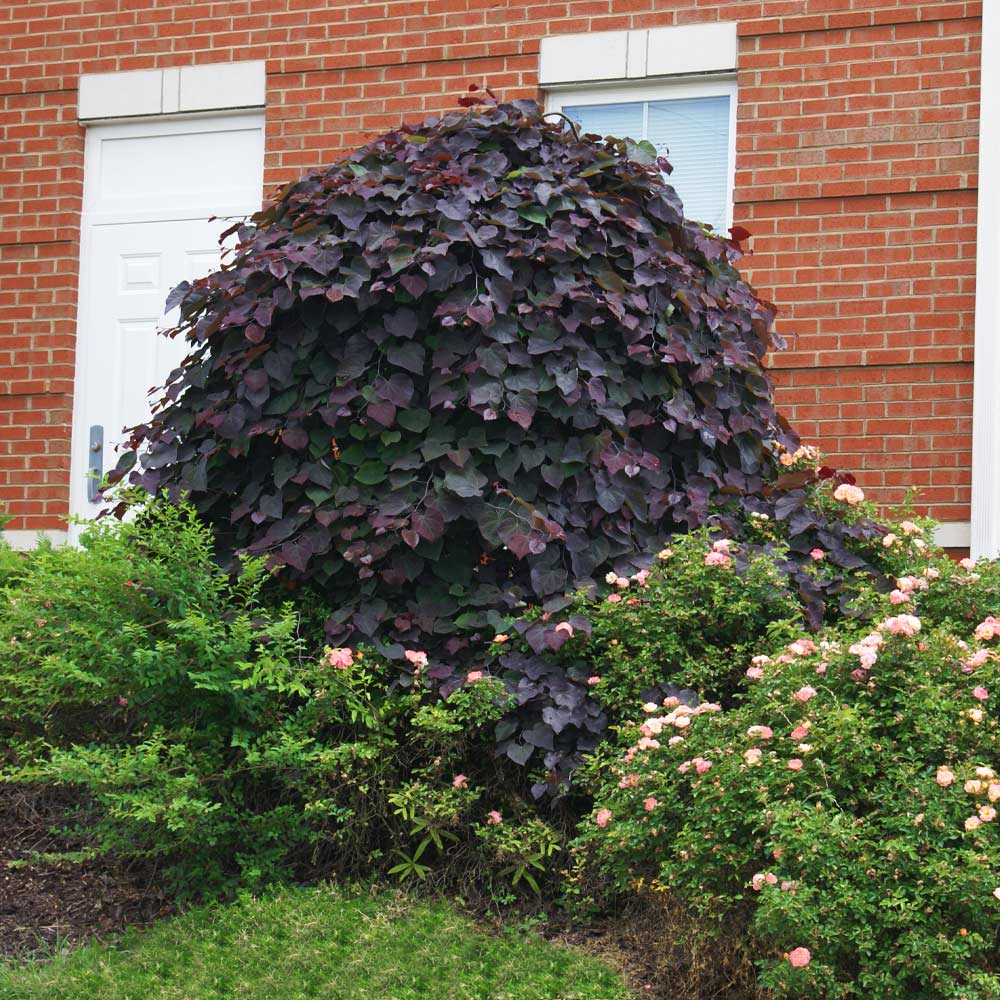
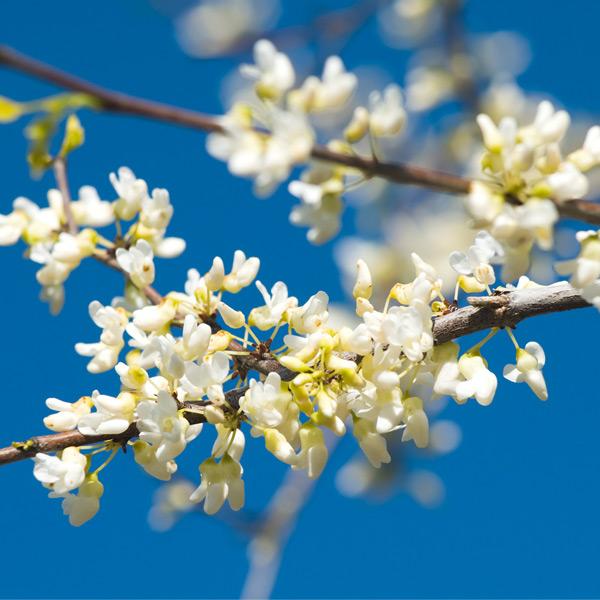
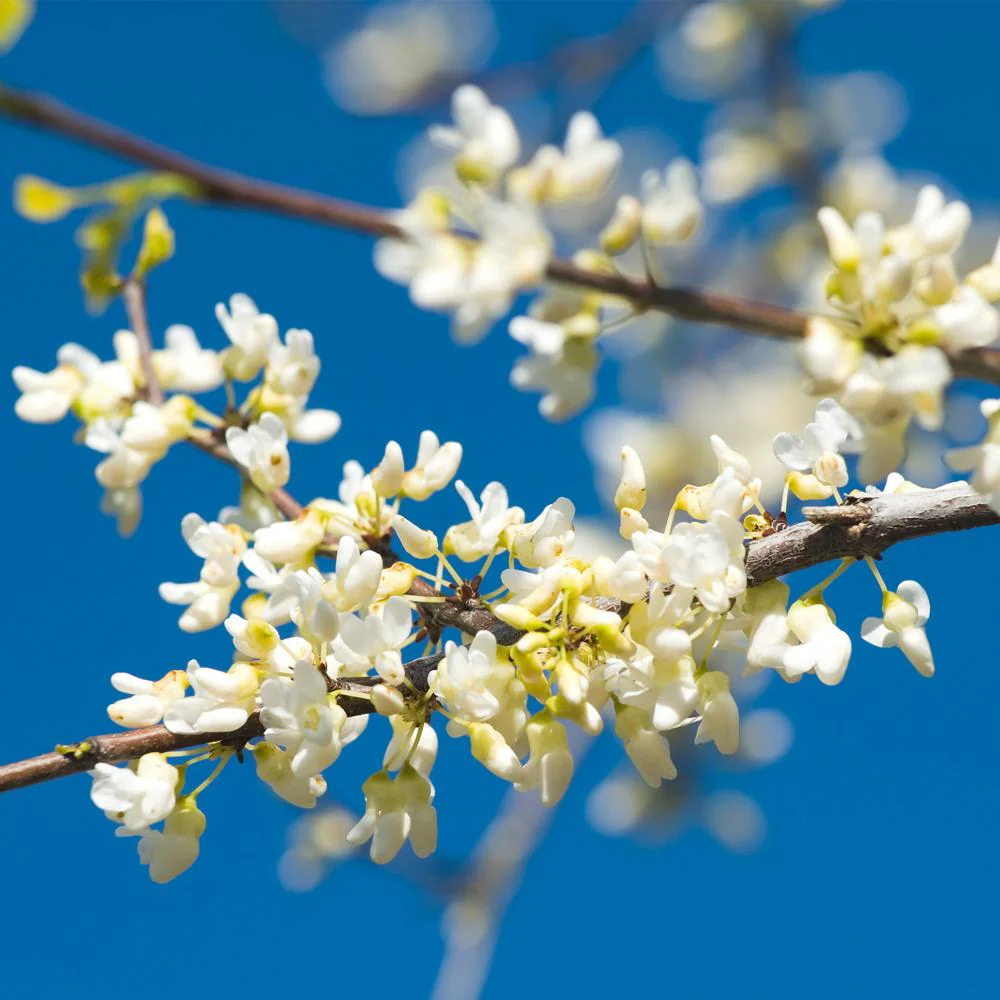
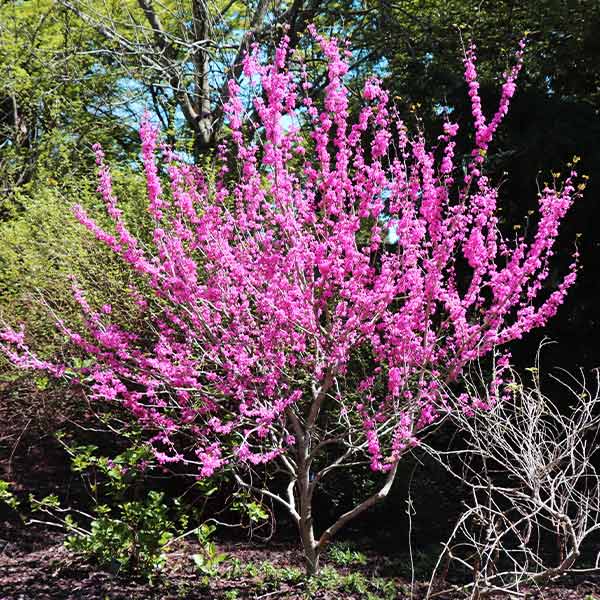
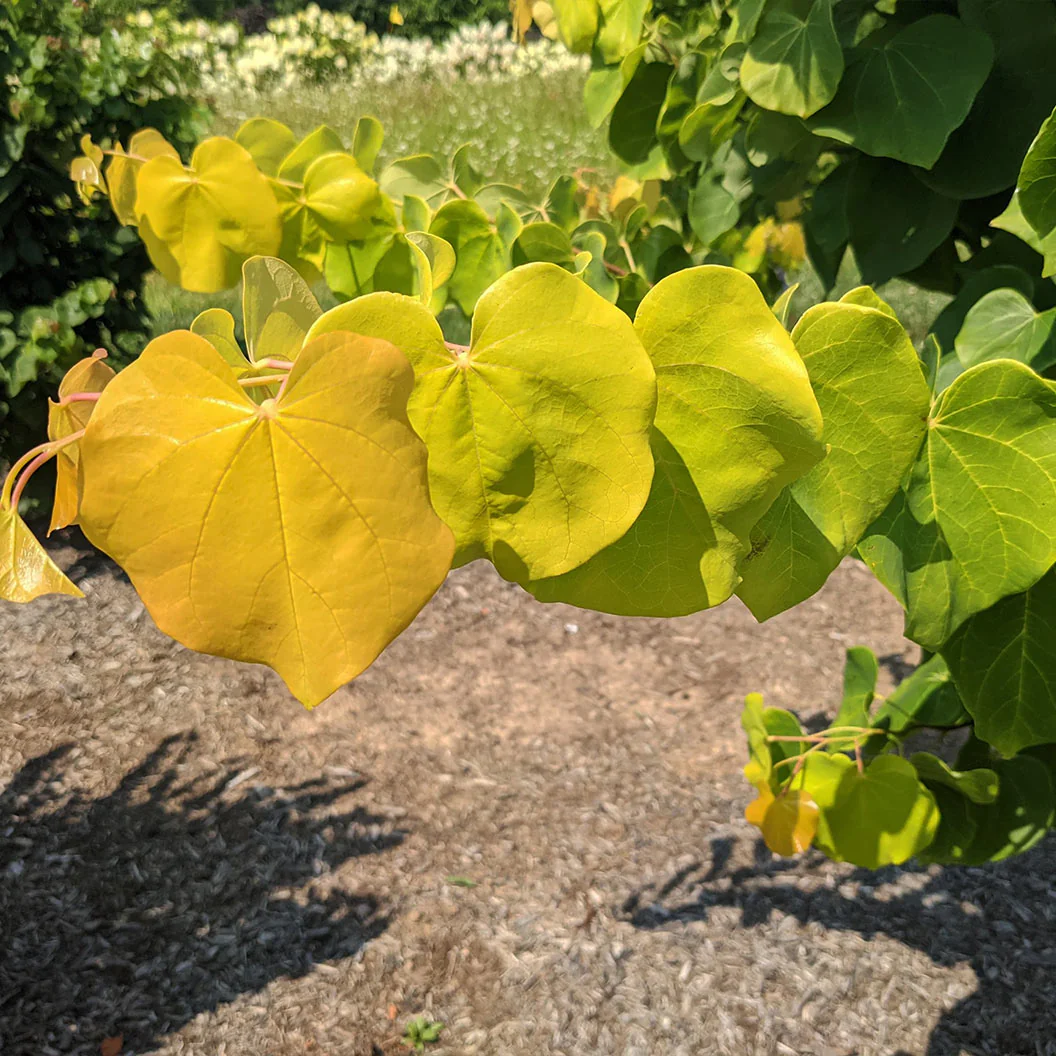
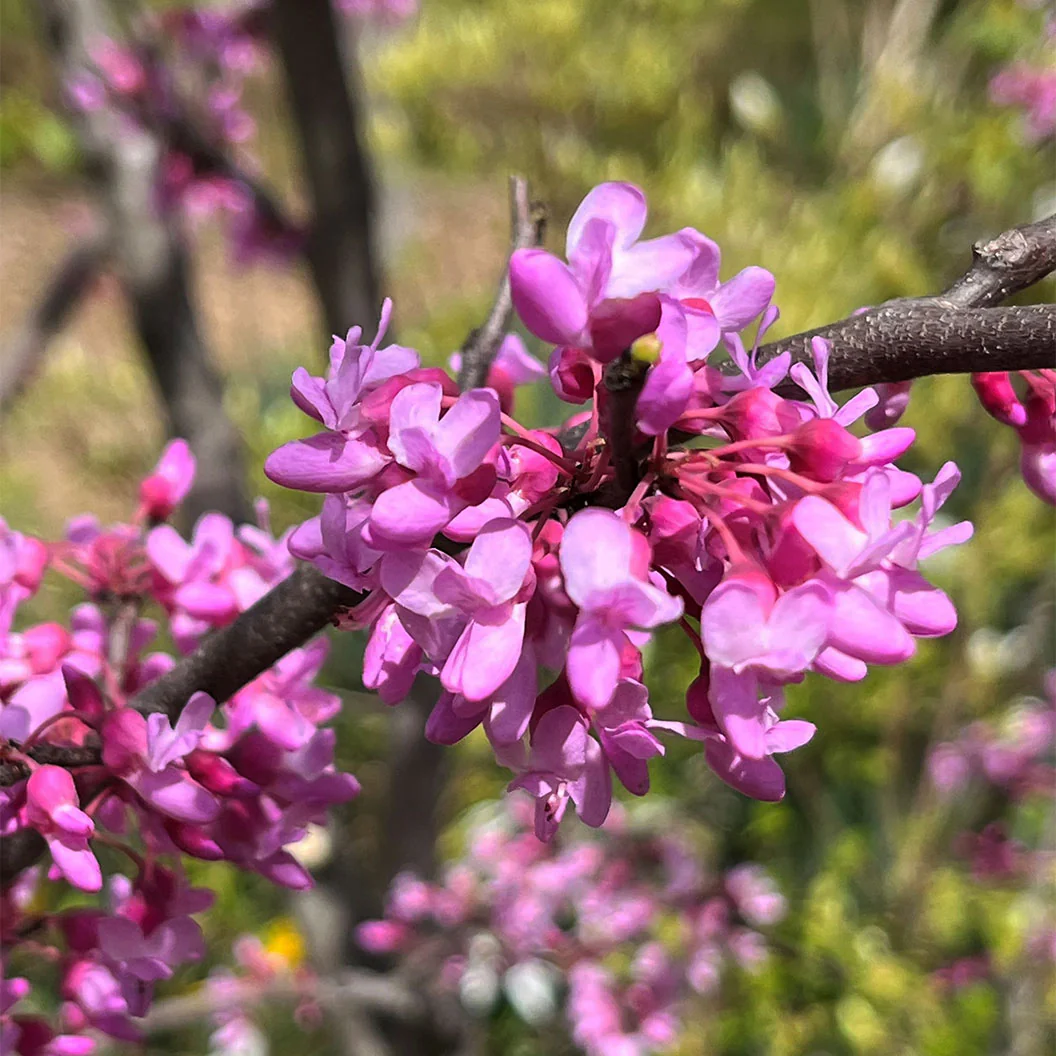
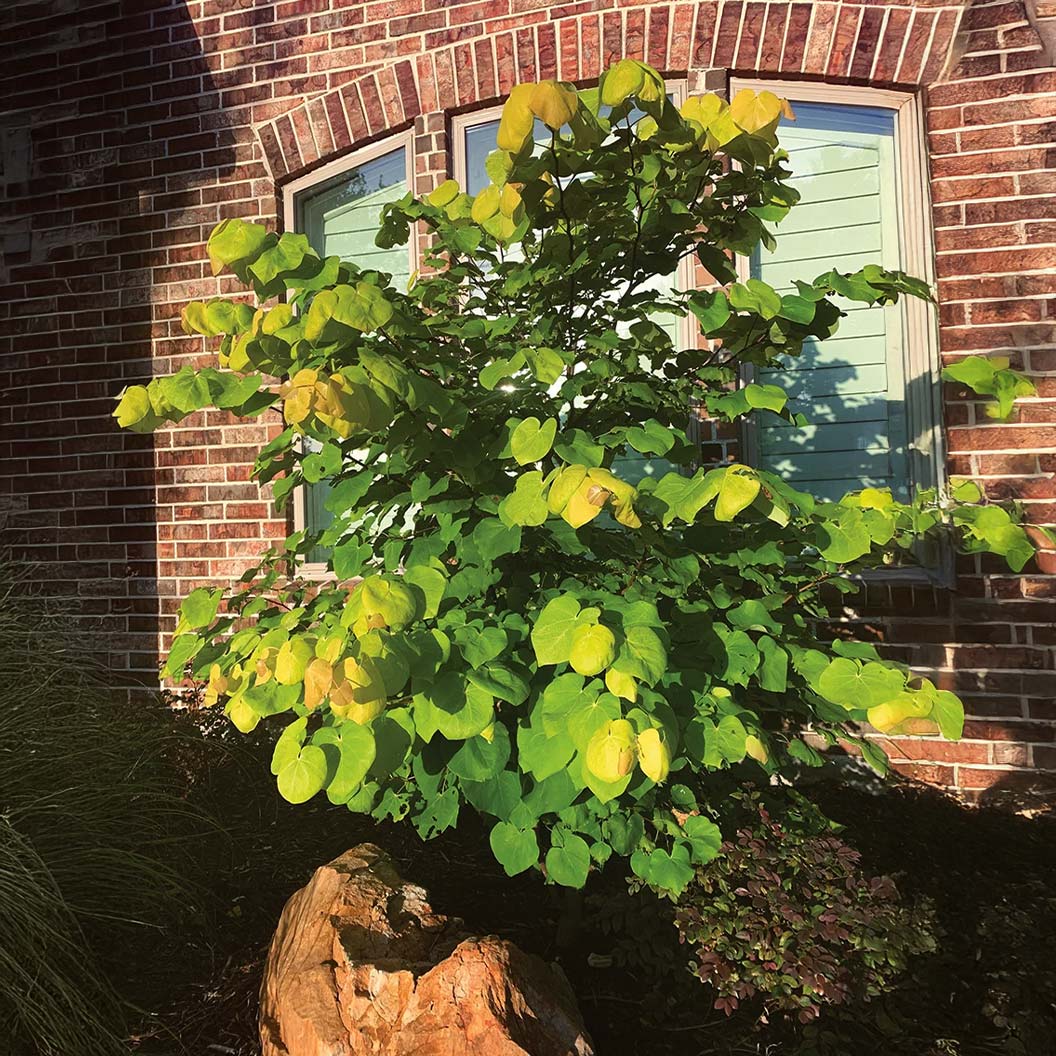
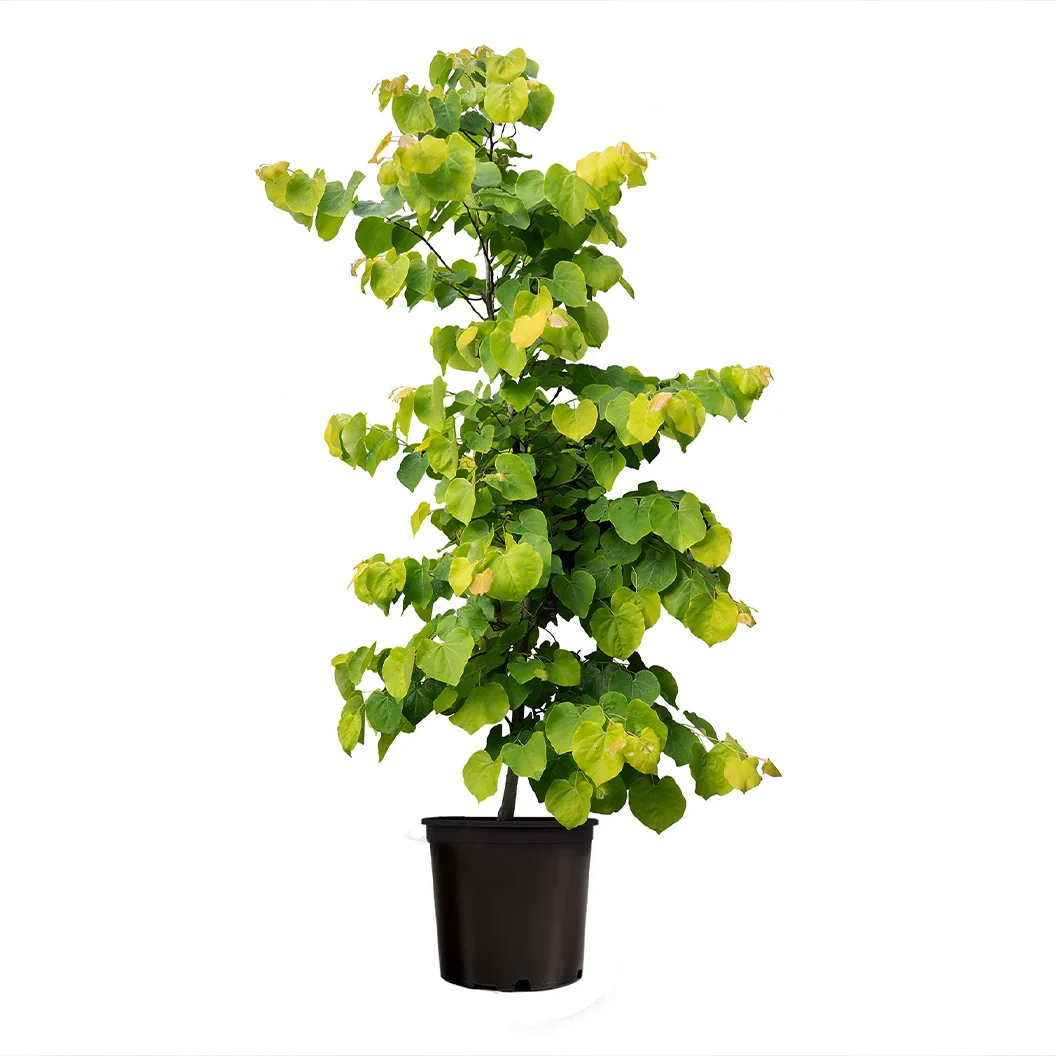
The Gilded Hearts Cercis is a charming little tree that dazzles with its glossy, golden heart-shaped leaves. This native of the Southwestern United States and Texas thrives in both direct sun and heat, maintaining its vibrant color throughout the growing season. With the added delight of masses of pink flowers that burst forth in early spring, it's sure to capture attention and hearts alike in any garden or landscape.
This lovely tree not only adds stunning visual appeal but also serves as a unique conversation piece for your outdoor space. Its compact size makes it versatile for smaller yards or public spaces, blending seamlessly with a variety of garden designs while providing a splash of color and texture. Whether you plant it as a standalone focal point or as part of a mixed border, the Gilded Hearts Cercis promises to be a centerpiece of joy and beauty.
Planting & Care
1. Planting: Plant or repot within 4 weeks of arrival. Choose a well-draining site with full sun exposure, as this tree thrives in bright conditions. Dig a hole that is twice the width of the root ball and just as deep, ensuring the top of the root ball is level with the surrounding soil. Water thoroughly after planting and mulch around the base to conserve moisture.
2. Watering: Water the tree regularly during its first year to establish a strong root system. Once established, it is quite drought-tolerant, but regular watering during dry spells will encourage healthy growth. Always ensure that the soil drains well to prevent any waterlogging.
3. Pruning: Prune lightly to maintain shape and remove any dead or damaged branches. The best time to prune is during the dormant season, late winter to early spring, before new growth begins. Avoid heavy pruning, as this can reduce flowering.
4. Fertilizing: Fertilize in early spring with a balanced, slow-release fertilizer like Espoma Garden Food 10-10-10 to support growth and flowering. Follow package instructions for proper application rates, and avoid over-fertilization, as this can harm the plant.
Details & Craftsmanship
Every detail has been carefully considered to bring you the perfect product.
Details & Craftsmanship
Every detail has been carefully considered to bring you the perfect product.
Details & Craftsmanship
Every detail has been carefully considered to bring you the perfect product.
Details & Craftsmanship
Every detail has been carefully considered to bring you the perfect product.
Description
Striking foliage with vibrant spring blooms
The Gilded Hearts Cercis is a charming little tree that dazzles with its glossy, golden heart-shaped leaves. This native of the Southwestern United States and Texas thrives in both direct sun and heat, maintaining its vibrant color throughout the growing season. With the added delight of masses of pink flowers that burst forth in early spring, it's sure to capture attention and hearts alike in any garden or landscape.
This lovely tree not only adds stunning visual appeal but also serves as a unique conversation piece for your outdoor space. Its compact size makes it versatile for smaller yards or public spaces, blending seamlessly with a variety of garden designs while providing a splash of color and texture. Whether you plant it as a standalone focal point or as part of a mixed border, the Gilded Hearts Cercis promises to be a centerpiece of joy and beauty.
Planting & Care
1. Planting: Plant or repot within 4 weeks of arrival. Choose a well-draining site with full sun exposure, as this tree thrives in bright conditions. Dig a hole that is twice the width of the root ball and just as deep, ensuring the top of the root ball is level with the surrounding soil. Water thoroughly after planting and mulch around the base to conserve moisture.
2. Watering: Water the tree regularly during its first year to establish a strong root system. Once established, it is quite drought-tolerant, but regular watering during dry spells will encourage healthy growth. Always ensure that the soil drains well to prevent any waterlogging.
3. Pruning: Prune lightly to maintain shape and remove any dead or damaged branches. The best time to prune is during the dormant season, late winter to early spring, before new growth begins. Avoid heavy pruning, as this can reduce flowering.
4. Fertilizing: Fertilize in early spring with a balanced, slow-release fertilizer like Espoma Garden Food 10-10-10 to support growth and flowering. Follow package instructions for proper application rates, and avoid over-fertilization, as this can harm the plant.