Original: $106.95
-65%$106.95
$37.43The Story
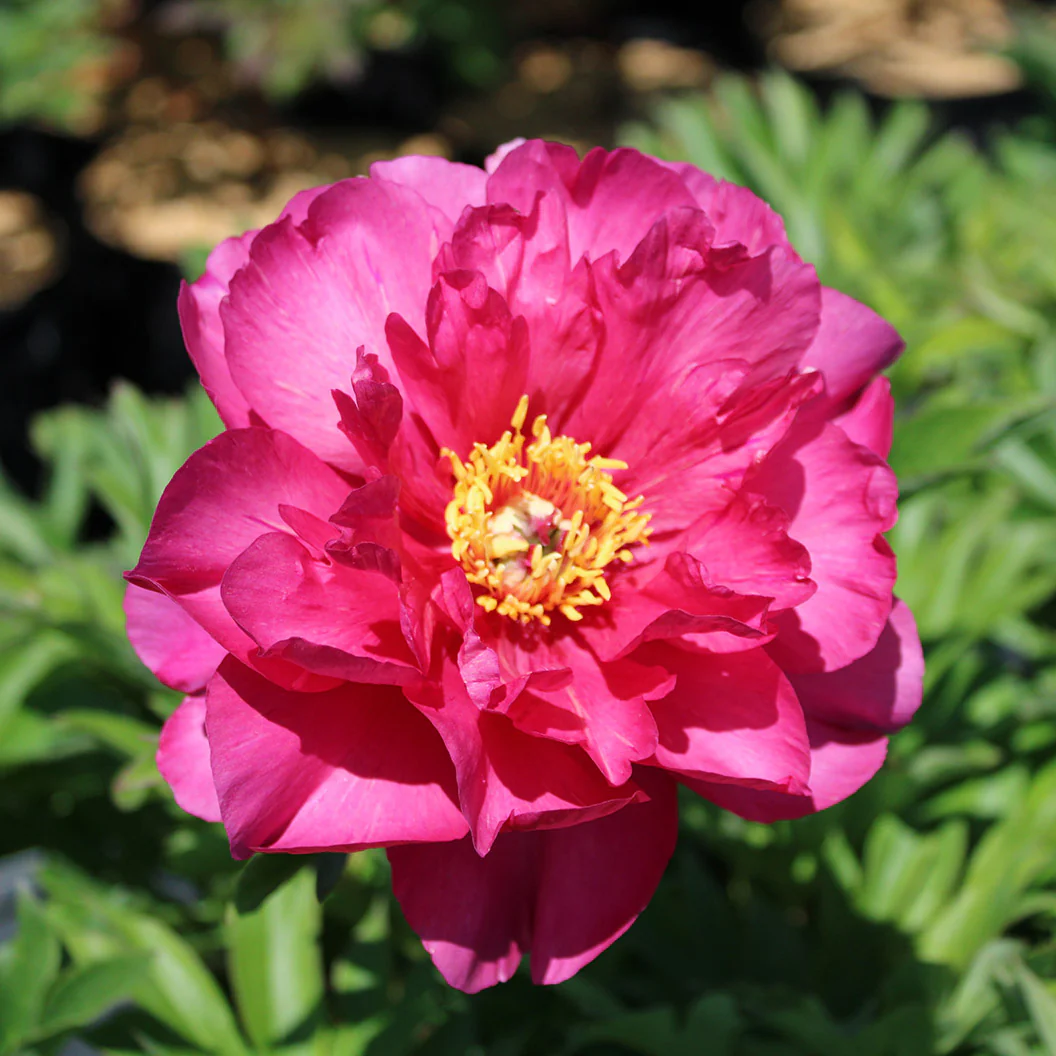
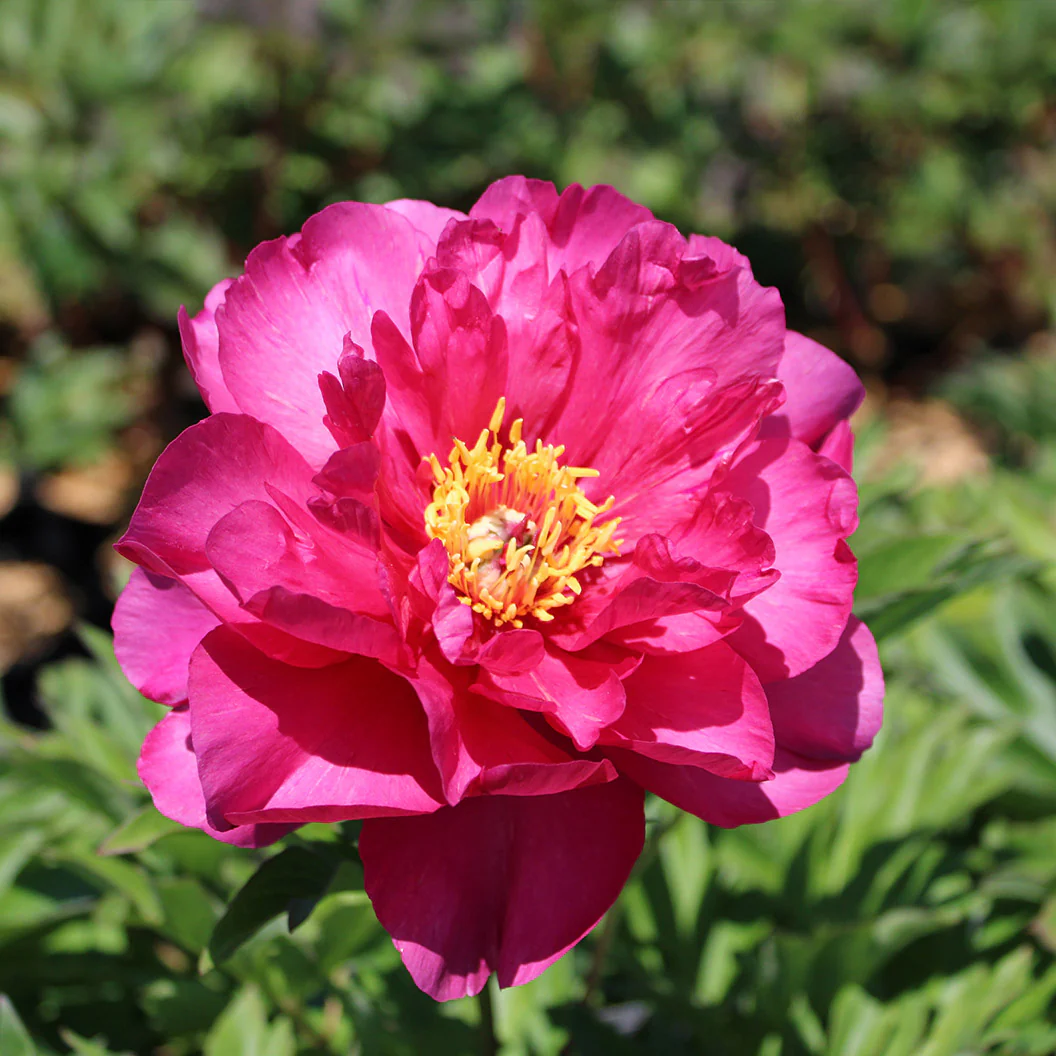
A stunning burst of raspberry pink blooms
Brighten your garden with a splash of vibrant raspberry pink by adding this delightful shrub to your landscape. Its full sun preference makes it an excellent choice for sunny spots, and once established, it demonstrates remarkable drought tolerance. Growing to a modest height and width of 3 feet, it fits perfectly in smaller spaces while still making a bold statement. The early summer blooms will draw compliments from neighbors and pollinators alike, creating a stunning focal point in your yard.
Beyond its visual appeal, this shrub is resilient and low-maintenance. It thrives in average garden soil and stands up well against common threats; its resistance to mildew and deer ensures that your investment will continue to flourish year after year. This hardy plant is well-suited for hardiness zones 3-8a, allowing a wide range of gardeners to enjoy its beauty. By incorporating this shrub into your landscape, you not only enhance your outdoor space visually, but you also gain a reliable companion that will bring joy season after season.
Planting & Care
1. Planting: Plant or repot within 4 weeks of arrival. Choose a sunny location with well-draining soil, and avoid low or wet areas, as peonies are prone to root rot. Peonies do not like to be moved, so select a permanent planting location where the plant will not need transplanting. Dig a hole twice as wide as the root ball and set the plant so it is level with the surrounding soil. Backfill with a mixture of native soil and compost.
2. Watering: Water regularly to keep the soil moist during the establishment period. Once established, this shrub is drought tolerant and requires less frequent watering.
3. Pruning: In late fall, after the foliage has died back, cut stems down to about 4 inches above the ground to promote healthy growth the following season. In early spring, remove any dead or damaged leaves to make way for new growth and improve air circulation.
4. Fertilizing: A root-supportive fertilizer such as Espoma Bio-tone® may be used at planting. In subsequent years, apply a bulb fertilizer after flowering or work compost into the soil to improve fertility and overall soil quality. Avoid high-nitrogen fertilizers, as they can encourage lush foliage at the expense of blooms.
Details & Craftsmanship
Every detail has been carefully considered to bring you the perfect product.
Details & Craftsmanship
Every detail has been carefully considered to bring you the perfect product.
Description
A stunning burst of raspberry pink blooms
Brighten your garden with a splash of vibrant raspberry pink by adding this delightful shrub to your landscape. Its full sun preference makes it an excellent choice for sunny spots, and once established, it demonstrates remarkable drought tolerance. Growing to a modest height and width of 3 feet, it fits perfectly in smaller spaces while still making a bold statement. The early summer blooms will draw compliments from neighbors and pollinators alike, creating a stunning focal point in your yard.
Beyond its visual appeal, this shrub is resilient and low-maintenance. It thrives in average garden soil and stands up well against common threats; its resistance to mildew and deer ensures that your investment will continue to flourish year after year. This hardy plant is well-suited for hardiness zones 3-8a, allowing a wide range of gardeners to enjoy its beauty. By incorporating this shrub into your landscape, you not only enhance your outdoor space visually, but you also gain a reliable companion that will bring joy season after season.
Planting & Care
1. Planting: Plant or repot within 4 weeks of arrival. Choose a sunny location with well-draining soil, and avoid low or wet areas, as peonies are prone to root rot. Peonies do not like to be moved, so select a permanent planting location where the plant will not need transplanting. Dig a hole twice as wide as the root ball and set the plant so it is level with the surrounding soil. Backfill with a mixture of native soil and compost.
2. Watering: Water regularly to keep the soil moist during the establishment period. Once established, this shrub is drought tolerant and requires less frequent watering.
3. Pruning: In late fall, after the foliage has died back, cut stems down to about 4 inches above the ground to promote healthy growth the following season. In early spring, remove any dead or damaged leaves to make way for new growth and improve air circulation.
4. Fertilizing: A root-supportive fertilizer such as Espoma Bio-tone® may be used at planting. In subsequent years, apply a bulb fertilizer after flowering or work compost into the soil to improve fertility and overall soil quality. Avoid high-nitrogen fertilizers, as they can encourage lush foliage at the expense of blooms.