Original: $90.95
-65%$90.95
$31.83The Story
Cold-Hardy Tree With Large, Sweet Kumquats for Autumn Harvest
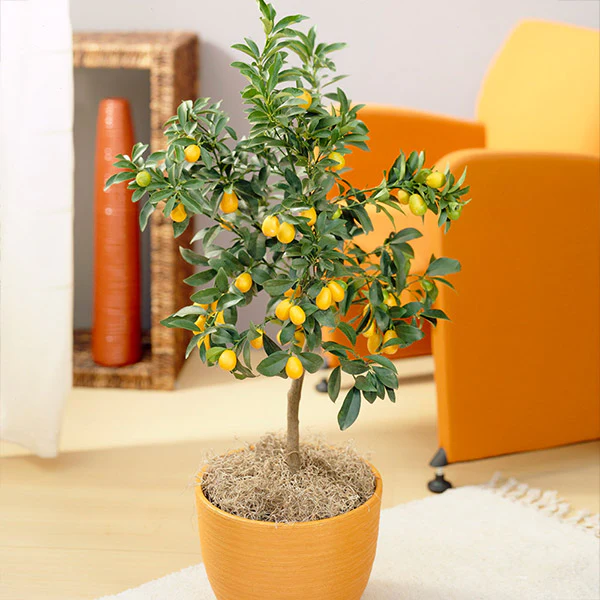
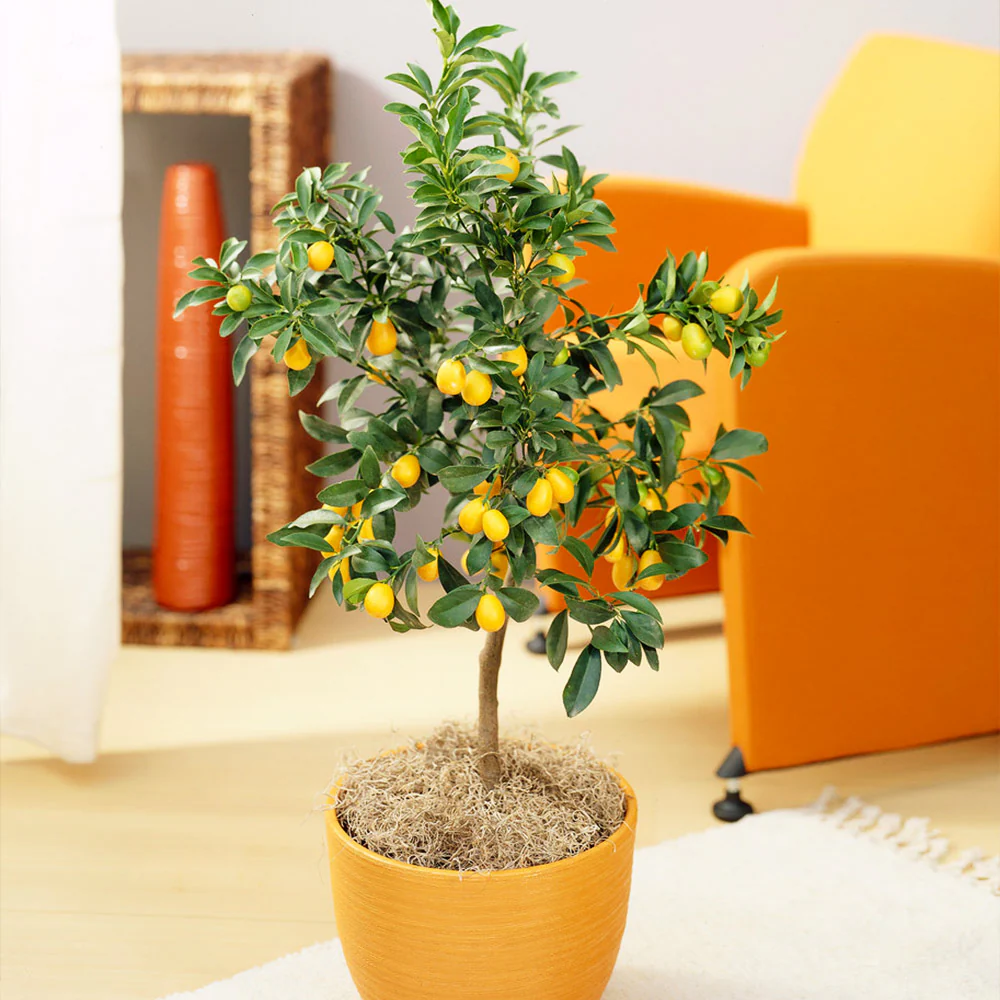
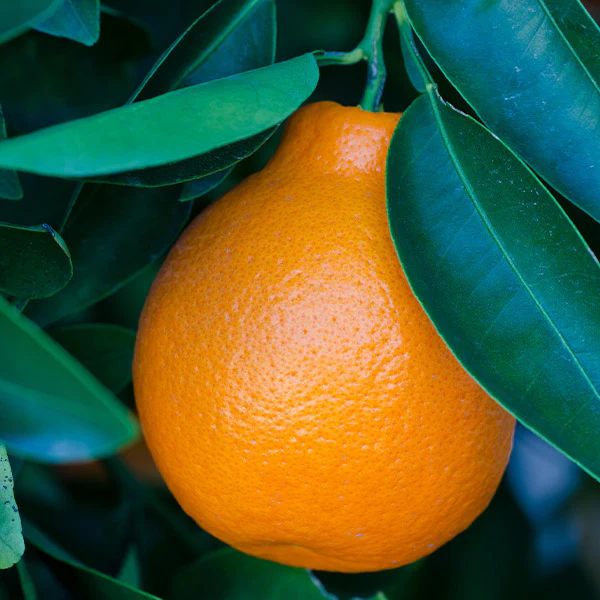
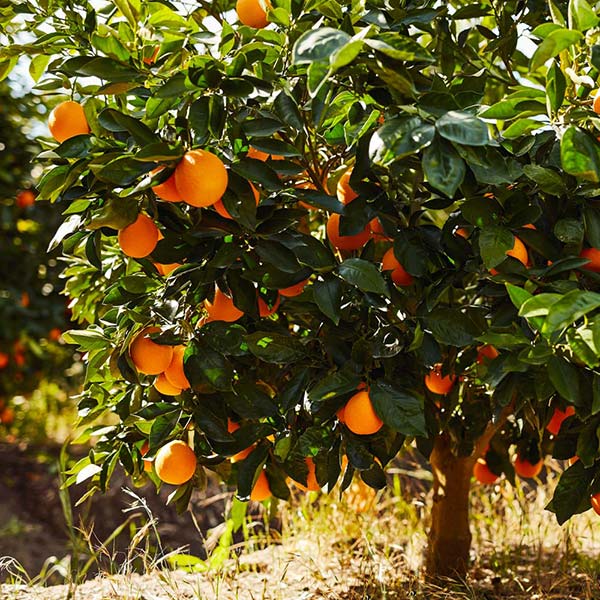
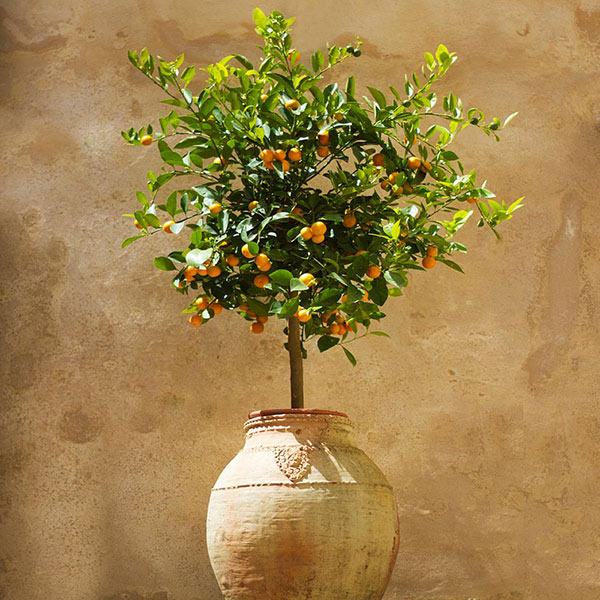
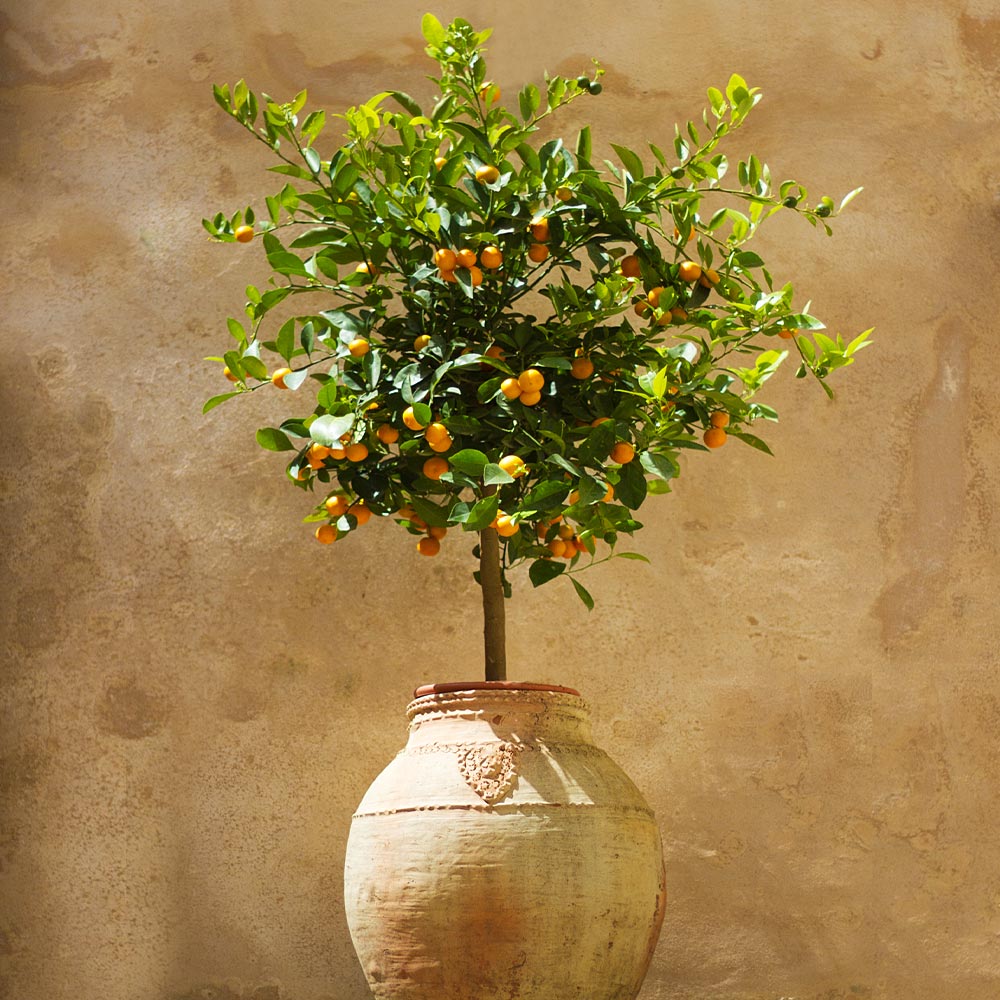
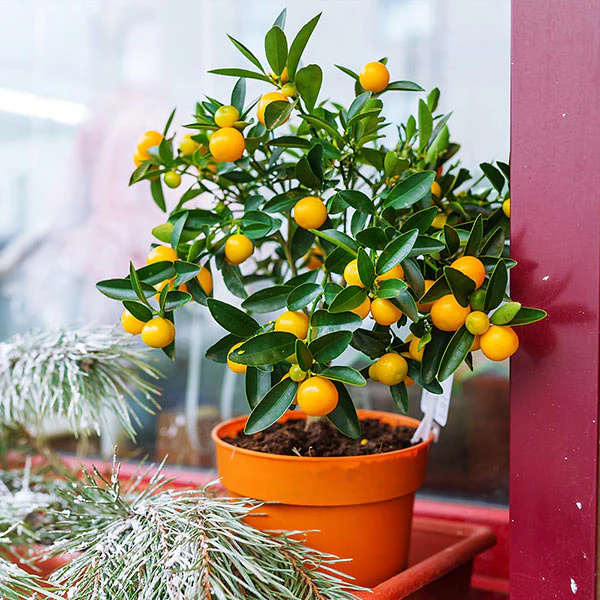
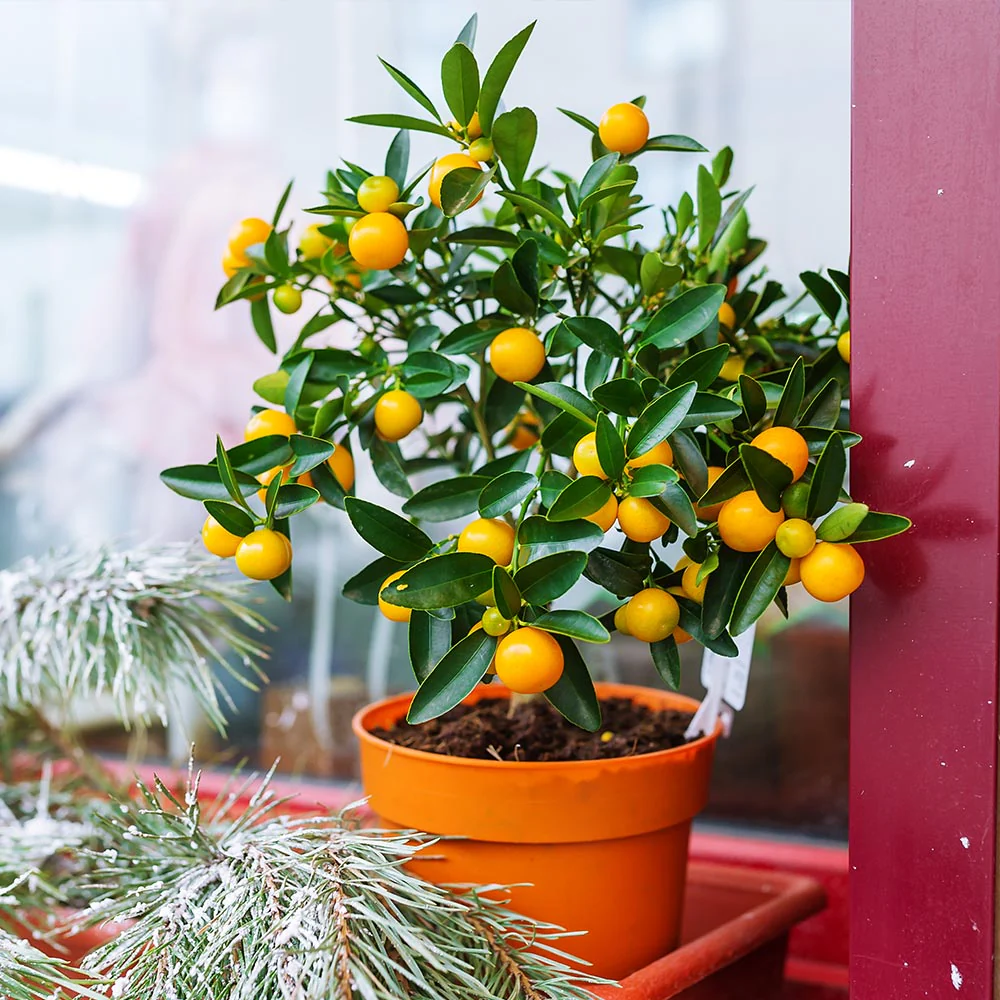
The Fukushu Kumquat Tree is a delightful fruit tree that gives you fresh fruit anytime from the comfort of your backyard. You can even plant it in a container to set in your sunroom or living area.
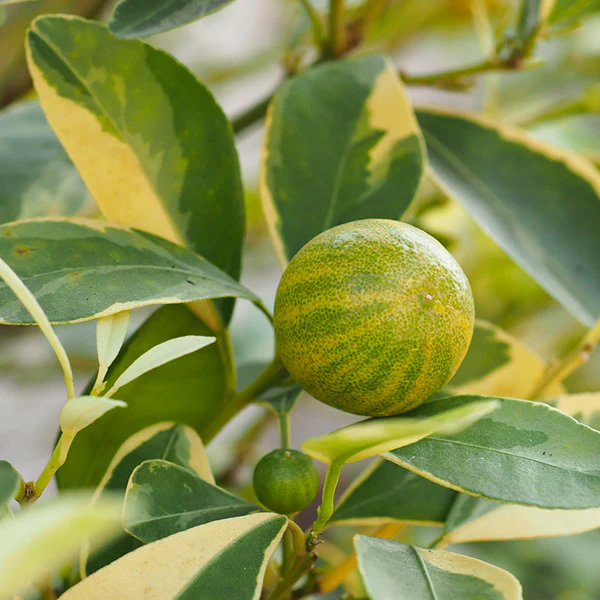
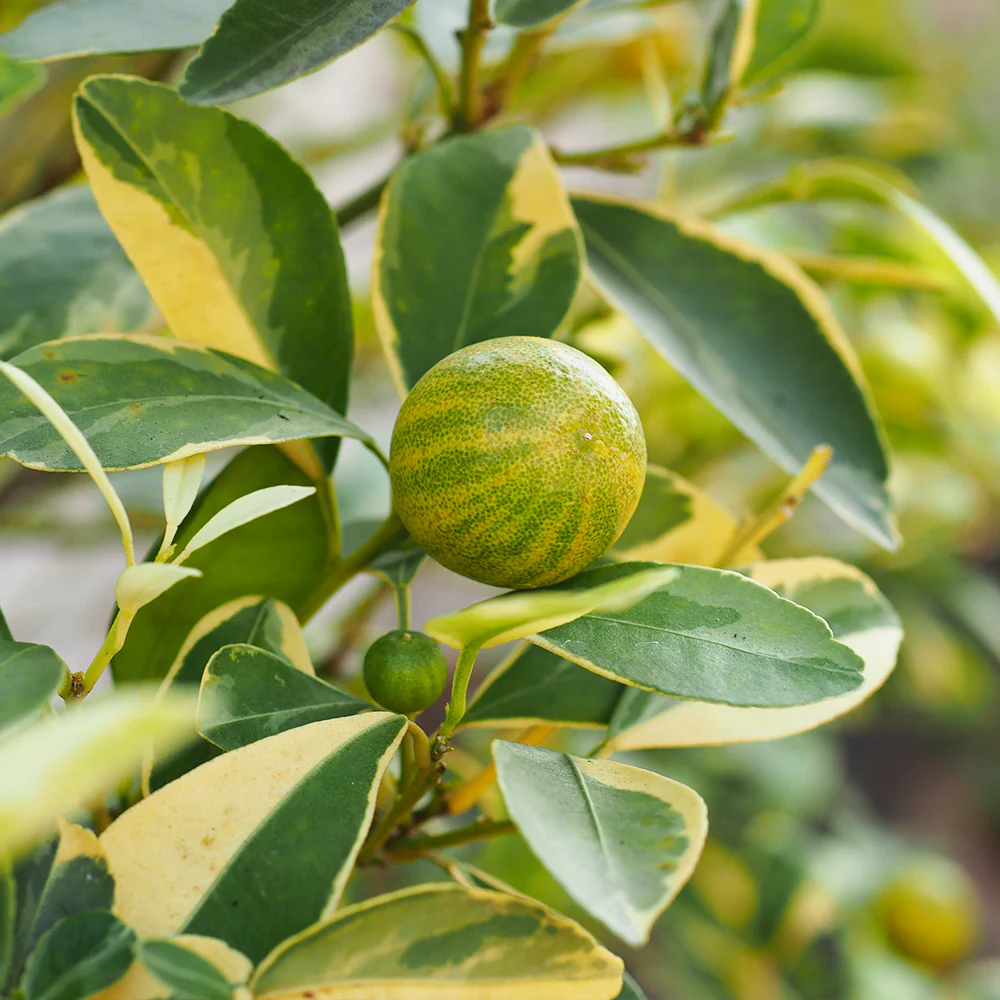
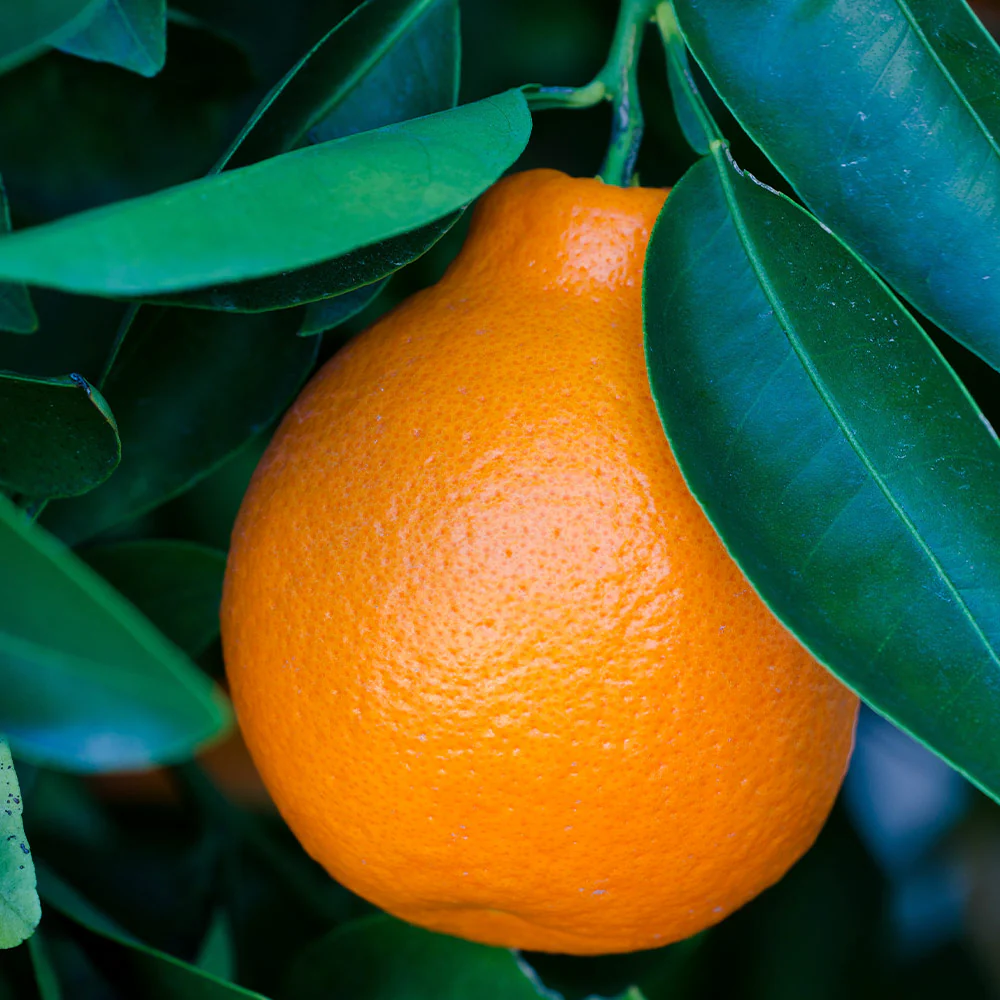
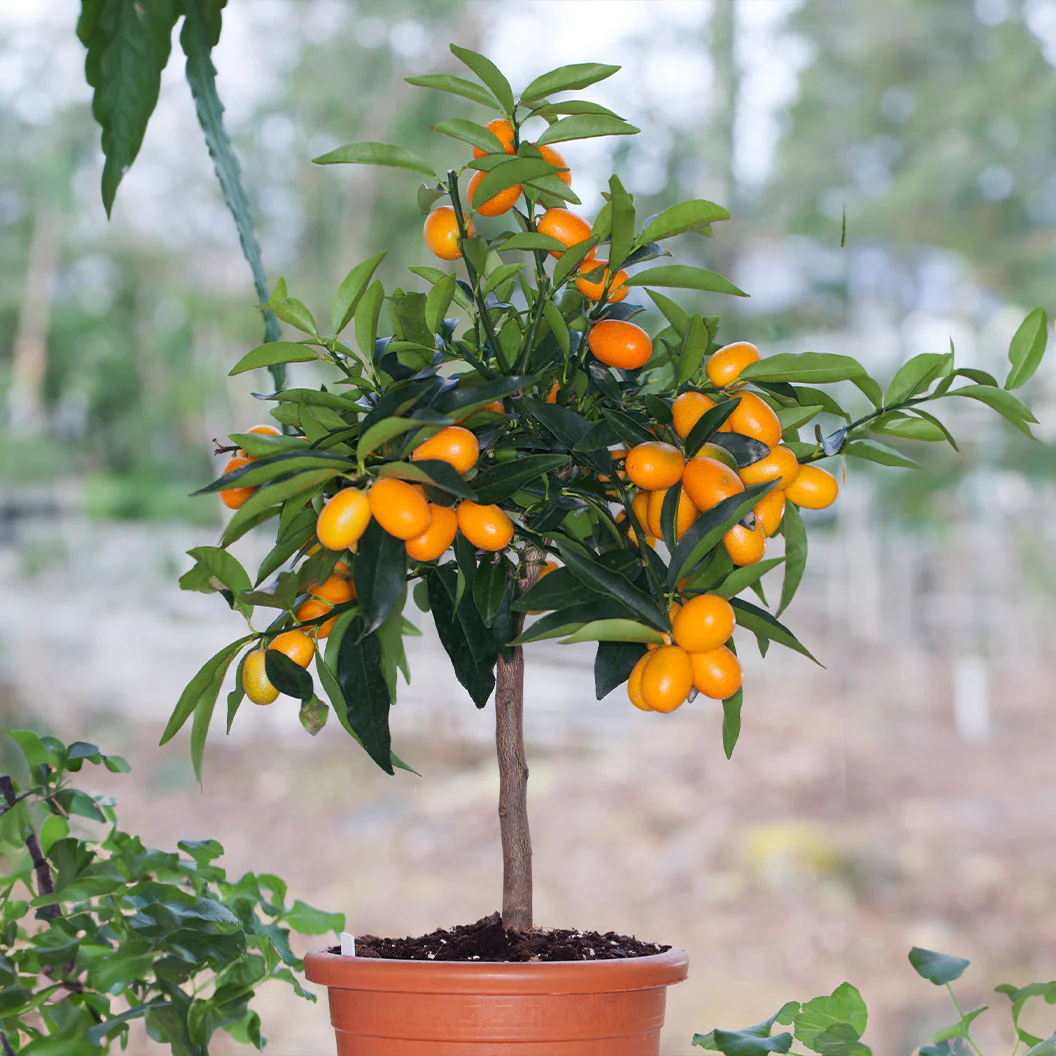
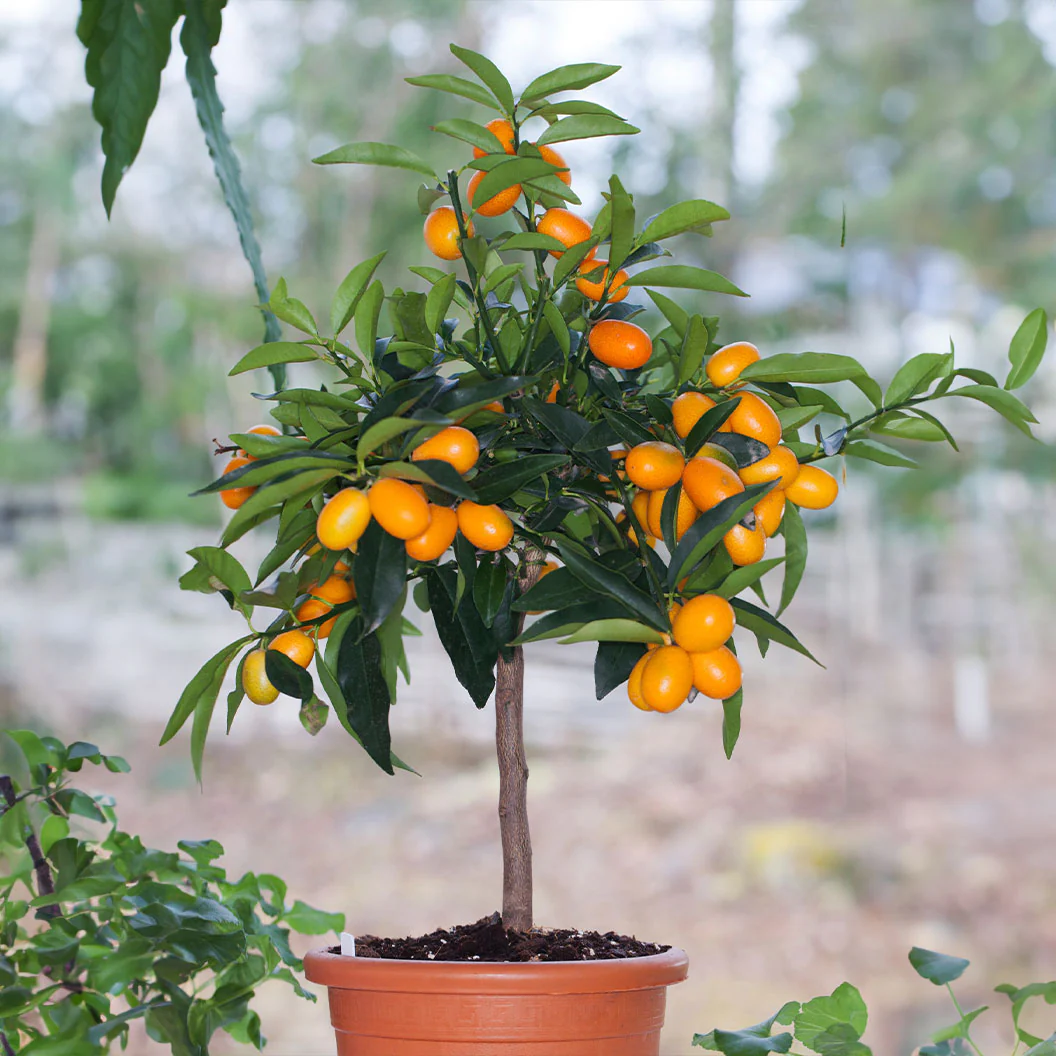
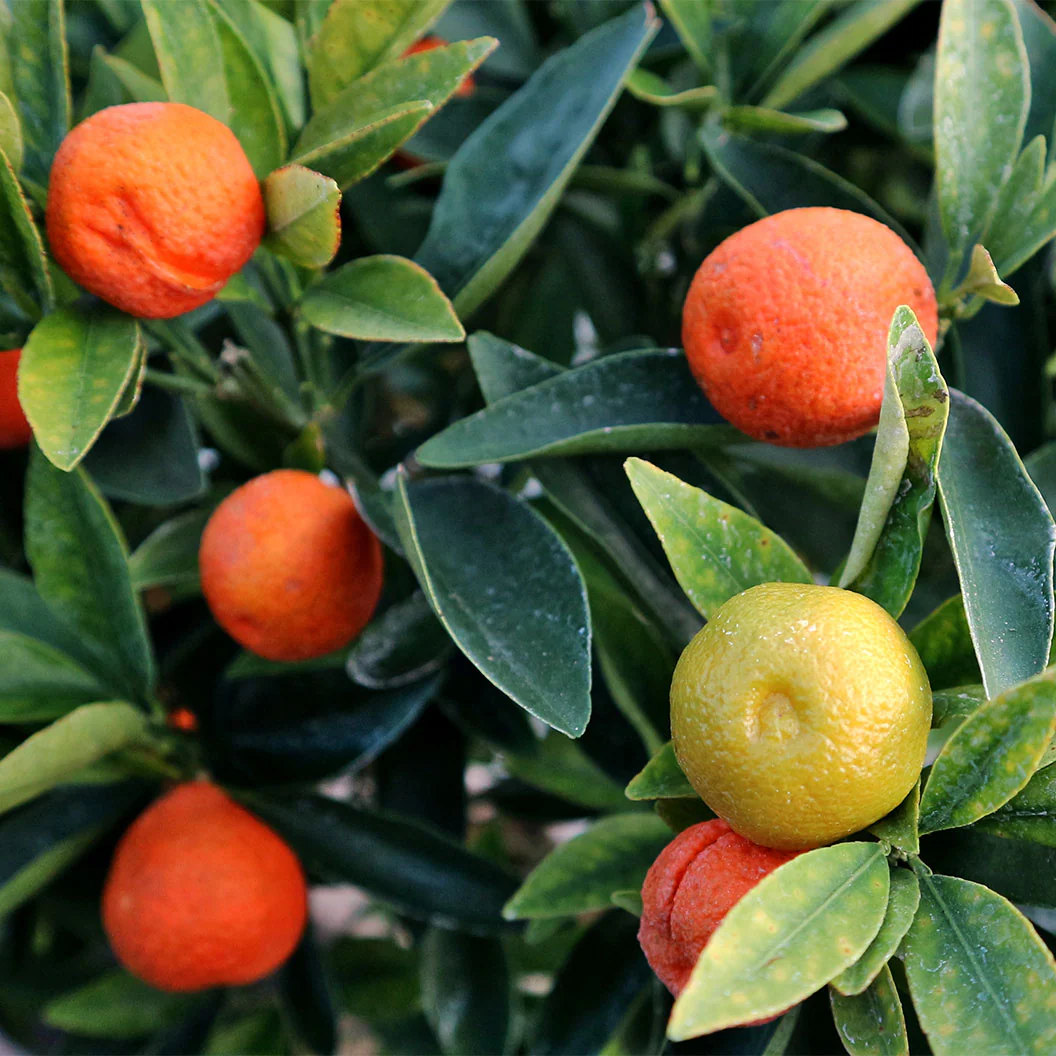
This fruit tree has oblong golden-orange fruits with thick, sweet skin that you don't have to peel! Indulge in a juicy, delicious fruit even late in the year with this variety.
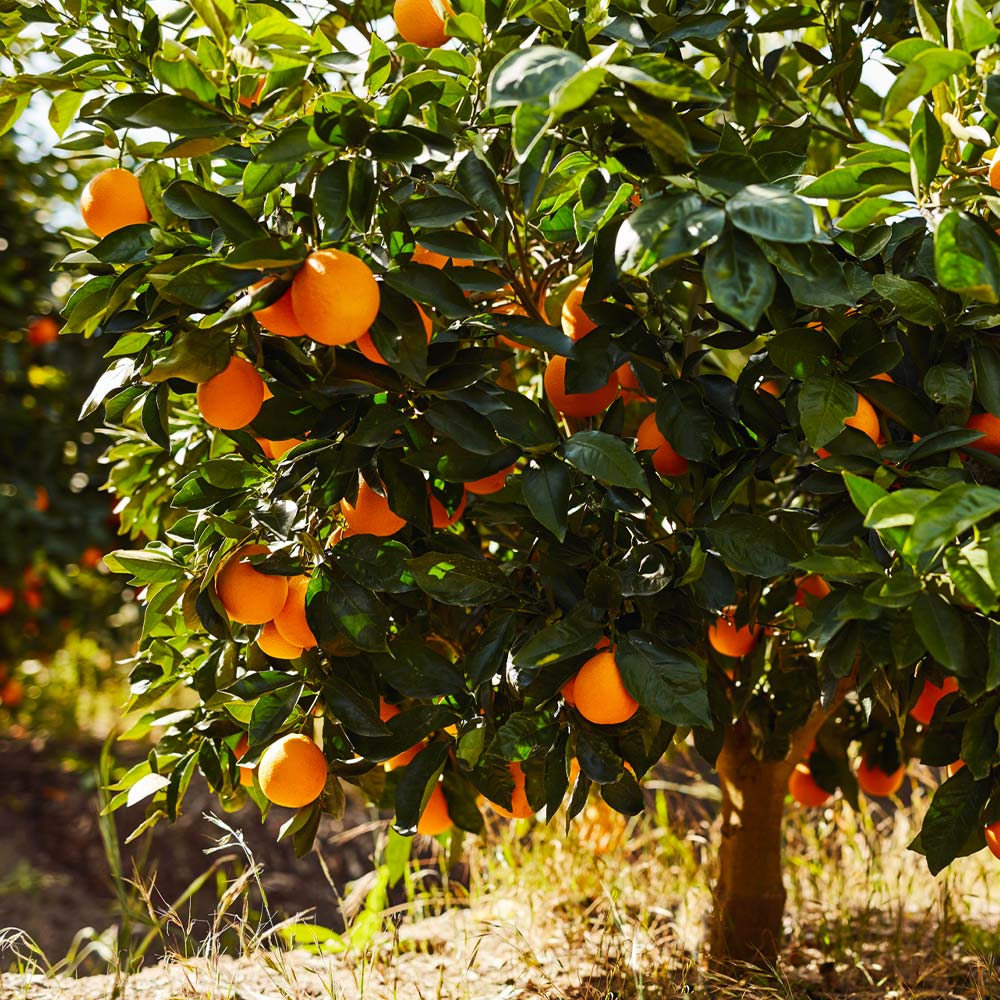
Plus, this kumquat tree is cold-hardy and one of the largest varieties, so you get even more tasty fruit during harvest season. And since it self-pollinates, you just need this one tree to enjoy bounties of kumquats each year.
Snack on the Fukushu Kumquat Tree in winter when you plant this in your garden, a container, or any sunny space. Buy yours today!
Planting & Care
1. Planting: Fukushu Kumquats can be grown outdoors in regions with mild winters. If growing it in a pot, place the plant in a well-lit room during the winter. The potting soil should be coarse, acidic, and well-drained. Choose a spot that gets at least 8 hours of sunlight per day. In containers, use a starter pot that is 10-14 inches or 3-5 gallons in size, with excellent drainage. If planting in the ground, choose a spot with adequate drainage and prepare the area with looser soil. When planting, ensure the tree stays straight and secure in the ground, then water deeply and thoroughly. Citrus trees can be grown closer together for a citrus hedge or a multi-variety bush.
2. Watering: For citrus trees, it's best to allow the soil to dry out between watering. Create a watering basin around the tree's drip line for deep watering, expanding it as the tree grows. Water deeply once a week for in-ground or container plantings.
3. Fertilizing: When fertilizing, use a balanced fertilizer monthly during spring, summer, and early fall. Apply citrus mix 3-4 times per year: in late winter, late spring, and early fall.
4. Pruning: In early spring, prune the tree to maintain its shape, remove dead or diseased branches, and cut suckers below the graft union. Suckers take vitality from the fruiting wood, so they should be removed promptly, especially on young trees.
5. Pollination: This plant is self-fertile and requires no other pollinators.
Details & Craftsmanship
Every detail has been carefully considered to bring you the perfect product.
Details & Craftsmanship
Every detail has been carefully considered to bring you the perfect product.
Description
Cold-Hardy Tree With Large, Sweet Kumquats for Autumn Harvest
The Fukushu Kumquat Tree is a delightful fruit tree that gives you fresh fruit anytime from the comfort of your backyard. You can even plant it in a container to set in your sunroom or living area.
This fruit tree has oblong golden-orange fruits with thick, sweet skin that you don't have to peel! Indulge in a juicy, delicious fruit even late in the year with this variety.
Plus, this kumquat tree is cold-hardy and one of the largest varieties, so you get even more tasty fruit during harvest season. And since it self-pollinates, you just need this one tree to enjoy bounties of kumquats each year.
Snack on the Fukushu Kumquat Tree in winter when you plant this in your garden, a container, or any sunny space. Buy yours today!
Planting & Care
1. Planting: Fukushu Kumquats can be grown outdoors in regions with mild winters. If growing it in a pot, place the plant in a well-lit room during the winter. The potting soil should be coarse, acidic, and well-drained. Choose a spot that gets at least 8 hours of sunlight per day. In containers, use a starter pot that is 10-14 inches or 3-5 gallons in size, with excellent drainage. If planting in the ground, choose a spot with adequate drainage and prepare the area with looser soil. When planting, ensure the tree stays straight and secure in the ground, then water deeply and thoroughly. Citrus trees can be grown closer together for a citrus hedge or a multi-variety bush.
2. Watering: For citrus trees, it's best to allow the soil to dry out between watering. Create a watering basin around the tree's drip line for deep watering, expanding it as the tree grows. Water deeply once a week for in-ground or container plantings.
3. Fertilizing: When fertilizing, use a balanced fertilizer monthly during spring, summer, and early fall. Apply citrus mix 3-4 times per year: in late winter, late spring, and early fall.
4. Pruning: In early spring, prune the tree to maintain its shape, remove dead or diseased branches, and cut suckers below the graft union. Suckers take vitality from the fruiting wood, so they should be removed promptly, especially on young trees.
5. Pollination: This plant is self-fertile and requires no other pollinators.