Original: $167.95
-65%$167.95
$58.78The Story
Unique beauty with disease resistance
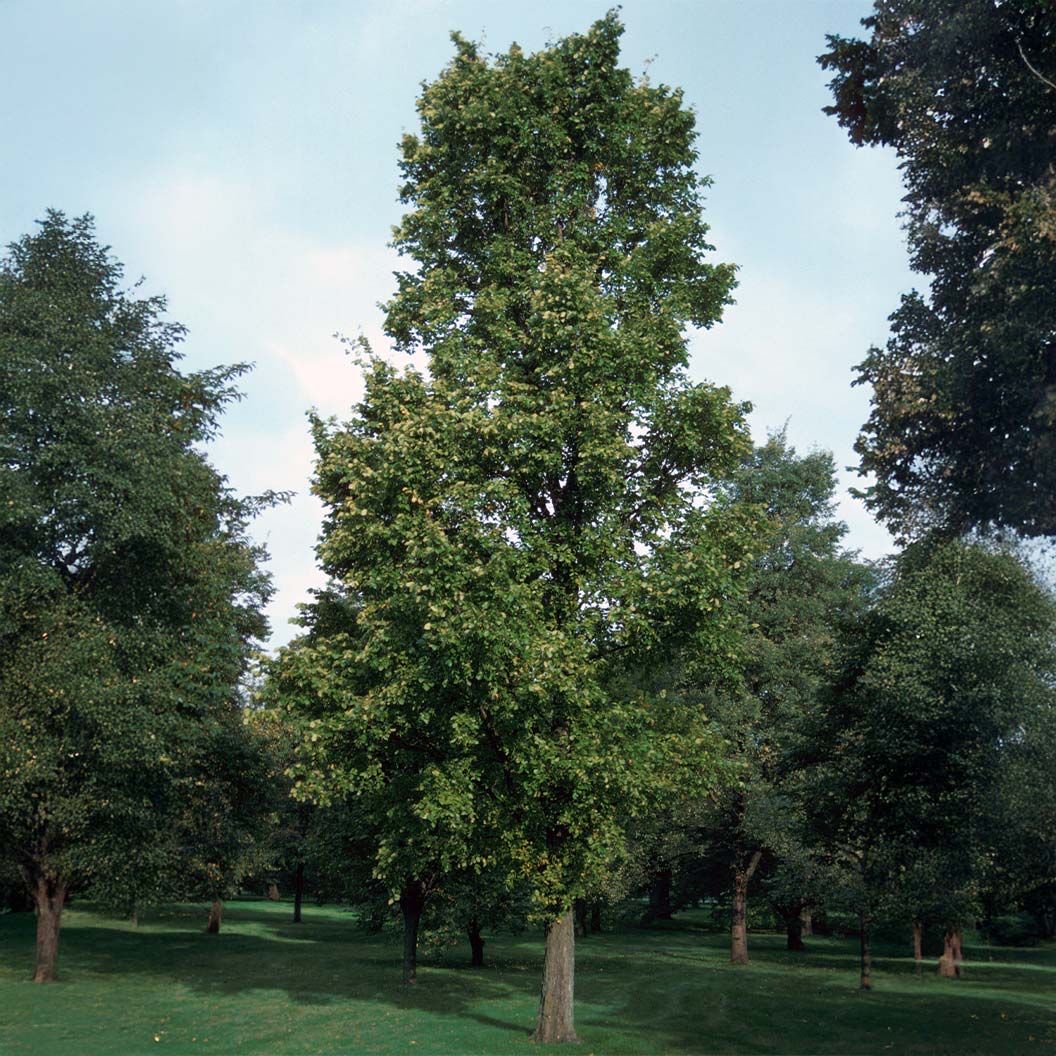
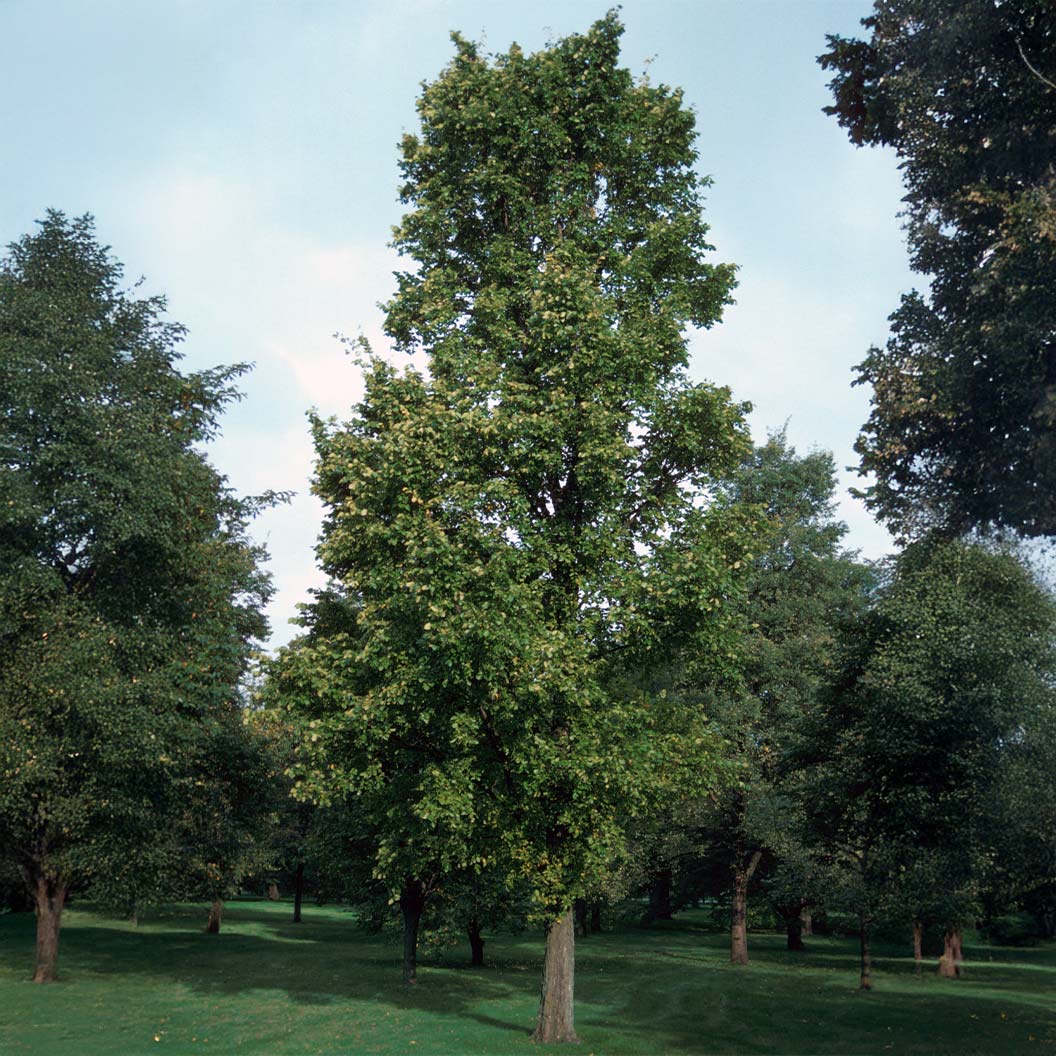
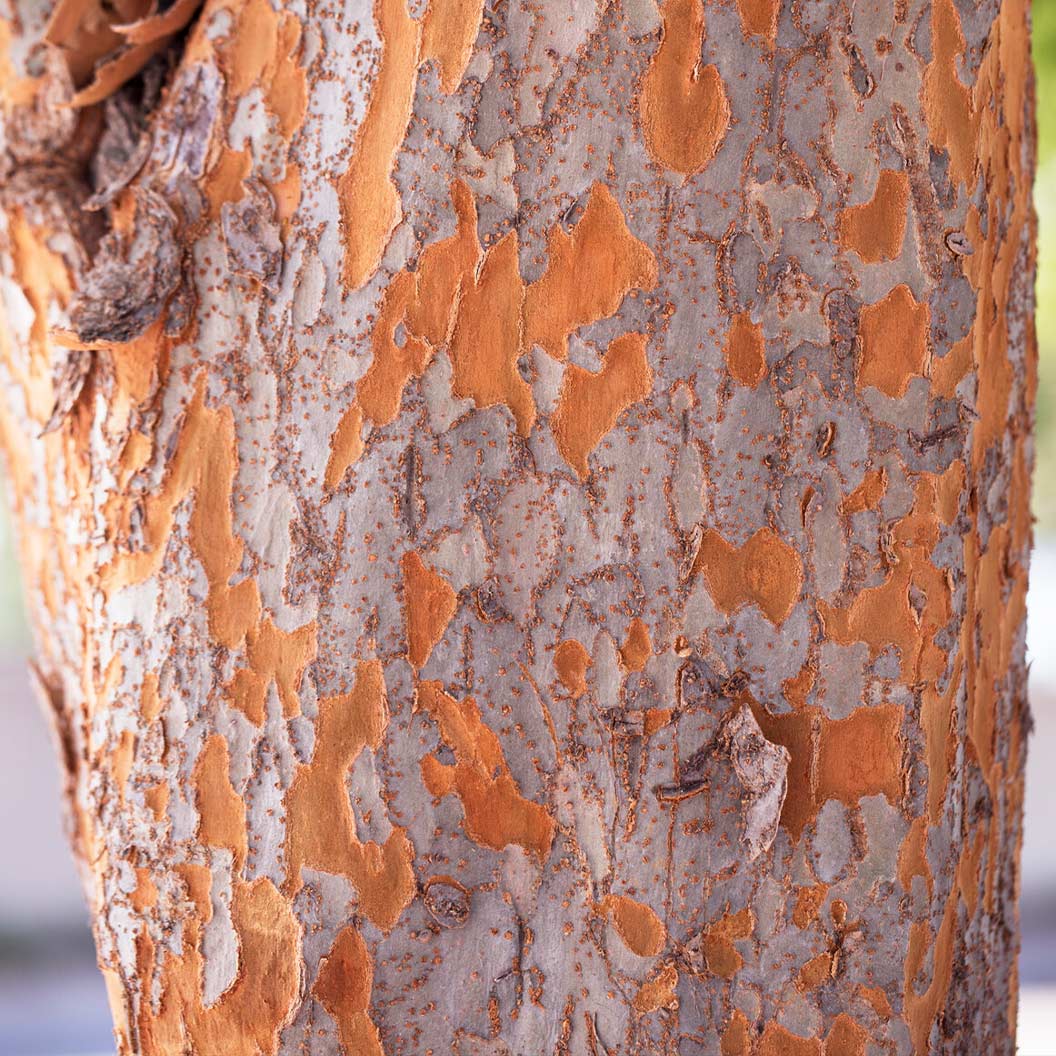
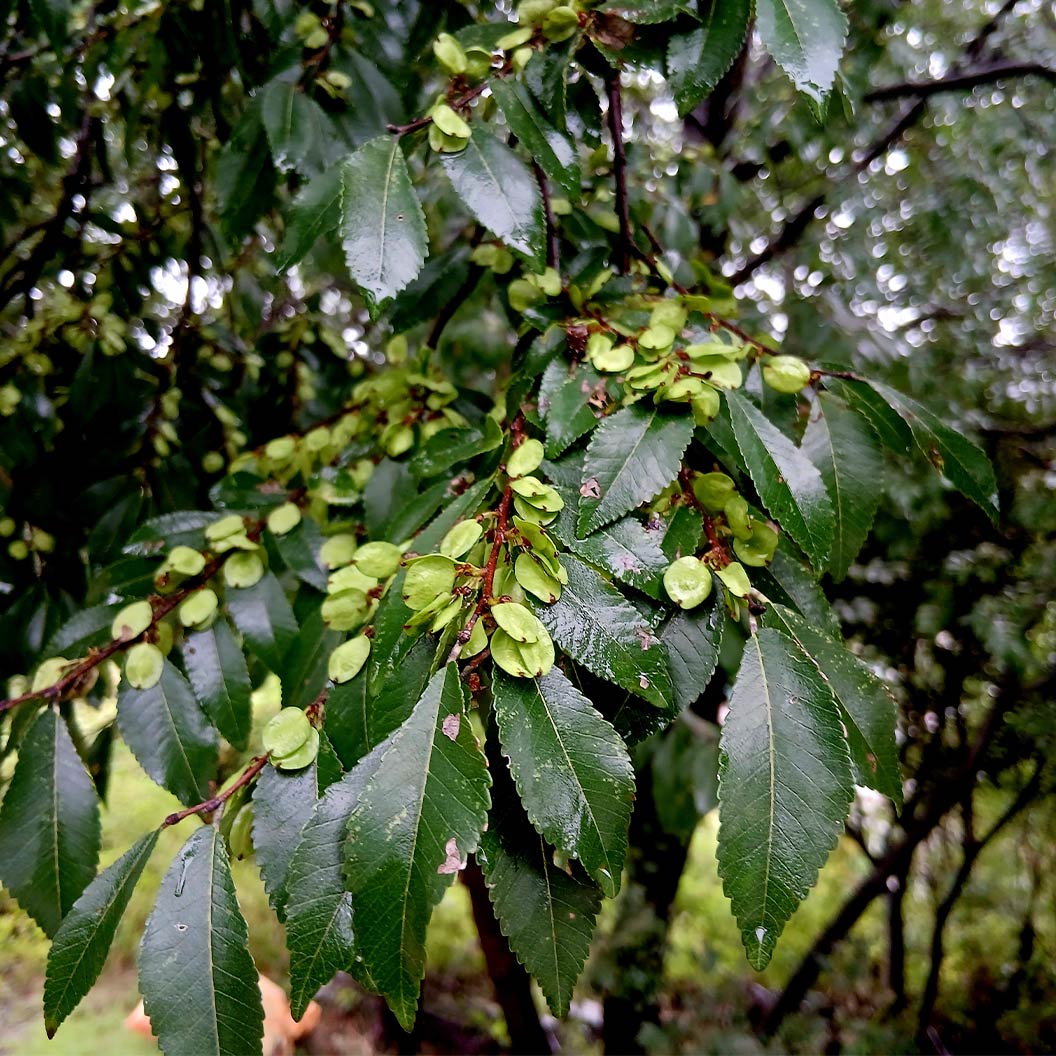
The Everclear® Lacebark Elm presents a stunning option for your landscaping needs, boasting an uncommonly narrow head with tightly angled branches that create an elegant silhouette. Its highly ornamental bark is a standout feature, peeling in patches of orange, green-gray, and tan, bringing a dynamic texture and color to your garden throughout the seasons. This tree offers not only aesthetic appeal but also robust health, being resistant to both Dutch Elm disease and Elm Leaf Beetle damage—challenges that often plague other elm varieties.
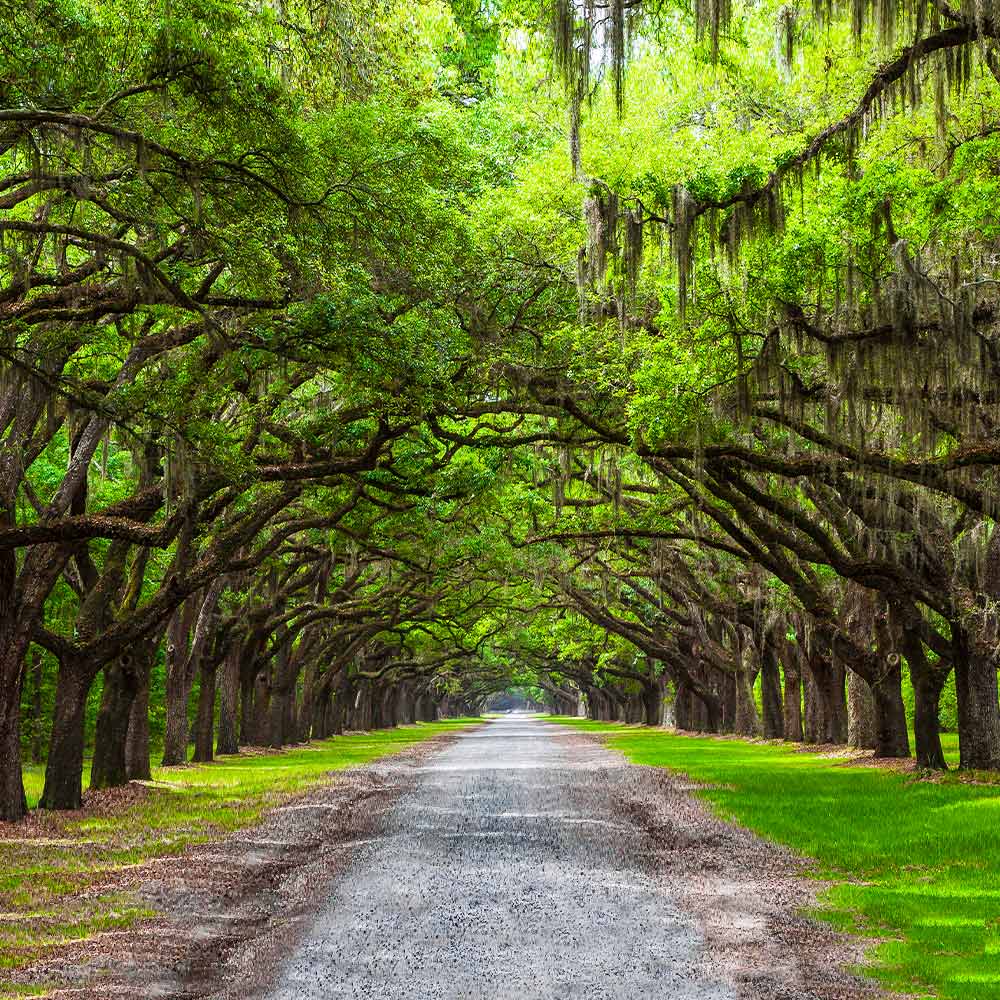
Planting the Lacebark Elm is an excellent choice for those looking to enhance their landscape with a truly distinctive tree. With its graceful structure and striking bark, it serves as a beautiful focal point or a graceful complement to other plantings. Whether lining a street, accentuating a driveway, or gracing your backyard, this tree adds depth and character to any setting. Plus, its resilience means you can spend less time worrying about upkeep and more time enjoying your outdoor space.
Planting & Care
1. Planting: When planting your Lacebark Elm, choose a location that receives full sun to partial shade, ideally with well-drained soil. Dig a hole that is twice as wide as the root ball and just as deep. After placing the tree in the hole, backfill with native soil and water thoroughly to remove air pockets. It's best to plant in the spring or fall when temperatures are mild.
2. Watering: During the first year, water your Lacebark Elm deeply once a week, especially in dry spells. Once established, the tree is drought tolerant, requiring less frequent watering. Monitor soil moisture; aim for deep watering to encourage a robust root system, particularly in the first couple of years.
3. Pruning: Prune your Lacebark Elm in early spring before new growth begins. Focus on removing dead or crossing branches to improve air circulation and light penetration. Light pruning can help maintain its narrow form and enhance overall health, but avoid heavy pruning which may stress the tree.
4. Fertilizing: Fertilize your Lacebark Elm with a slow-release, balanced fertilizer in early spring to promote healthy growth. Be careful not to over-fertilize, as this can lead to excessive foliage at the expense of the tree’s structure. A soil test can guide you in determining specific nutrient needs based on your soil conditions.
Details & Craftsmanship
Every detail has been carefully considered to bring you the perfect product.
Details & Craftsmanship
Every detail has been carefully considered to bring you the perfect product.
Details & Craftsmanship
Every detail has been carefully considered to bring you the perfect product.
Description
Unique beauty with disease resistance
The Everclear® Lacebark Elm presents a stunning option for your landscaping needs, boasting an uncommonly narrow head with tightly angled branches that create an elegant silhouette. Its highly ornamental bark is a standout feature, peeling in patches of orange, green-gray, and tan, bringing a dynamic texture and color to your garden throughout the seasons. This tree offers not only aesthetic appeal but also robust health, being resistant to both Dutch Elm disease and Elm Leaf Beetle damage—challenges that often plague other elm varieties.
Planting the Lacebark Elm is an excellent choice for those looking to enhance their landscape with a truly distinctive tree. With its graceful structure and striking bark, it serves as a beautiful focal point or a graceful complement to other plantings. Whether lining a street, accentuating a driveway, or gracing your backyard, this tree adds depth and character to any setting. Plus, its resilience means you can spend less time worrying about upkeep and more time enjoying your outdoor space.
Planting & Care
1. Planting: When planting your Lacebark Elm, choose a location that receives full sun to partial shade, ideally with well-drained soil. Dig a hole that is twice as wide as the root ball and just as deep. After placing the tree in the hole, backfill with native soil and water thoroughly to remove air pockets. It's best to plant in the spring or fall when temperatures are mild.
2. Watering: During the first year, water your Lacebark Elm deeply once a week, especially in dry spells. Once established, the tree is drought tolerant, requiring less frequent watering. Monitor soil moisture; aim for deep watering to encourage a robust root system, particularly in the first couple of years.
3. Pruning: Prune your Lacebark Elm in early spring before new growth begins. Focus on removing dead or crossing branches to improve air circulation and light penetration. Light pruning can help maintain its narrow form and enhance overall health, but avoid heavy pruning which may stress the tree.
4. Fertilizing: Fertilize your Lacebark Elm with a slow-release, balanced fertilizer in early spring to promote healthy growth. Be careful not to over-fertilize, as this can lead to excessive foliage at the expense of the tree’s structure. A soil test can guide you in determining specific nutrient needs based on your soil conditions.