Original: $62.95
-65%$62.95
$22.03The Story
Flavorful, Fragrant Lemons Perfect for Homemade Sweets and Juices
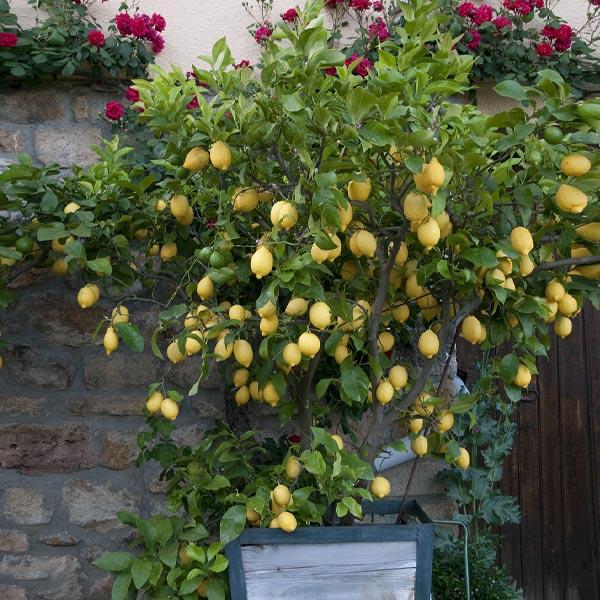
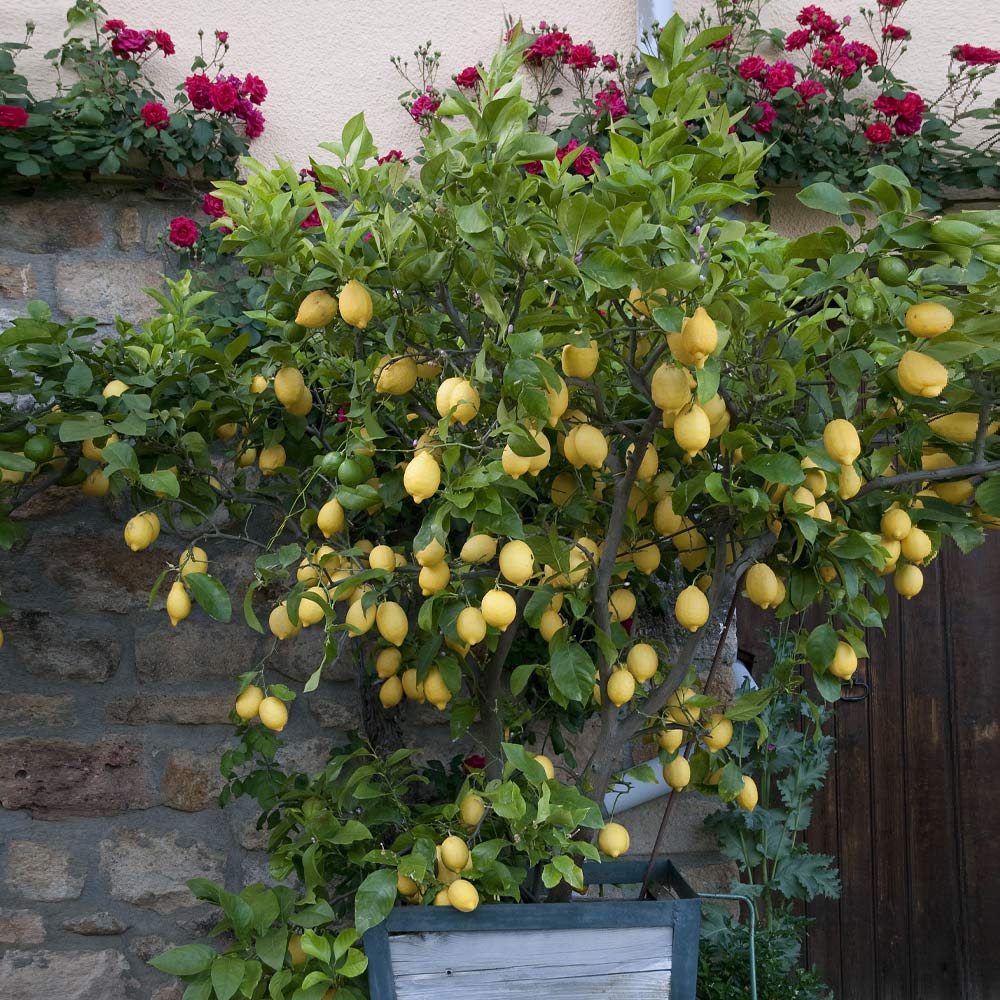
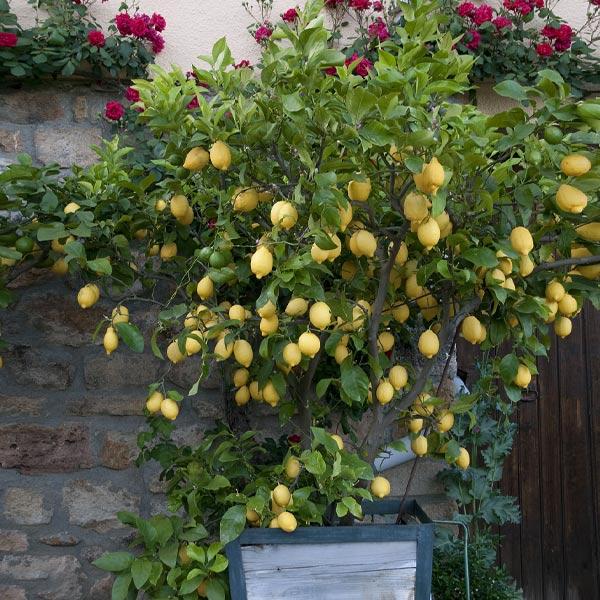
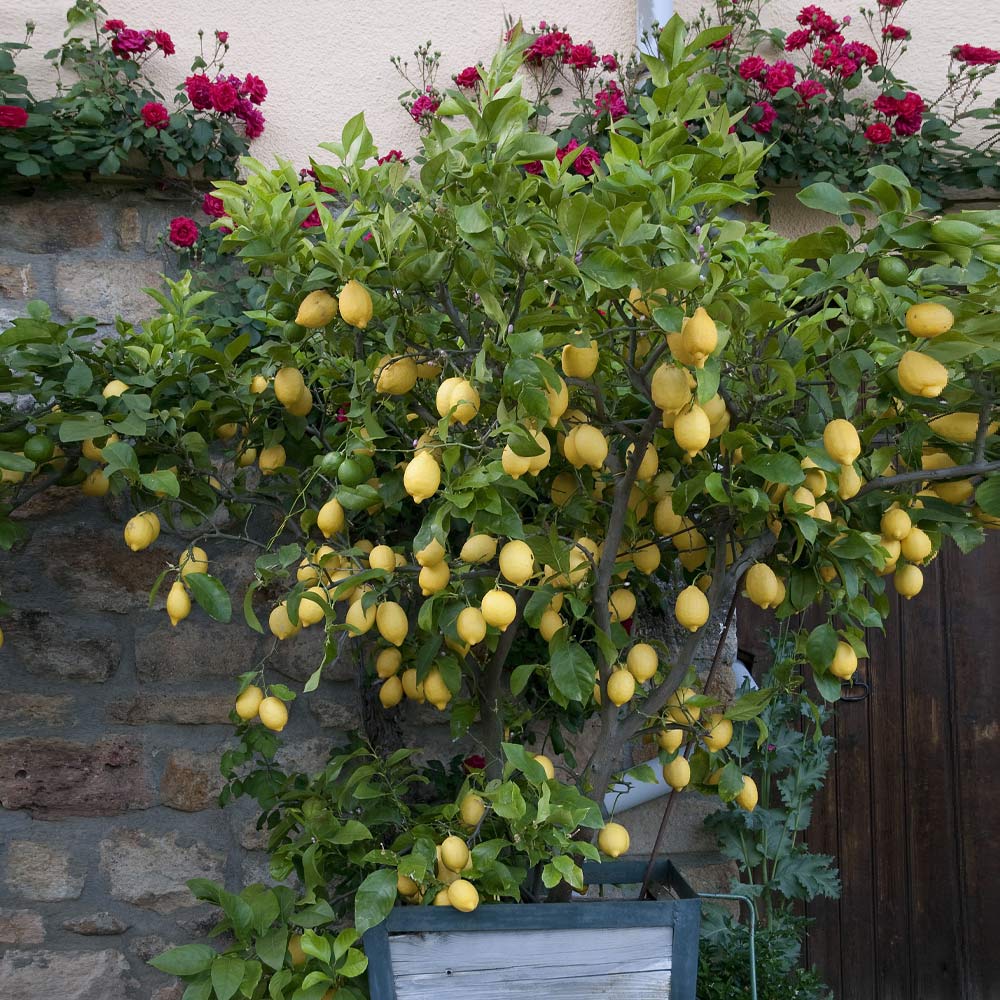
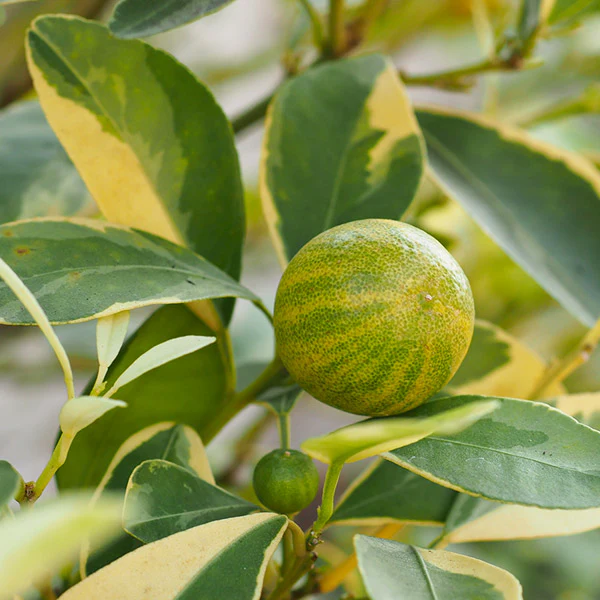
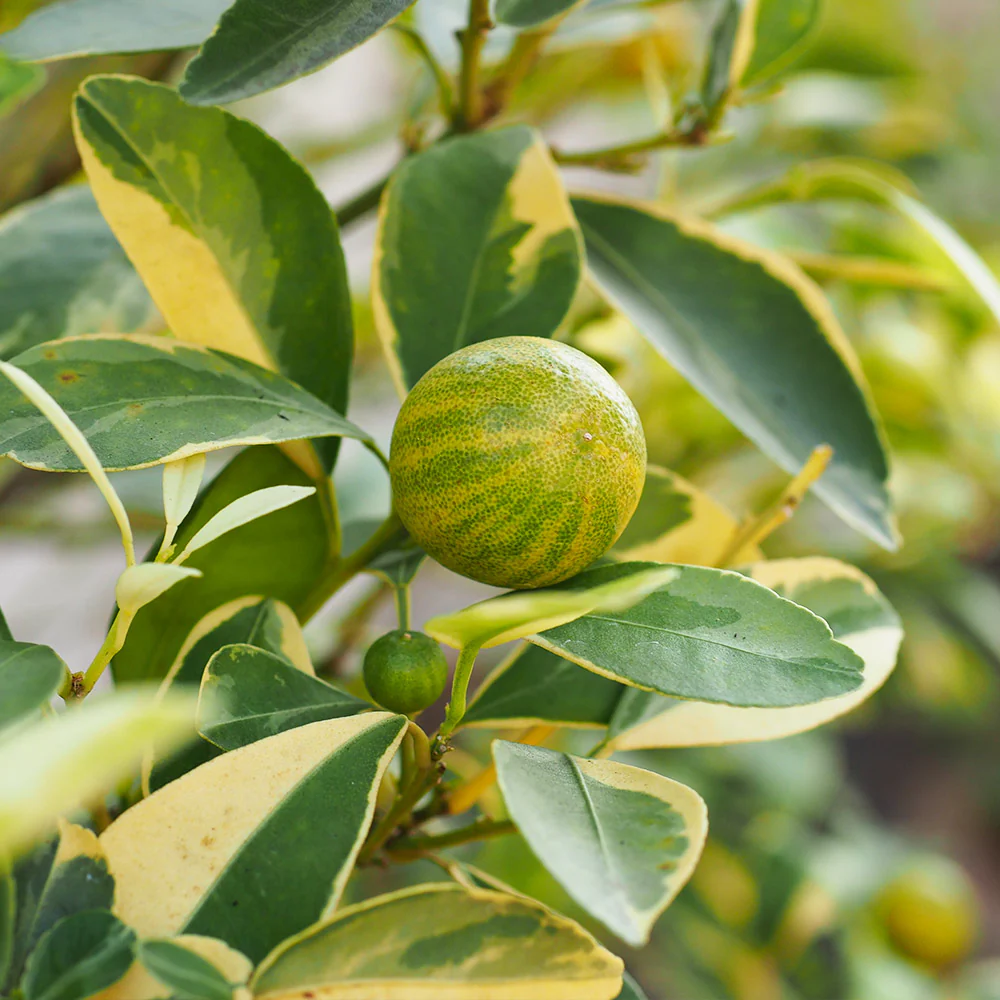
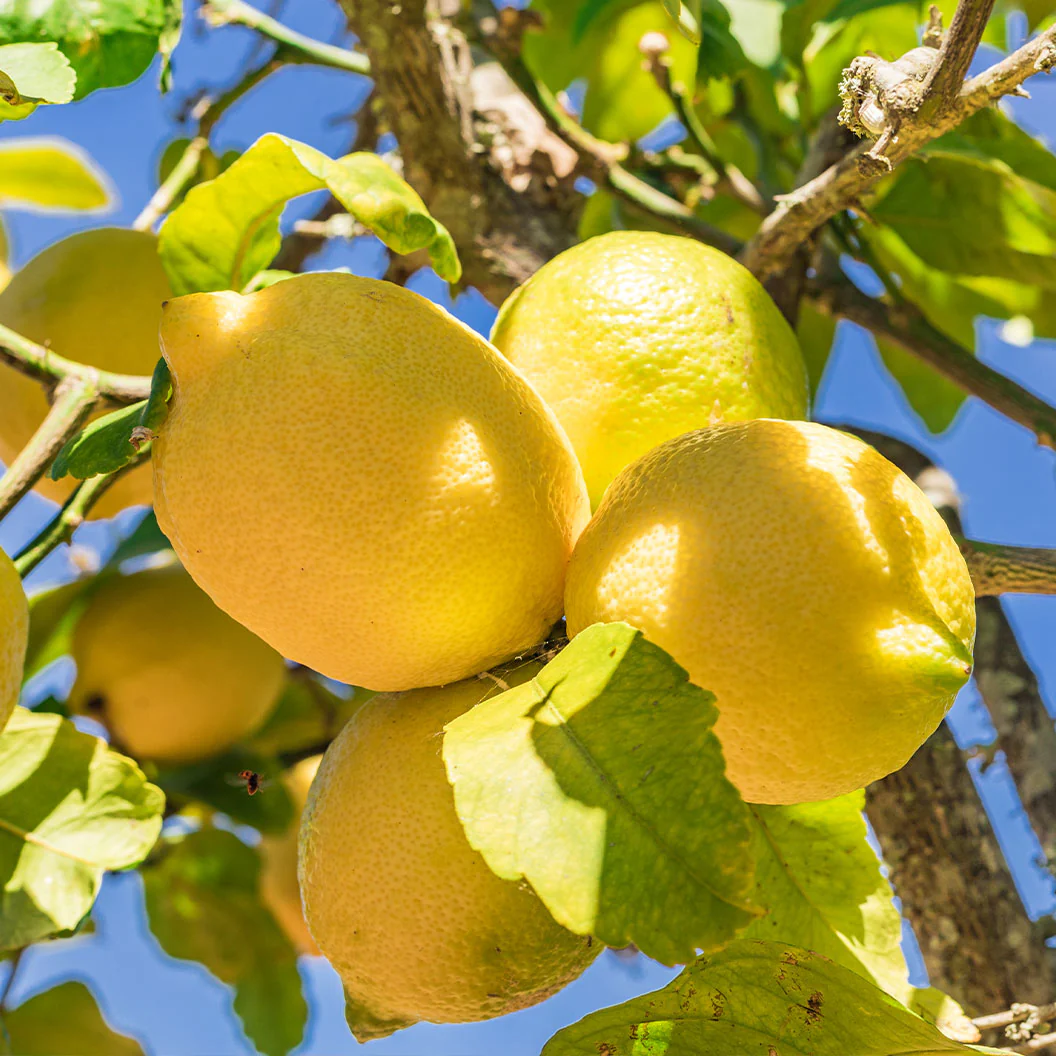
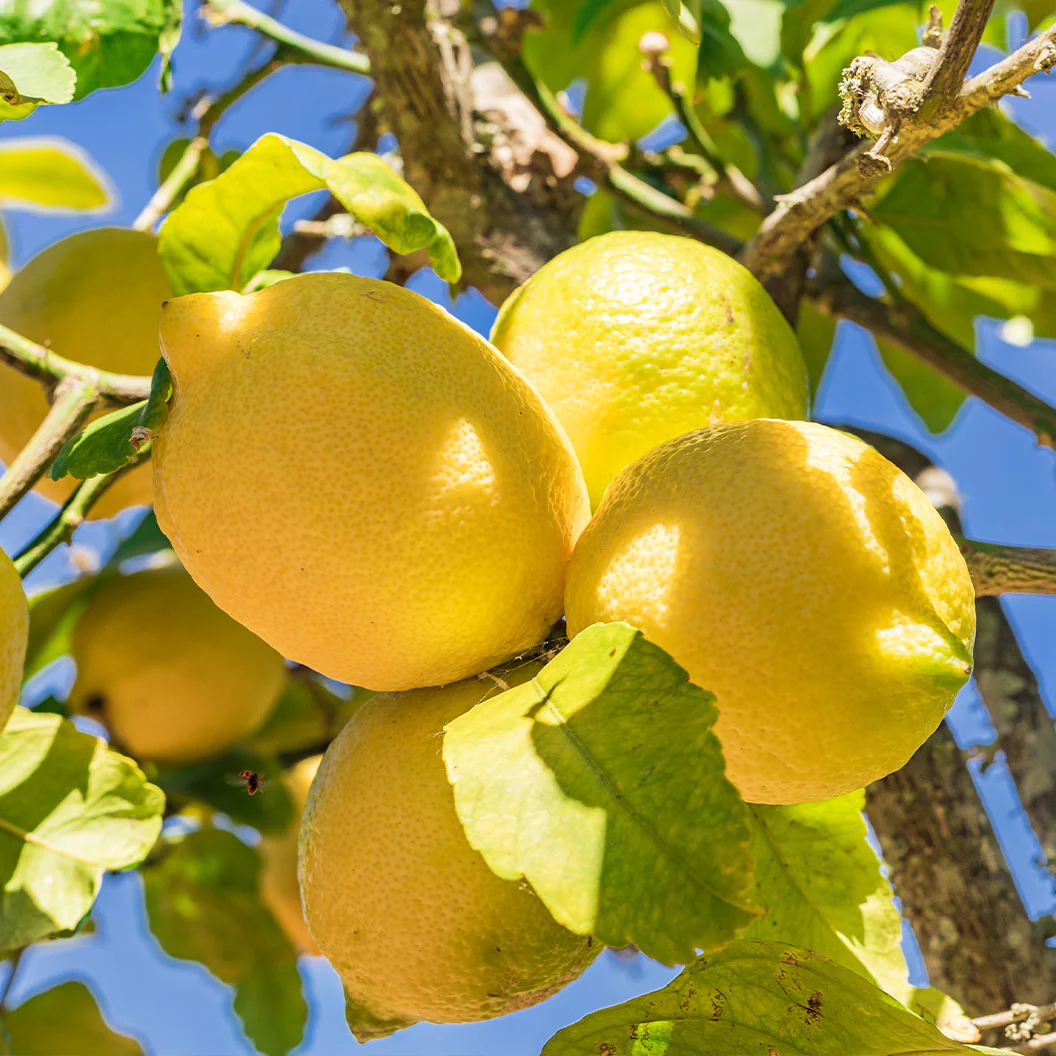
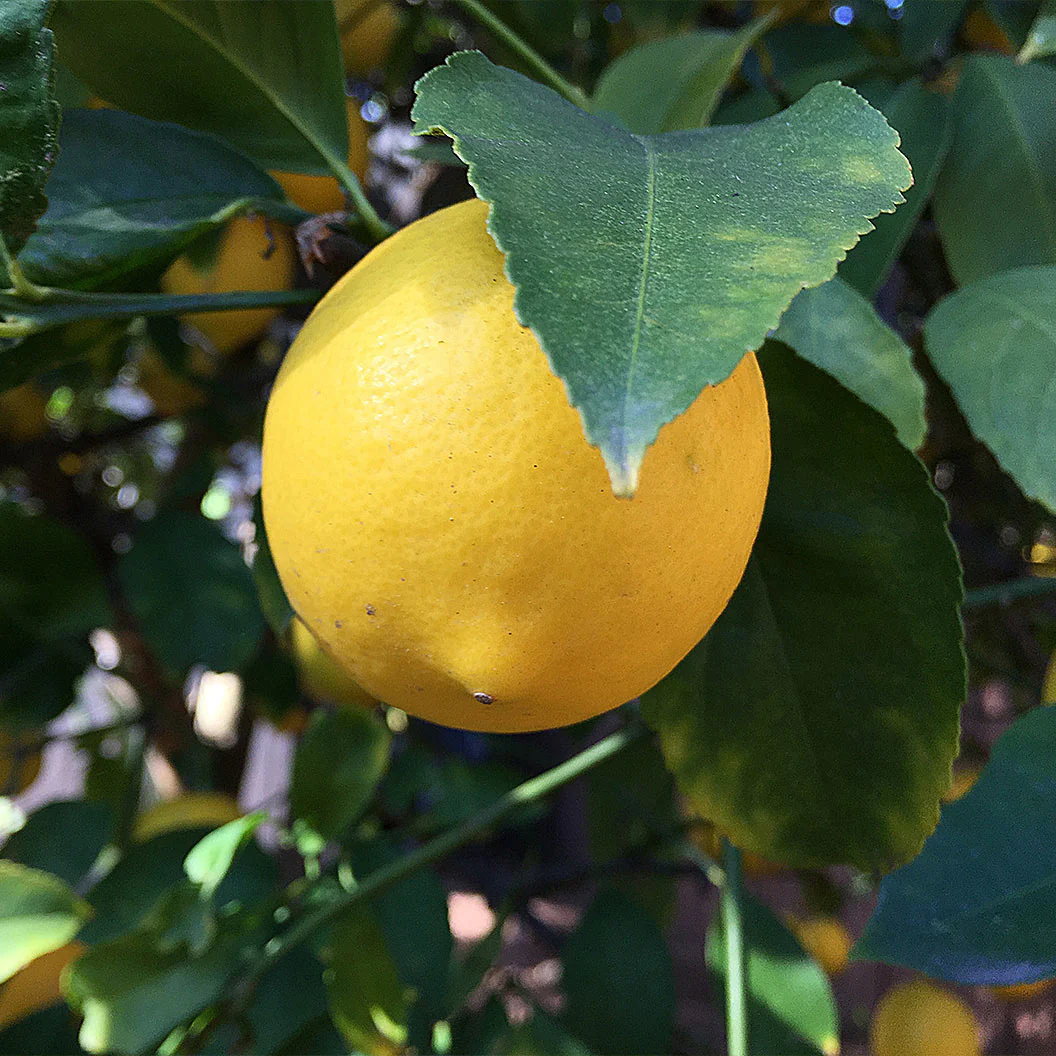
Enjoy a fragrant, tasty fruit with the Allen Eureka Lemon Tree in your backyard! This delightful plant offers multi-colored leaves and oblong-shaped lemons to inject your space with bright hues and unique shapes.
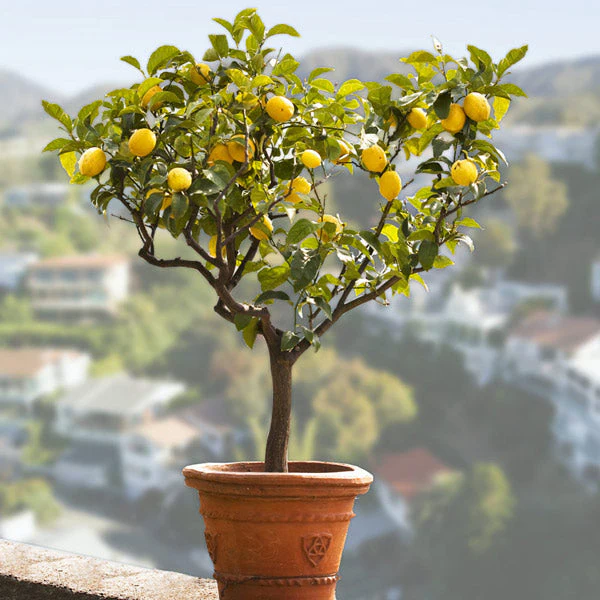
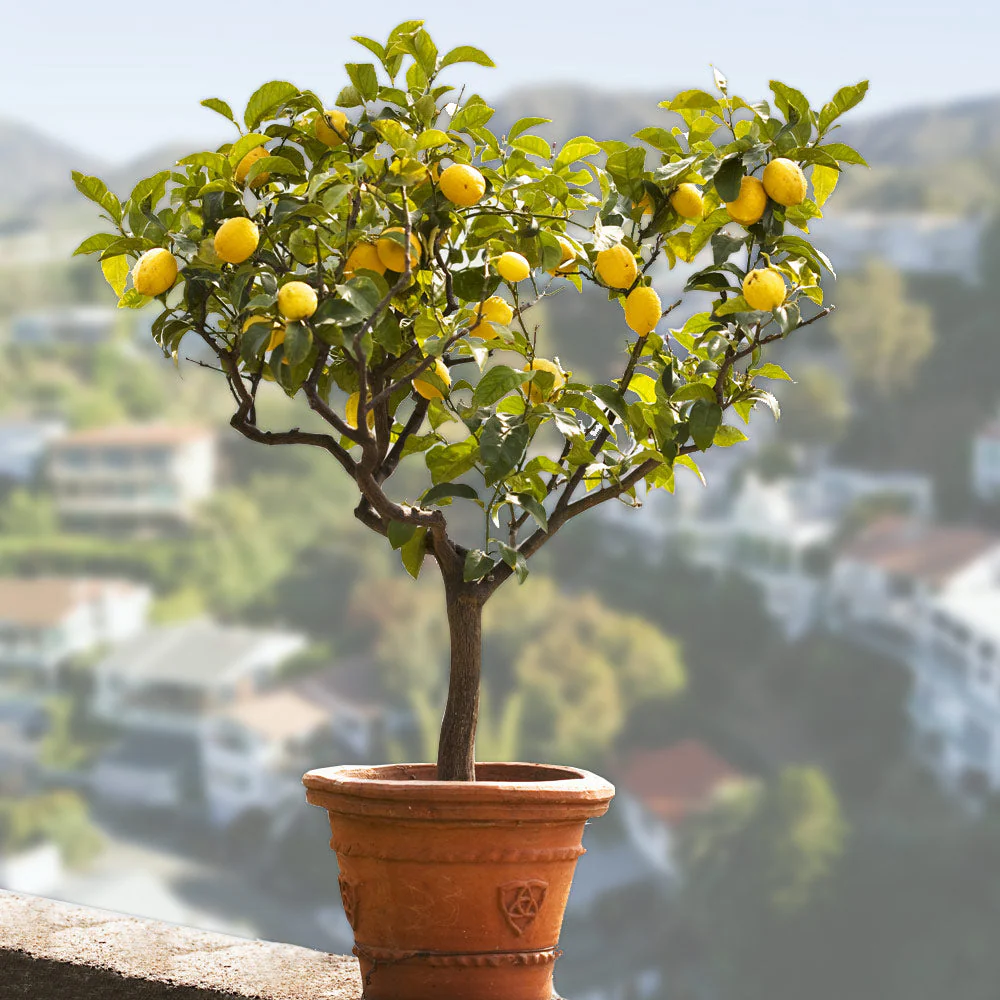
This lemon tree blooms from spring through fall for juicy, nearly seedless fruit that's perfect for crafting your favorite recipes. Pluck these lemons right from your home orchard to make lemonade, lemon pies, and so much more. You can even zest the rind or use it to make an aromatic oil.
Plus, this tree is a prolific bearer, giving you long seasons full of bountiful fruit. It blooms and fruits sooner than most varieties, which is why this is such a popular option! And since it's self-fertile, you won't need multiple lemon trees for heavy fruit production.
The delectable Allen Eureka Lemon Tree elevates any yard or backyard garden as soon as its first season. Buy yours today!
Planting & Care
1. Planting: Lemon trees are sensitive to cold and need a warm, sheltered spot to thrive. To prevent waterlogging, avoid planting your Eureka lemon tree directly in a flat lawn. Instead, create a wide mound or choose a sloped area for proper drainage.
Prepare a hole that is as deep as the root ball and twice as wide, spacing the trees at least six to eight feet apart.
Eureka lemon trees require full sun, ideally receiving at least six hours of direct sunlight daily. While they can tolerate some shade, this may negatively impact their growth and fruit production. Make sure to use well-drained, loamy, or sandy soil, as they thrive in slightly acidic conditions. Avoid mulching around the tree to prevent waterlogging, as they cannot tolerate standing water.
2. Watering: Eureka lemon trees need more water than the Lisbon variety, so keep the soil consistently moist, especially in summer when daily watering may be necessary.
These trees thrive in Mediterranean climates but are not cold-tolerant; temperatures as low as 20 degrees Fahrenheit can be fatal. They should be planted in sheltered locations and prefer temperatures around 75 degrees for optimal fruiting. When temperatures drop, move container-grown trees indoors to a warm, sunny spot. If your home is hot and dry, a humidifier can help maintain moisture for the tree's health and productivity.
3. Fertilizing: Heavily fruiting trees require much energy and constant nourishment. They benefit from organic matter in their soil and a bi-annual application of citrus-specific fertilizer.
4. Pruning: Eureka lemon trees have an open, spreading growth habit and don’t need regular pruning. However, you should remove any diseased, damaged, or overcrowded branches at any time of year. These trees can grow up to 20 feet tall, so prune more often if you want to keep them compact.
5. Pollination: Self-pollinating plants do not require additional plants for fruiting, but other citrus trees can increase fruit production.
Details & Craftsmanship
Every detail has been carefully considered to bring you the perfect product.
Details & Craftsmanship
Every detail has been carefully considered to bring you the perfect product.
Description
Flavorful, Fragrant Lemons Perfect for Homemade Sweets and Juices
Enjoy a fragrant, tasty fruit with the Allen Eureka Lemon Tree in your backyard! This delightful plant offers multi-colored leaves and oblong-shaped lemons to inject your space with bright hues and unique shapes.
This lemon tree blooms from spring through fall for juicy, nearly seedless fruit that's perfect for crafting your favorite recipes. Pluck these lemons right from your home orchard to make lemonade, lemon pies, and so much more. You can even zest the rind or use it to make an aromatic oil.
Plus, this tree is a prolific bearer, giving you long seasons full of bountiful fruit. It blooms and fruits sooner than most varieties, which is why this is such a popular option! And since it's self-fertile, you won't need multiple lemon trees for heavy fruit production.
The delectable Allen Eureka Lemon Tree elevates any yard or backyard garden as soon as its first season. Buy yours today!
Planting & Care
1. Planting: Lemon trees are sensitive to cold and need a warm, sheltered spot to thrive. To prevent waterlogging, avoid planting your Eureka lemon tree directly in a flat lawn. Instead, create a wide mound or choose a sloped area for proper drainage.
Prepare a hole that is as deep as the root ball and twice as wide, spacing the trees at least six to eight feet apart.
Eureka lemon trees require full sun, ideally receiving at least six hours of direct sunlight daily. While they can tolerate some shade, this may negatively impact their growth and fruit production. Make sure to use well-drained, loamy, or sandy soil, as they thrive in slightly acidic conditions. Avoid mulching around the tree to prevent waterlogging, as they cannot tolerate standing water.
2. Watering: Eureka lemon trees need more water than the Lisbon variety, so keep the soil consistently moist, especially in summer when daily watering may be necessary.
These trees thrive in Mediterranean climates but are not cold-tolerant; temperatures as low as 20 degrees Fahrenheit can be fatal. They should be planted in sheltered locations and prefer temperatures around 75 degrees for optimal fruiting. When temperatures drop, move container-grown trees indoors to a warm, sunny spot. If your home is hot and dry, a humidifier can help maintain moisture for the tree's health and productivity.
3. Fertilizing: Heavily fruiting trees require much energy and constant nourishment. They benefit from organic matter in their soil and a bi-annual application of citrus-specific fertilizer.
4. Pruning: Eureka lemon trees have an open, spreading growth habit and don’t need regular pruning. However, you should remove any diseased, damaged, or overcrowded branches at any time of year. These trees can grow up to 20 feet tall, so prune more often if you want to keep them compact.
5. Pollination: Self-pollinating plants do not require additional plants for fruiting, but other citrus trees can increase fruit production.