The Story
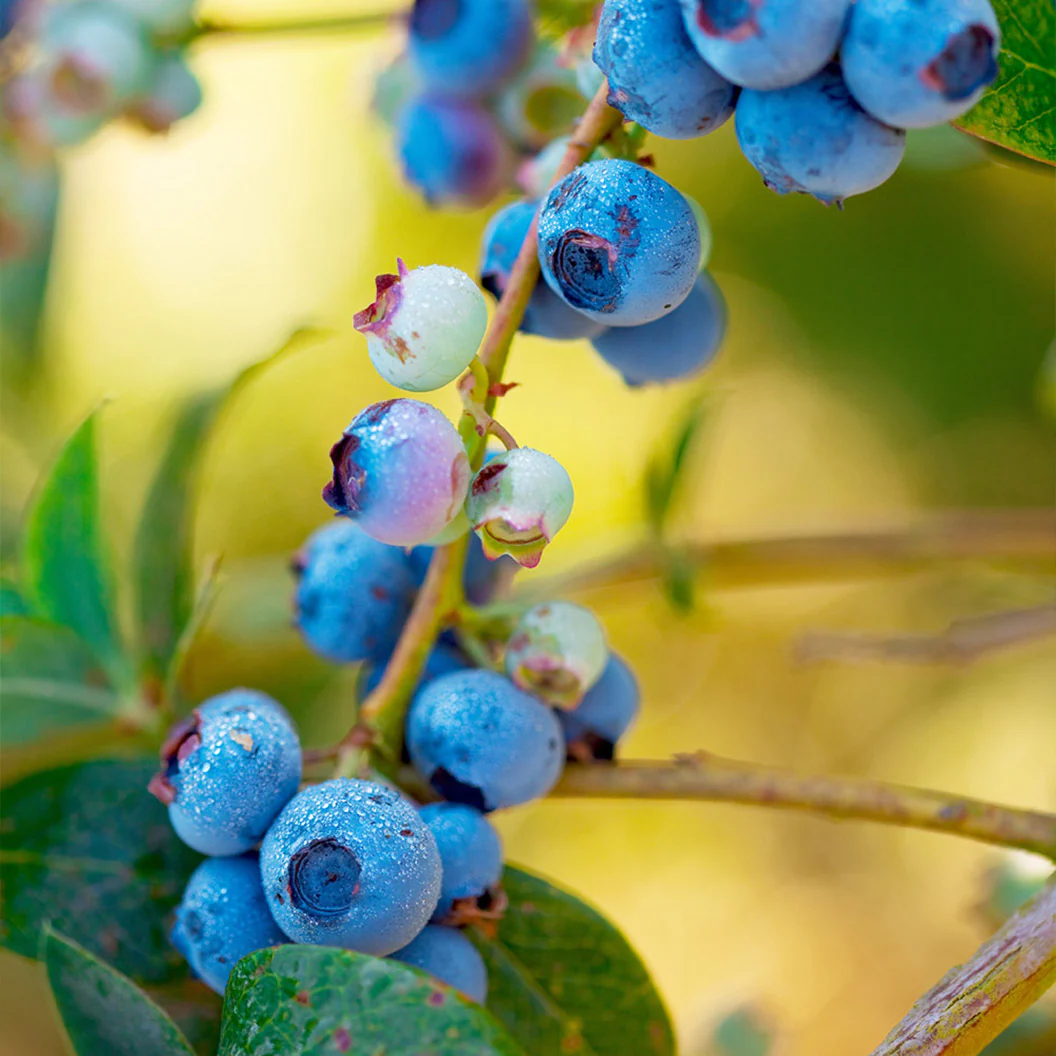
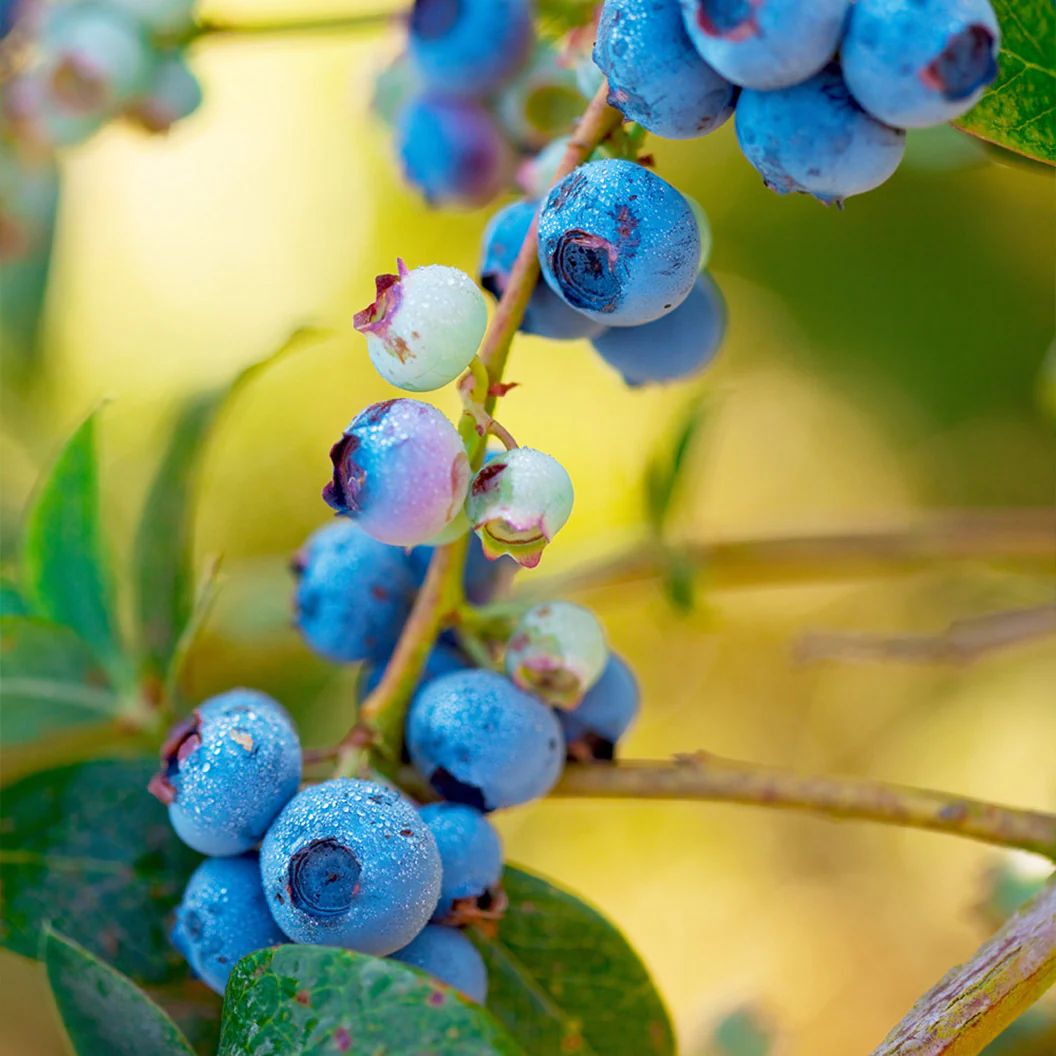
Early-blooming blueberries for easy harvesting
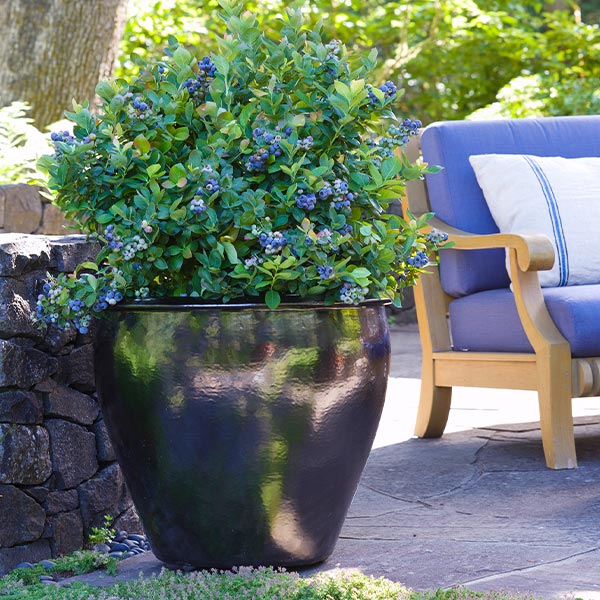
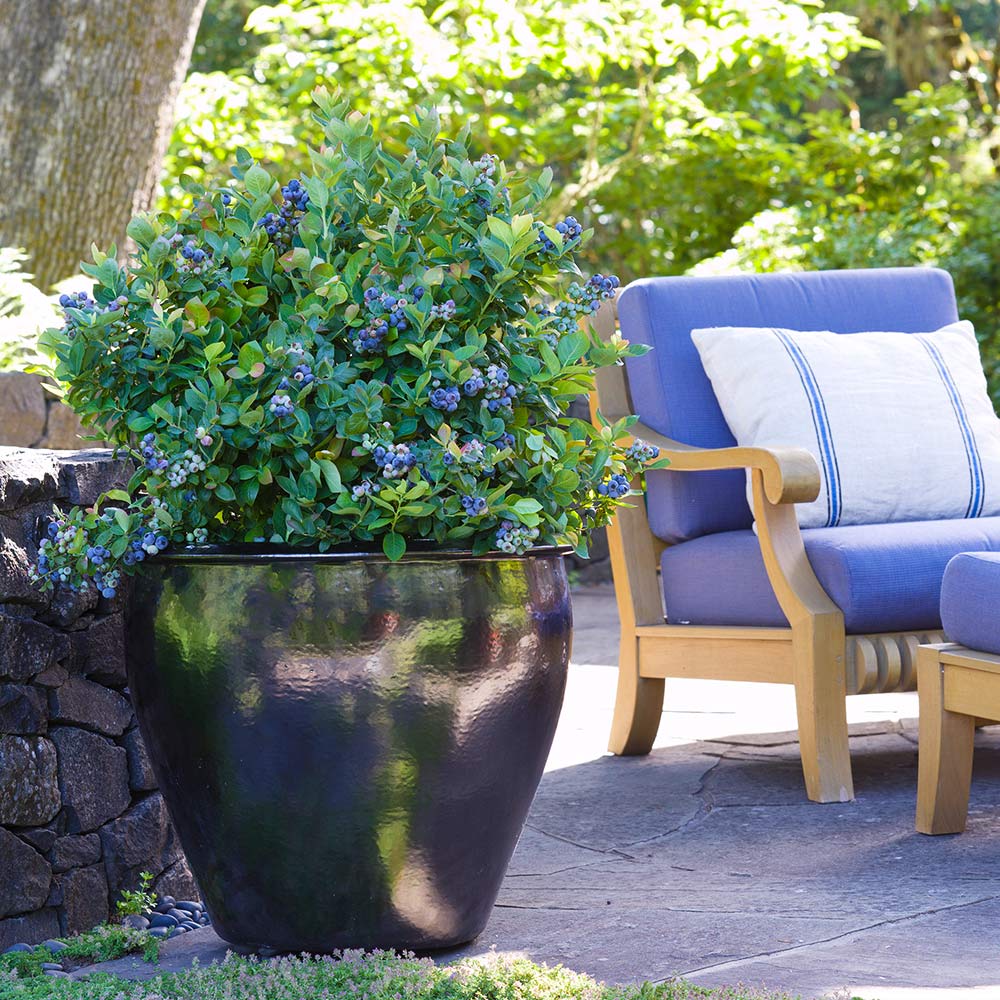
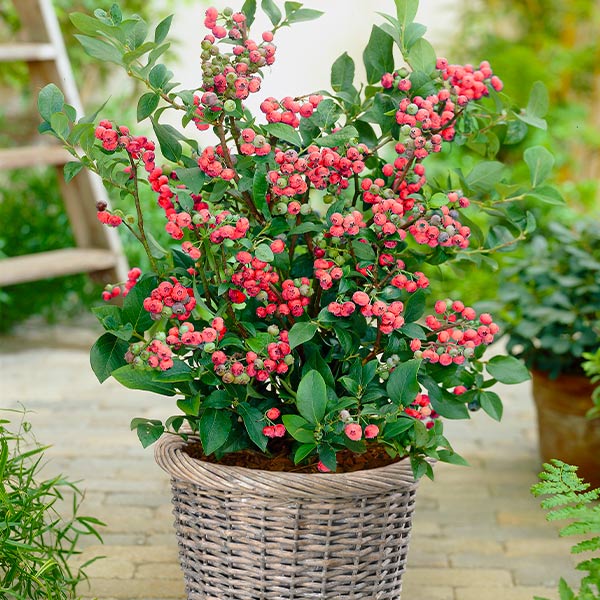
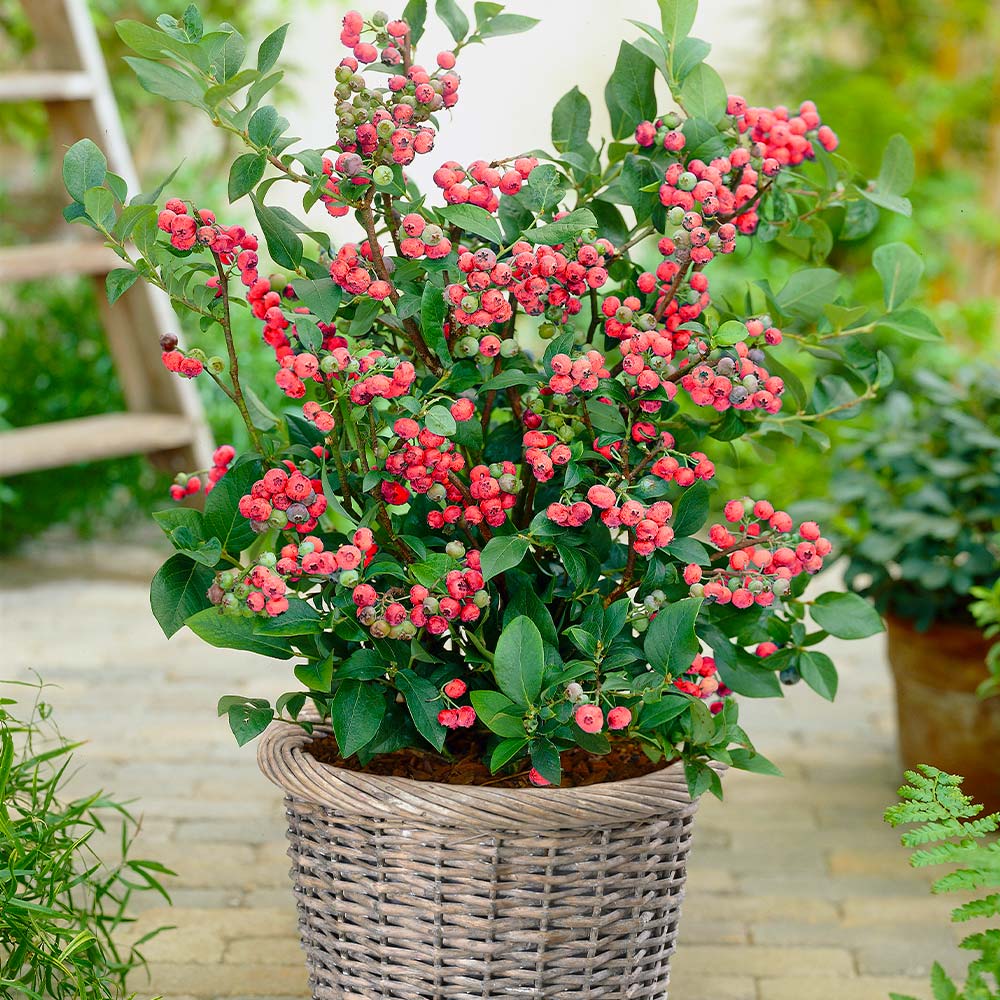
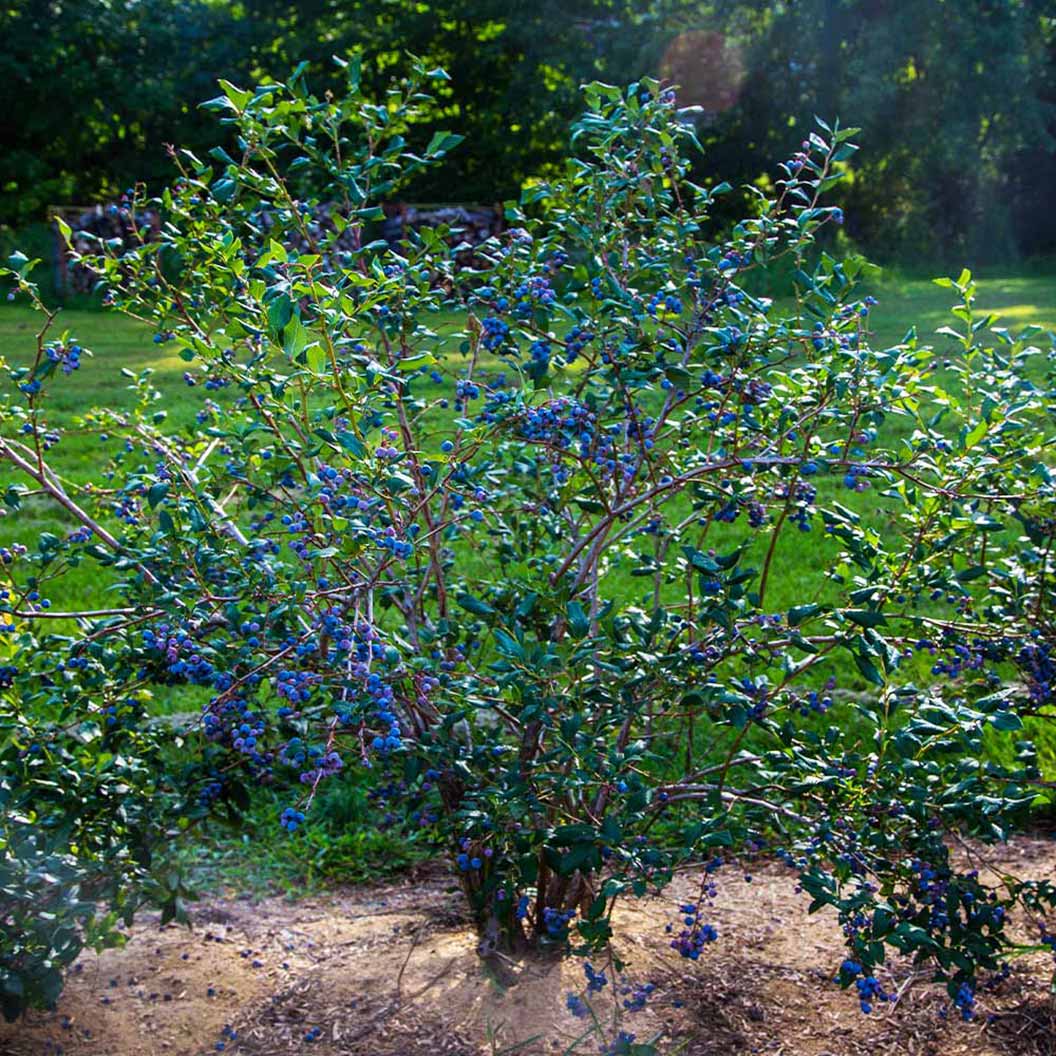
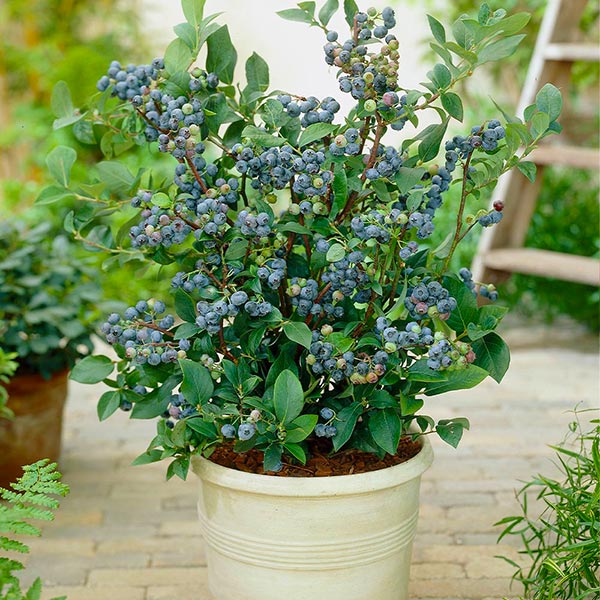
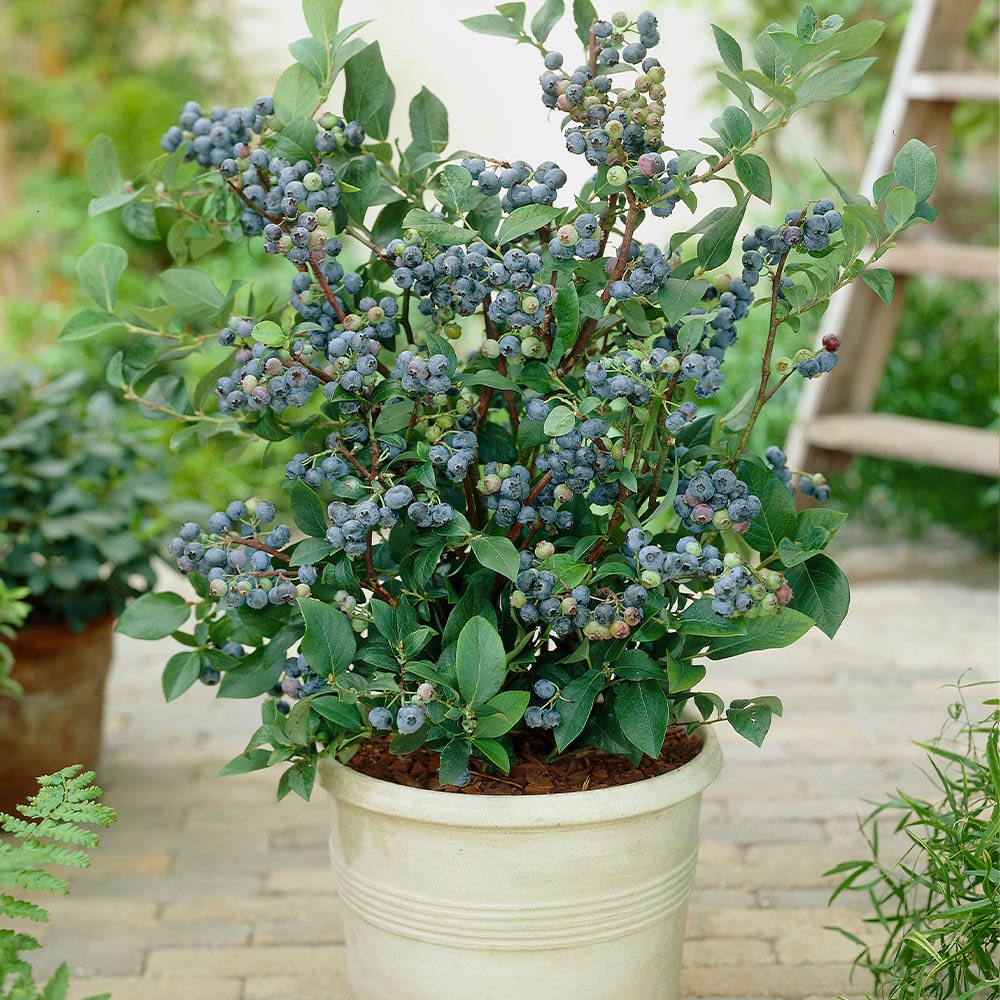
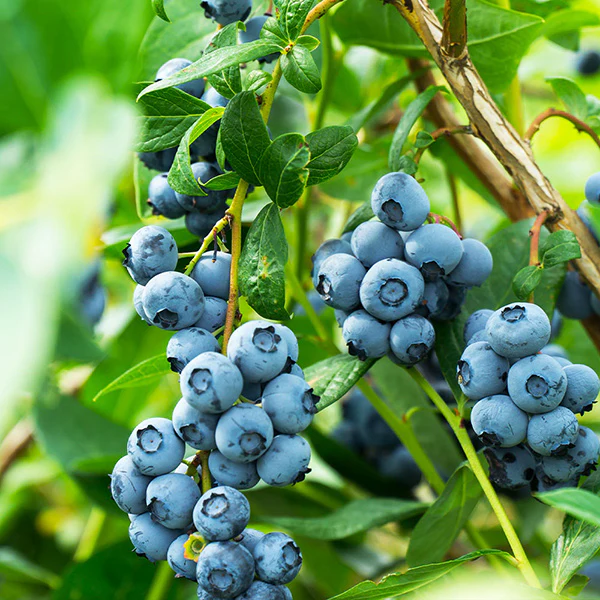
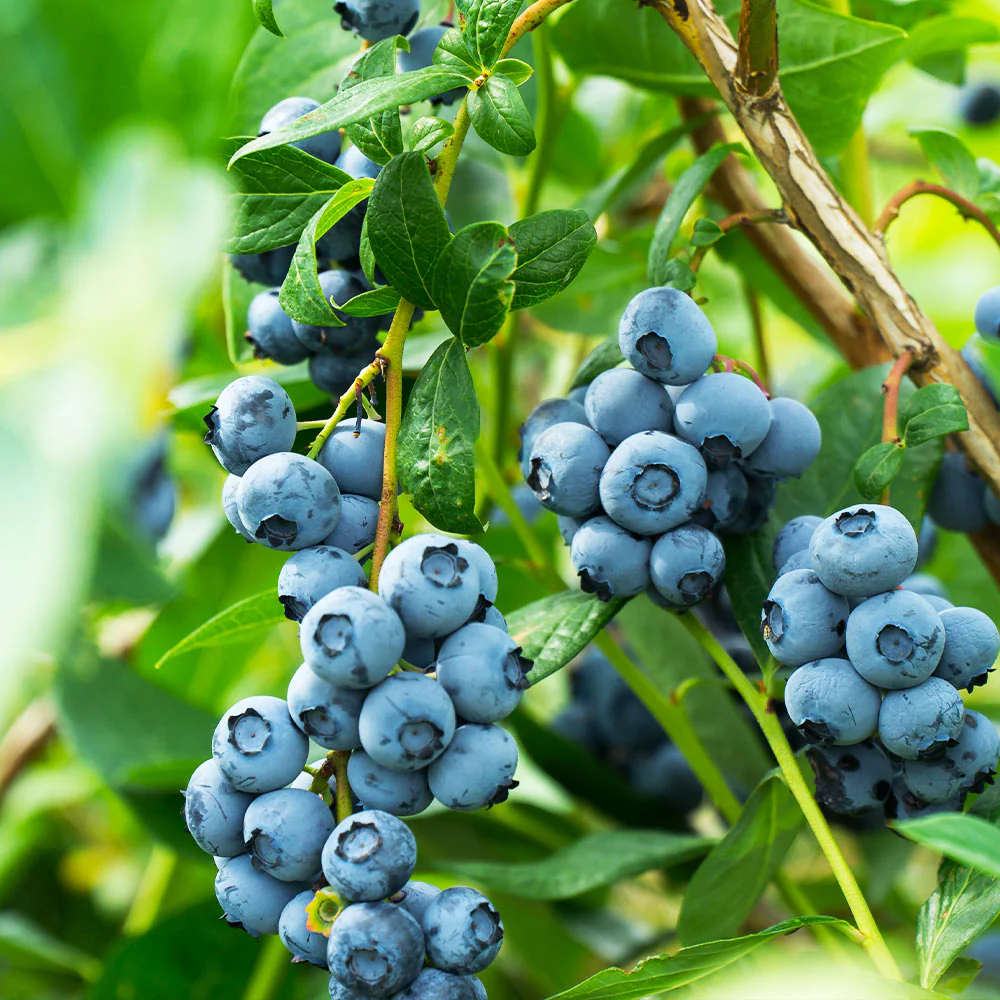
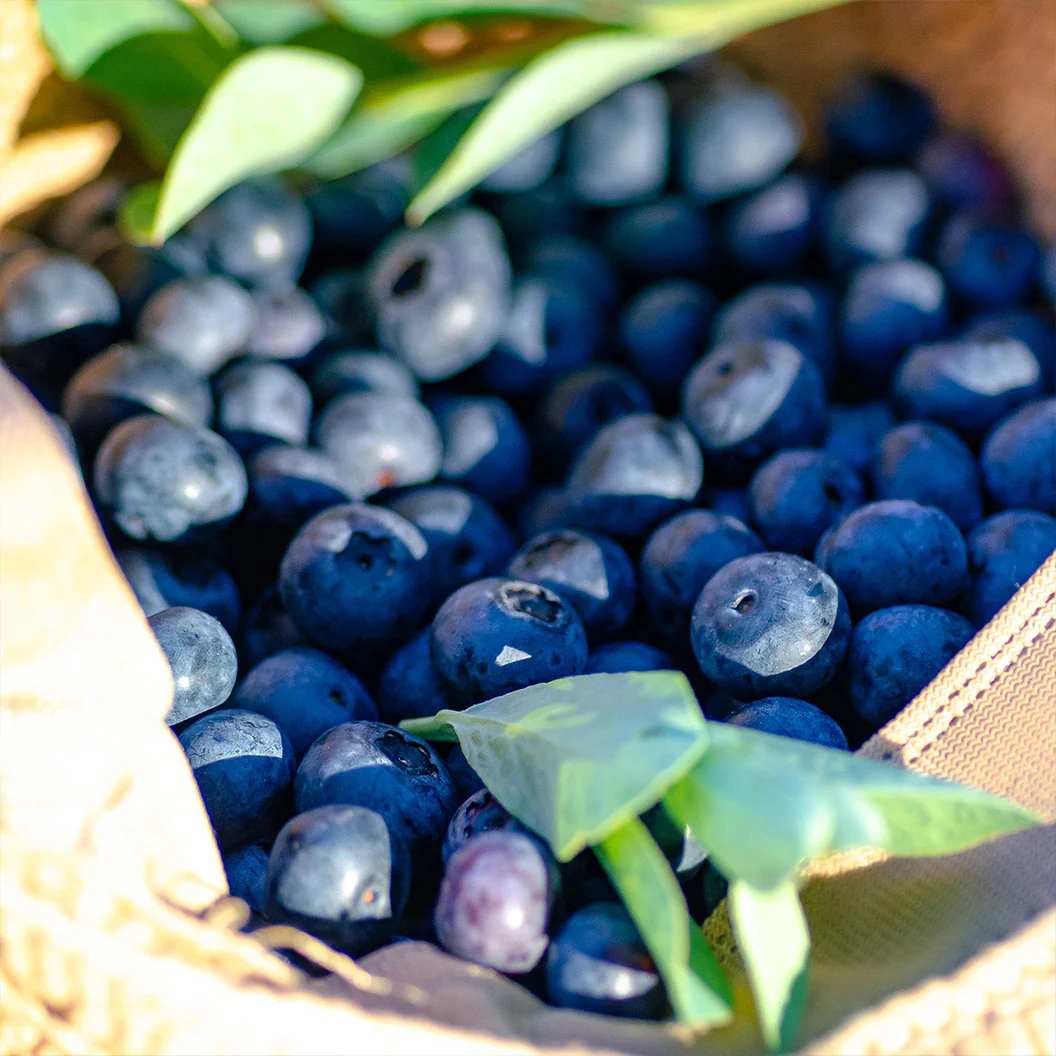
If you're looking for a shrub that brings beauty and bounty to your garden, consider these low-chill blueberries. With their compact and dense habit, they make a perfect fit for smaller spaces or as an attractive hedge. As summer unfolds, the lush green leaves create a lovely backdrop, transitioning to stunning dark red hues in the fall. This seasonal color shift adds interest to your landscape long after the last berry has been picked.
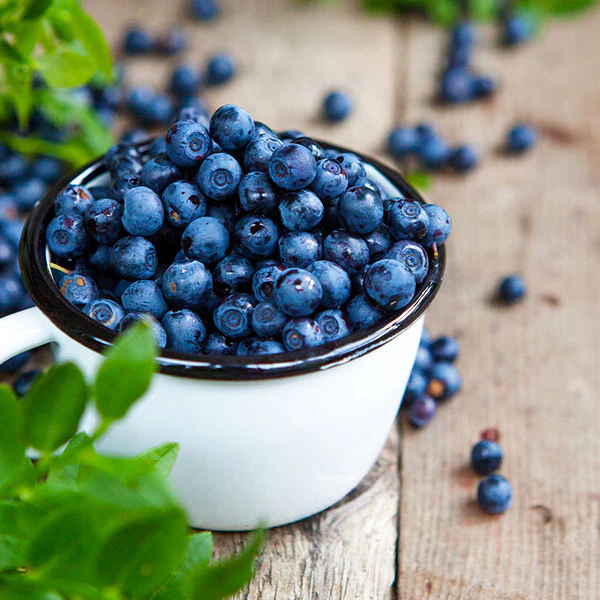
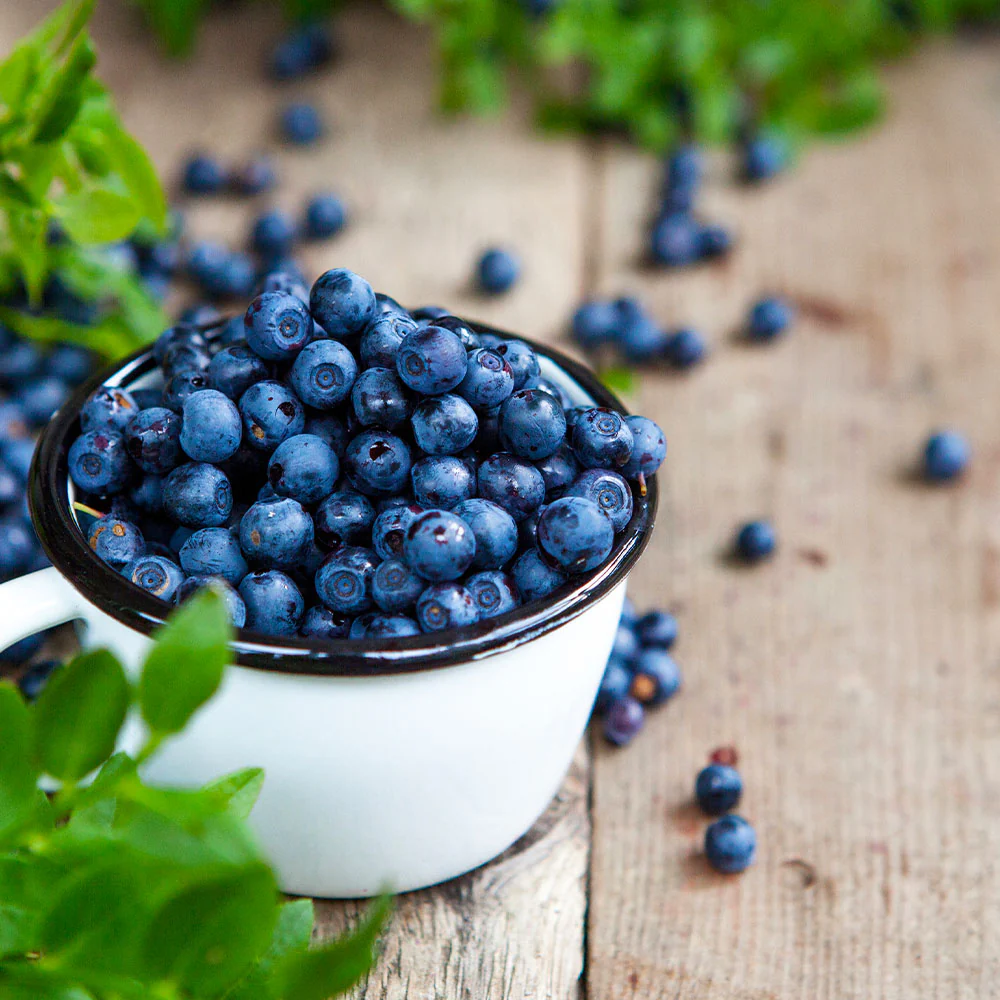
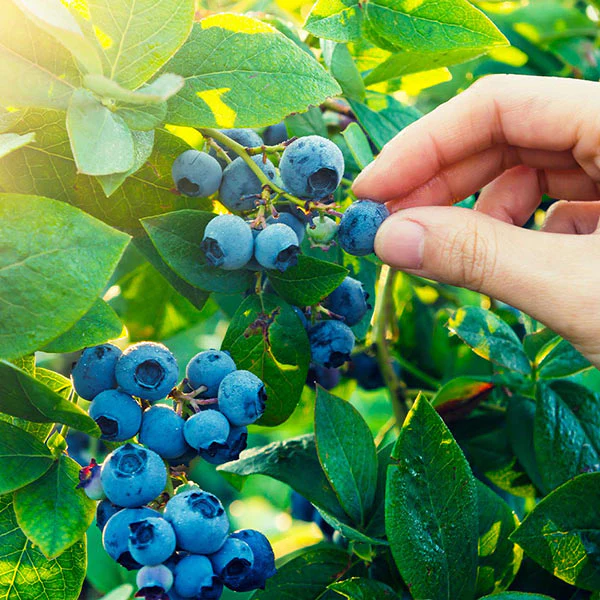
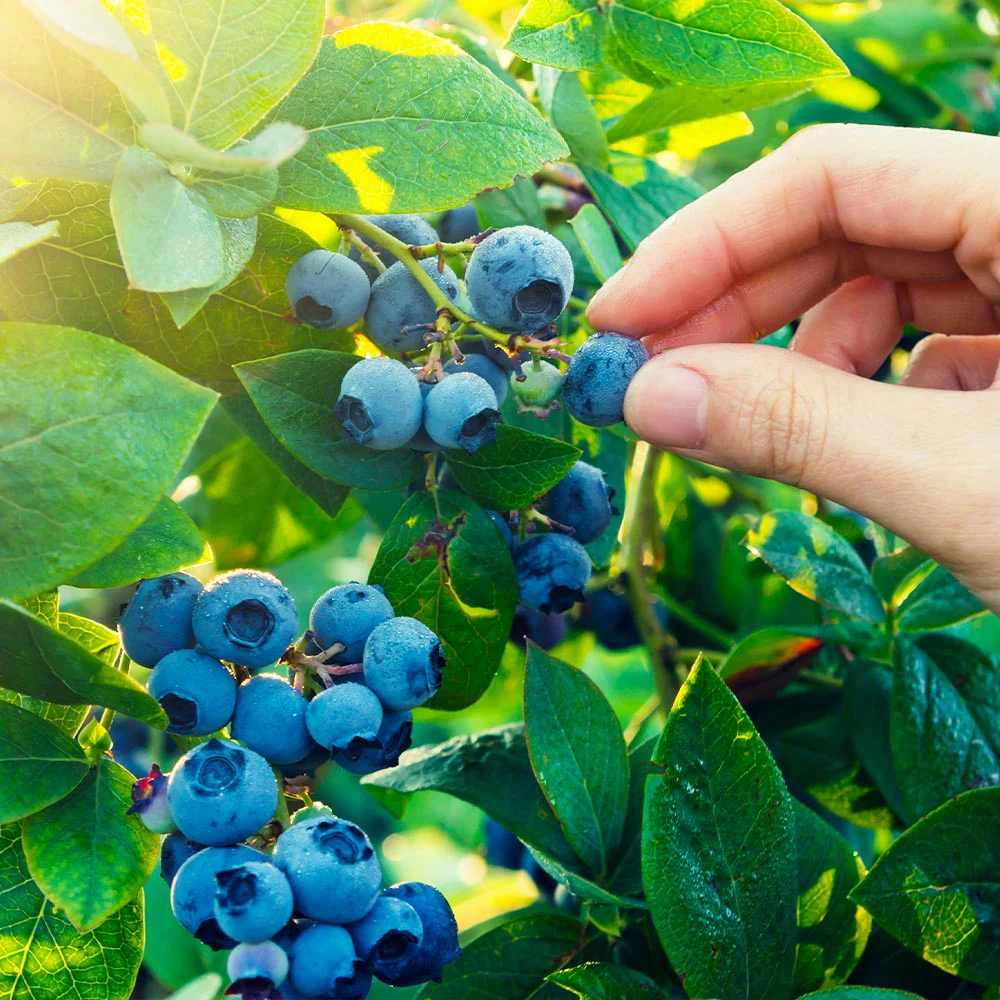
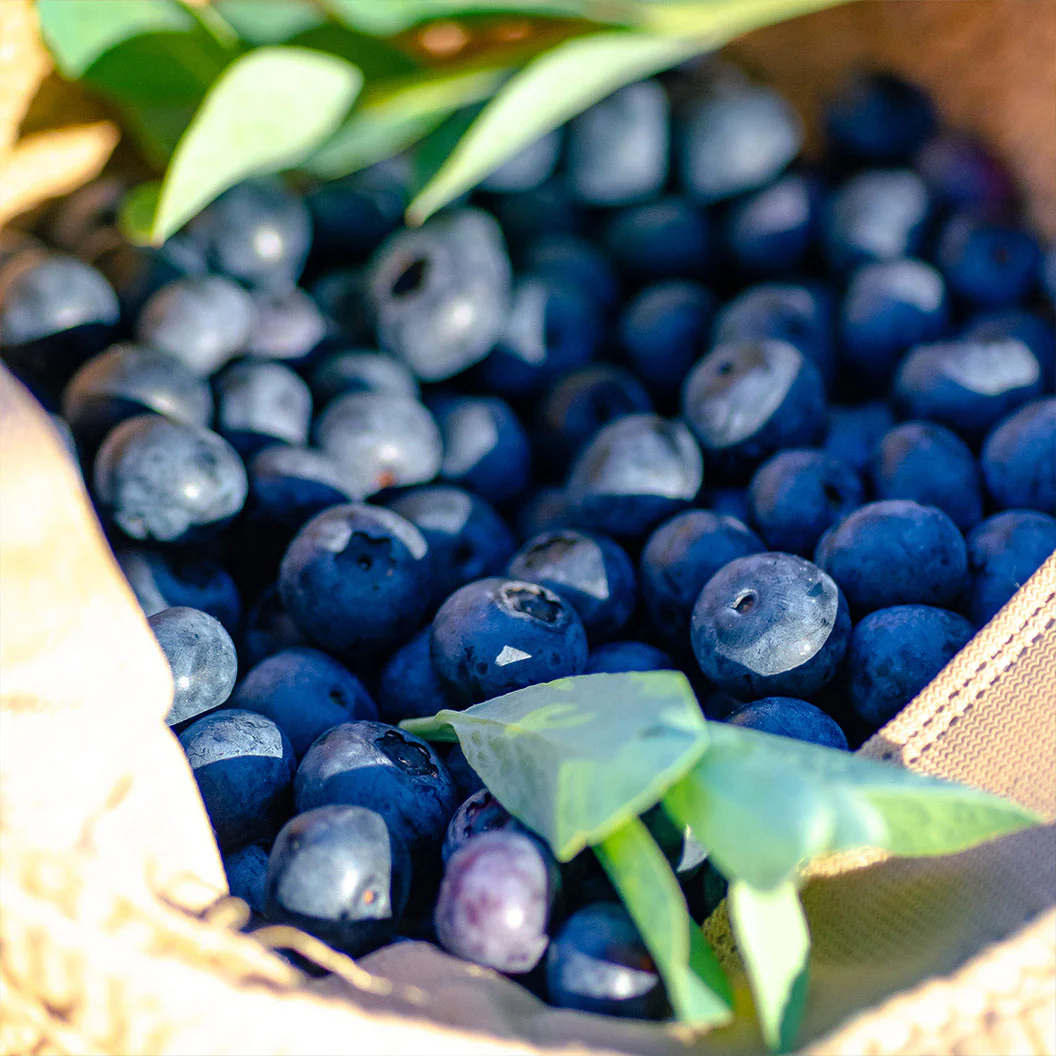
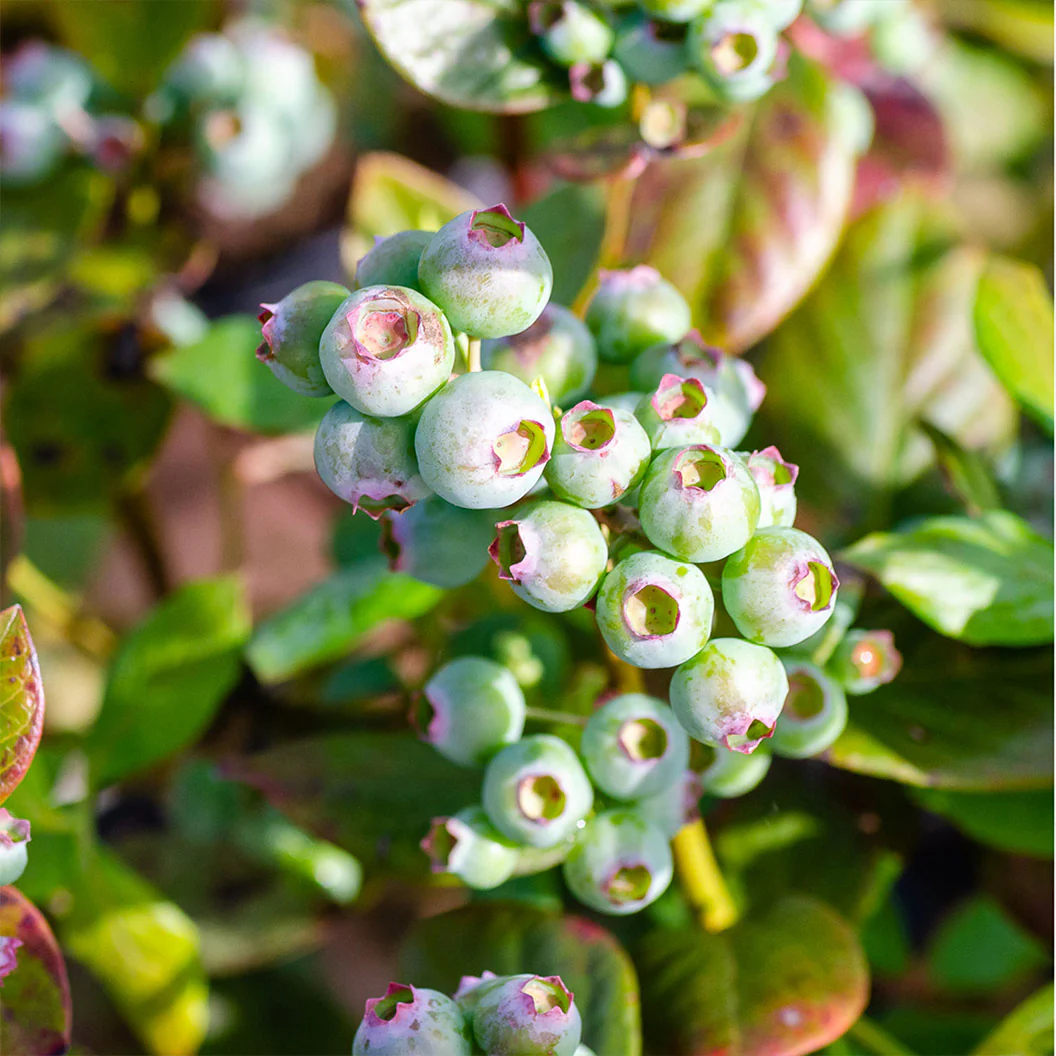
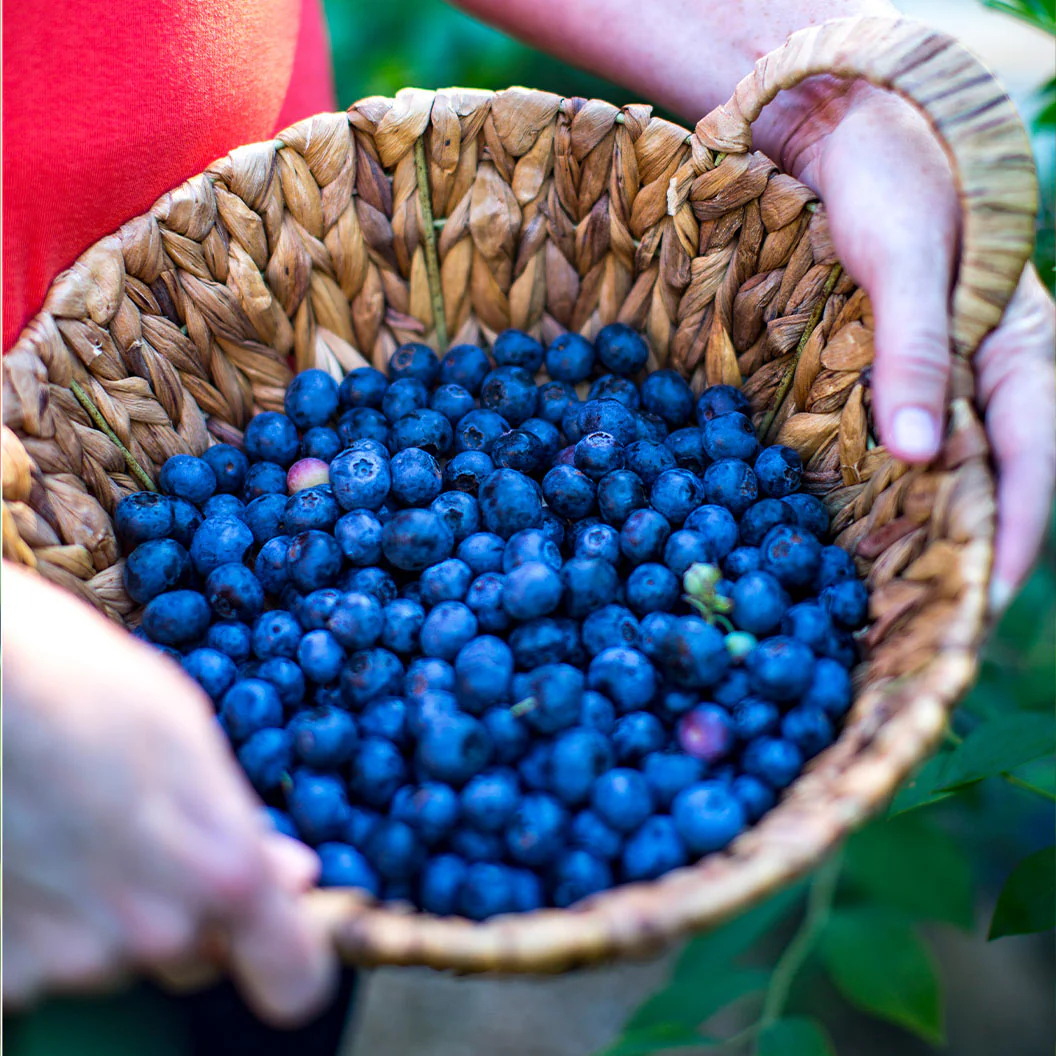
One of the standout features of these plants is their early blooming nature, which leads to an abundance of sweet, large berries. Enjoy fresh blueberries right from your yard and indulge in their delightful flavor. By planting multiple varieties, you can increase your yield, making them not just a visual delight but also a fruitful addition to your home. Whether you enjoy them in baked goods, smoothies, or straight off the bush, these blueberries can certainly sweeten your garden experience.
About Southern Living®: The Southern Living® Plant Collection was created to bring gardeners plants that truly thrive in real-world landscapes. Each variety is carefully selected and rigorously tested to ensure it performs beautifully—especially in challenging Southern conditions like heat and humidity. Since its introduction in 2008, the collection has focused on offering reliable, solution-driven plants with outstanding color, form, and durability, so you can garden with confidence and enjoy lasting results.
Planting & Care
1. Planting: Plant or repot within 4 weeks of arrival. Blueberries need a soil pH of 4.5 - 5.5. It is essential to test your soil before planting blueberries because they will not thrive outside their pH range. Native soils with a pH higher than 5.5 should be container grown, where pH is more easily controlled.
Choose a location that receives full sun to partial shade and has well-draining, acidic soil. Dig a hole twice the width of the root ball and plant the shrub at the same depth it was growing in its container. Backfill with native soil and peat moss. Spread a layer of mulch three feet around the plant. Space multiple plants about 5-6 feet apart for optimal air circulation and yield.
2. Watering: Keep the soil consistently moist, especially during the fruiting season. Water deeply once a week, more frequently in dry conditions, but avoid waterlogging as it can harm the roots.
3. Pruning: Blueberries produce fruit on 1 year old wood. In late winter or early spring, remove any dead or damaged branches as well as any crowded or crossing stems. Up to ⅓ of tallest stems can also be pruned right after harvest. This encourages better air circulation and productive growth.
4. Fertilizing: In early spring, use an acidic fertilizer specially formulated for blueberries like Espoma Holly Tone. Follow the package instructions for application rates to promote strong growth and berry production throughout the season.
Details & Craftsmanship
Every detail has been carefully considered to bring you the perfect product.
Details & Craftsmanship
Every detail has been carefully considered to bring you the perfect product.
Details & Craftsmanship
Every detail has been carefully considered to bring you the perfect product.
Description
Early-blooming blueberries for easy harvesting
If you're looking for a shrub that brings beauty and bounty to your garden, consider these low-chill blueberries. With their compact and dense habit, they make a perfect fit for smaller spaces or as an attractive hedge. As summer unfolds, the lush green leaves create a lovely backdrop, transitioning to stunning dark red hues in the fall. This seasonal color shift adds interest to your landscape long after the last berry has been picked.
One of the standout features of these plants is their early blooming nature, which leads to an abundance of sweet, large berries. Enjoy fresh blueberries right from your yard and indulge in their delightful flavor. By planting multiple varieties, you can increase your yield, making them not just a visual delight but also a fruitful addition to your home. Whether you enjoy them in baked goods, smoothies, or straight off the bush, these blueberries can certainly sweeten your garden experience.
About Southern Living®: The Southern Living® Plant Collection was created to bring gardeners plants that truly thrive in real-world landscapes. Each variety is carefully selected and rigorously tested to ensure it performs beautifully—especially in challenging Southern conditions like heat and humidity. Since its introduction in 2008, the collection has focused on offering reliable, solution-driven plants with outstanding color, form, and durability, so you can garden with confidence and enjoy lasting results.
Planting & Care
1. Planting: Plant or repot within 4 weeks of arrival. Blueberries need a soil pH of 4.5 - 5.5. It is essential to test your soil before planting blueberries because they will not thrive outside their pH range. Native soils with a pH higher than 5.5 should be container grown, where pH is more easily controlled.
Choose a location that receives full sun to partial shade and has well-draining, acidic soil. Dig a hole twice the width of the root ball and plant the shrub at the same depth it was growing in its container. Backfill with native soil and peat moss. Spread a layer of mulch three feet around the plant. Space multiple plants about 5-6 feet apart for optimal air circulation and yield.
2. Watering: Keep the soil consistently moist, especially during the fruiting season. Water deeply once a week, more frequently in dry conditions, but avoid waterlogging as it can harm the roots.
3. Pruning: Blueberries produce fruit on 1 year old wood. In late winter or early spring, remove any dead or damaged branches as well as any crowded or crossing stems. Up to ⅓ of tallest stems can also be pruned right after harvest. This encourages better air circulation and productive growth.
4. Fertilizing: In early spring, use an acidic fertilizer specially formulated for blueberries like Espoma Holly Tone. Follow the package instructions for application rates to promote strong growth and berry production throughout the season.