The Story
A delicious and resilient fruiting shrub for every garden
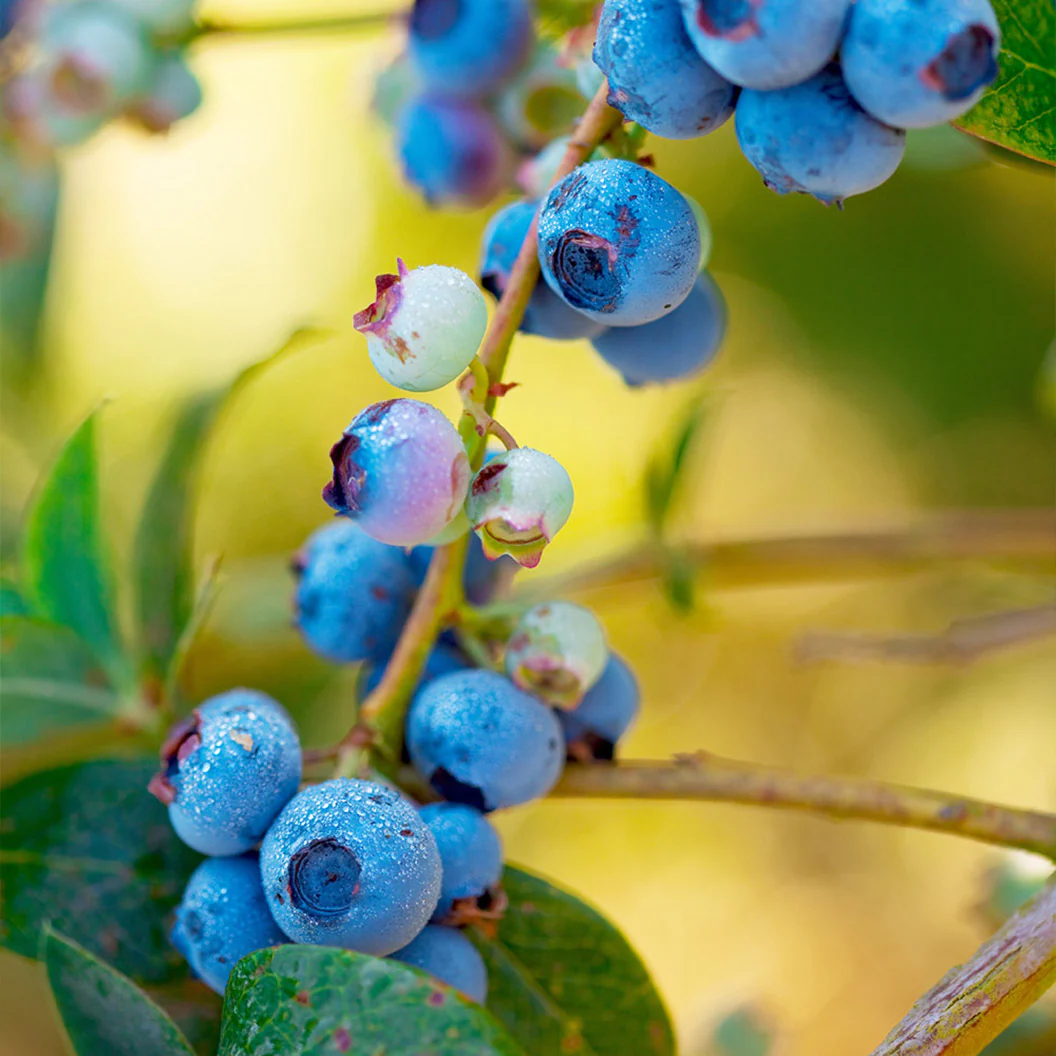
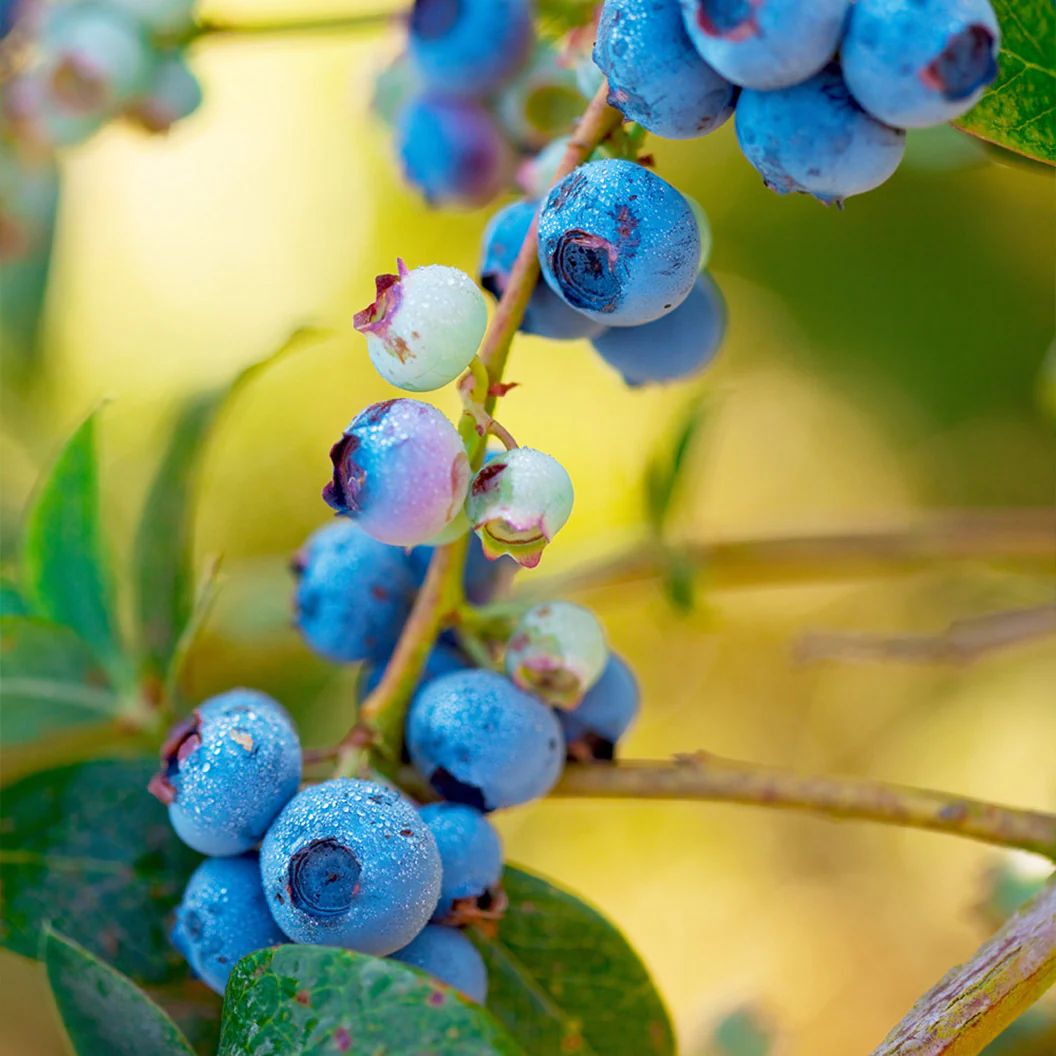
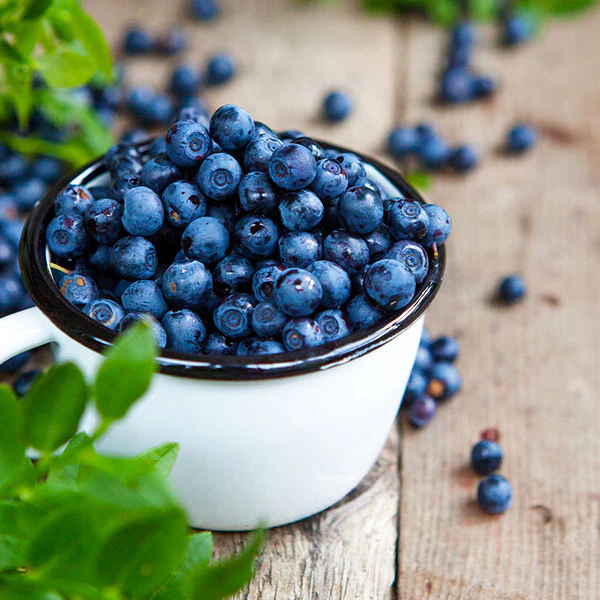
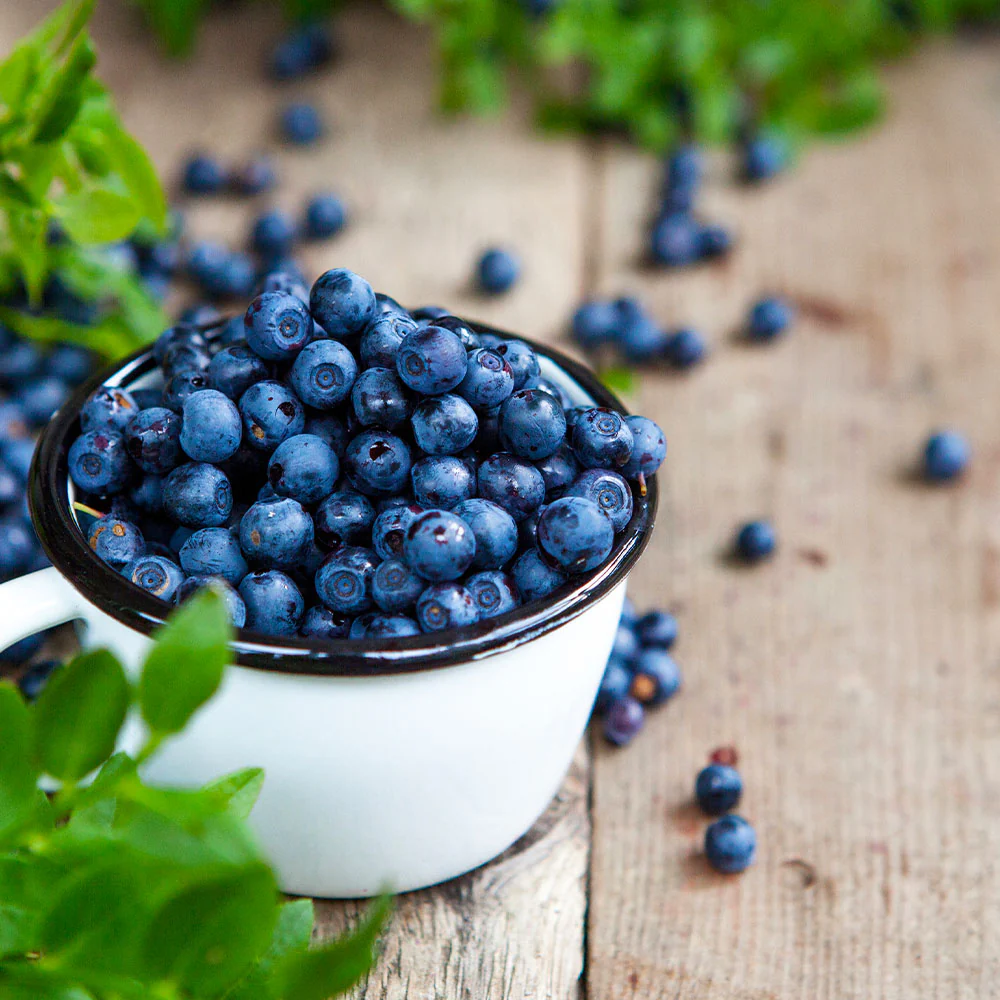
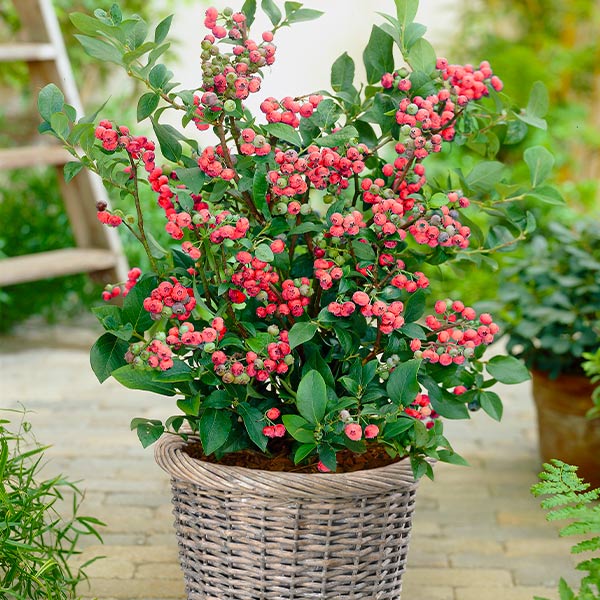
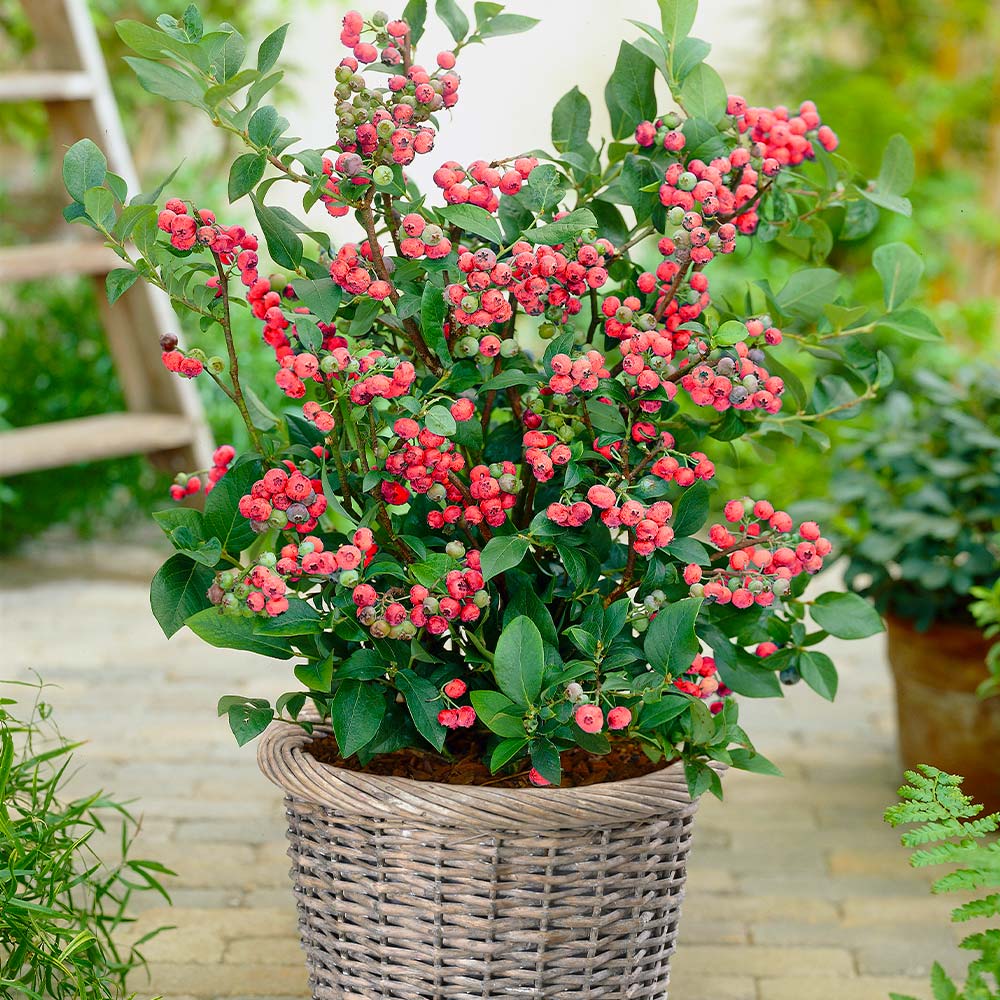
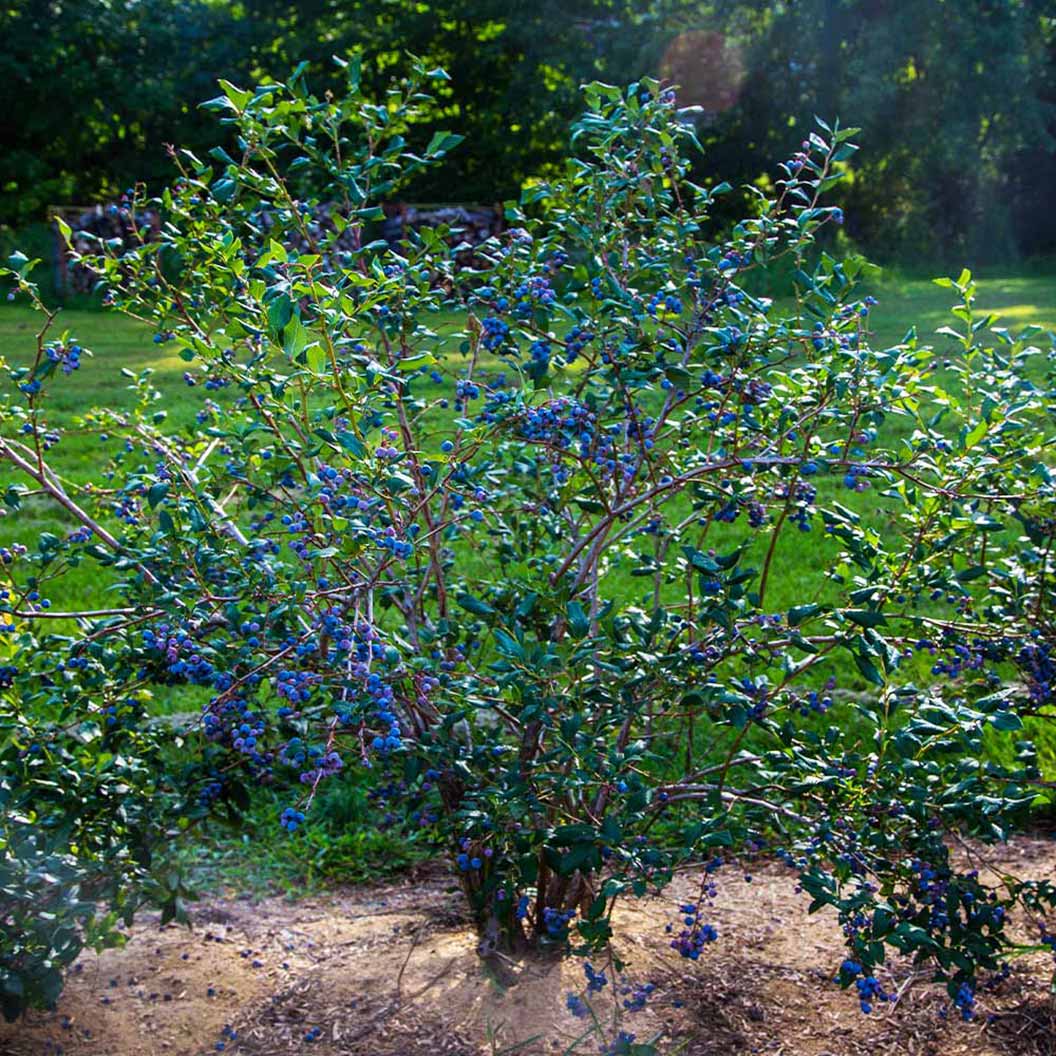
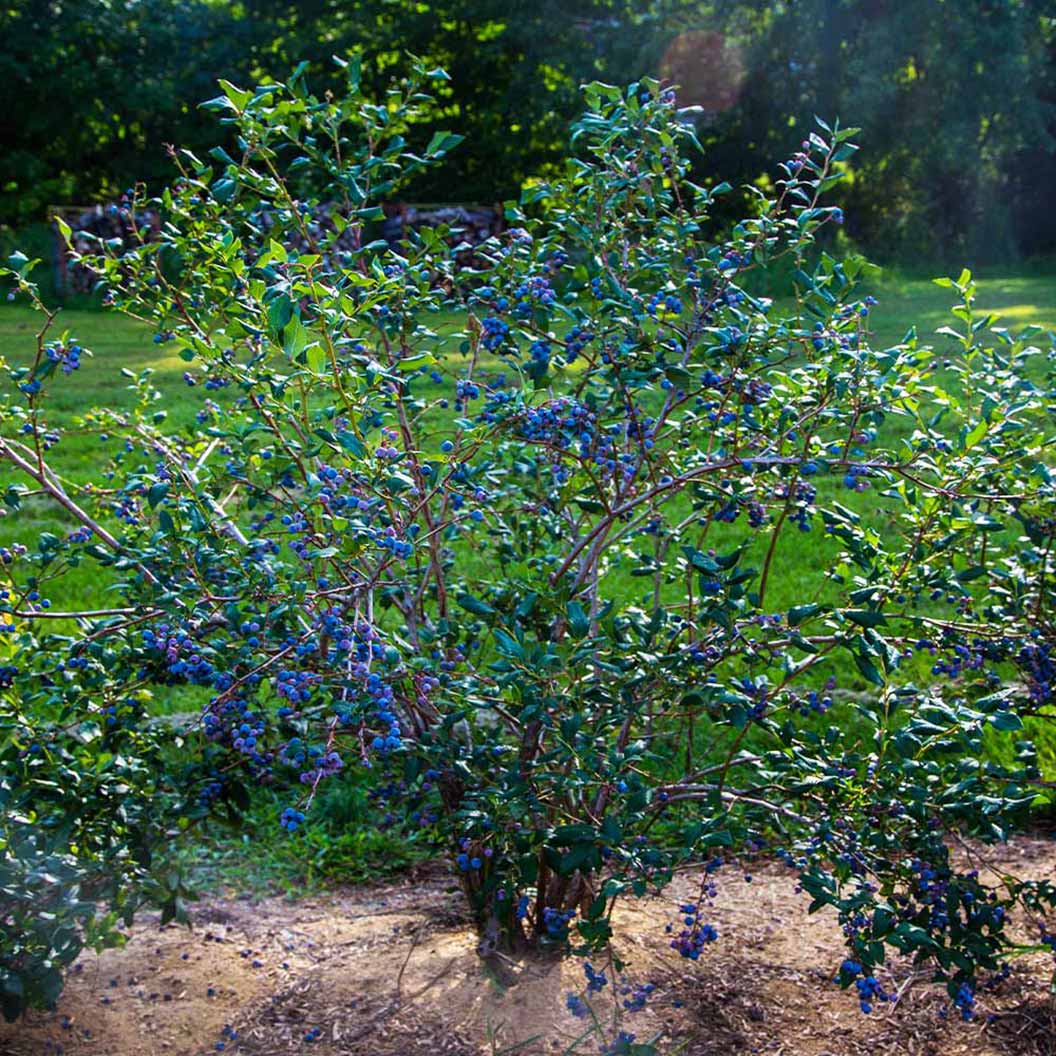
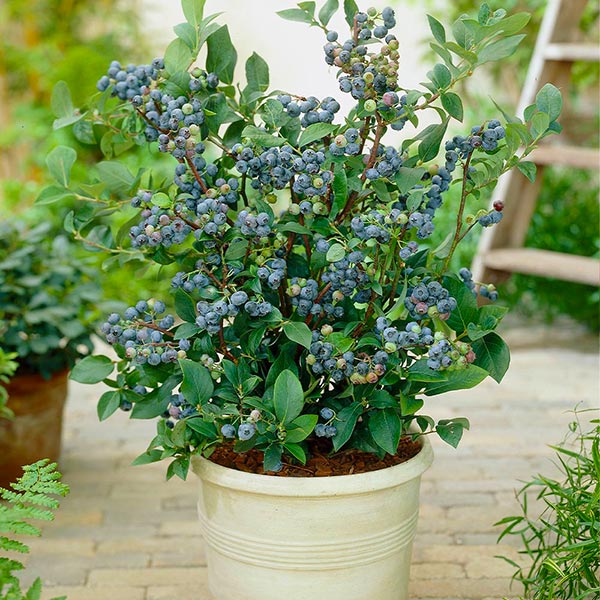
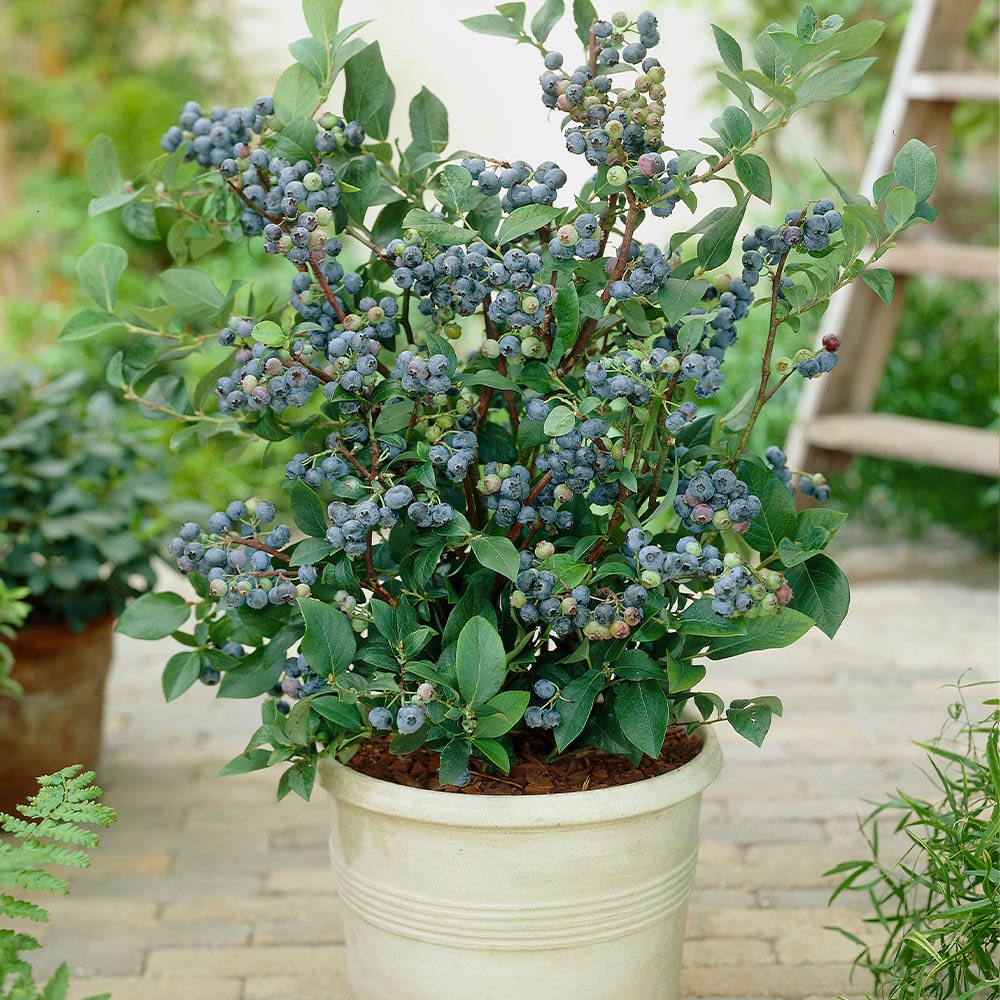
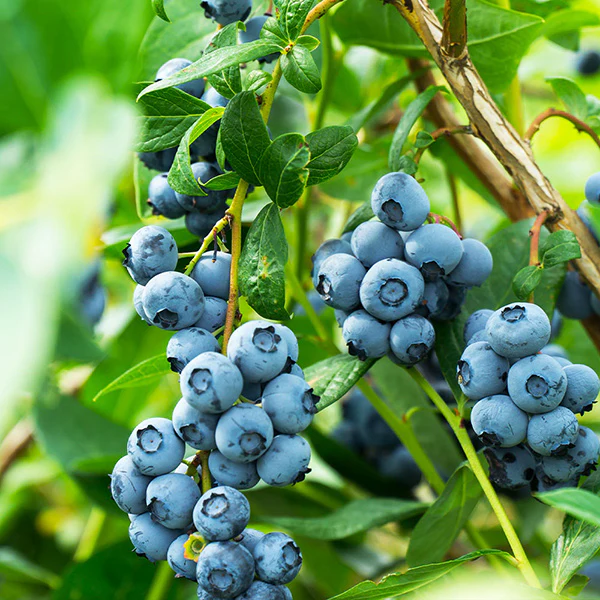
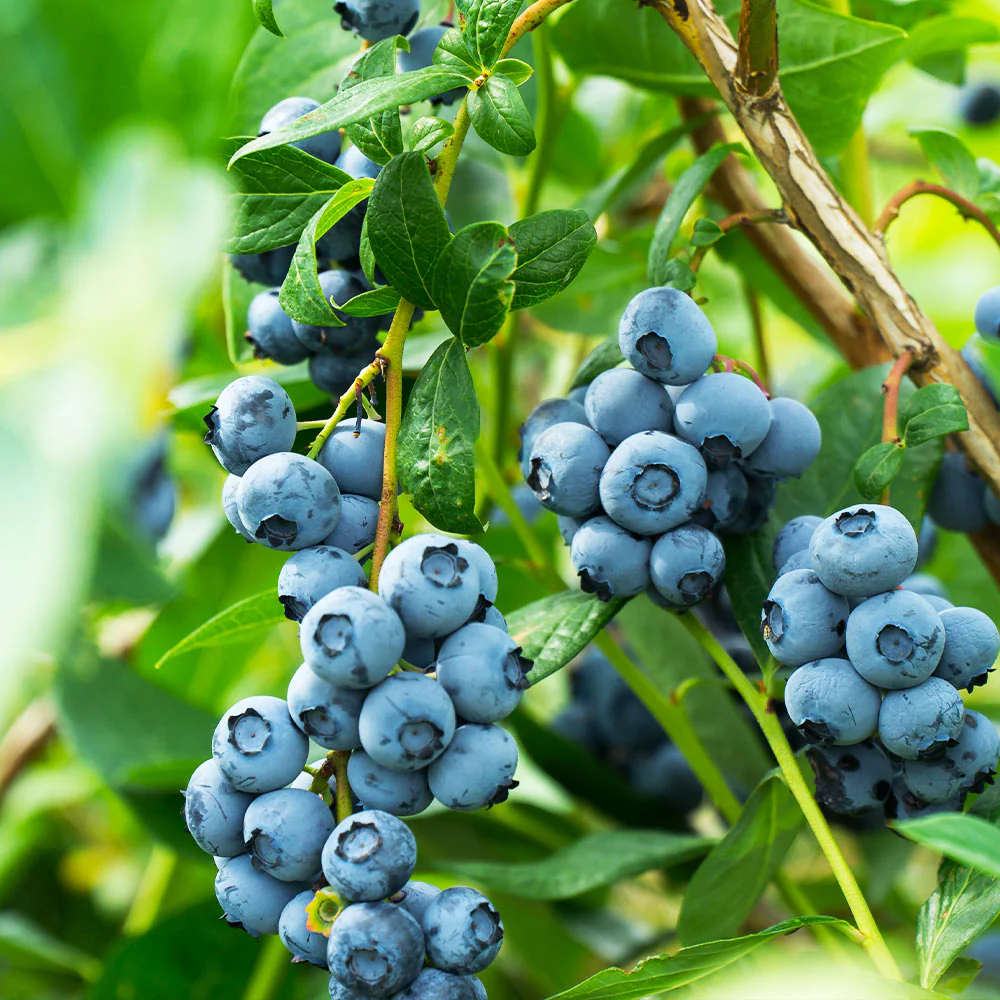
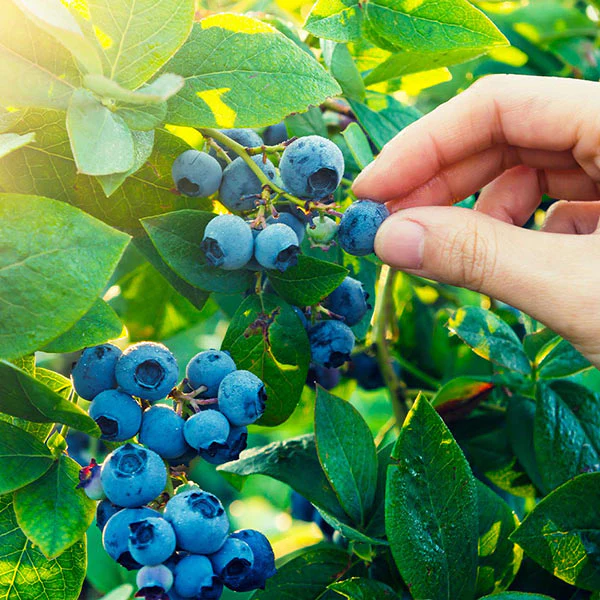
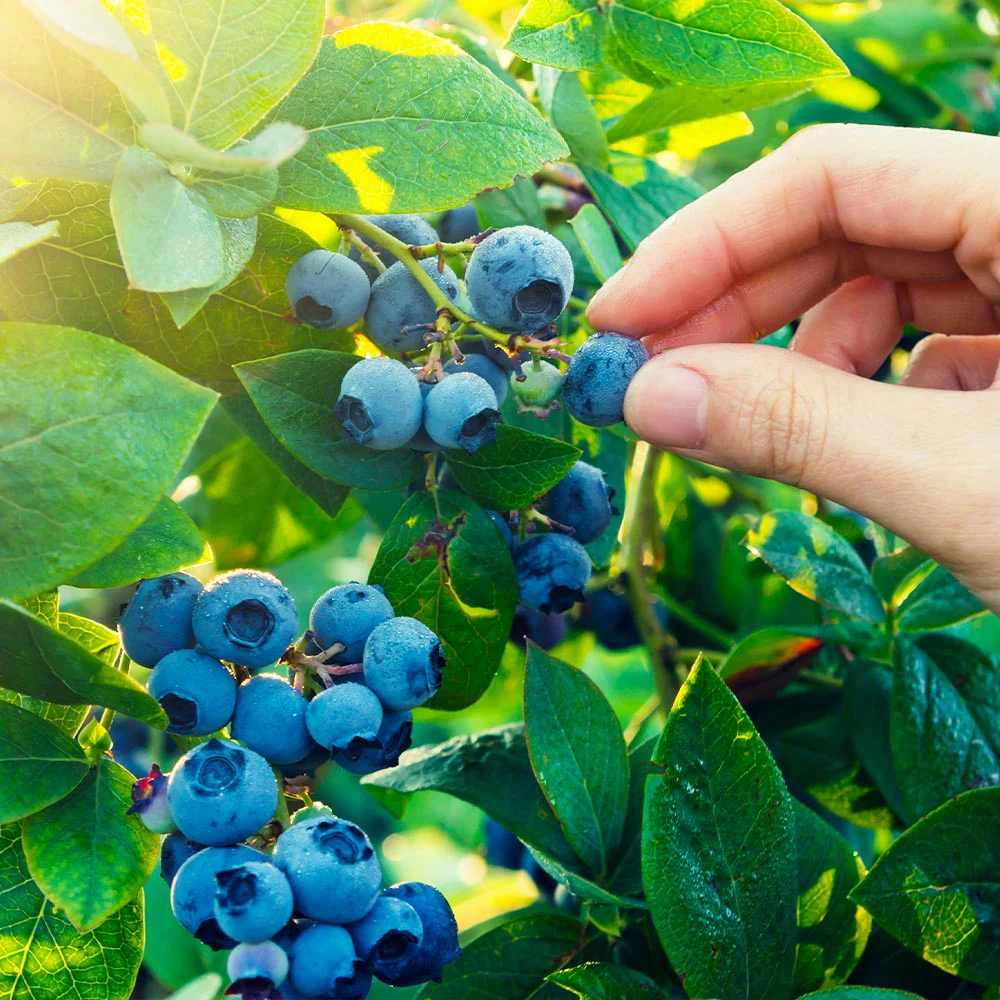
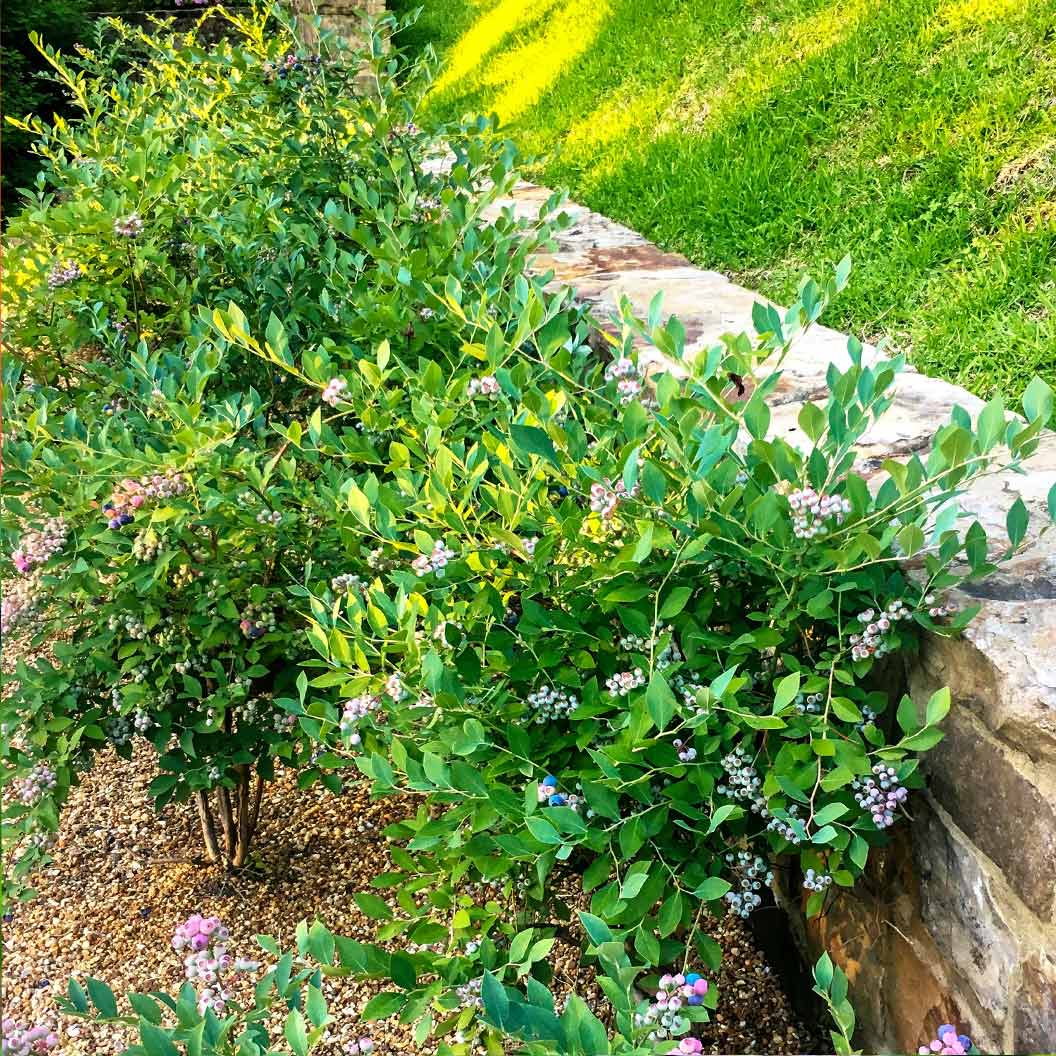
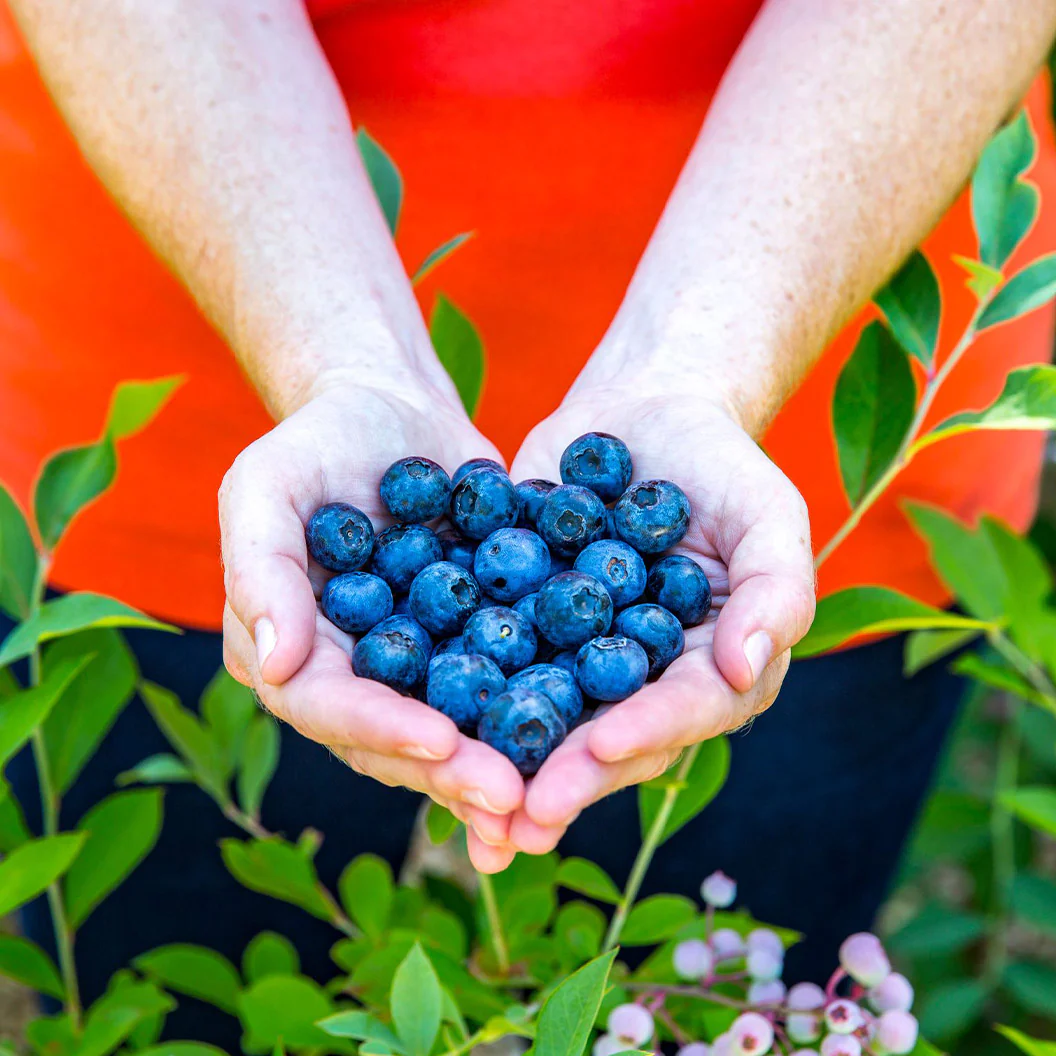
This vigorous upright rabbiteye blueberry is well suited for warm, humid climates, making it an excellent choice for Southeastern gardens. It blooms later than many varieties, helping it avoid damage from late spring frosts, yet ripens early—often producing fruit as early as May. In spring, it’s covered in clusters of white flowers, followed by large, firm, juicy berries with excellent flavor and shelf life.
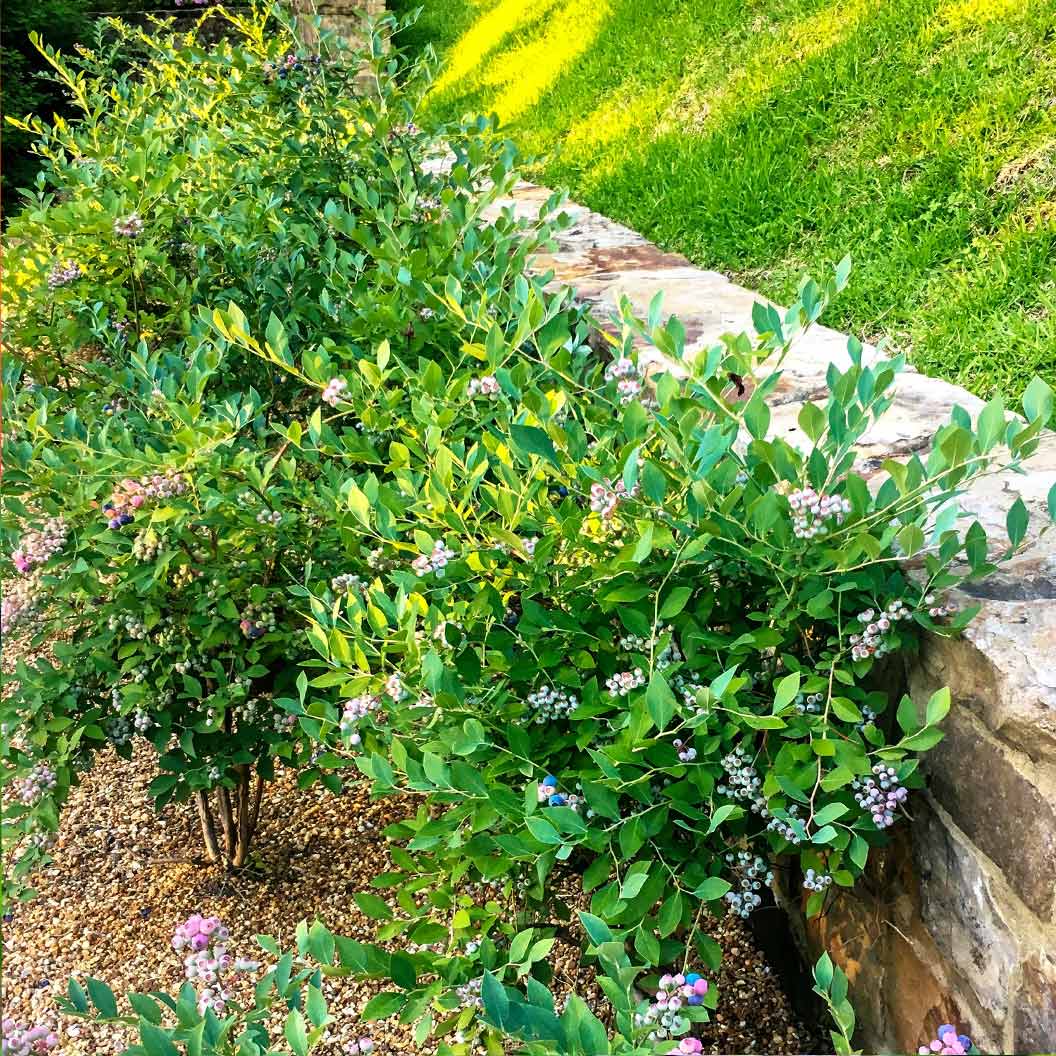
This cultivar pairs well with other late-blooming rabbiteye blueberries to improve pollination and boost yields. It also offers improved resistance to fruit cracking after heavy rainfall, a valuable trait in regions with frequent summer storms. Heat tolerant, disease resistant, and highly productive, this blueberry shrub delivers reliable harvests and strong garden performance year after year.
About Southern Living®: The Southern Living® Plant Collection was created to bring gardeners plants that truly thrive in real-world landscapes. Each variety is carefully selected and rigorously tested to ensure it performs beautifully—especially in challenging Southern conditions like heat and humidity. Since its introduction in 2008, the collection has focused on offering reliable, solution-driven plants with outstanding color, form, and durability, so you can garden with confidence and enjoy lasting results.
Planting & Care
1. Planting: Plant or repot within 4 weeks of arrival. Blueberries require acidic soil with a pH between 4.5 and 5.5, so soil testing before planting is essential. Plants will not thrive outside this range. If native soil pH is higher than 5.5, container growing is recommended, as soil pH is easier to control. Choose a sun to part sun location with well-drained soil. Dig a hole twice the width of the root ball and amend the soil with organic matter or peat moss. Spread a layer of mulch extending about 3 feet around the plant to conserve moisture, insulate roots, and suppress weeds. Space shrubs 4–5 feet apart for optimal growth.
2. Watering: Regular watering is essential, especially during dry spells. Ensure the soil remains consistently moist but not soggy. Use mulch to help retain moisture and protect roots.
3. Pruning: Blueberries produce fruit on one-year-old wood. In late winter or early spring, remove any dead or damaged branches, along with crowded or crossing stems to improve airflow. After harvest, up to one-third of the tallest stems may be pruned to encourage vigorous, productive growth.
4. Fertilizing: In early spring, apply an acidic fertilizer formulated for blueberries, such as Espoma Holly-tone®, following package instructions. Proper fertilization supports strong growth and consistent berry production throughout the season.
Details & Craftsmanship
Every detail has been carefully considered to bring you the perfect product.
Details & Craftsmanship
Every detail has been carefully considered to bring you the perfect product.
Description
A delicious and resilient fruiting shrub for every garden
This vigorous upright rabbiteye blueberry is well suited for warm, humid climates, making it an excellent choice for Southeastern gardens. It blooms later than many varieties, helping it avoid damage from late spring frosts, yet ripens early—often producing fruit as early as May. In spring, it’s covered in clusters of white flowers, followed by large, firm, juicy berries with excellent flavor and shelf life.
This cultivar pairs well with other late-blooming rabbiteye blueberries to improve pollination and boost yields. It also offers improved resistance to fruit cracking after heavy rainfall, a valuable trait in regions with frequent summer storms. Heat tolerant, disease resistant, and highly productive, this blueberry shrub delivers reliable harvests and strong garden performance year after year.
About Southern Living®: The Southern Living® Plant Collection was created to bring gardeners plants that truly thrive in real-world landscapes. Each variety is carefully selected and rigorously tested to ensure it performs beautifully—especially in challenging Southern conditions like heat and humidity. Since its introduction in 2008, the collection has focused on offering reliable, solution-driven plants with outstanding color, form, and durability, so you can garden with confidence and enjoy lasting results.
Planting & Care
1. Planting: Plant or repot within 4 weeks of arrival. Blueberries require acidic soil with a pH between 4.5 and 5.5, so soil testing before planting is essential. Plants will not thrive outside this range. If native soil pH is higher than 5.5, container growing is recommended, as soil pH is easier to control. Choose a sun to part sun location with well-drained soil. Dig a hole twice the width of the root ball and amend the soil with organic matter or peat moss. Spread a layer of mulch extending about 3 feet around the plant to conserve moisture, insulate roots, and suppress weeds. Space shrubs 4–5 feet apart for optimal growth.
2. Watering: Regular watering is essential, especially during dry spells. Ensure the soil remains consistently moist but not soggy. Use mulch to help retain moisture and protect roots.
3. Pruning: Blueberries produce fruit on one-year-old wood. In late winter or early spring, remove any dead or damaged branches, along with crowded or crossing stems to improve airflow. After harvest, up to one-third of the tallest stems may be pruned to encourage vigorous, productive growth.
4. Fertilizing: In early spring, apply an acidic fertilizer formulated for blueberries, such as Espoma Holly-tone®, following package instructions. Proper fertilization supports strong growth and consistent berry production throughout the season.