Original: $83.95
-65%$83.95
$29.38The Story
Vibrant blooms and resilient growth for your garden
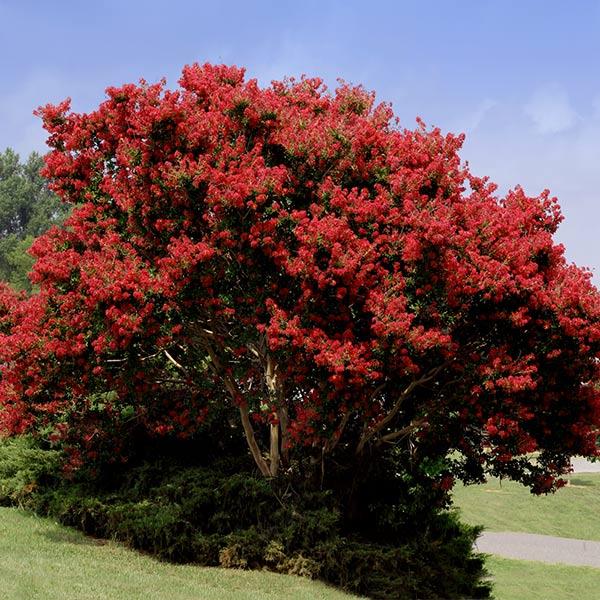
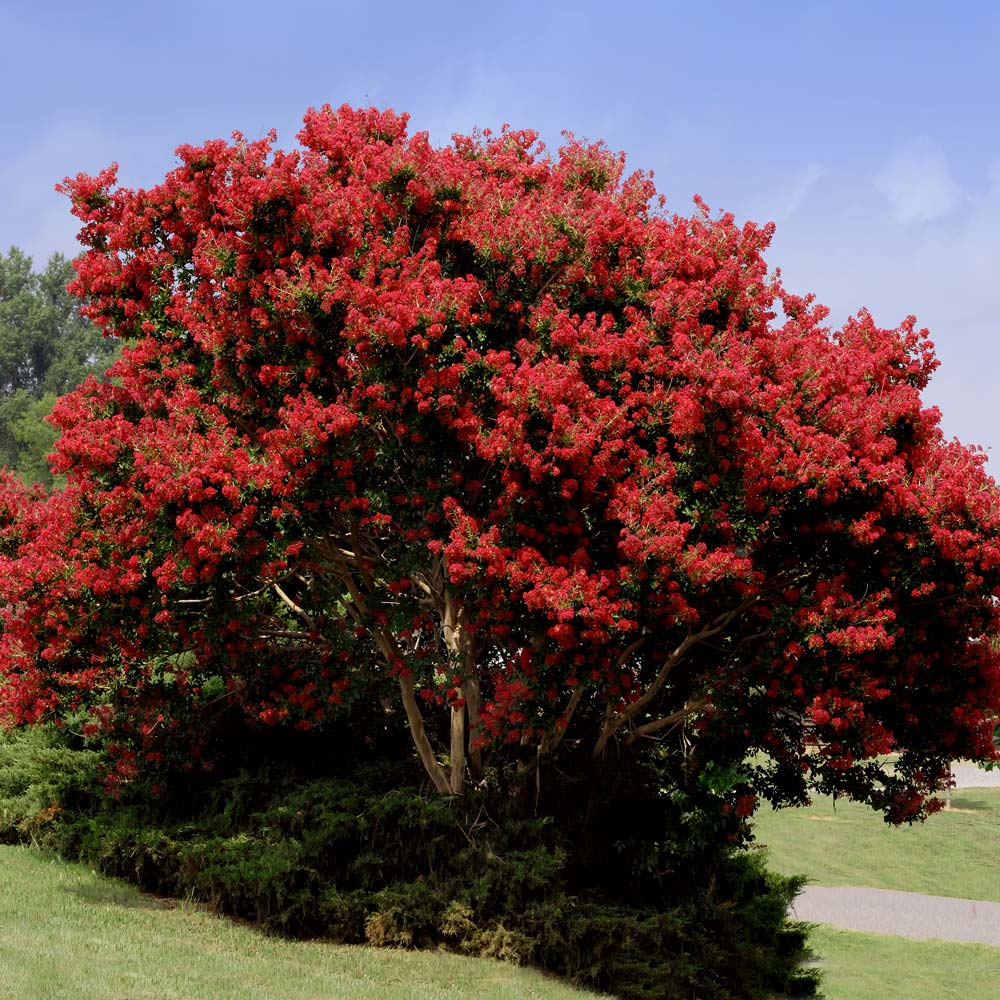
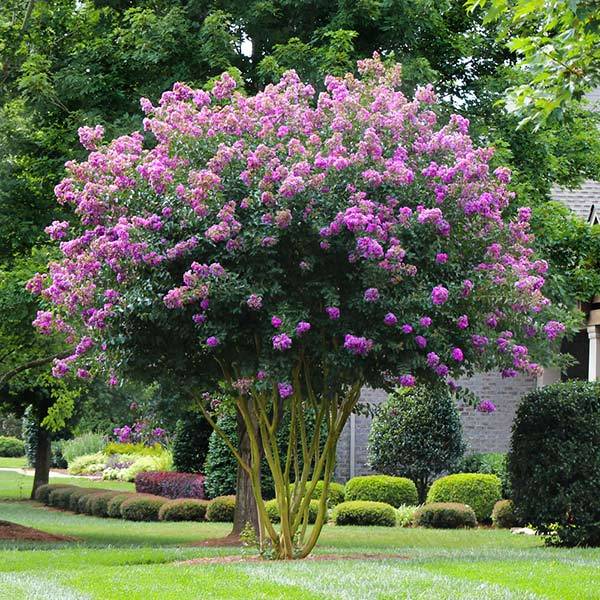
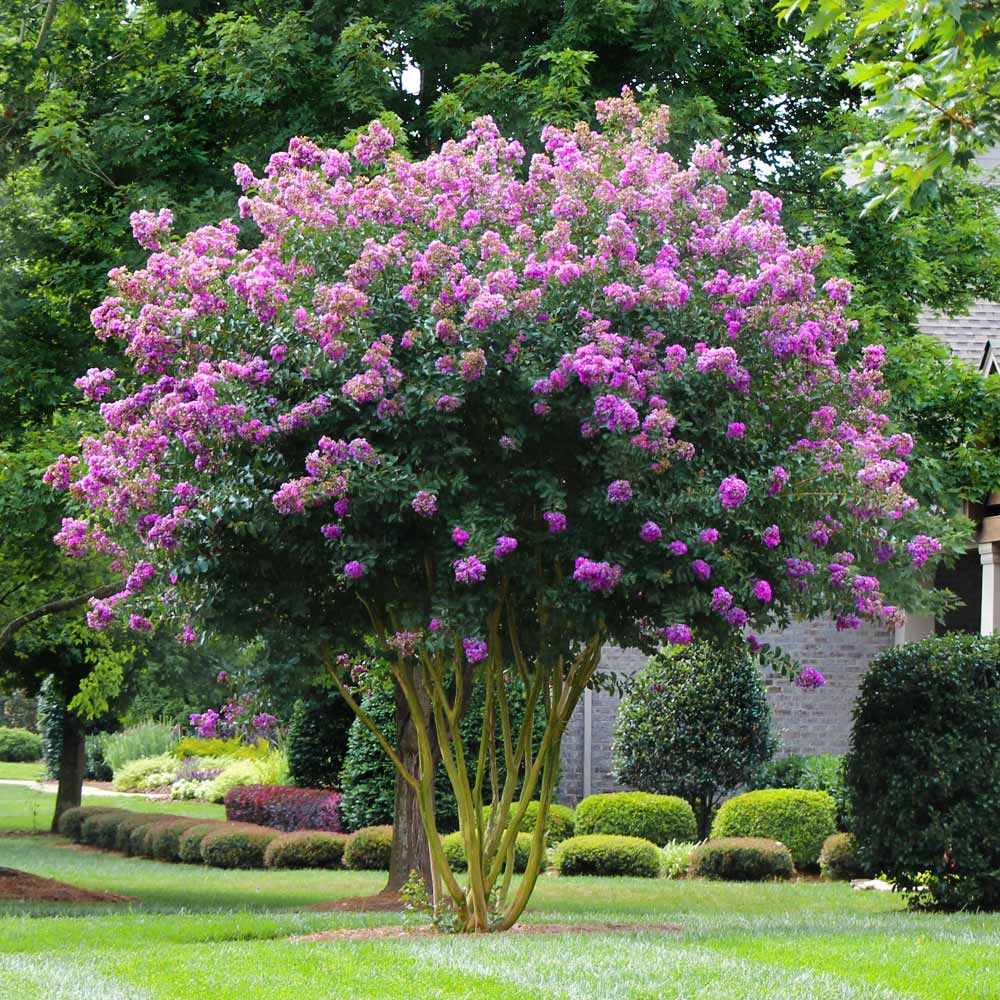
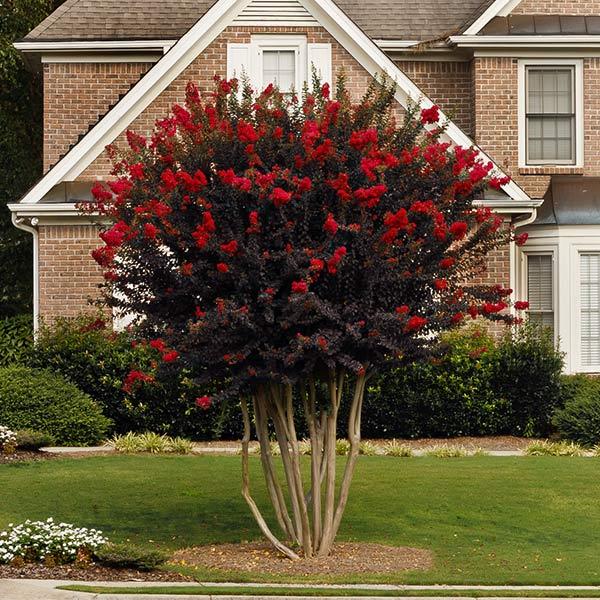
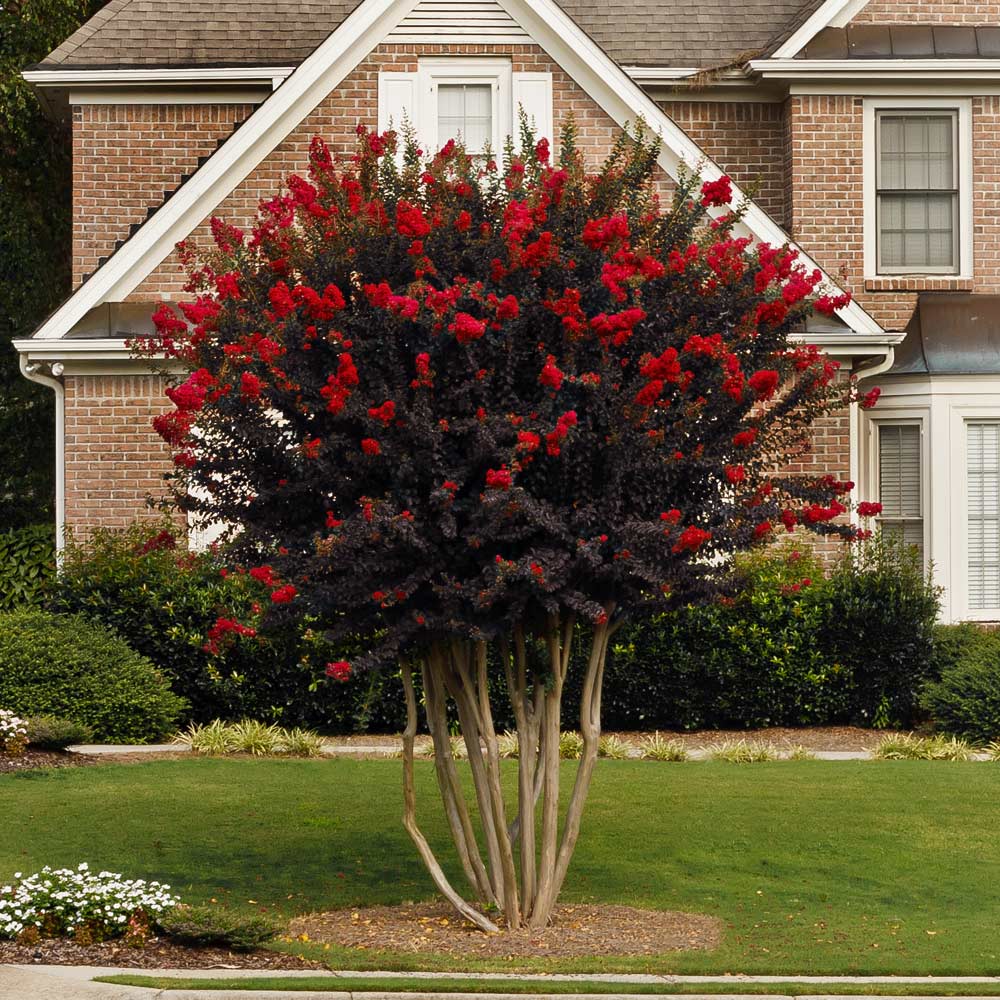
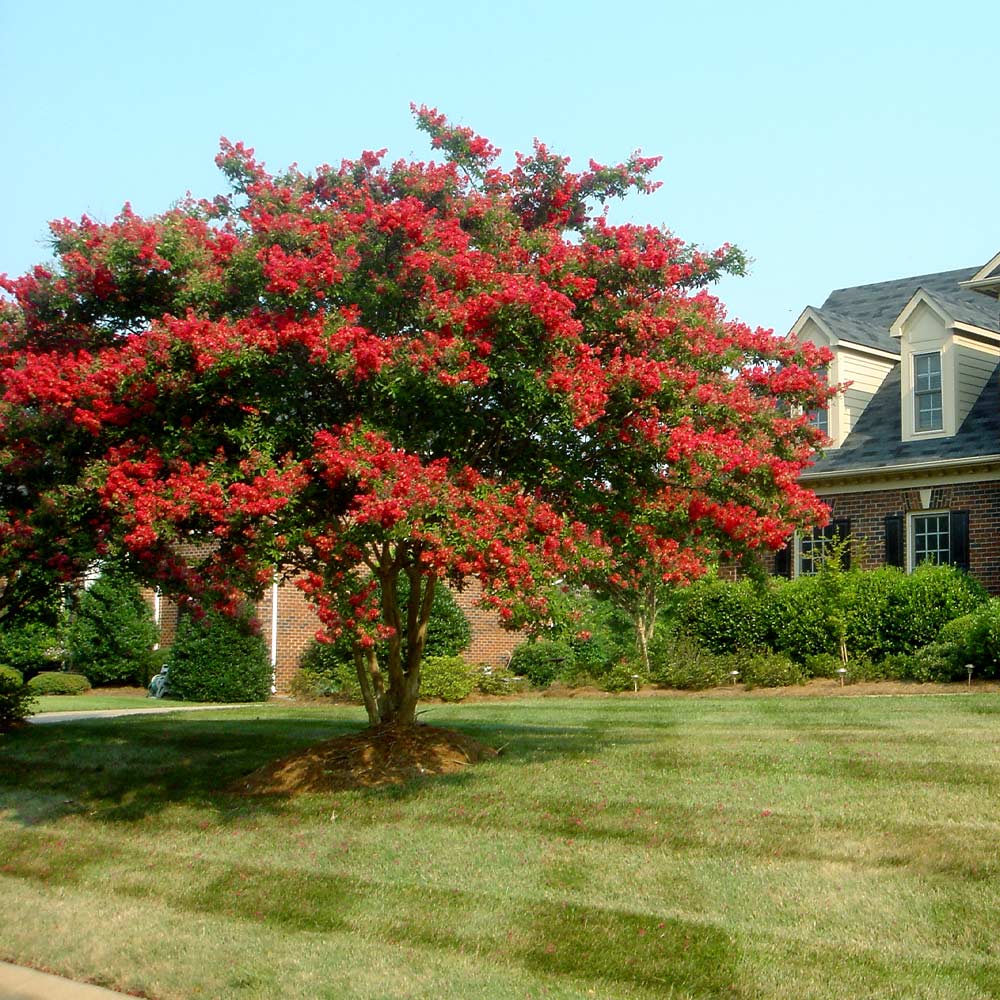
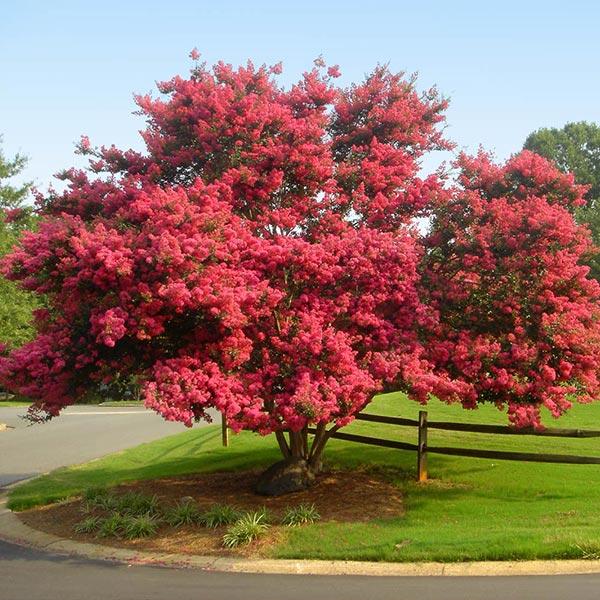
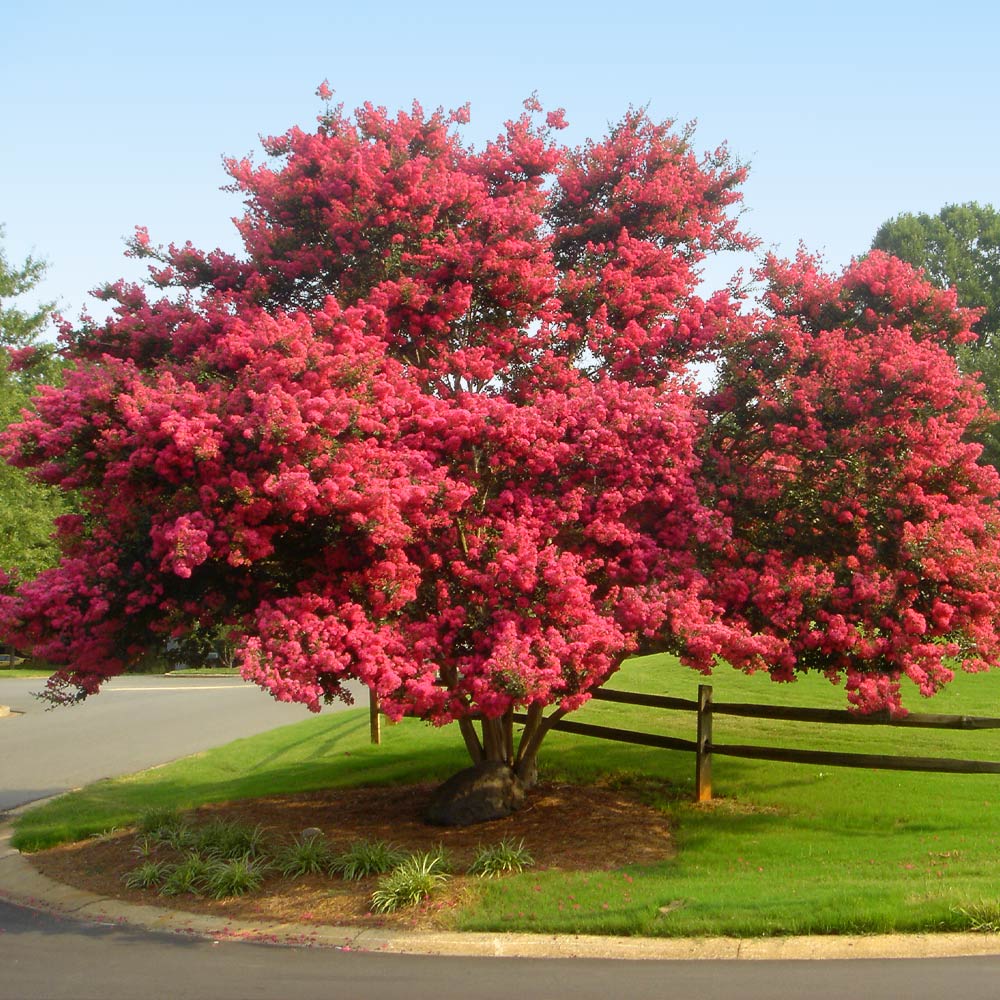
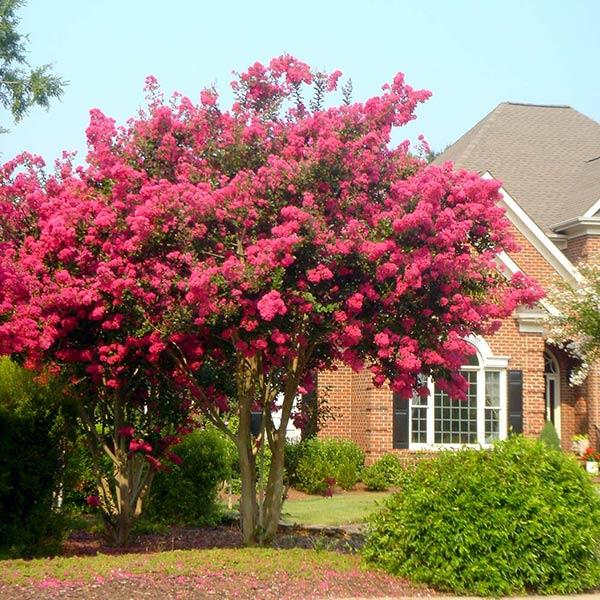
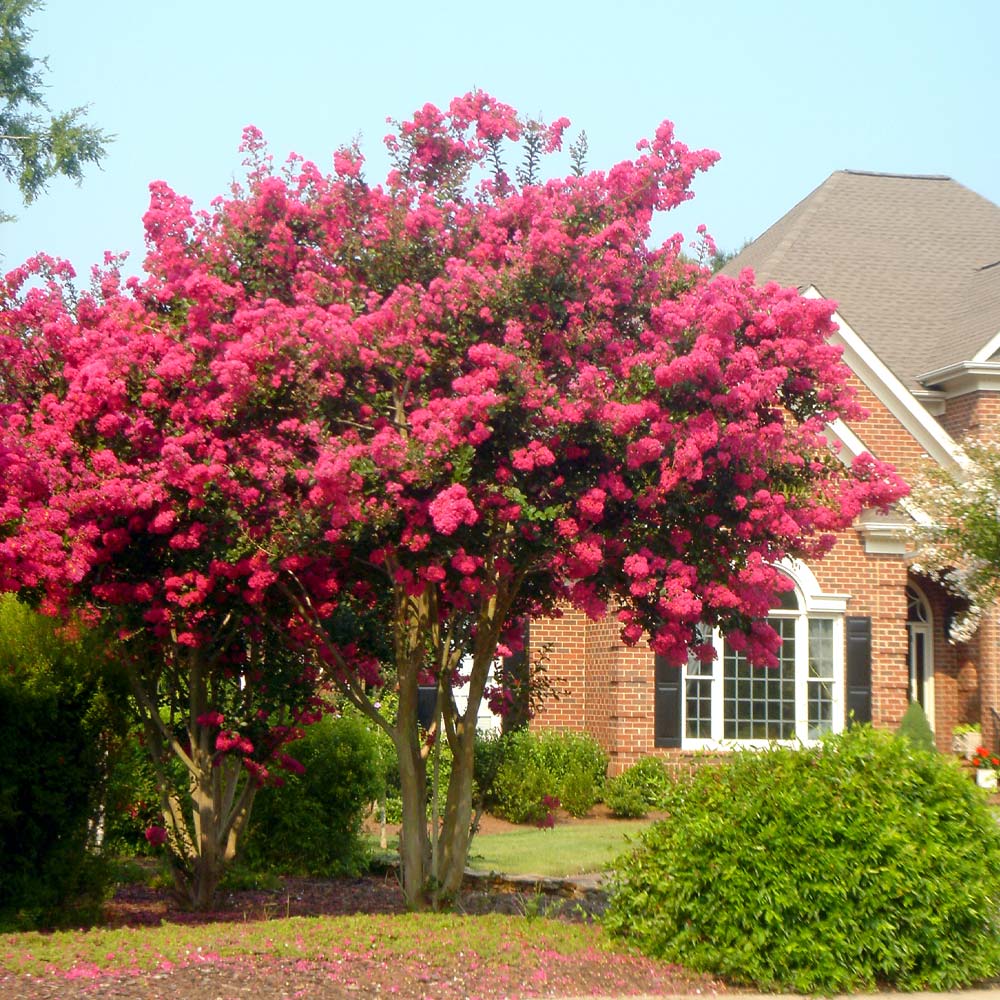
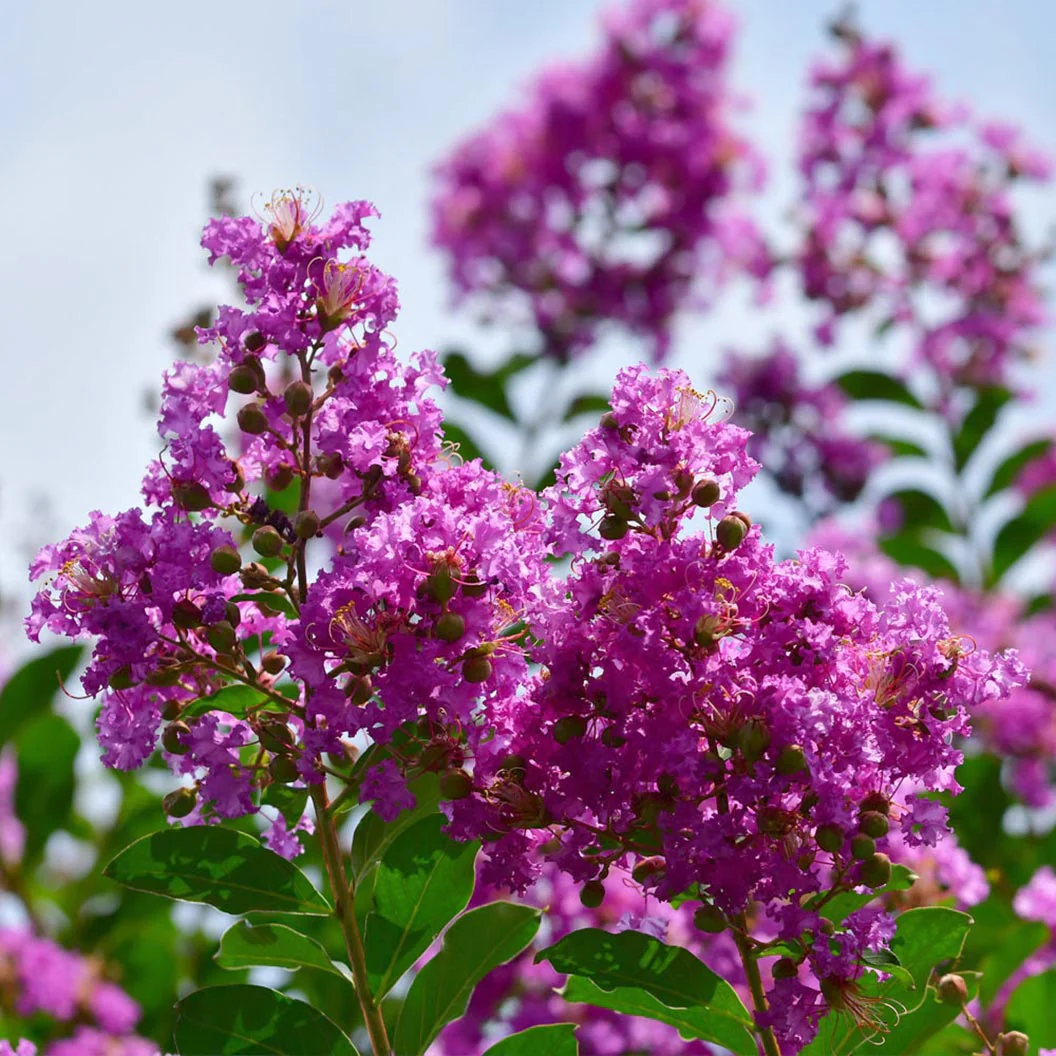
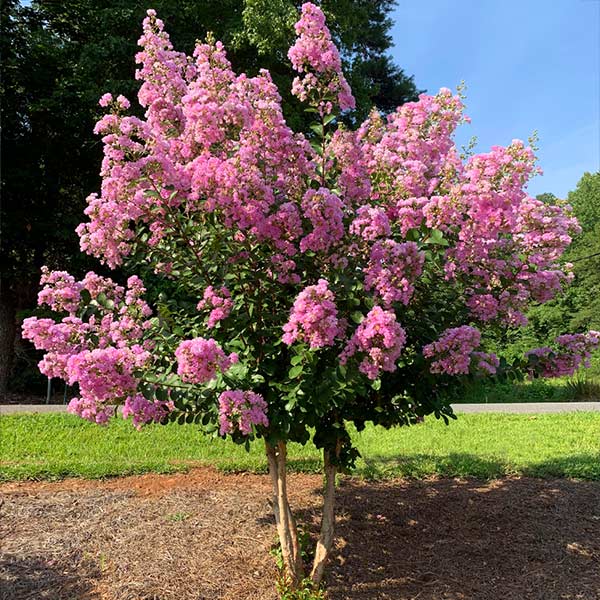
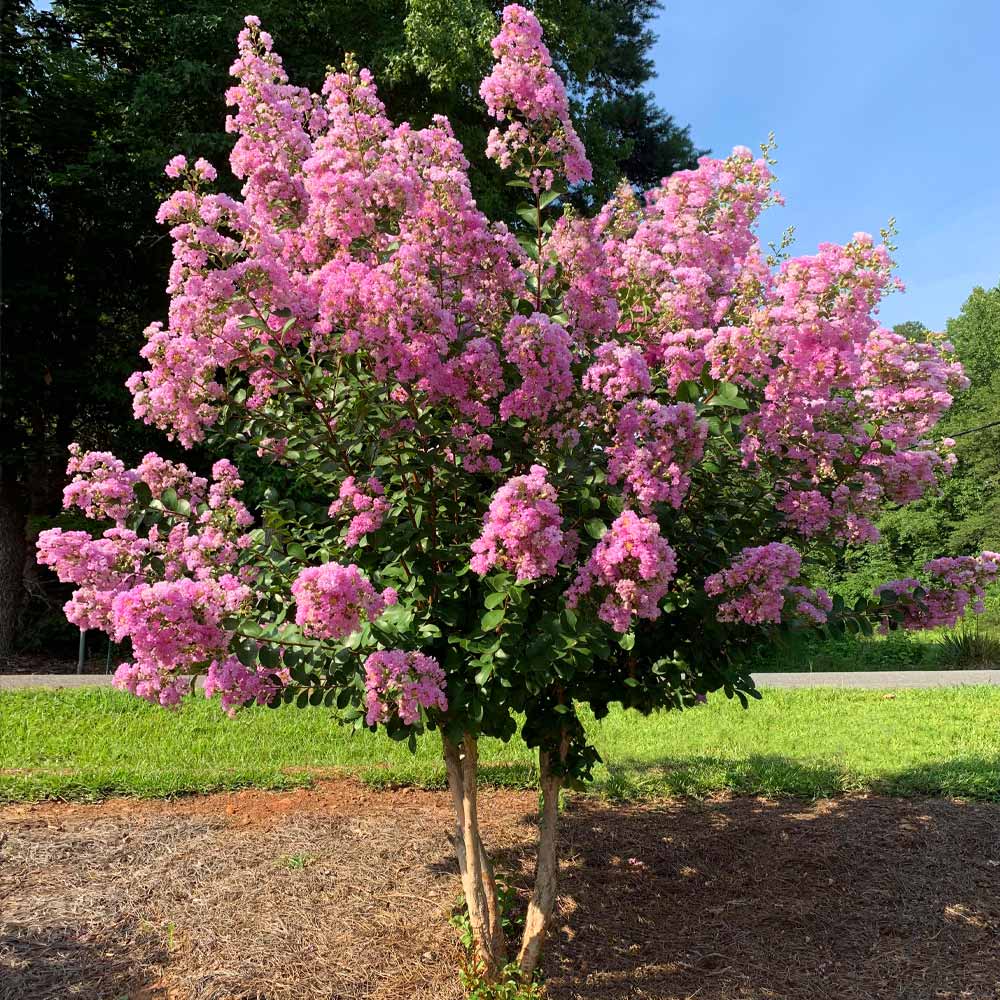
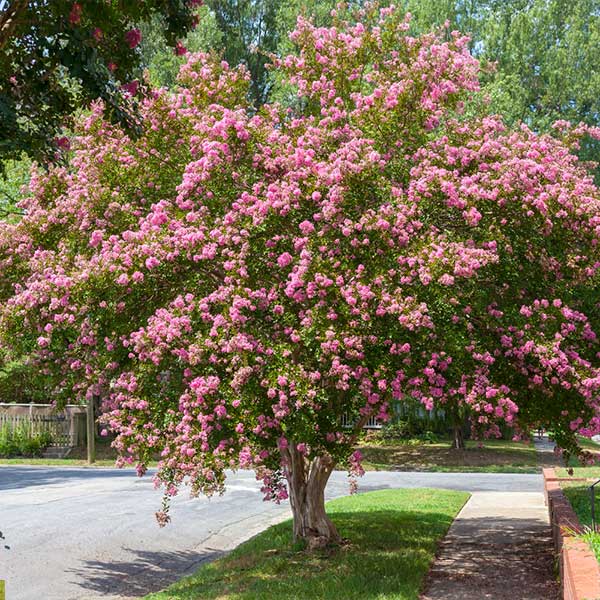
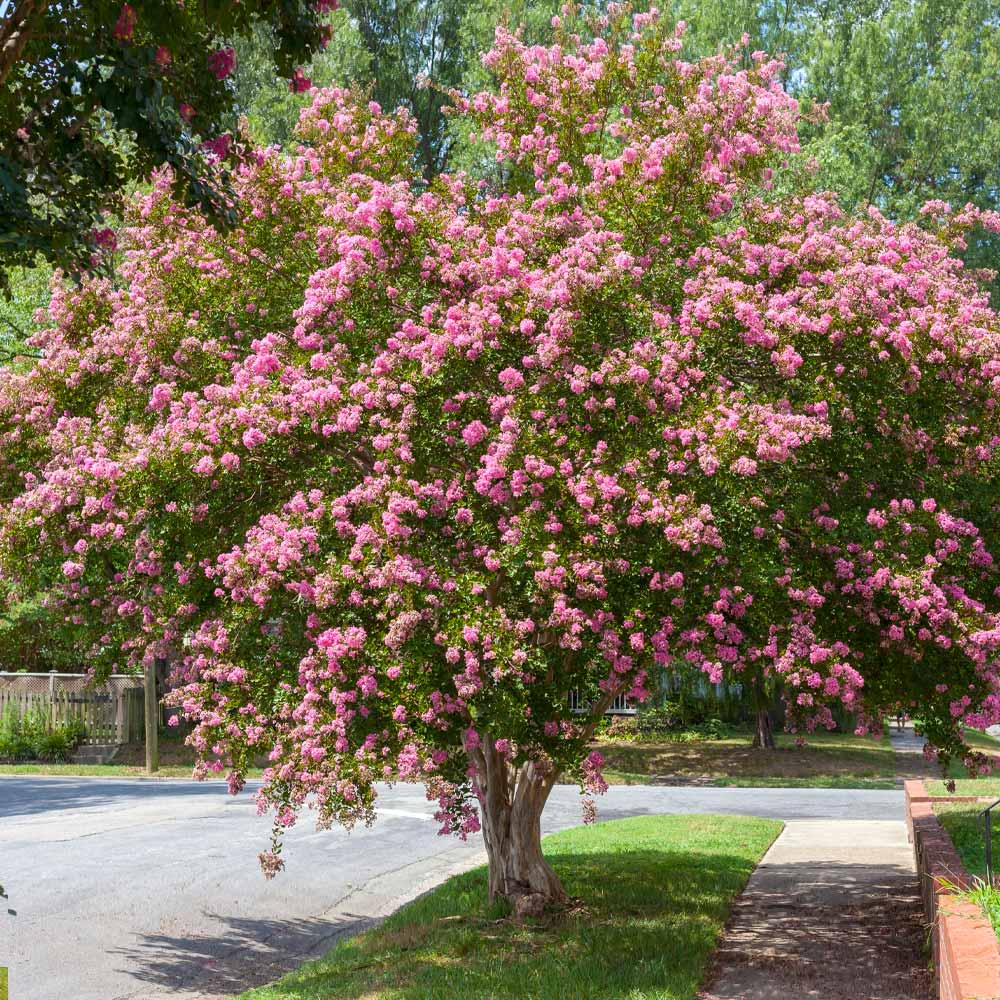
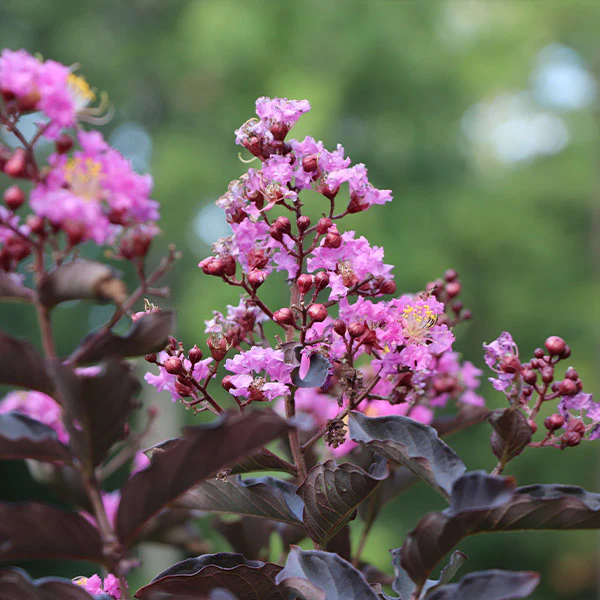
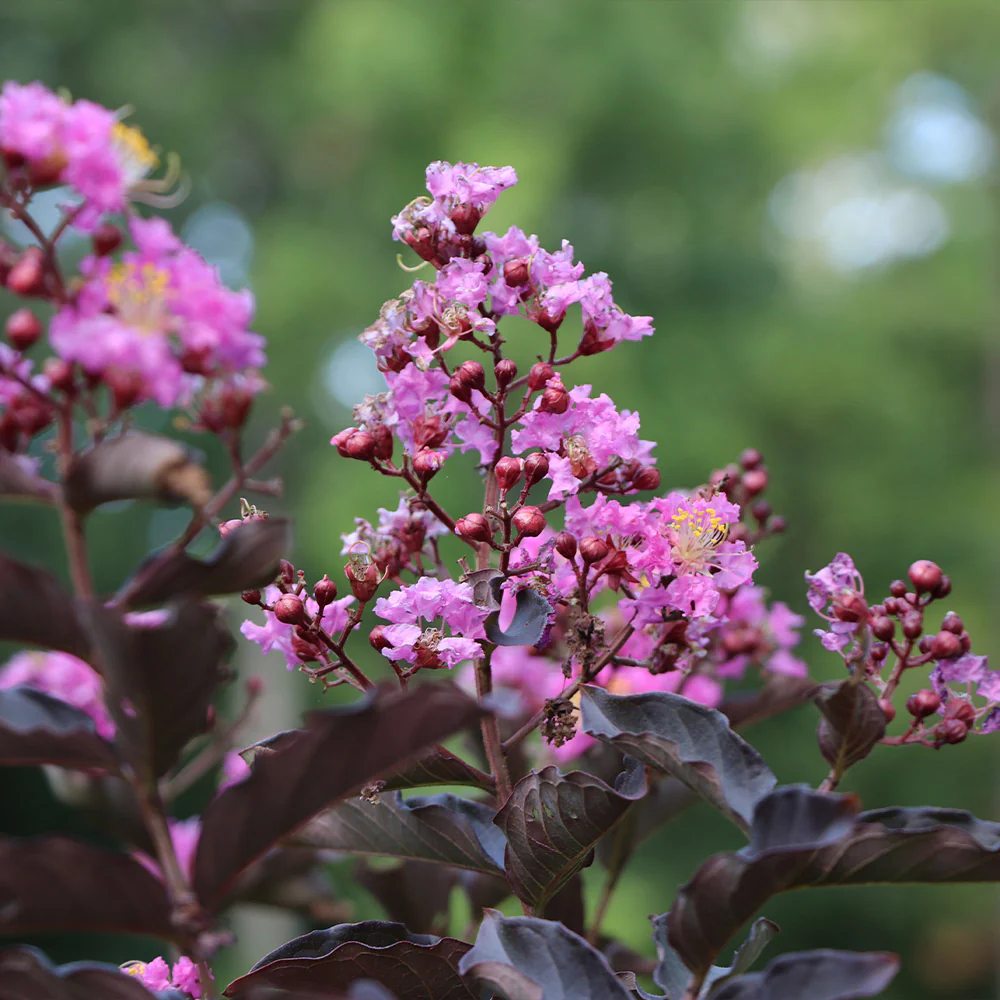
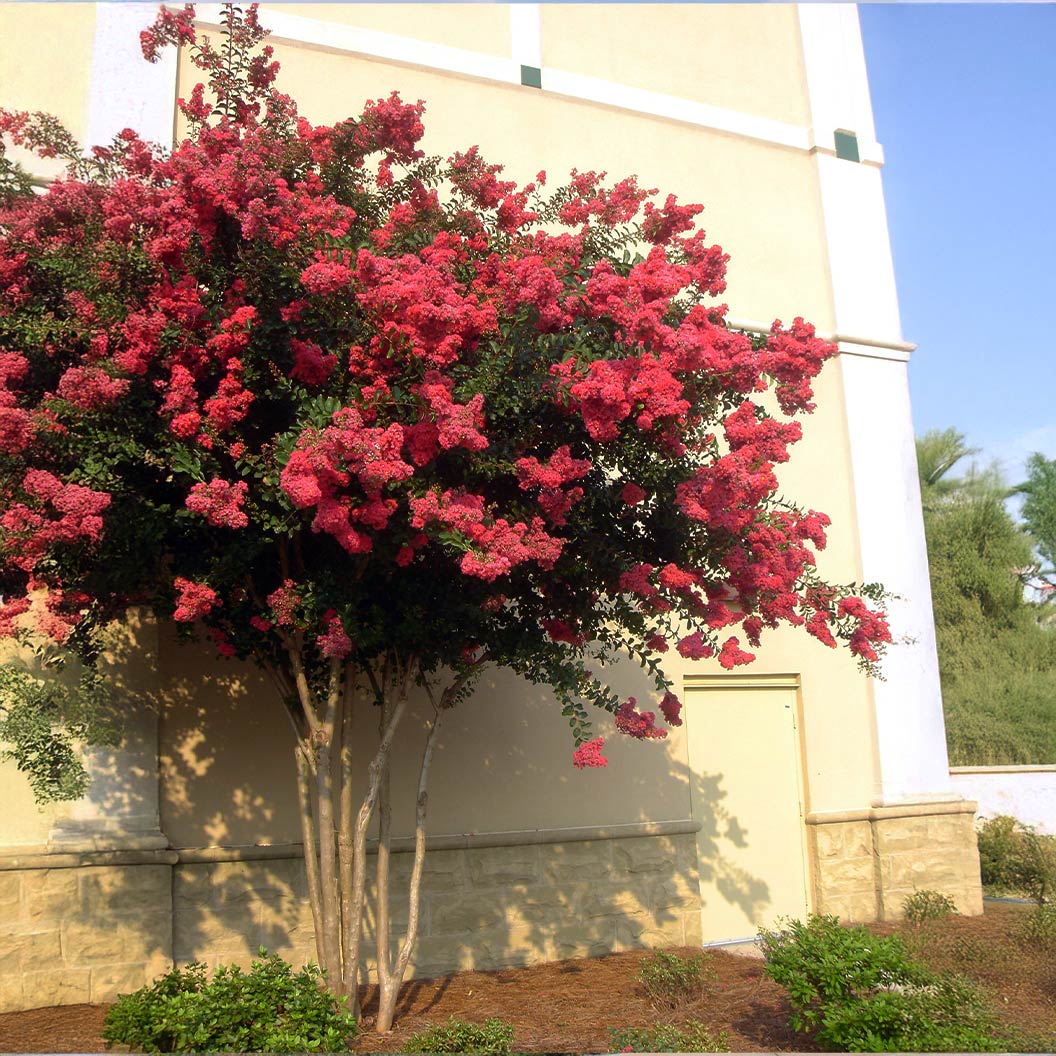
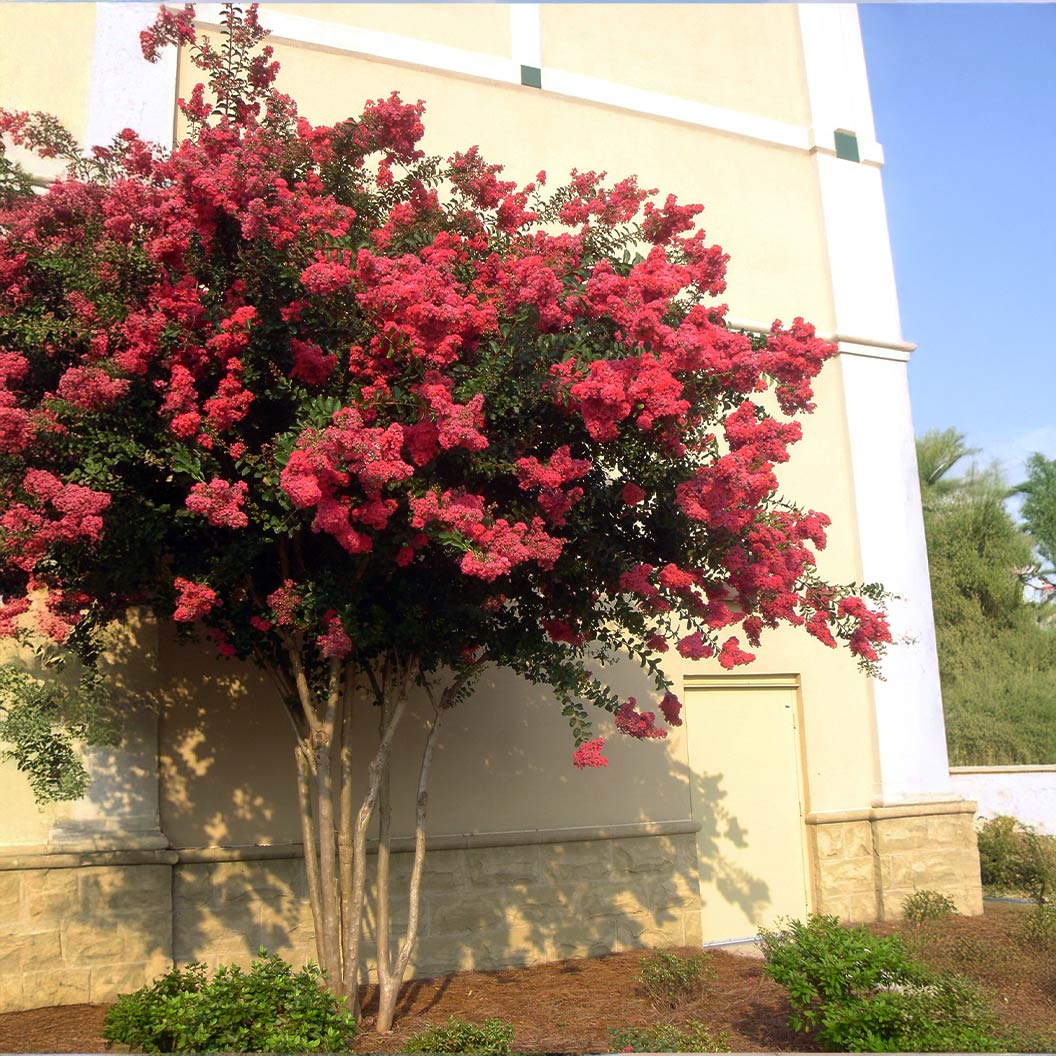
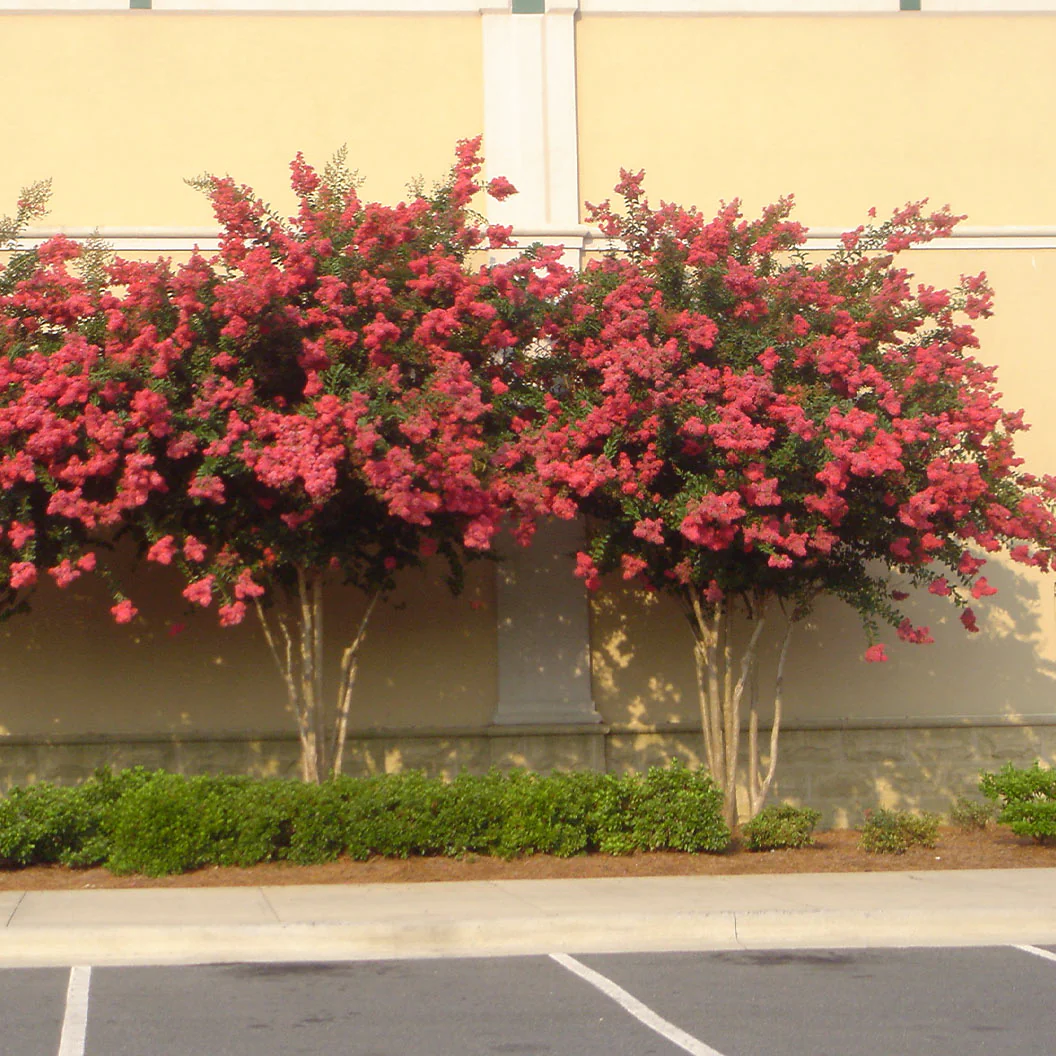
Imagine a tree that brings color and life to your landscape while being friendly to the environment—that’s what you get with this beautiful addition. With its stunning coral flowers, this plant offers a burst of vibrant color from summer to fall, attracting butterflies and birds that bring a sense of joy and movement to your yard. Its upright habit makes it perfect for adding vertical interest to flower beds or as a standalone feature, making any outdoor area feel more inviting.
This tree is also designed to thrive in tougher conditions. With its impressive drought tolerance, it requires minimal watering once established, making it an excellent choice for water-wise gardening. Additionally, it tolerates clay soil, so you won't have to worry about soil amendments if your yard has less than ideal ground conditions. Choosing this shrub not only enhances your garden's aesthetics but also helps support local wildlife and reduces water usage.
Planting & Care
1. Planting: Plant or repot within 4 weeks of arrival. Choose a location with full sun for optimal health and blooming, ideally receiving at least 6 hours of direct sunlight per day. Dig a hole twice the width of the root ball and just as deep. Place the shrub in the hole so the top of the root ball is level with the soil surface, then backfill with a mix of native soil and compost. Water deeply after planting. Apply a 3-inch settled layer of mulch extending about 3 feet around the tree, keeping mulch pulled back a few inches from the trunk.
2. Watering: Water deeply twice per week during the first growing season to help establish strong roots. Full establishment may take up to three years. Once established, this plant is drought tolerant and can rely on natural rainfall in moderate climates. During extended dry periods, water every two to four weeks, allowing the soil to dry slightly between waterings.
3. Pruning: To maintain a tidy shape and encourage fuller growth, prune in late winter or early spring before new growth begins. Remove any dead or damaged branches and thin crowded areas to improve air circulation. Maintain no more than five main trunks, removing root suckers as they appear. Avoid topping crape myrtles, as this practice reduces vigor and weakens the tree.
4. Fertilizing: In early spring, fertilize with a balanced, slow-release fertilizer such as Espoma Garden Food® 10-10-10 to support healthy growth and abundant blooms. Follow package instructions for proper application rates, and avoid over-fertilizing, which can lead to excessive leaf growth at the expense of flowers.
Details & Craftsmanship
Every detail has been carefully considered to bring you the perfect product.
Details & Craftsmanship
Every detail has been carefully considered to bring you the perfect product.
Description
Vibrant blooms and resilient growth for your garden
Imagine a tree that brings color and life to your landscape while being friendly to the environment—that’s what you get with this beautiful addition. With its stunning coral flowers, this plant offers a burst of vibrant color from summer to fall, attracting butterflies and birds that bring a sense of joy and movement to your yard. Its upright habit makes it perfect for adding vertical interest to flower beds or as a standalone feature, making any outdoor area feel more inviting.
This tree is also designed to thrive in tougher conditions. With its impressive drought tolerance, it requires minimal watering once established, making it an excellent choice for water-wise gardening. Additionally, it tolerates clay soil, so you won't have to worry about soil amendments if your yard has less than ideal ground conditions. Choosing this shrub not only enhances your garden's aesthetics but also helps support local wildlife and reduces water usage.
Planting & Care
1. Planting: Plant or repot within 4 weeks of arrival. Choose a location with full sun for optimal health and blooming, ideally receiving at least 6 hours of direct sunlight per day. Dig a hole twice the width of the root ball and just as deep. Place the shrub in the hole so the top of the root ball is level with the soil surface, then backfill with a mix of native soil and compost. Water deeply after planting. Apply a 3-inch settled layer of mulch extending about 3 feet around the tree, keeping mulch pulled back a few inches from the trunk.
2. Watering: Water deeply twice per week during the first growing season to help establish strong roots. Full establishment may take up to three years. Once established, this plant is drought tolerant and can rely on natural rainfall in moderate climates. During extended dry periods, water every two to four weeks, allowing the soil to dry slightly between waterings.
3. Pruning: To maintain a tidy shape and encourage fuller growth, prune in late winter or early spring before new growth begins. Remove any dead or damaged branches and thin crowded areas to improve air circulation. Maintain no more than five main trunks, removing root suckers as they appear. Avoid topping crape myrtles, as this practice reduces vigor and weakens the tree.
4. Fertilizing: In early spring, fertilize with a balanced, slow-release fertilizer such as Espoma Garden Food® 10-10-10 to support healthy growth and abundant blooms. Follow package instructions for proper application rates, and avoid over-fertilizing, which can lead to excessive leaf growth at the expense of flowers.