Original: $80.95
-65%$80.95
$28.33The Story
A compact and cold hardy addition to your garden
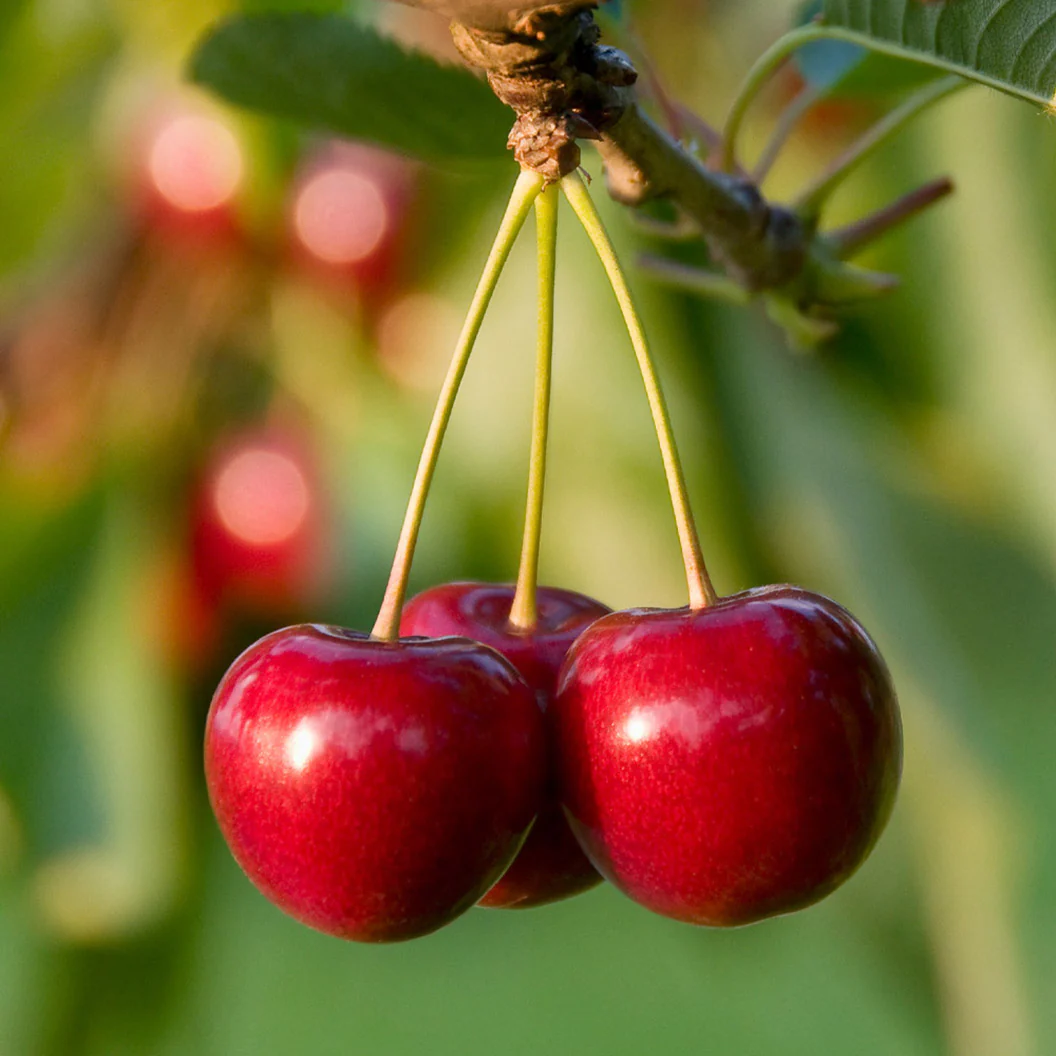
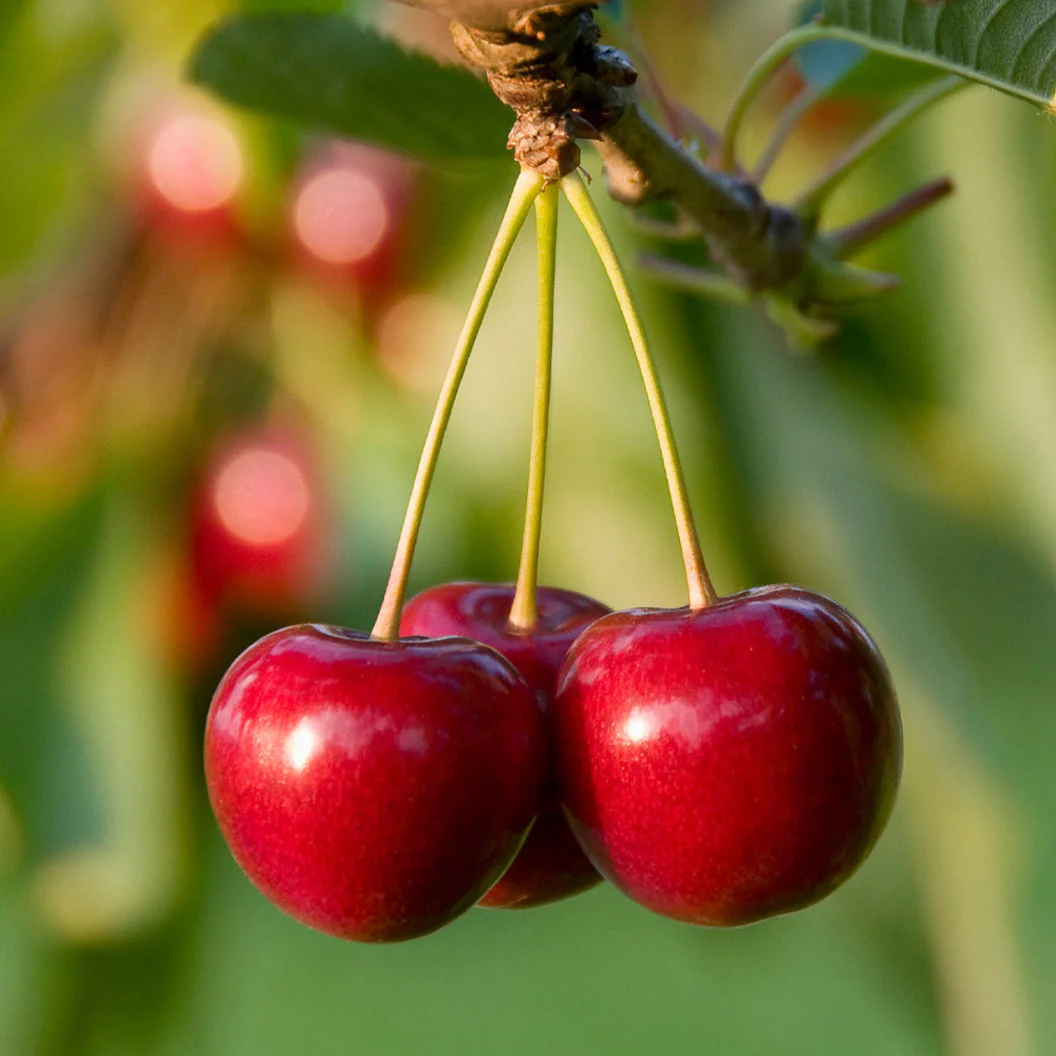
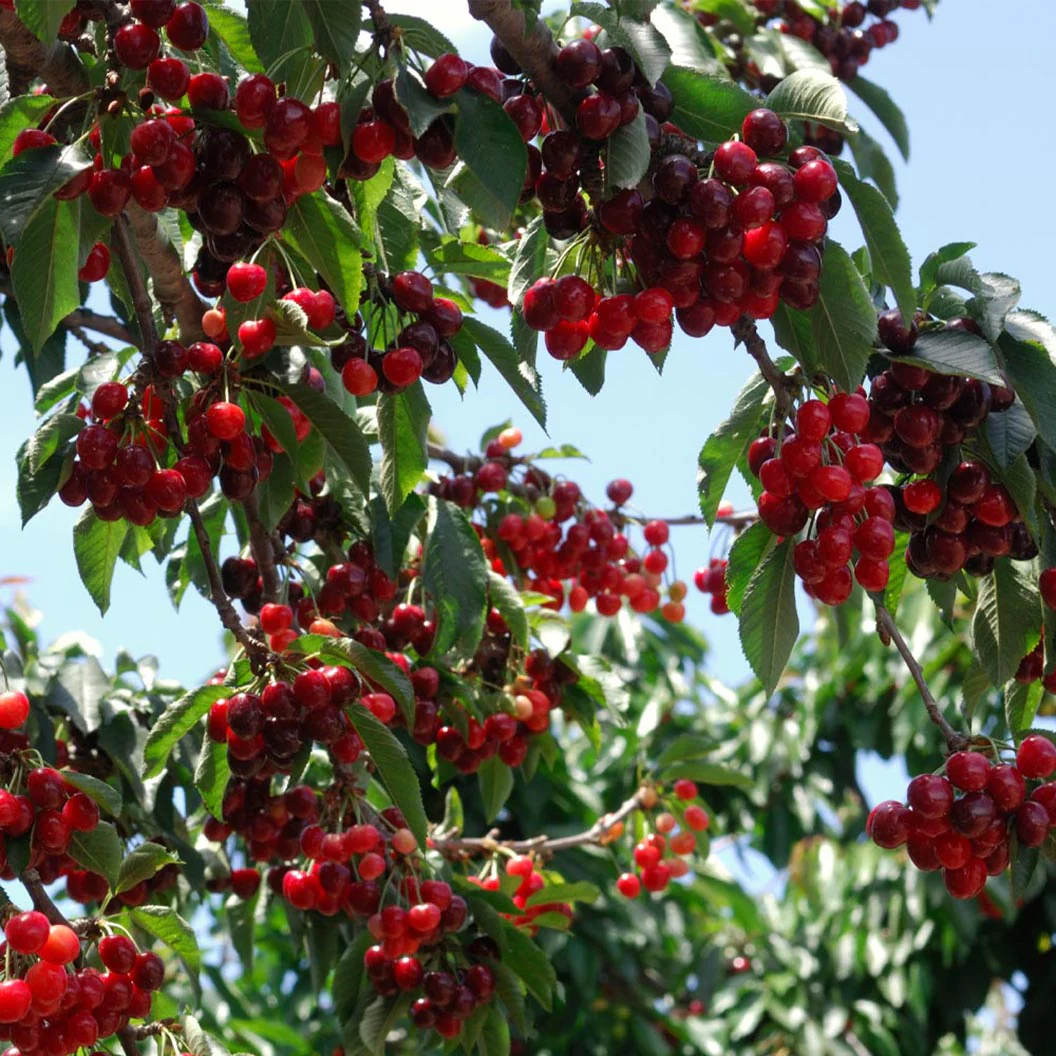
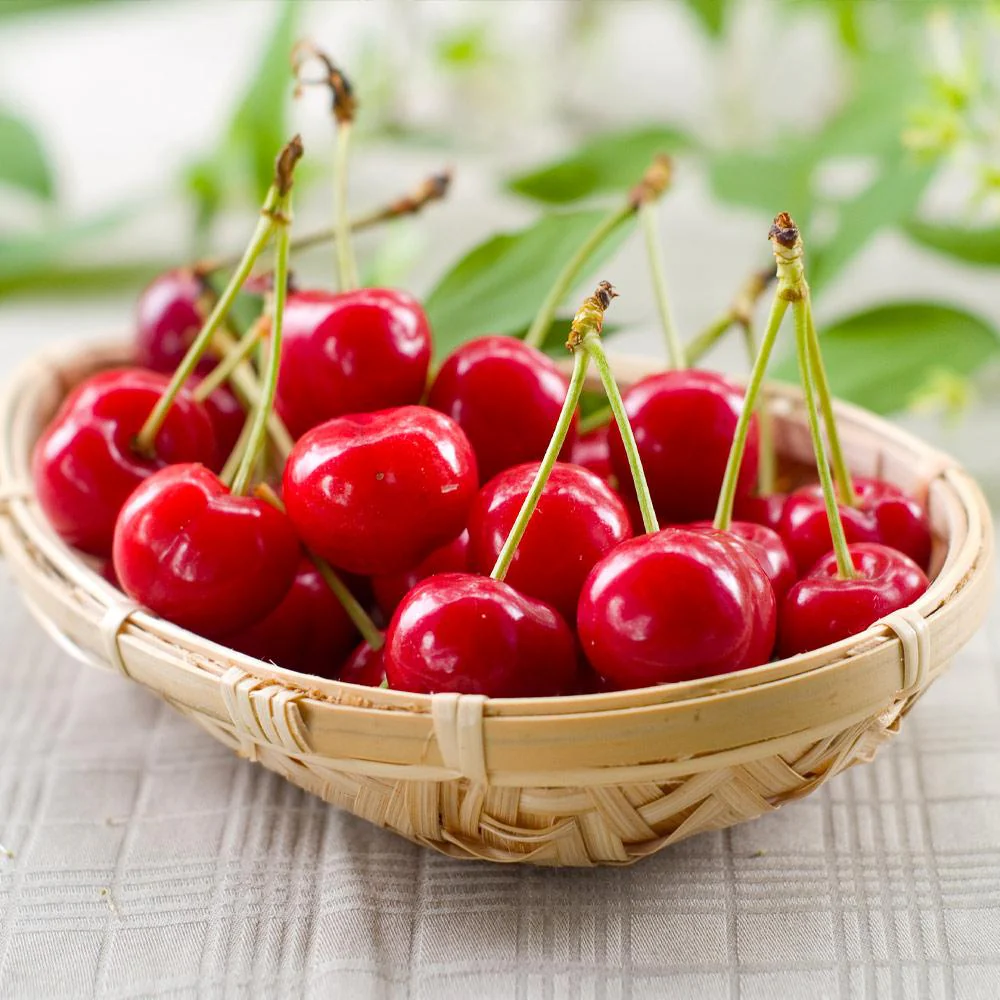
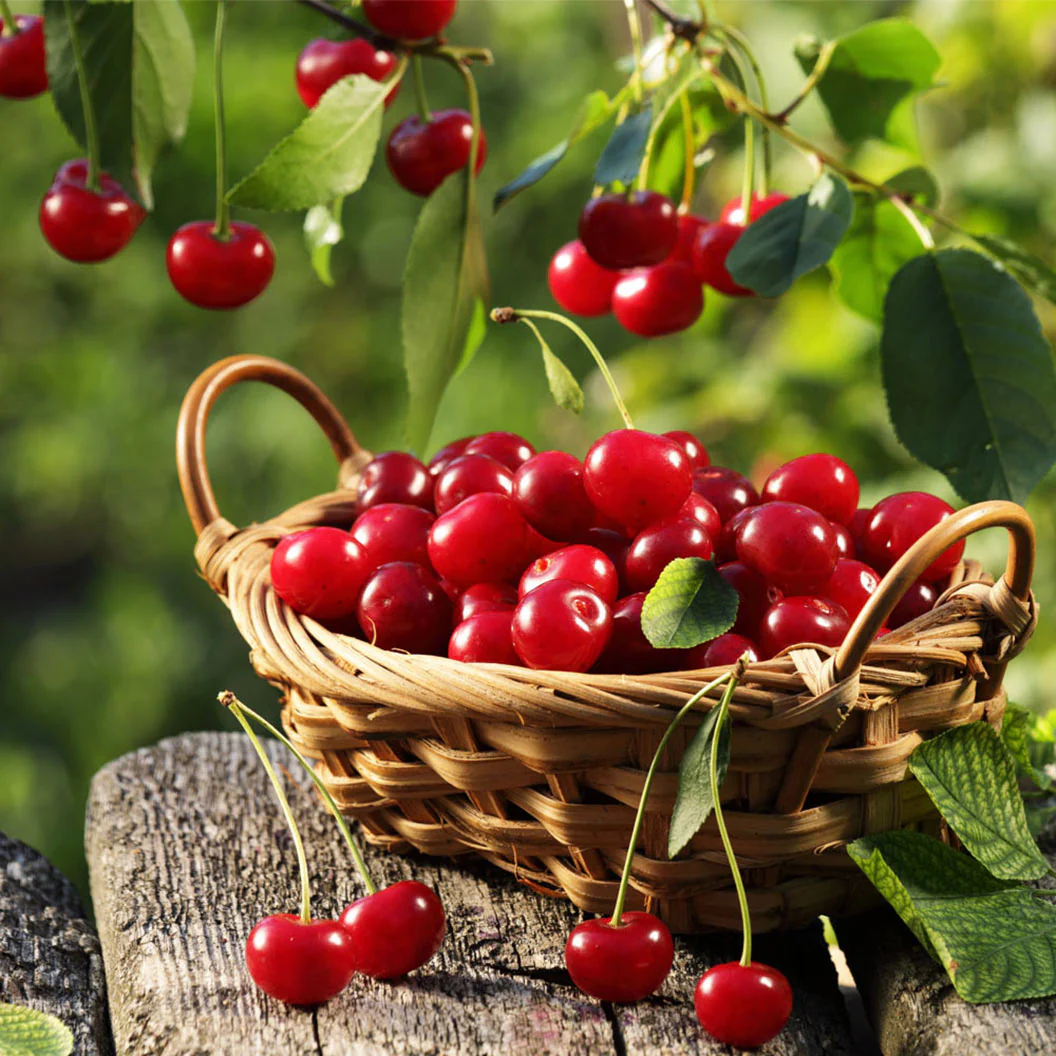
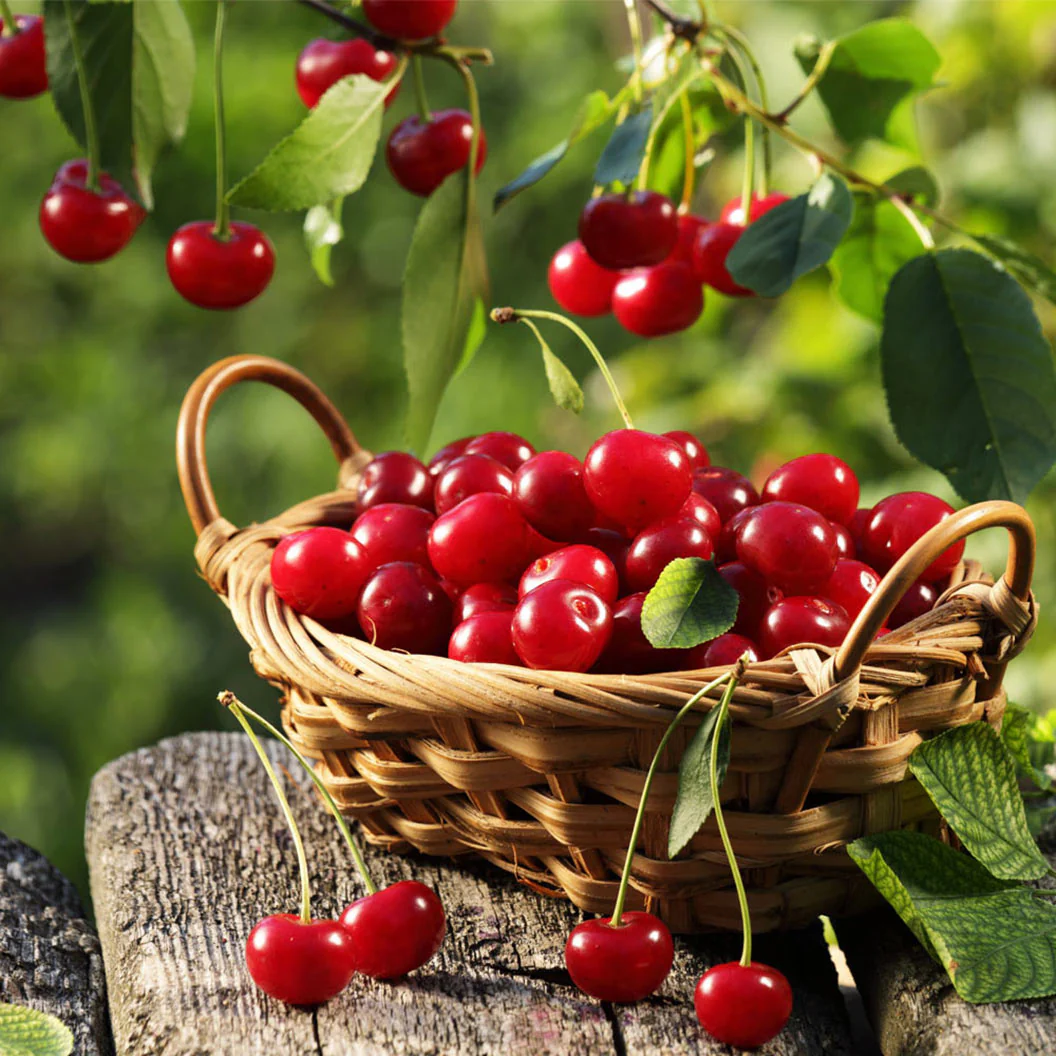
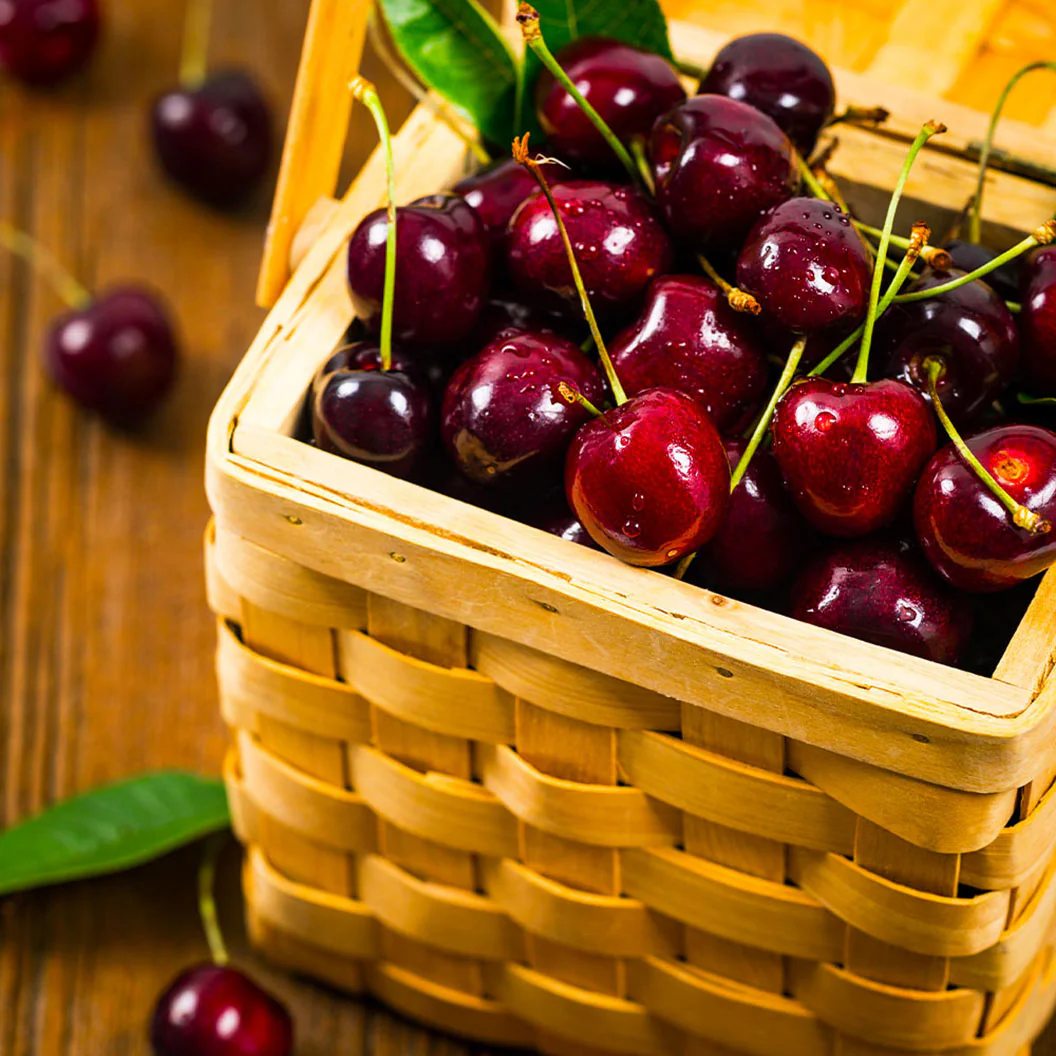
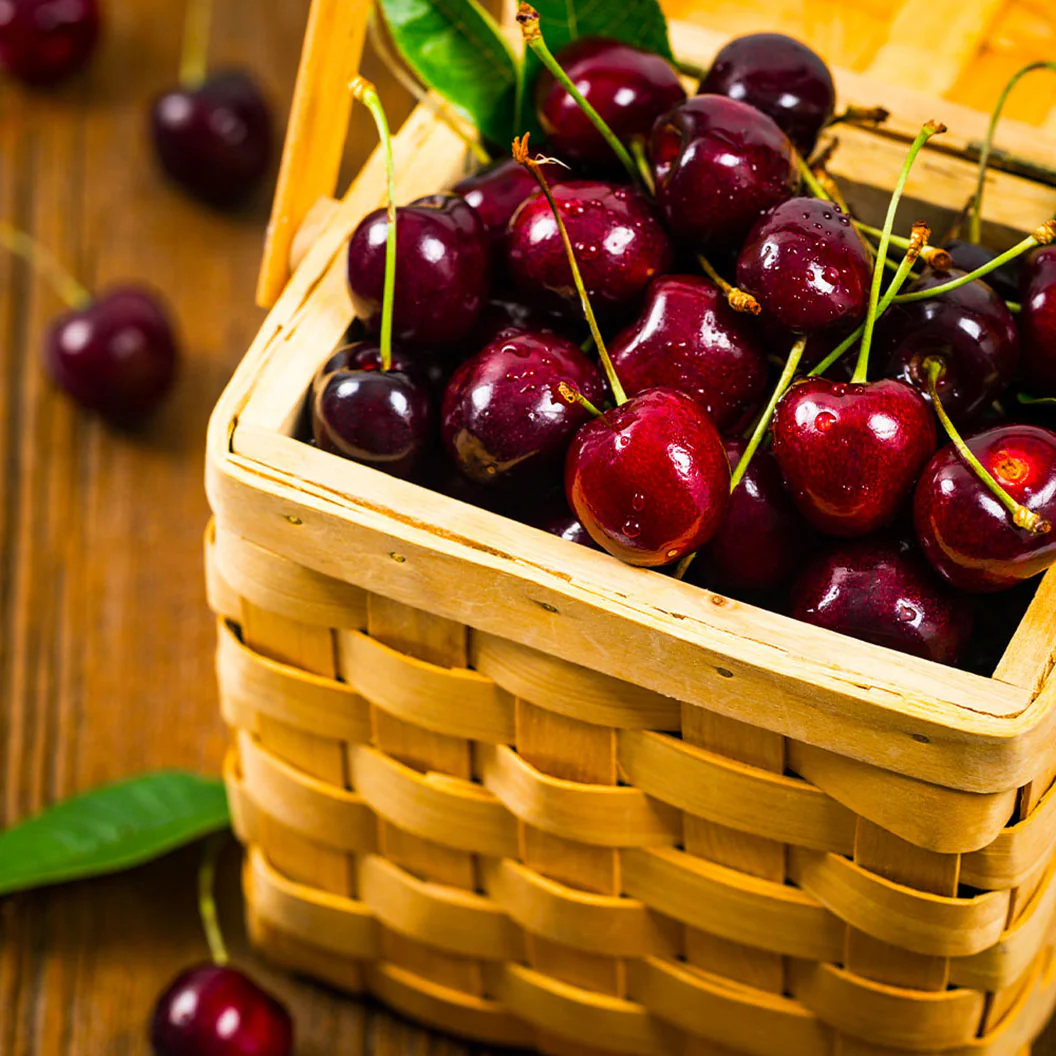
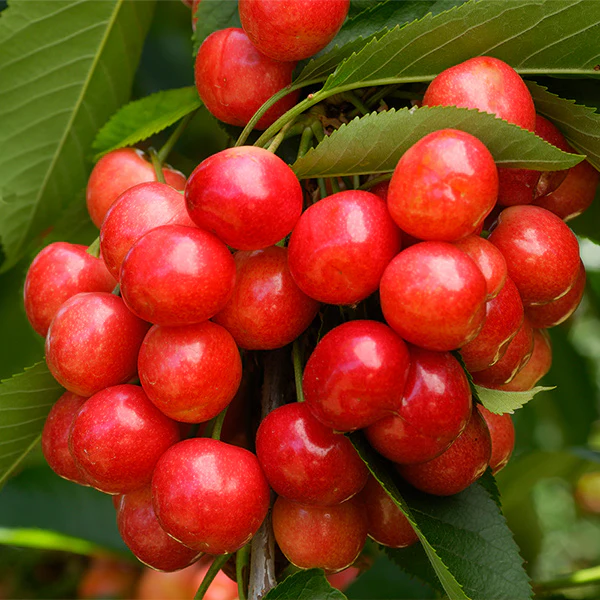
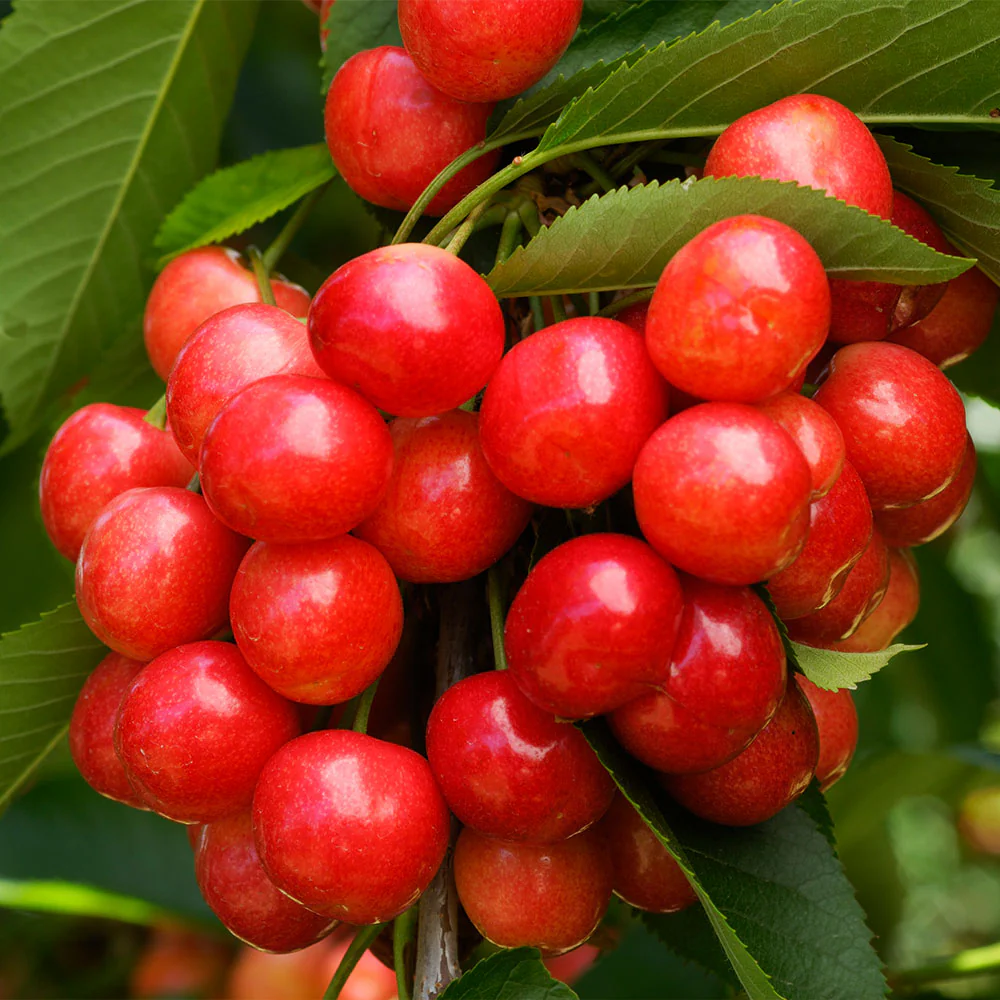
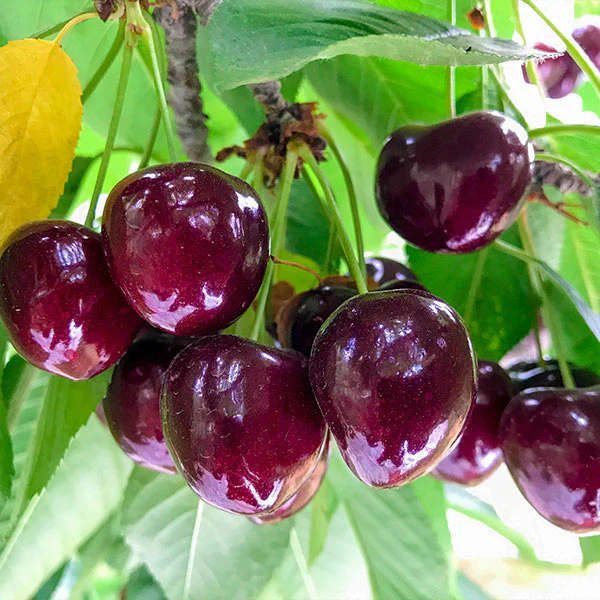
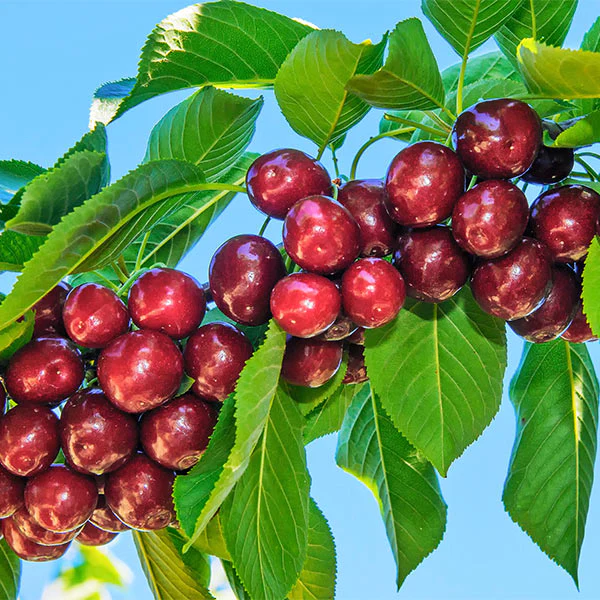
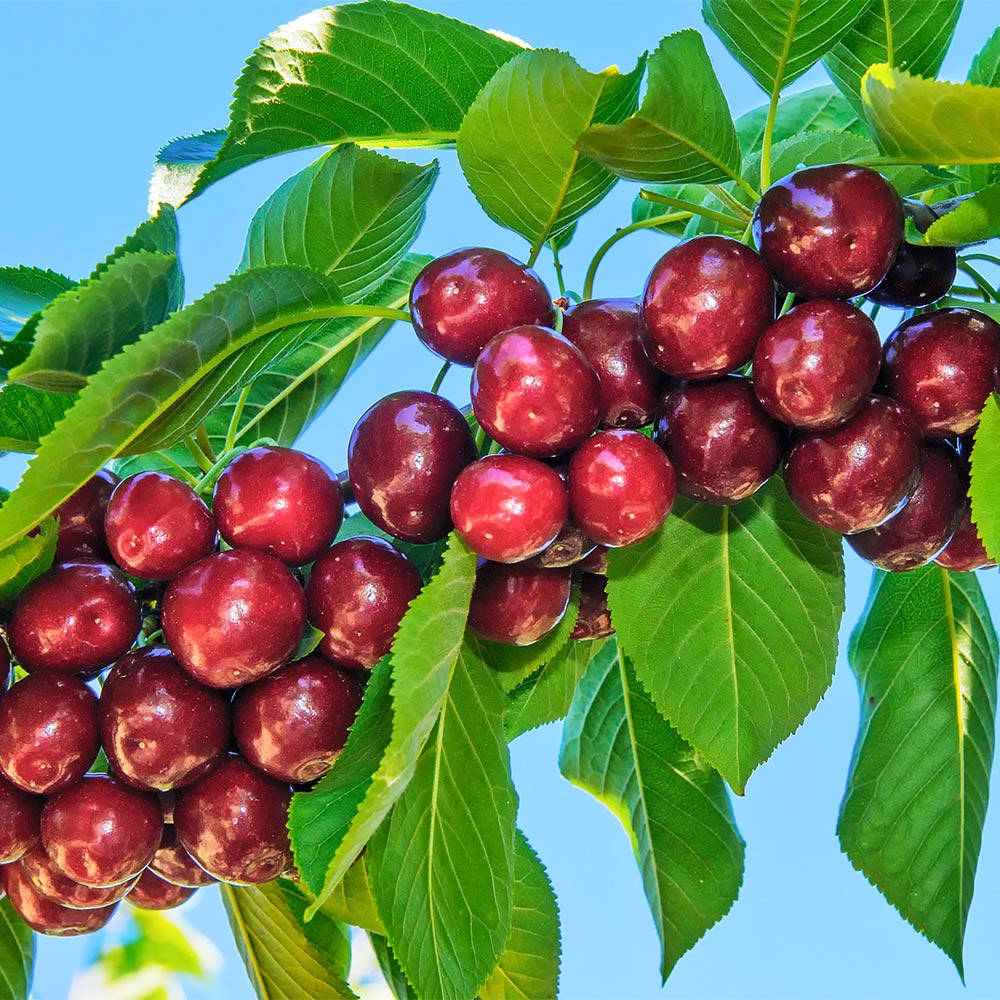
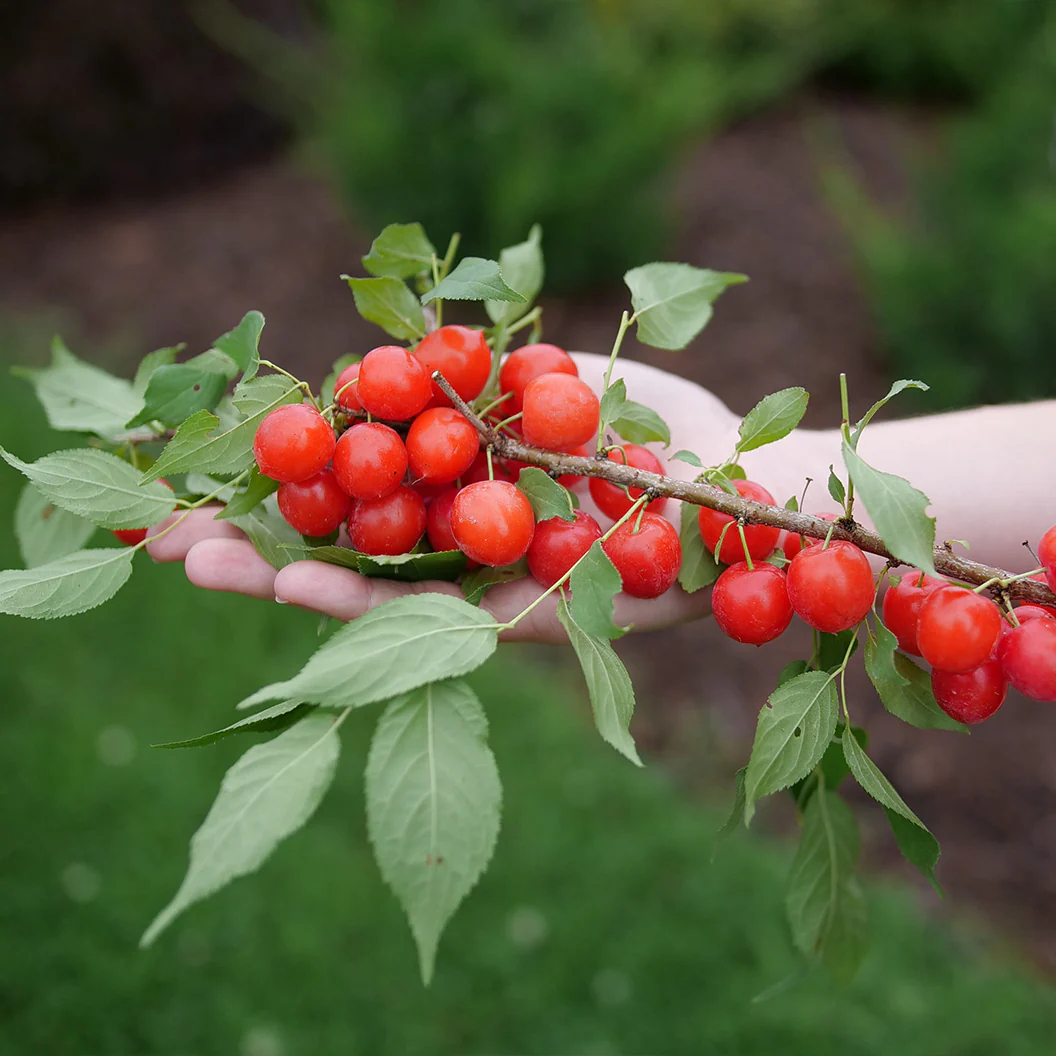
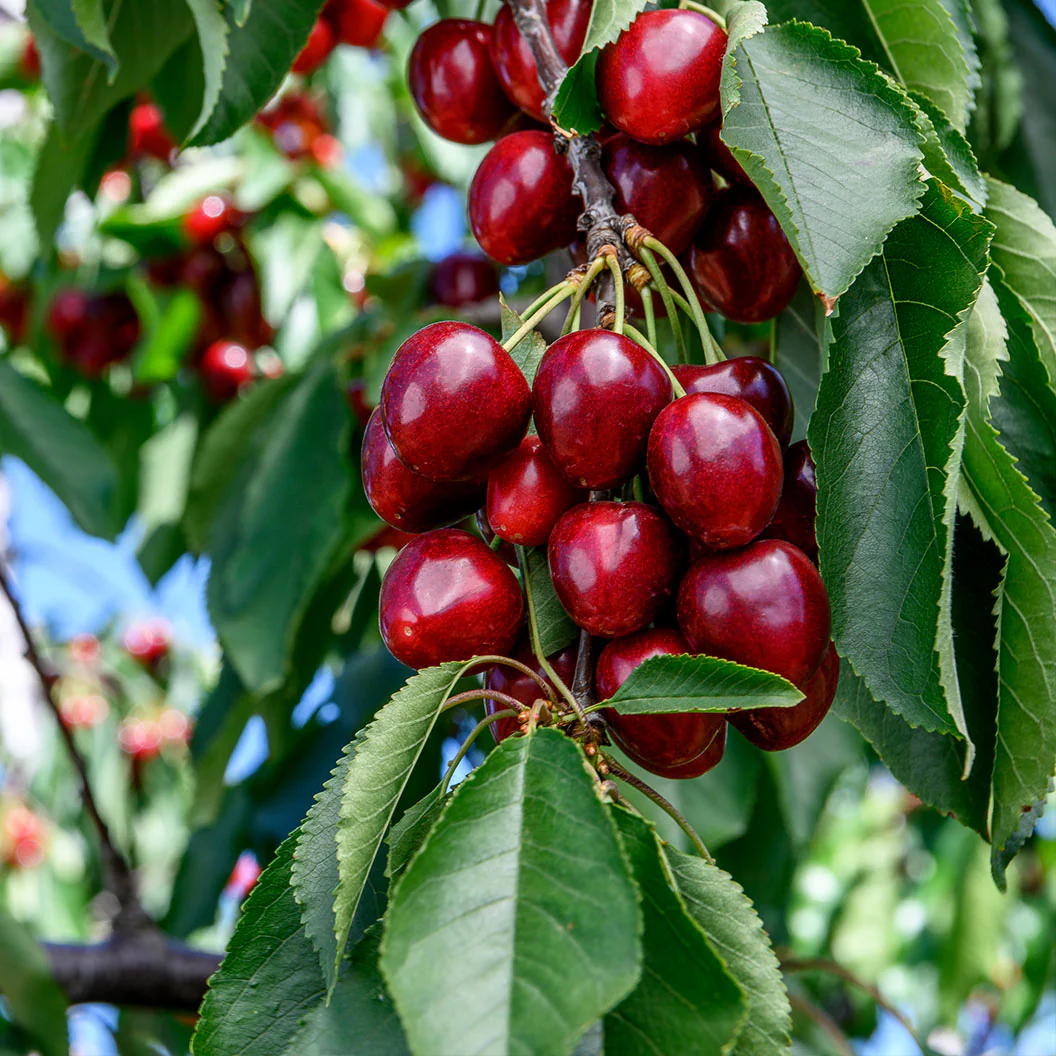
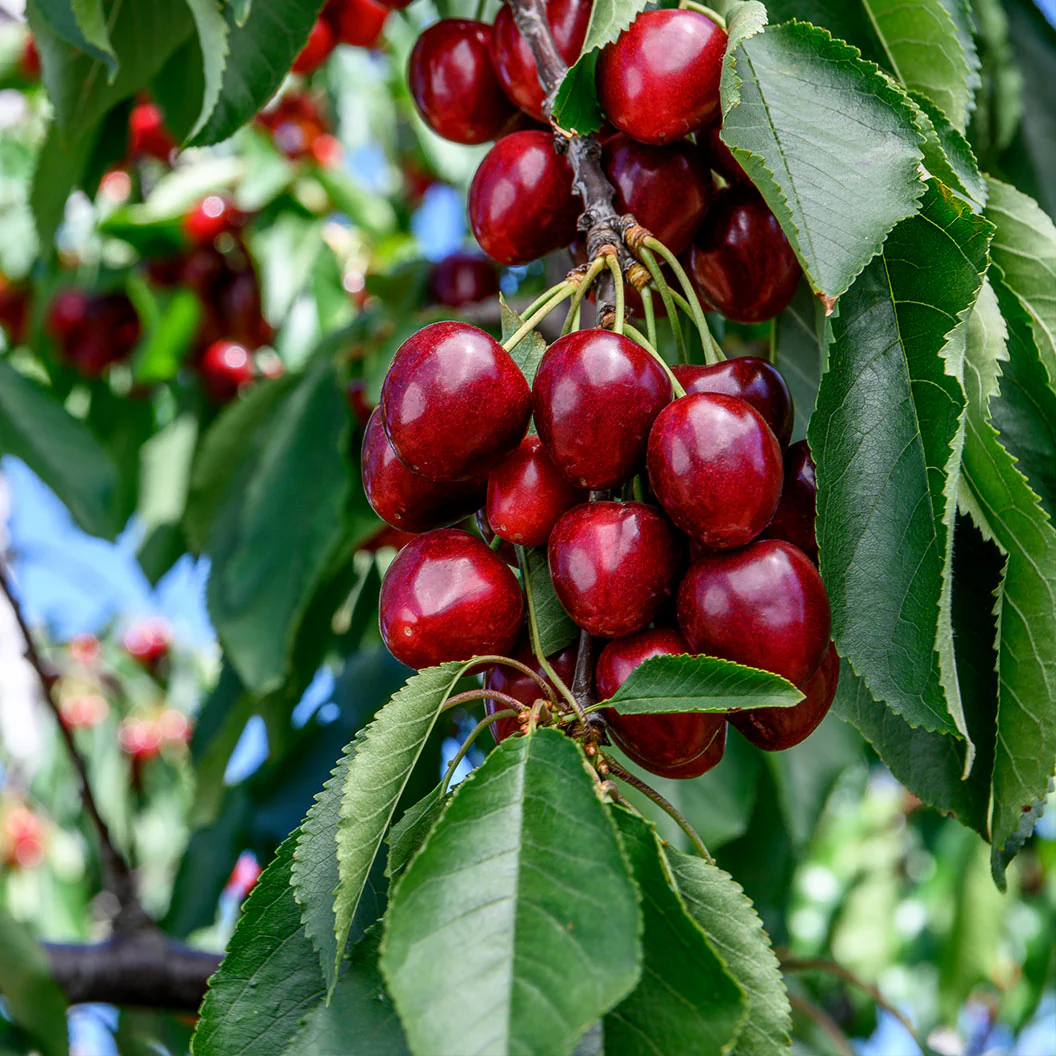
The Carmine Jewel Dwarf Cherry Shrub is a fantastic option for gardeners in northern climates, combining beauty with productivity. This compact sour cherry is not only visually appealing with its lush foliage and delicate spring flowers but also rewards you with an abundance of tart cherries. The fruit ripens to a deep dark red—almost black—color, indicating a naturally high concentration of anthocyanin antioxidants, which give the cherries their rich hue. Whether you’re looking to enhance your landscape or enjoy flavorful, home-grown fruit, this shrub makes a reliable choice. Its self-fertile nature means you can grow it on its own, and its impressive disease resistance helps it perform well even in challenging conditions.
Beyond its productivity, Carmine Jewel offers multi-season interest. In spring, it’s covered in fragrant white blossoms; in summer, the richly colored cherries develop with a bold sweet-tart flavor ideal for fresh eating, baking, and preserves; and in fall, the foliage turns vibrant shades that add warmth to your yard. This hardy shrub enhances your garden’s beauty while supporting pollinators and local wildlife, making it a resilient and rewarding addition to northern landscapes.
Planting & Care
1. Planting: Plant or repot within 4 weeks of arrival. Remove the stake and ties before planting, as these are only for shipping. Plant away from low lying areas and frost pockets, which will help protect blossoms from freeze damage. Select a sunny spot with well-draining soil and dig a hole twice as wide as the root ball. Place the shrub in the hole and backfill with soil, gently compacting and watering to remove air pockets. Cherries are shallow rooted and benefit from being mulched. Water thoroughly after planting to help establish roots. When planting in a container, use a standard potting mix and repot every 2-3 years to prevent roots from being pot bound.
2. Watering: Keep the soil consistently moist but not soggy, especially during the first growing season to support root development. Once established, most fruiting and health will result from consistently moist soil. Water deeply during periods of dry weather. Once established, the Carmine Jewel™ cherry is drought tolerant, but regular watering during dry spells will enhance fruit quality.
3. Pruning: Prune in late winter or early spring before new growth appears to remove dead or damaged branches. This helps maintain the plant's shape and encourages strong growth. Be careful not to over-prune, as this can reduce fruit yield.
4. Fertilizing: Feed with a balanced, slow-release fertilizer in early spring as buds begin to swell. Avoid excessive fertilization, which can lead to lush foliage at the expense of fruit production. A light application in late summer can encourage flower bud formation for the following season.
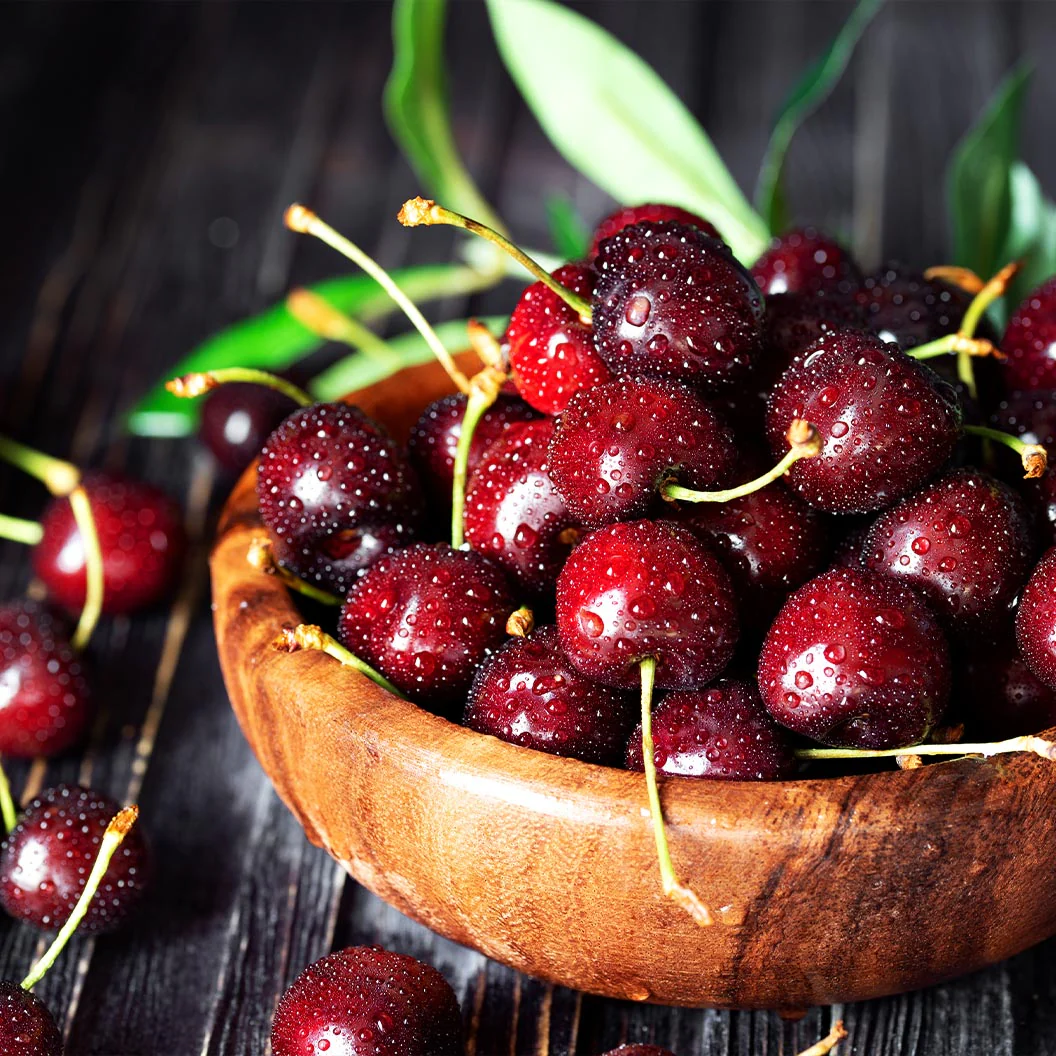
5. Harvesting: Harvest when cherries turn from red to dark, black-red, as this increases sugar content.
Details & Craftsmanship
Every detail has been carefully considered to bring you the perfect product.
Details & Craftsmanship
Every detail has been carefully considered to bring you the perfect product.
Description
A compact and cold hardy addition to your garden
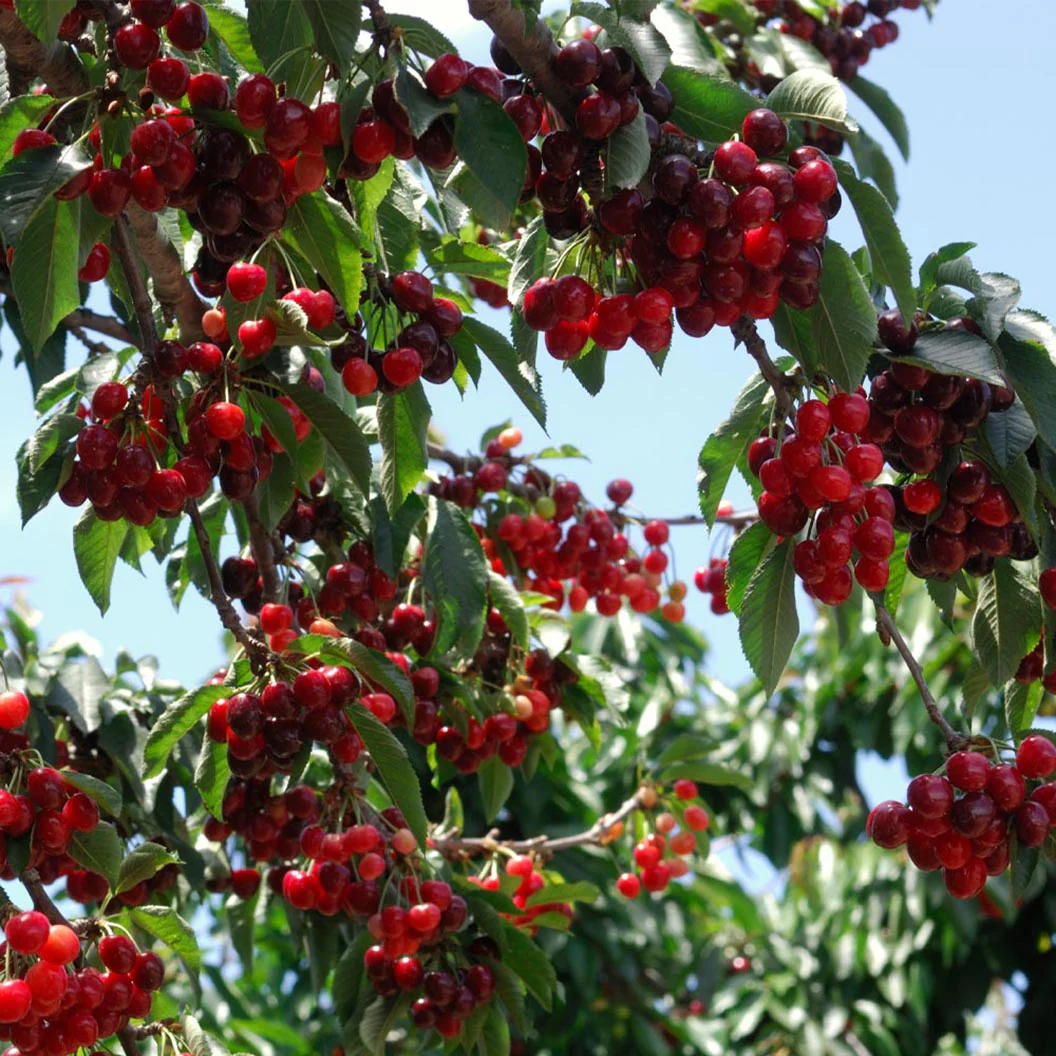
The Carmine Jewel Dwarf Cherry Shrub is a fantastic option for gardeners in northern climates, combining beauty with productivity. This compact sour cherry is not only visually appealing with its lush foliage and delicate spring flowers but also rewards you with an abundance of tart cherries. The fruit ripens to a deep dark red—almost black—color, indicating a naturally high concentration of anthocyanin antioxidants, which give the cherries their rich hue. Whether you’re looking to enhance your landscape or enjoy flavorful, home-grown fruit, this shrub makes a reliable choice. Its self-fertile nature means you can grow it on its own, and its impressive disease resistance helps it perform well even in challenging conditions.
Beyond its productivity, Carmine Jewel offers multi-season interest. In spring, it’s covered in fragrant white blossoms; in summer, the richly colored cherries develop with a bold sweet-tart flavor ideal for fresh eating, baking, and preserves; and in fall, the foliage turns vibrant shades that add warmth to your yard. This hardy shrub enhances your garden’s beauty while supporting pollinators and local wildlife, making it a resilient and rewarding addition to northern landscapes.
Planting & Care
1. Planting: Plant or repot within 4 weeks of arrival. Remove the stake and ties before planting, as these are only for shipping. Plant away from low lying areas and frost pockets, which will help protect blossoms from freeze damage. Select a sunny spot with well-draining soil and dig a hole twice as wide as the root ball. Place the shrub in the hole and backfill with soil, gently compacting and watering to remove air pockets. Cherries are shallow rooted and benefit from being mulched. Water thoroughly after planting to help establish roots. When planting in a container, use a standard potting mix and repot every 2-3 years to prevent roots from being pot bound.
2. Watering: Keep the soil consistently moist but not soggy, especially during the first growing season to support root development. Once established, most fruiting and health will result from consistently moist soil. Water deeply during periods of dry weather. Once established, the Carmine Jewel™ cherry is drought tolerant, but regular watering during dry spells will enhance fruit quality.
3. Pruning: Prune in late winter or early spring before new growth appears to remove dead or damaged branches. This helps maintain the plant's shape and encourages strong growth. Be careful not to over-prune, as this can reduce fruit yield.
4. Fertilizing: Feed with a balanced, slow-release fertilizer in early spring as buds begin to swell. Avoid excessive fertilization, which can lead to lush foliage at the expense of fruit production. A light application in late summer can encourage flower bud formation for the following season.
5. Harvesting: Harvest when cherries turn from red to dark, black-red, as this increases sugar content.