Original: $35.95
-65%$35.95
$12.58The Story
Graceful and Airy Indoor Tropical Plant
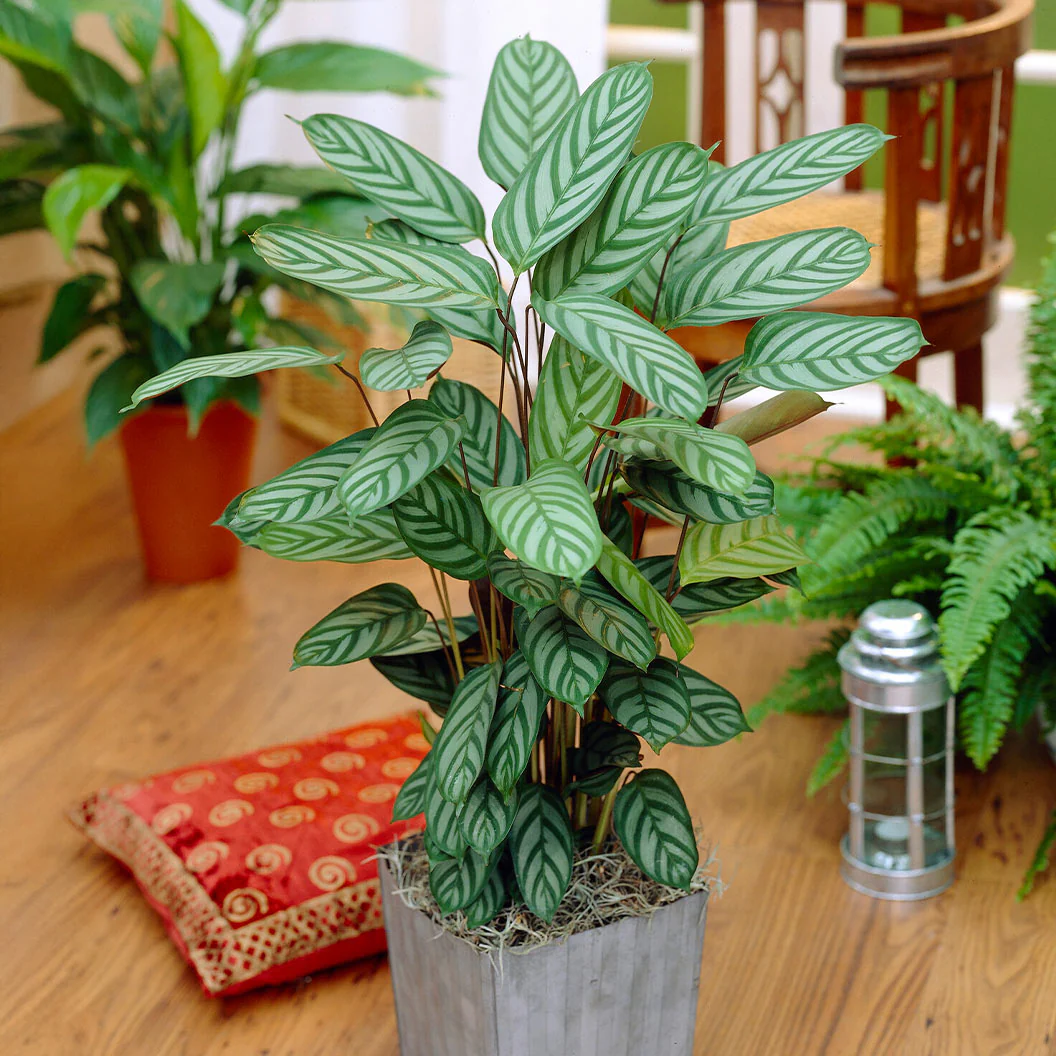
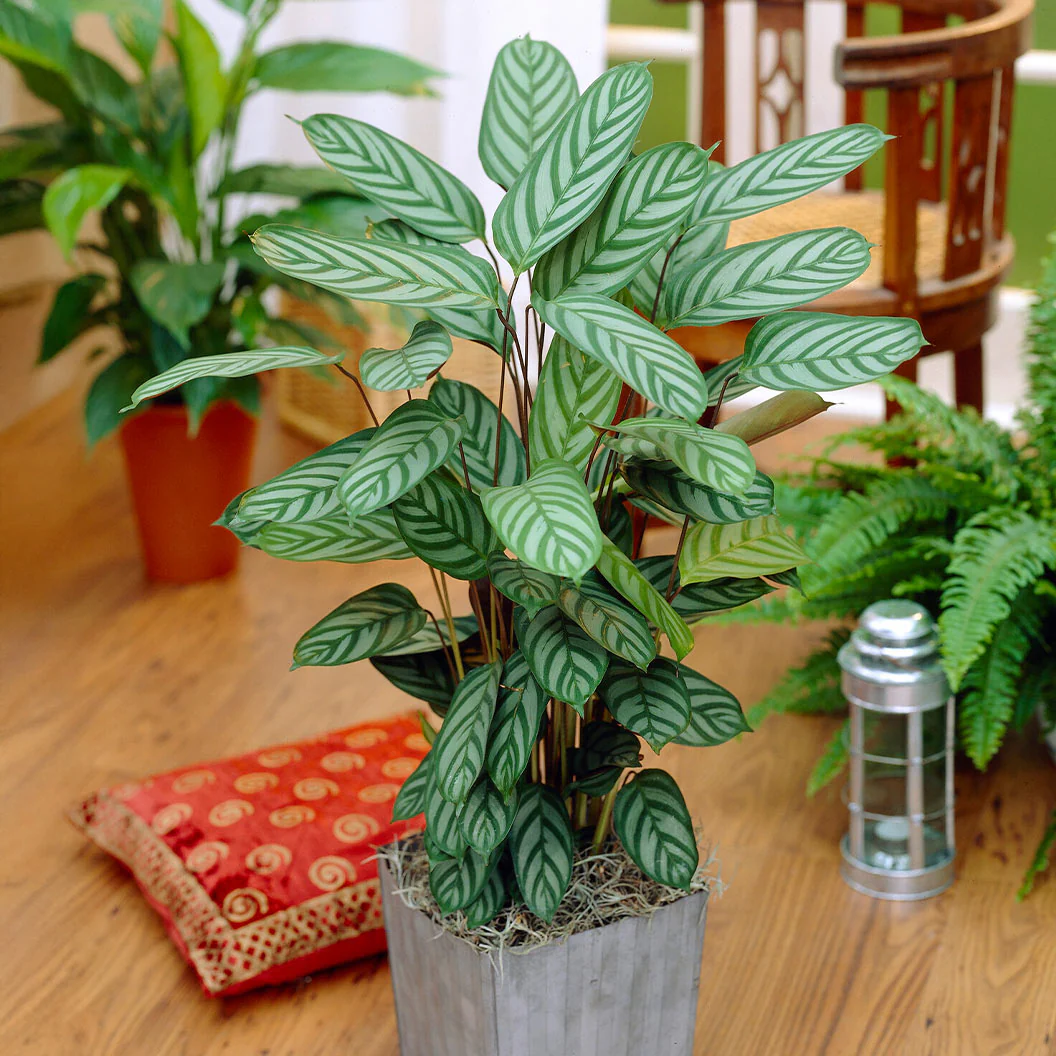
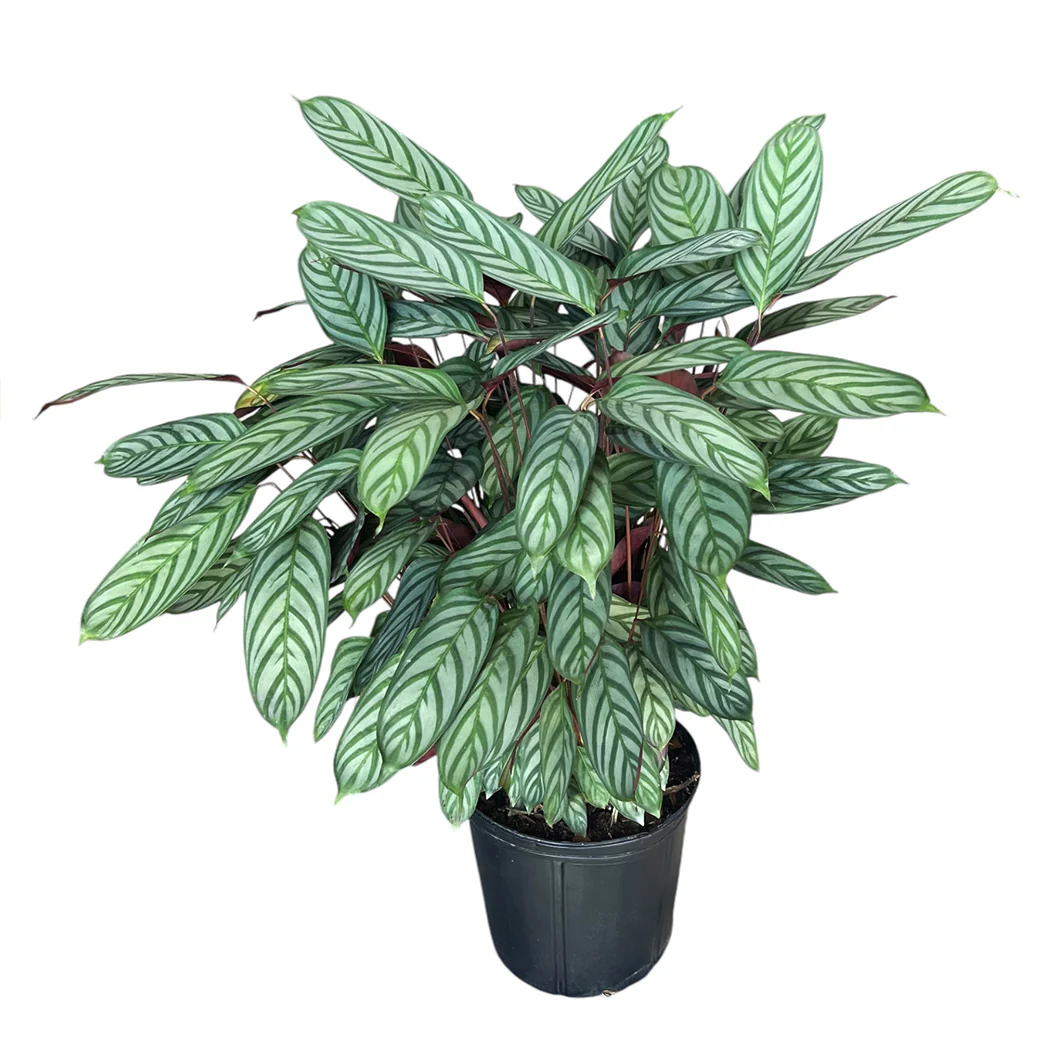
Add a dramatic statement to any indoor space with the lush Calathea Setosa. Native to the tropics, this striking plant has glossy deep green foliage that is accented with unique silver striping. On the underside of the elongated leaves there is even more color, a lovely purple-pink hue that perfectly complements the long, slim petioles.
The Setosa boasts many descriptive nicknames, including the Never Never Plant, Zebra Plant, and Grey Star. It is part of the subspecies of “prayer plants" - the Setosa folds up its leaves at night, as if in prayer, then opens in the morning to greet the day.
Watch the Setosa thrive in a humid environment where it receives plenty of bright, indirect light. This plant is also easy to cultivate, as it produces many new offshoots. Once full, these can be separated into many new plants to keep or share with others. Grow yours today!
Planting & Care
1. Planting: Calathea Setosa needs bright, indirect light in order to thrive. Place your plant in front of a bright window but be sure to keep it out of direct sunlight and away from drafty areas. When you're repotting or planting your plant, select a container that's twice the width of the shipped container and one that has drainage holes. Use a well-draining container potting mix to place your plant and water to settle the roots. If your potting mix needs more drainage we recommend mixing in perlite to help.
2. Watering: Calatheas can be quite particular when it comes to watering, so try to be consistent and only water when around 75% of the soil is dry. You can test this by putting your finger in the soil to check its level of moisture. Too little or too much water will result in brown and yellowing leaves.
In addition to watering, keep the environment humid (over 40% is ideal) by using a cool misting humidifier or mist the plant a couple times a week.
FGT Tip: If your leaves are still yellowing and browning and you have ruled out too little or too much water try using filtered water next time you water your plants.
3. Fertilizing: The main growing season of your calathea plant is during the months of March-October. You will want to fertilize during these months with a balanced houseplant fertilizer. Follow product instructions for more specifics.
4. Pruning: Little pruning is needed but occasionally you will need to prune any dead or damaged leaves off. Simply trim the leaf at the base with a sharp pair of pruners.
Details & Craftsmanship
Every detail has been carefully considered to bring you the perfect product.
Details & Craftsmanship
Every detail has been carefully considered to bring you the perfect product.
Description
Graceful and Airy Indoor Tropical Plant
Add a dramatic statement to any indoor space with the lush Calathea Setosa. Native to the tropics, this striking plant has glossy deep green foliage that is accented with unique silver striping. On the underside of the elongated leaves there is even more color, a lovely purple-pink hue that perfectly complements the long, slim petioles.
The Setosa boasts many descriptive nicknames, including the Never Never Plant, Zebra Plant, and Grey Star. It is part of the subspecies of “prayer plants" - the Setosa folds up its leaves at night, as if in prayer, then opens in the morning to greet the day.
Watch the Setosa thrive in a humid environment where it receives plenty of bright, indirect light. This plant is also easy to cultivate, as it produces many new offshoots. Once full, these can be separated into many new plants to keep or share with others. Grow yours today!
Planting & Care
1. Planting: Calathea Setosa needs bright, indirect light in order to thrive. Place your plant in front of a bright window but be sure to keep it out of direct sunlight and away from drafty areas. When you're repotting or planting your plant, select a container that's twice the width of the shipped container and one that has drainage holes. Use a well-draining container potting mix to place your plant and water to settle the roots. If your potting mix needs more drainage we recommend mixing in perlite to help.
2. Watering: Calatheas can be quite particular when it comes to watering, so try to be consistent and only water when around 75% of the soil is dry. You can test this by putting your finger in the soil to check its level of moisture. Too little or too much water will result in brown and yellowing leaves.
In addition to watering, keep the environment humid (over 40% is ideal) by using a cool misting humidifier or mist the plant a couple times a week.
FGT Tip: If your leaves are still yellowing and browning and you have ruled out too little or too much water try using filtered water next time you water your plants.
3. Fertilizing: The main growing season of your calathea plant is during the months of March-October. You will want to fertilize during these months with a balanced houseplant fertilizer. Follow product instructions for more specifics.
4. Pruning: Little pruning is needed but occasionally you will need to prune any dead or damaged leaves off. Simply trim the leaf at the base with a sharp pair of pruners.