Original: $37.95
-65%$37.95
$13.28The Story
Vibrant Blue-Flowering Shrub for Pollinator Gardens
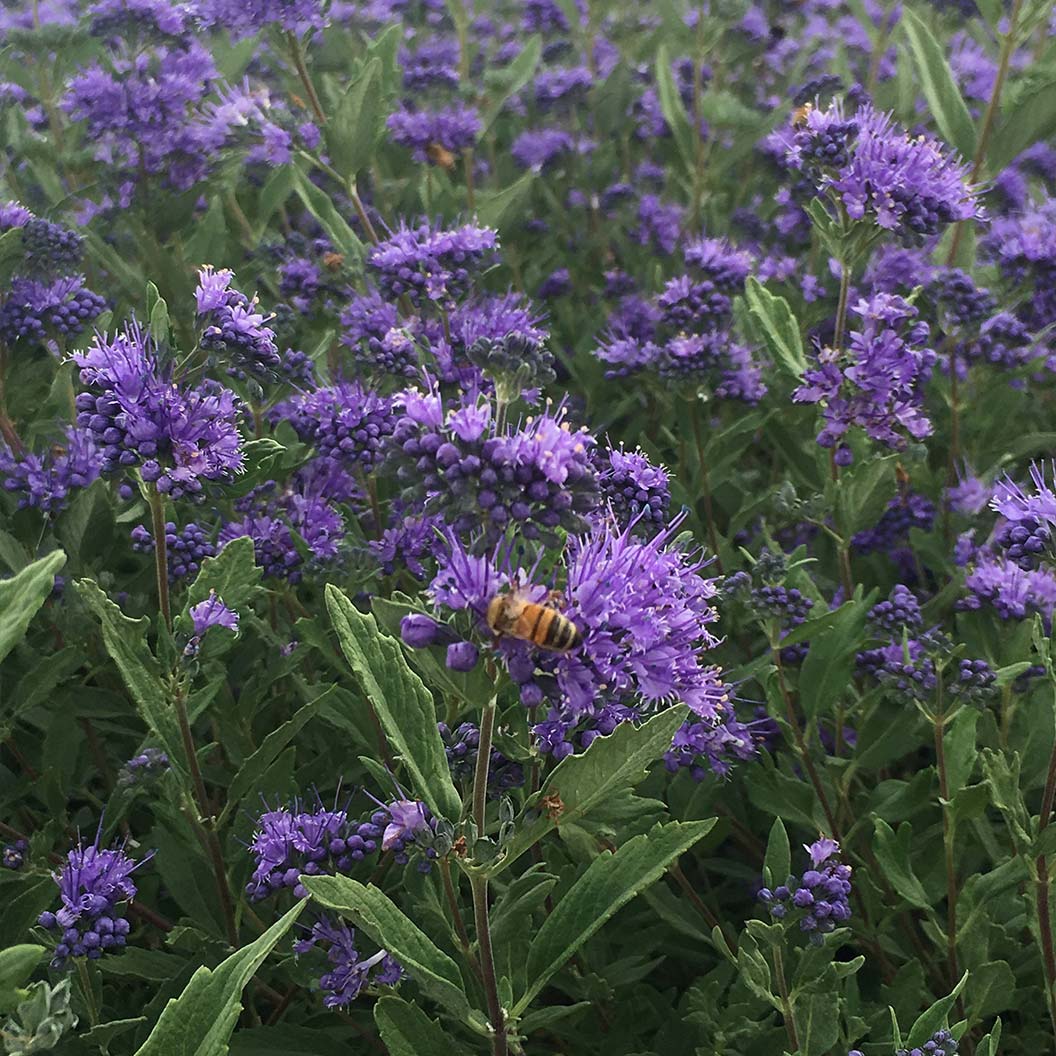
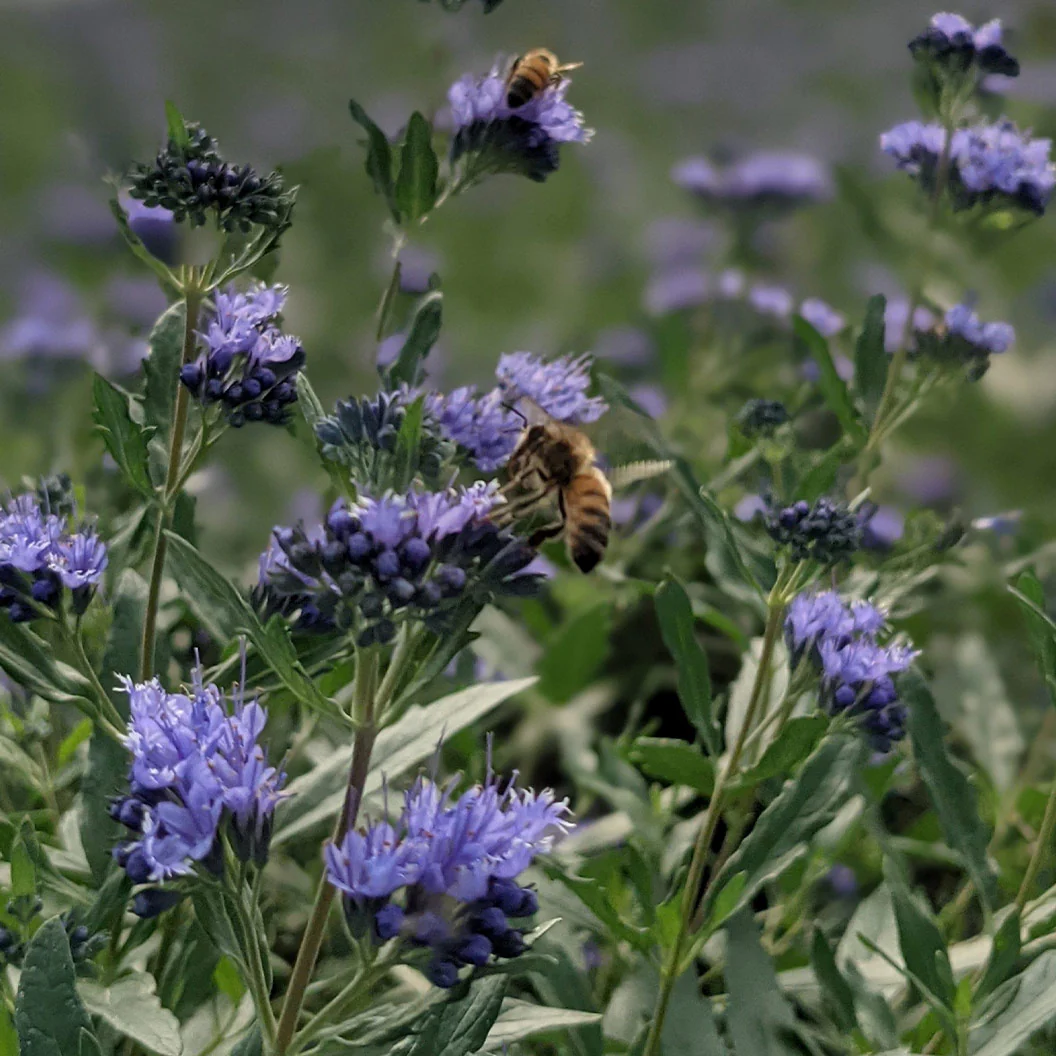
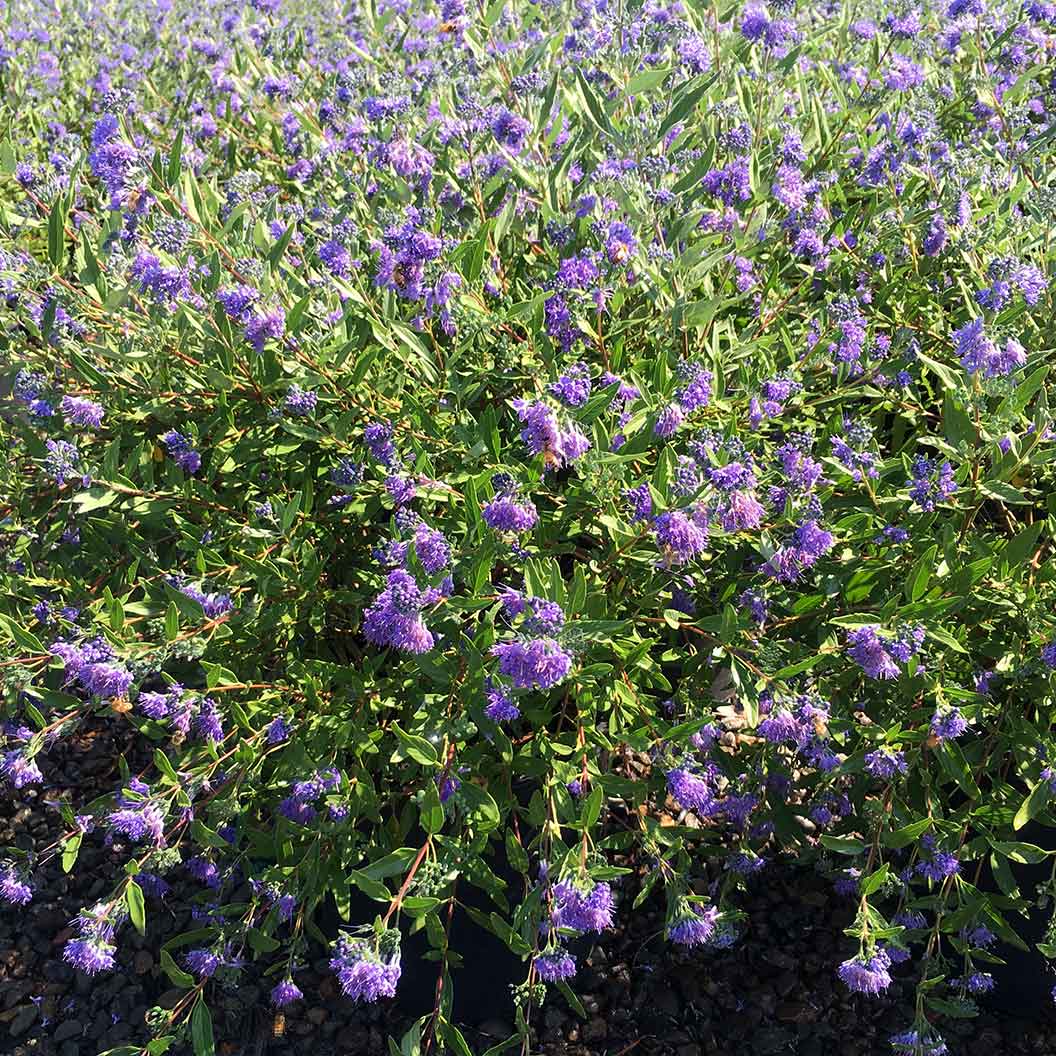
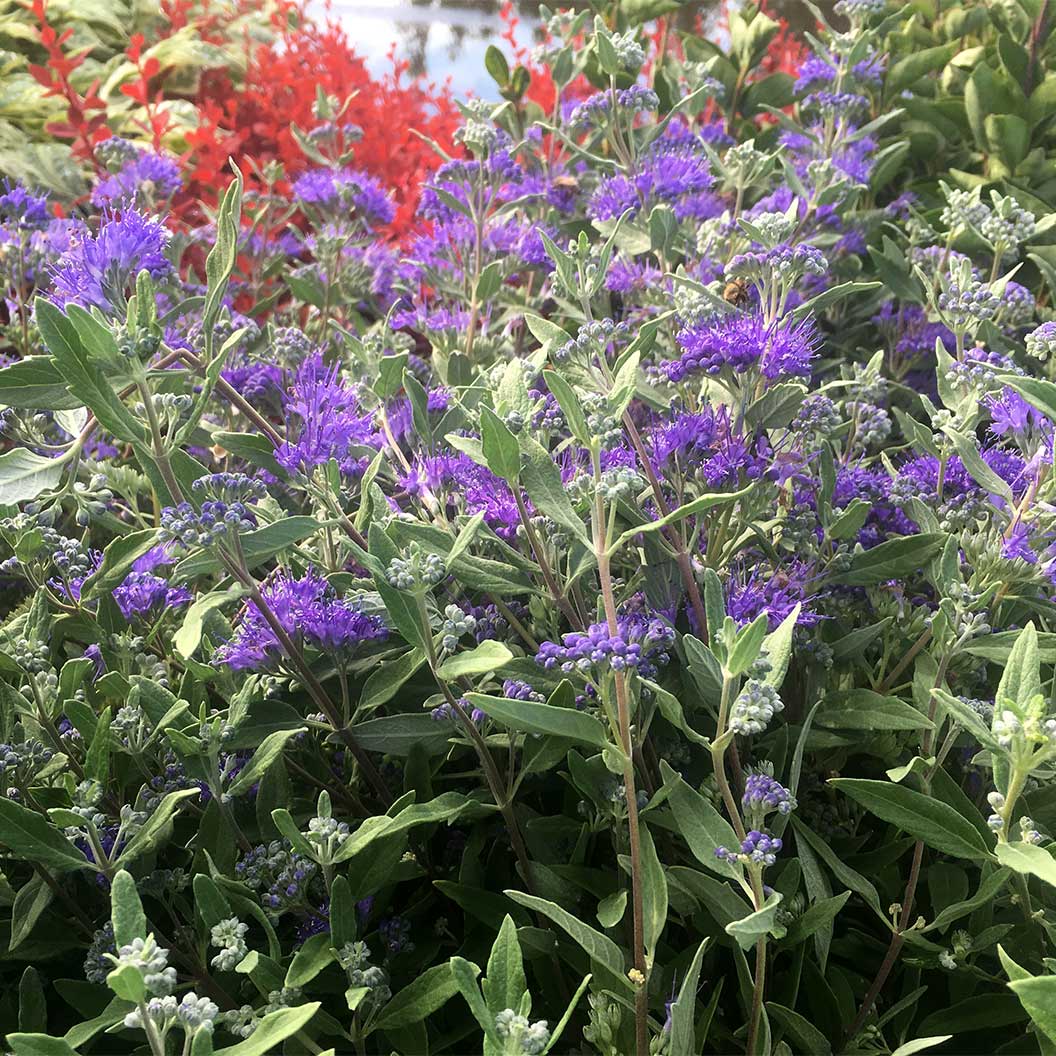
Blue Mist Bluebeard (Caryopteris × clandonensis) is a compact, deciduous shrub known for its stunning clusters of soft blue flowers that bloom from late summer through fall. This easy-care plant features aromatic, silvery-green foliage that complements its colorful blossoms. Thriving best in full sun with well-drained soil, Blue Mist Bluebeard is both drought tolerant and deer resistant, making it ideal for gardens seeking low-maintenance beauty. It attracts bees and butterflies, supporting pollinator health while adding a long-lasting splash of color to borders, containers, or mixed flower beds.
Planting & Care
1. Planting: Blue Mist Bluebeard thrives in full sun, where it produces the most vibrant blue flowers. It prefers well-drained soil and tolerates a range of soil types—from sandy to loamy—but does best in slightly neutral to mildly alkaline conditions. Avoid heavy, poorly drained clay. When planting, dig a hole twice as wide as the root ball and just as deep. Backfill with native soil mixed with compost to improve drainage and fertility. After planting, apply a 2–3 inch layer of mulch around the base (keeping it a few inches away from the crown) to conserve moisture and suppress weeds.
2. Watering: Water deeply and consistently during the first 2–3 months after planting to help the roots establish. Once established, Blue Mist Bluebeard is drought-tolerant and only needs watering during extended dry spells. Overwatering or soggy soil can lead to root rot, so ensure proper drainage.
3. Fertilizing: Fertilize at planting time and again each early spring using a balanced, slow-release fertilizer (such as 10-10-10). Avoid high-nitrogen fertilizers, as they can encourage excessive leafy growth at the expense of blooms. Compost or a light application of organic fertilizer can also help maintain healthy growth and flower production.
4. Pruning: Blue Mist Bluebeard blooms on new growth, so prune it back hard in early spring—before new growth starts—to about 6–12 inches above the ground. This encourages fresh stems and abundant flowering later in the season. Once mature, light thinning can also improve air circulation and shape the plant. Deadhead spent blooms to extend the flowering period.
Details & Craftsmanship
Every detail has been carefully considered to bring you the perfect product.
Details & Craftsmanship
Every detail has been carefully considered to bring you the perfect product.
Details & Craftsmanship
Every detail has been carefully considered to bring you the perfect product.
Description
Vibrant Blue-Flowering Shrub for Pollinator Gardens
Blue Mist Bluebeard (Caryopteris × clandonensis) is a compact, deciduous shrub known for its stunning clusters of soft blue flowers that bloom from late summer through fall. This easy-care plant features aromatic, silvery-green foliage that complements its colorful blossoms. Thriving best in full sun with well-drained soil, Blue Mist Bluebeard is both drought tolerant and deer resistant, making it ideal for gardens seeking low-maintenance beauty. It attracts bees and butterflies, supporting pollinator health while adding a long-lasting splash of color to borders, containers, or mixed flower beds.
Planting & Care
1. Planting: Blue Mist Bluebeard thrives in full sun, where it produces the most vibrant blue flowers. It prefers well-drained soil and tolerates a range of soil types—from sandy to loamy—but does best in slightly neutral to mildly alkaline conditions. Avoid heavy, poorly drained clay. When planting, dig a hole twice as wide as the root ball and just as deep. Backfill with native soil mixed with compost to improve drainage and fertility. After planting, apply a 2–3 inch layer of mulch around the base (keeping it a few inches away from the crown) to conserve moisture and suppress weeds.
2. Watering: Water deeply and consistently during the first 2–3 months after planting to help the roots establish. Once established, Blue Mist Bluebeard is drought-tolerant and only needs watering during extended dry spells. Overwatering or soggy soil can lead to root rot, so ensure proper drainage.
3. Fertilizing: Fertilize at planting time and again each early spring using a balanced, slow-release fertilizer (such as 10-10-10). Avoid high-nitrogen fertilizers, as they can encourage excessive leafy growth at the expense of blooms. Compost or a light application of organic fertilizer can also help maintain healthy growth and flower production.
4. Pruning: Blue Mist Bluebeard blooms on new growth, so prune it back hard in early spring—before new growth starts—to about 6–12 inches above the ground. This encourages fresh stems and abundant flowering later in the season. Once mature, light thinning can also improve air circulation and shape the plant. Deadhead spent blooms to extend the flowering period.