Original: $34.95
-65%$34.95
$12.23The Story
Bright blue blooms add charm and resilience to any landscape
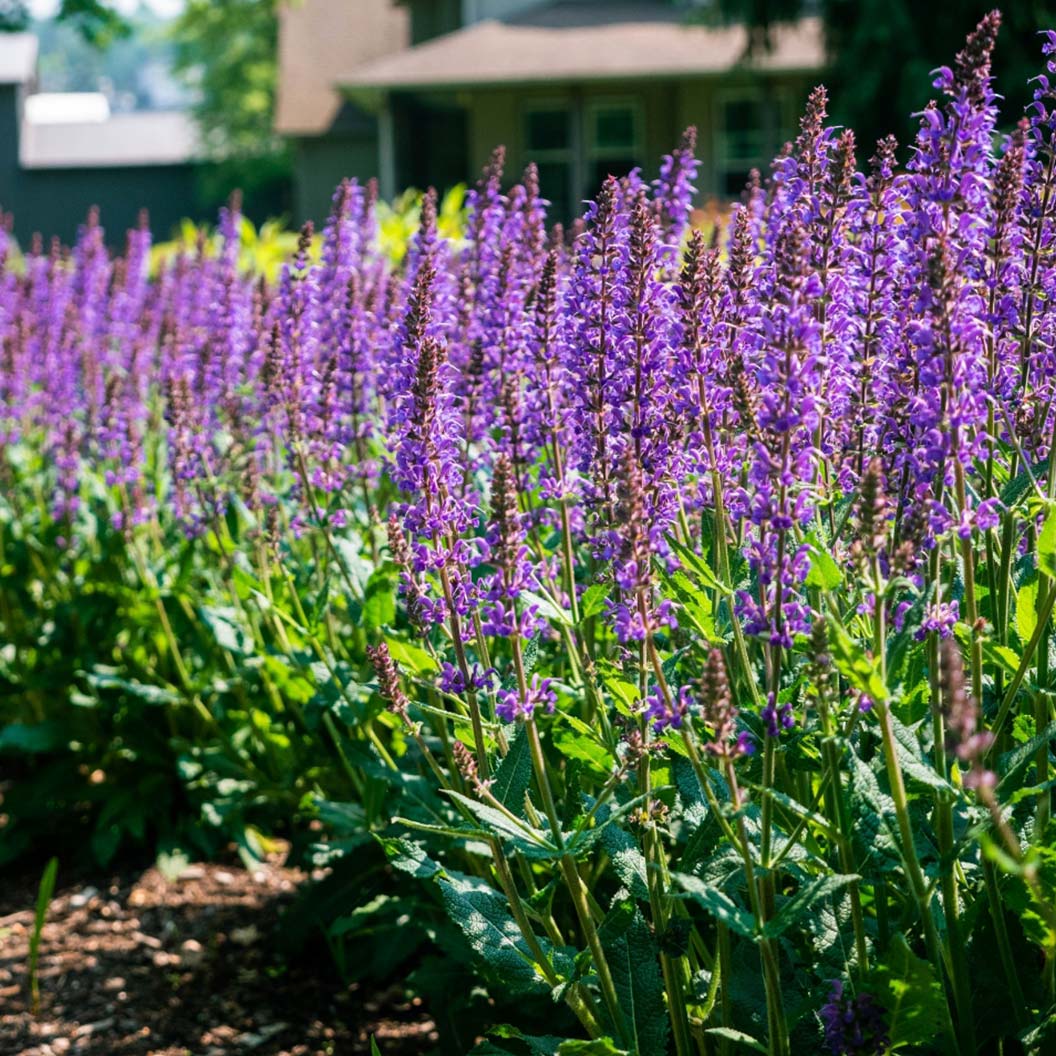
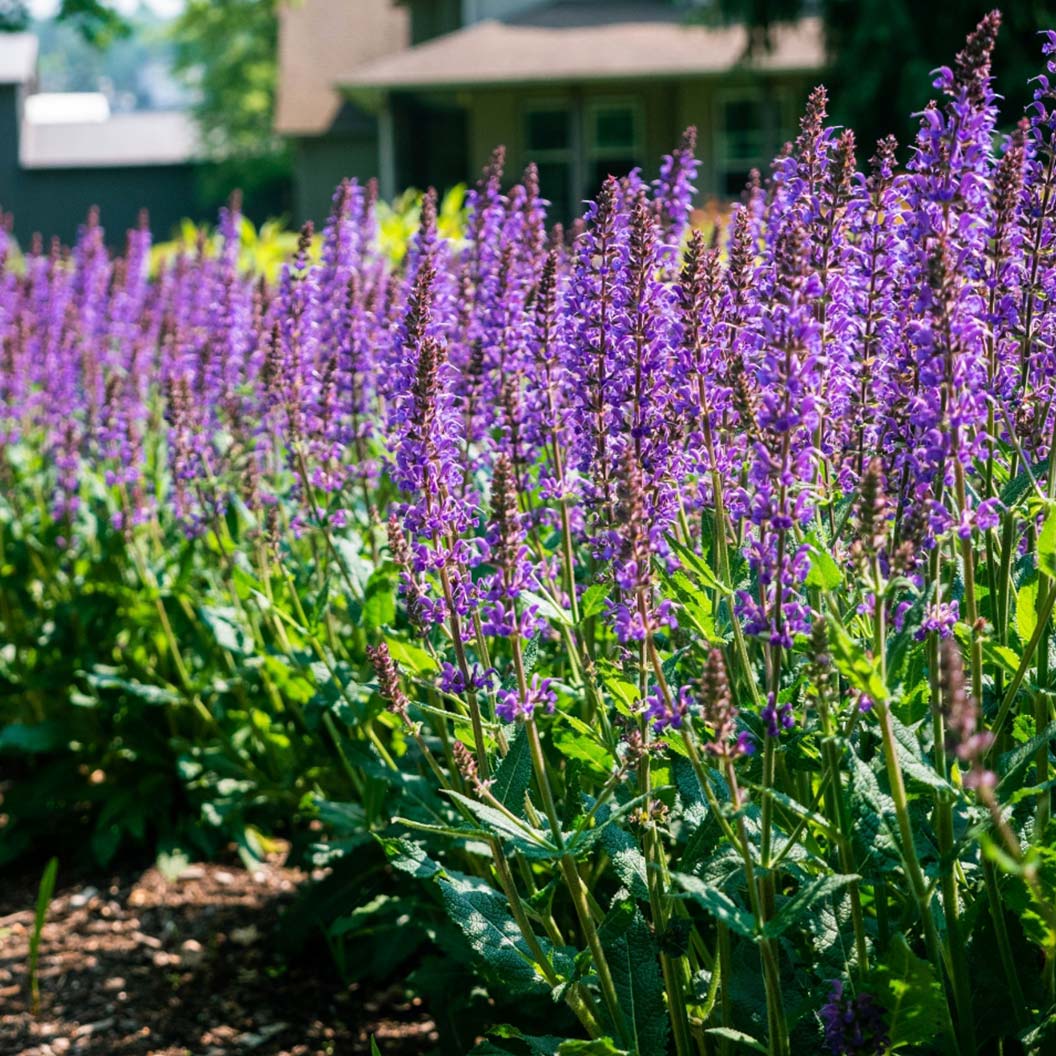
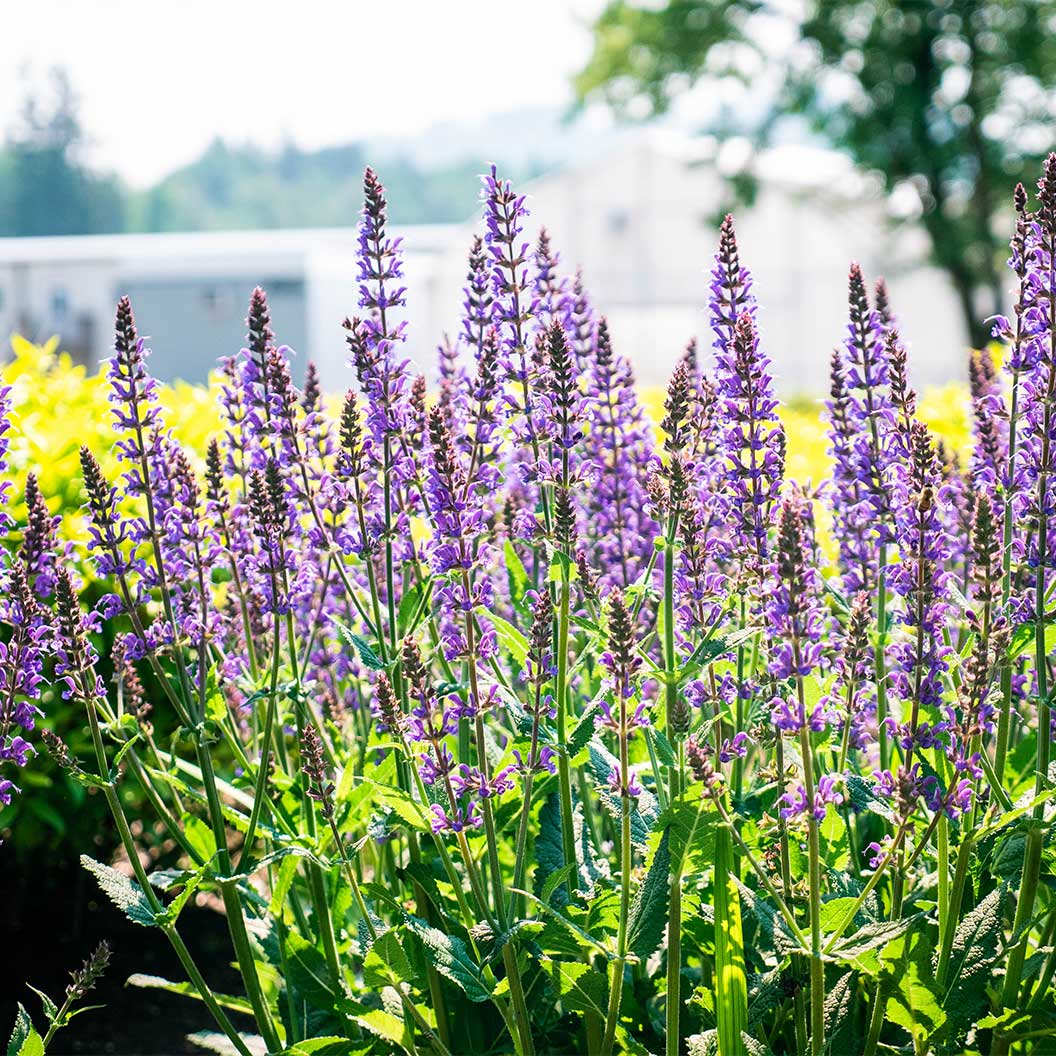
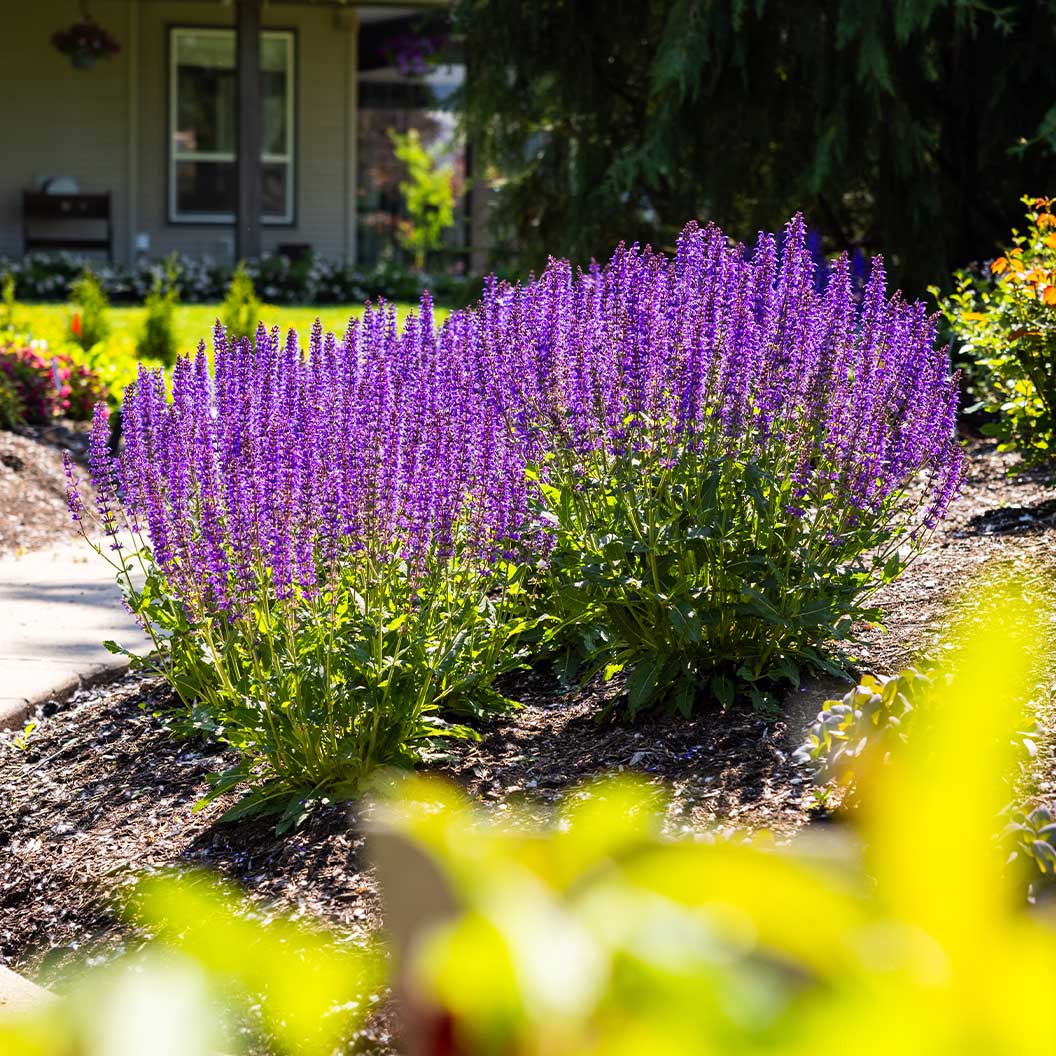
This improved meadow sage sets itself apart with beautiful, bright blue flower spikes that demonstrate proven superior garden performance. Blooming up to two weeks earlier than many other varieties, it delivers an earlier start to the season and continues to repeat flower throughout spring and summer. In fact, it can produce up to five repeat blooming cycles, providing extended color and exceptional value in the landscape. Its excellent branching creates a fuller plant with more flower spikes and stronger overall presence in beds and borders.
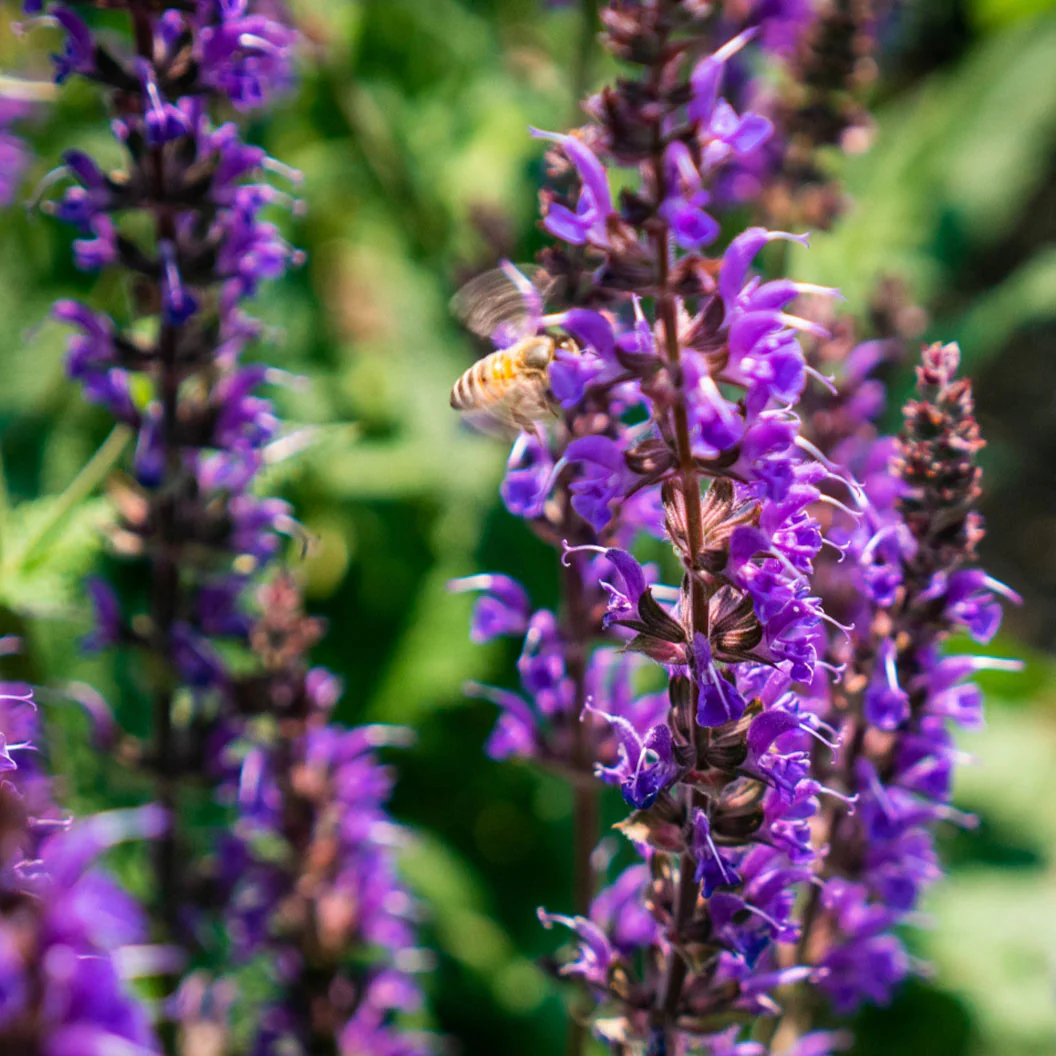
Beyond its vivid color, this hardy perennial features outstanding winter hardiness and impressive heat tolerance, ensuring greater reliability across diverse climates. The grey-green foliage offers an elegant backdrop to the vibrant blooms, while its pollinator-friendly flowers attract bees and butterflies all season long. Deer resistant and easy to maintain with simple deadheading to encourage reblooming, this improved selection delivers earlier blooms, longer performance, and more dependable landscape impact than standard varieties.
Planting & Care
1. Planting: For optimal growth, plant the improved meadow sage in well-drained soil in full sun to part shade. Space plants about 18 inches apart to allow for their upright growth habit.
2. Watering: After planting, water regularly to establish roots, then reduce watering. Allow the soil to dry out between watering for best results.
3. Pruning: Deadhead spent flowers throughout the growing season to promote additional blooms and maintain a tidy appearance. In late fall, cut back the plant to the ground to prepare for winter.
4. Fertilizing: Use a balanced, slow-release fertilizer in early spring to support new growth. Avoid over-fertilizing as this plant thrives in less fertile soils.
Details & Craftsmanship
Every detail has been carefully considered to bring you the perfect product.
Details & Craftsmanship
Every detail has been carefully considered to bring you the perfect product.
Details & Craftsmanship
Every detail has been carefully considered to bring you the perfect product.
Details & Craftsmanship
Every detail has been carefully considered to bring you the perfect product.

Details & Craftsmanship
Every detail has been carefully considered to bring you the perfect product.
Description
Bright blue blooms add charm and resilience to any landscape
This improved meadow sage sets itself apart with beautiful, bright blue flower spikes that demonstrate proven superior garden performance. Blooming up to two weeks earlier than many other varieties, it delivers an earlier start to the season and continues to repeat flower throughout spring and summer. In fact, it can produce up to five repeat blooming cycles, providing extended color and exceptional value in the landscape. Its excellent branching creates a fuller plant with more flower spikes and stronger overall presence in beds and borders.
Beyond its vivid color, this hardy perennial features outstanding winter hardiness and impressive heat tolerance, ensuring greater reliability across diverse climates. The grey-green foliage offers an elegant backdrop to the vibrant blooms, while its pollinator-friendly flowers attract bees and butterflies all season long. Deer resistant and easy to maintain with simple deadheading to encourage reblooming, this improved selection delivers earlier blooms, longer performance, and more dependable landscape impact than standard varieties.
Planting & Care
1. Planting: For optimal growth, plant the improved meadow sage in well-drained soil in full sun to part shade. Space plants about 18 inches apart to allow for their upright growth habit.
2. Watering: After planting, water regularly to establish roots, then reduce watering. Allow the soil to dry out between watering for best results.
3. Pruning: Deadhead spent flowers throughout the growing season to promote additional blooms and maintain a tidy appearance. In late fall, cut back the plant to the ground to prepare for winter.
4. Fertilizing: Use a balanced, slow-release fertilizer in early spring to support new growth. Avoid over-fertilizing as this plant thrives in less fertile soils.