Original: $120.95
-65%$120.95
$42.33The Story
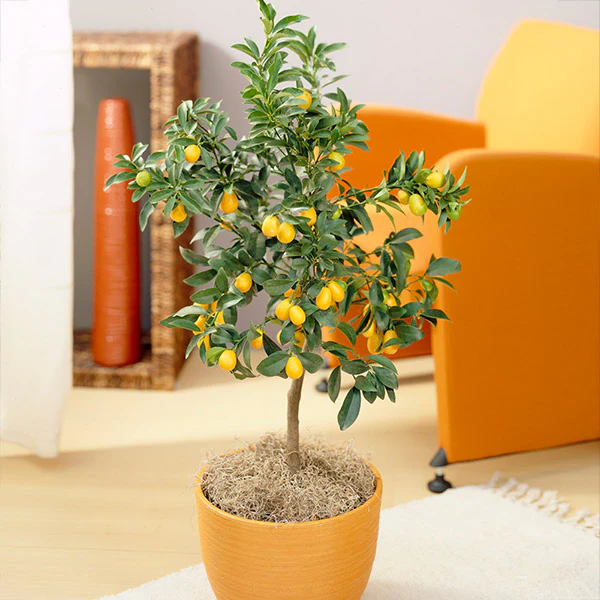
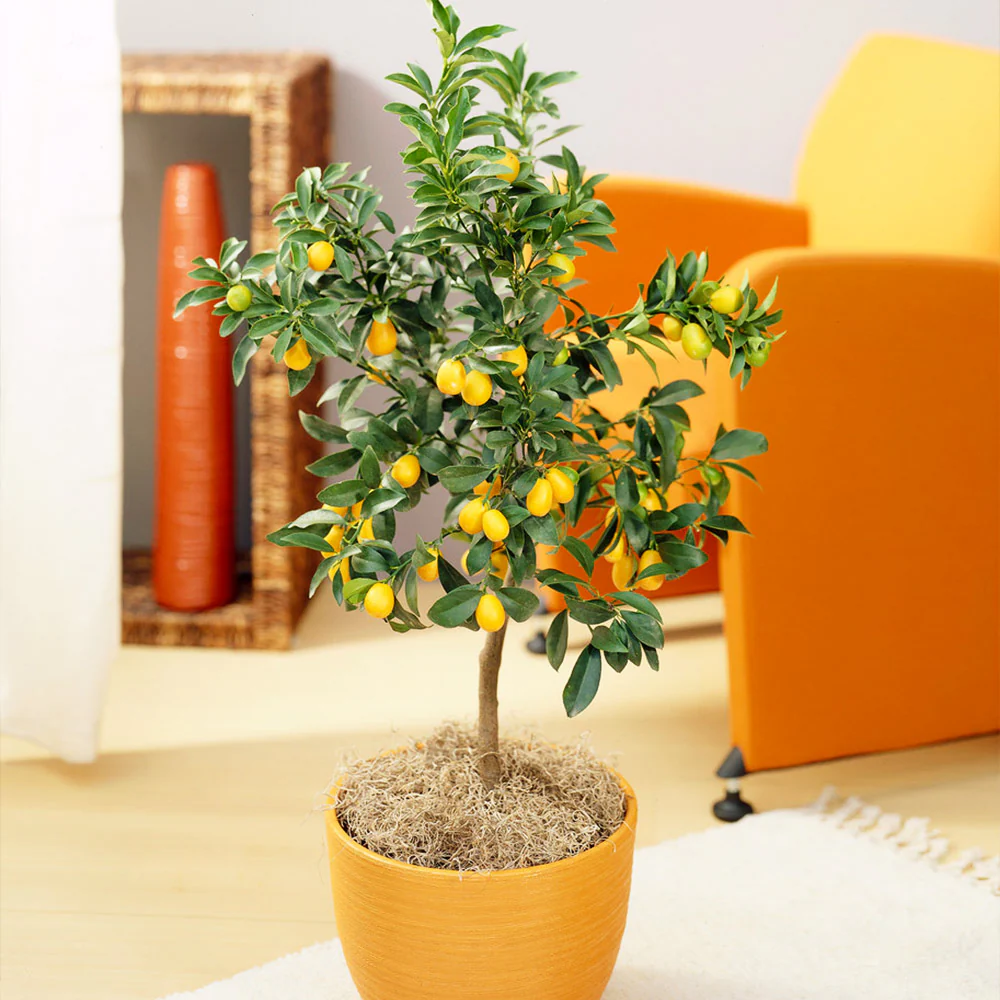
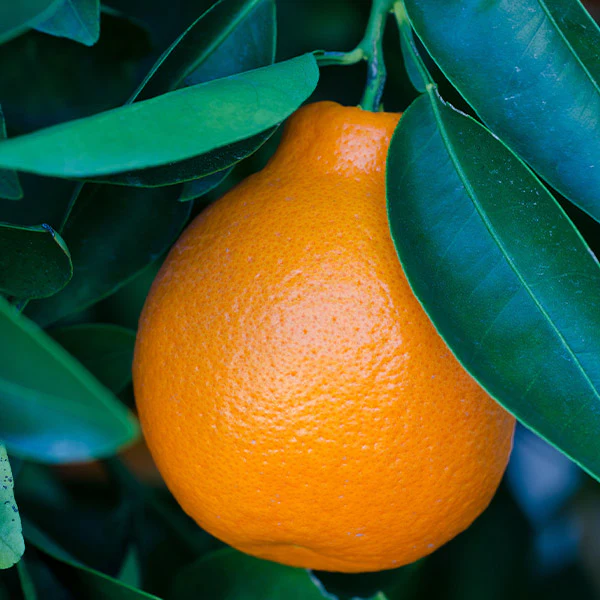
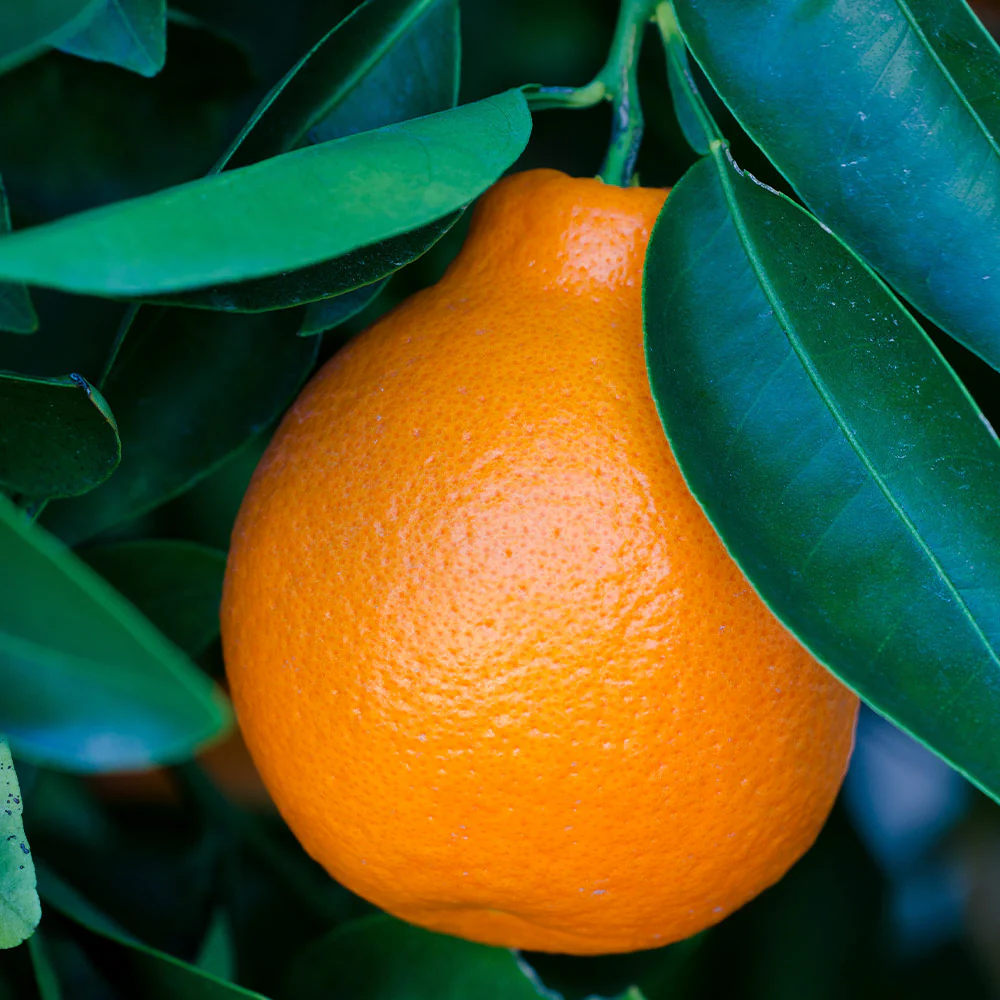
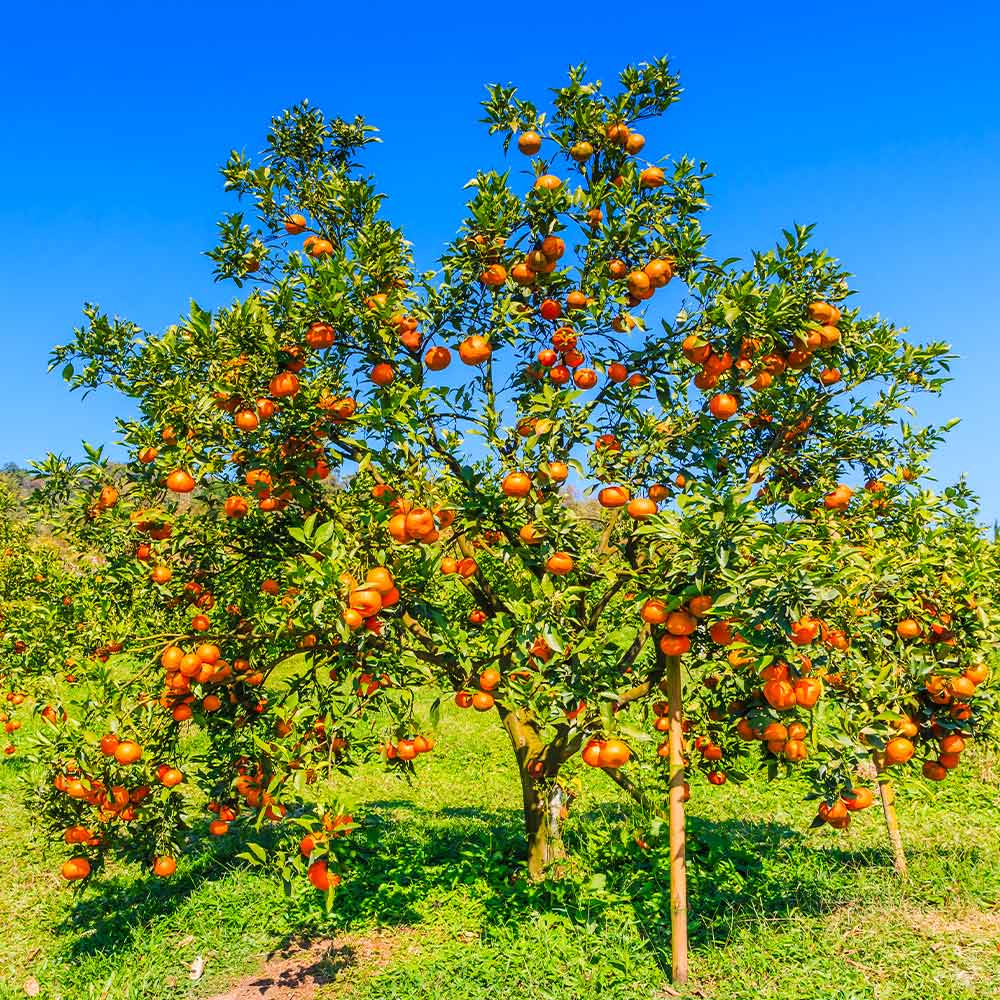
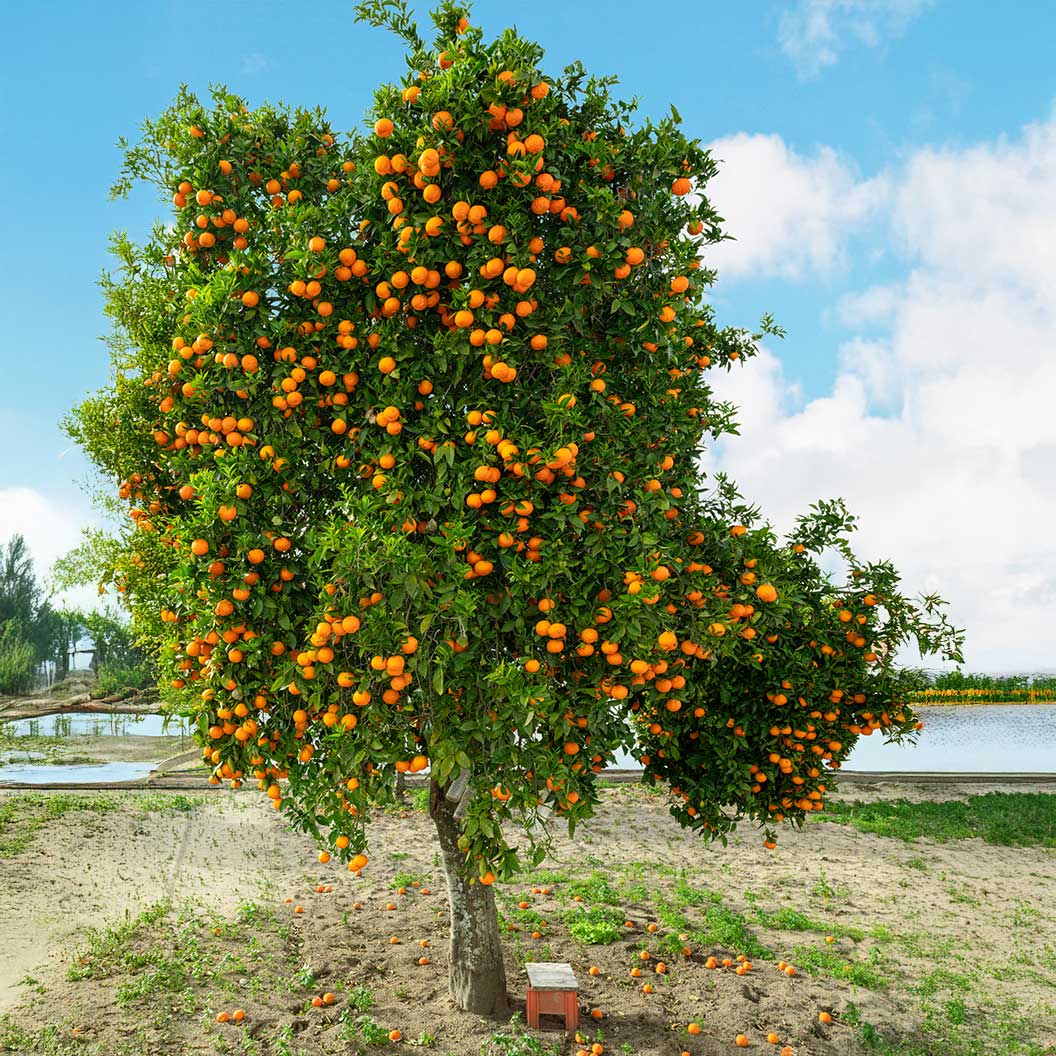
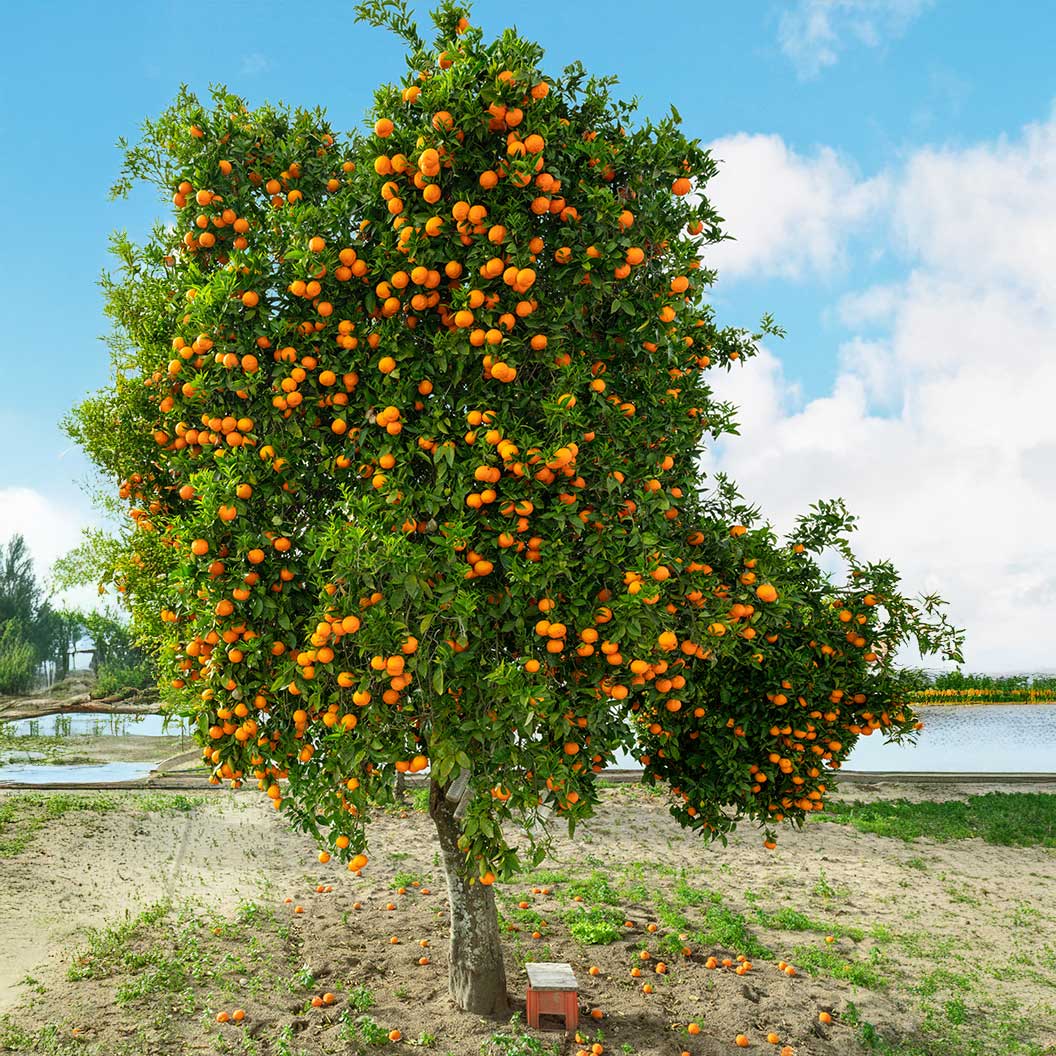
Seedless, Late Season Oranges on a Disease-Resistant Patio Plant
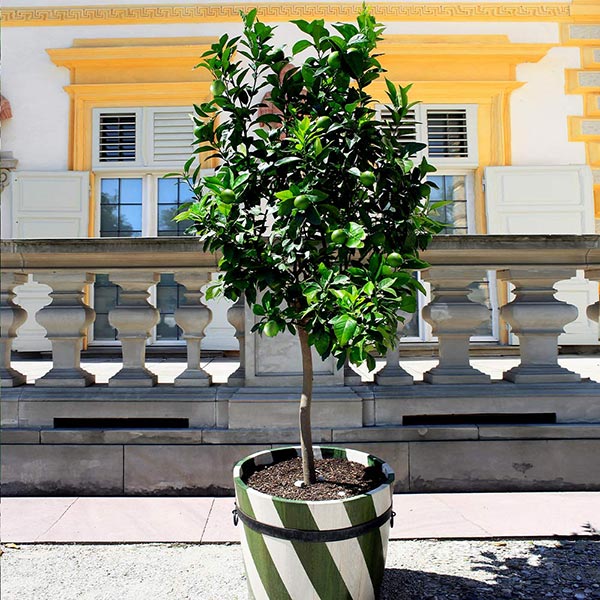
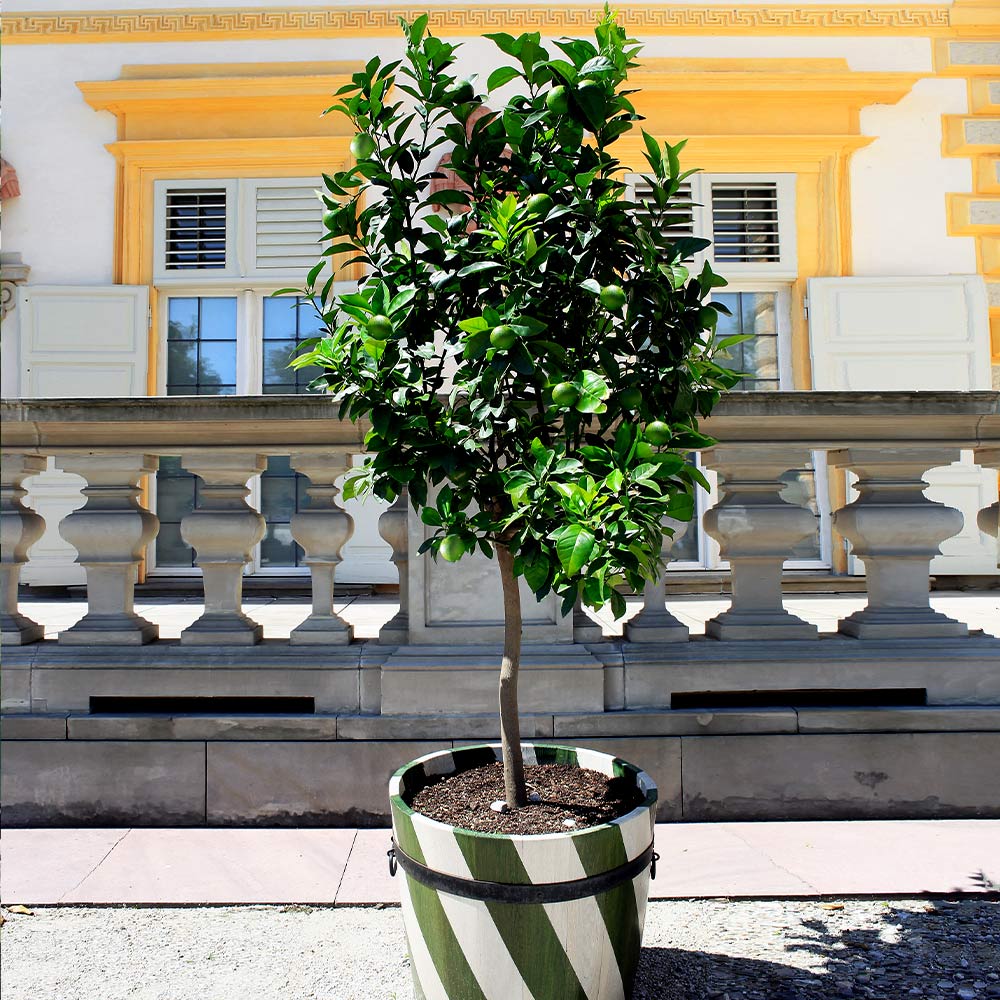
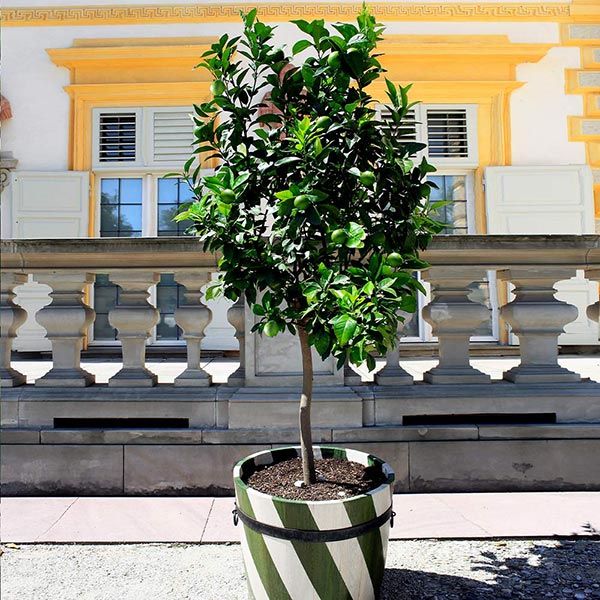
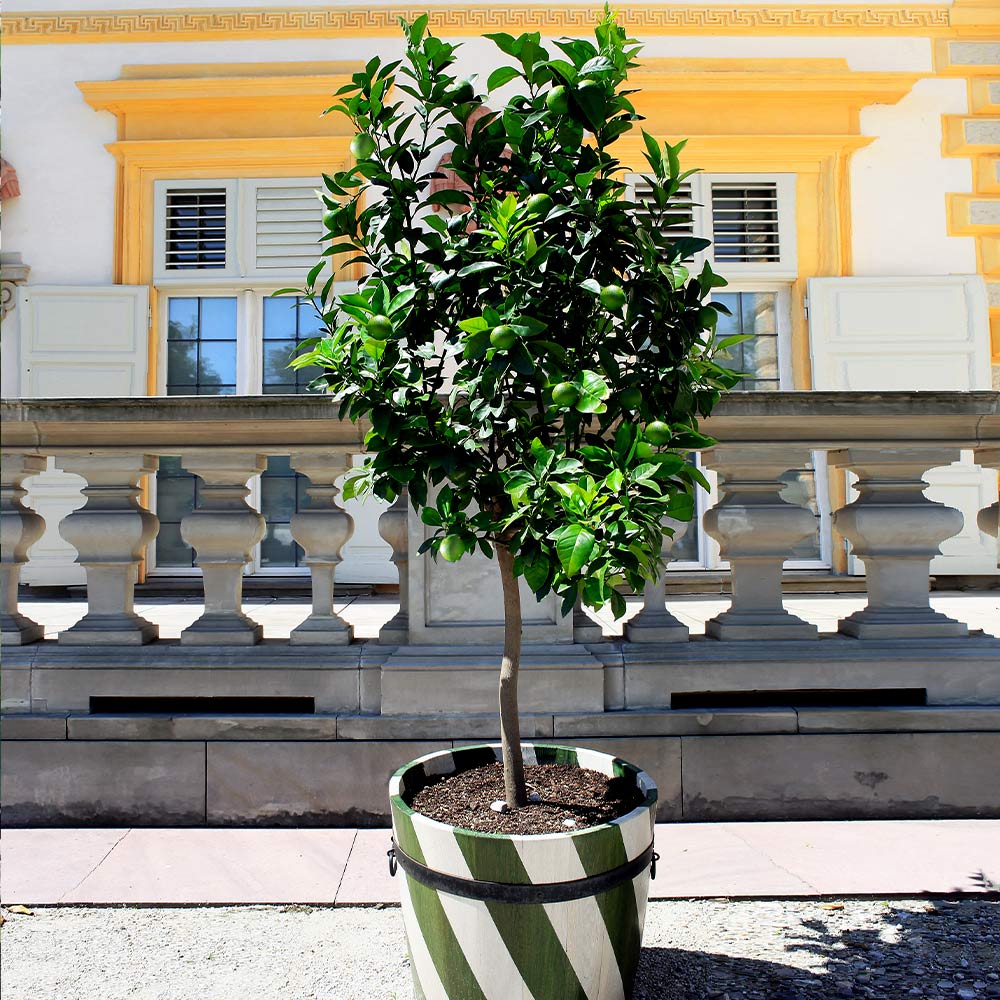
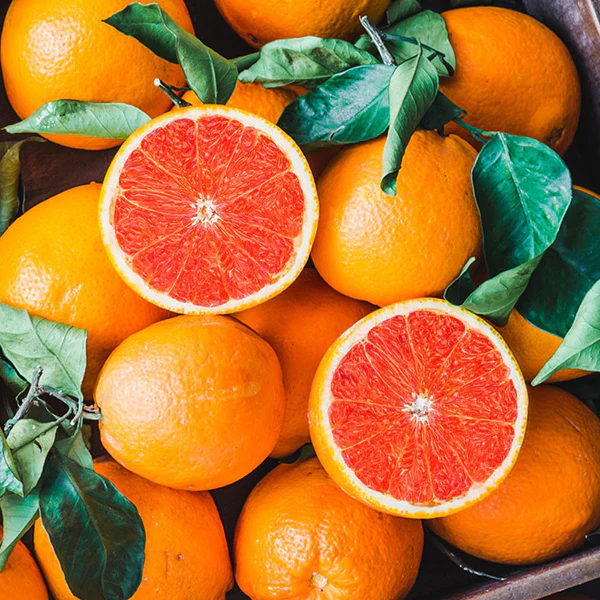
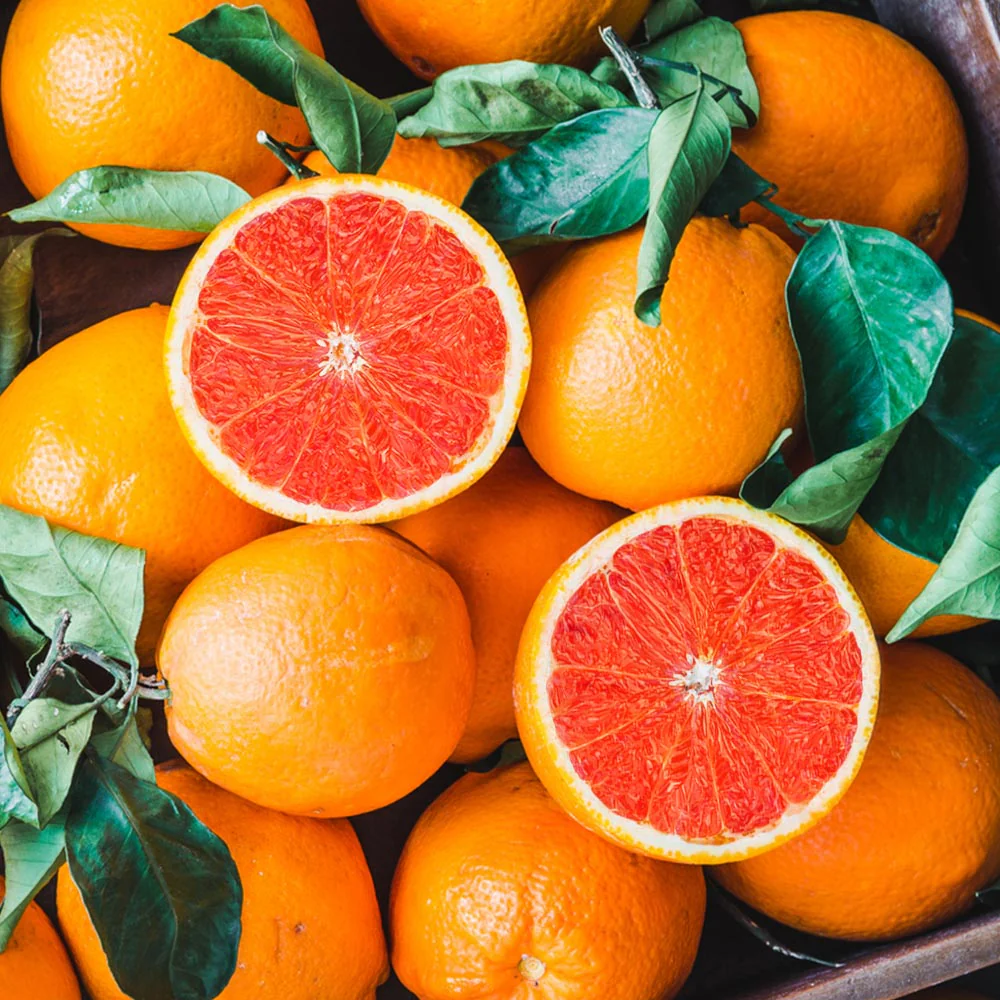
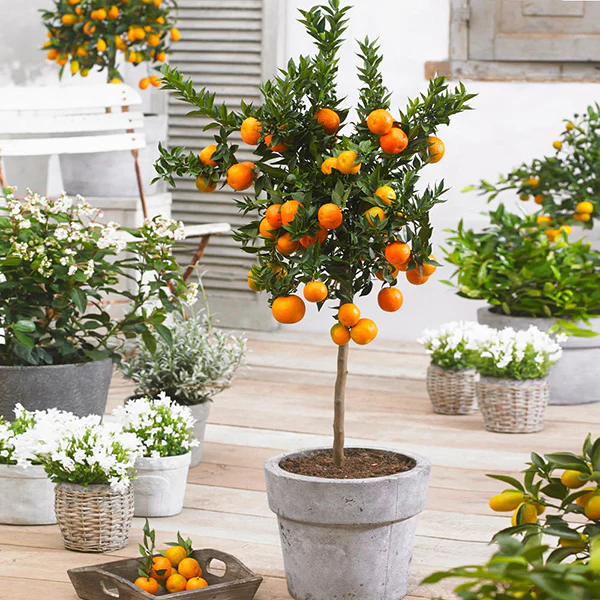
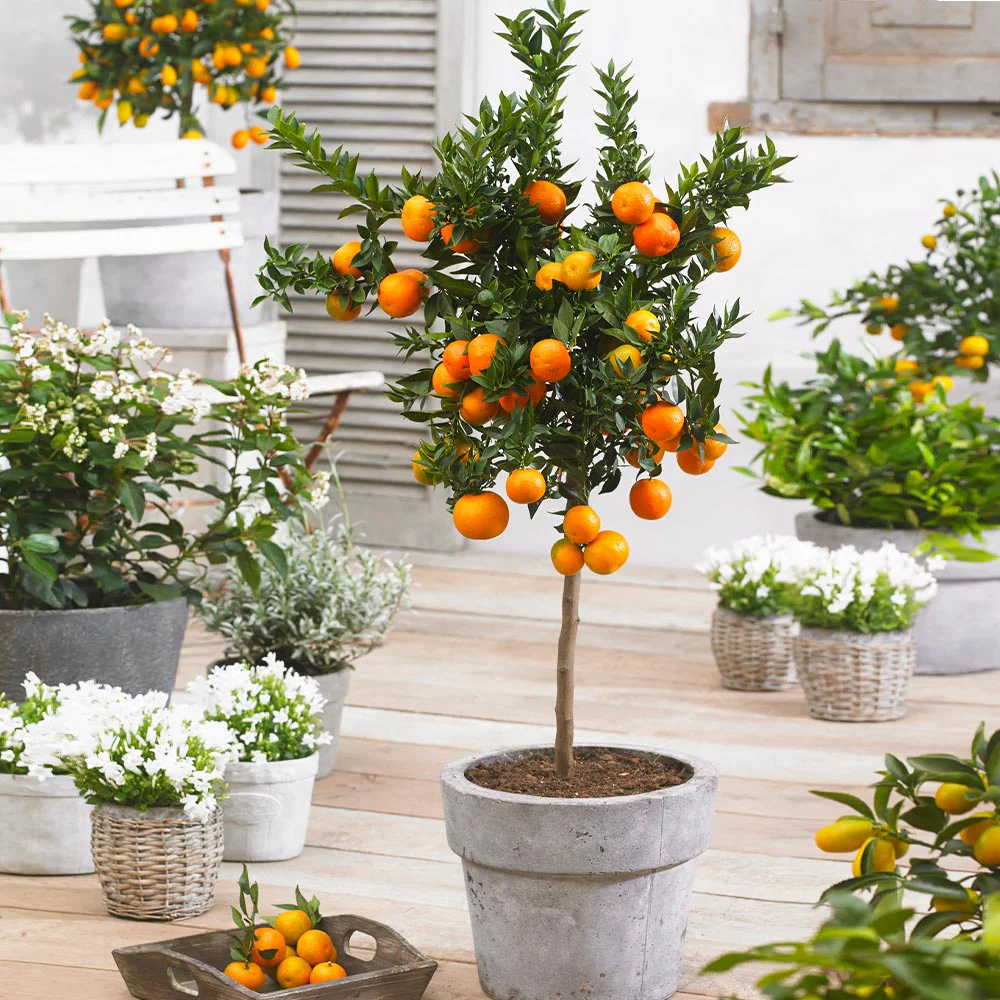
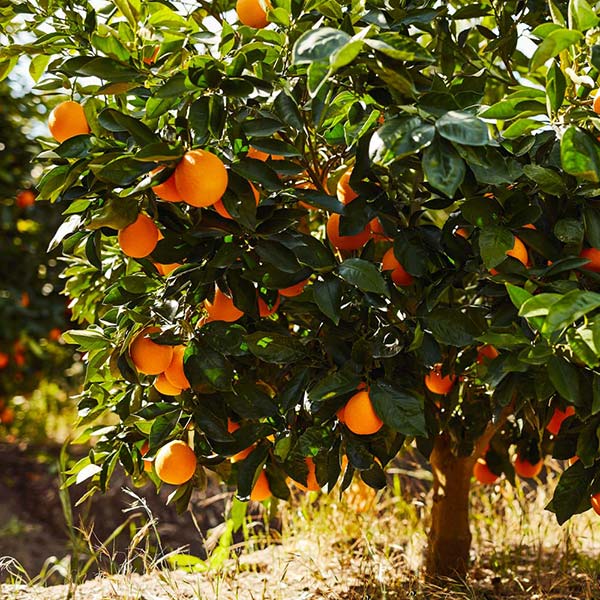
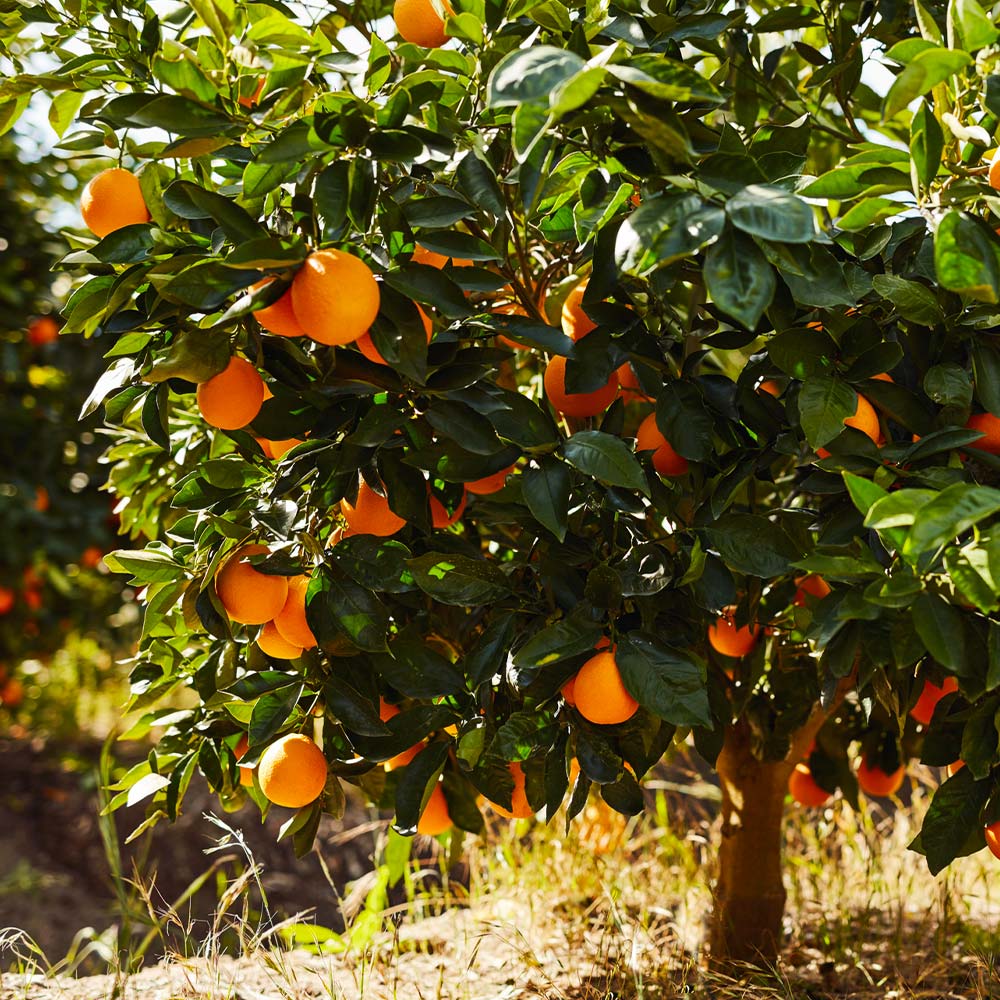
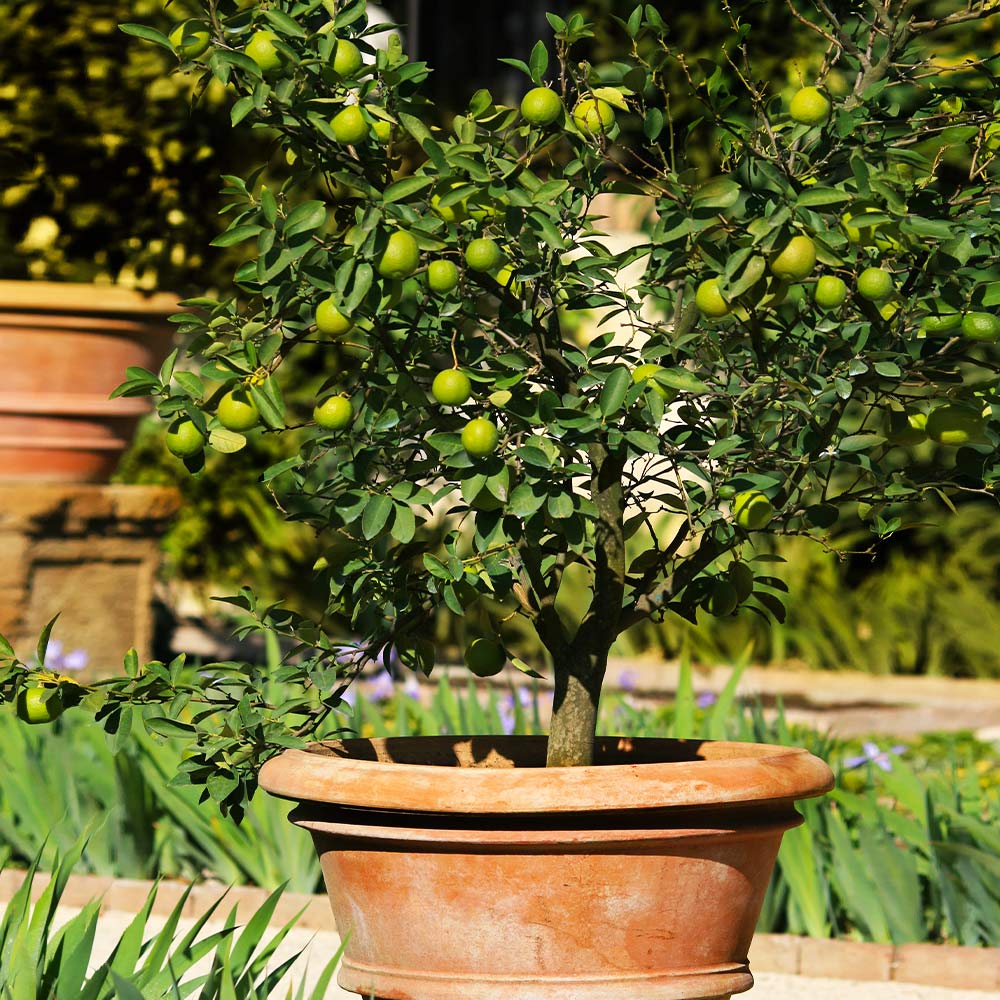
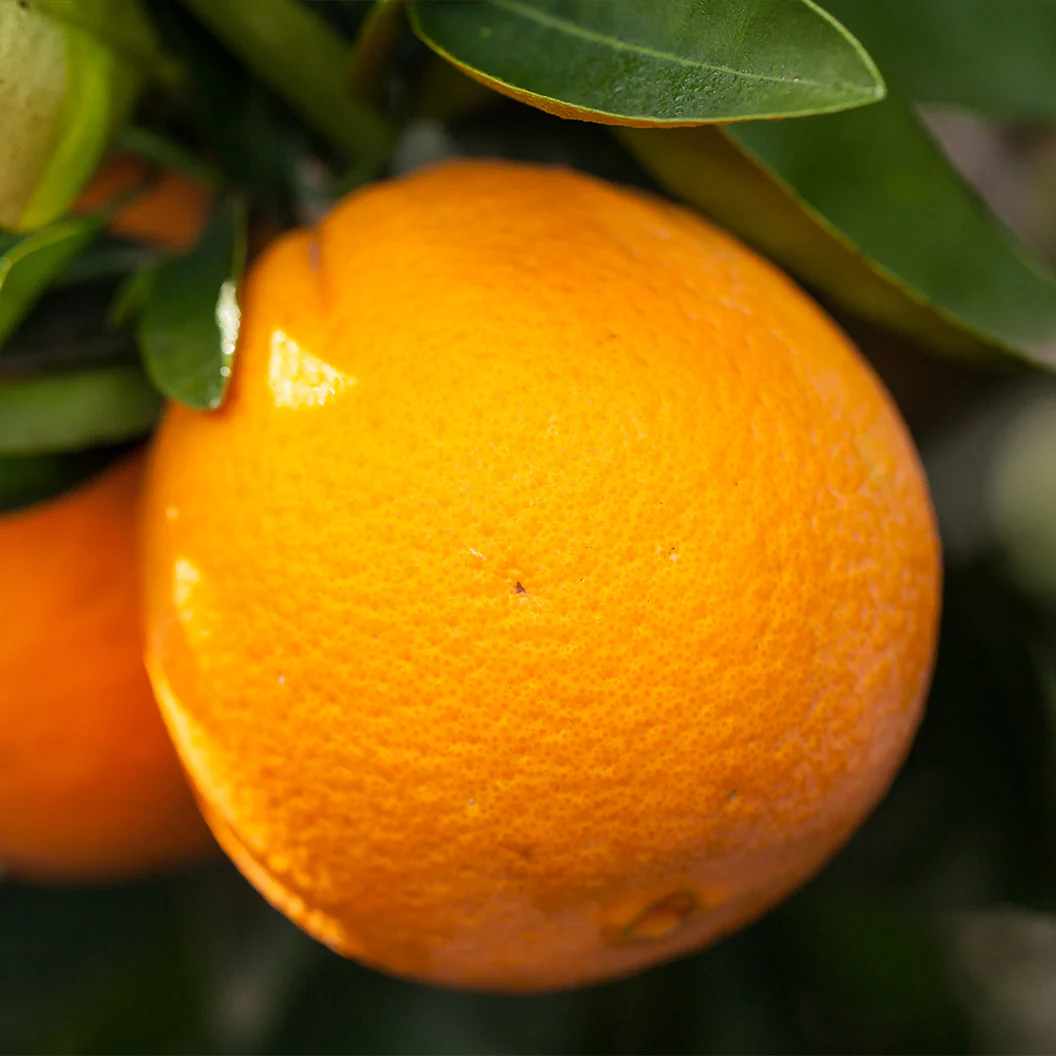
Adding the Autumn Gold Navel Orange Tree to your landscape means sweet, juicy citrus with no seeds, perfect for juicing! These slightly smaller fruits offer a full spring of delicious flavor right from your backyard.
This citrus tree is disease-resistant and great for patios, containers, or backyard gardens. Bring it indoors in the colder months, and enjoy fragrant oranges that liven up your home!
Plus, this plant ripens longer than most varieties, meaning you get bounties of tasty fruit from late winter through the end of spring. And since it's self-pollinating, you can plant just one tree for juicy oranges during the growing season.
NOTE: This product is specific to California. Find Autumn Gold Navel Orange Trees for other states here.
Enjoy freshly made juice and so much more when you bring the Autumn Gold Navel Orange Tree home. Buy yours today!
Planting & Care
1. Planting: This plant thrives in full sun and well-drained soil and should be placed in a southern exposure. Keep indoor temperatures above 40°F. During winter, temperatures above 60°F are preferred to help the plant absorb nutrients and maintain active growth. It cannot tolerate temperatures below 40°F. A humidity level of 50% or higher is ideal, but the plant can tolerate lower humidity levels without any harm.
2. Watering: Allow the soil to dry out visually between waterings. Use a clay pot for better air exchange and avoid over-potting; a slightly under-potted plant promotes healthier roots. Citrus plants are prone to root disease, but following these watering tips and keeping temperatures above 60°F can help prevent issues.
3. Fertilizing: Apply ½ teaspoon of a balanced fertilizer (like 10-10-10 or 7-9-5) per gallon of water every two weeks. Use fertilizer sparingly to avoid problems.
4. Pruning: Prune young plants to encourage branching and strengthen limbs for heavy fruit. The best time to prune is late spring, after flowering and during active growth.
5. Pollination: Since this plant is self-pollinating, it requires no other varieties to produce fruit. However, additional citrus trees can increase the production load during the harvest season.
Details & Craftsmanship
Every detail has been carefully considered to bring you the perfect product.
Details & Craftsmanship
Every detail has been carefully considered to bring you the perfect product.
Description
Seedless, Late Season Oranges on a Disease-Resistant Patio Plant
Adding the Autumn Gold Navel Orange Tree to your landscape means sweet, juicy citrus with no seeds, perfect for juicing! These slightly smaller fruits offer a full spring of delicious flavor right from your backyard.
This citrus tree is disease-resistant and great for patios, containers, or backyard gardens. Bring it indoors in the colder months, and enjoy fragrant oranges that liven up your home!
Plus, this plant ripens longer than most varieties, meaning you get bounties of tasty fruit from late winter through the end of spring. And since it's self-pollinating, you can plant just one tree for juicy oranges during the growing season.
NOTE: This product is specific to California. Find Autumn Gold Navel Orange Trees for other states here.
Enjoy freshly made juice and so much more when you bring the Autumn Gold Navel Orange Tree home. Buy yours today!
Planting & Care
1. Planting: This plant thrives in full sun and well-drained soil and should be placed in a southern exposure. Keep indoor temperatures above 40°F. During winter, temperatures above 60°F are preferred to help the plant absorb nutrients and maintain active growth. It cannot tolerate temperatures below 40°F. A humidity level of 50% or higher is ideal, but the plant can tolerate lower humidity levels without any harm.
2. Watering: Allow the soil to dry out visually between waterings. Use a clay pot for better air exchange and avoid over-potting; a slightly under-potted plant promotes healthier roots. Citrus plants are prone to root disease, but following these watering tips and keeping temperatures above 60°F can help prevent issues.
3. Fertilizing: Apply ½ teaspoon of a balanced fertilizer (like 10-10-10 or 7-9-5) per gallon of water every two weeks. Use fertilizer sparingly to avoid problems.
4. Pruning: Prune young plants to encourage branching and strengthen limbs for heavy fruit. The best time to prune is late spring, after flowering and during active growth.
5. Pollination: Since this plant is self-pollinating, it requires no other varieties to produce fruit. However, additional citrus trees can increase the production load during the harvest season.