Original: $114.95
-65%$114.95
$40.23The Story
A stunning display of seasonal beauty and resilience
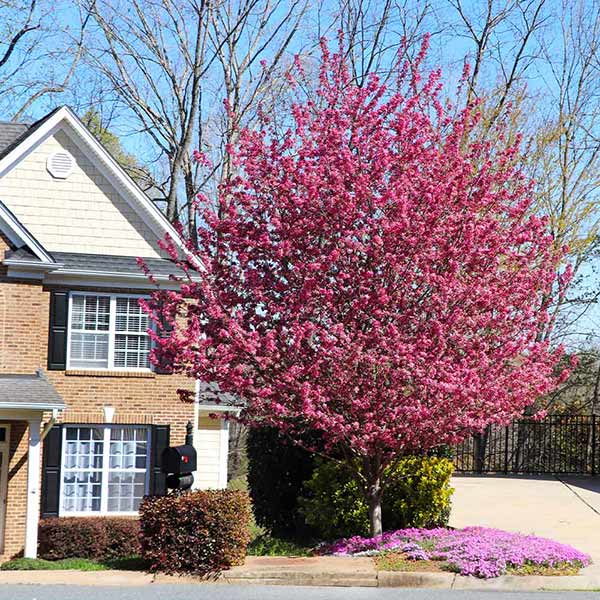
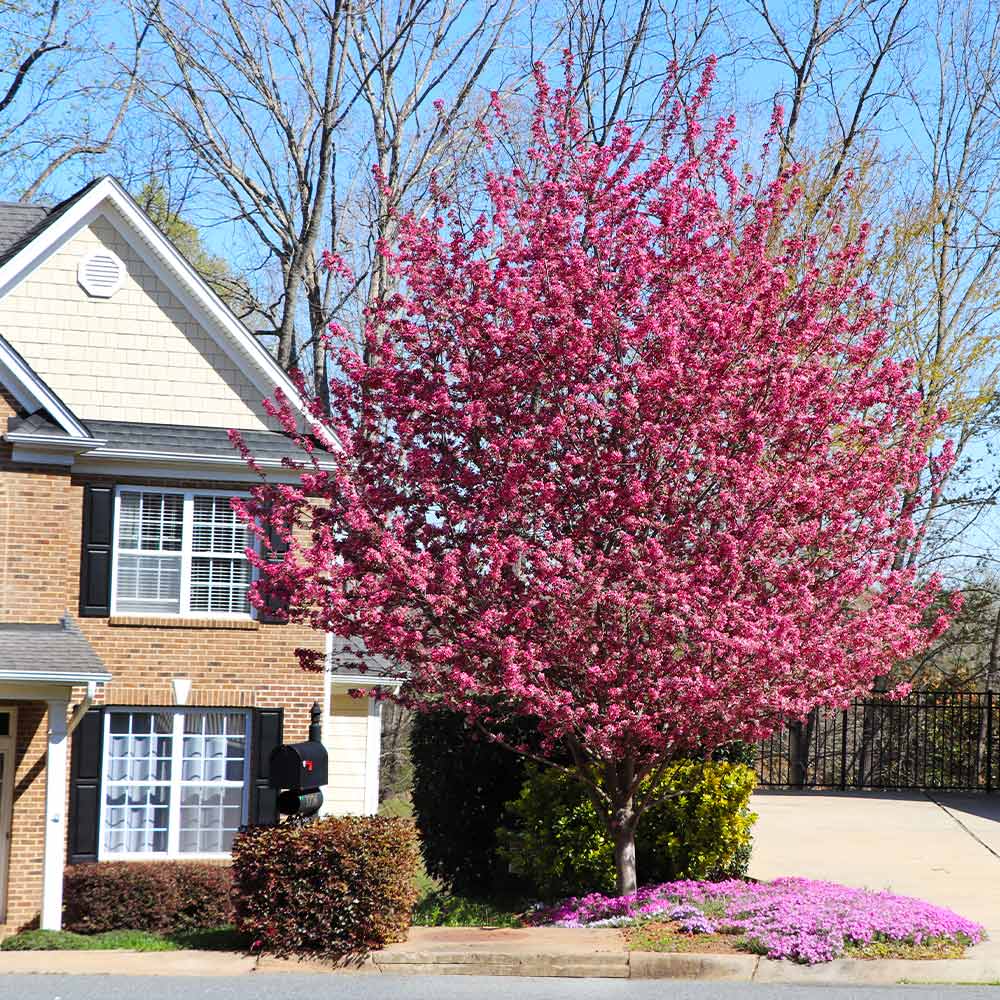
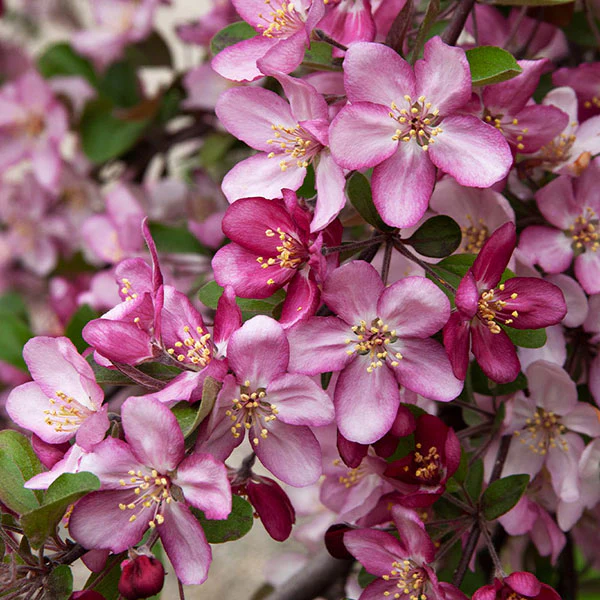
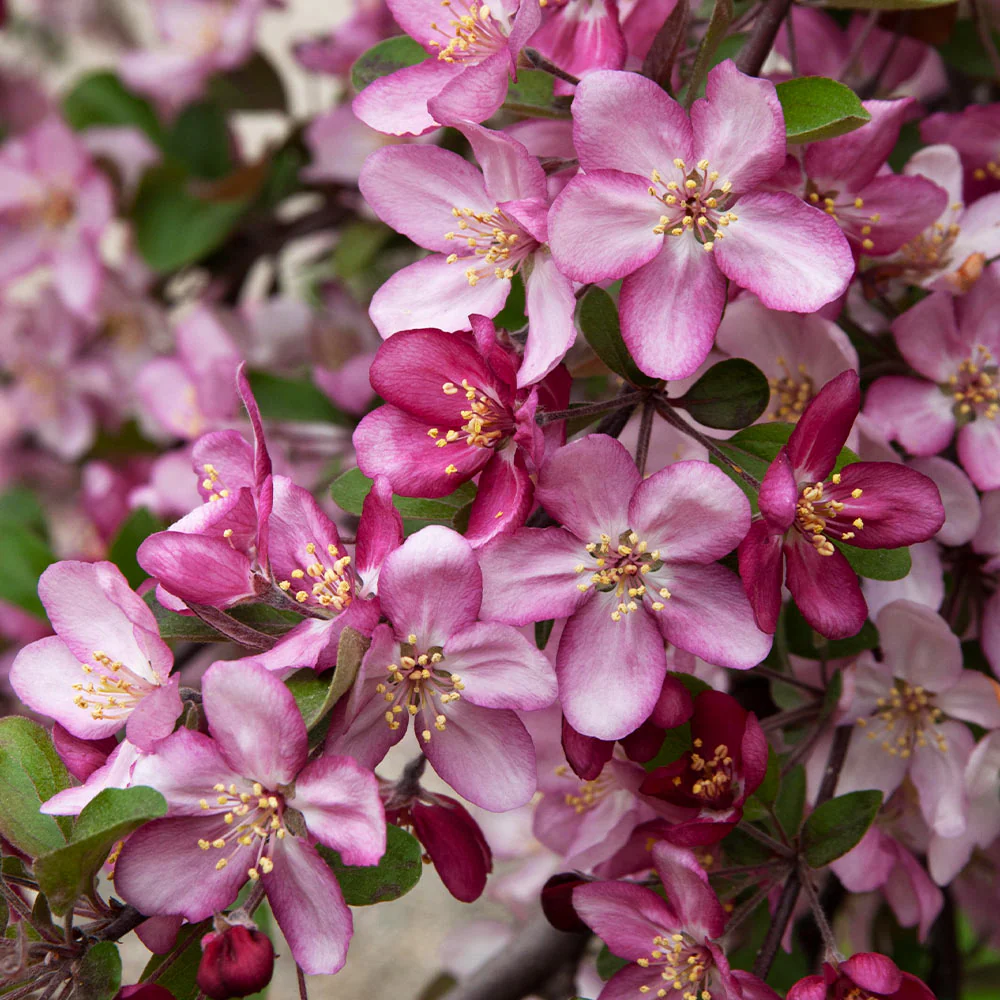
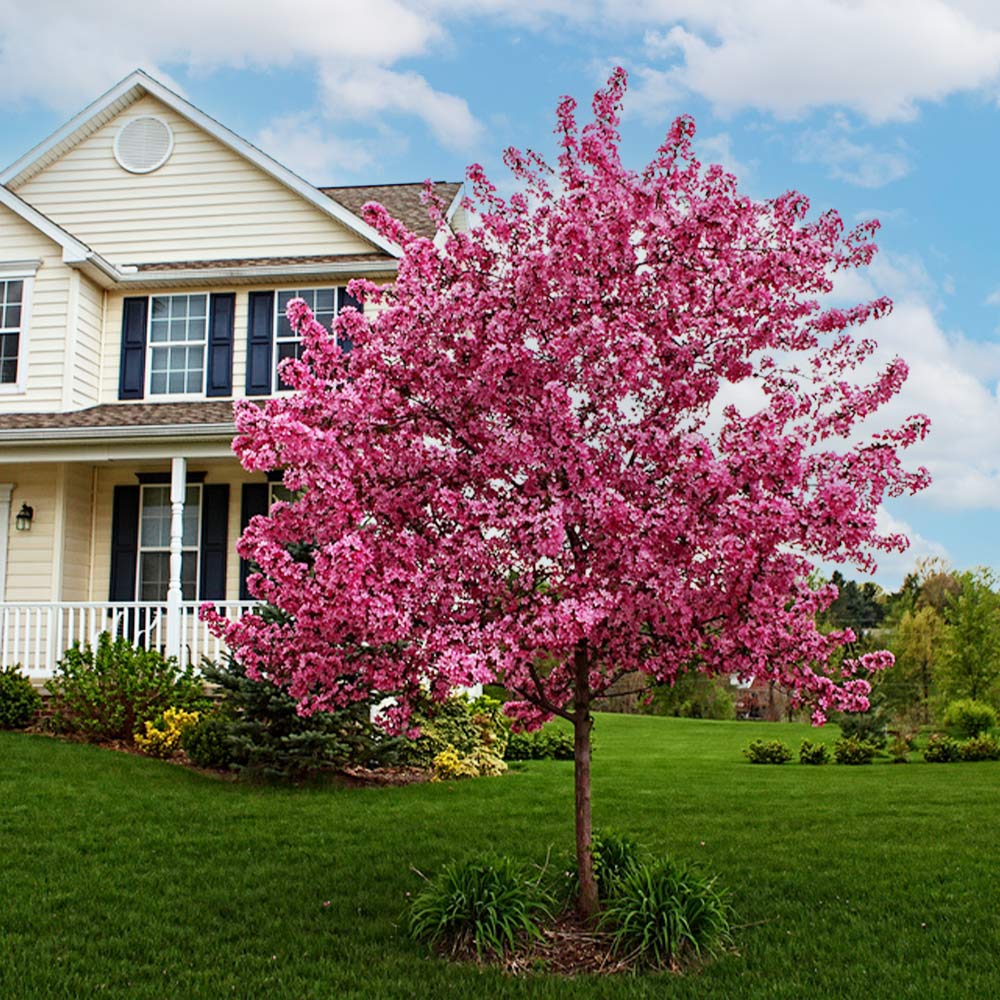
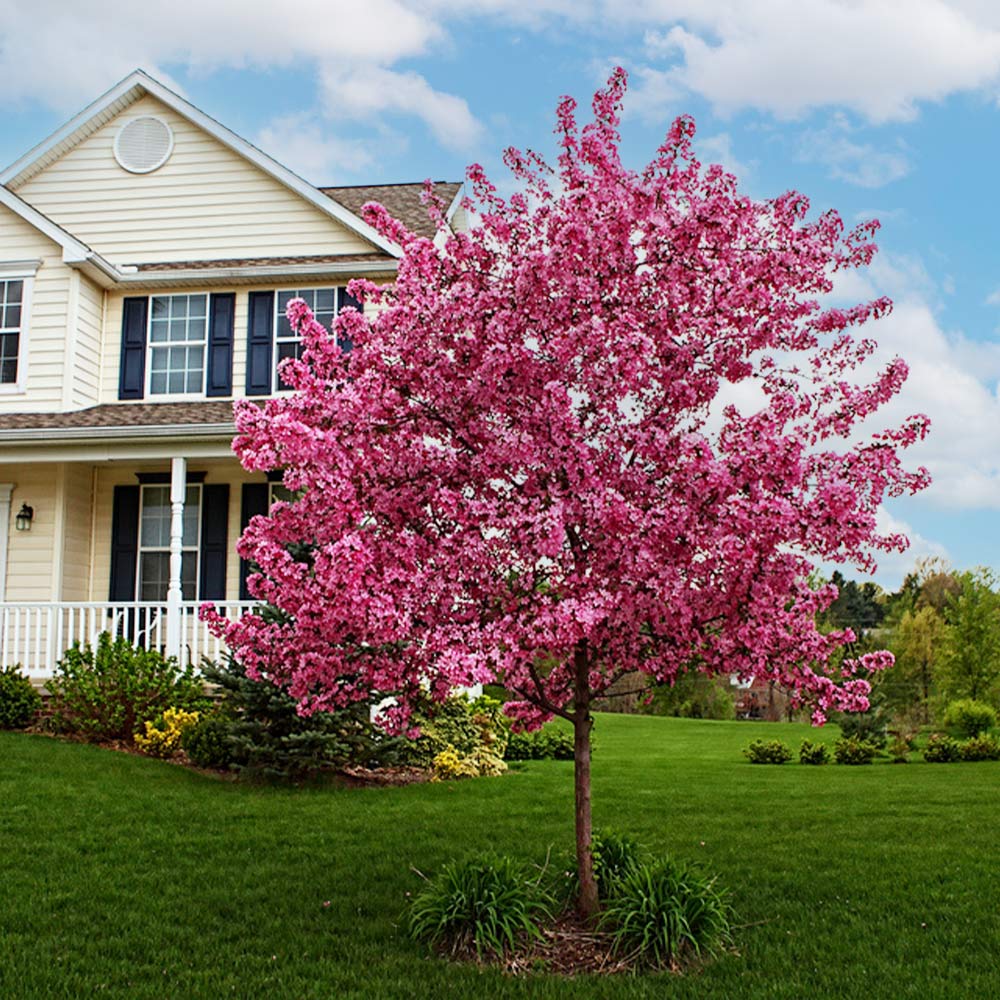
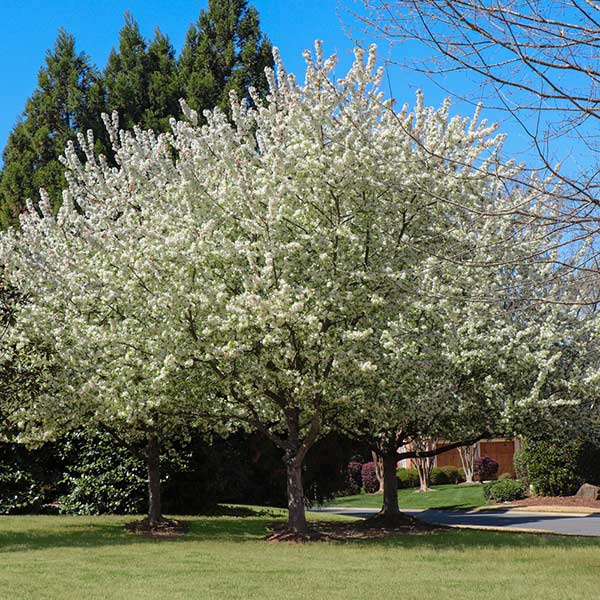
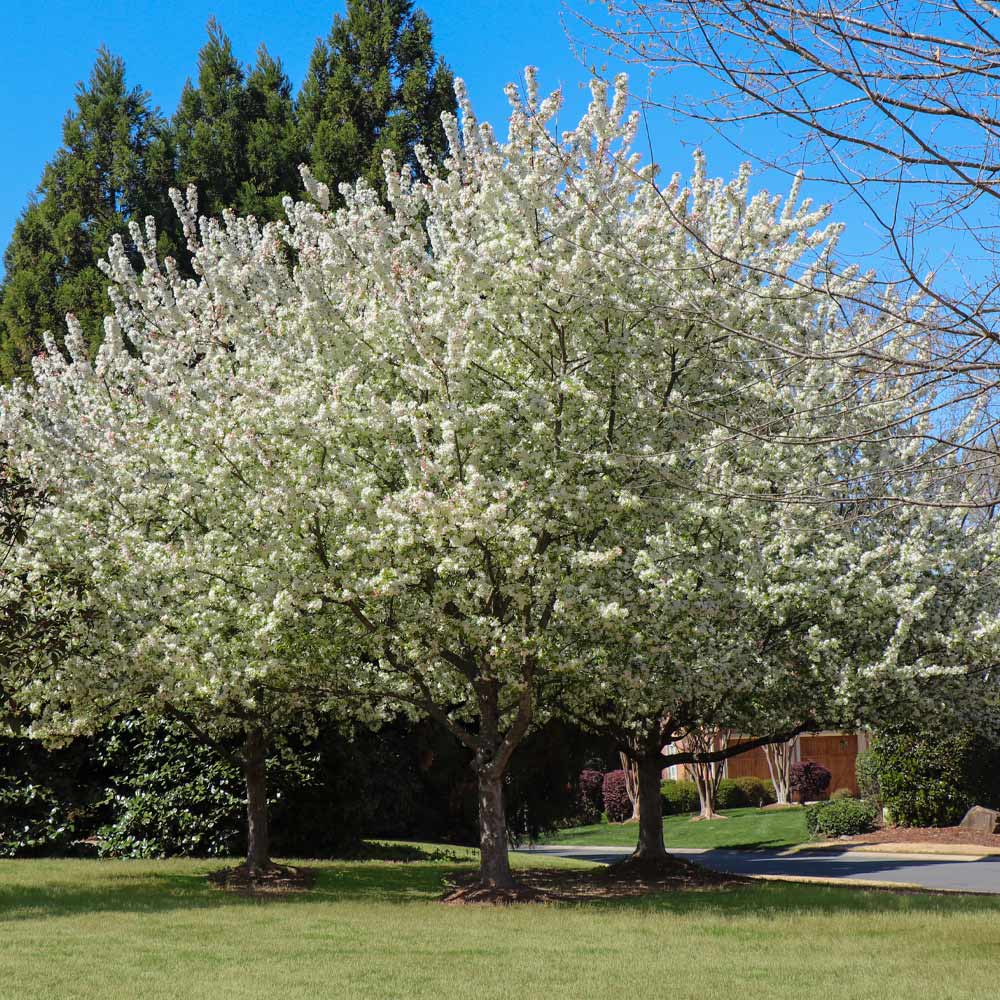
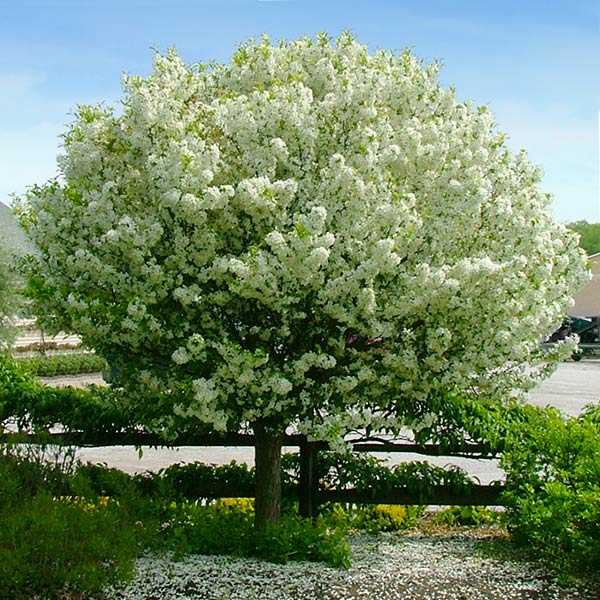
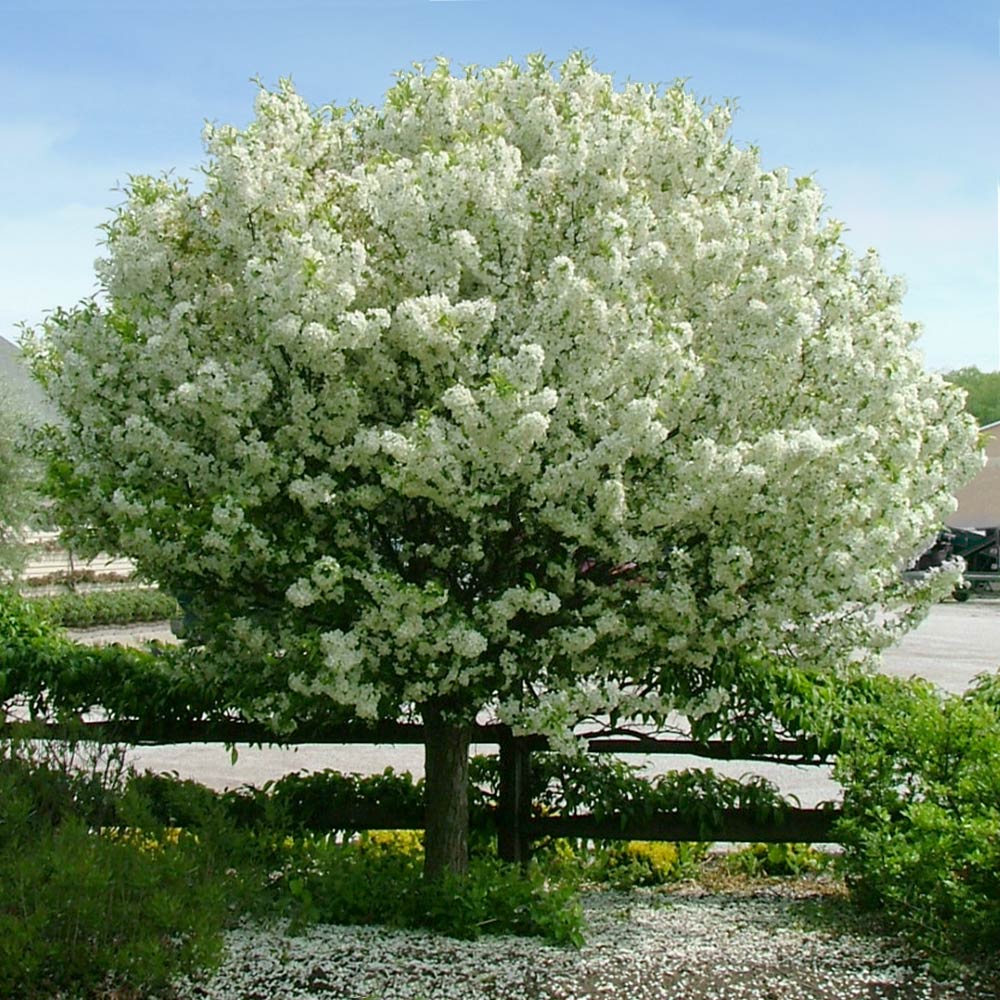
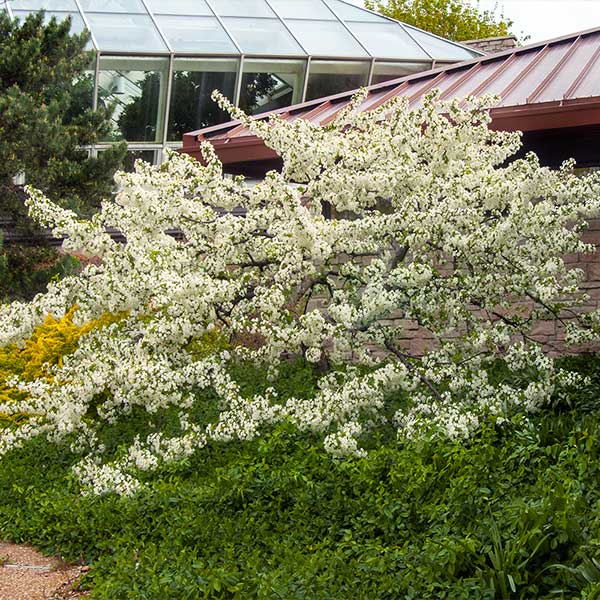
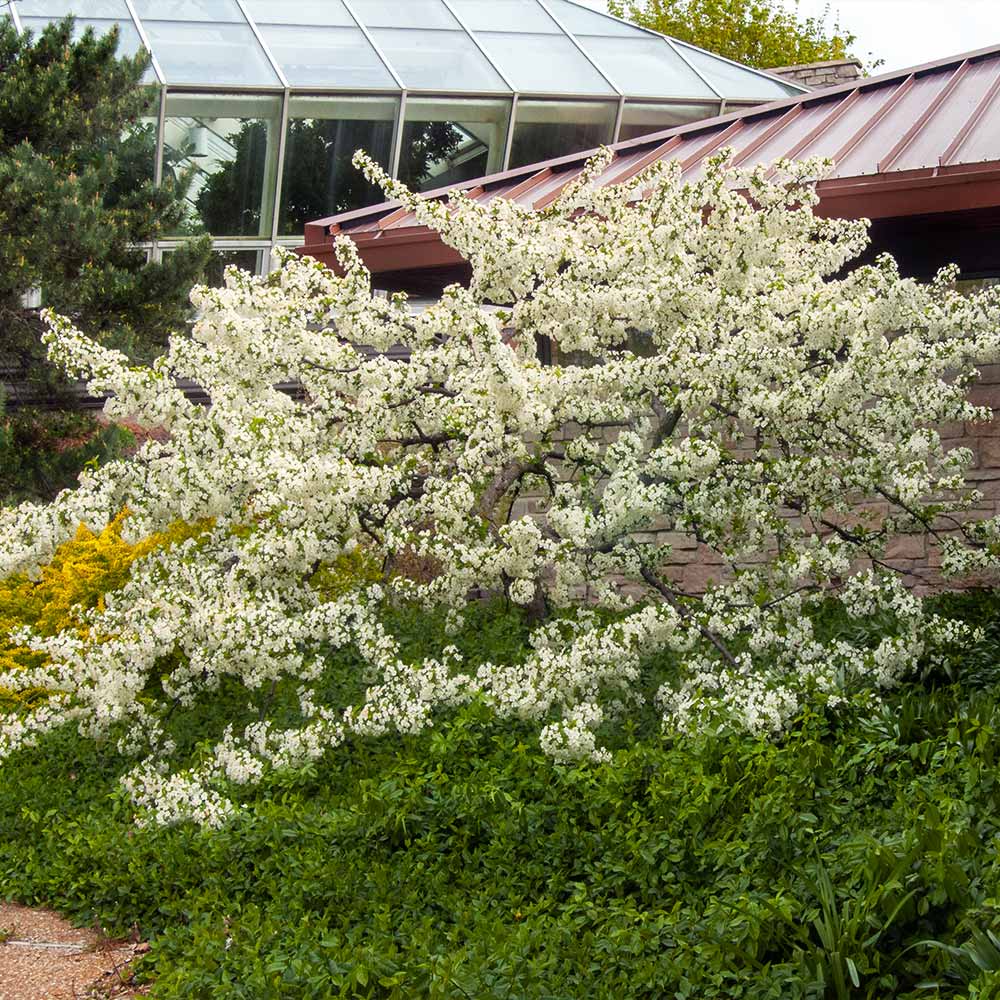
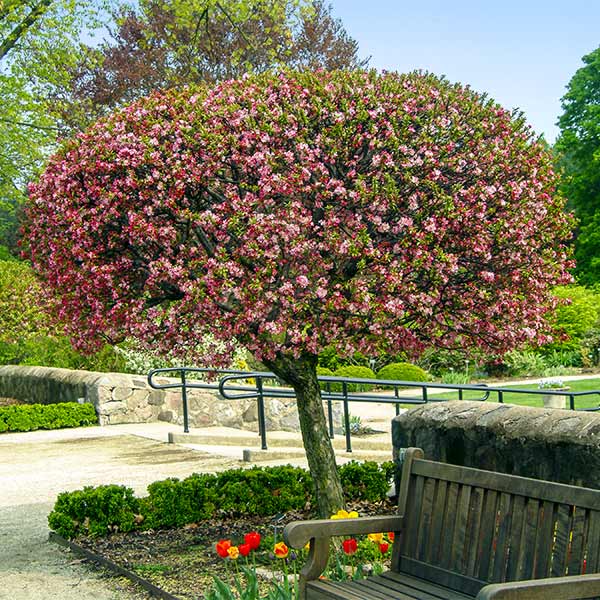
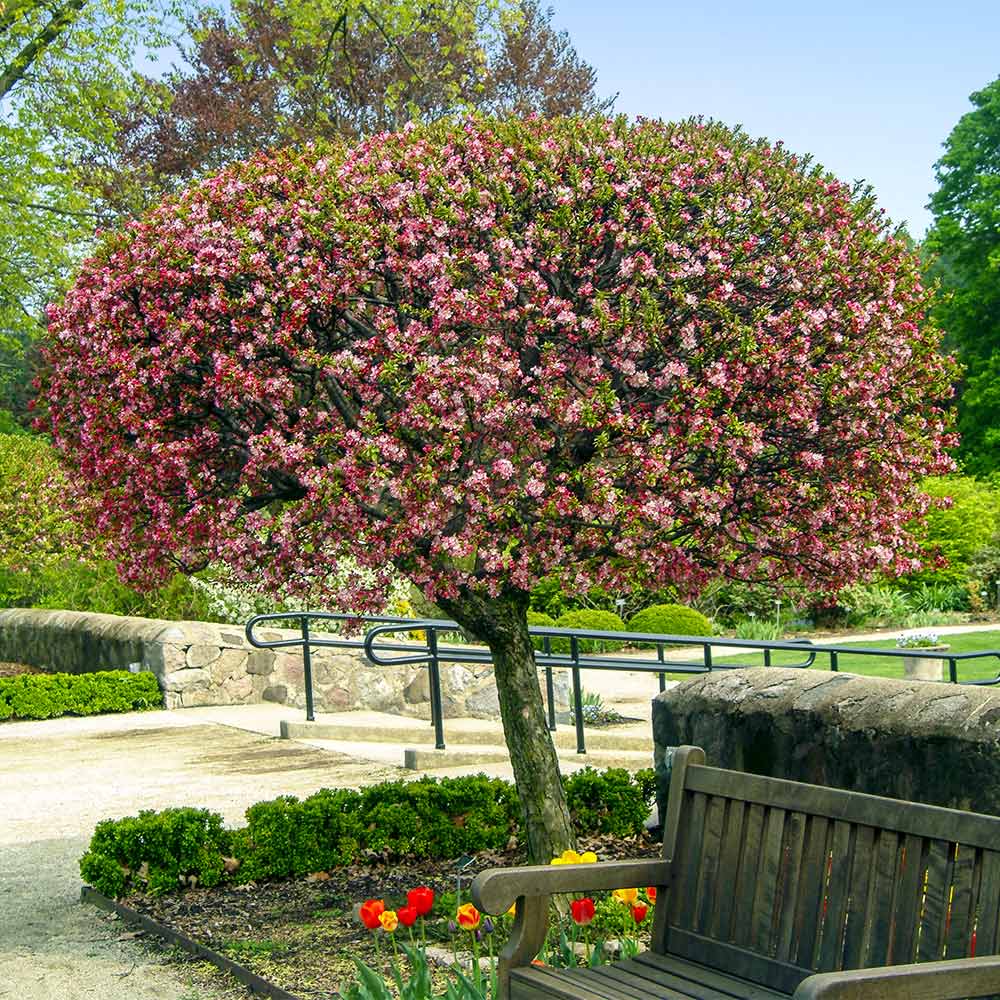
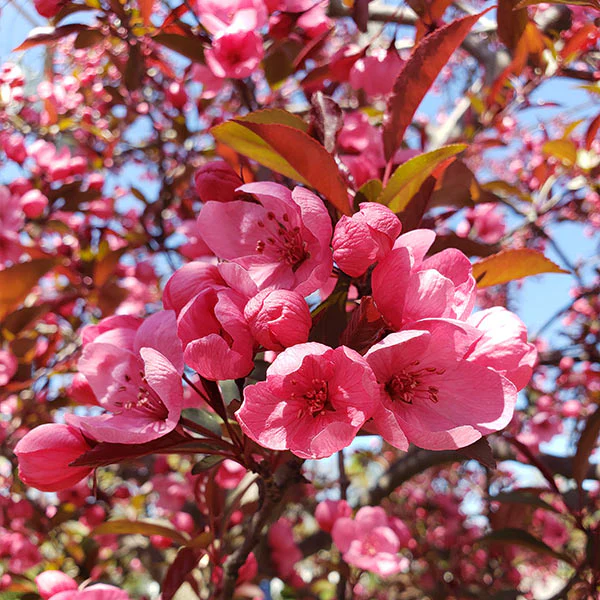
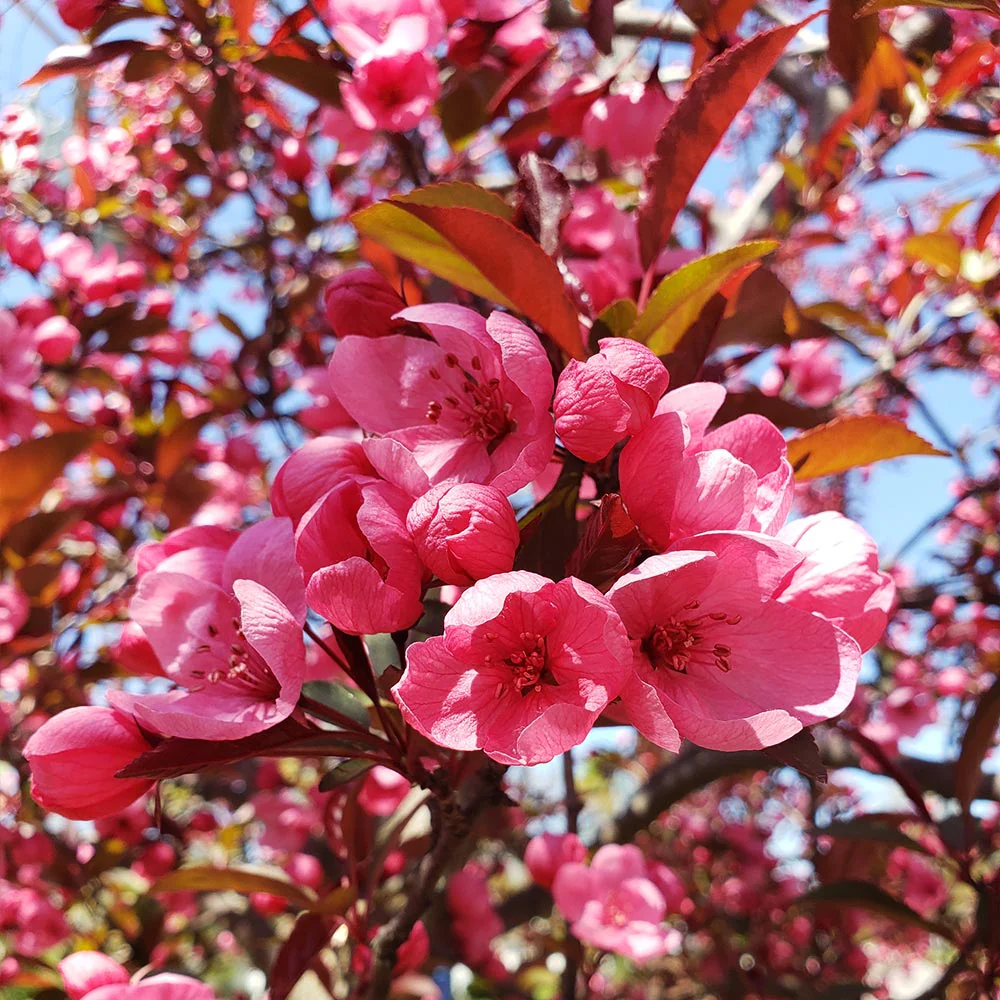
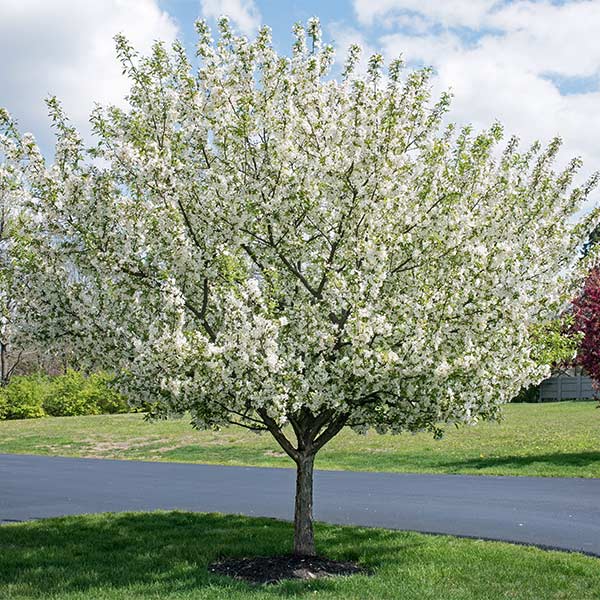
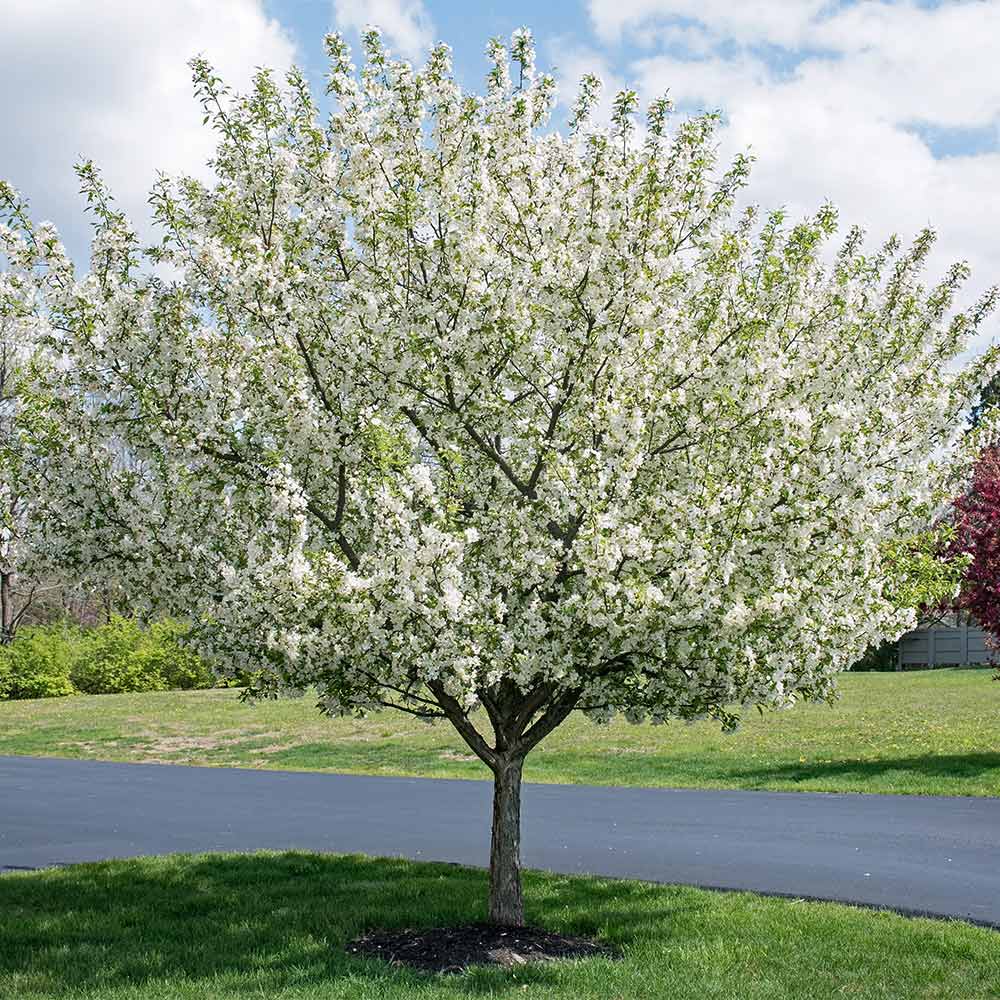
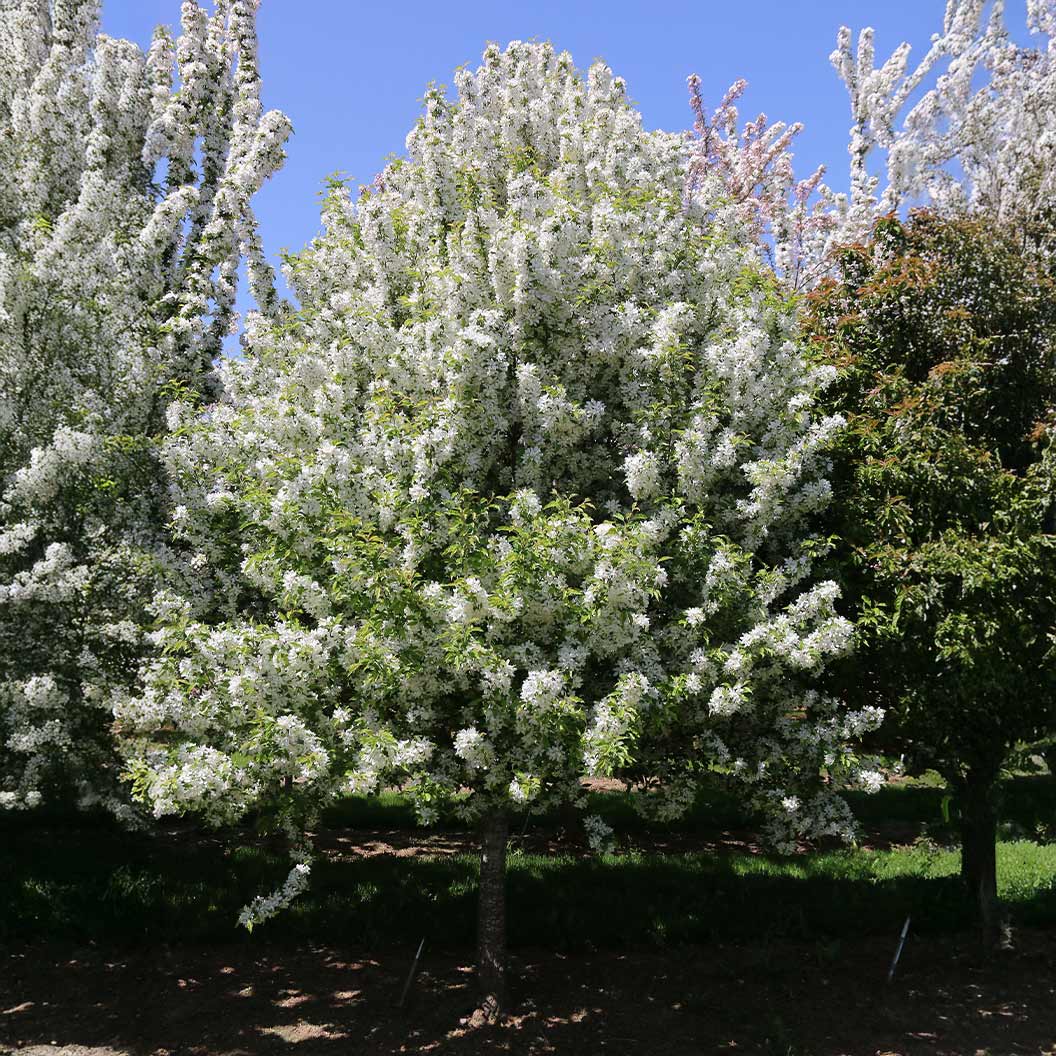
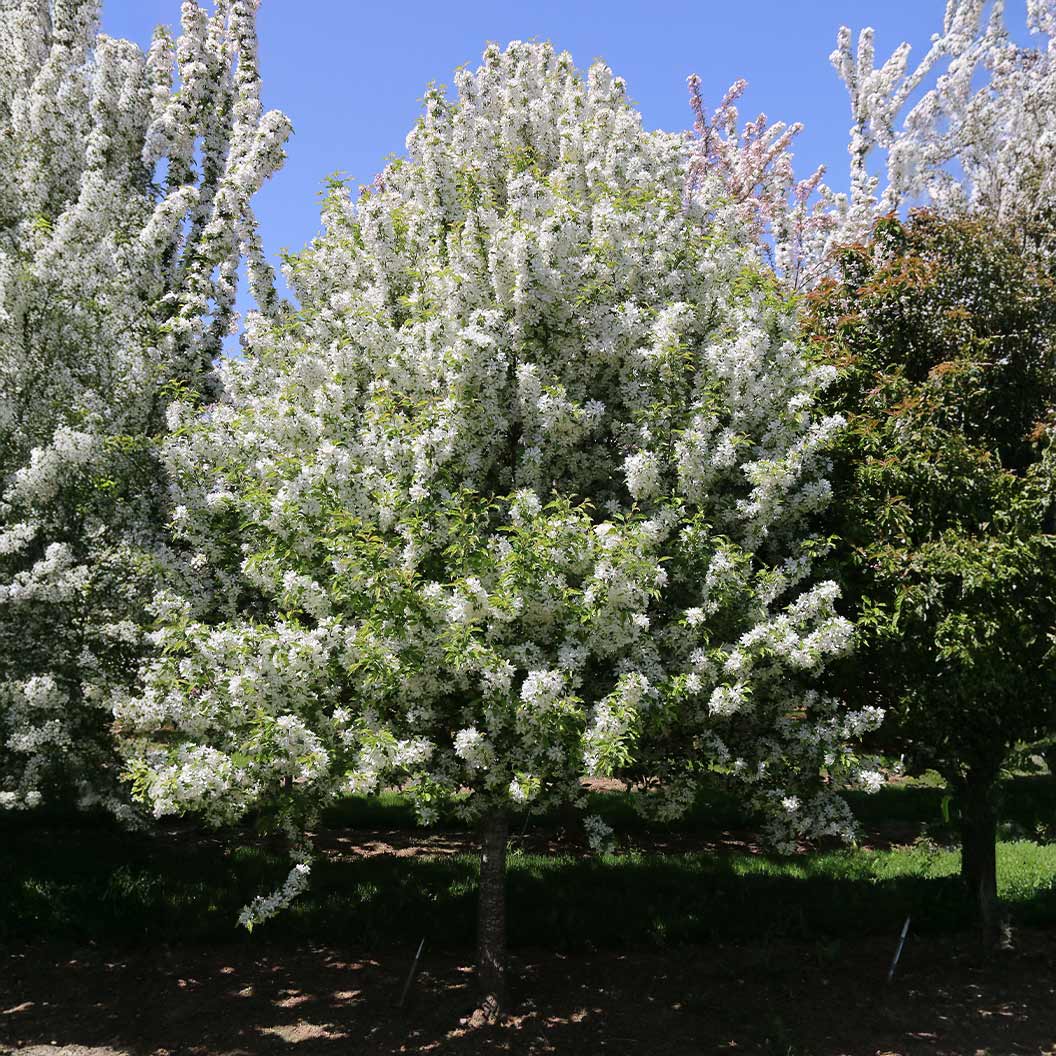
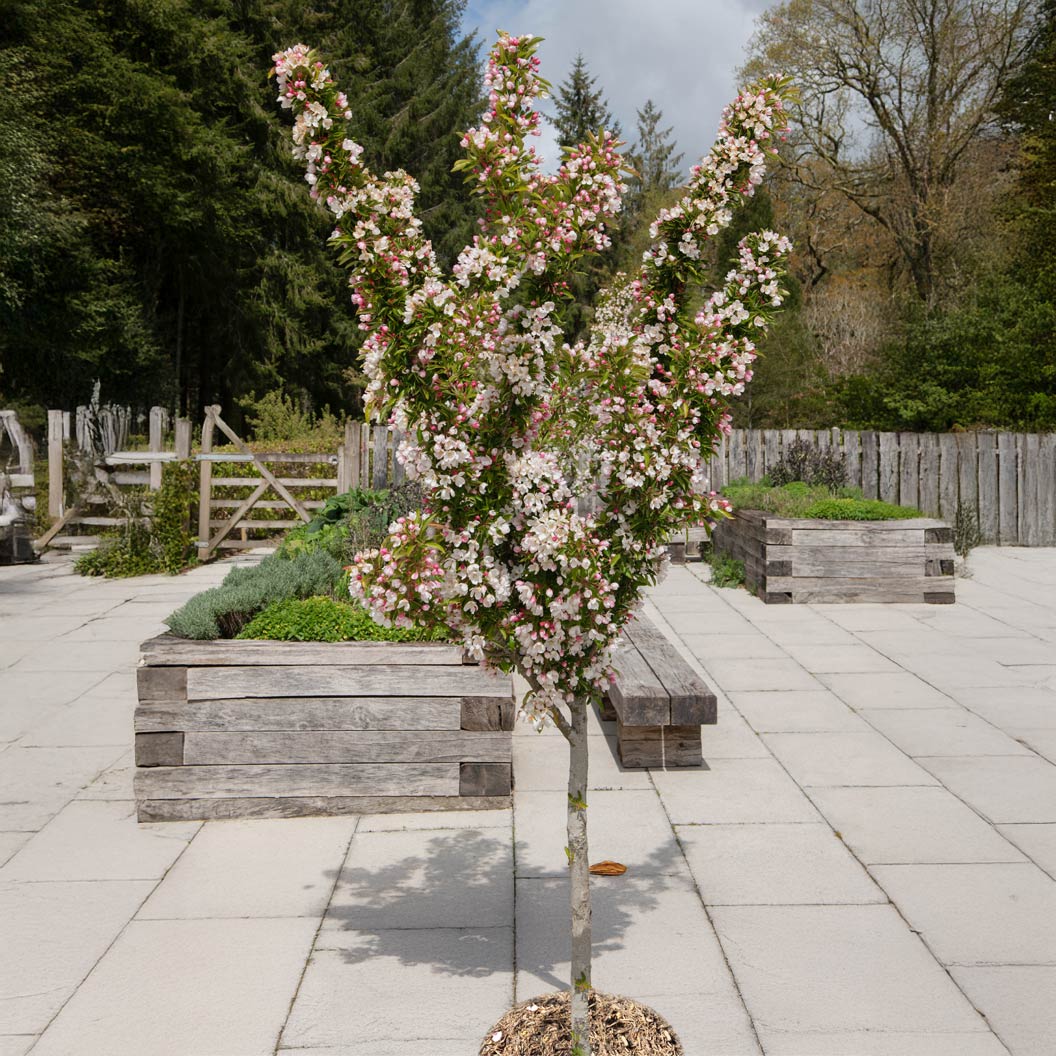
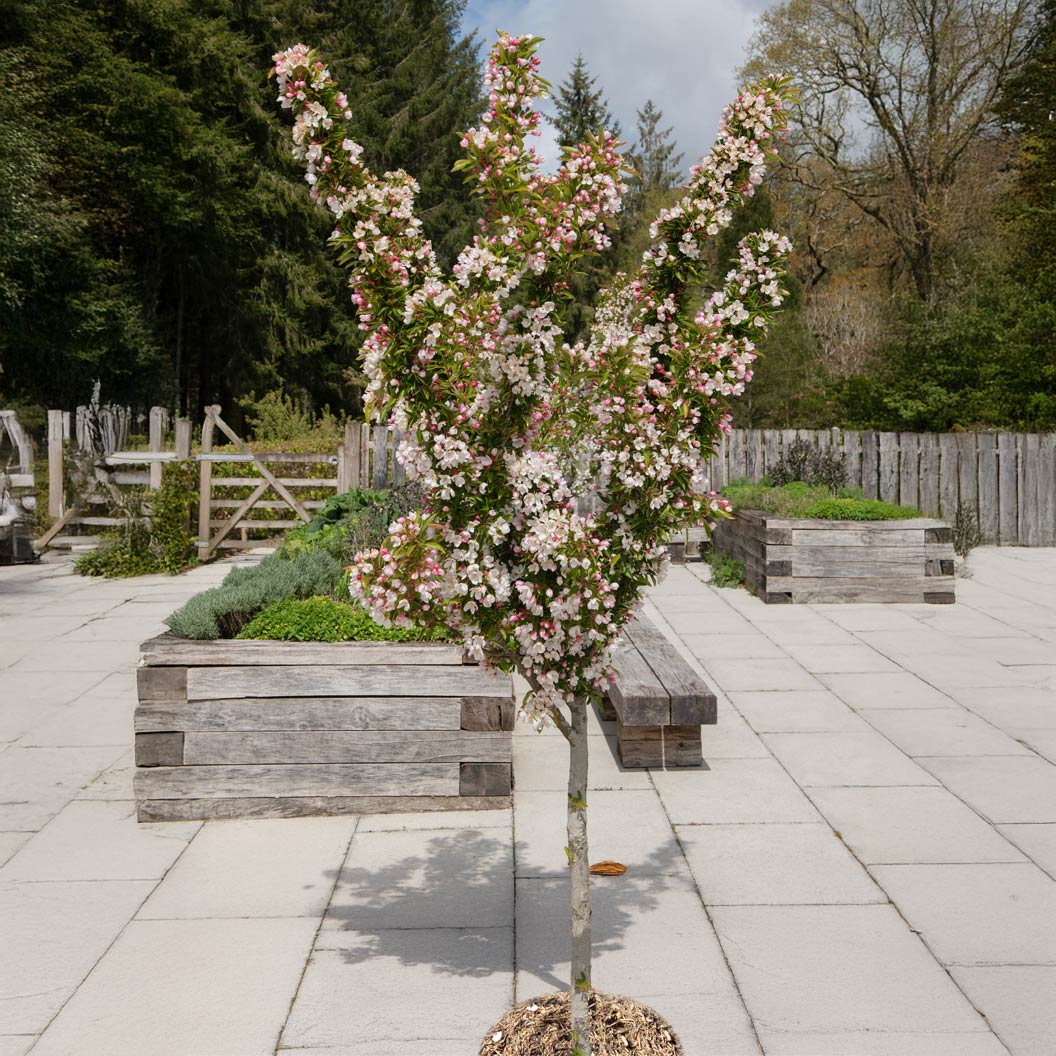
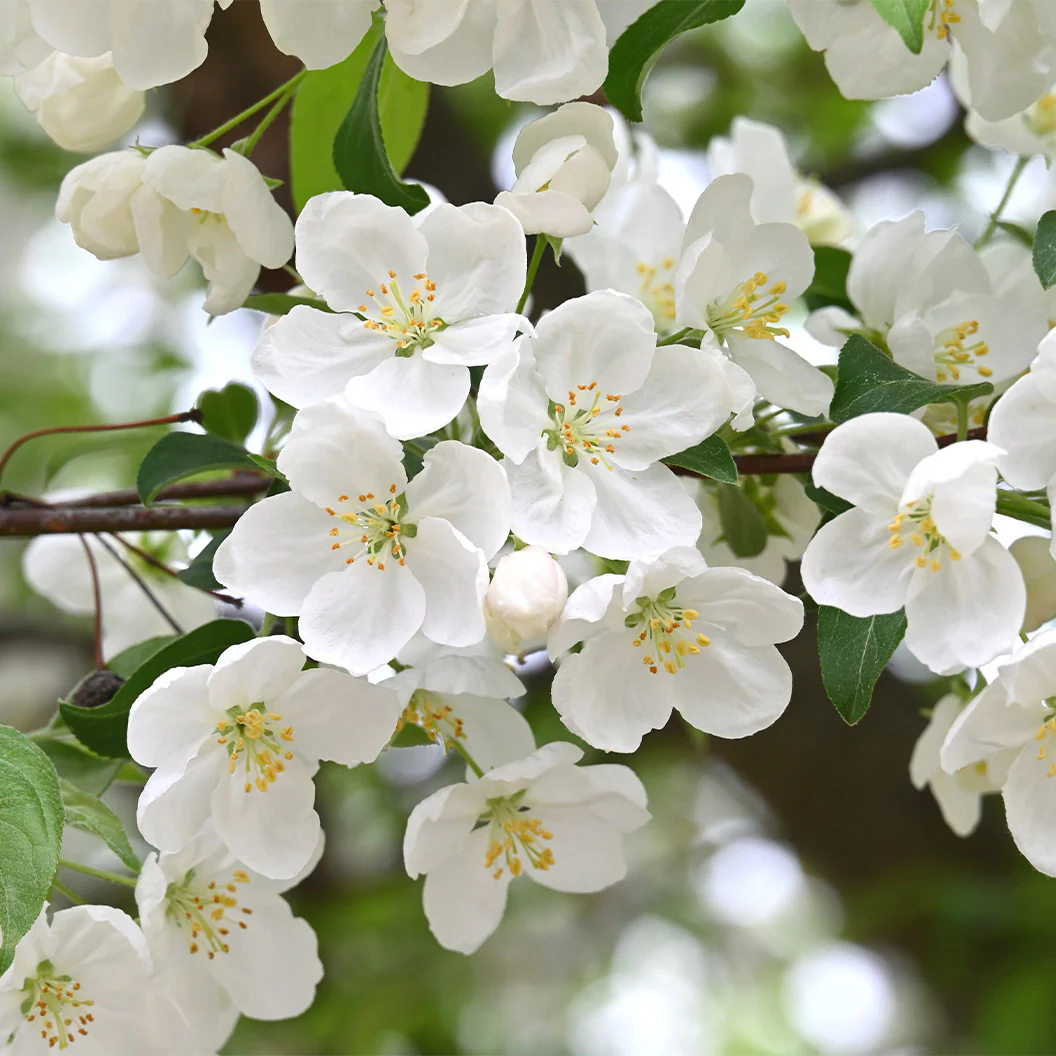
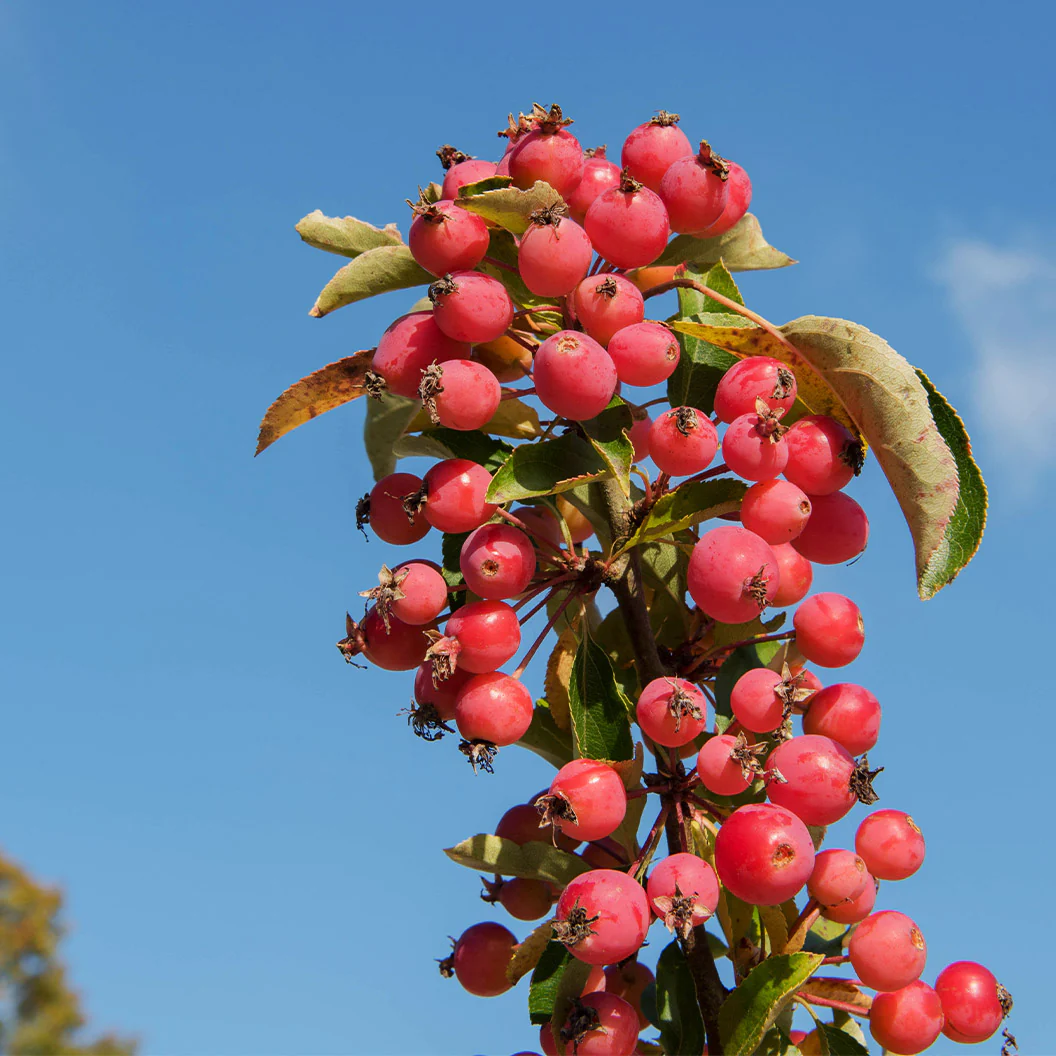
The Adirondack Crabapple Tree is a delightful addition to any landscape, showcasing dark red buds that burst into lovely white flowers each spring. This charming transformation is more than just aesthetically pleasing; it attracts pollinators and adds life to your garden. Following the floral display, you’ll be treated to a dazzling array of bright orange-red fruit that persists into winter, providing visual interest even in the colder months. This fruit is not only a feast for the eyes but also for local wildlife, attracting birds and other critters to your yard, making your garden a lively hub of activity.
One of the standout features of this tree is its narrow, upright branching habit, which allows it to fit comfortably in smaller spaces while still making an impactful statement. Its dark green leaves boast a high level of disease resistance to scab, fireblight, rust, and mildew, ensuring that the tree remains healthy and vibrant with minimal fuss. Whether you're looking to enhance your yard’s natural beauty or create a sheltered environment for birds and pollinators, the Adirondack Crabapple Tree offers an array of benefits that will surely enrich your outdoor space.
Planting & Care
1. Planting Choose a location that receives full sun, as this tree thrives best in well-drained soil. Dig a hole that is twice as wide as the root ball and just deep enough to accommodate the roots without crowding. Gently place the tree in the hole, ensuring that the graft union is slightly above soil level. Fill in with native soil and water thoroughly to eliminate air pockets.
2. Watering During the establishment period, water the tree regularly to keep the soil moist but not soggy. Once established, the Adirondack Crabapple is relatively drought-tolerant, though regular watering during dry spells will help maintain its health and fruit production.
3. Pruning Prune the tree in late winter or early spring before new growth begins. Focus on removing any dead or crossing branches to improve airflow and structure. A light shaping can enhance its narrow habit and promote healthy growth.
Fertilizing A balanced fertilizer can be applied in early spring to promote healthy growth. Follow the package instructions for dosage. Too much fertilizer can be detrimental, so aim for moderate applications rather than excessive feeding.
Details & Craftsmanship
Every detail has been carefully considered to bring you the perfect product.
Details & Craftsmanship
Every detail has been carefully considered to bring you the perfect product.
Details & Craftsmanship
Every detail has been carefully considered to bring you the perfect product.
Description
A stunning display of seasonal beauty and resilience
The Adirondack Crabapple Tree is a delightful addition to any landscape, showcasing dark red buds that burst into lovely white flowers each spring. This charming transformation is more than just aesthetically pleasing; it attracts pollinators and adds life to your garden. Following the floral display, you’ll be treated to a dazzling array of bright orange-red fruit that persists into winter, providing visual interest even in the colder months. This fruit is not only a feast for the eyes but also for local wildlife, attracting birds and other critters to your yard, making your garden a lively hub of activity.
One of the standout features of this tree is its narrow, upright branching habit, which allows it to fit comfortably in smaller spaces while still making an impactful statement. Its dark green leaves boast a high level of disease resistance to scab, fireblight, rust, and mildew, ensuring that the tree remains healthy and vibrant with minimal fuss. Whether you're looking to enhance your yard’s natural beauty or create a sheltered environment for birds and pollinators, the Adirondack Crabapple Tree offers an array of benefits that will surely enrich your outdoor space.
Planting & Care
1. Planting Choose a location that receives full sun, as this tree thrives best in well-drained soil. Dig a hole that is twice as wide as the root ball and just deep enough to accommodate the roots without crowding. Gently place the tree in the hole, ensuring that the graft union is slightly above soil level. Fill in with native soil and water thoroughly to eliminate air pockets.
2. Watering During the establishment period, water the tree regularly to keep the soil moist but not soggy. Once established, the Adirondack Crabapple is relatively drought-tolerant, though regular watering during dry spells will help maintain its health and fruit production.
3. Pruning Prune the tree in late winter or early spring before new growth begins. Focus on removing any dead or crossing branches to improve airflow and structure. A light shaping can enhance its narrow habit and promote healthy growth.
Fertilizing A balanced fertilizer can be applied in early spring to promote healthy growth. Follow the package instructions for dosage. Too much fertilizer can be detrimental, so aim for moderate applications rather than excessive feeding.